
Imagine you have recently grown a pair of breasts, and it’s a beautiful spring day, and you can take off almost all your clothes, get together with your pals and thousands of other girls, and sing and dance for the king. This is a blast, I can report, having just observed eSwatini’s Umhlanga Red Dance Festival, where all this action unfolds. Attending it was one of the biggest strokes of luck of my travel life.
Months ago, I had read about the festival (which Lonely Planet describes as “one of Africa’s biggest cultural events.”) The main event is a week-long celebration in which girls from all over the country flock to the main royal palace in Lobamba bearing reeds to (symbolically) help repair the queen mother’s home. Traditionally the monarch of this tiny (still-polygamous) state also chose a wife every year from among the nubile young dancers. The political unacceptability of a 50-something-year-old man annually picking out a teen virgin to add to his harem ended the match-making aspects of the festival around a dozen years ago. But in other ways, the tradition remains unchanged from its inception. “It’s like your 4th of July. Or Thanksgiving.” A celebration of national identity, asserted our guide, Myxo Mdluli. (I thought: not quite. I’ve never been to any turkey-eating feast that was this much fun.)
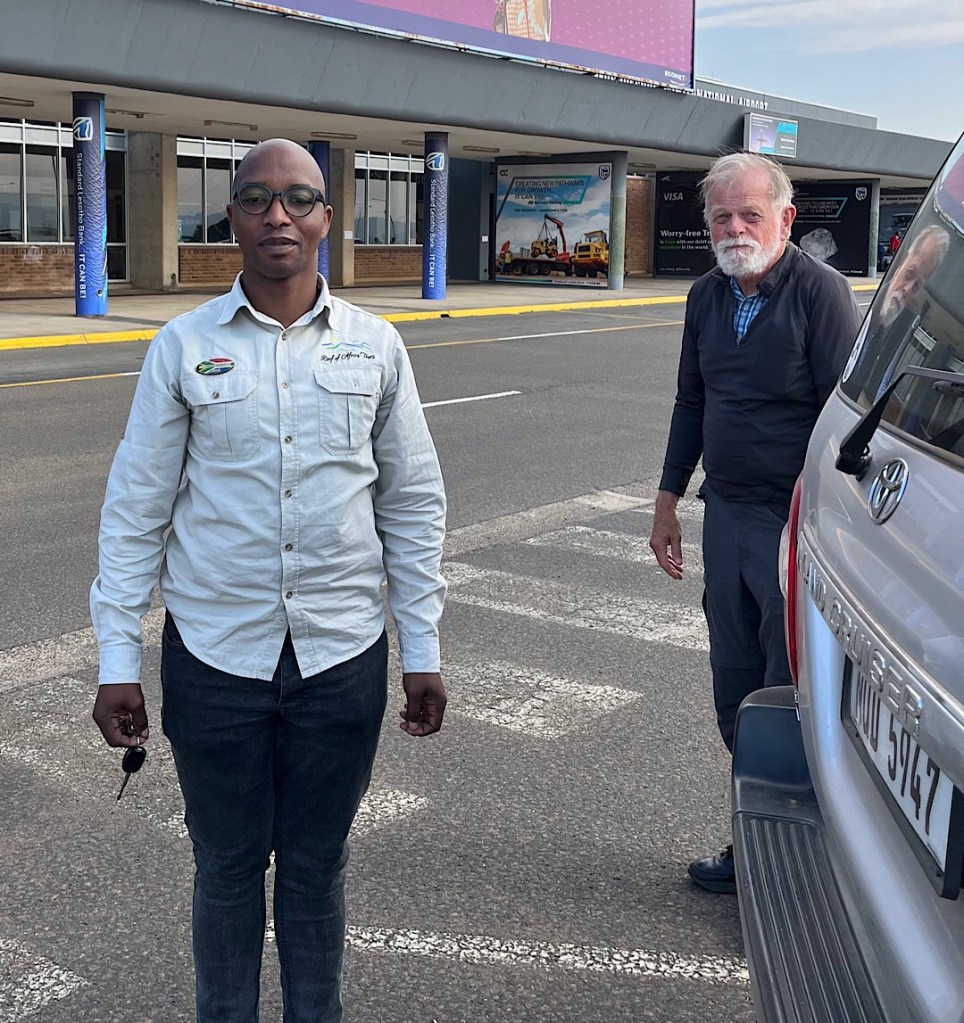
Back around May, I looked up the date of the festival, and any hope of attending it vanished when I learned it takes place sometime in August or September. What I didn’t know was that a one-day satellite reed-dance festival also happens at Embangweni, another of King Mswati III’s residences. At some point on Friday, during our seven and a half-hour drive from Pietermaritzburg (in South Africa) to a game park in southeastern eSwatini, Myxo mentioned the smaller event would be taking place the next day. Would we like to go?
Changing our itinerary and driving 90 minutes to get to Embangweni seemed a trivial price to pay for participating. We arrived a little before noon at what felt like a combination fairgrounds and sports field.
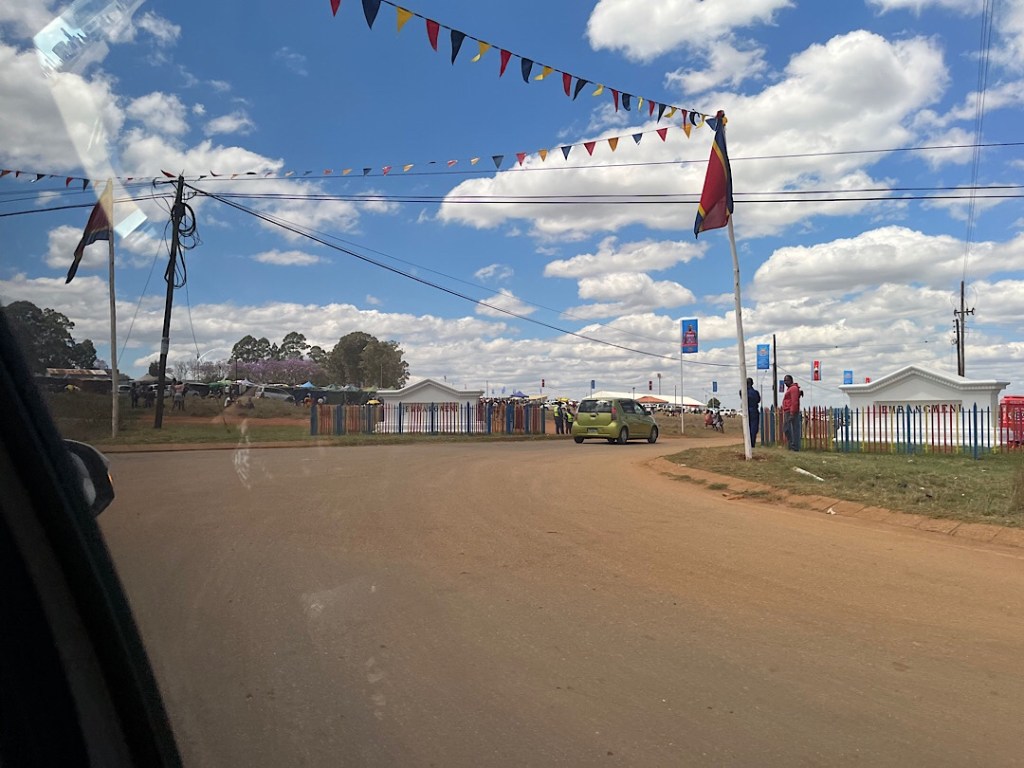
A large area for food vendors had popped up, and a gigantic VIP tent was serving a buffet lunch. Myxo spotted a cluster of colorful figures moving up a dirt path and urged us to get closer; it was a group of local girls arriving to participate.
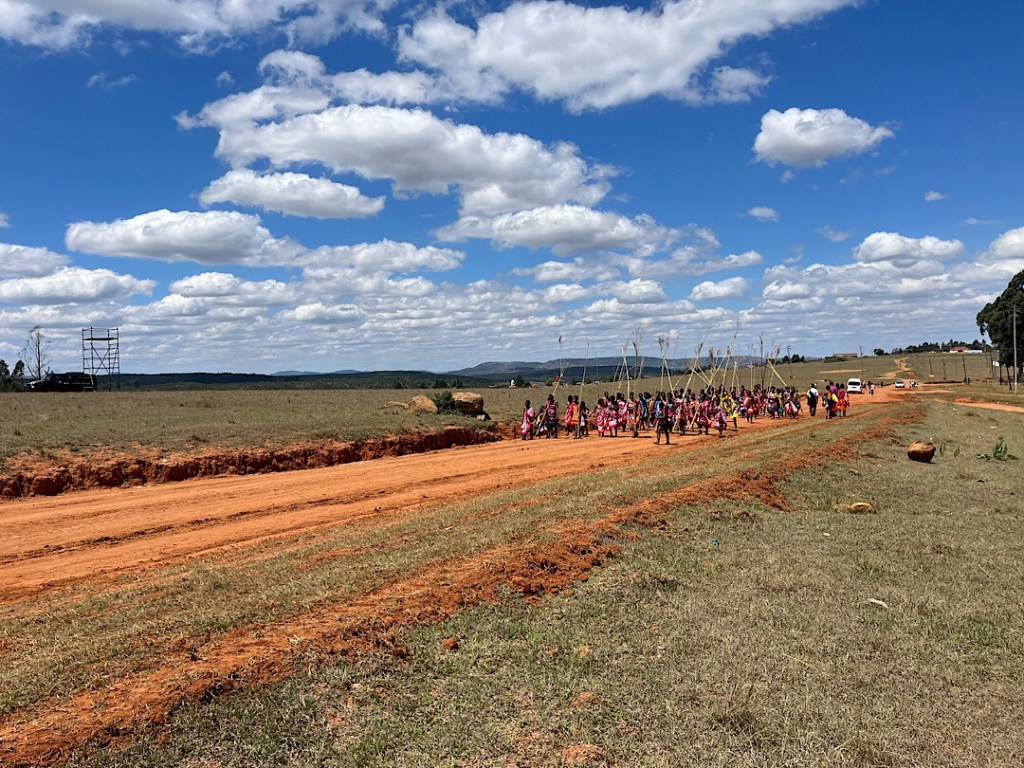
He prodded me to walk up and greet them, and I felt like an instant rock star. The girls exploded in grins. They threw their arms around me and began mugging for the camera.
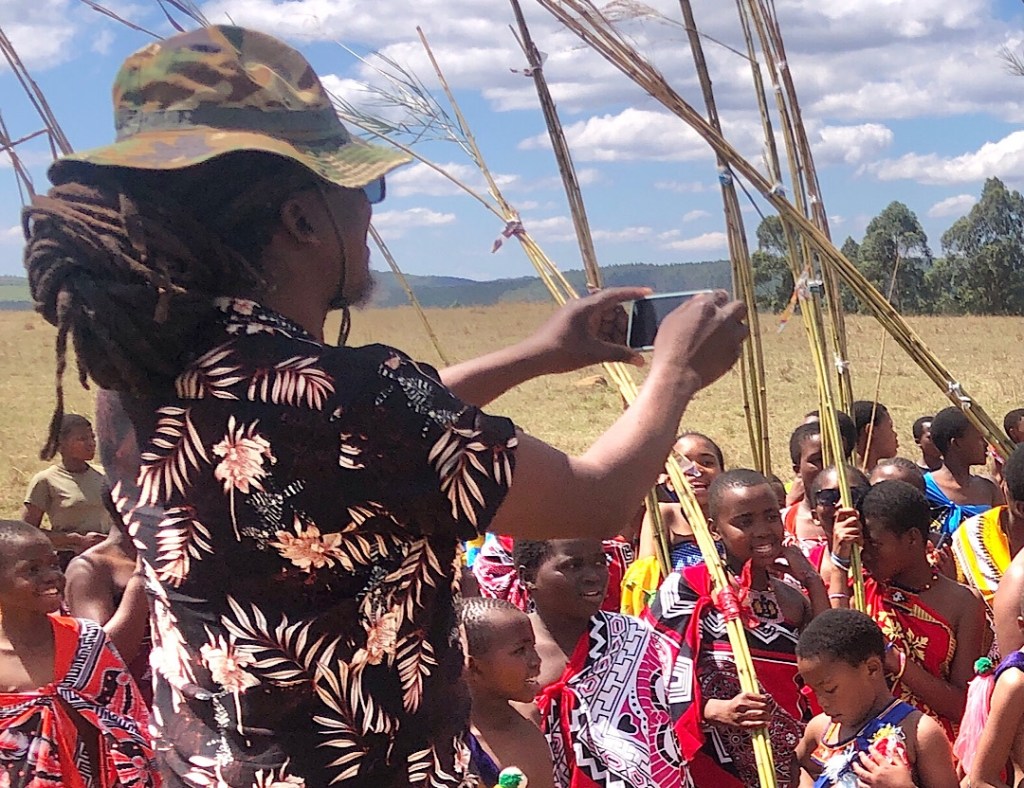
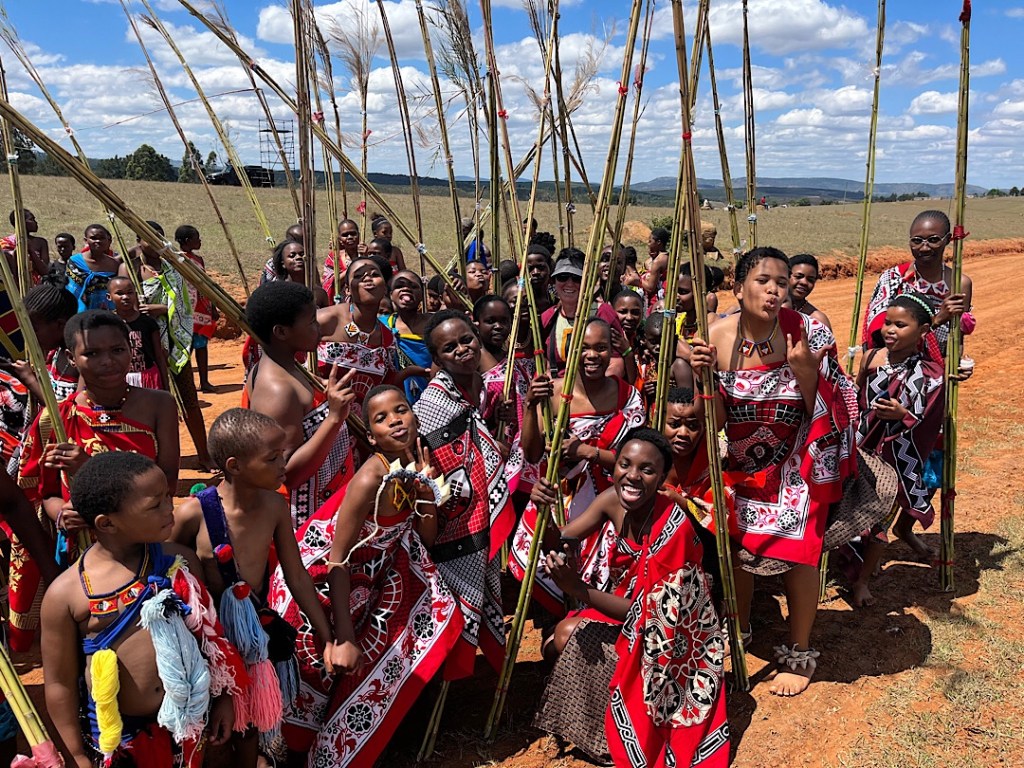
I should mention that they weren’t just strolling in, they also were singing, producing a marvel of complex harmonies and rhythms and solo counterpoints. We moved on and soon realized all the groups were singing, pretty much non-stop; floating among them took us through an archipelago of enchanting musical islands.
I also realized, with a jolt, that unlike that first group we encountered, most of the girls were topless and wearing beaded mini-skirts that covered either tiny black panties or simply their bare bottoms.
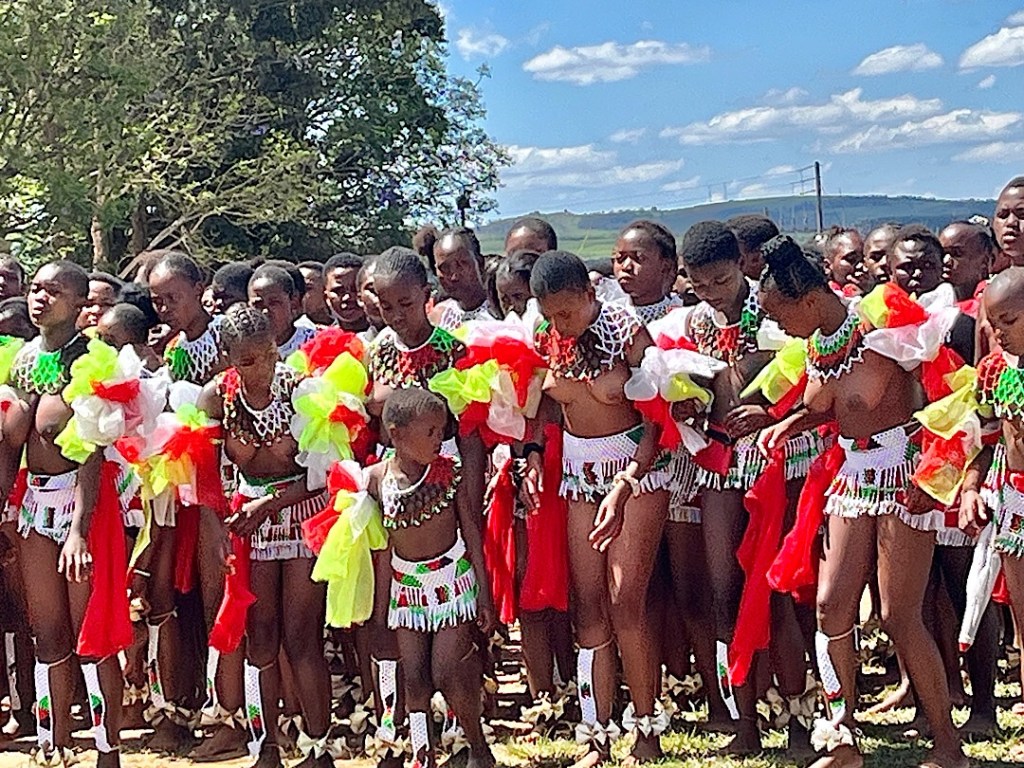
The Zulus gathered into a little group and individuals took the center ground to show off their stuff. The ability to deliver kicks very high and fiercely seemed to be a goal.
The range of ages was remarkable, from quite young…

To confident young women…

Though the costumes were skimpy, the stylistic variety was riveting.
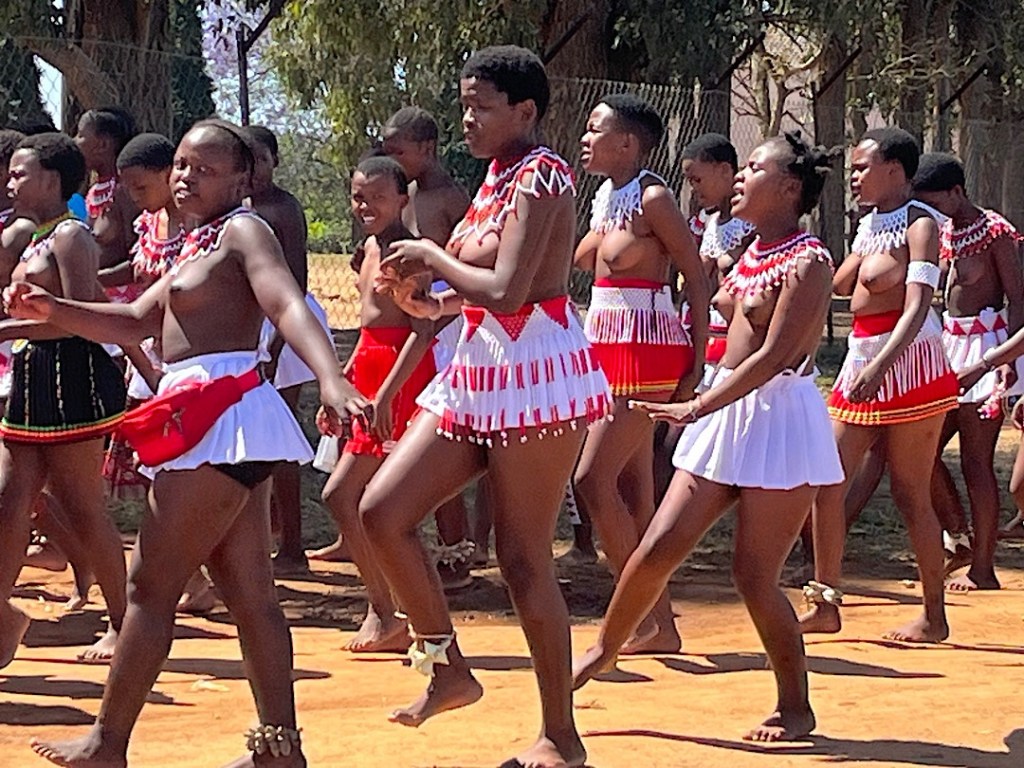
We learned that participating royals (princesses and maybe their close cousins?) could be distinguished by the feathers they alone were entitled to wear.

Around 1:30, phalanxes of Swazi girls began lining up at the palace gate to deliver their reeds.
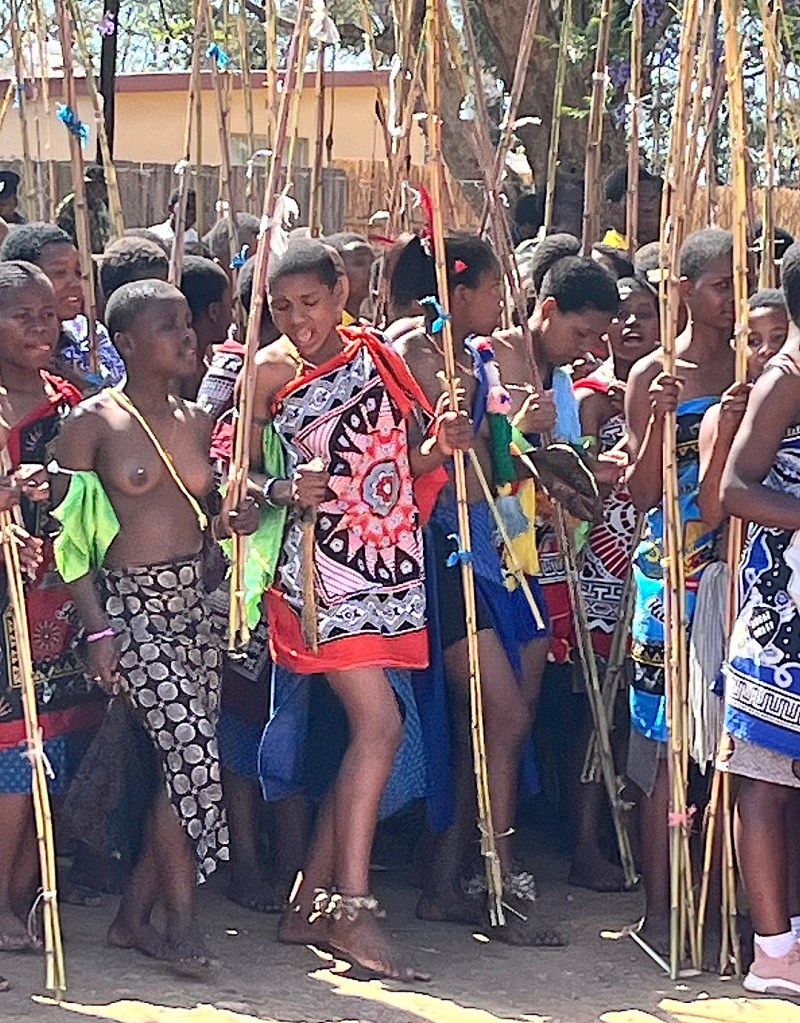

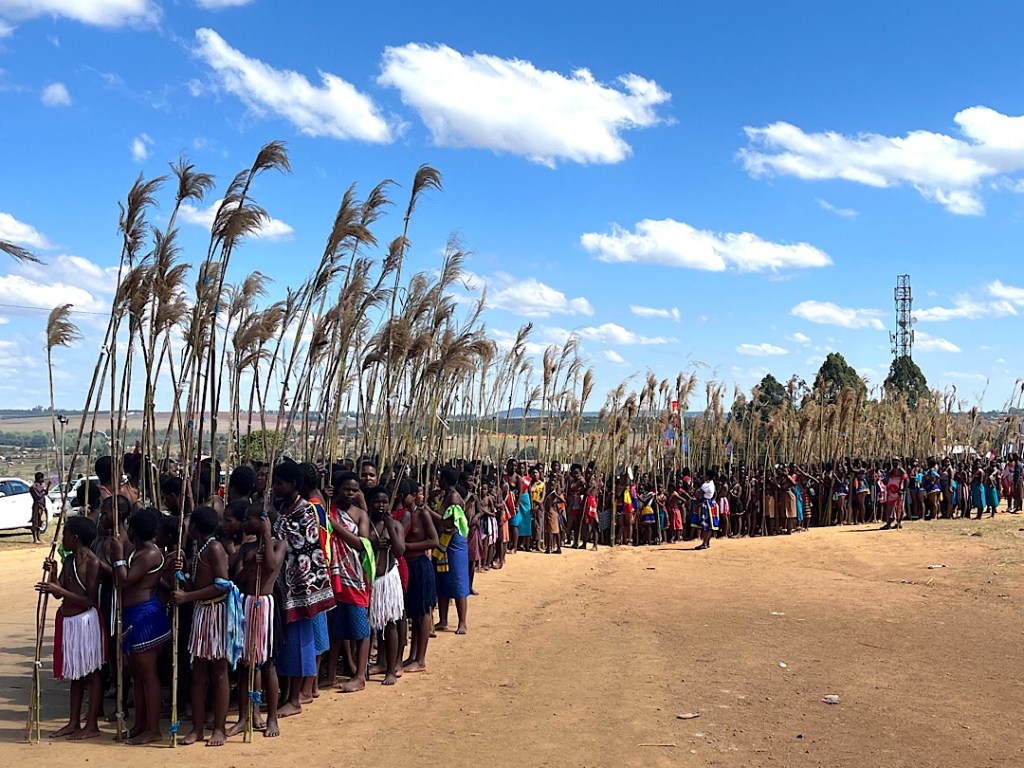
The numbers were staggering. We never heard a count, but the dancers clearly numbered in the thousands. For a while we watched them entering the arena, a parade that looked more jubilant and exultant than anything Macy or the Rose Bowl organizers ever dreamed of.
With no end to the marching girls in sight, however, we sadly had to depart before the formal dancing ceremonies began.
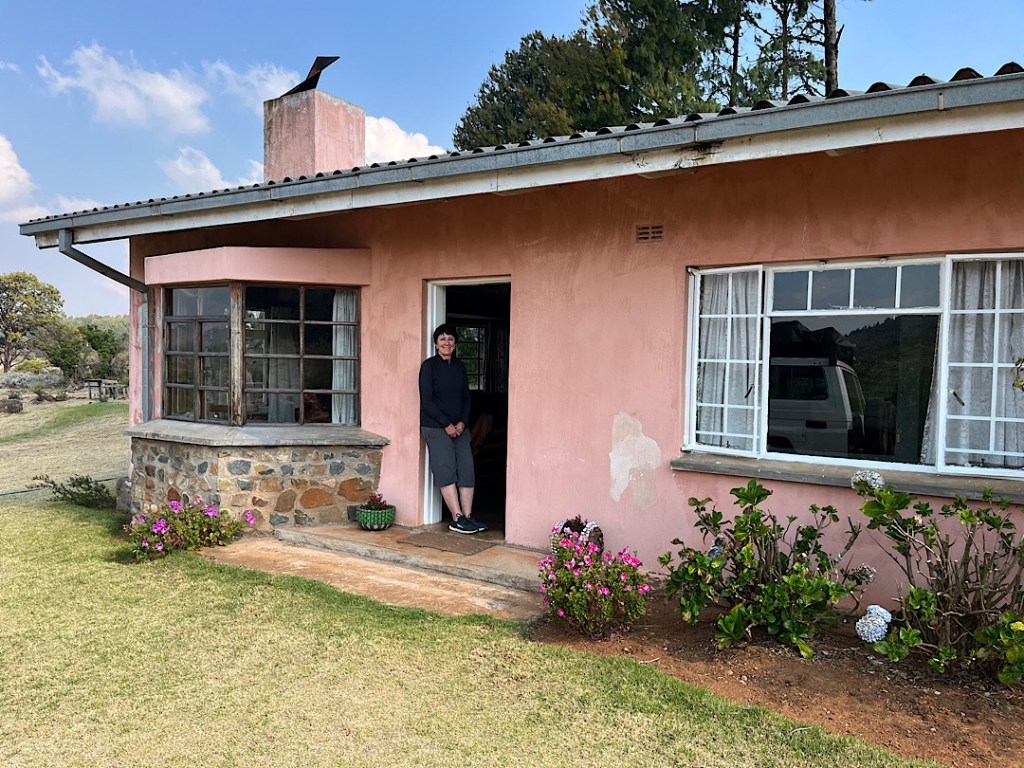
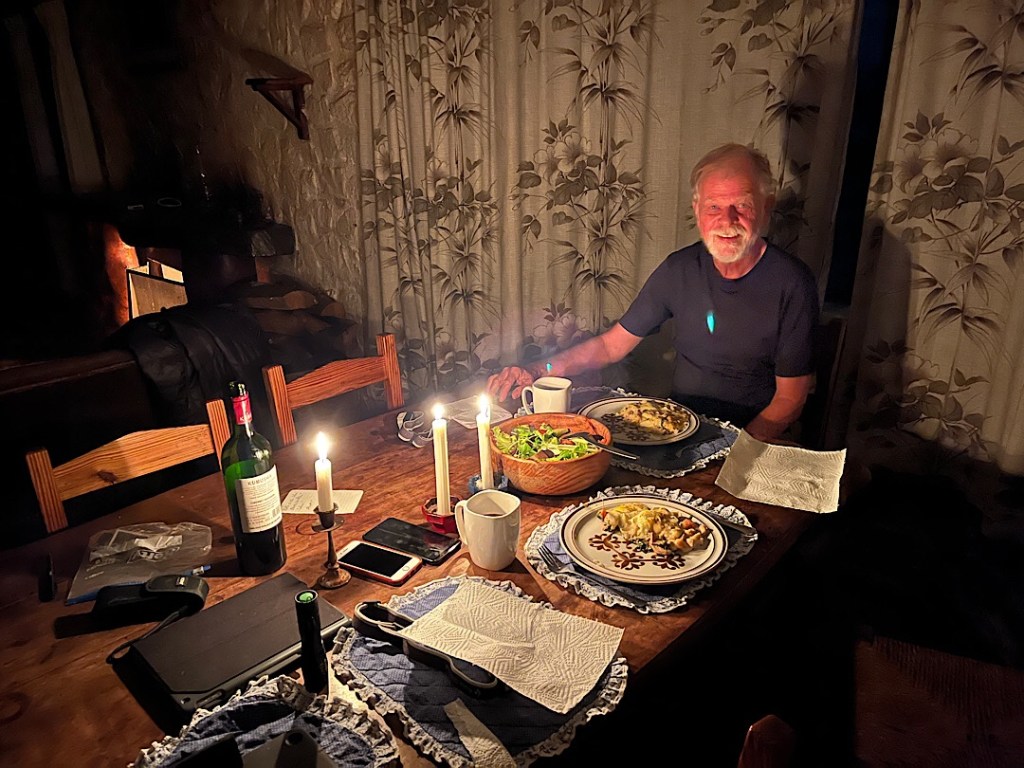
We had to go because we knew it would take us two hours to drive to the cabin I had booked at Hlane Royal National Park. Indeed the sun was setting and the front-desk receptionist was closing up when we finally got there a little before 6 pm. Once again we lucked out. Myxo had suggested Steve and I see if we could join the 5:30 (“sunrise”) game drive the next morning, and for about the price of two movie tickets at The Lot, we were able to sign up for seats in one of the game-drive vehicles. We went to bed early in the cabin, illuminated only by two kerosene lanterns and a candle.

As if the reedy extravaganza hadn’t been enough, we wound up seeing more famous animals up close on the next morning’s game drive than anything I’ve experienced before.

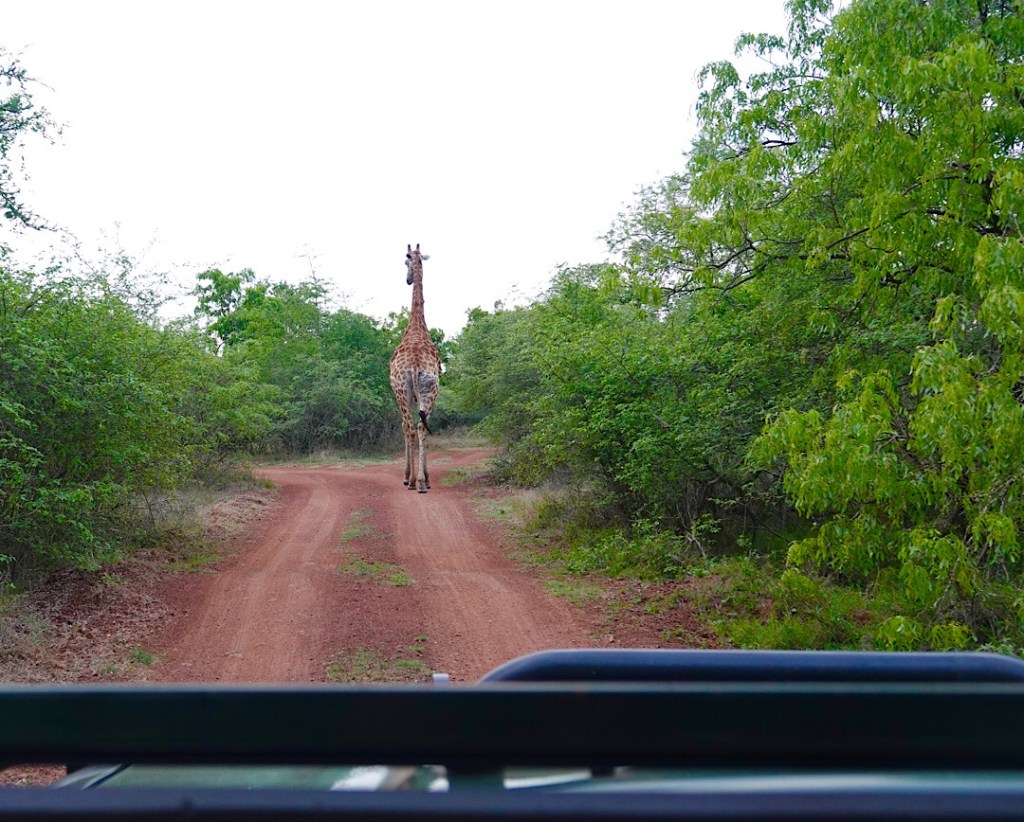
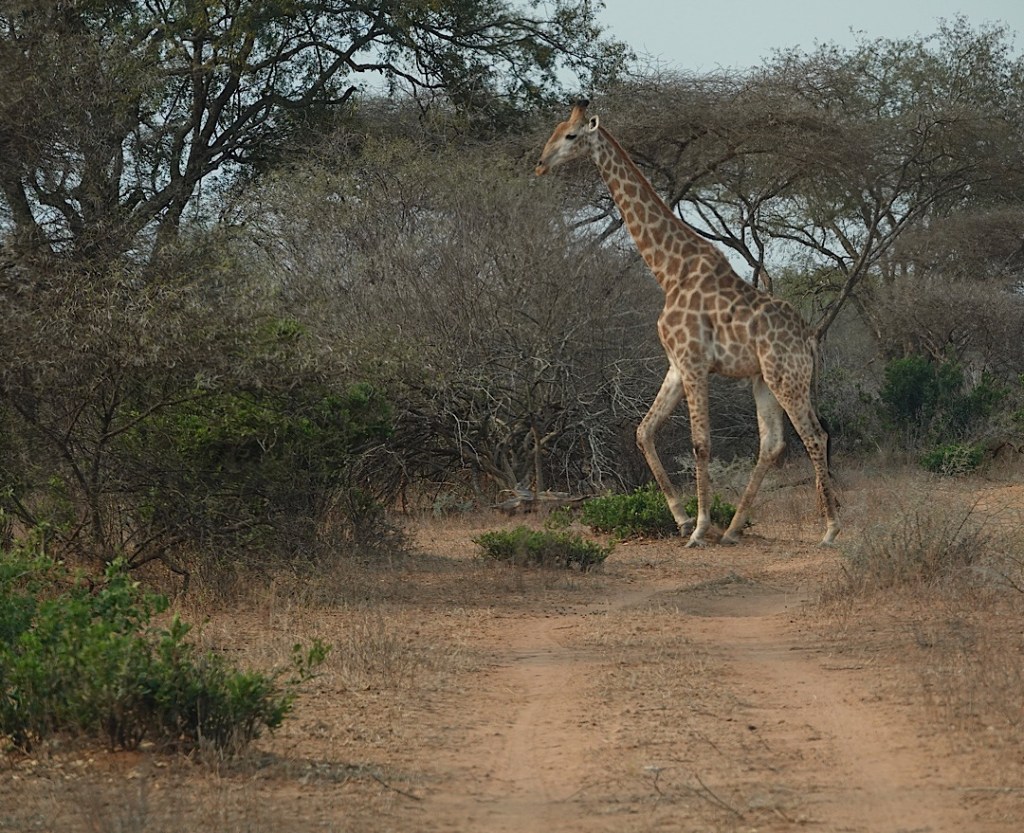
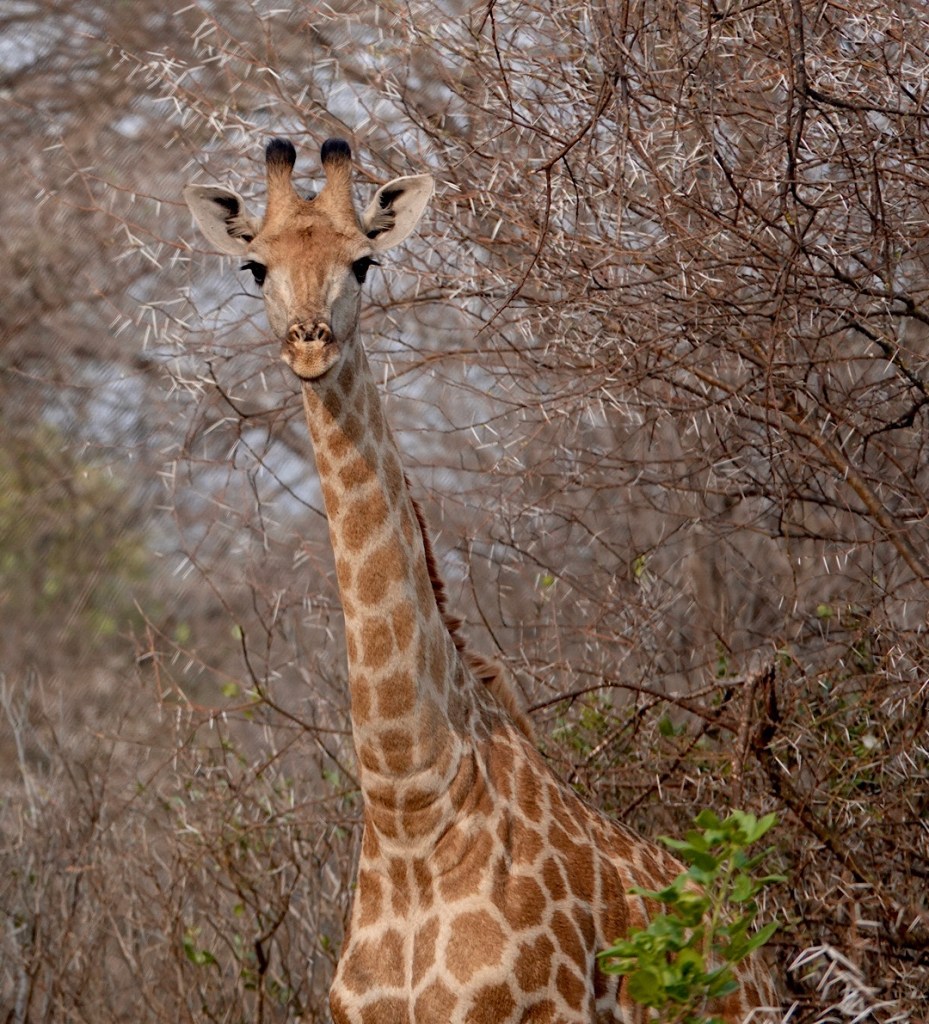
Almost instantly a giraffe appeared in front of our vehicle, strolling along as if to say, “Follow me and I’ll show you some cool stuff.”
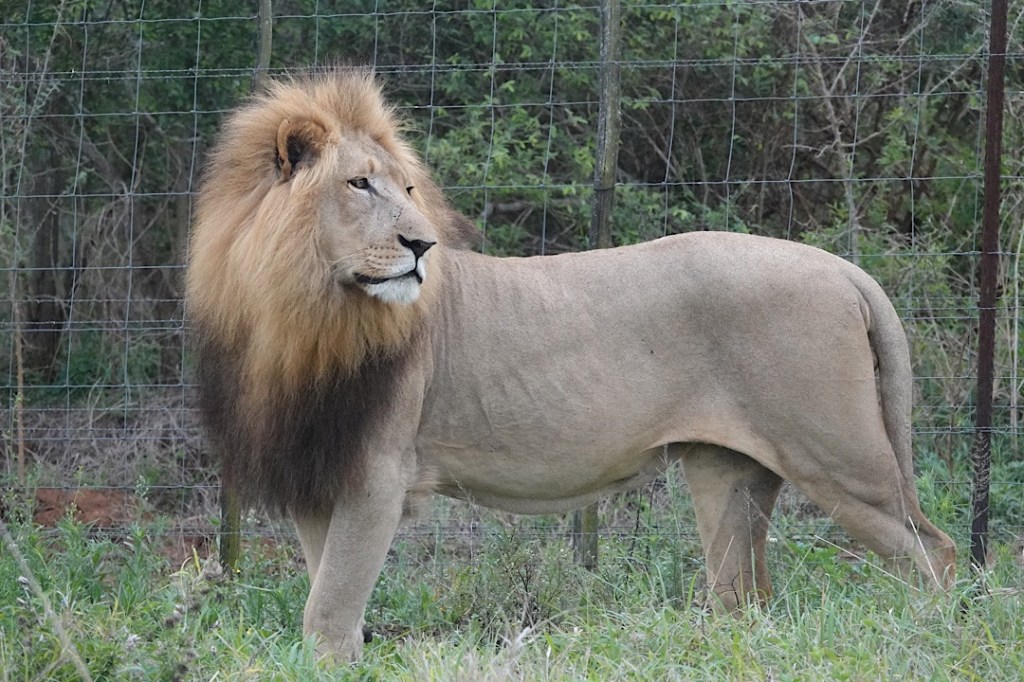
Everyone in our Cruiser wanted to see lions, so we drove into that section of the park and in less than 5 minutes came upon this guy, patrolling the perimeter of his domain.

Our driver-hide said the predator wouldn’t see us as individual potential snacks but rather would only register our lumbering Land Cruiser, smelling of diesel fuel.

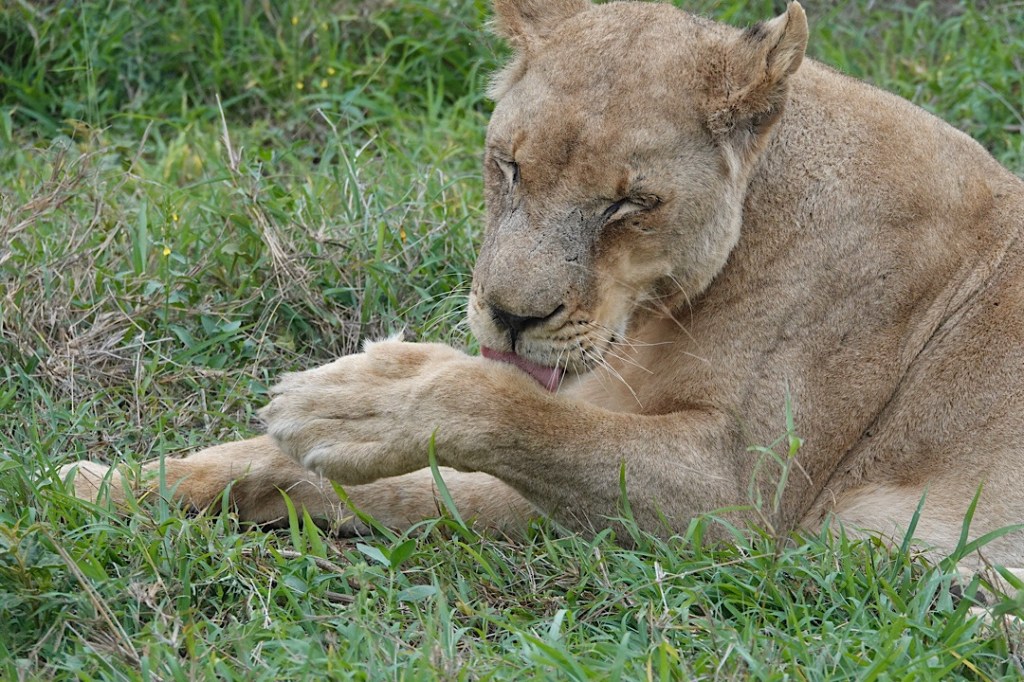
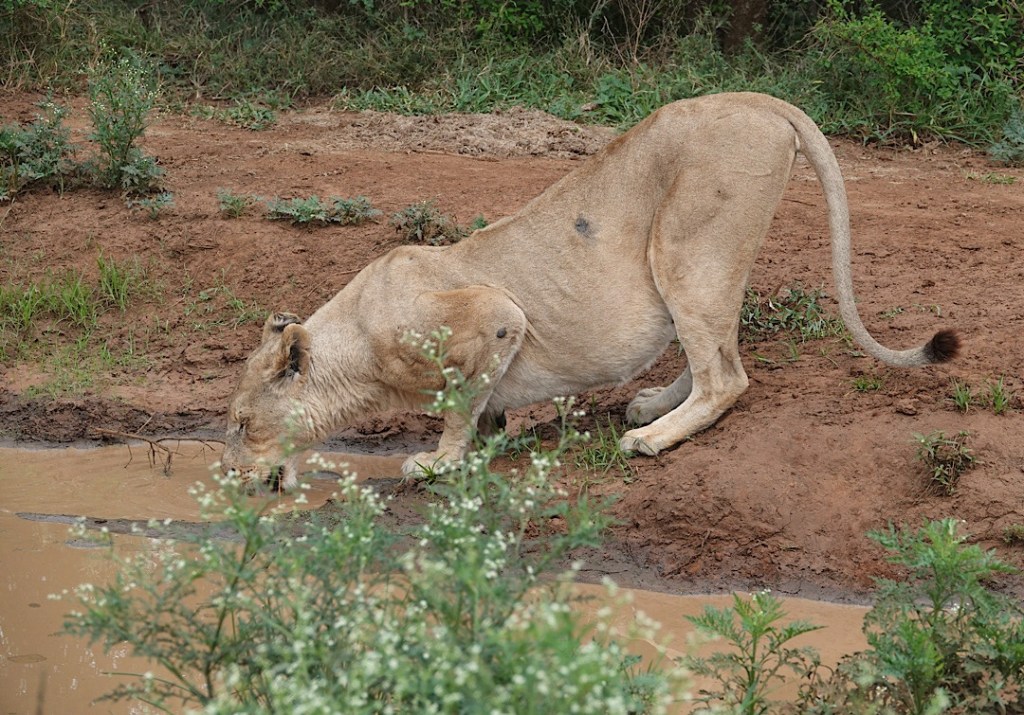
A bit later, we came across one of his lady friends…
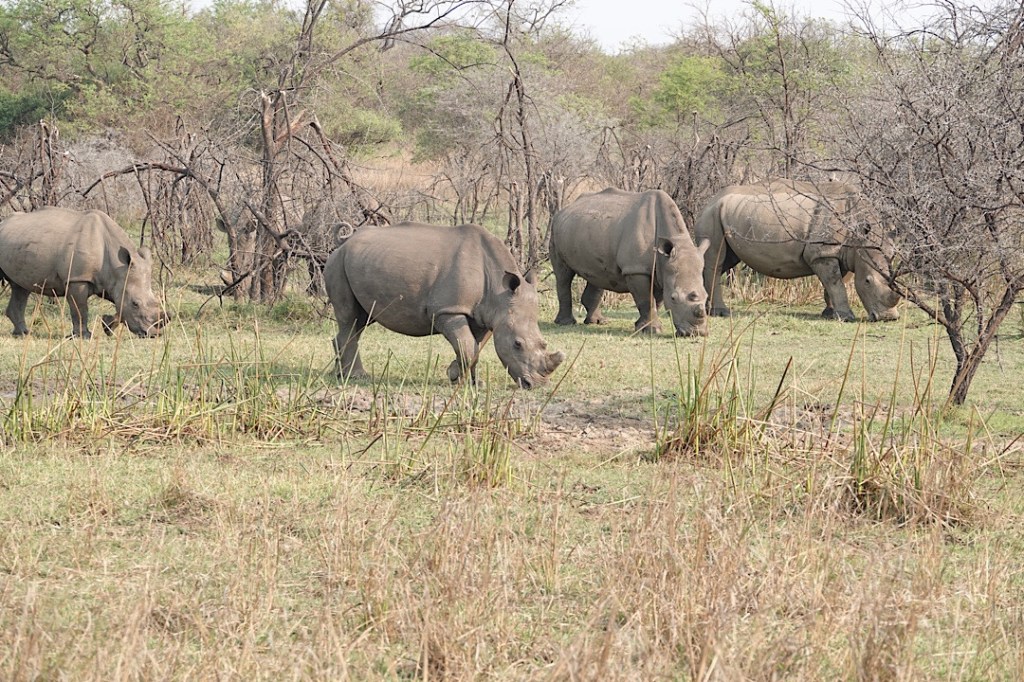
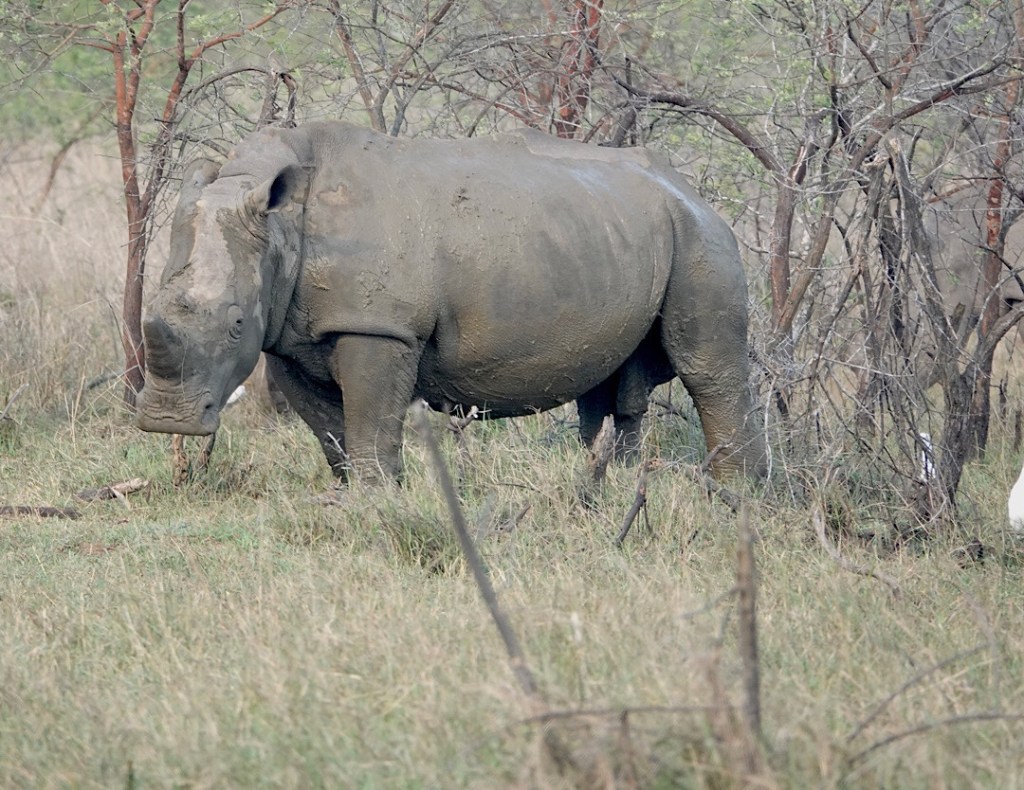
Then we almost drove into this mature female white rhino and her two-year-old offspring.


In any normal week of my life, encountering this many high-octane marvels in less than three hours would have been enough excitement to call it a day. But with Myxo, we spent the rest of Sunday doing more: visiting a cultural center and then the national museum, stopping at a craft center, seeing a bit of the capital city, Mbabane. By the time he dropped us off at our last hotel in eSwatini, we felt we had lucked out with him too.
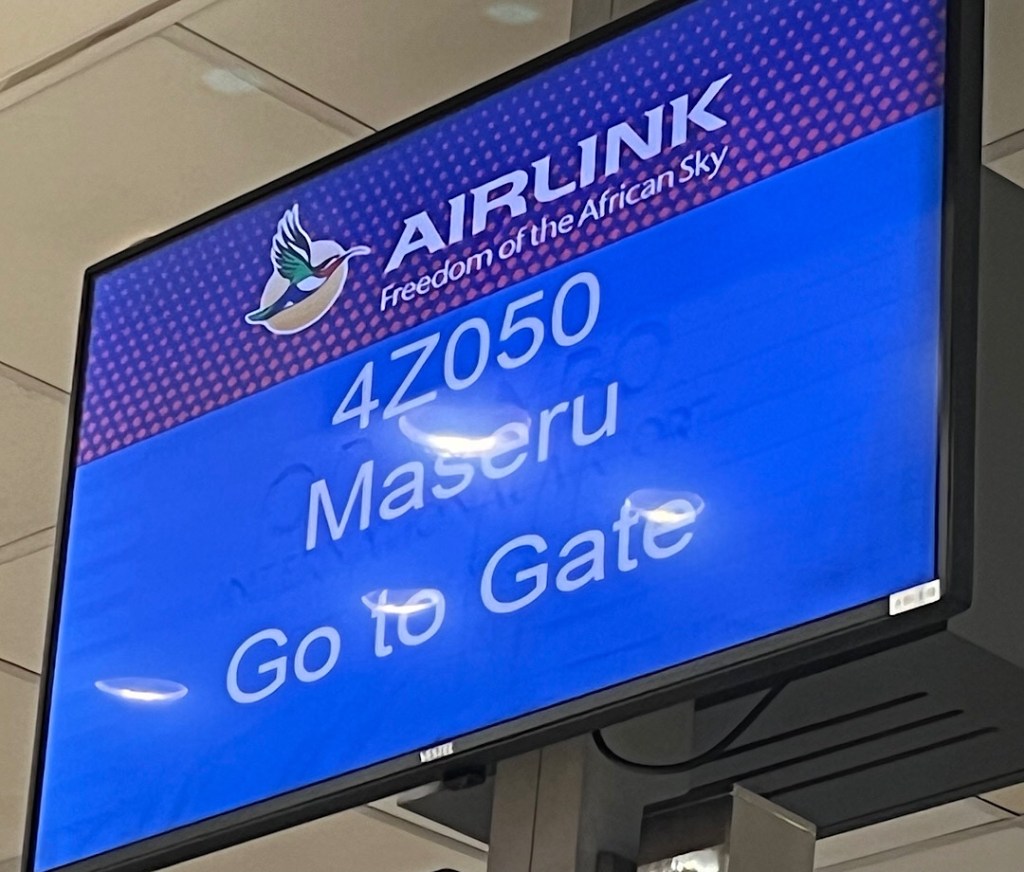
I’ve reflected that the biggest roll of the dice for any independent traveler, like me, is who I hire to drive us around. For the Lesotho/eSwatini part of this trip, I didn’t have many choices. It’s not like mobs of people want to fly from Joburg to Maseru then be driven across Lesotho, then up to Swaziland and schlepped around there for several more days. In the end, I had to use two separate outfitters. Pretty much all I knew about Myxo came from his website, and while extensive, some details were sketchy.
Topping that was the fact he showed up in Pietermaritzburg with a young woman named Mazui whom we assumed was a girlfriend. (Myxo introduced her but never explained her presence in our vehicle.) It was an odd twist, but she was very nice and we didn’t mind buying her a burger and milkshake at the Wimpy’s where we stopped for lunch. (Myxo declined any food, saying he had some snacks to munch on.) When Steve asked if we’d fill up at the Wimpy’s stop, the guide said he wanted to wait until we crossed the border. Petrol would be 2 rands a liter (about 40 cents a gallon) cheaper on the Swazi side. The border crossing was a breeze and Myxo didn’t hide his relief at the fact we hadn’t run out of gas. He made a beeline for the town’s only fuel station only to find they had nothing to sell.
We continued on down the highway, and I must report, the situation felt pretty grim. The sun was setting. Myxo seemed unsure where he might be able to find another fuel source. I spent several long minutes wondering what would happen when we shuddered to a halt in the gloom, in this distant part of Swaziland near the border of Mozambique. Then miraculously, we saw a station up ahead. It had gas for sale.

Luckily (again), that was the last flaky thing Myxo did. He always showed up on time. His vehicle was new and impeccable (and capable of operating on fumes!) We never would have seen the dancing virgins or those lions and other animals, had he not suggested those activities. He didn’t get us killed on the road (the biggest danger anywhere we travel, in my opinion.) And we had some of the most wide-ranging and provocative conversations we’ve had with any driver anywhere. Steve and I and Myxo talked about human origins and culture and whether he should start a blog to promote his business and Swazi politics and race relations and more. I’m not sure how long I’ll remember what we learned in the national museum. But I don’t expect to forgot how fortunate we were to spend three days of our lives with him.



















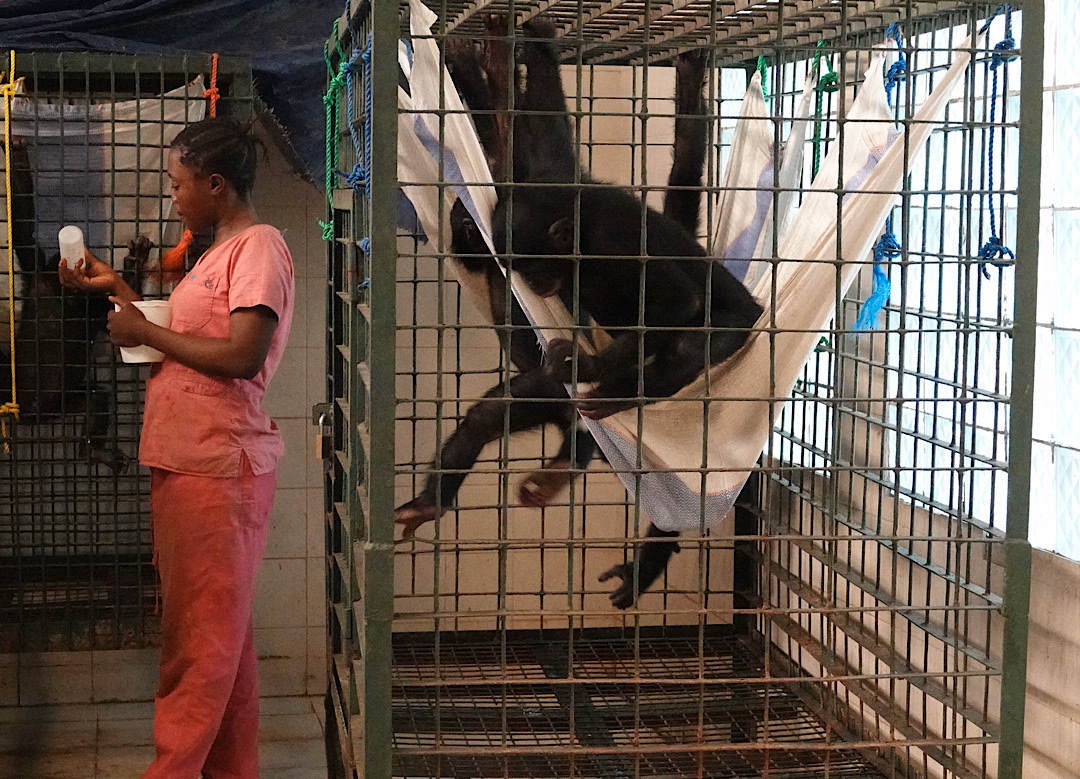
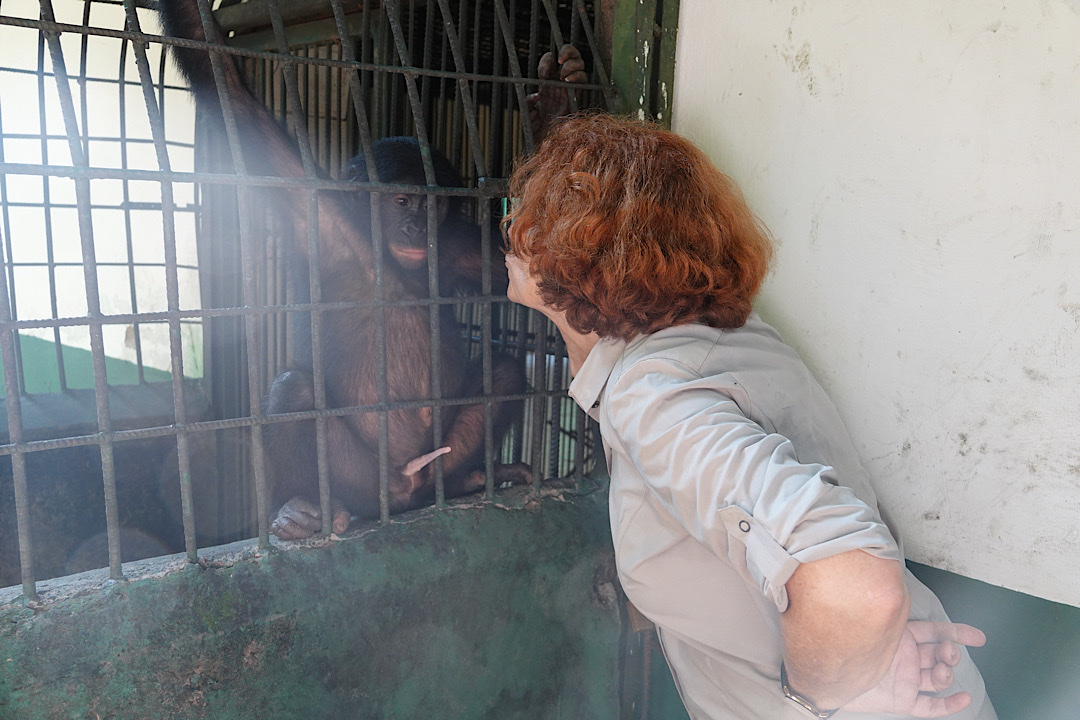
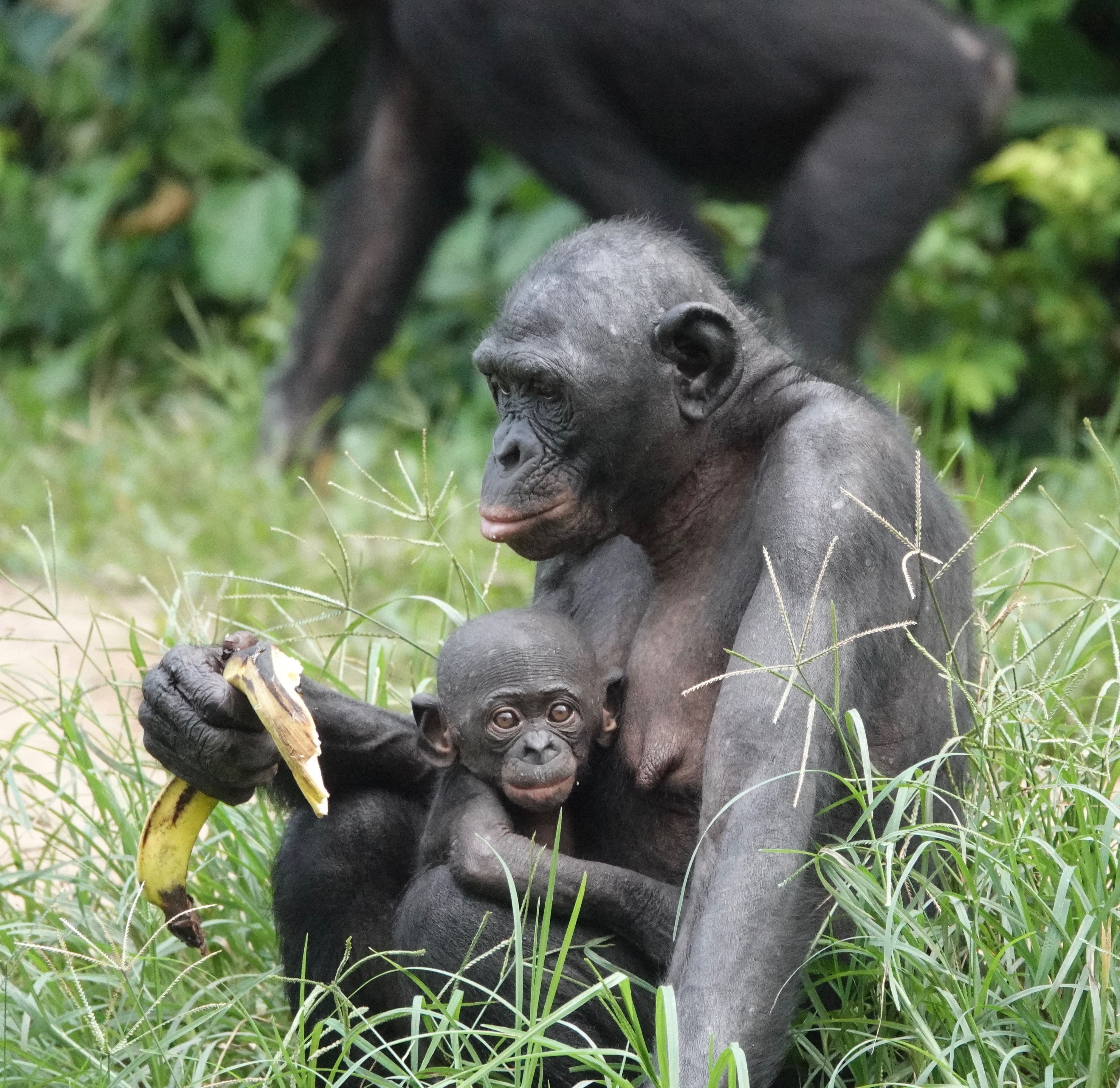 I’m not a wildlife expert, and maybe even the experts don’t know what the future holds for bonobos. But what I want to say is: after visiting the Congo, I feel optimistic.
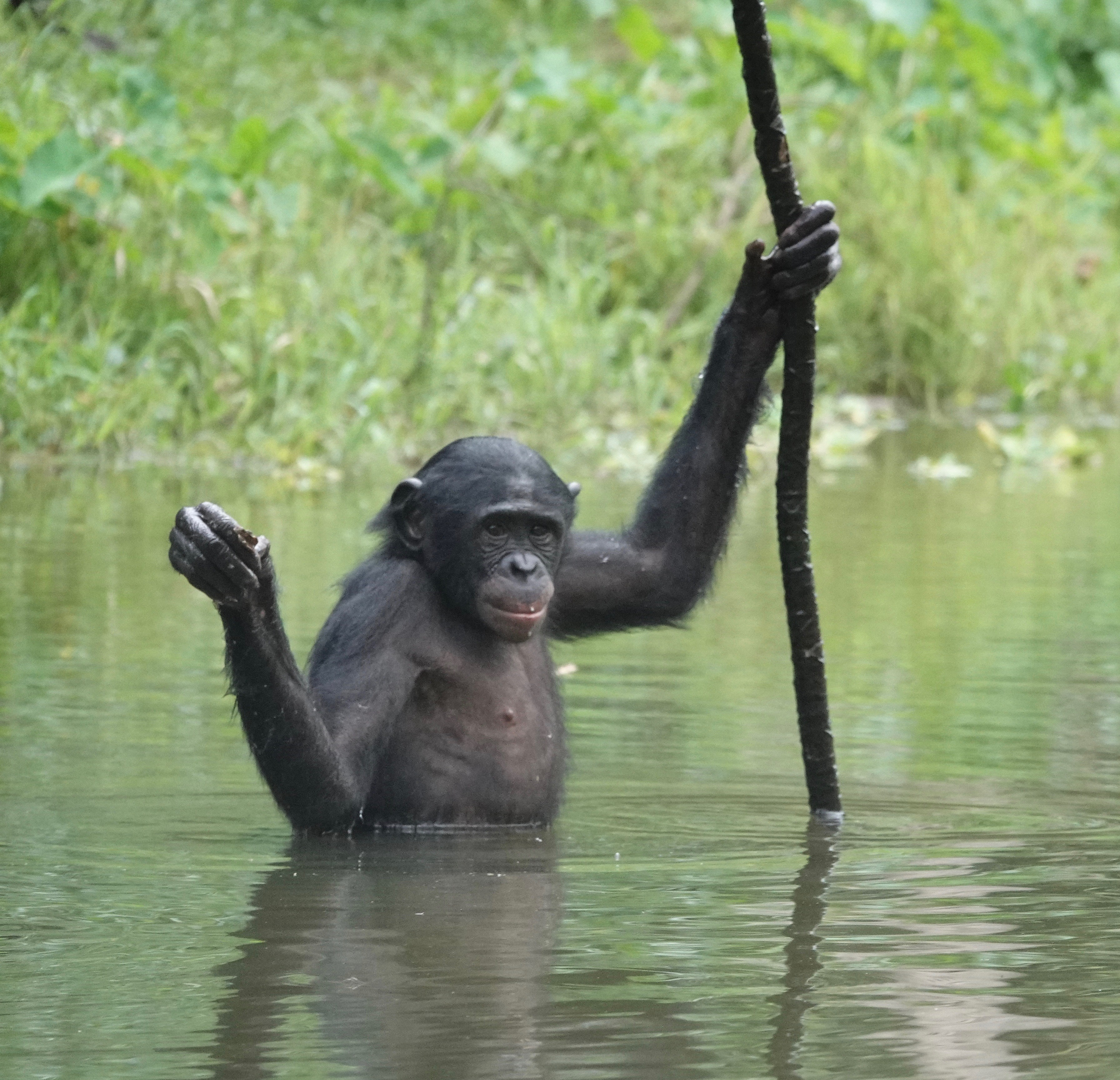 Suzy Kwetuenda at Lola ya Bonobo has spent countless hours talking to Congolese villagers in the rainforest about why bonobos deserve protection. She says some of them bristle at the notion of outsiders trying to stop them from eating their bush meat. But she retorts, “You know, we are lucky to be the only ones in the world to have bonobos! They are very precious. The BIG value of bonobos is not in your stomach! It’s very important to have bonobos for development. If you protect them, this area will have more and more visitors. They will come and help you!”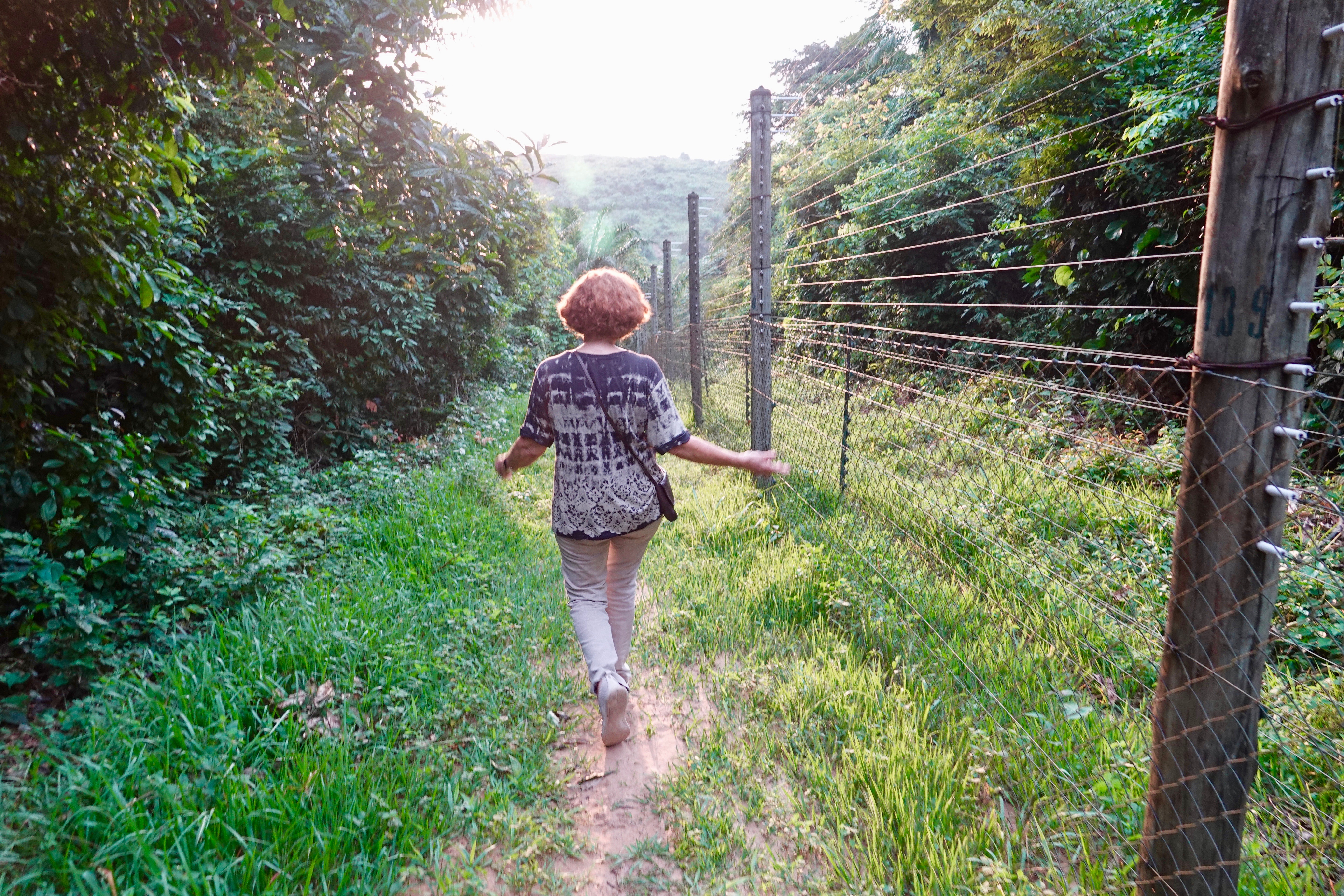
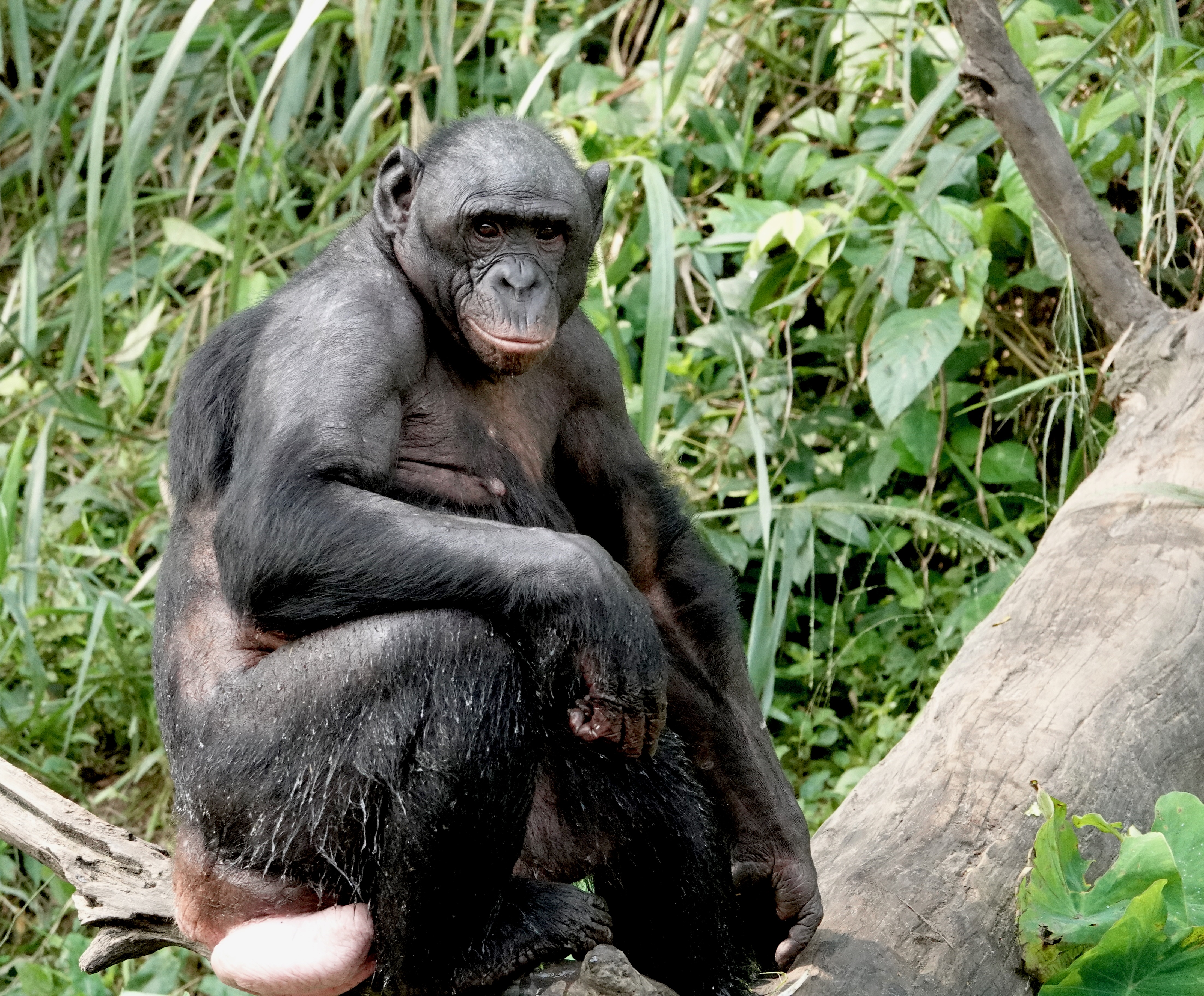
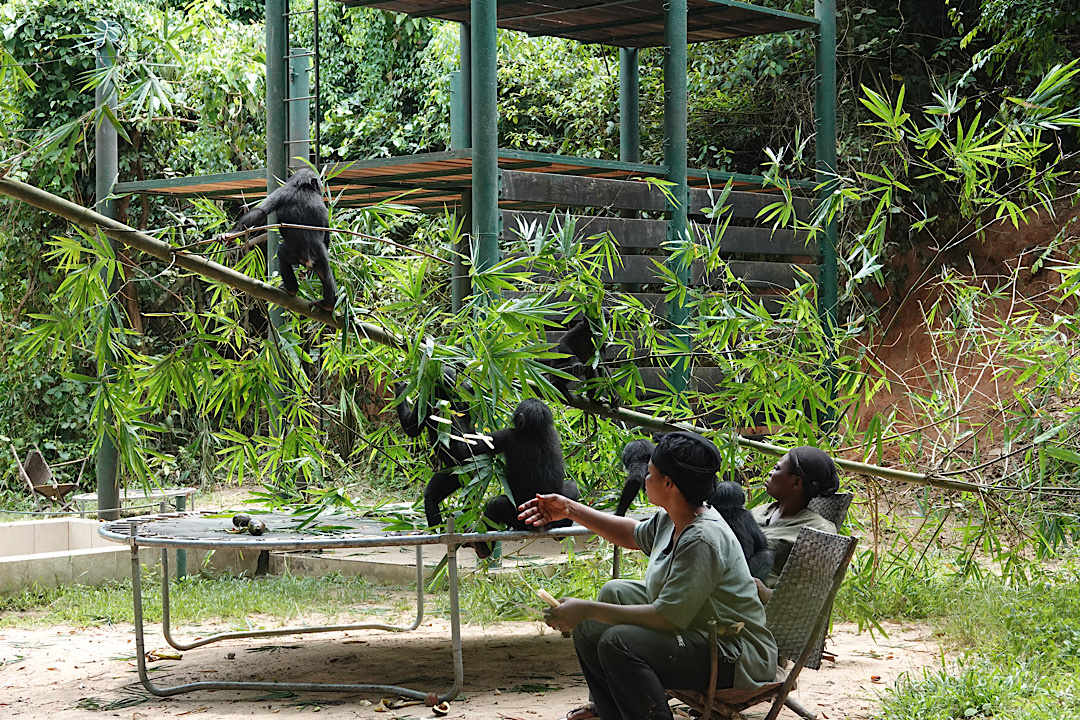
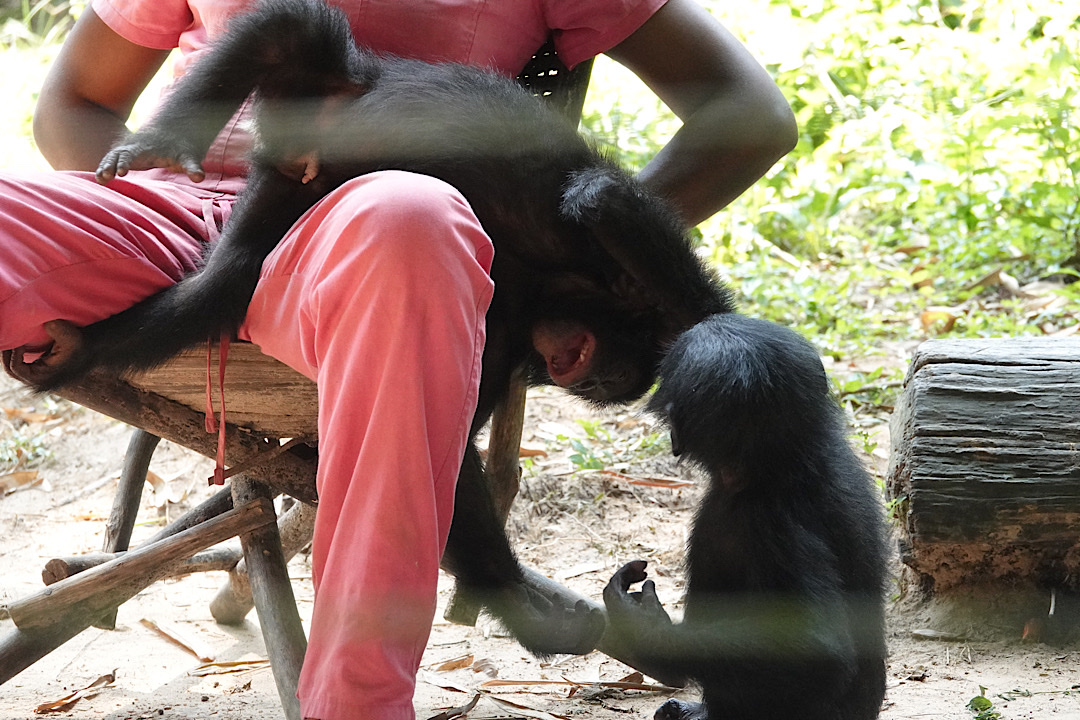
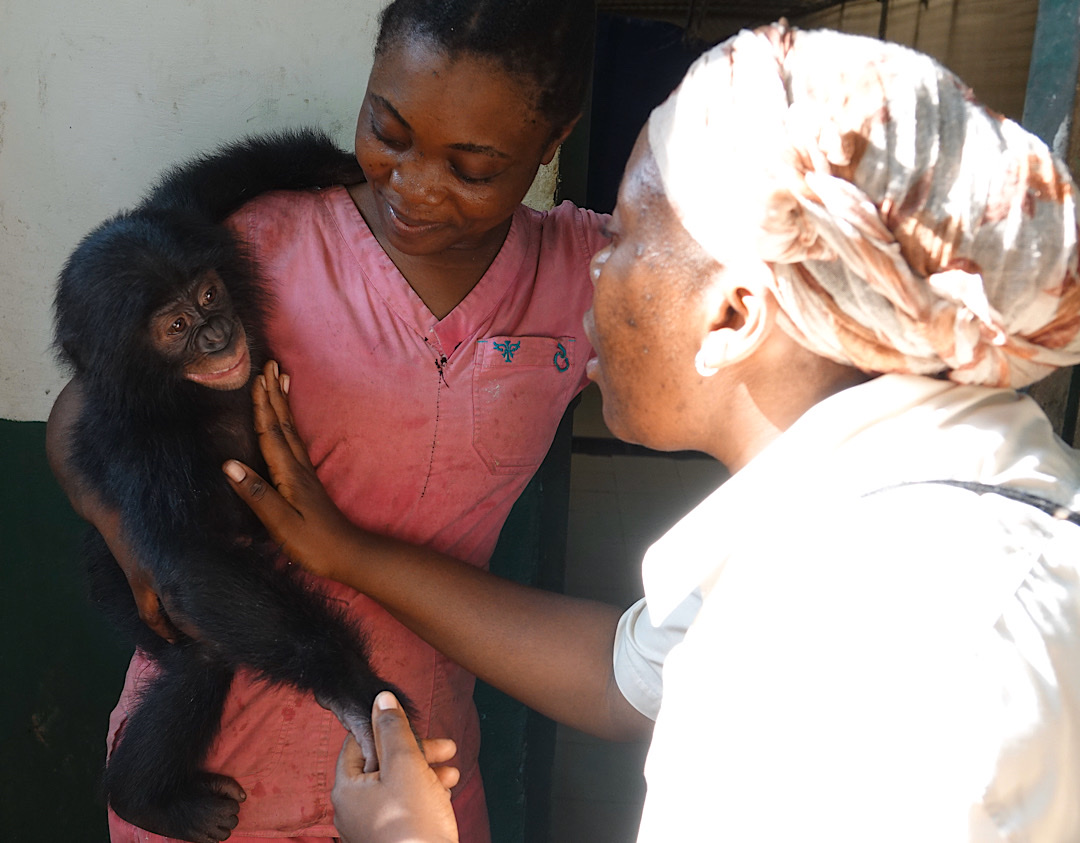
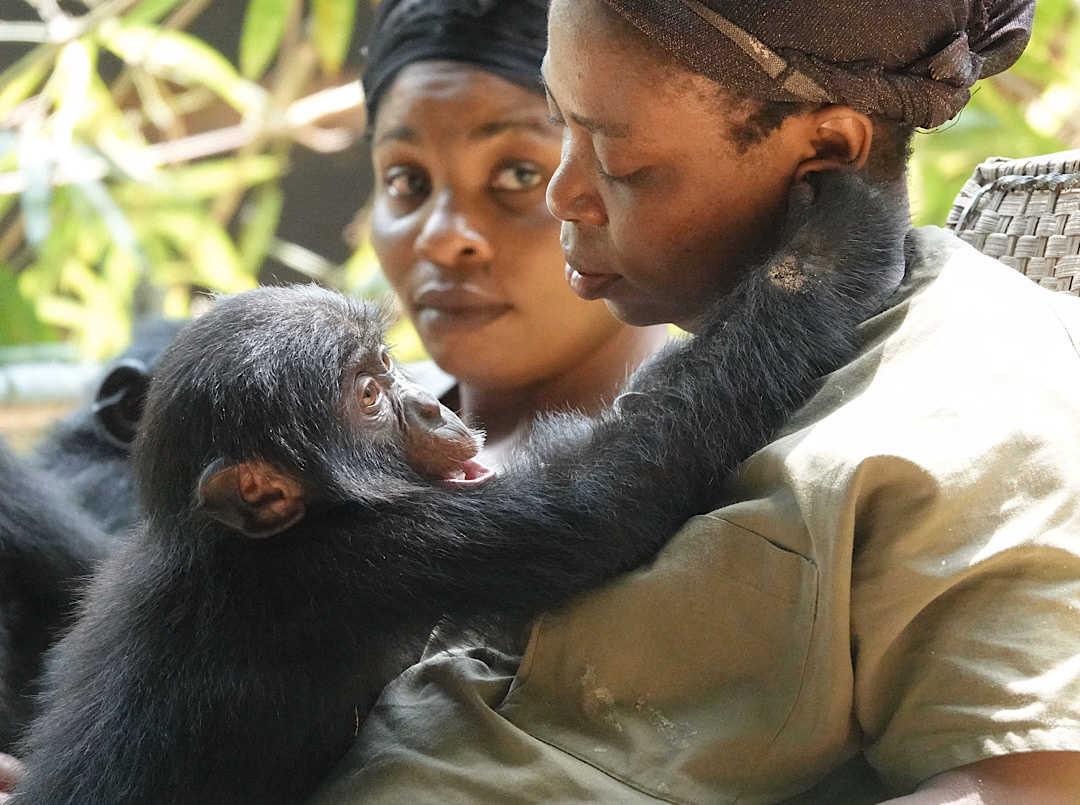 On this trip, I have learned it’s more fun to watch baby bonobos play than it is to watch many movies. The action is almost nonstop. They sock each other; pounce. One chases another, catches up, and smashes into him. They tickle each other and make a noise that sounds like panting, but it’s not; it’s the sound of bonobo laughter. Sometimes they go too far and someone gets hurt. Ear-piercing shrieks erupt. Others may beat up the bully in retaliation. The smallest ones never stray far from their surrogate mothers. Older ones sometimes mimic copulation. They’re far too young to actually have sex. It’s just instinctive, practice with the tool they will use soon use daily to diffuse social tensions.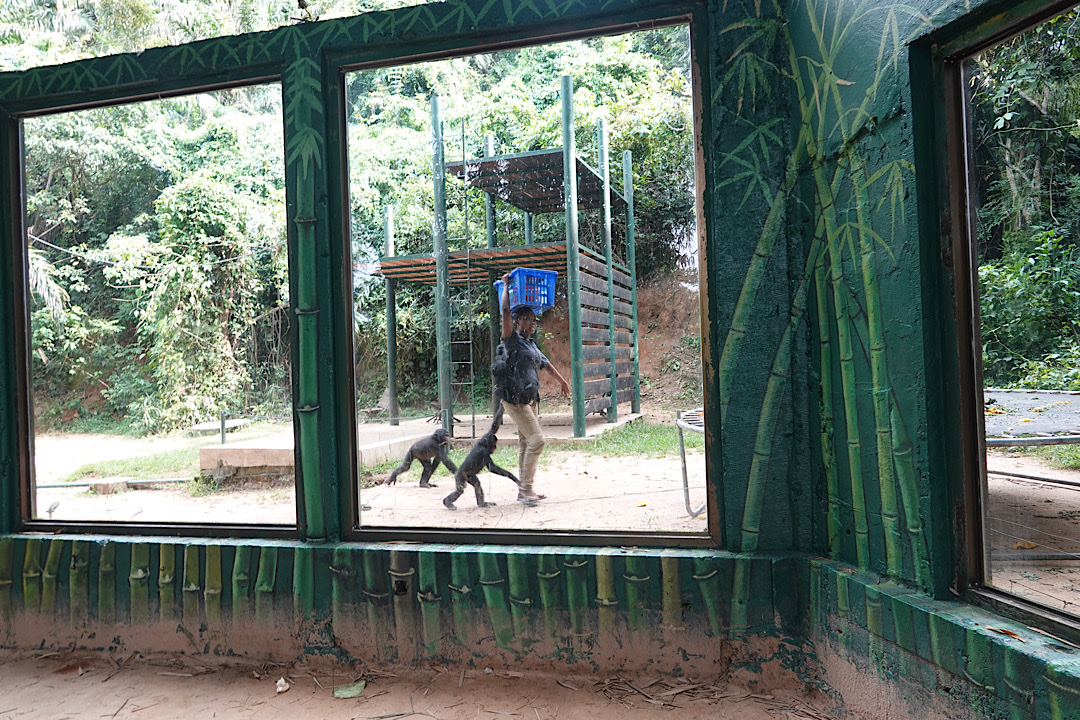
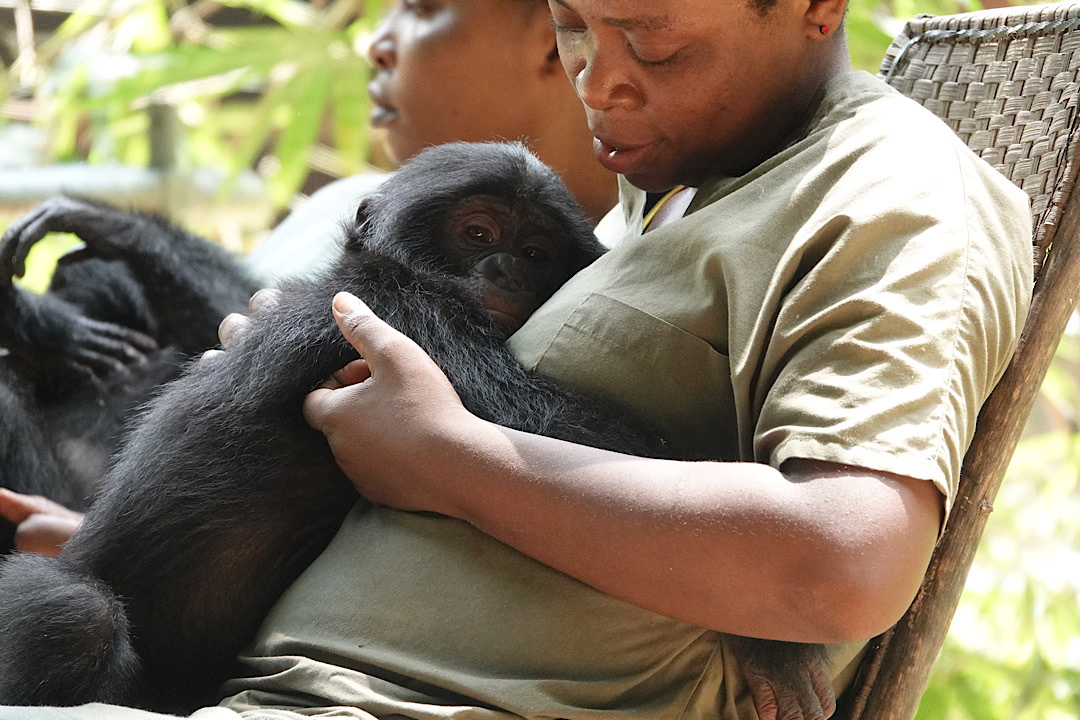

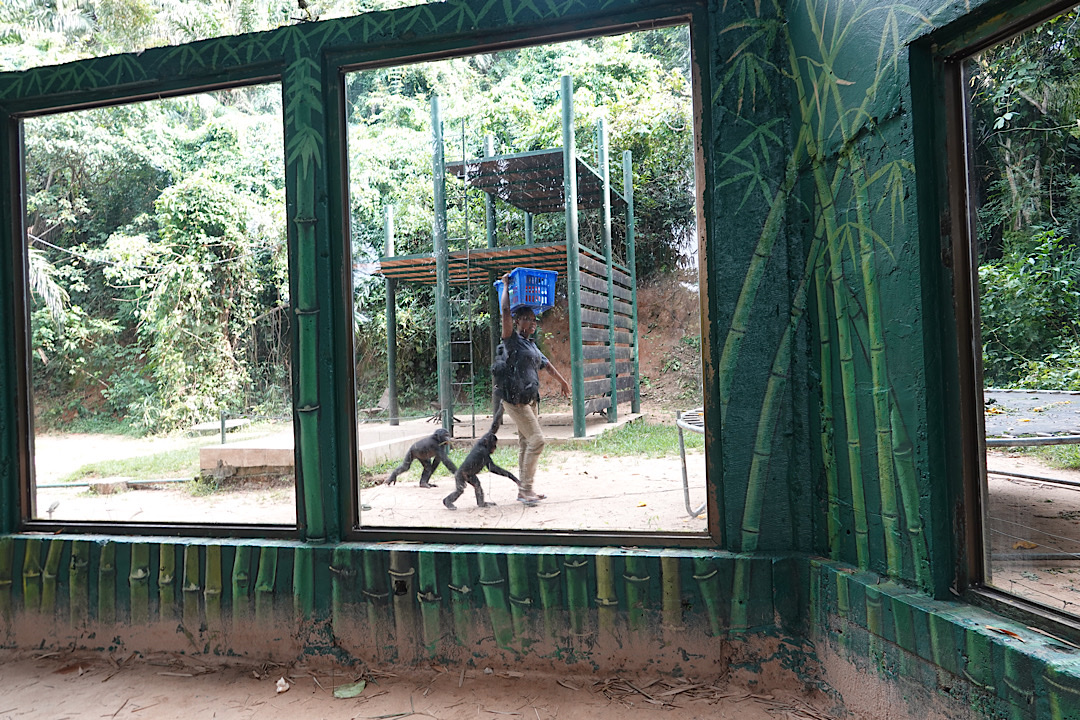
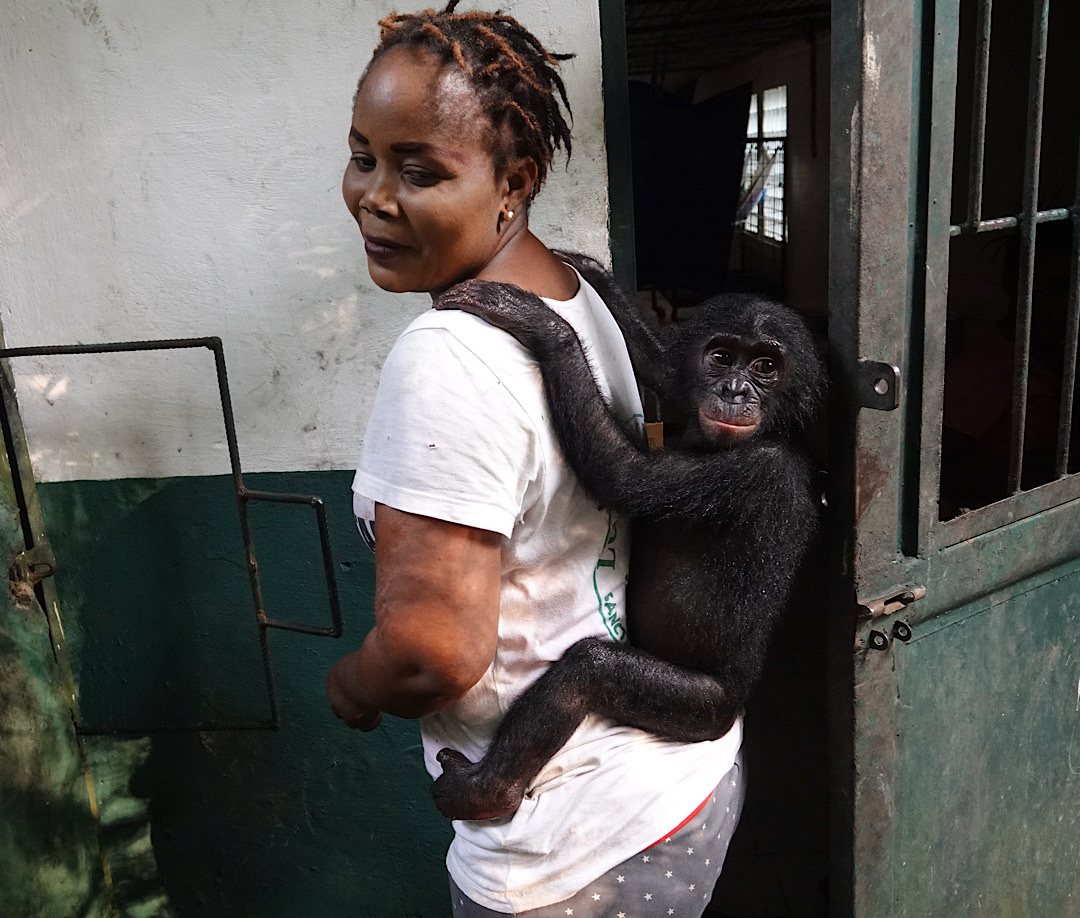
 We heard all their names, but we only memorized one: Balangala, that of a 5-year-old male, the most confident member of the gang. One morning we watched him climb a large bamboo stalk that was growing into the enclosure. His weight bent it over, and he jumped from it onto a trampoline. After a while he lured most of the younger ones up onto it with him. Eventually the stalk broke, and the moms had to call for a staff member to cut and haul it away.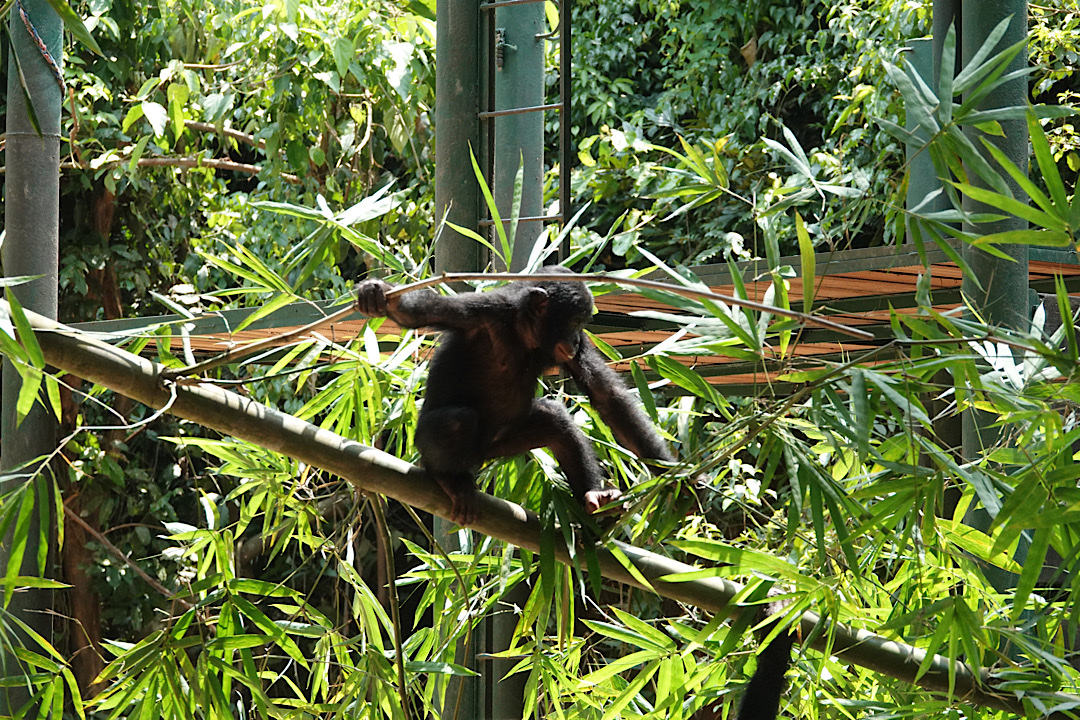


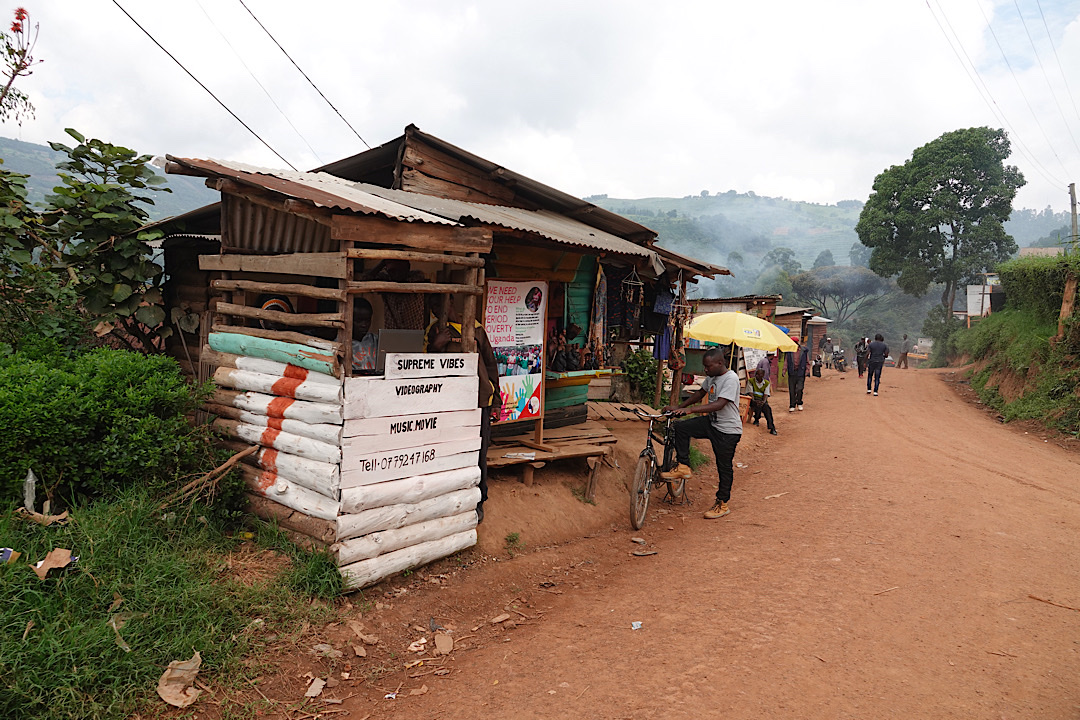 We followed Rabson up the dirt path to a compact wooden shack, where a friendly face beamed at us from a window, welcoming us. Rabson pointed out the poster on the front of the building, explaining the project, then his friend Harriet Rwosa stepped out and invited us inside.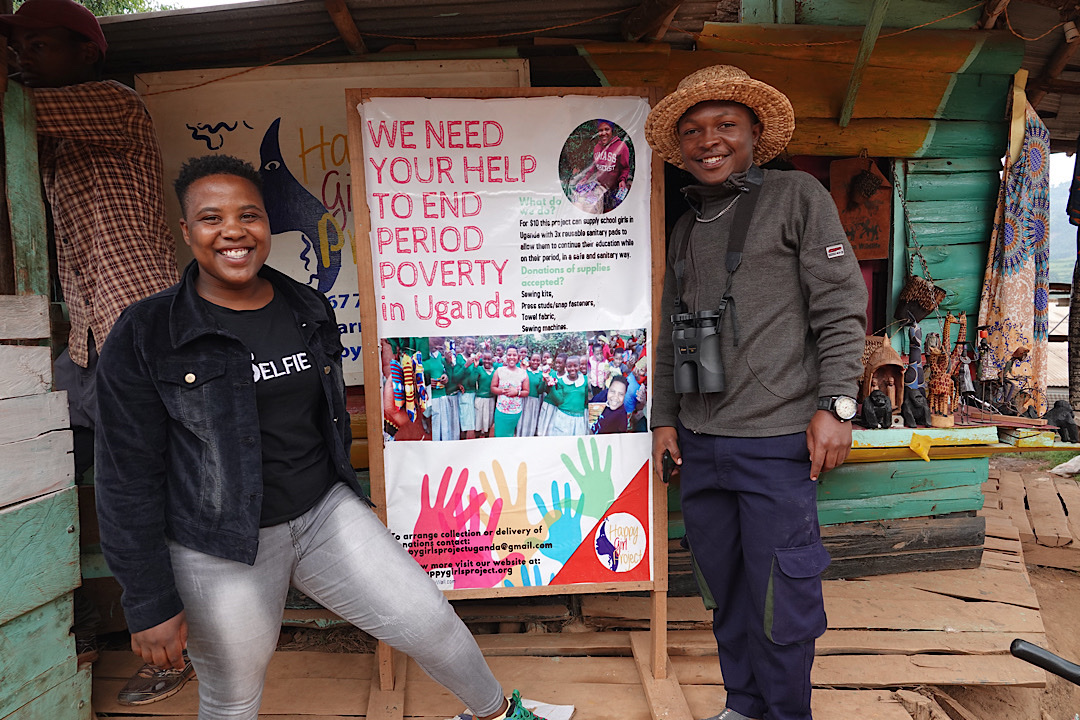
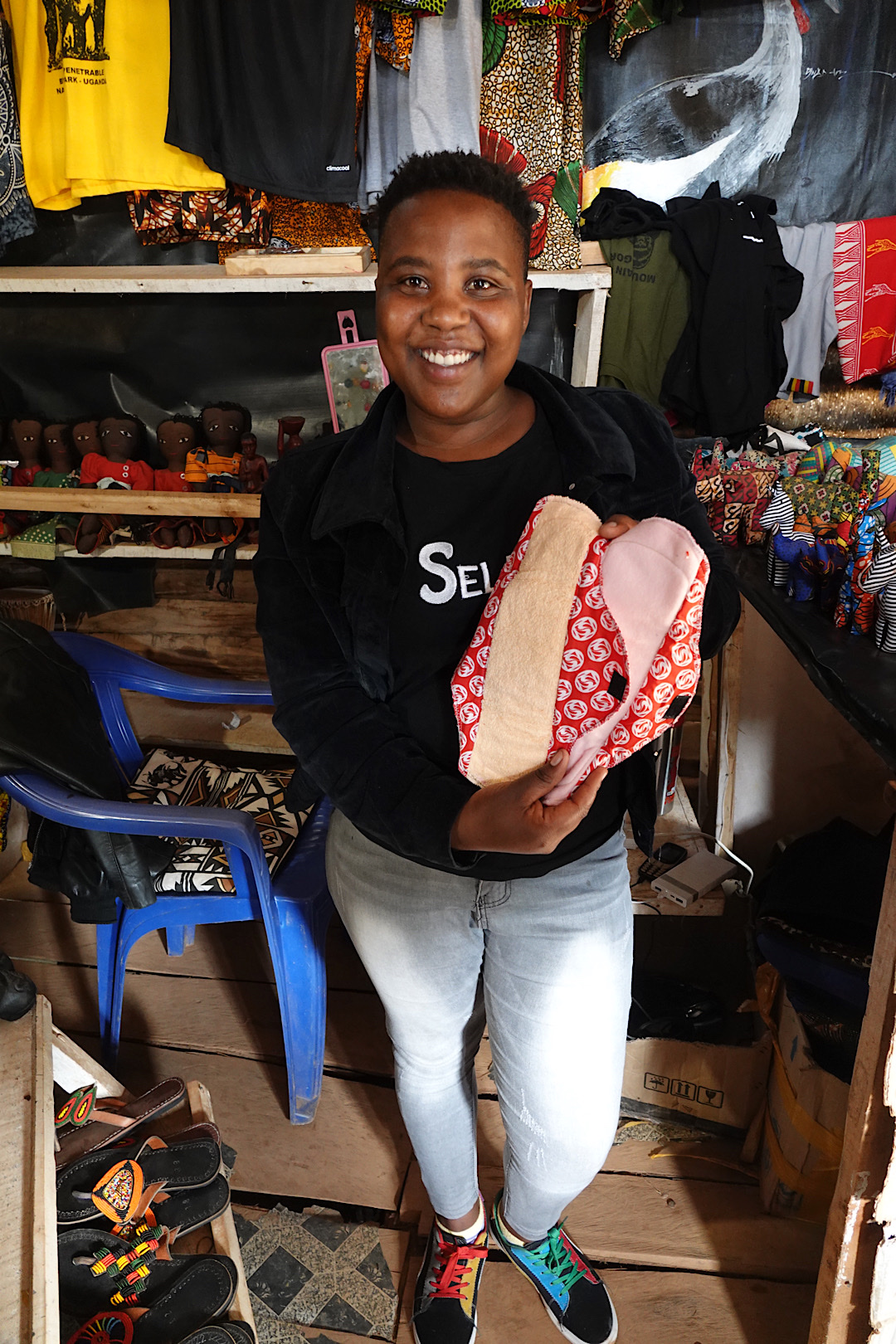
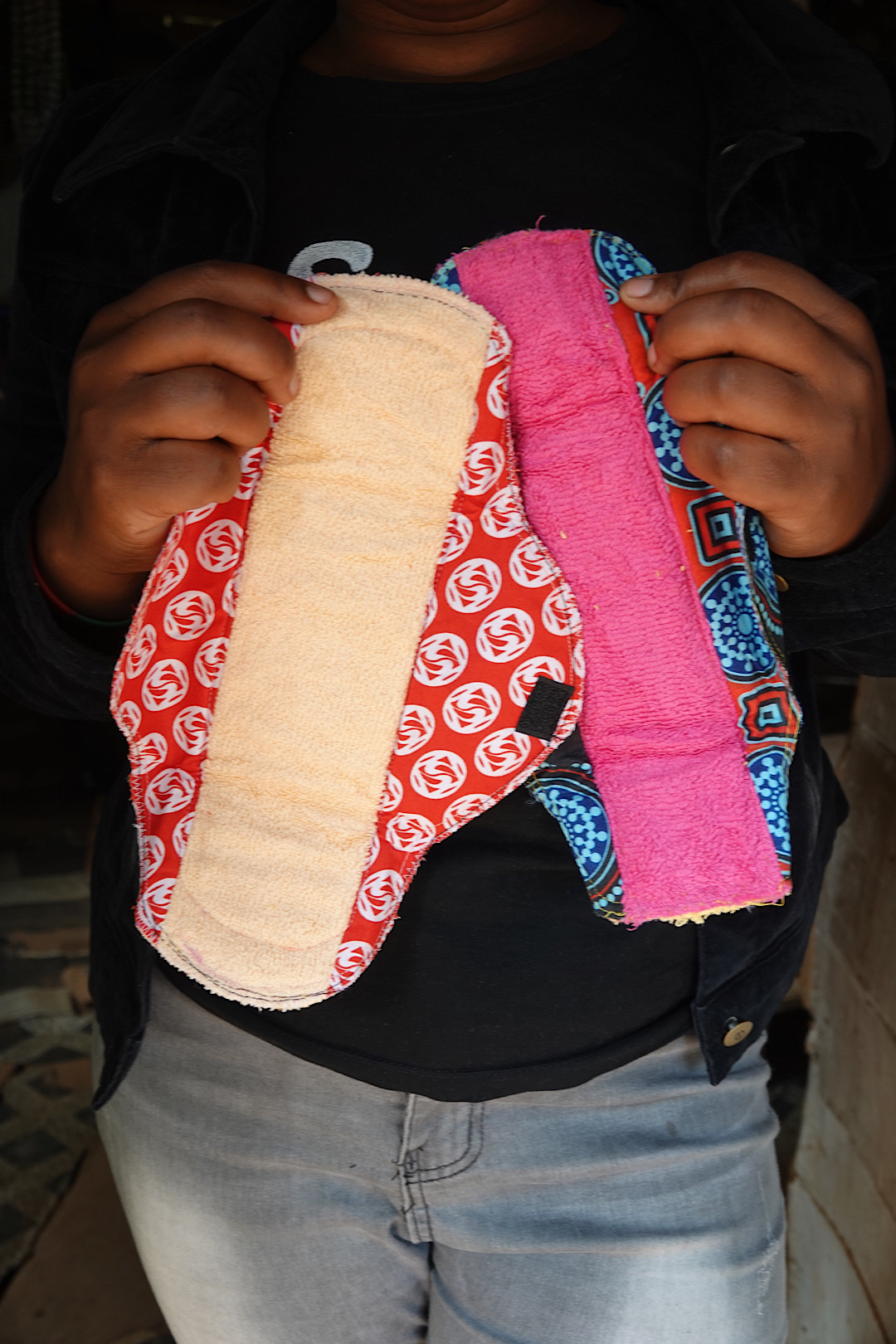
 At home and abroad