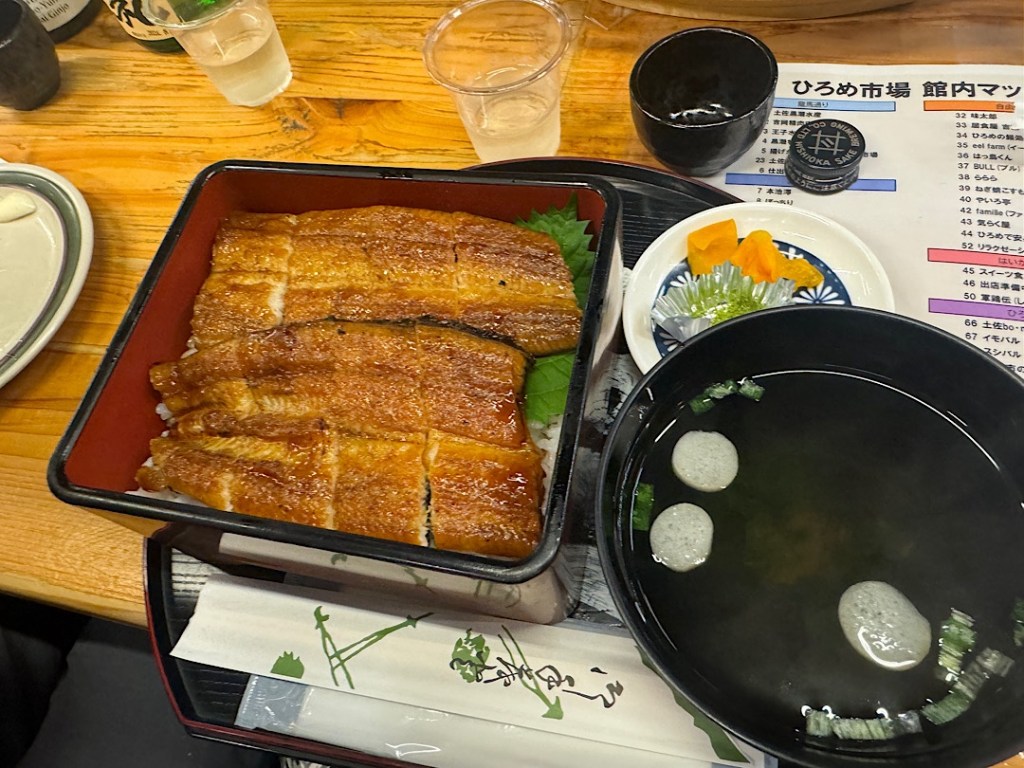
From my last post, you might think the main reason for visiting Shikoku is the food. Steve makes this case, and I have a hard time arguing with it. We consumed amazing meals; tasted the freshest seafood we have ever eaten. We ate most of it in simple, inexpensive settings, like the marvelous food court in central Kochi.
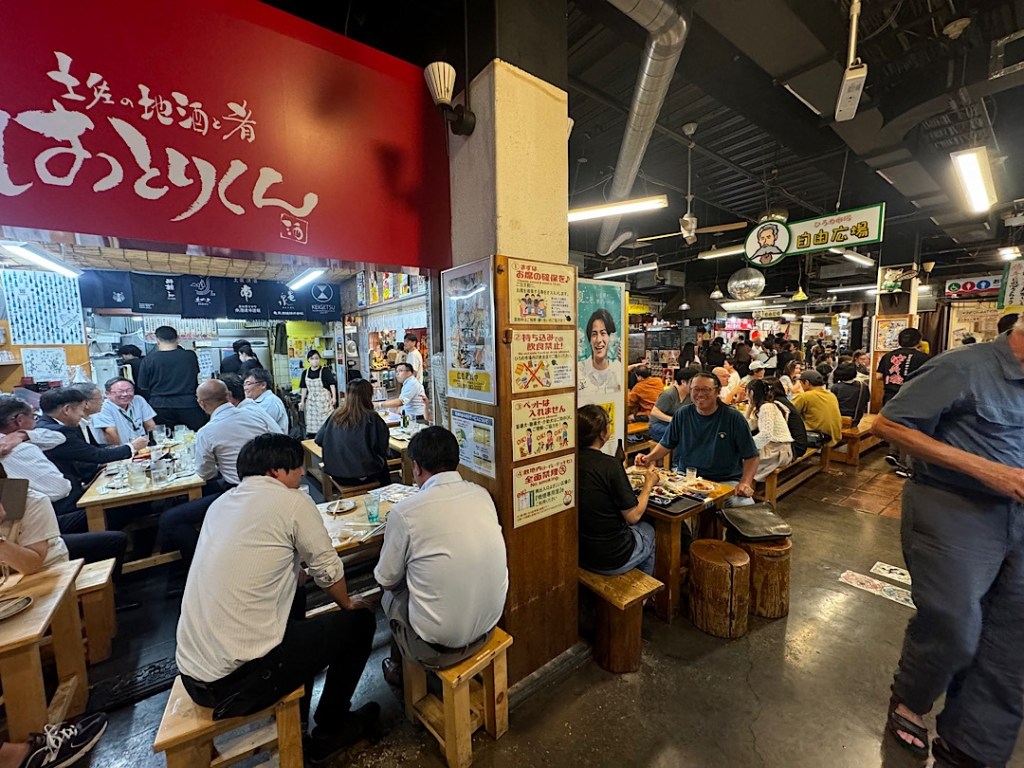
Hirome Ichiba contains dozens upon dozens of stalls selling all kinds of food and drink. On the Monday night we were there, the scene was every bit as lively as the beer halls of Munich or Singapore’s hawker centers.
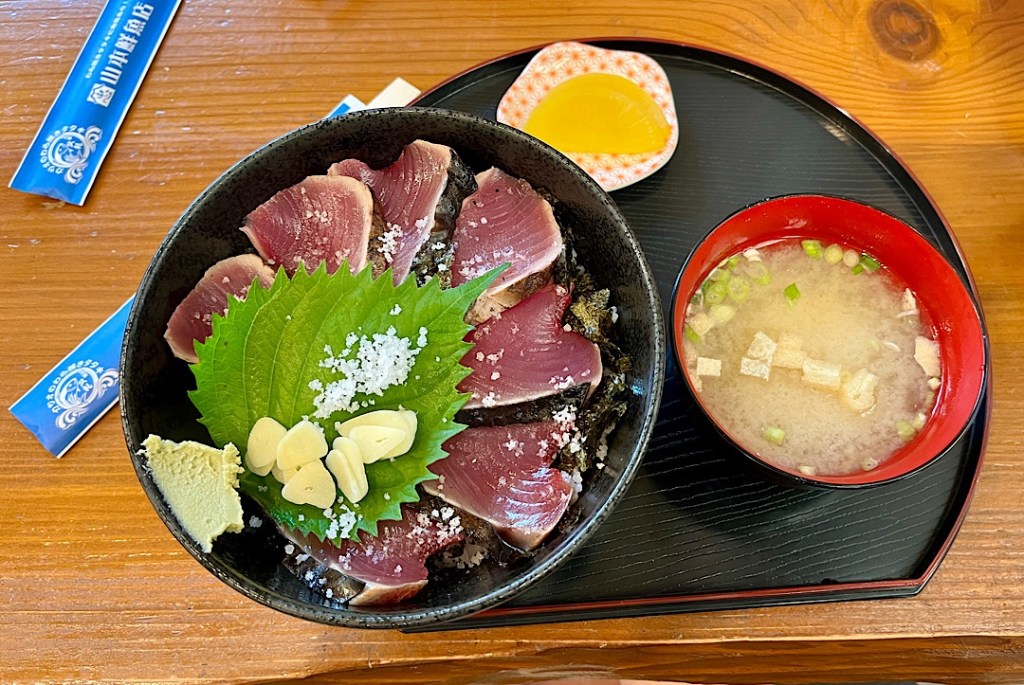
I doubt I’ll ever forget the seared bonita we got for lunch the next day in a little fishing village on Shikoku’s Pacific coast.
Still, we enjoyed more than just the food. Think of the following as postcards from some highlights.
Our time in the mountain villages took us back in time.
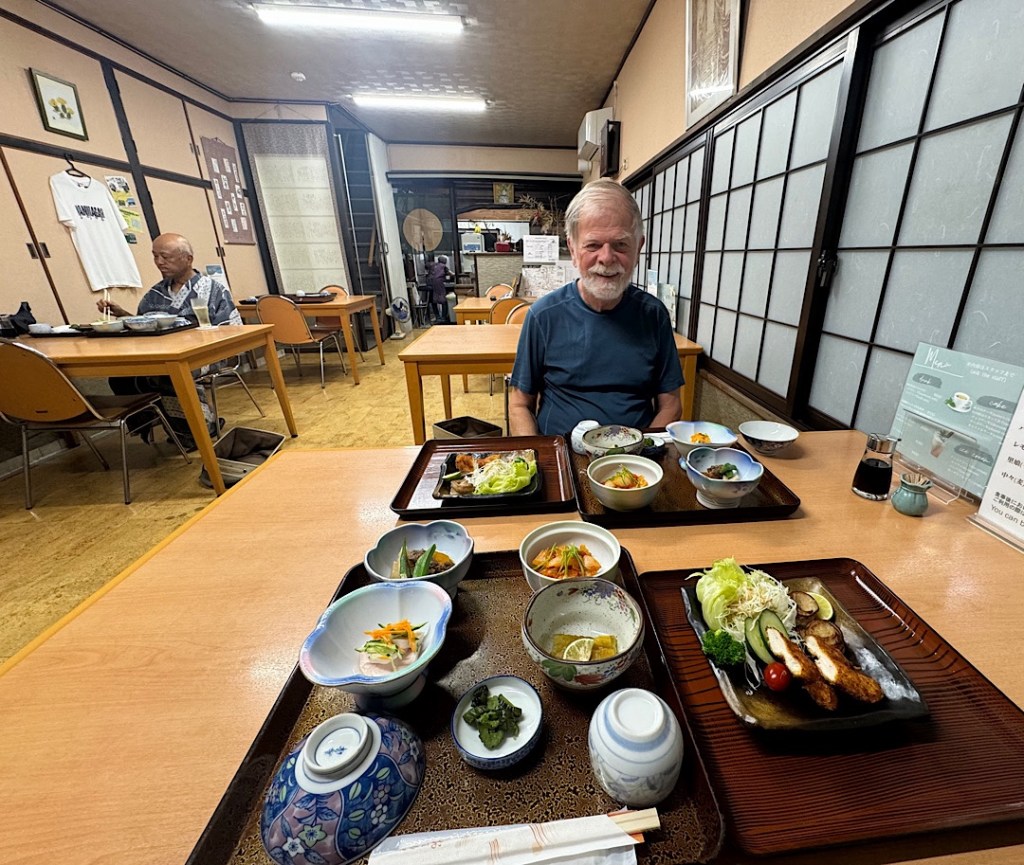
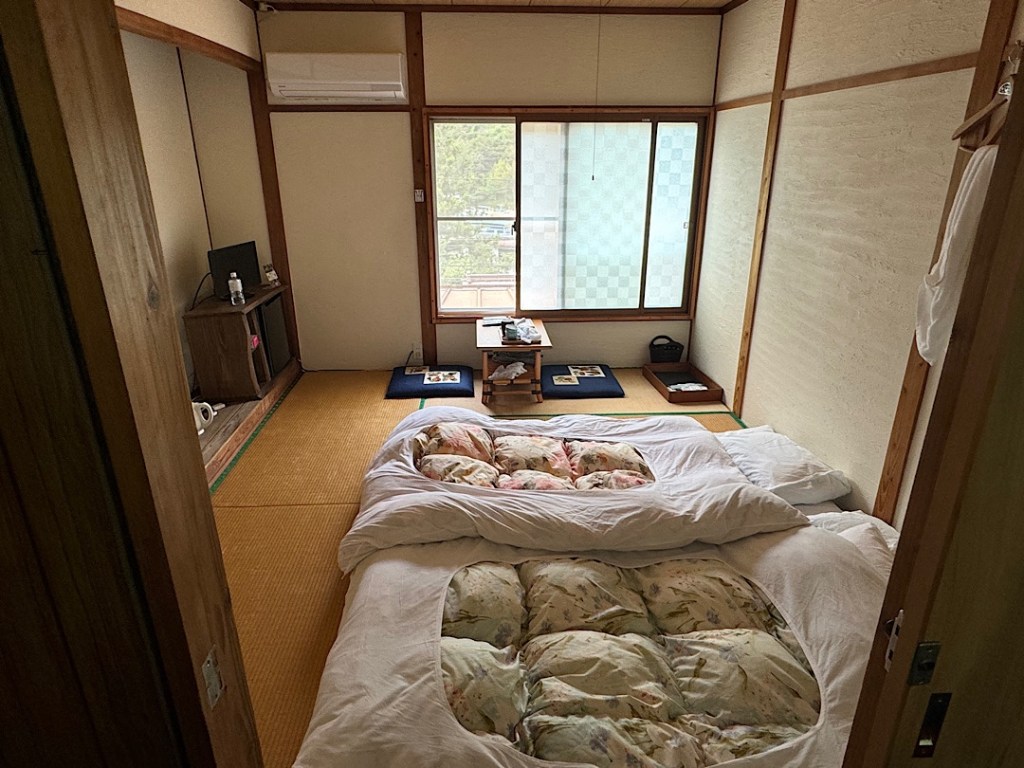
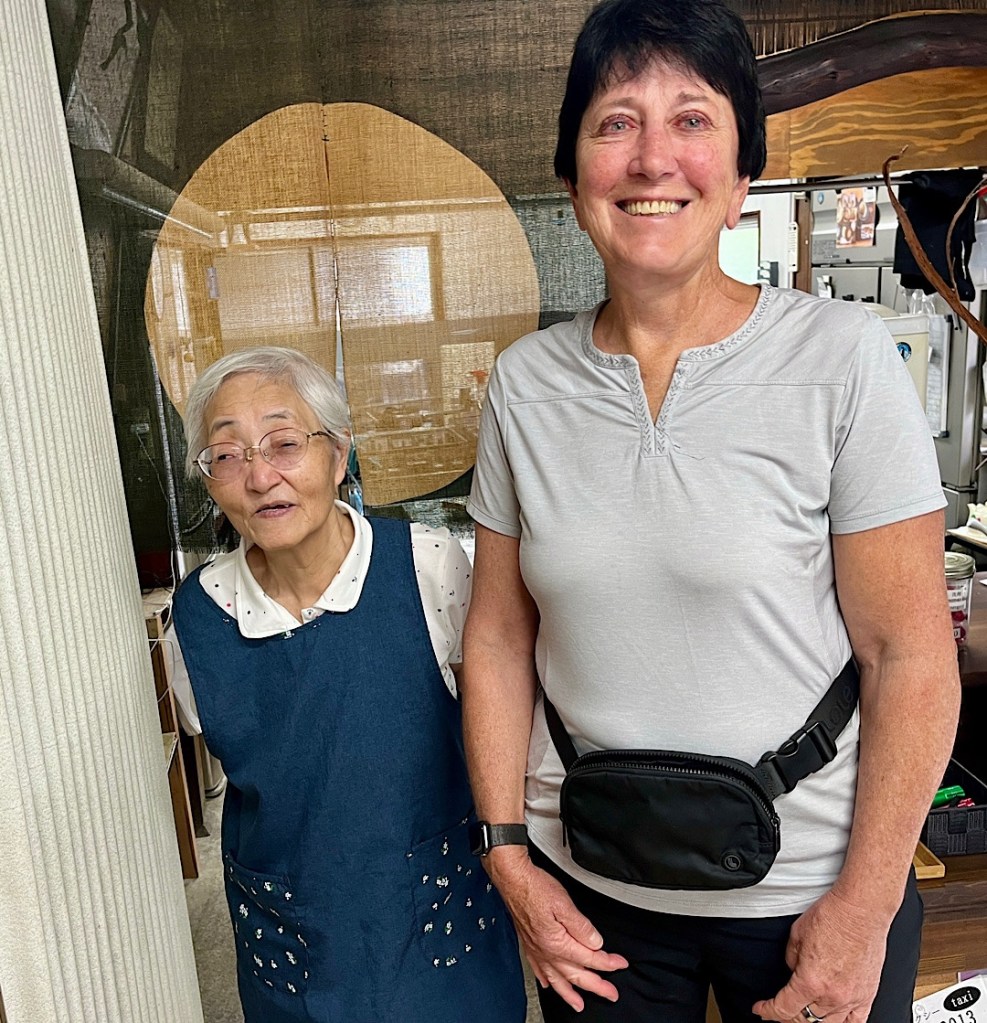
Not just the mountains on Shikoku are wild. So are most of the rivers.
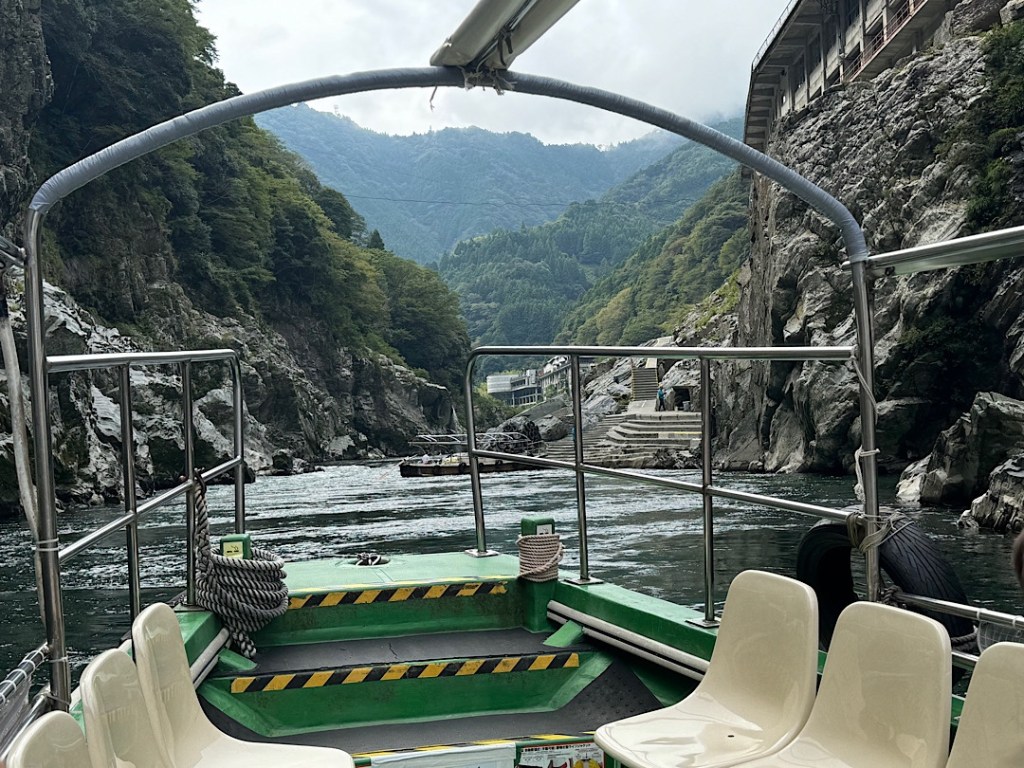
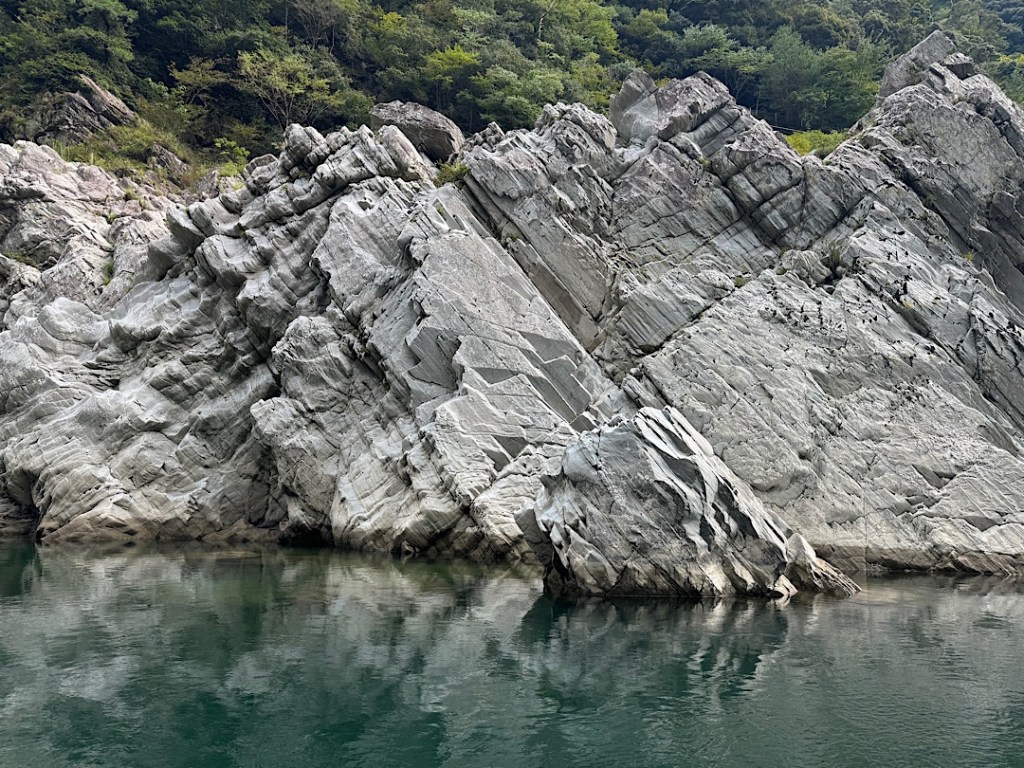
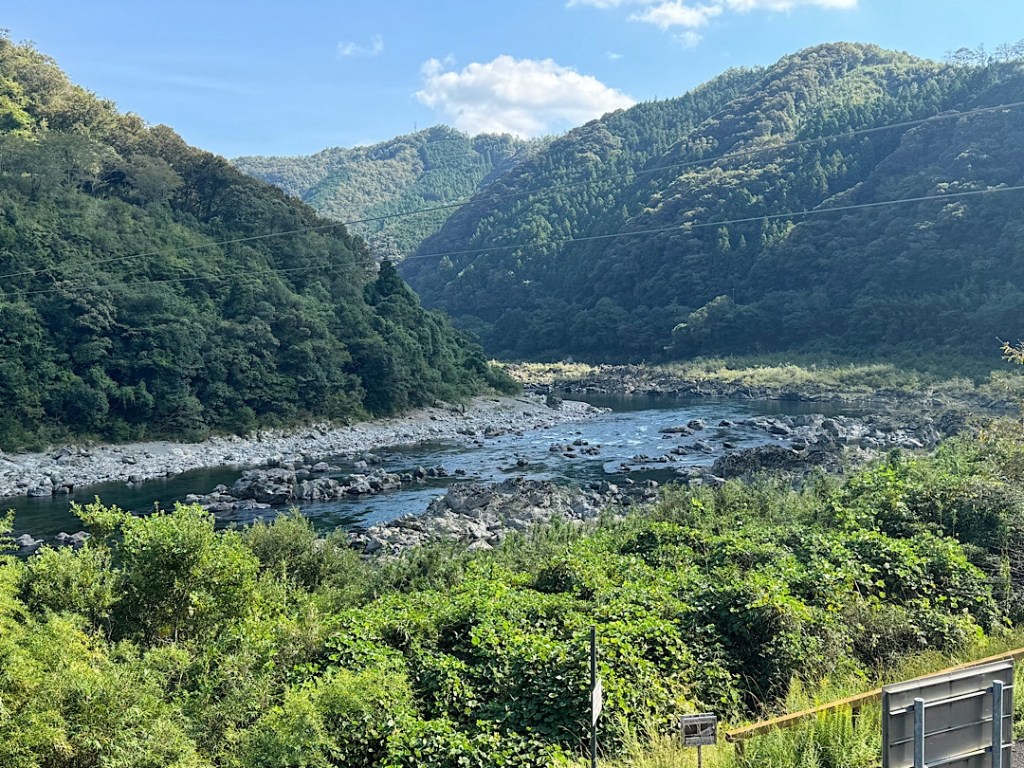
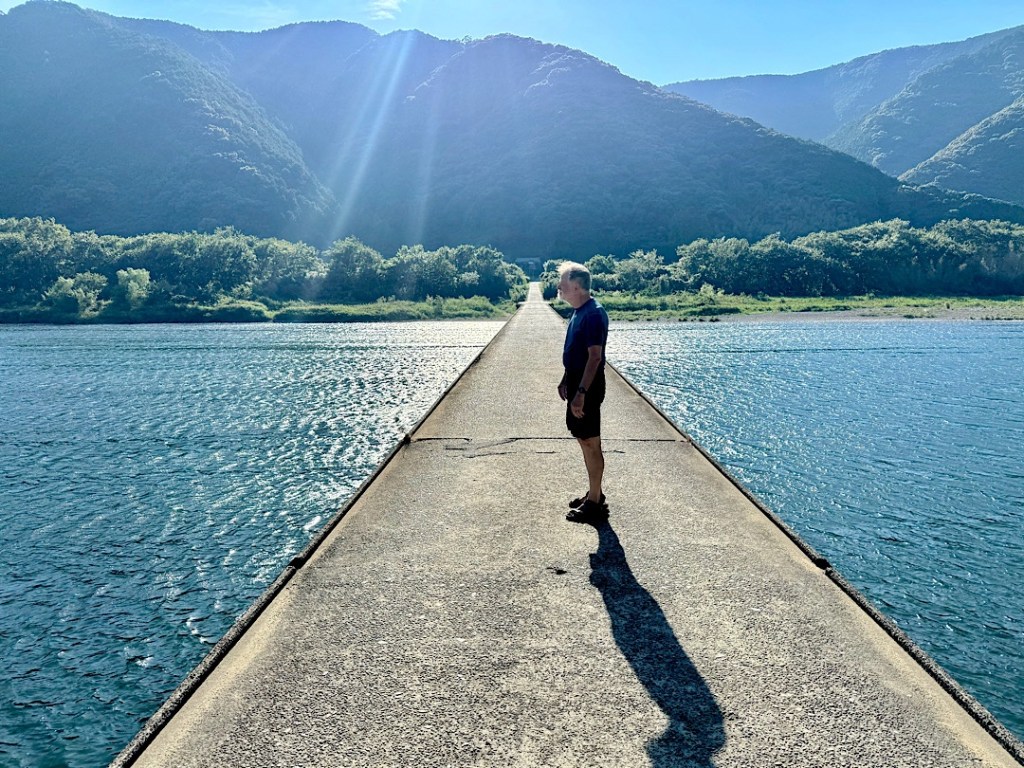
The next day we drove along the Shimanto, known as the last wild river in Japan. No dam has been built along its course.
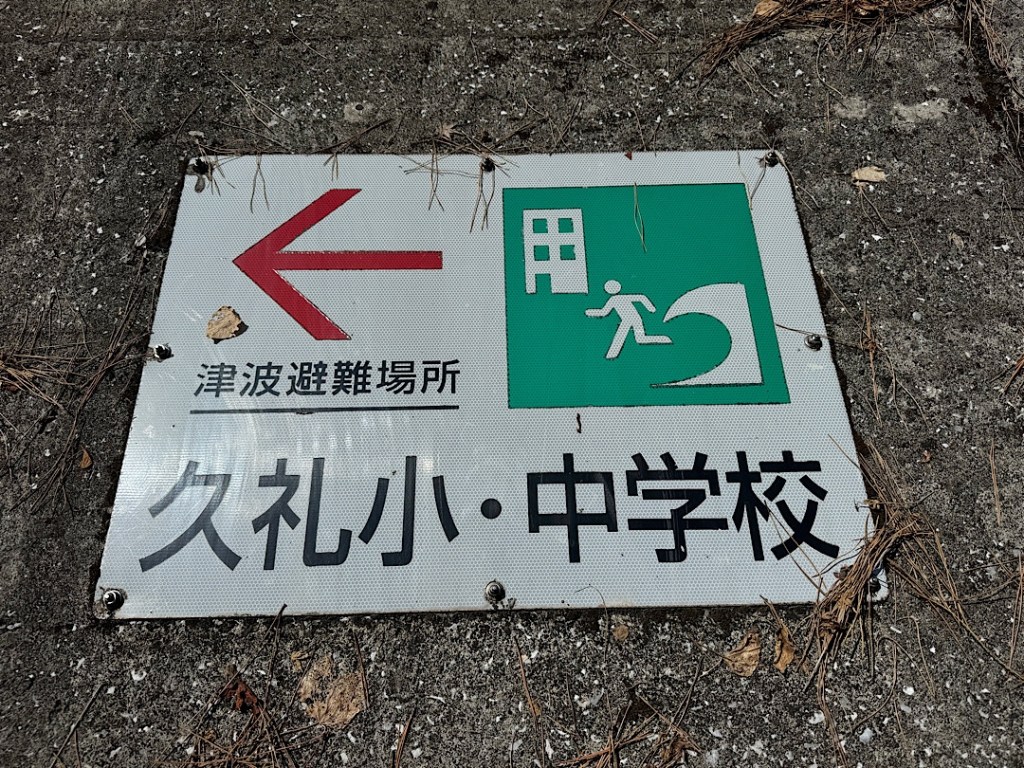
We got a strong reminder of the potential menace of the sea in the little fishing village where we ate the world-class lunch.

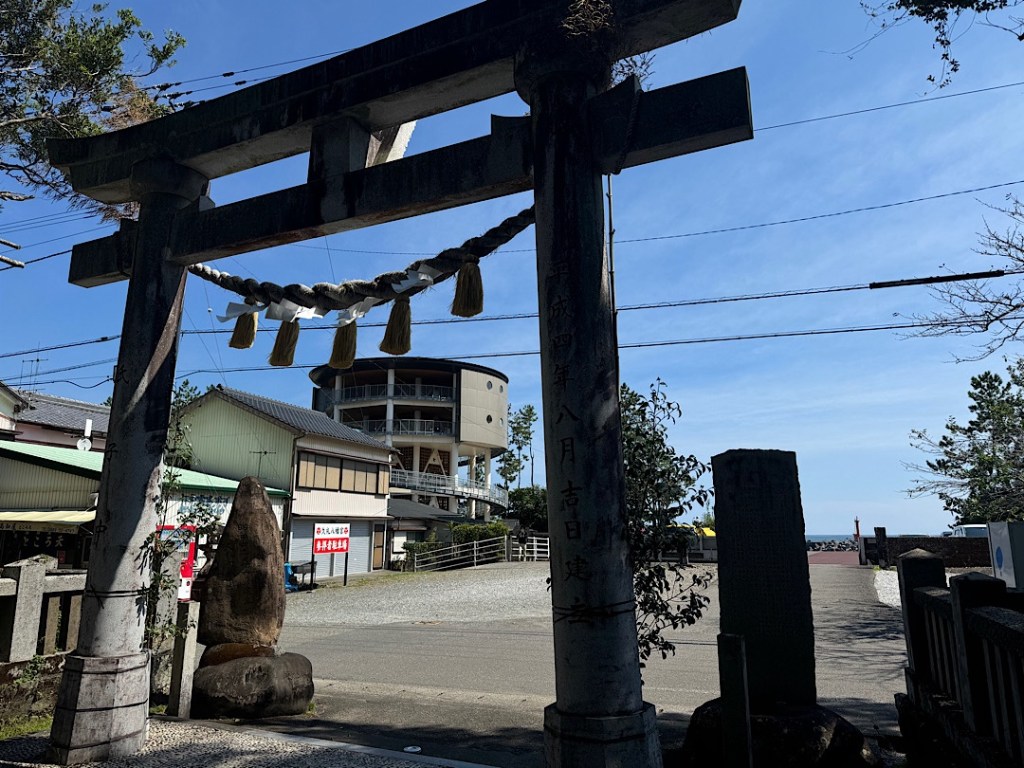
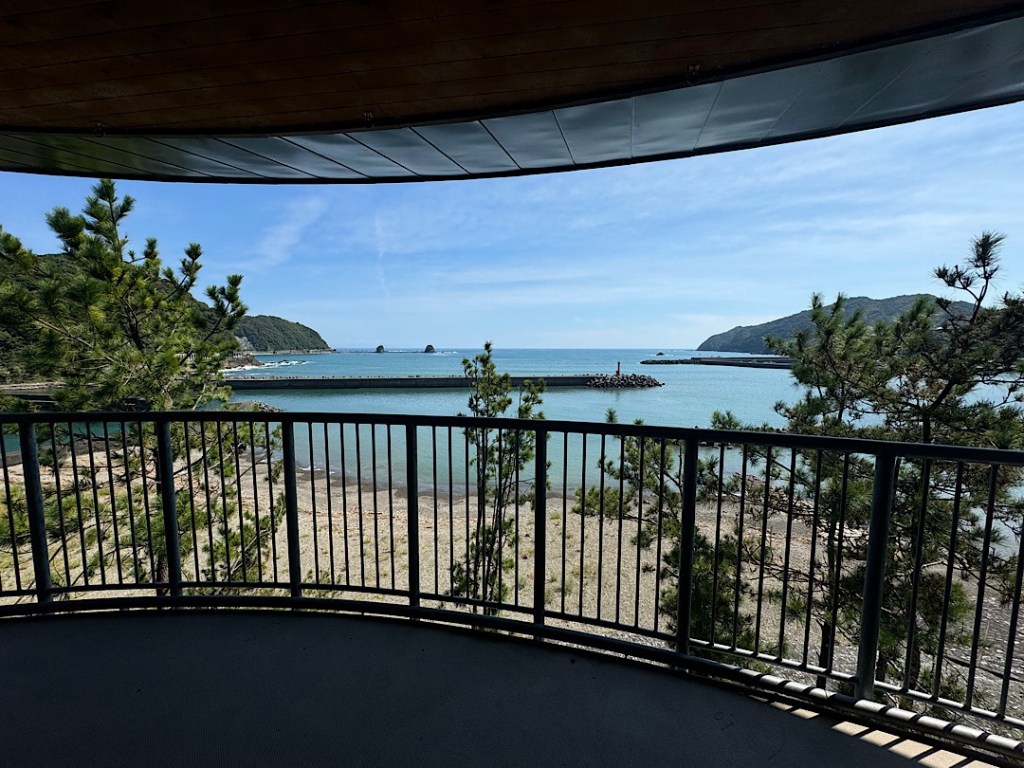
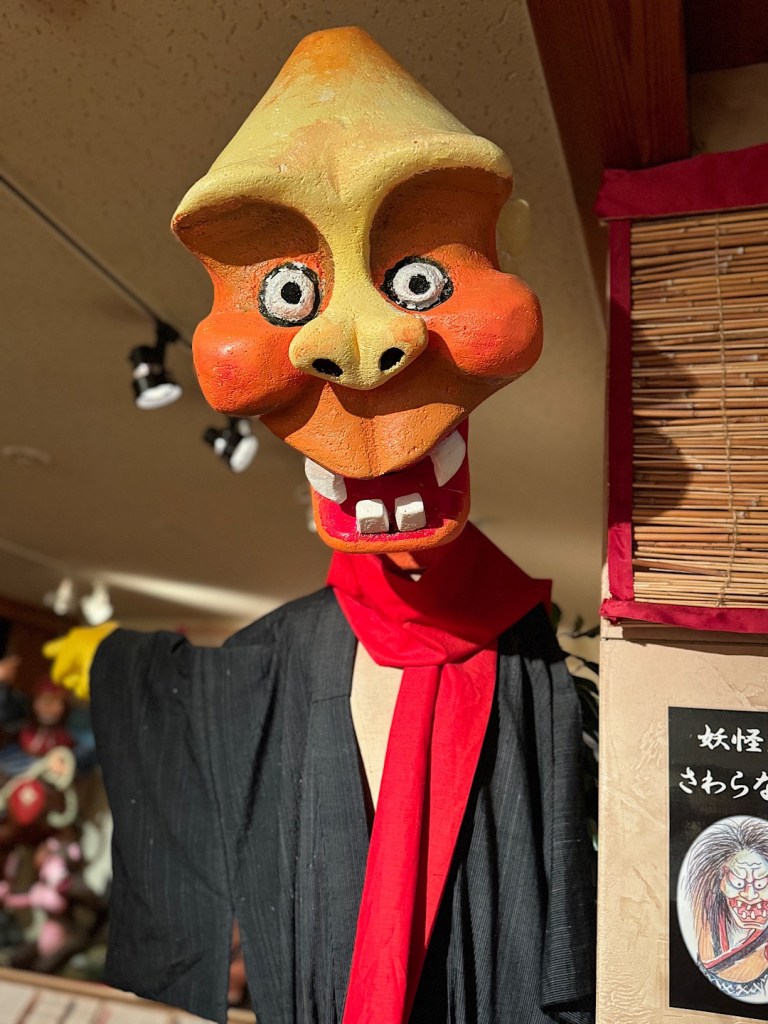
With all the danger on land and sea, I could understand how Shikoku residents might develop a rich mythology about the creatures — occasionally helpful but often evil or malicious — lurking in the landscape. They’re called yokai, and we spent an entertaining hour at a museum in the Oboke Gorge that explains a lot about them.
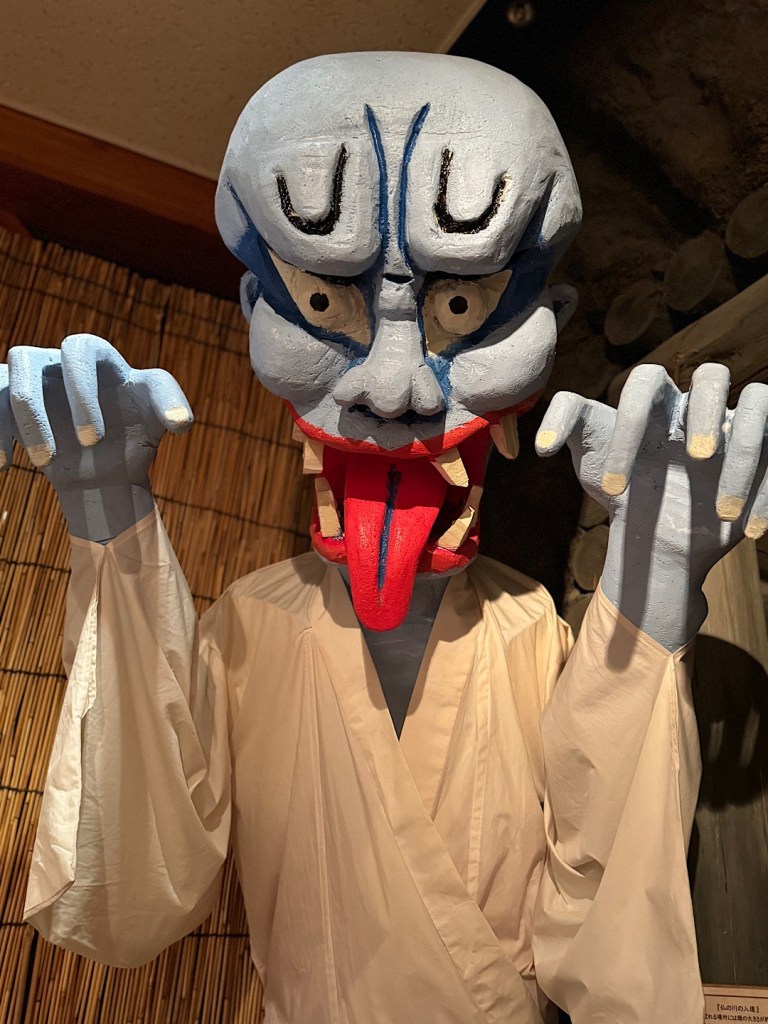
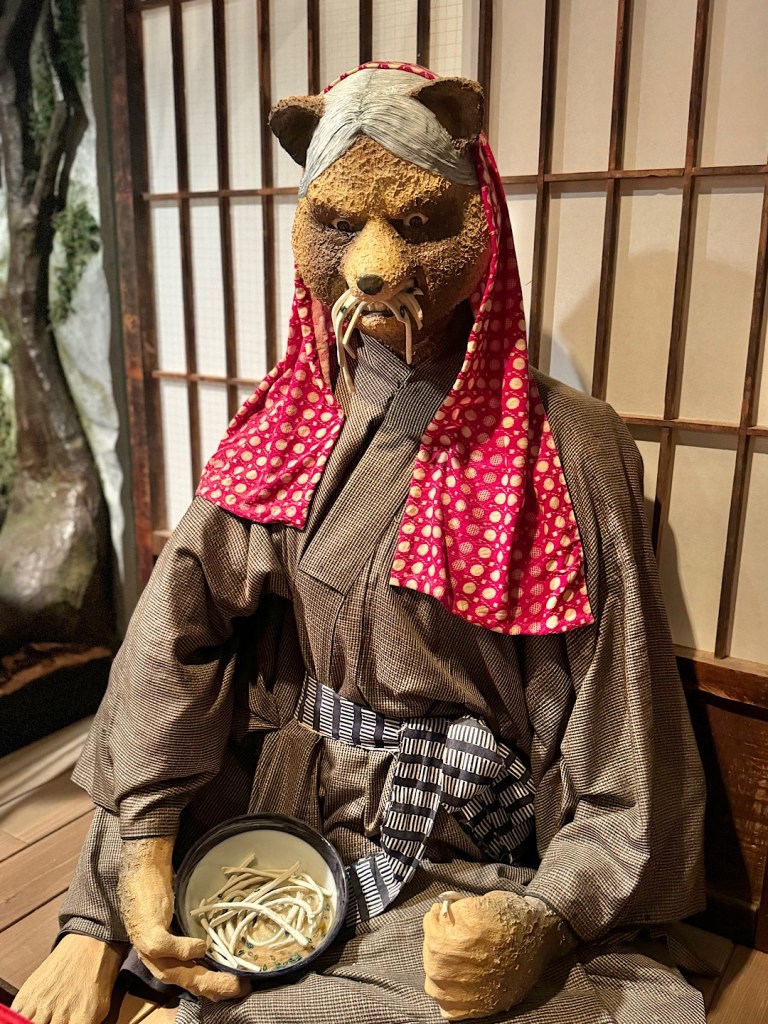
Who wouldn’t want to visit a place inhabited by the likes of those guys? So my answer to the question of whether it’s worth visiting Shikoku is an emphatic hai!
 At home and abroad
I just binged on your last five blogs and forwarded them to Kazumi and Geoff. I can see why Kazumi said she admired you driving in Japan. Some of it looked scary, but it got you to beautiful places. The vine bridges remind me of ones I cautiously crossed in Nepal. The scarecrow people were charming, but also somehow unnerving.
It sounds and looks like a fascinating trip. I look forward to more reading on a more regular basis.
Hi Christy,
It’s been fantastic. Thanks as always for reading and commenting! It motivates me. Looking forward to talking in person soon!