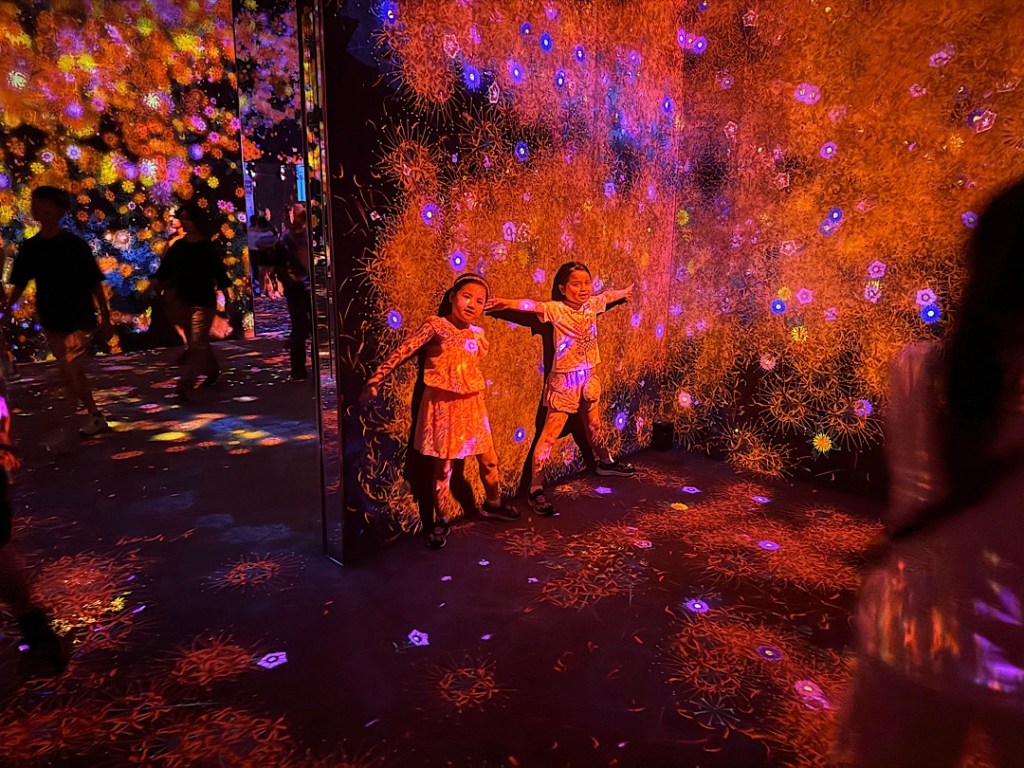
I can’t describe all the interesting things we experienced in Tokyo, but for me the biggest highlights were:
1) Checking out the new Toyosu fish market
I had been to the city’s central fish market on two occasions over the years, both seared into my memory. The Tsukiji market was a huge ancient property to which fishermen every morning delivered a staggering quantity of items to feed this country’s appetite for every conceivable product of the sea. Visitors could just stroll in and ramble through it, a thrillingly dangerous pastime as you dodged forklifts careening through the dim, narrow aisles, past fishmongers wielding bloody saws and axes and flashing knives. On offer were massive tuna and every other kind of fish, banal and exotic, along with a vast menagerie of mollusks.
Then the city decided to build something bigger and more modern. The Toyosu fish market replaced Tsukiji in October of 2018, and we were eager to see it. After the long plane rides followed by our monorail and subway journey Thursday night, we didn’t feel like dragging ourselves out of bed at 5 am Friday morning. We only got out the door about 7 am, and it was 8 by the time we reached our destination. That was well after most of the commercial action had concluded, but even if we’d arrived two hours earlier, I’m sure I would have been disappointed.
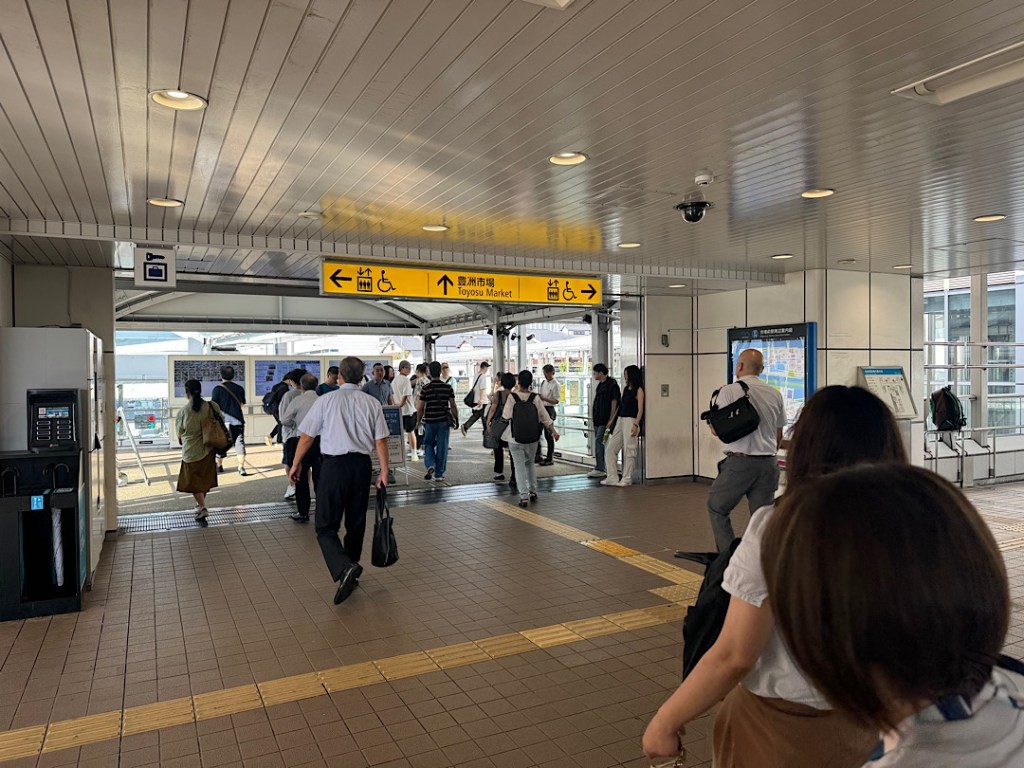
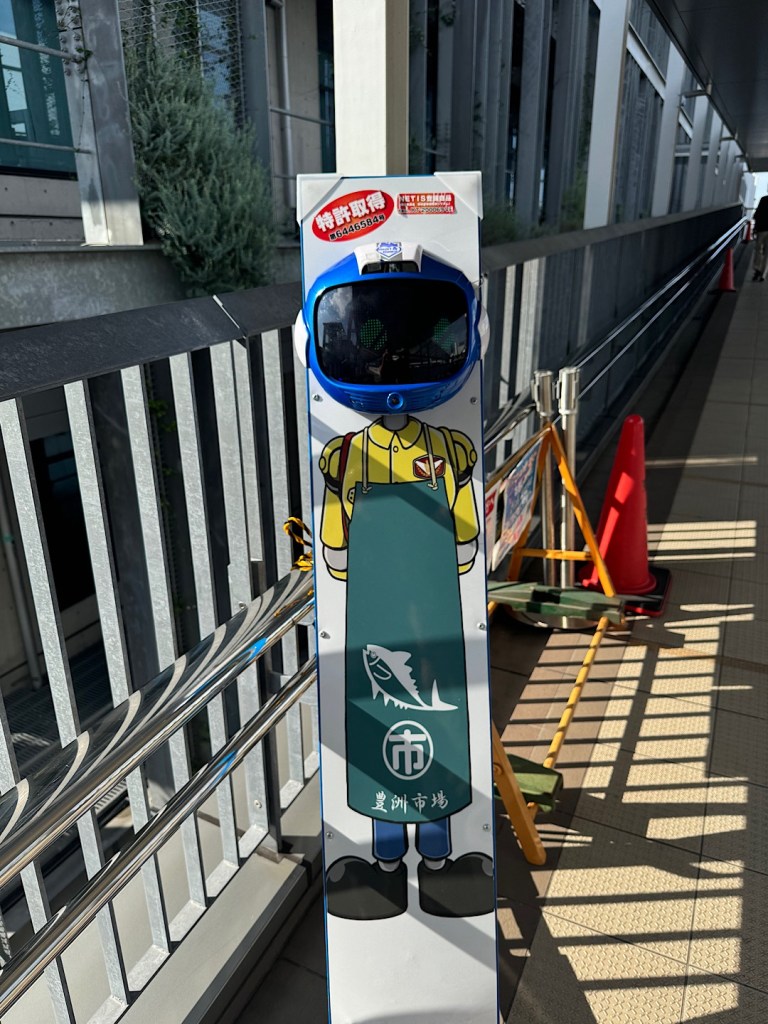
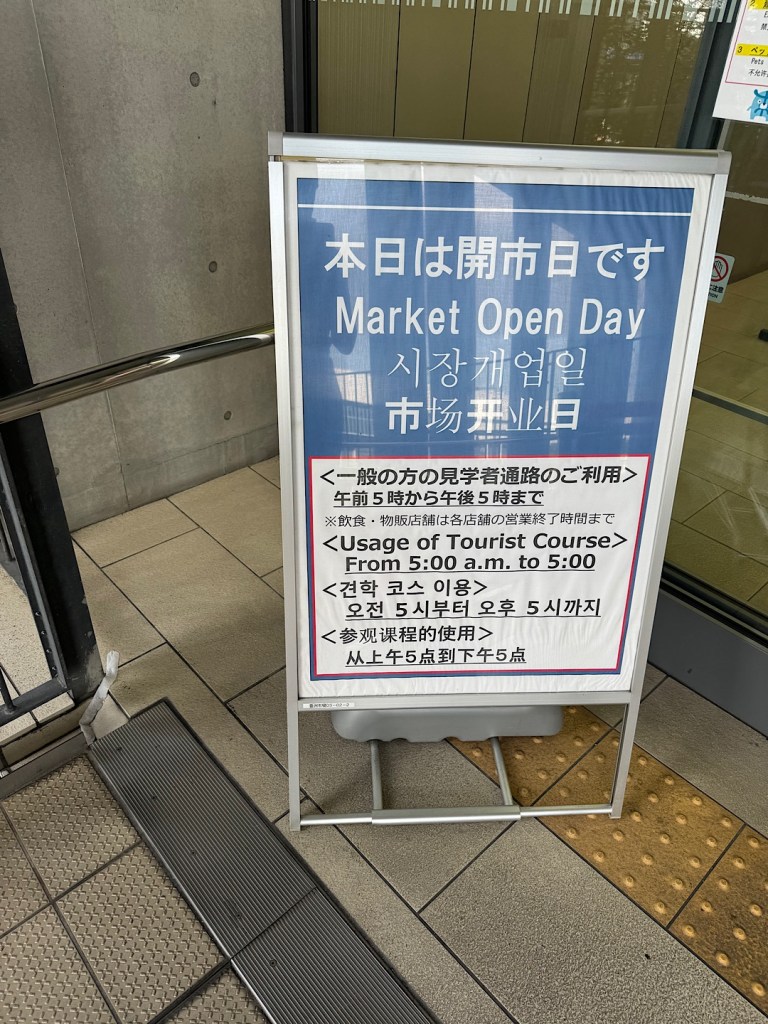
The new market is enormous and welcomes visitors even more clearly than its predecessor did. But now you walk through surgically clean corridors that feel endless.
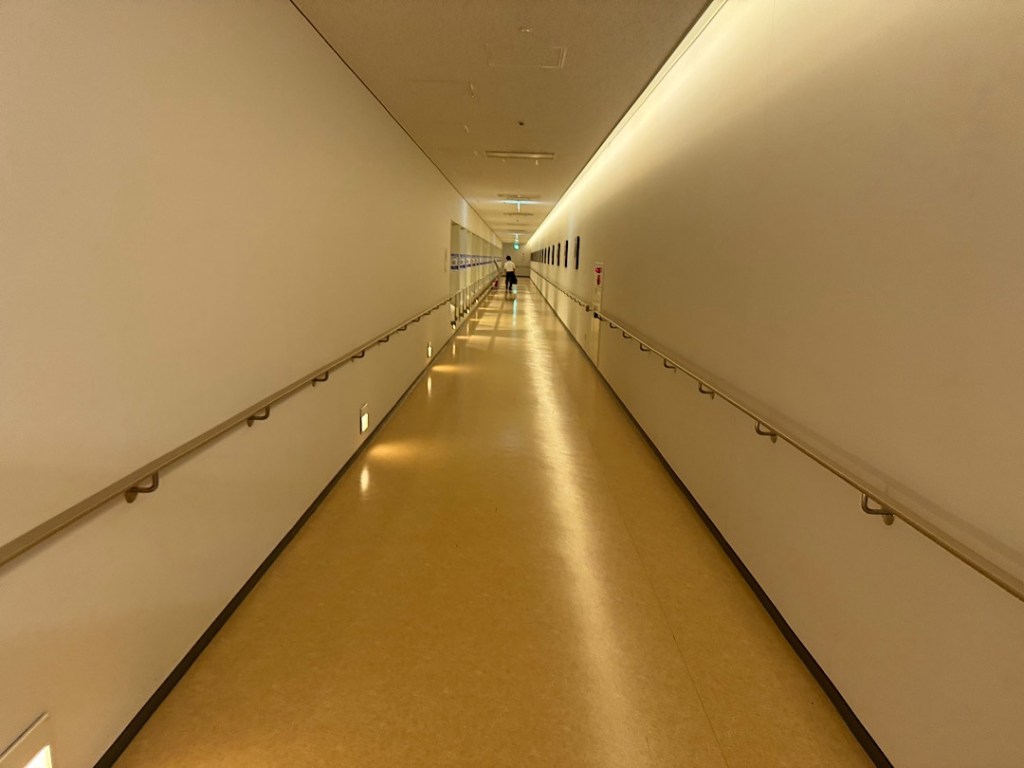
They take you to a gallery overlooking workers far below. No blood or guts were evident; no fishy smells.
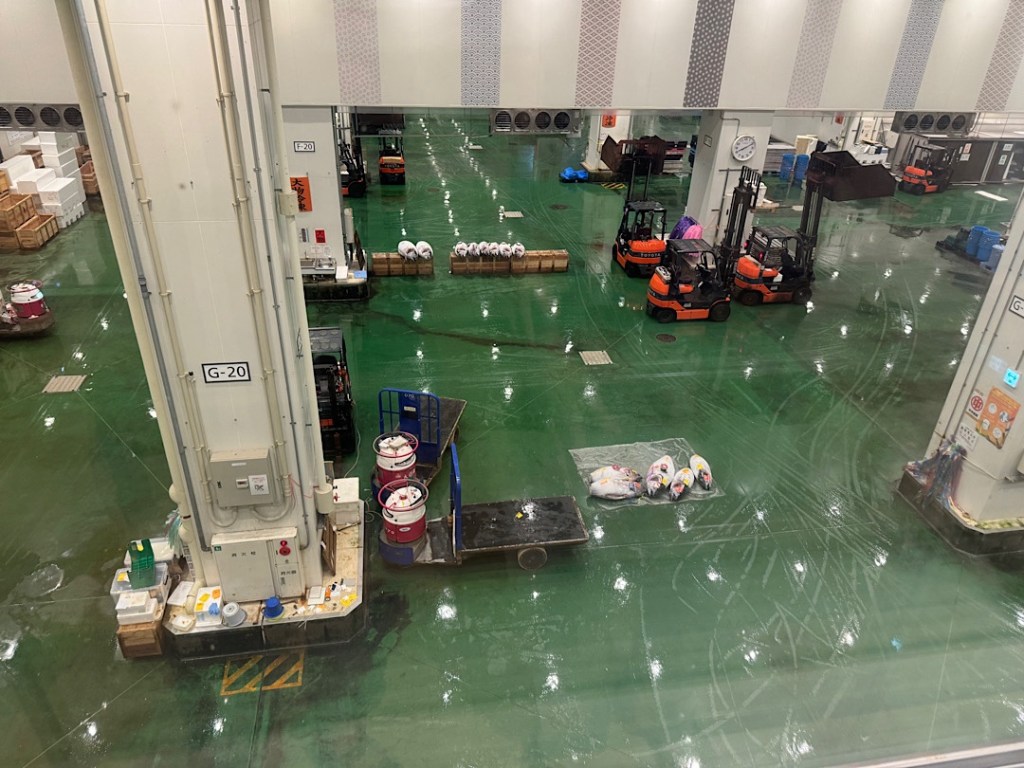

I’m sure it’s safer for the tourists and probably the workers too, a Brave New Fishmongering World that I wouldn’t have missed seeing. But I walked away grateful I also had tasted its raw and juicy former incarnation.
2) Having my mind blown at the city’s two teamLab centers
I almost never go to art museums when I’m outside the US. It’s not that I don’t enjoy looking at paintings and sculptures. But for me most museums pale in comparison to walking around and taking in the architecture and shops and street-level glimpses into local life.
The teamLab art collective doesn’t make ordinary art, however. The collective started more than 20 years ago in Tokyo and has evolved into an eclectic crew of so-called “ultratechnologists” — engineers, artists, animators, architects, and other specialists who create spaces in which participants can lose themselves in fantastic, “borderless” wonderlands. Two are currently open in Tokyo: teamLab Planets (just a short walk from the new fish market) and teamLab Borderless. The latter first opened in 2018 and immediately became the most visited museum in the world (according to the Guinness Book of Records folk.) It then closed and an expanded version opened in February, 2024. Steve and I went to both installations (one Friday morning and the other on Sunday.)
We loved them both but Planets was our favorite. We had to take off our shoes and stow them in lockers, not because this is Japan but because visitors enter by ascending a long, dark ramp down which water streams.
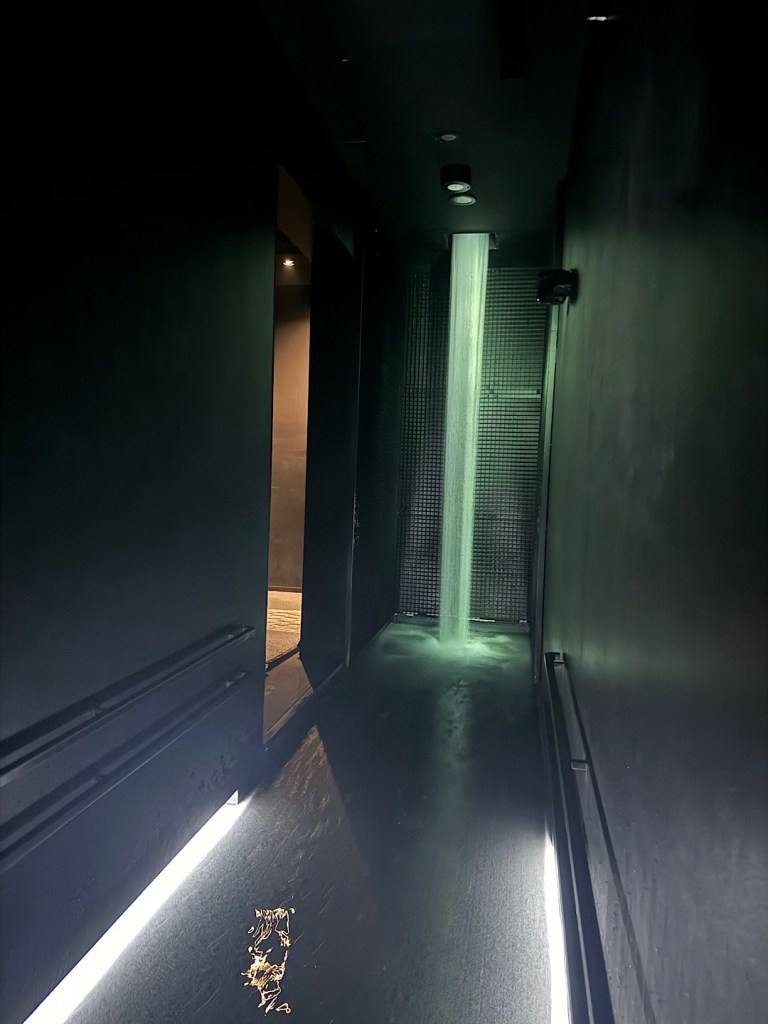
Later we reached an enormous room filled with knee-deep water. Against a mesmerizing musical backdrop, digital fish swam around all us waders, changing course in reaction to our presence. Sometimes the fish transformed into flowers. Petals dropped off and floated through the water and turned back into fish.
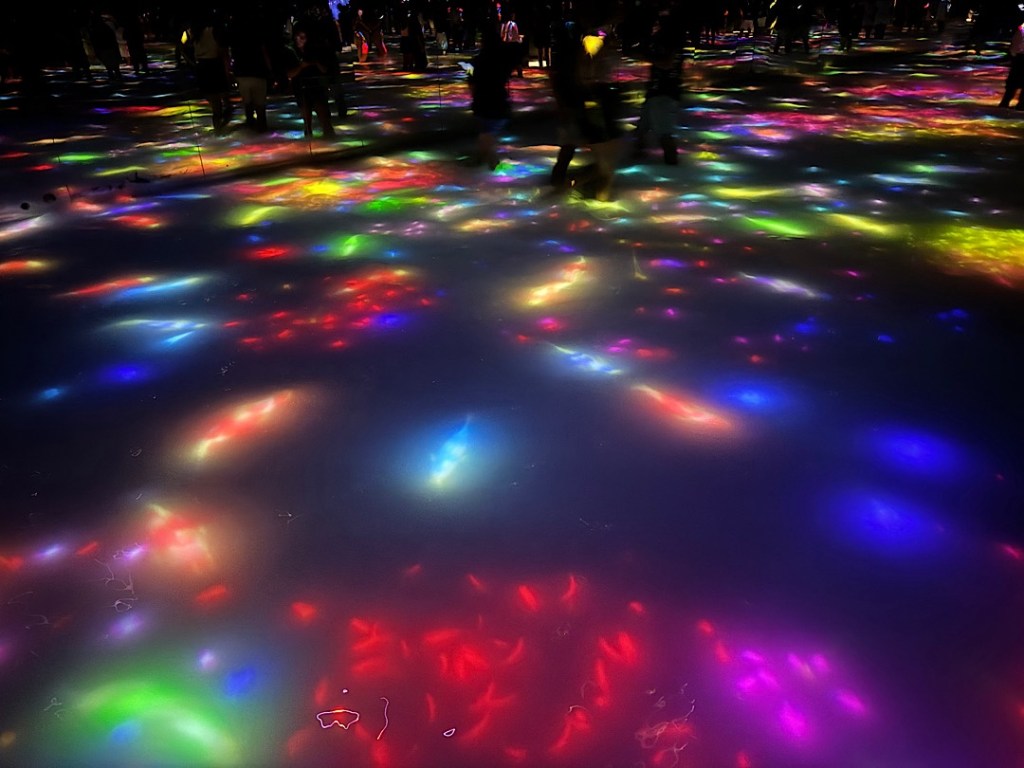
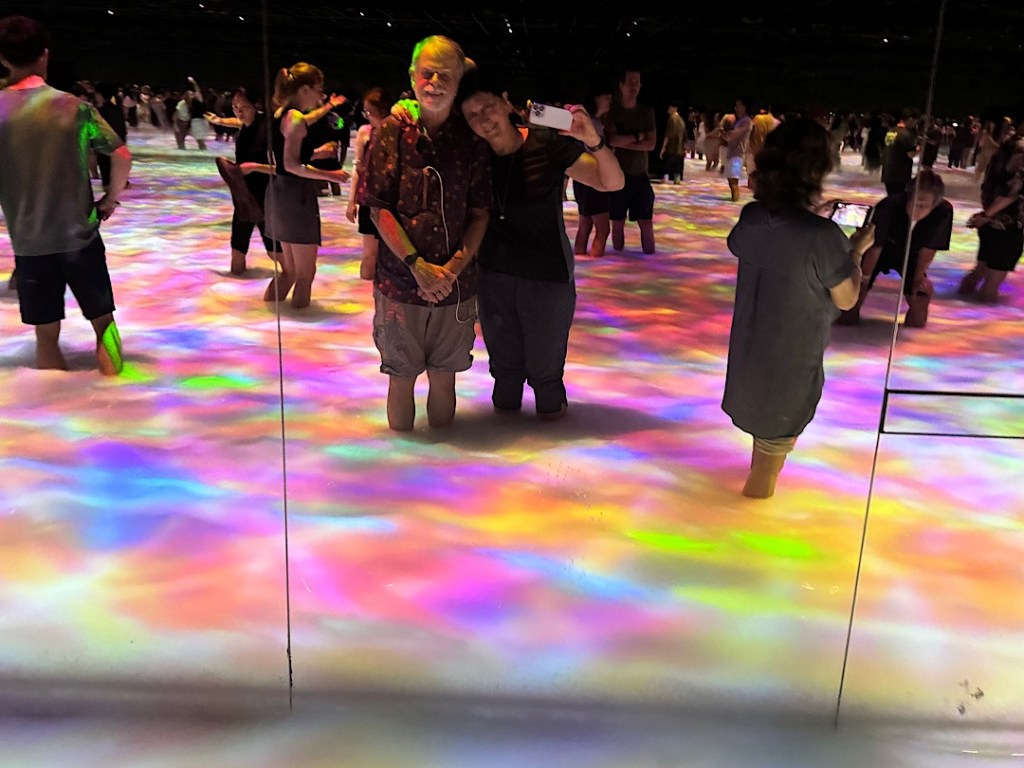
I’ve never experienced anything like it — and what we found in the other “galleries.”
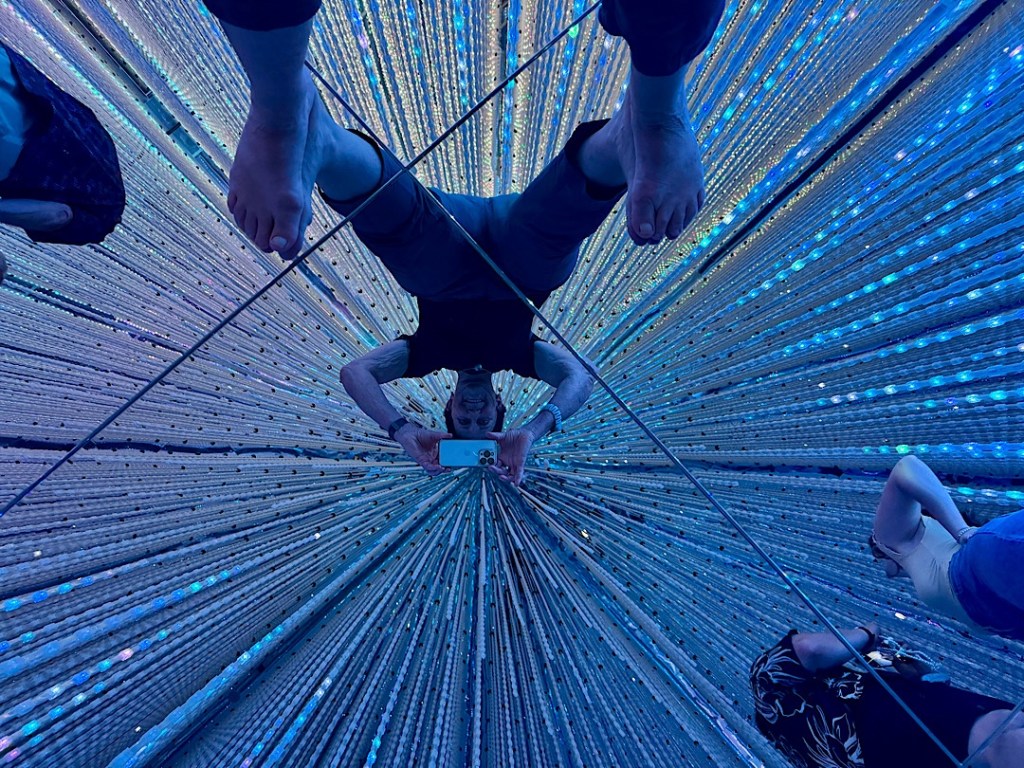
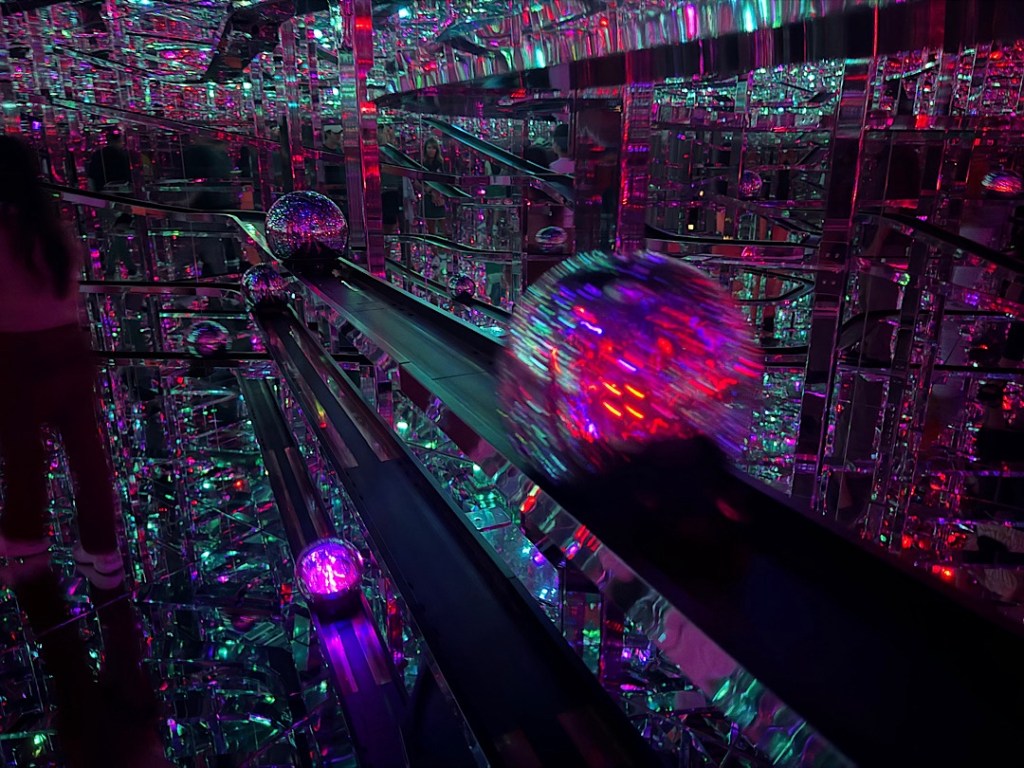

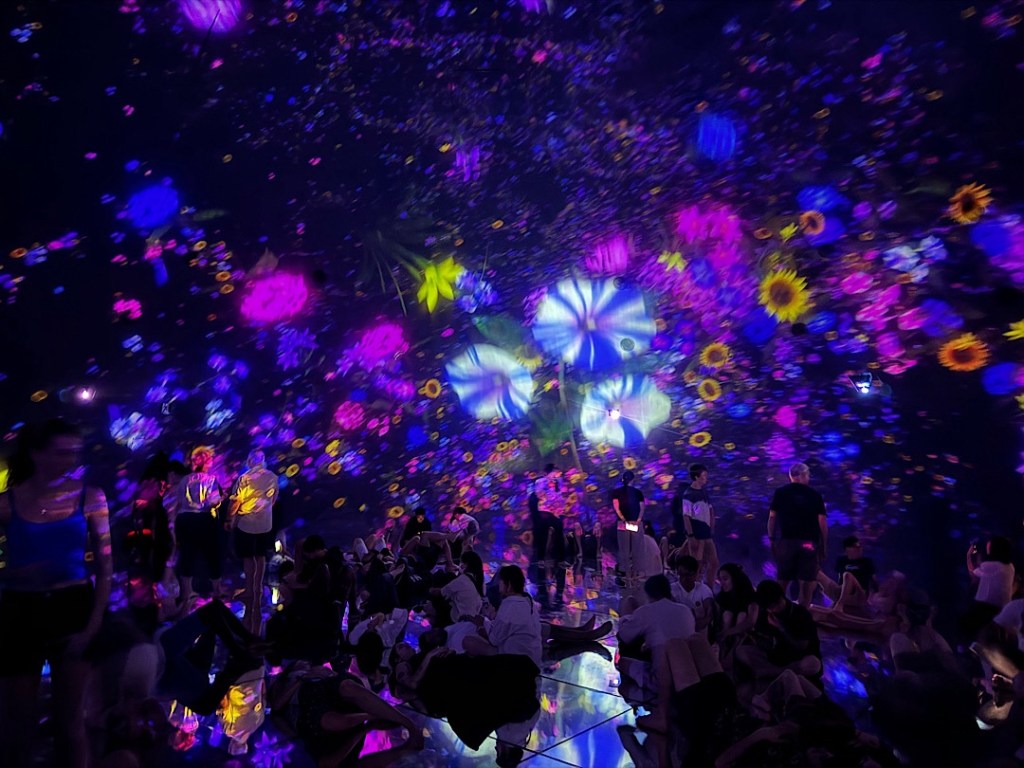
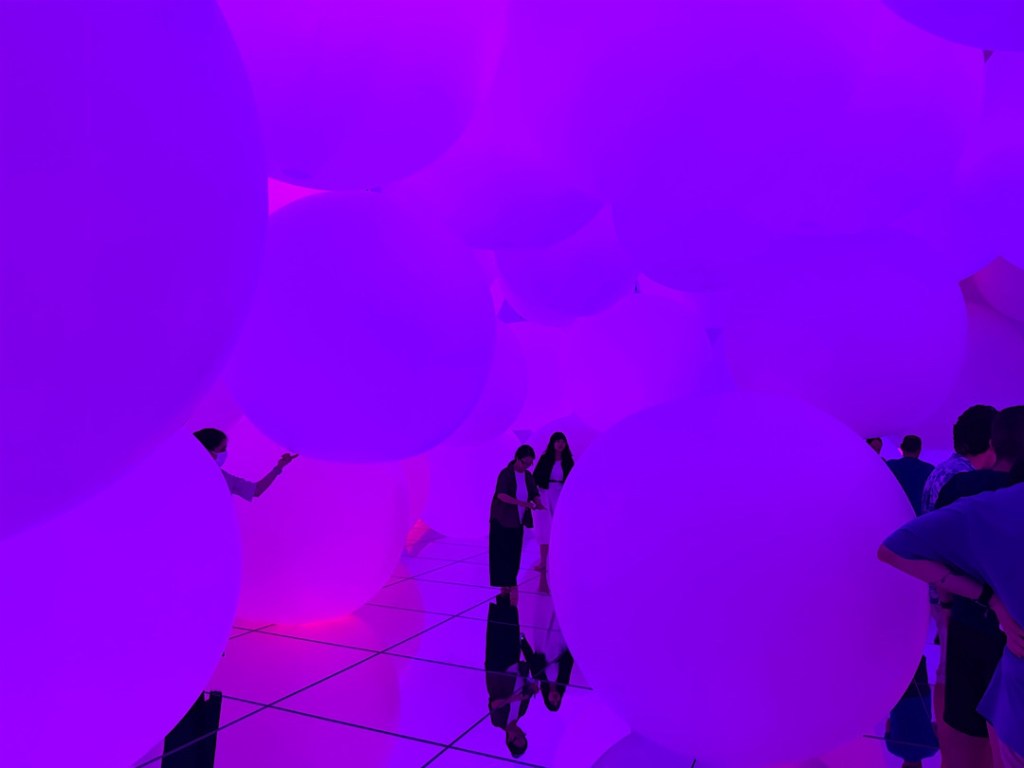
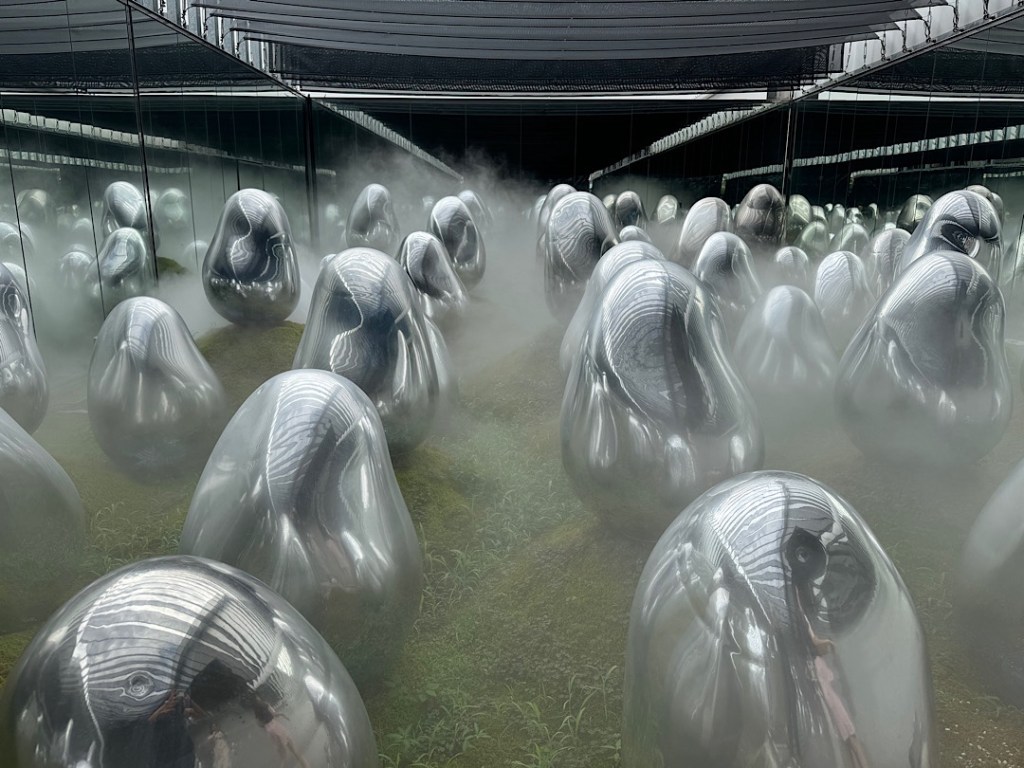

It made me wish I could take every one of my family members and friends to both of these amazing experiences.
3) Attending the sumo tournament

I’m also not big on spectator sports at home or abroad. But sumo is so wildly Japanese it tickles me. The giant wrestlers only compete in six big 15-day-long tournaments a year. Only three of those are held in Tokyo. When I learned that one of the Tokyo tournaments would be wrapping up during our visit, I couldn’t resist getting tickets.
Steve and I went Saturday afternoon, the second to the last day. We watched the action for about two hours, and now that I’ve seen it I can offer a few pointers to anyone thinking of following in our footsteps.
— Because I wasn’t sure how much we would enjoy it, I bought us the cheapest seats (about $65 apiece) Even in the highest sections, we could see all the action clearly.
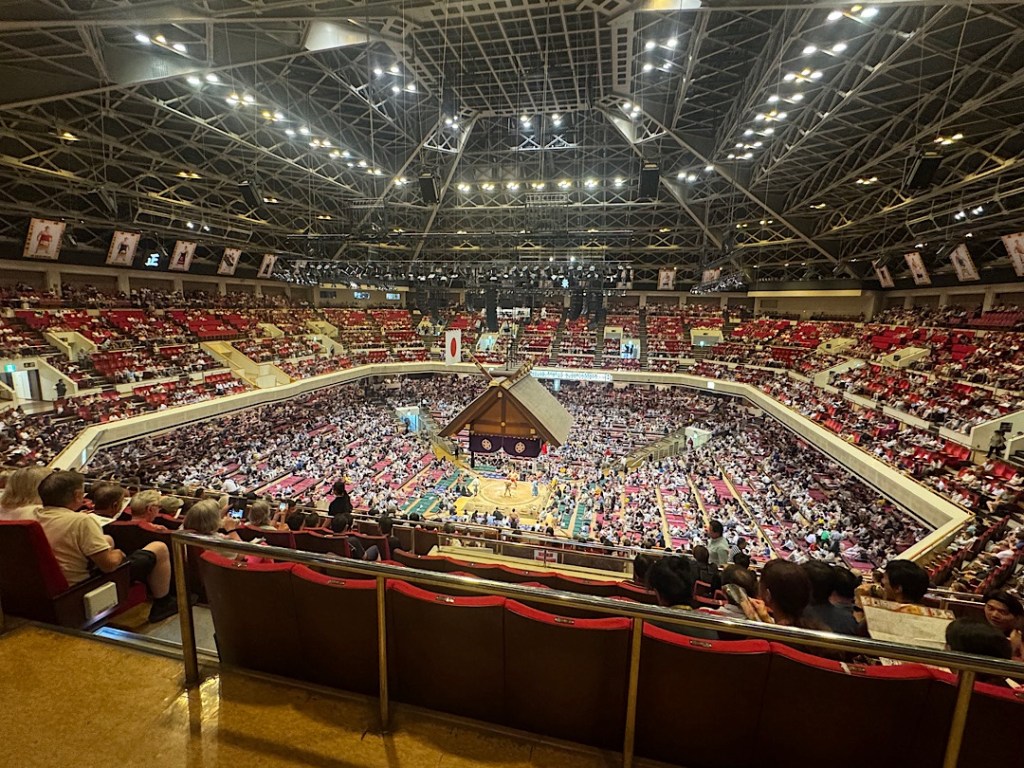
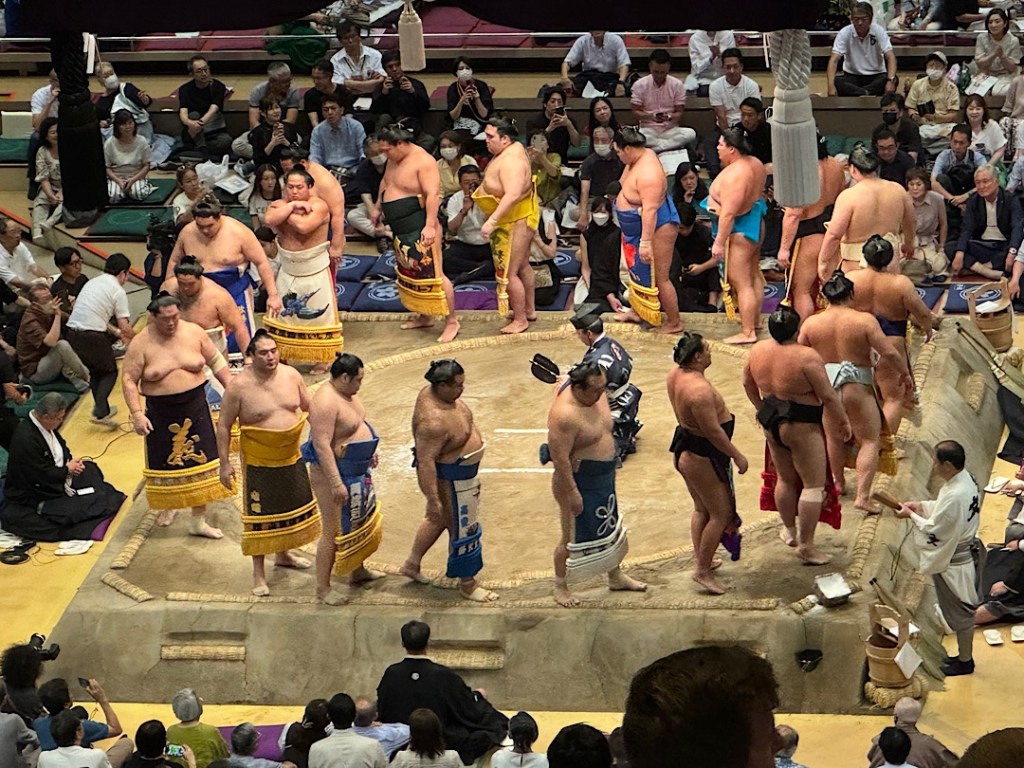
Still, it would have been even more fun and exciting to sit closer to the ring. I wouldn’t want one of the best seats because they’re not “seats” at all but mats on the ground. Also, the wrestlers occasionally get thrown into the front rows, and having one land on you looked like it could be painful.
— The wrestlers go through a lot of ceremonial posturing before they start grappling each other. They throw salt into the ring for good luck. They slap their massive bellies to ward off evil spirits. They play chicken games that trigger the fight. But it didn’t take long to puzzle out the basics of what was happening; figuring it out was part of the fun. The action is very brief but often exciting, and the bigger guy by no means always wins (that video above notwithstanding.)
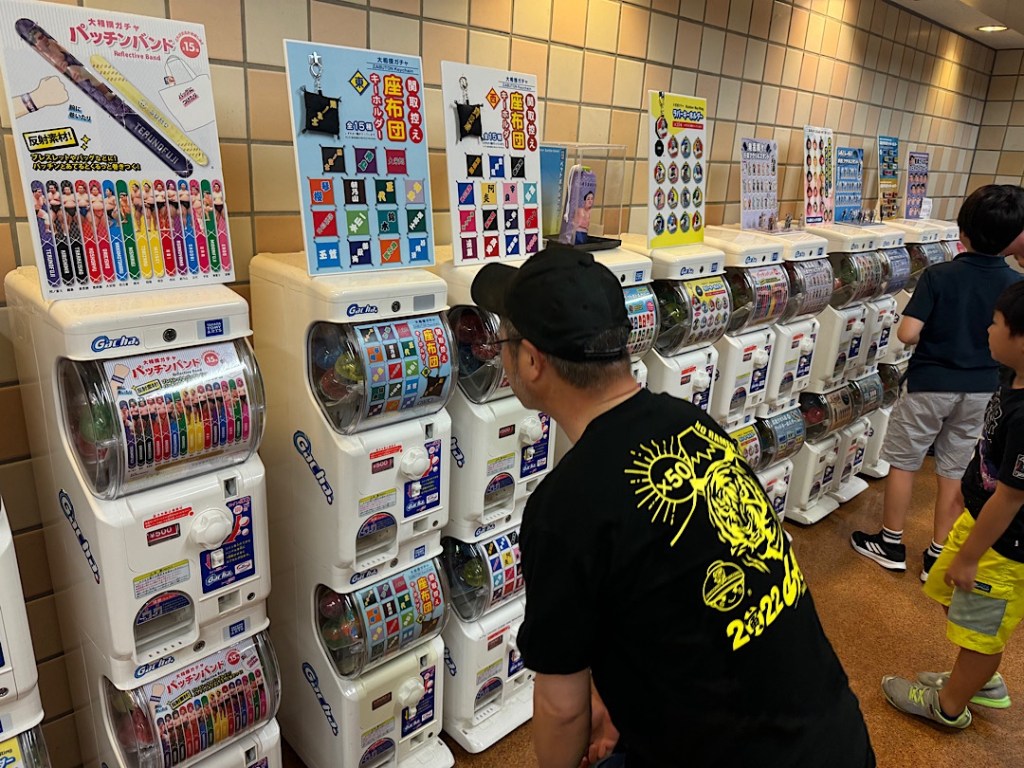
— Wearing some sumo gear would enhance the fun. There was a lot of it on offer. The crowd was in high spirits and many were clearly devoted to their favorite wrestlers.
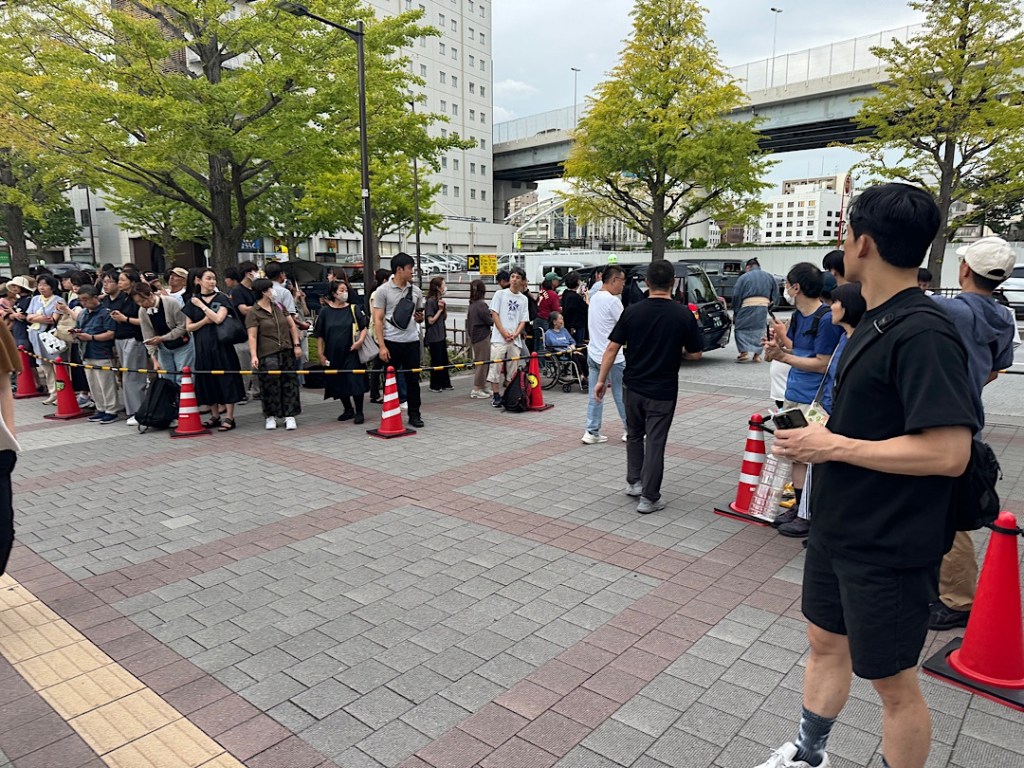
4) Strolling through the neighborhood shrine festival
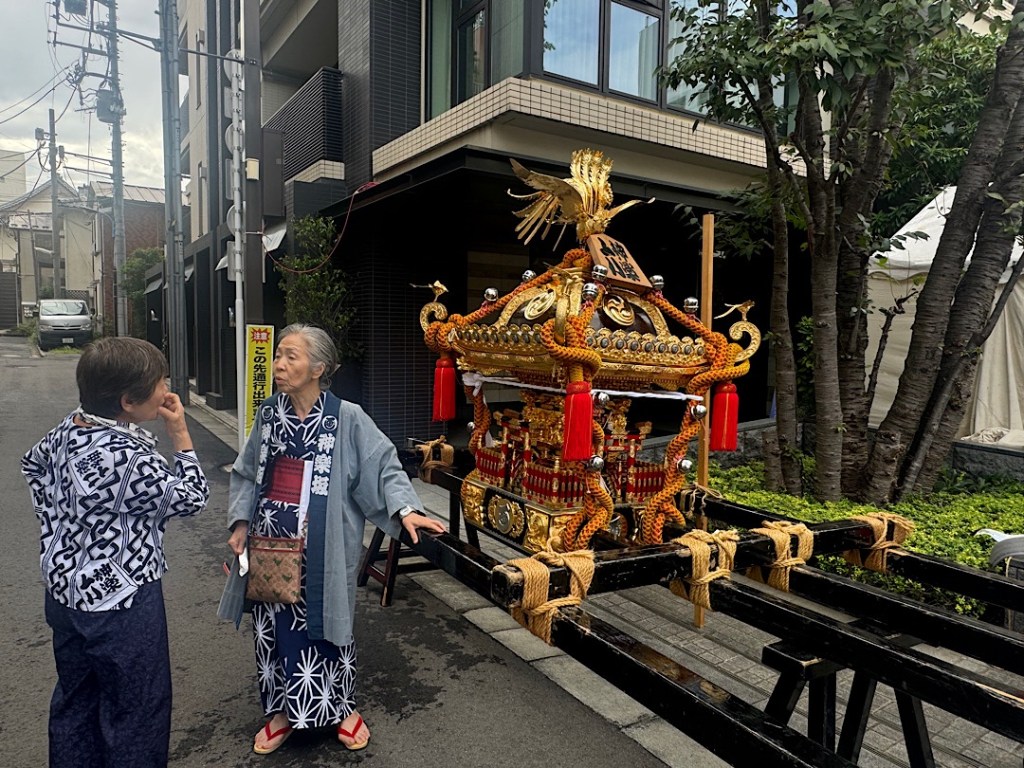
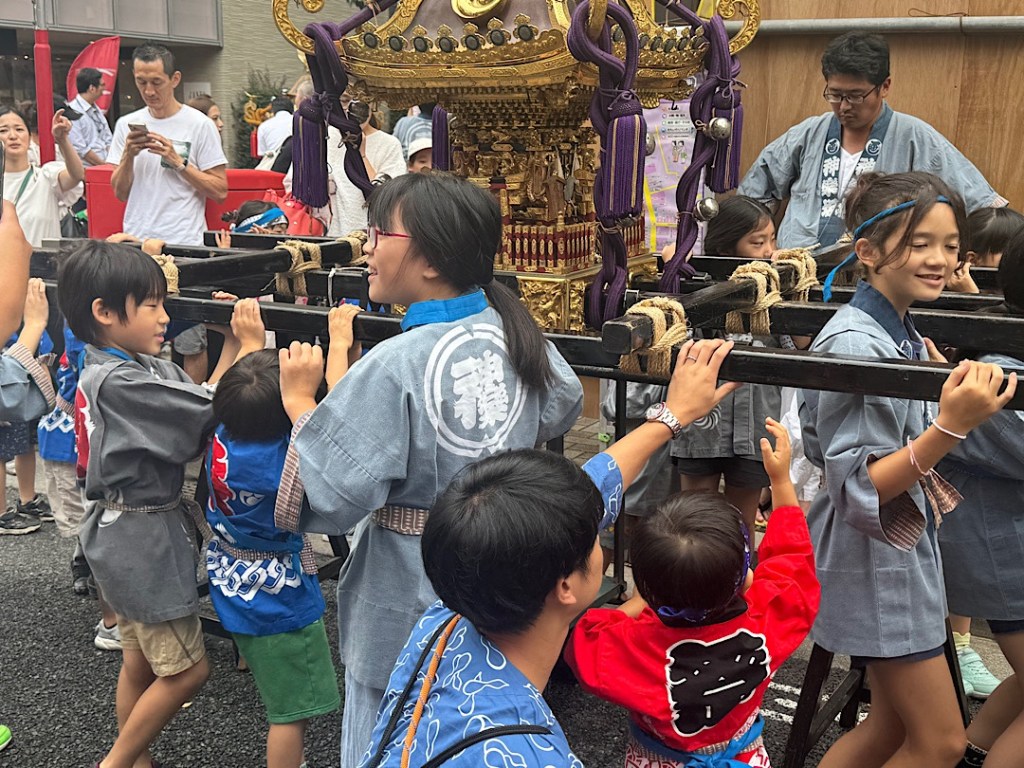
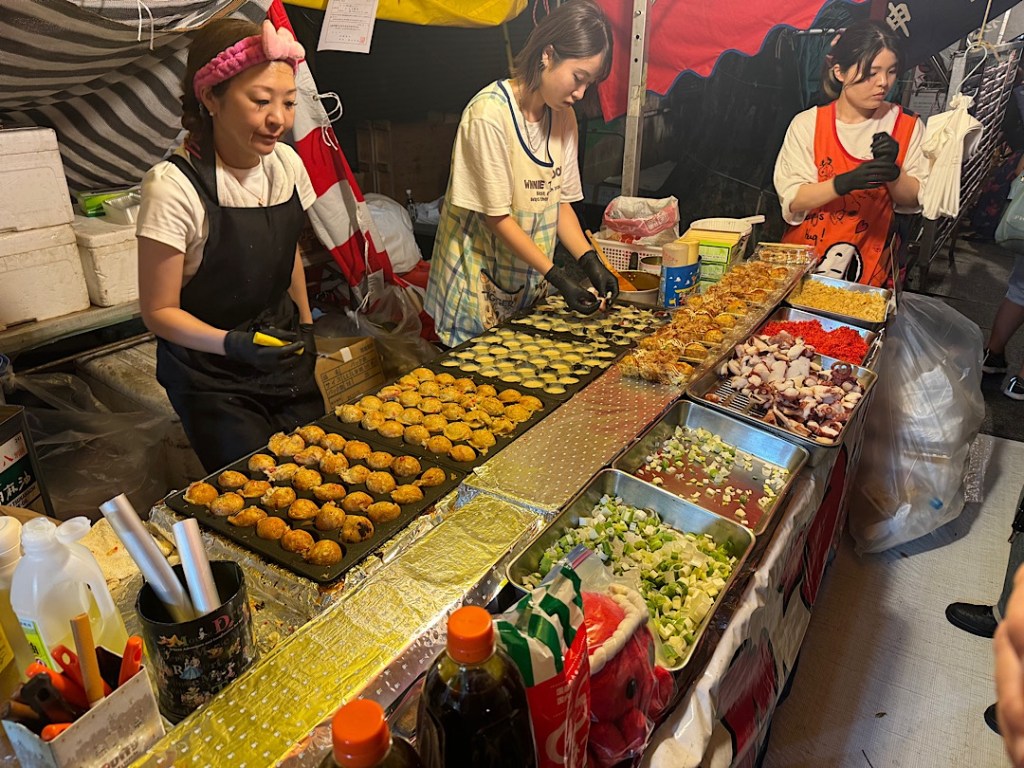
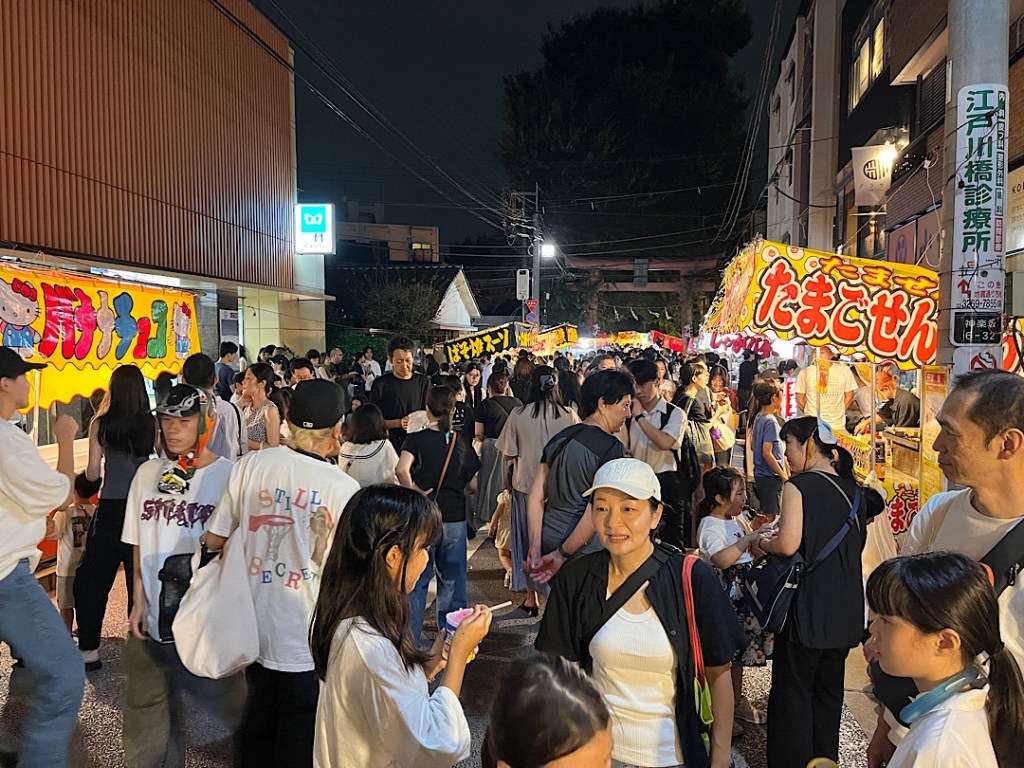
Most Japanese will tell you they’re not religious. But they sure do love a good shrine festival. Both Saturday and Sunday afternoon and evenings, the streets leading to Akagi Shrine (just a five-minute walk from our hotel) were jammed with folks of all ages; their good mood was contagious.


5) Dining on Memory Lane and walking home
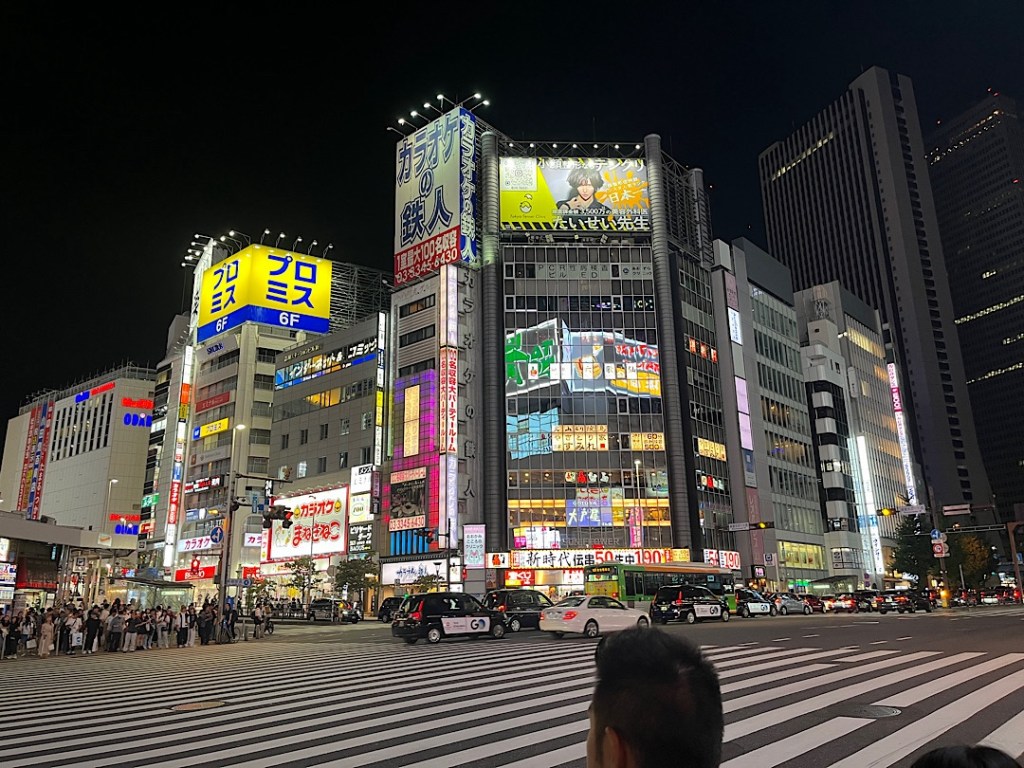
I was so in love with the Kagurazaka neighborhood where we were staying it was hard to leave it to go eat dinner somewhere else. But Steve and I also were huge fans of the “Midnight Diner” Japanese television series, and we wanted to see the neighborhood in which it was set. That would be central Shinjuku, just a few subway stops away from our hotel. It’s so densely crazy you almost expect to see air cars zipping among the skyscrapers.
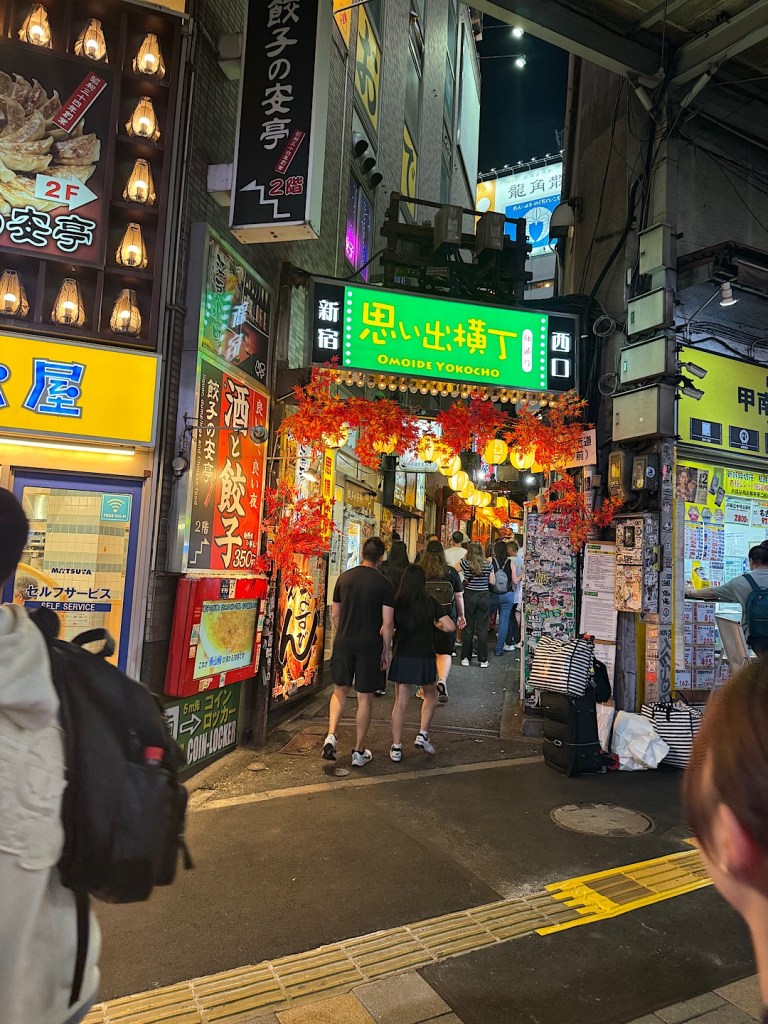
It felt like a miracle when we found the entrance to Omoide Kotocho (Memory Lane), a jolly throwback to 1980s-era Tokyo.
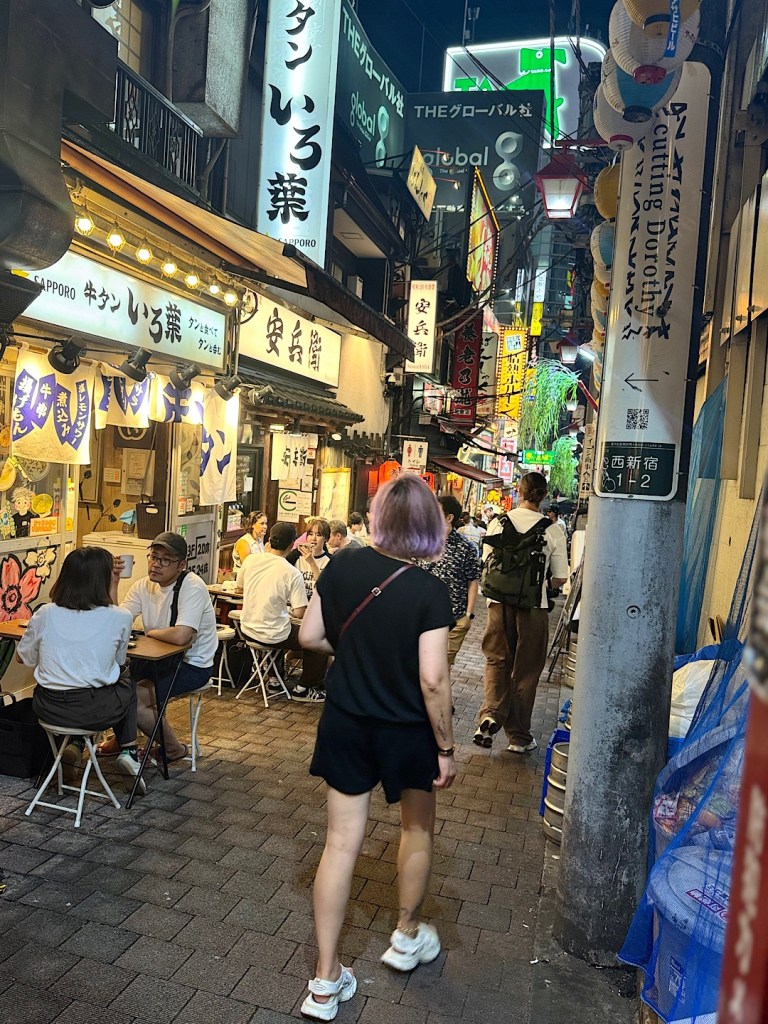
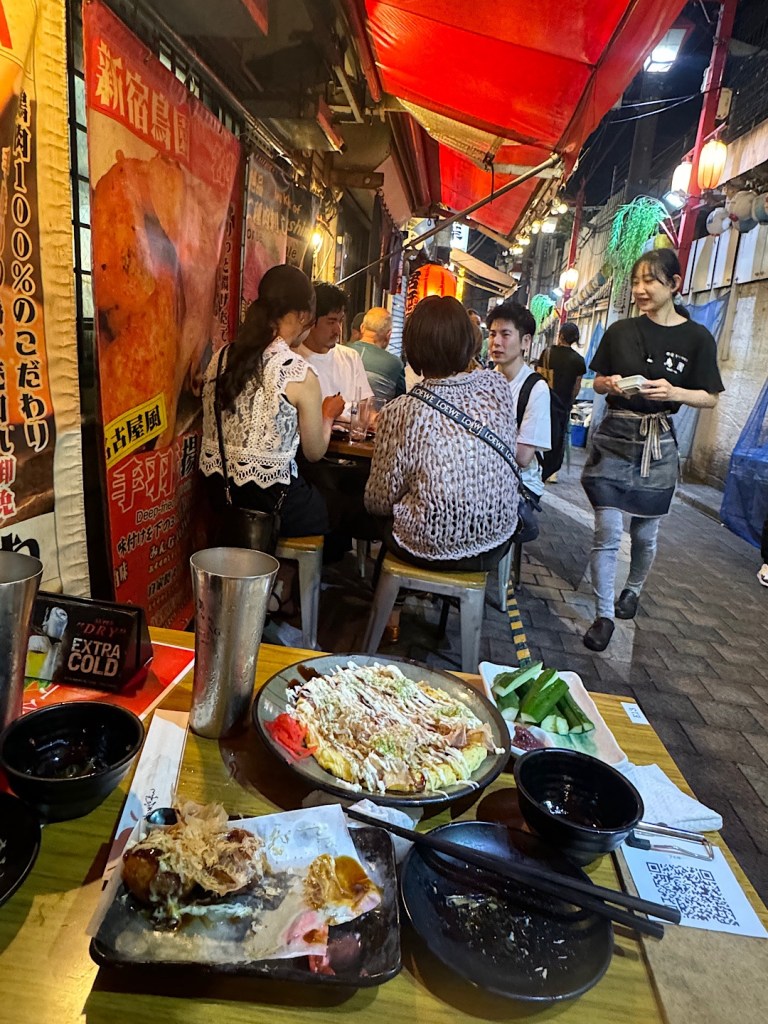
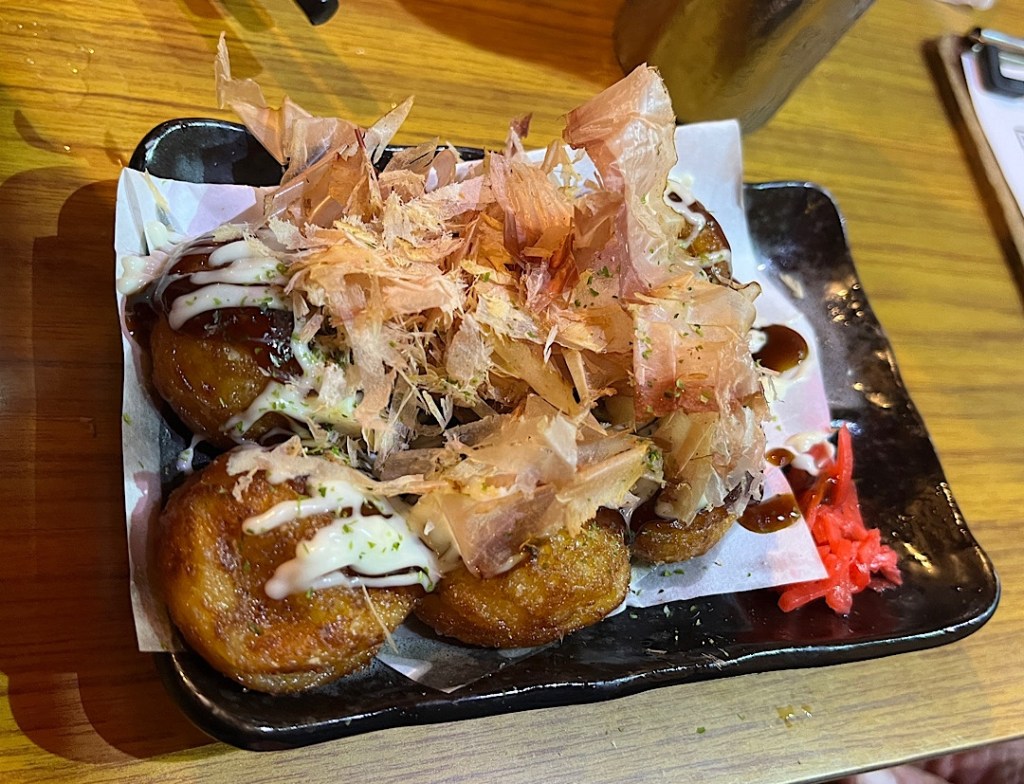
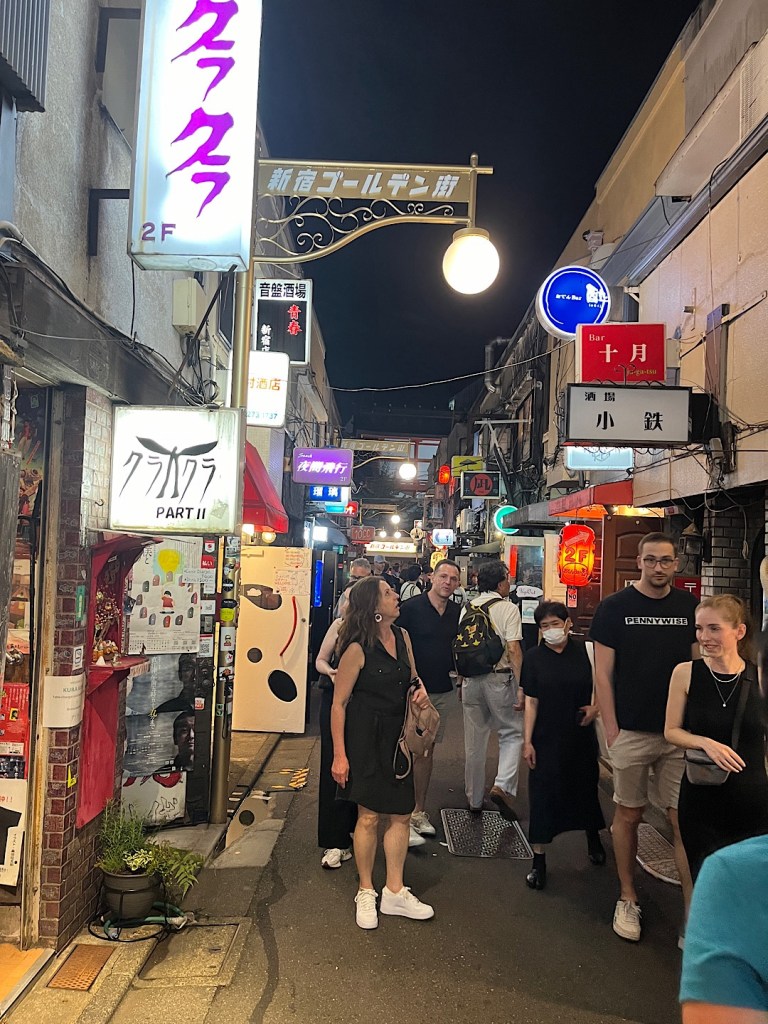
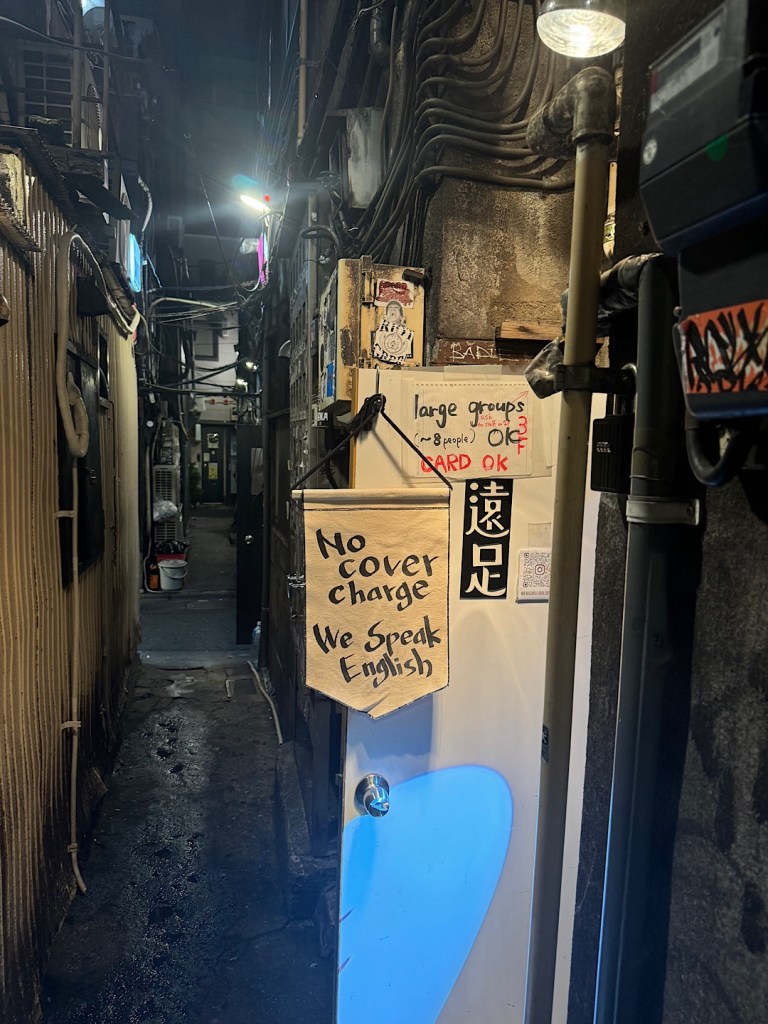
When we were ready to head home, I checked Google Maps and found it was just a 45-minute walk back to our hotel. We opted to do that and were surprised to find that within 15 or 20 minutes, we were moving once again through peaceful residential streets.
6) Shopping for new tatami mats with Yoshi
Steve met Yoshio Fukushima through work 45 years ago, give or take, and the friendship that developed between them is stronger than ever today. (They e-mail a lot.) Seeing Yoshi on this trip was a huge pleasure. He’s now 85 (but could pass for 60.) He has a wonderful sense of humor.
When we alerted him that we wanted to replace the 40-year-old tatami mats we sleep on at our home in San Diego, he kindly looked into where we could buy some. He found a well-reputed shop that makes them just a block or two from our hotel.

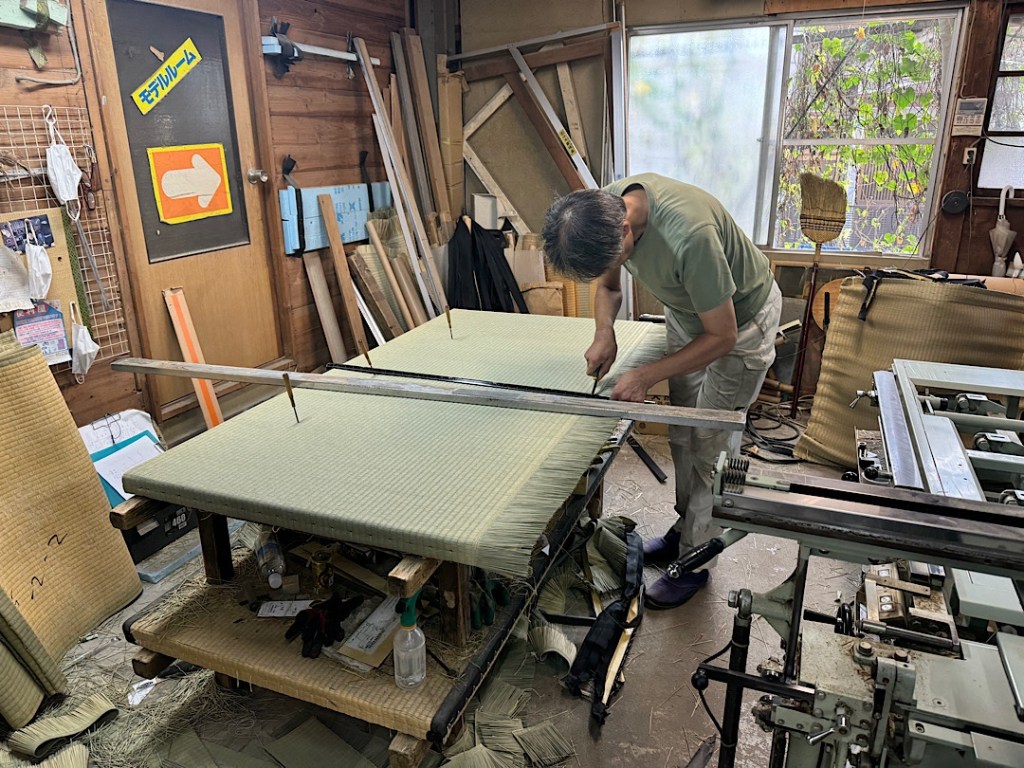
With Kagaharu San, who has worked in the shop for almost 50 years, we discussed details ranging from the mat dimensions to the quality of the straw covering to the mat interior and trim color. Then Yoshi took us to lunch while the owner worked up a price for us. (It turned out to be about $122 per custom-made mat.)
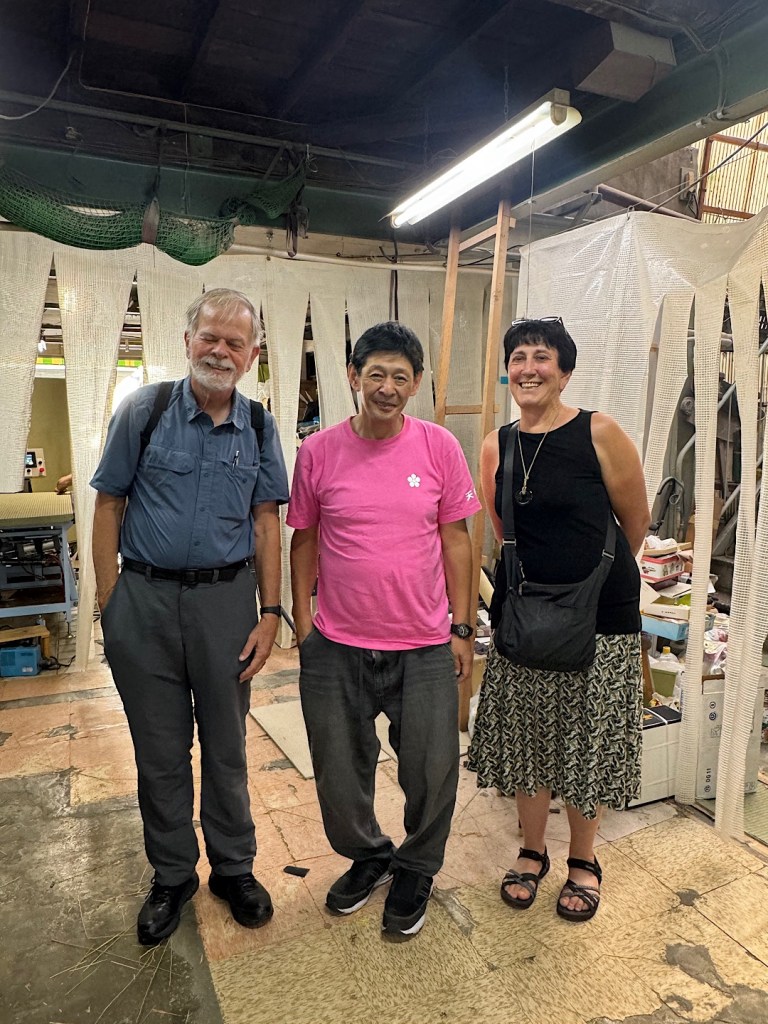
So we’ve paid for three of them. After we return to San Diego and triple-check the dimensions, the artisans will fabricate them. We’ll still have to get them across the Pacific Ocean, but we’re confident we can work it out.
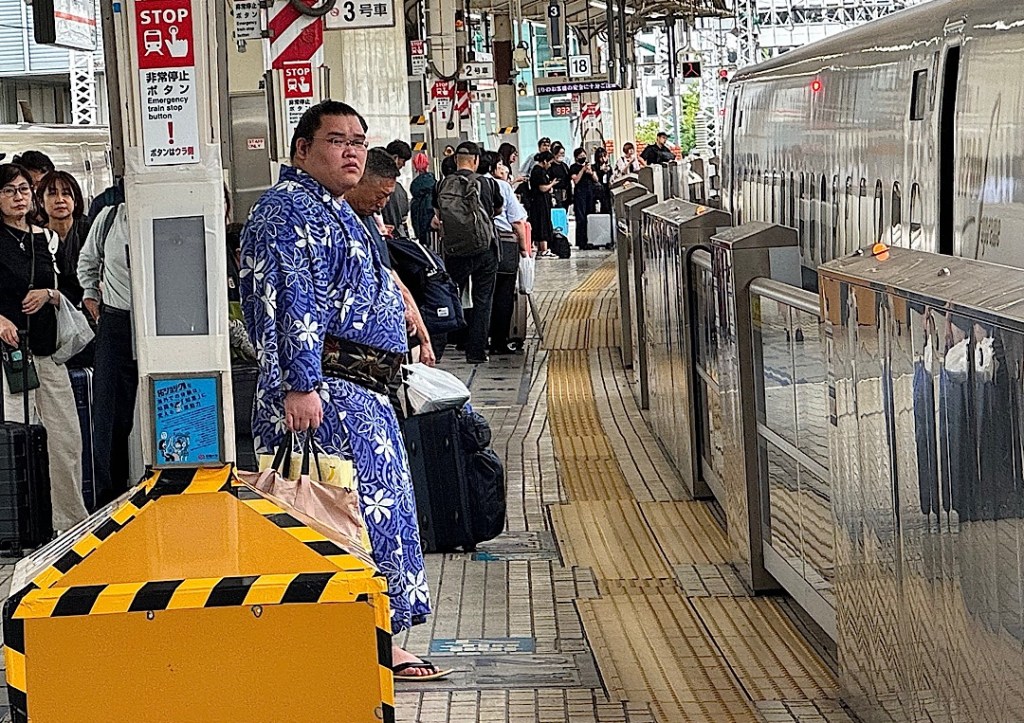
We had to leave Tokyo this morning (Tuesday, September 24). From Tokyo Station we boarded a bullet train bound for Kobe — the start of the part of this trip when we’ll be visiting places we’ve never seen before. Also leaving town on the same train was one of the sumo wrestlers. Somehow that felt lucky.
 At home and abroad
Every photo takes me there! Wh