A medical emergency in the most isolated place on earth

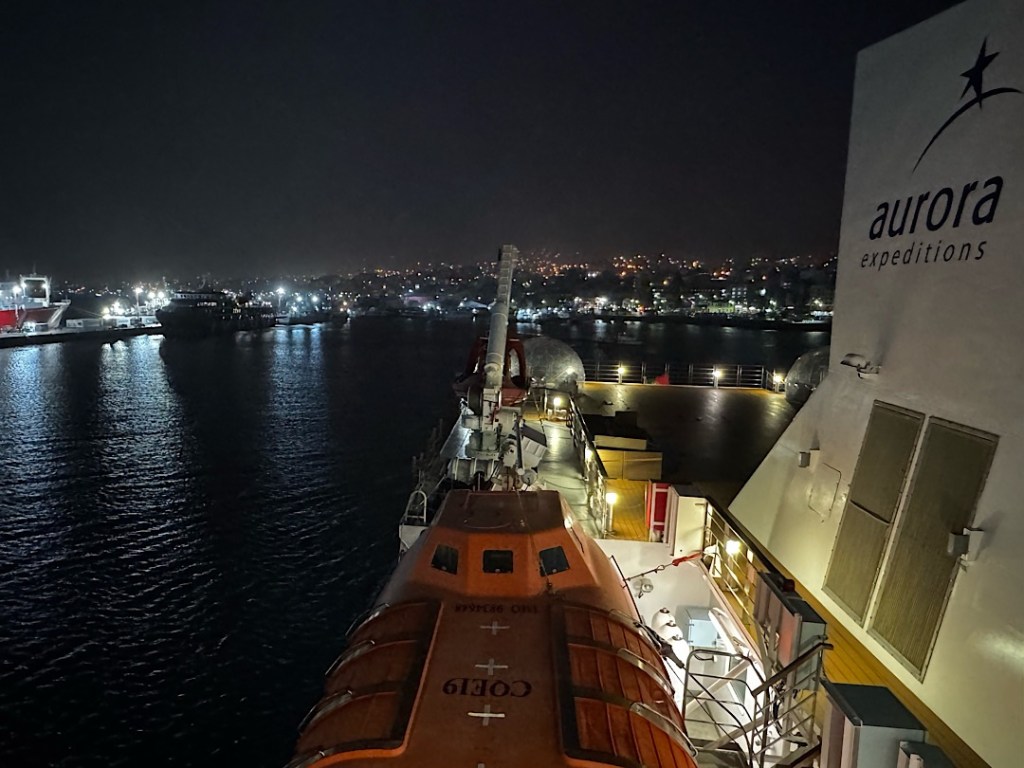
The Uh-Oh Moment for us passengers on the Greg Mortimer came about 9:10 pm last night (Sunday March 15), when our expedition leader’s voice broke in over the loudspeaker. She requested that we gather in the lecture room for some important information about our voyage.

Uh-oh.

Ten minutes later, when she walked up to the podium, Gaby looked glum. She delivered the bad news bluntly. Someone onboard had developed a life-threatening medical emergency. We would have to immediately head for the town of Stanley in the Falkland Islands. About 800 nautical miles away.
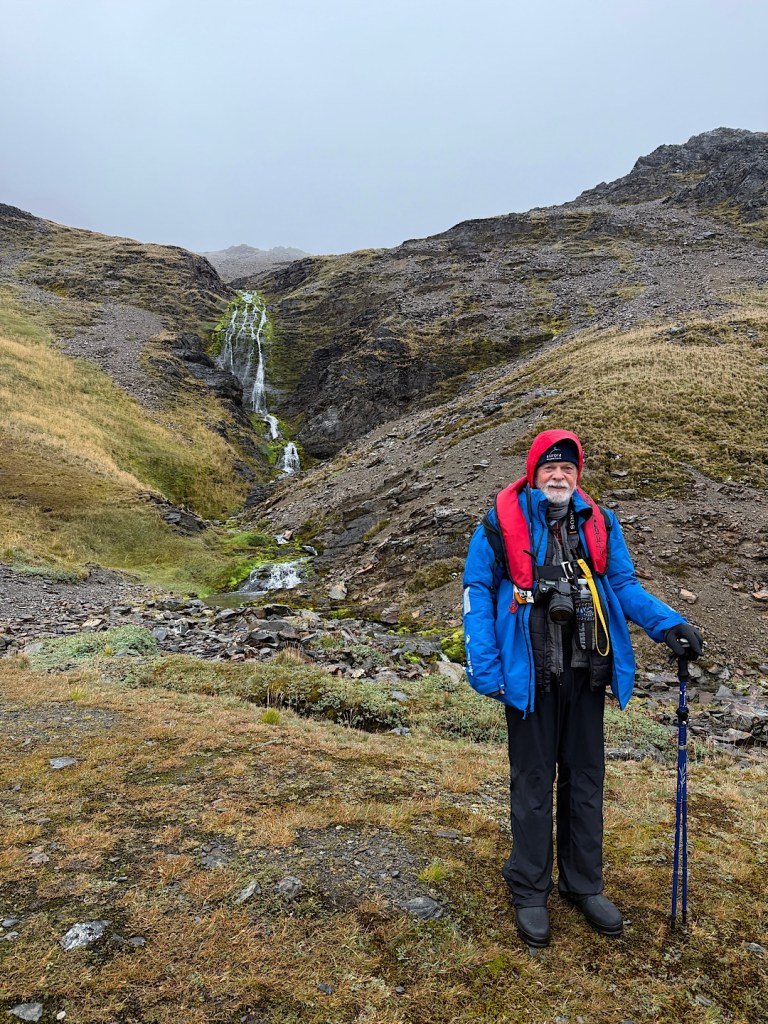
This was obviously bad news for the sick person, about whom we’ve been told nothing. (From the purser, a little while ago, Steve wormed out the fact it’s a passenger, not a crew member who’s been stricken. But due to medical privacy concerns, the crew has shared no other details of the crisis.)

It was also sharply disappointing news for everyone on board. Our original itinerary had called for four days on South Georgia Island, but when we couldn’t stop at the South Sandwich Islands, that meant we could have had up to a full week on South Georgia. Gaby had sounded thrilled when she first told us this; almost no one got that much time in the storied outpost. It could be wonderful.

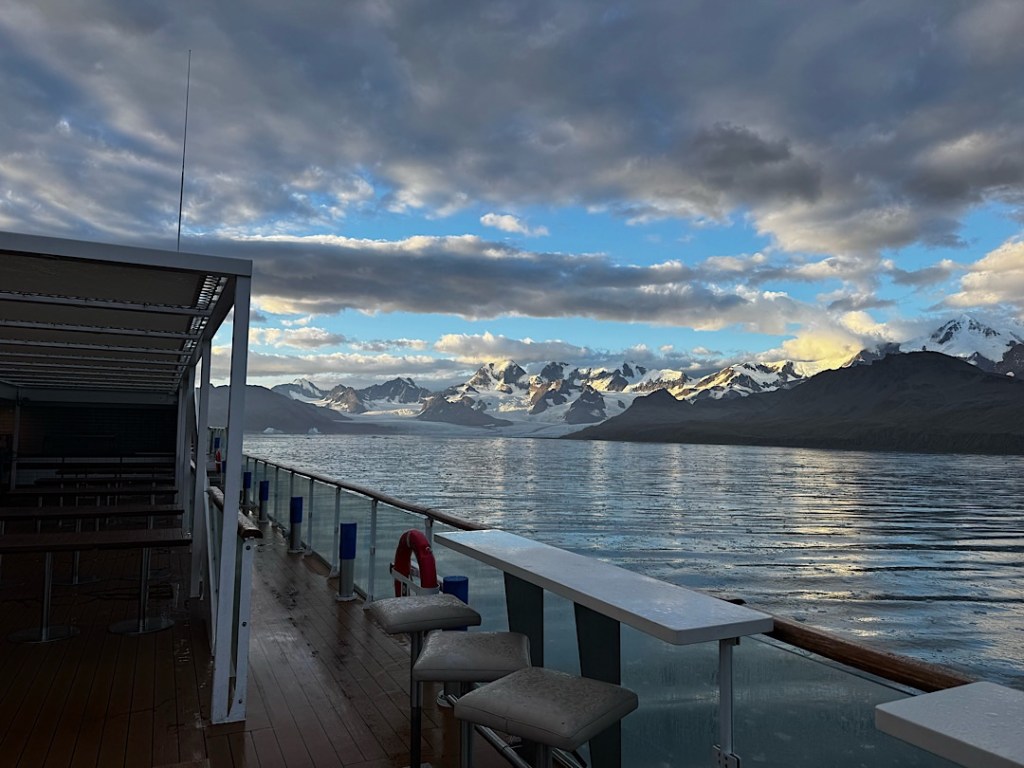
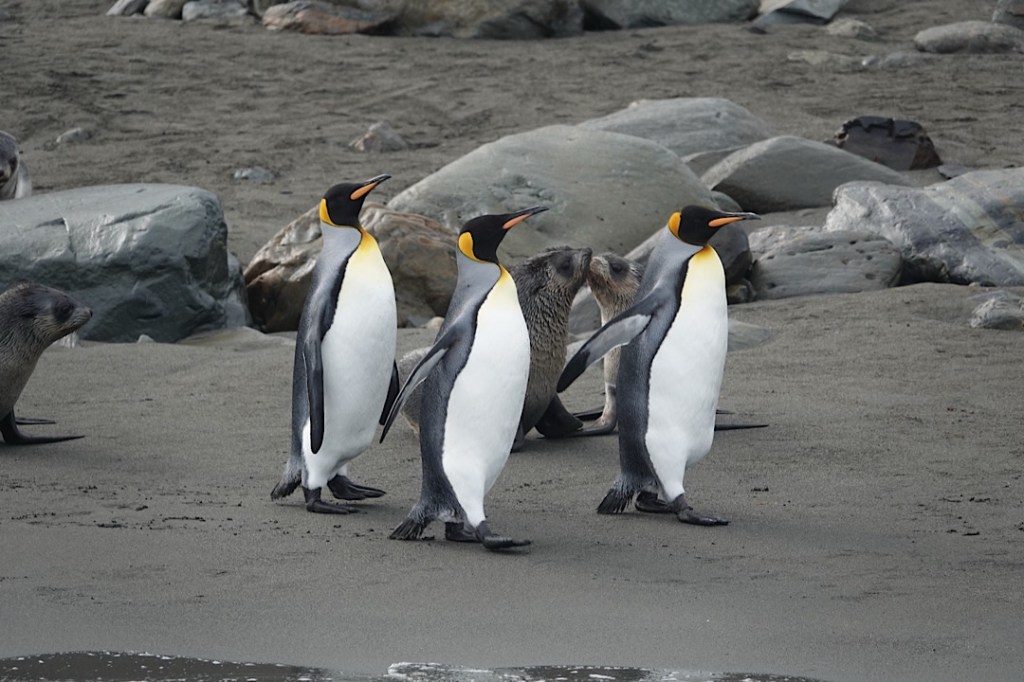
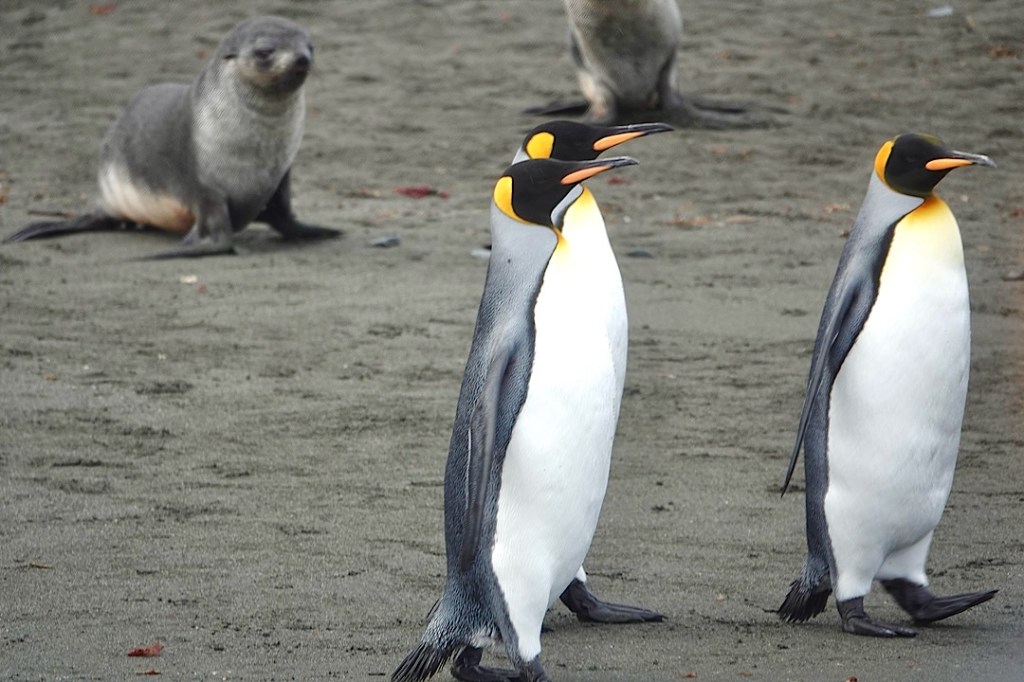
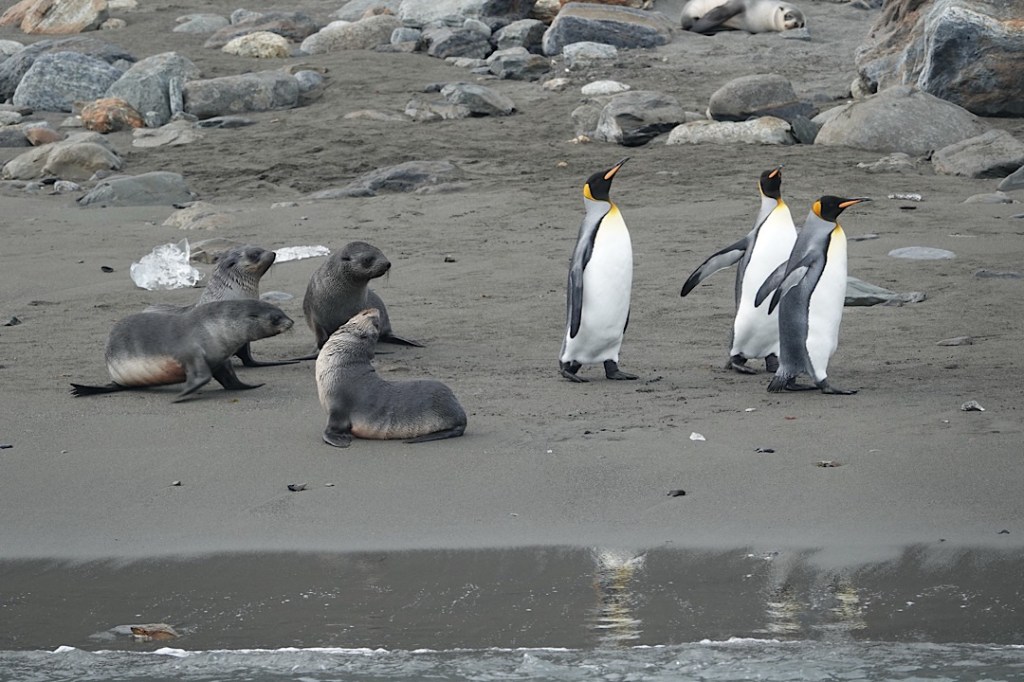
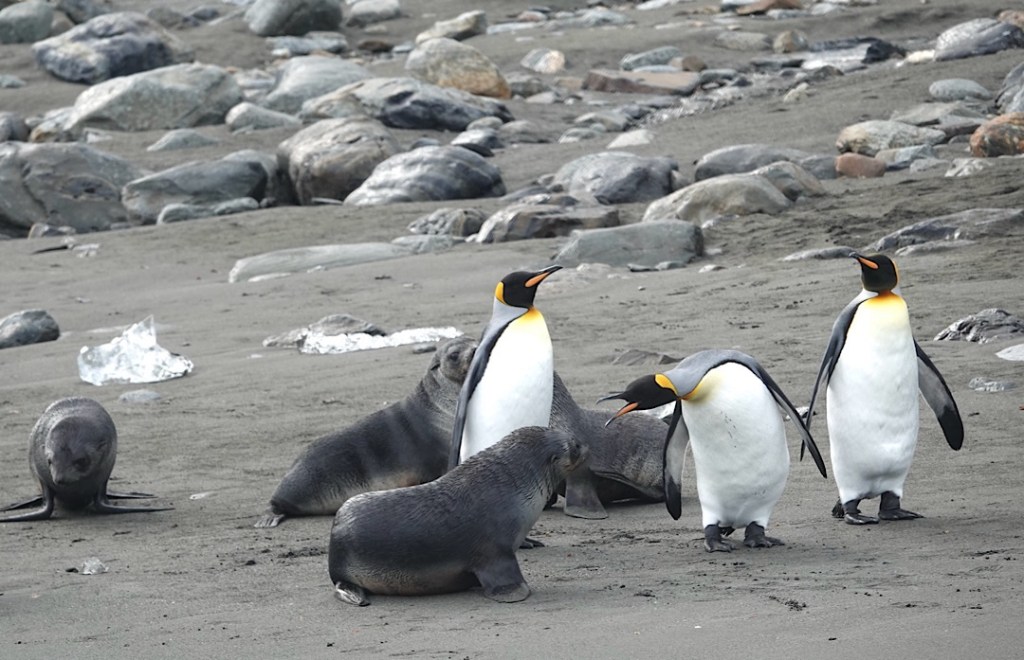
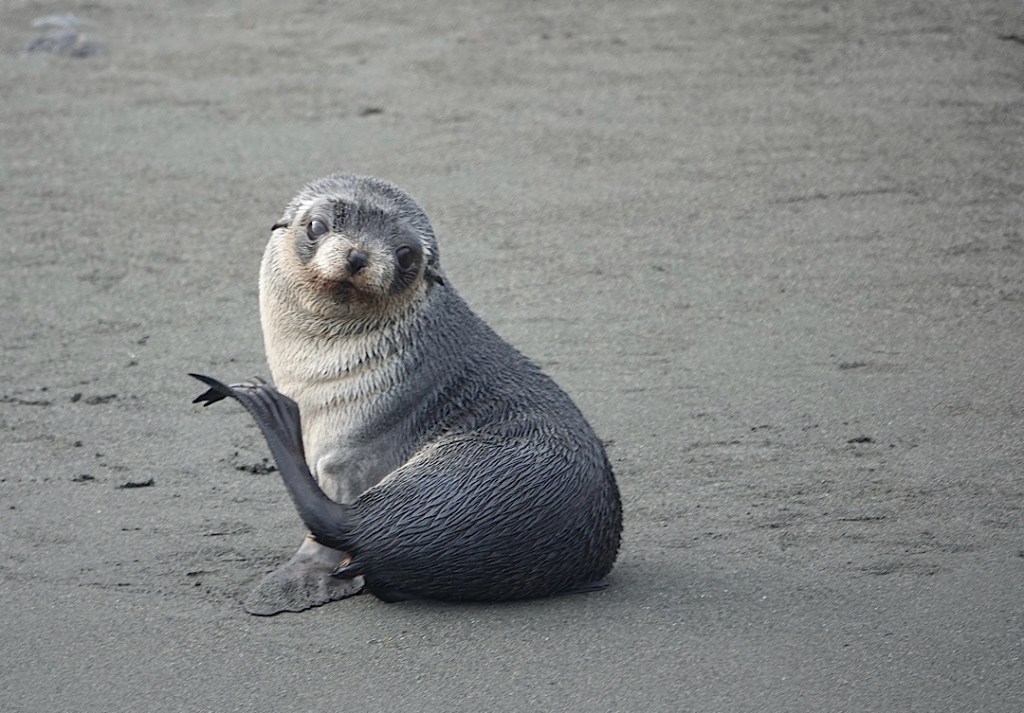
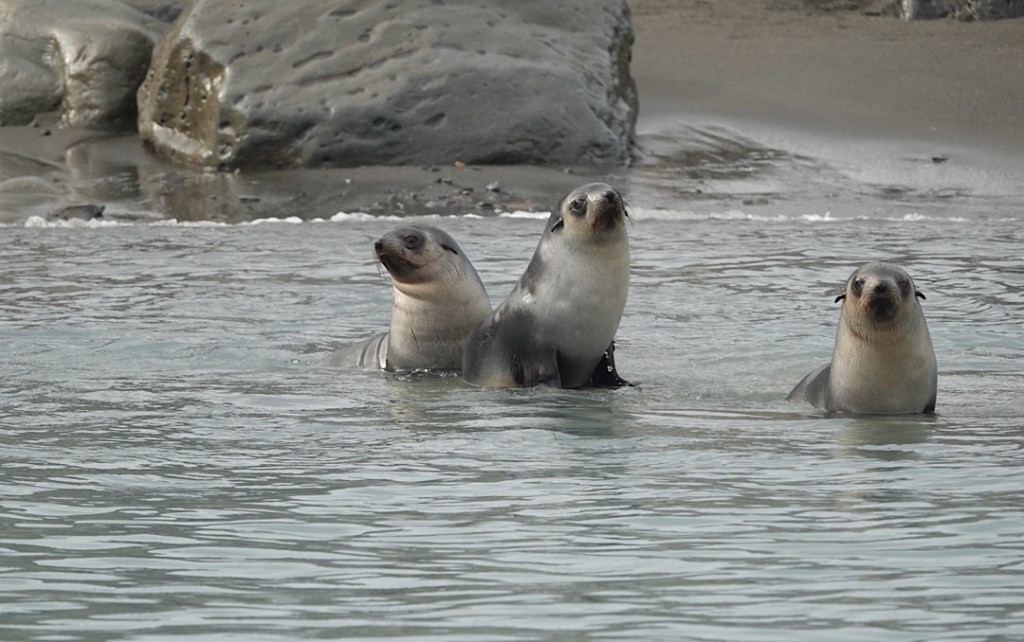
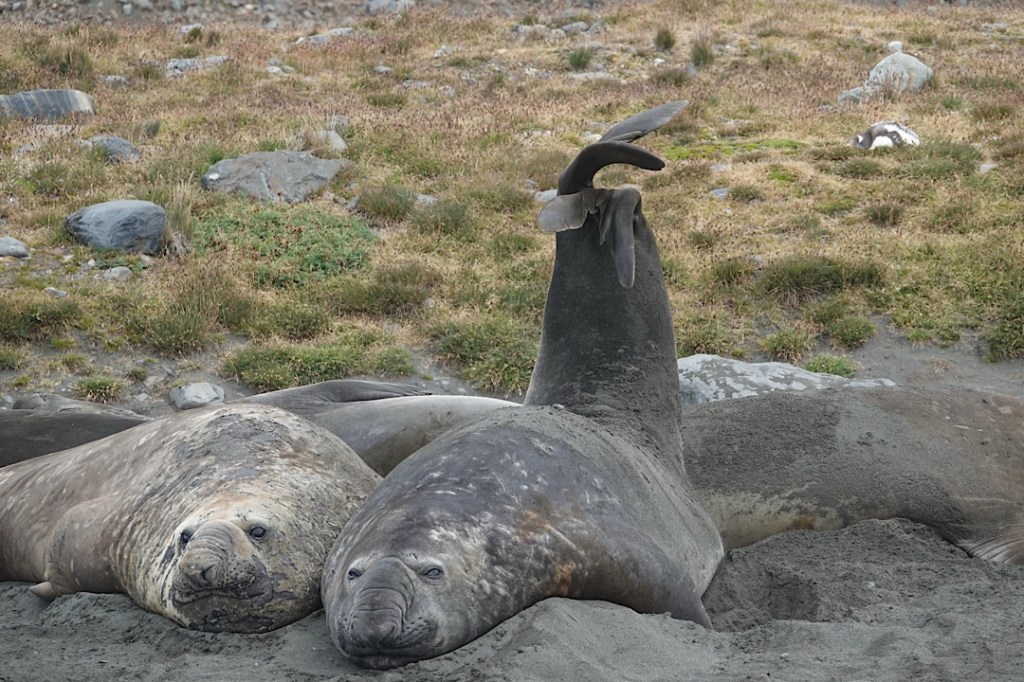
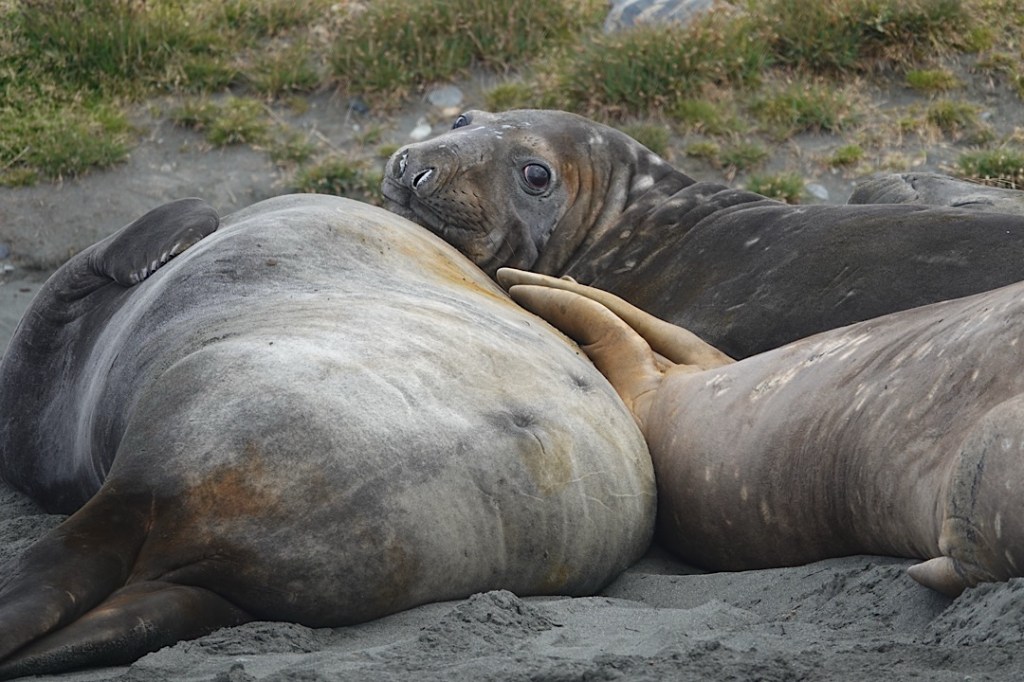
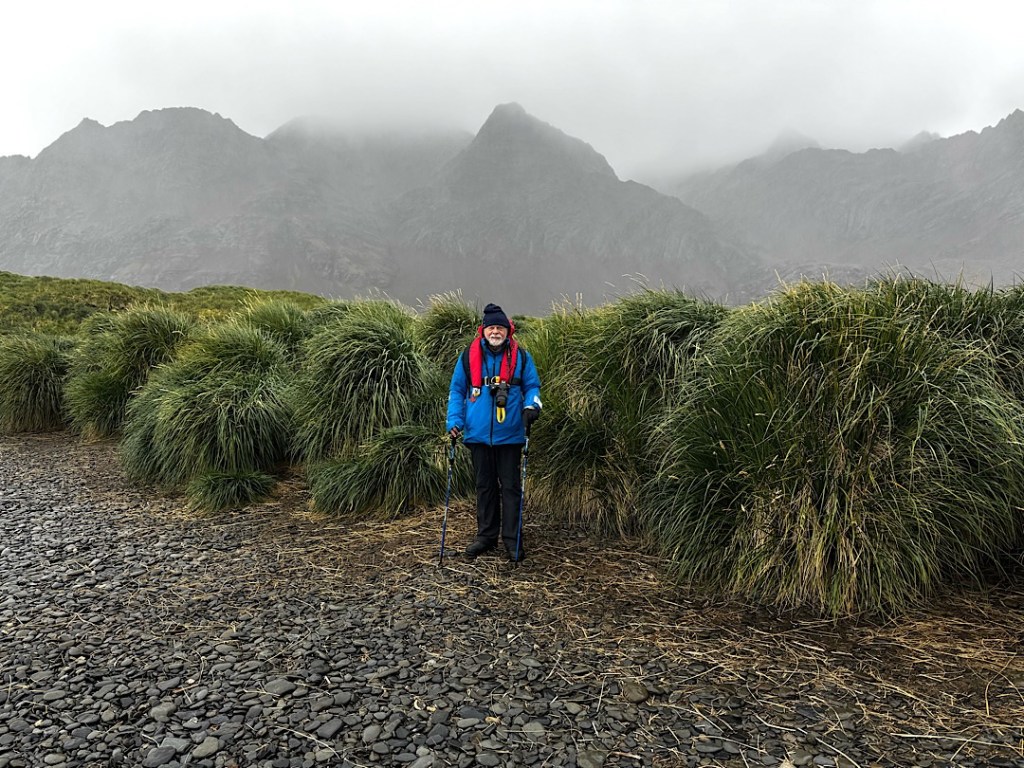
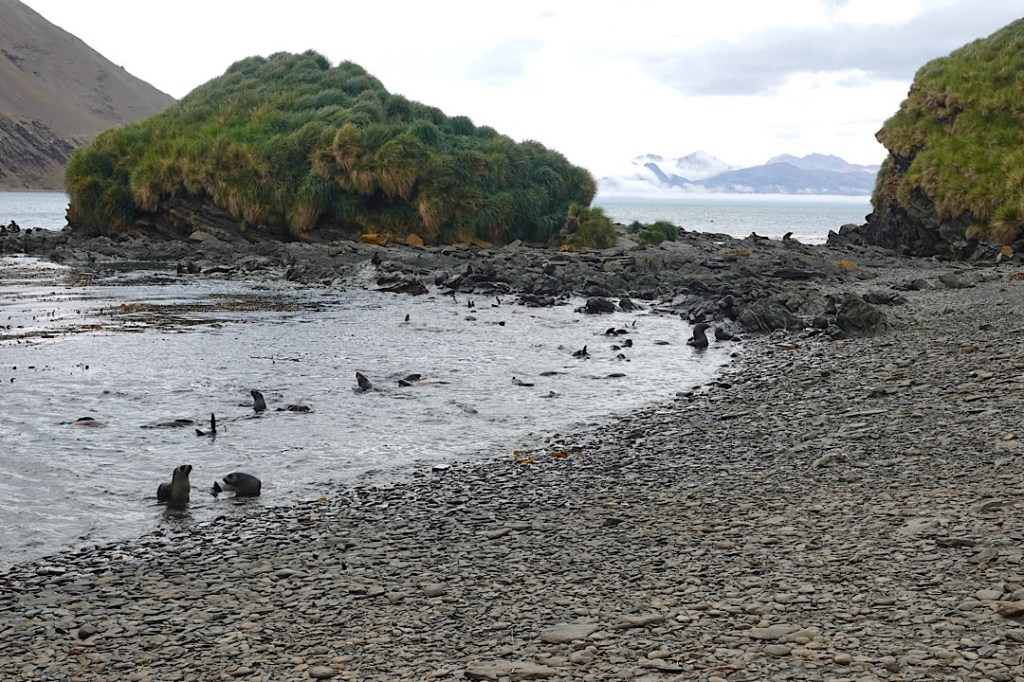
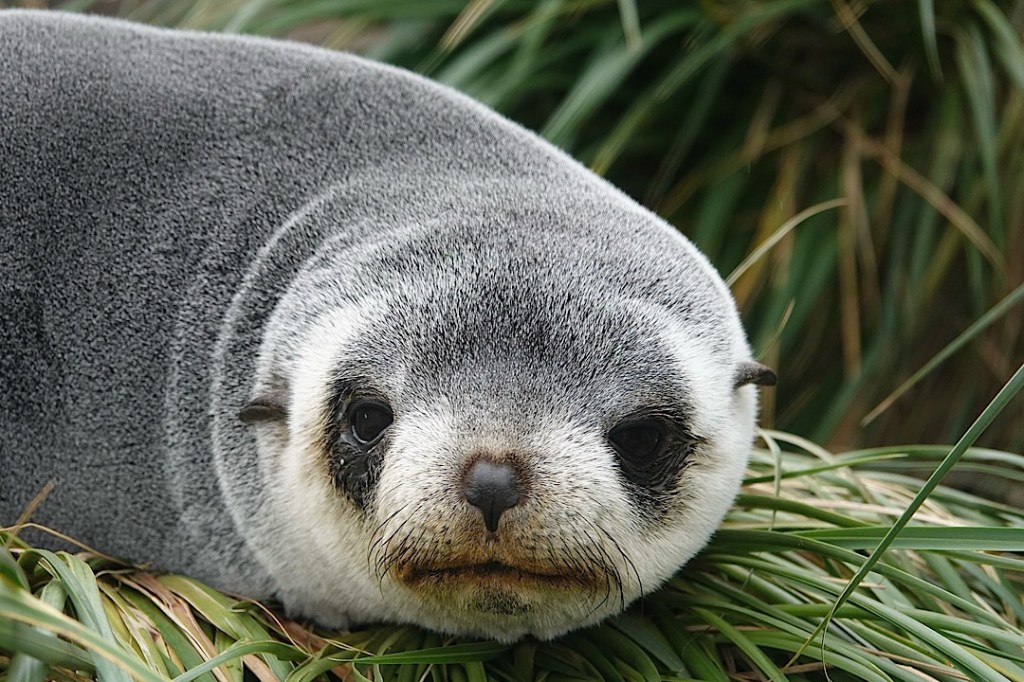
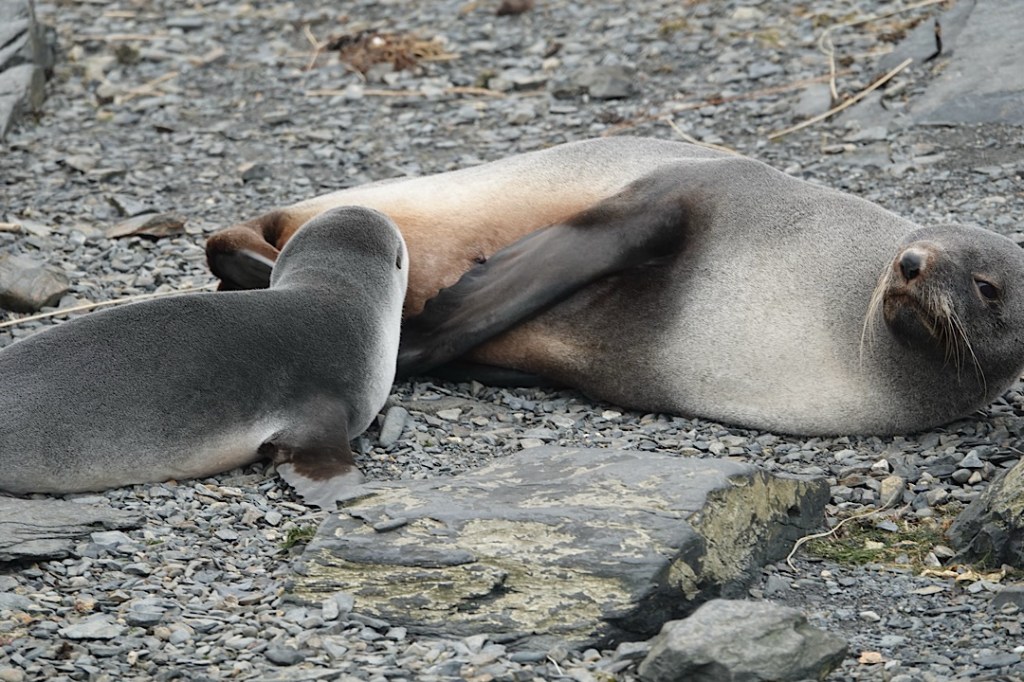
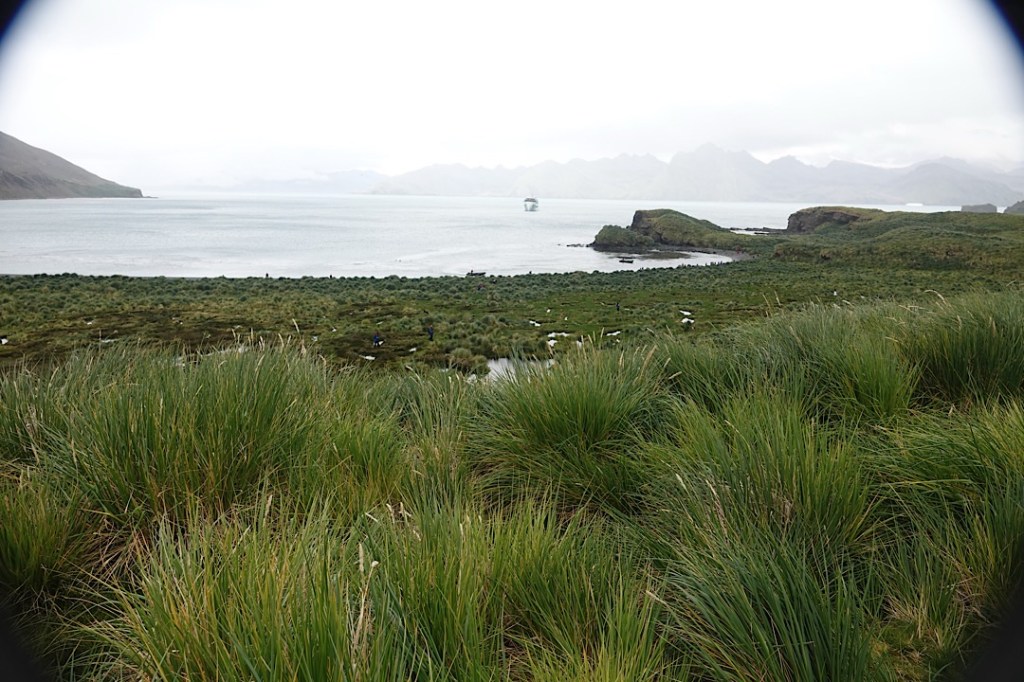
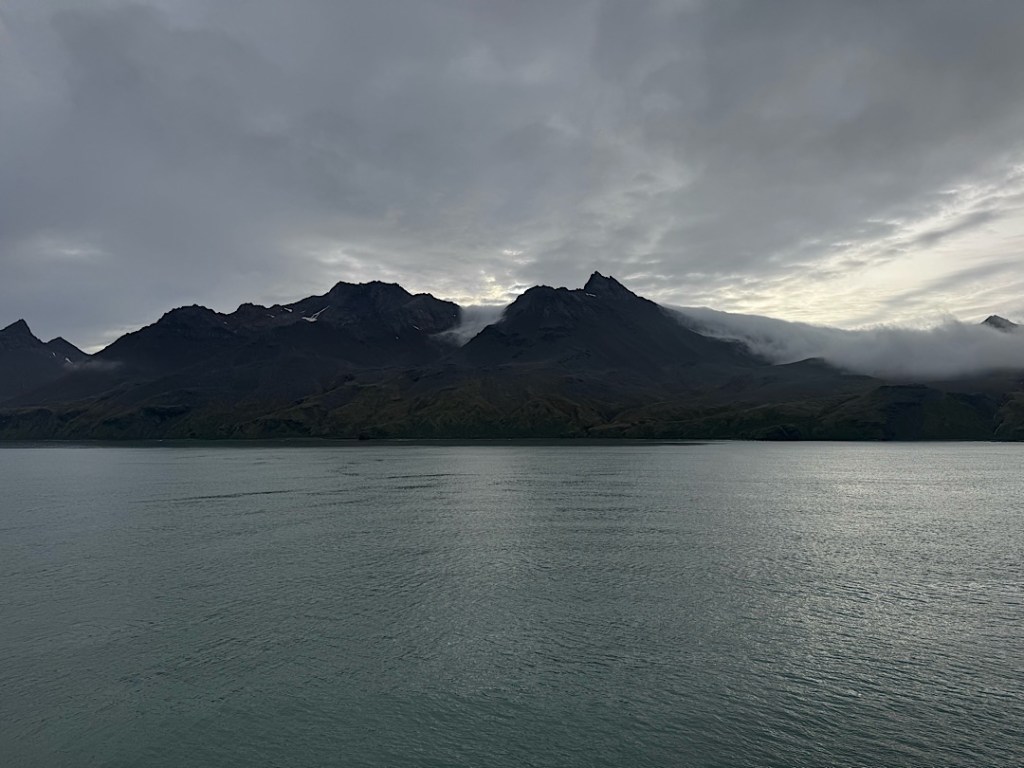
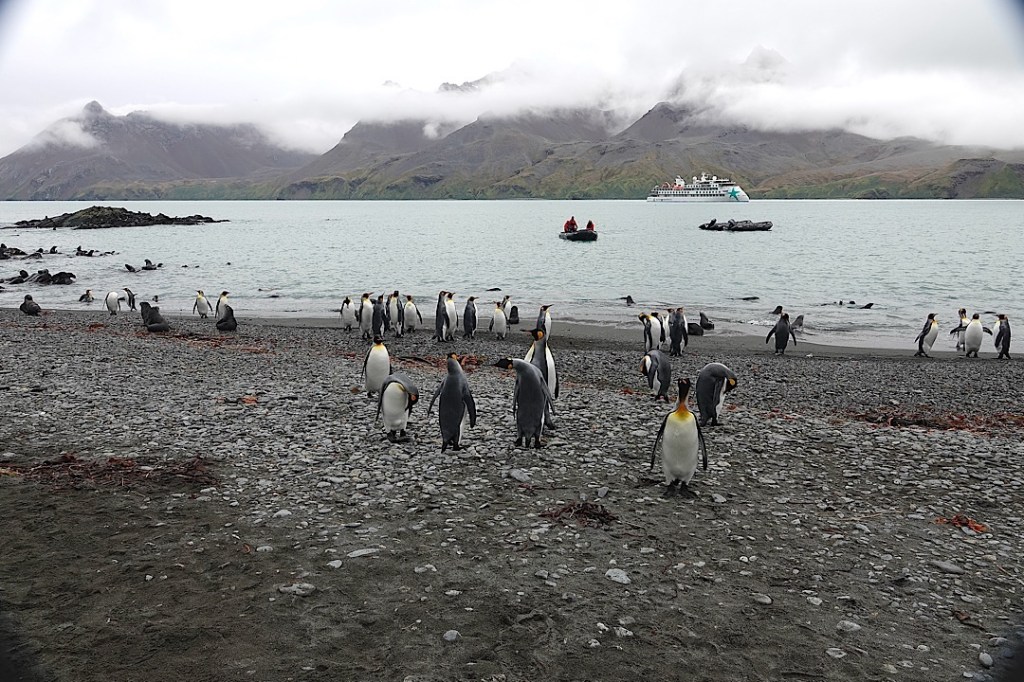
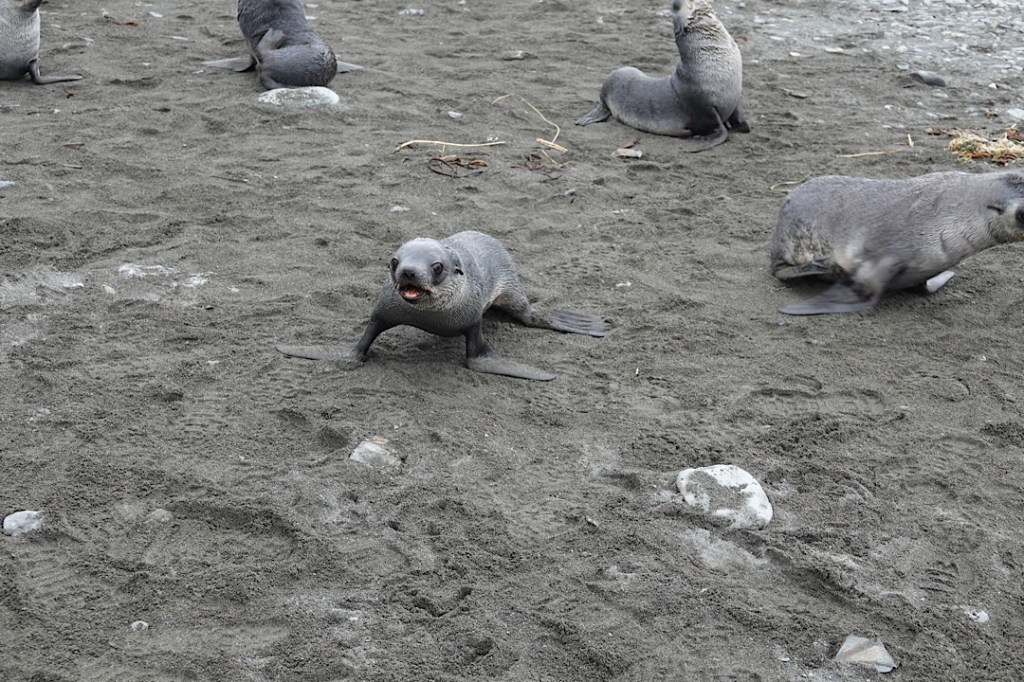
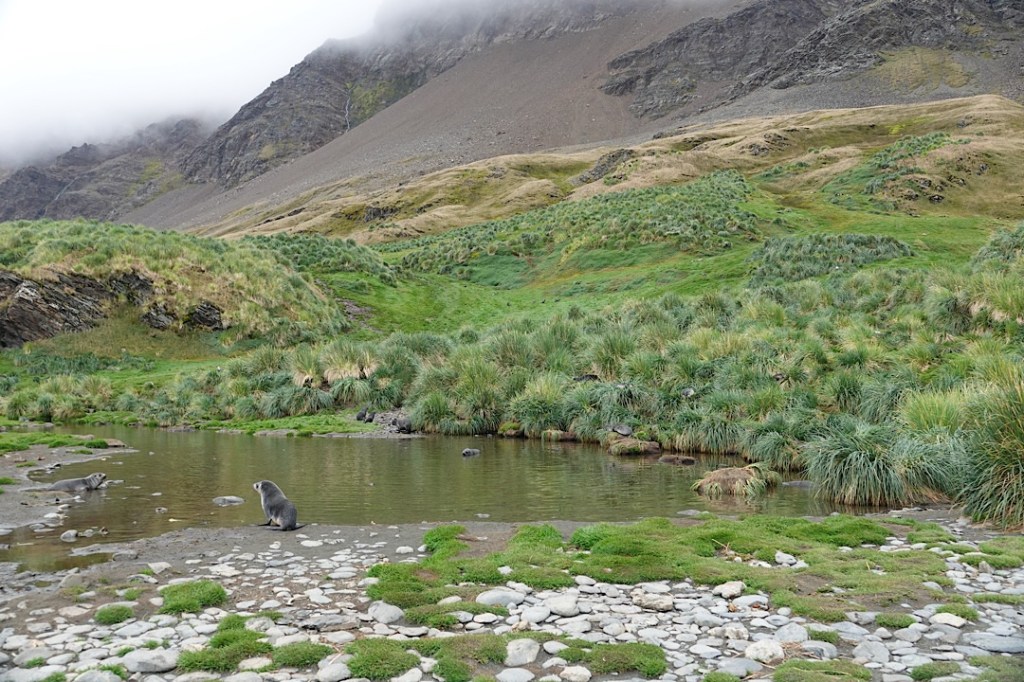
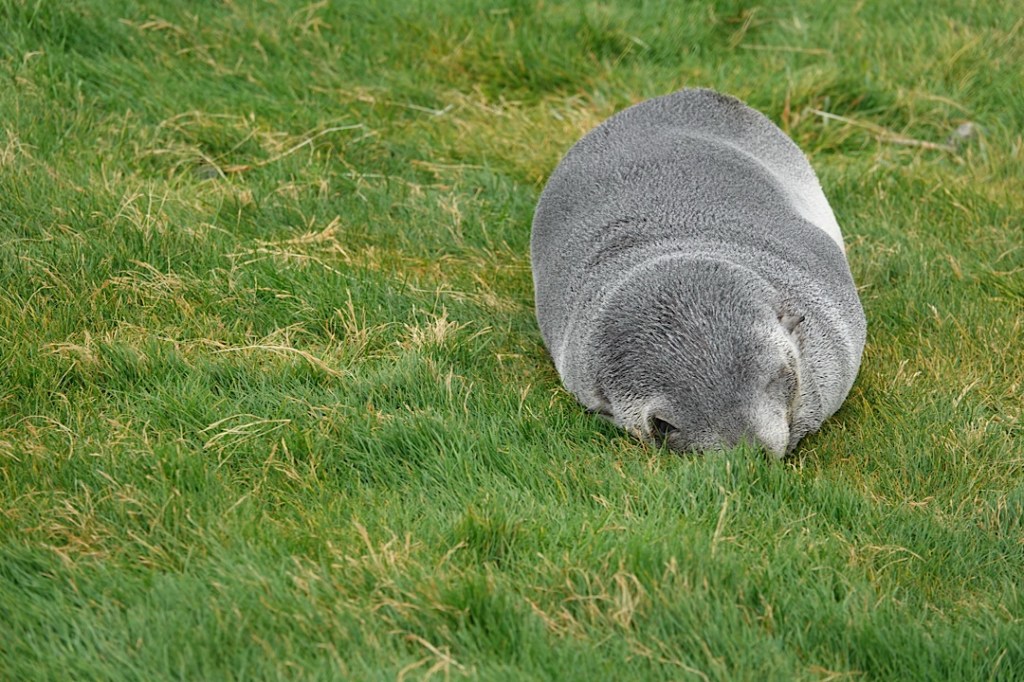
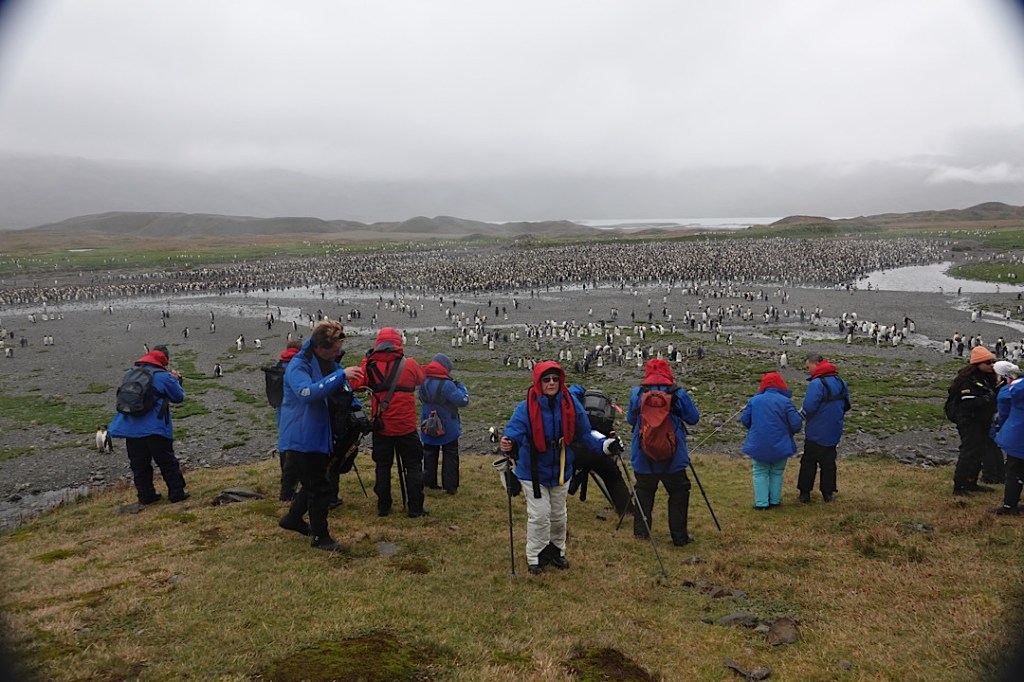
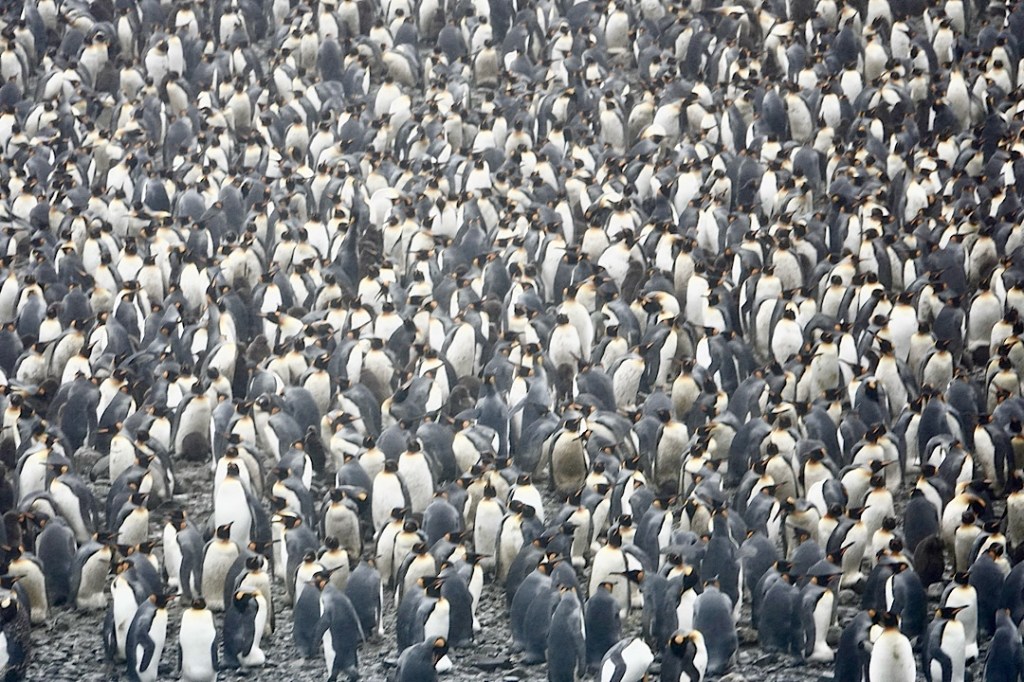
Indeed we did savor two splendid South Georgian days. I’ll describe them a bit in my next post. And before last night’s dinner, Gaby had outlined delicious plans for Day #3 — a morning Zodiac cruise in a protected cove, followed after lunch by another landing among what promised to be more mind-bending animal nurseries.

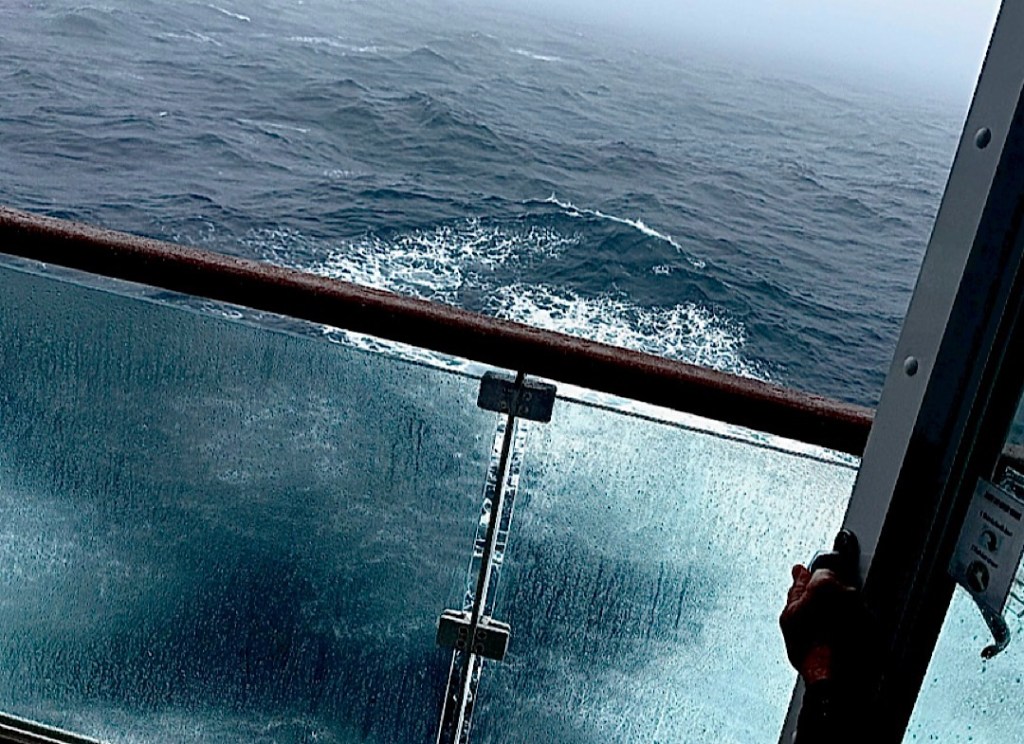
Then less than three hours later, we were turning northwest for three days of laboring through nasty seas. One peevish passenger asked why a medical helicopter couldn’t be flown in to pick up the patient. (A million dollars worth of medical-evacuation insurance coverage had been mandatory for everyone.) But Gaby said no helicopter has an 800-mile range. South George has no permanent residents. And nothing like an airstrip exists.

Some of the passengers seem pretty disgruntled, but some of us are trying to channel Ernest Shackleton, whose spirit hovers over South Georgia. It was he and his shipmates on the Endurance, who in 1915 got stuck in the ice on their way to Antarctica. On the strength of his character and inspiring leadership, Shackleton endured almost unimaginable hardships and eventually got all 21 of his men home alive. Shackleton would never have ignored someone’s life-threatening disease so he could get better photos of the sea creatures.

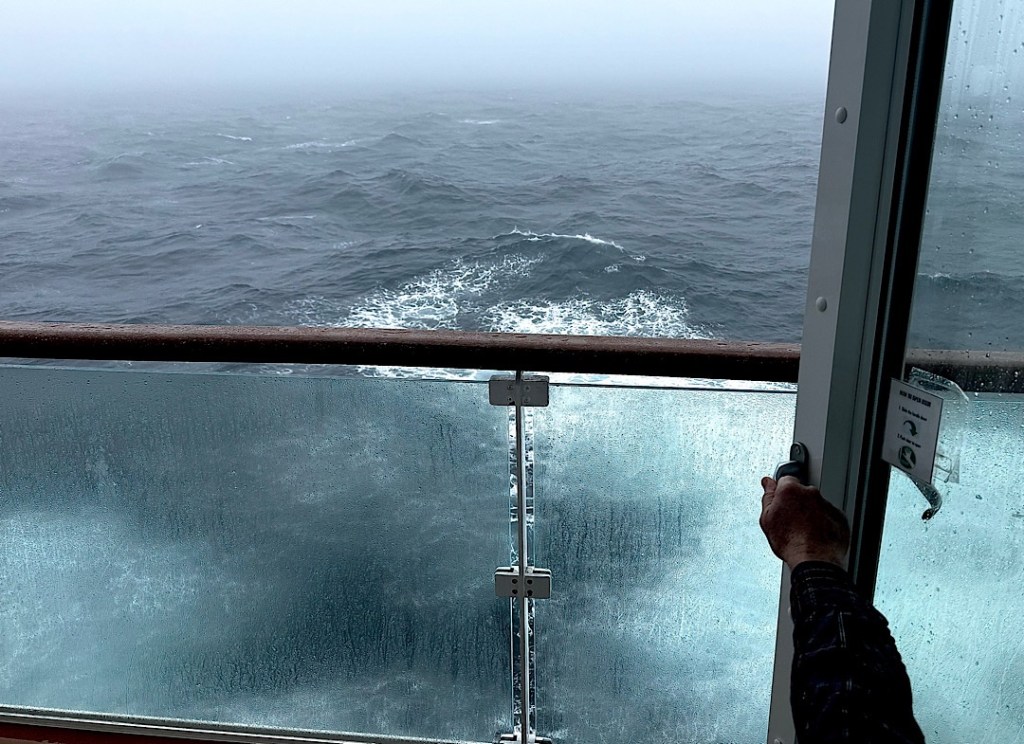
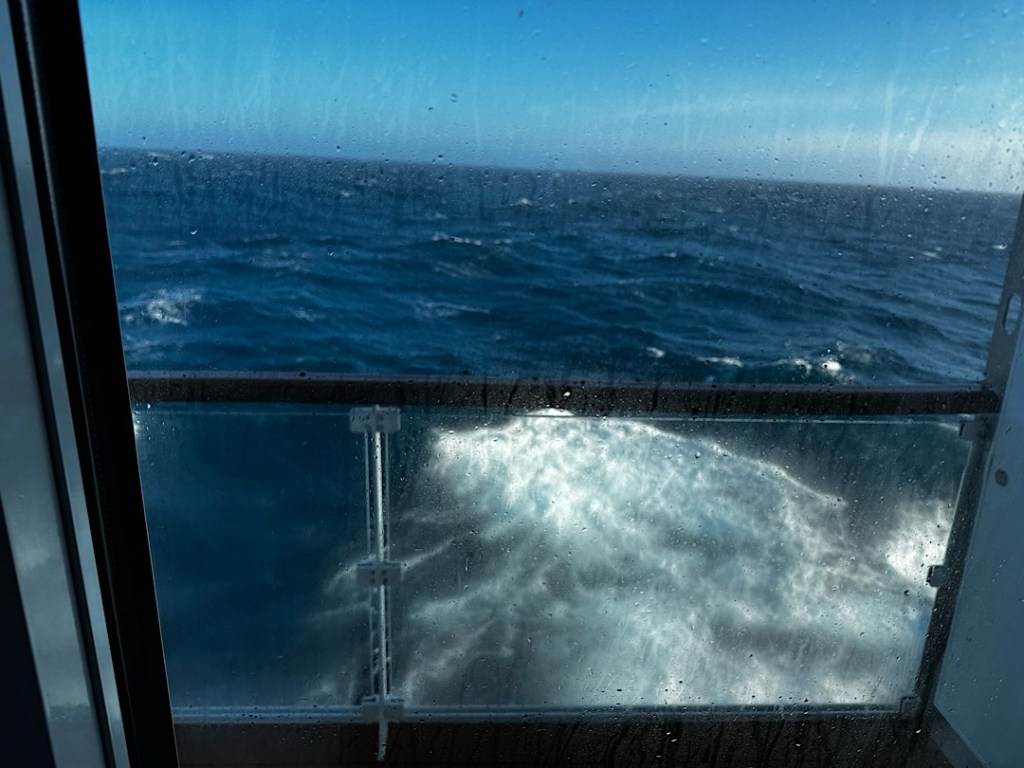
As for me, I can note some good news and some not so good. On the plus side: I’m not seasick, which feels like an accomplishment, given how much the ship is rolling and bucking and shaking and trembling. It’s at least twice as bad as our crossing of the Drake Passage. It’s really hard to walk. If you don’t keep a hand on a railing, you can be thrown off your feet.

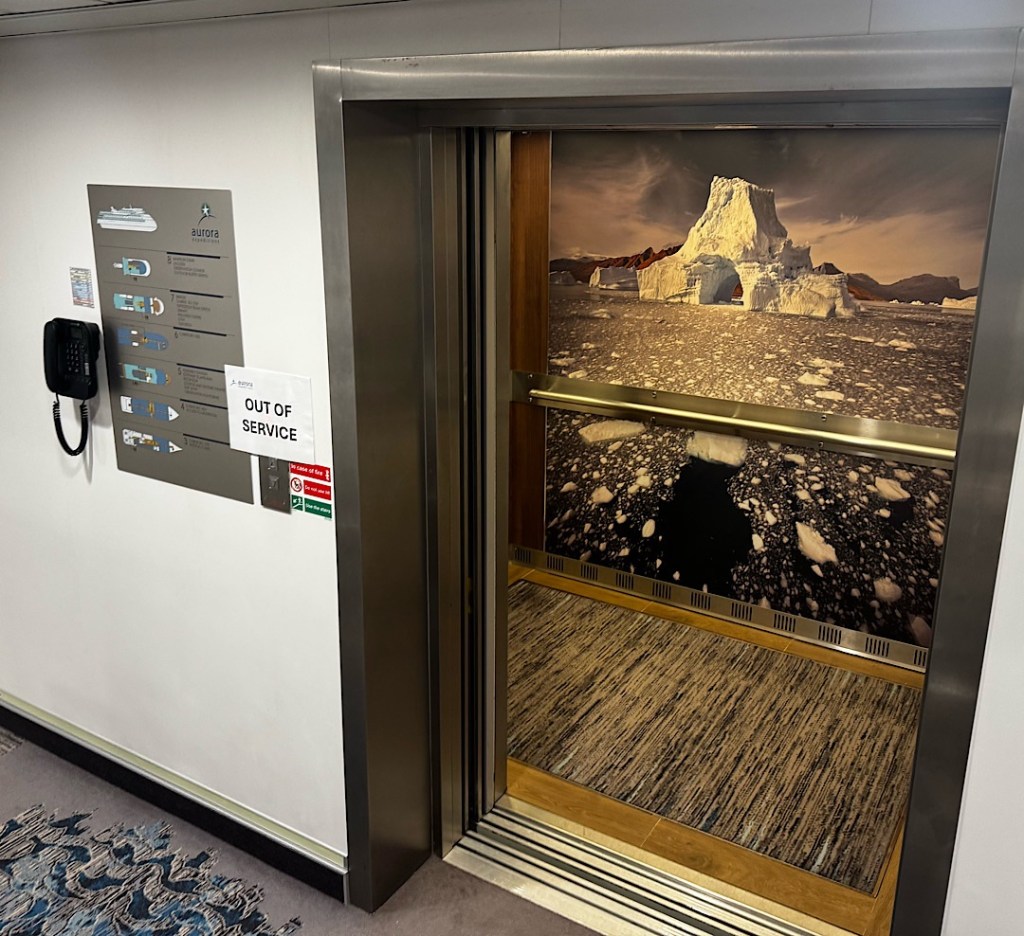
Because of the turbulence, the elevator is out of service.
And barf bags have reappeared all over the ship.
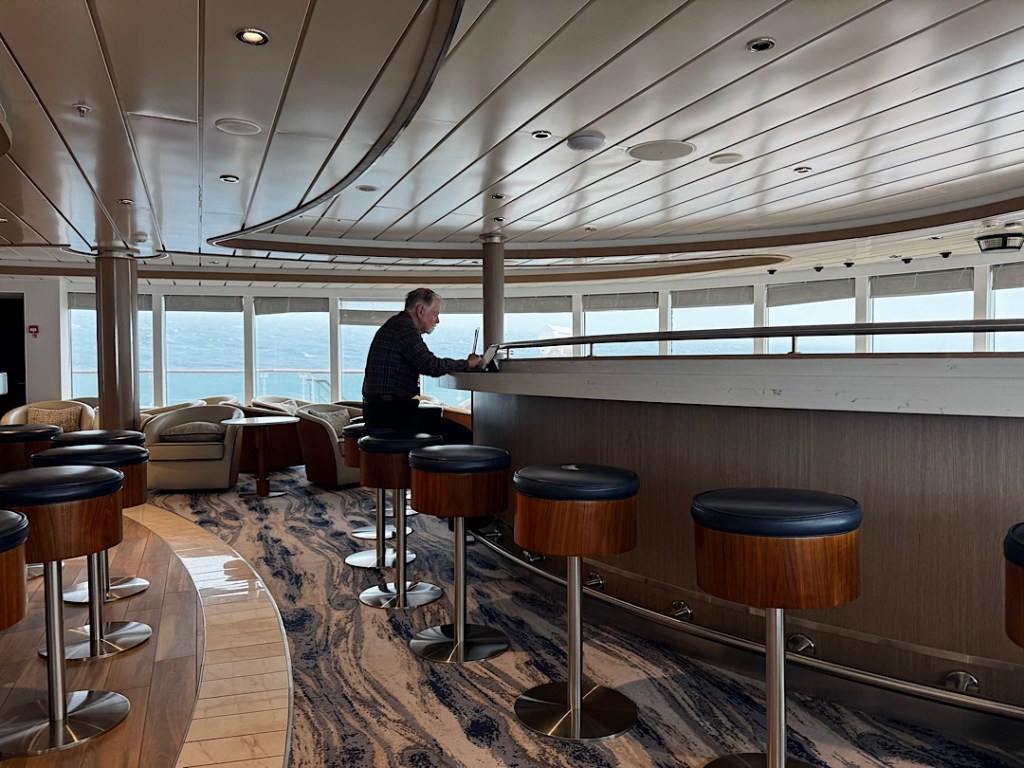
Like me, Steve has not been bothered by the rough ride. He was the only person in the observation lounge on the top deck, where the motion is most violent.

One crew member told me that because there’s so much turbulence, the ship’s drainage isn’t working properly, so water has leaked into several areas. This isn’t obvious, however. Our cabin and the public spaces still feel warm and luxurious. The breakfast buffet included eggs benedict, along with dozens of other offerings. I’ve made an appointment for a massage at 2 pm.

On the minus side, I feel unnerved by being surrounded for hundreds of miles in every direction by cold, angry water. Moreover, the plan for what we’ll do then is still unclear.

It underscores what Steve has been saying for days. We’re not on a cruise. It’s an expedition.

No Sandwiches for us

Right after breakfast this morning, our expedition leader, Gaby, announced we will not be going to the South Sandwich Islands. That’s okay with me.

Gaby, breaking the news

Although both the North and South Sandwich Islands were discovered, claimed, and named by Captain James Cook during his voyages of discovery, the southern bunch are much drearier than their tropical cousins (which today the world knows as the Hawaiian island chain.) The southern islands remain a British possession. I’d never heard of them before I began researching this trip.

At least a few of our fellow passengers really, really wanted to see them, though. The rocky knobs that make up Sandwichland (as Cook originally called it) are very small but they’re home to an enormous colony of chinstrap penguins. Still, Gaby made it clear why the captain and she felt compelled to change our plans. An intense storm system is racing toward the area. We’re on its edge, and that’s been pretty harrowing. Outside our windows, the sea froths with white caps, rising up in 10-foot swells. The wind is gusting at 35-45 miles per hour.

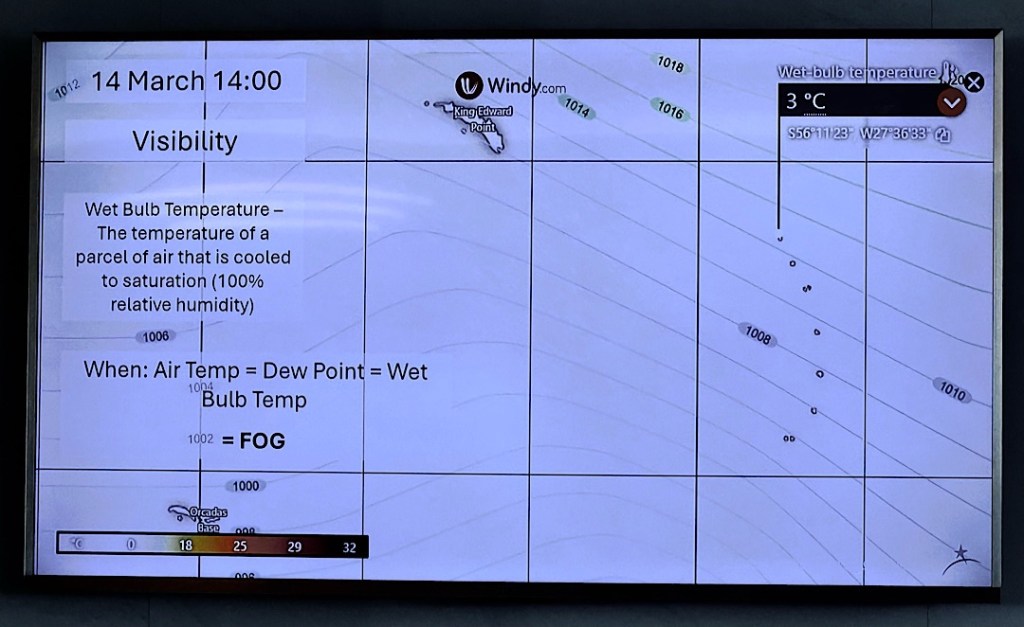
At our present location, it’s sunny at the moment, which makes it less scary (though some folks are seasick again. Happily, not me.) But Gaby says the South Sandwich area is certain to be socked in with fog.

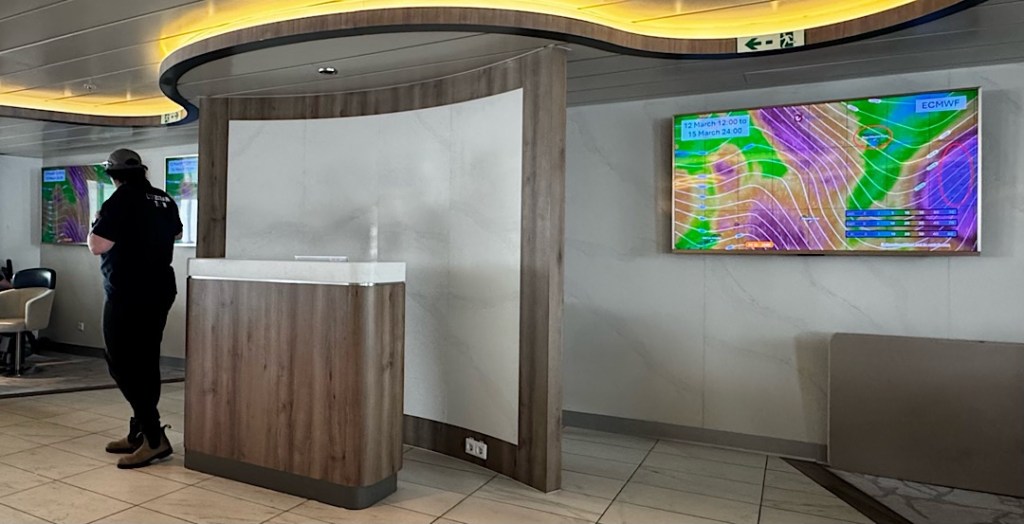
One of Gaby’s fog charts

None of the islands’ waters are sheltered. They’re also not well-charted, so we wouldn’t be able to get any closer than a mile or two from any shore. Happily, we have an alternative.

The new plan is that we’ll go to South Georgia Island and hang out there for 6 or 7 days, instead of the 4 included in our itinerary. One of the expedition crew members last night at dinner called South Georgia the most isolated place on earth. It’s much larger than any of the Sandwich Islands, and about half its coast is cut with fjords that offer plenty of protection to mariners.

I have no idea what we’ll do with all that time, but Gaby seems to see it as an exciting and extraordinary opportunity. With luck we’ll arrive sometime tomorrow morning.

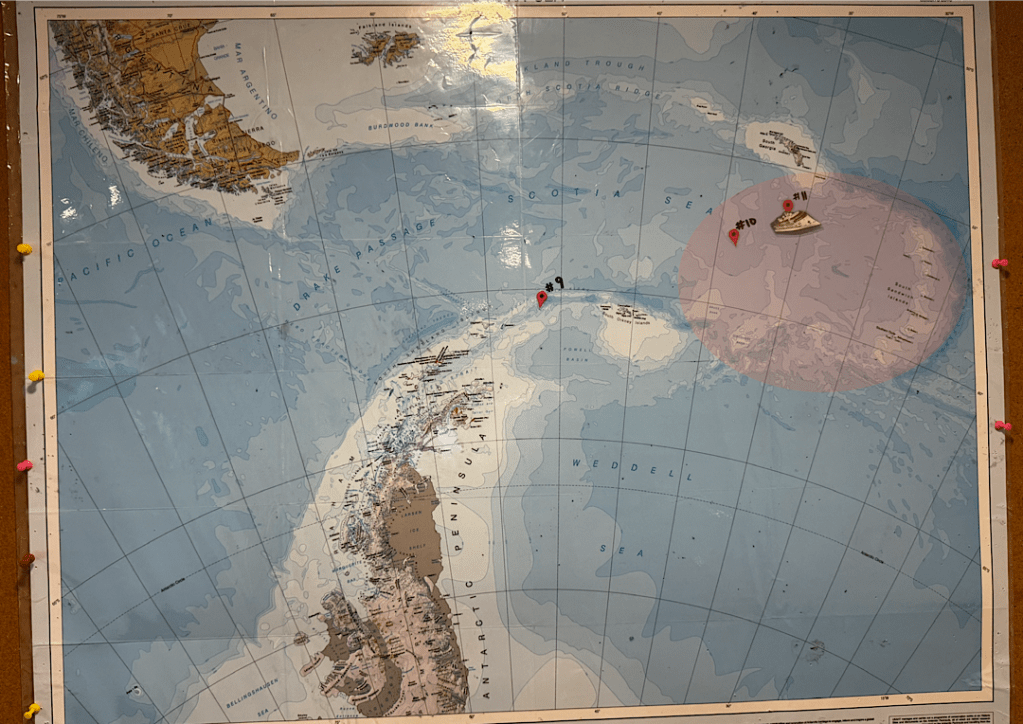
Here’s our ship’s position this morning, heading to South Georgia.

Shore leave

We visited Antarctica in two ways. One was to climb into Zodiacs and putter around on the water, taking in the landscapes, scanning for animals, gazing at the shore. Or we rode the Zodiacs to nearby landing spots, where we stepped out onto the beach and spent two or three hours hiking. Preparing for either was a bit of a project.

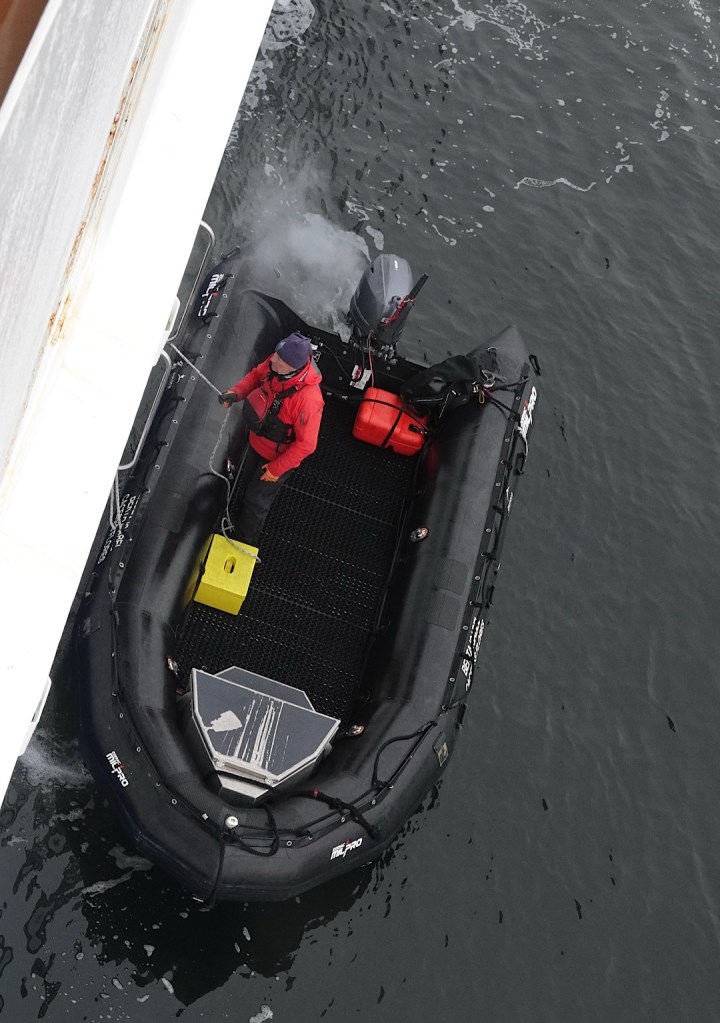
One of the Zodiacs, about to start loading passengers. We exited the ship through a doorway at the waterline.

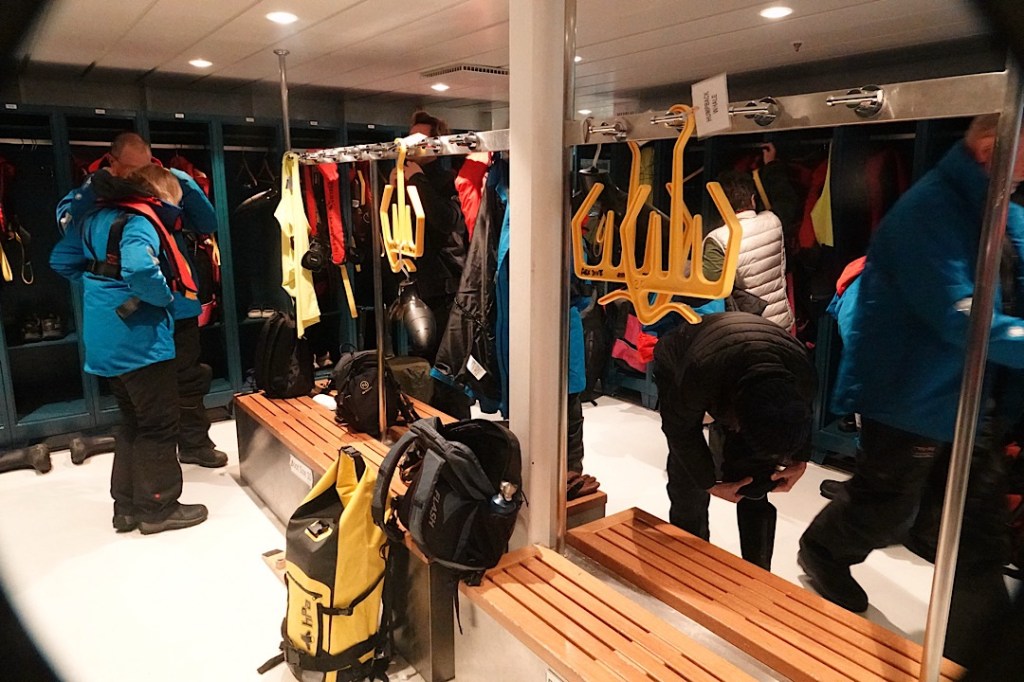
Getting dressed is NEVER this complicated at home. For our Antarctic excursions, I generally wore three or four pieces of thermal underwear (a pair of long johns and two or three tops). Over that I donned a wool sweater and polar fleece pants, followed by a down jacket, and then a waterproof parka and rain pants. Tall rubber boots went on over my socks. (I preferred a liner and two pairs.) Gloves and scarves and headgear and a life jacket were the finishing touches.

The ship’s mud room, where we donned the final pieces of our gear.

Over the three days we were there, we went through this drill six times, but only once, on our very first morning, did we stand on the actual continent.

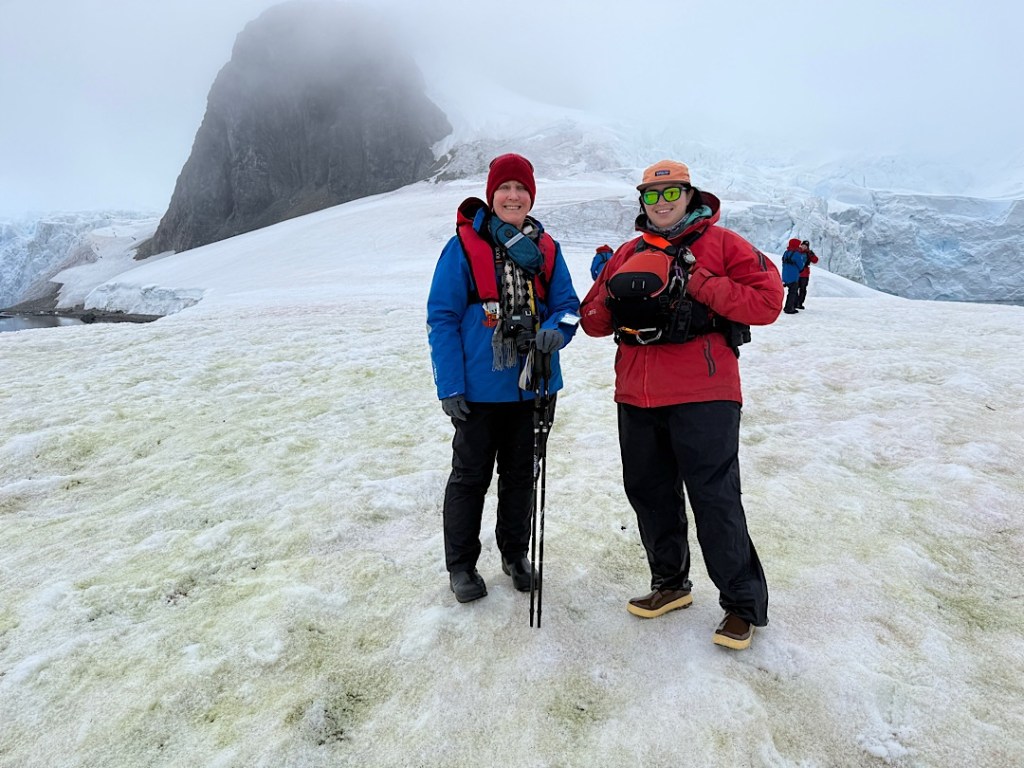
Here I am with Gaby, our expedition leader, on the mainland.

For every other shore visit, we disembarked on one island or another just off the coast.

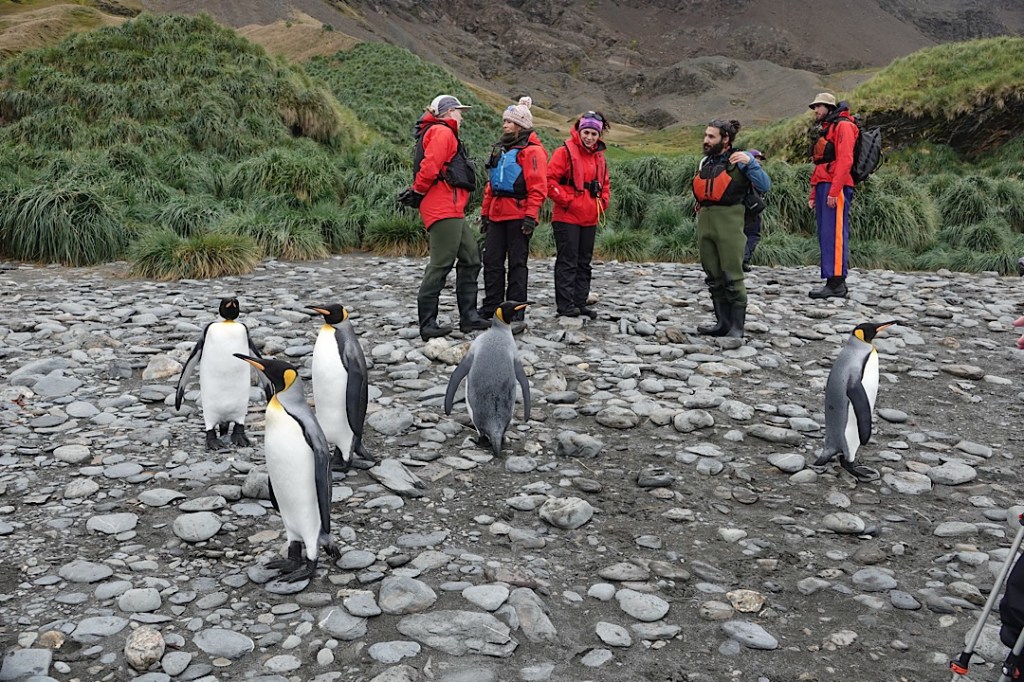
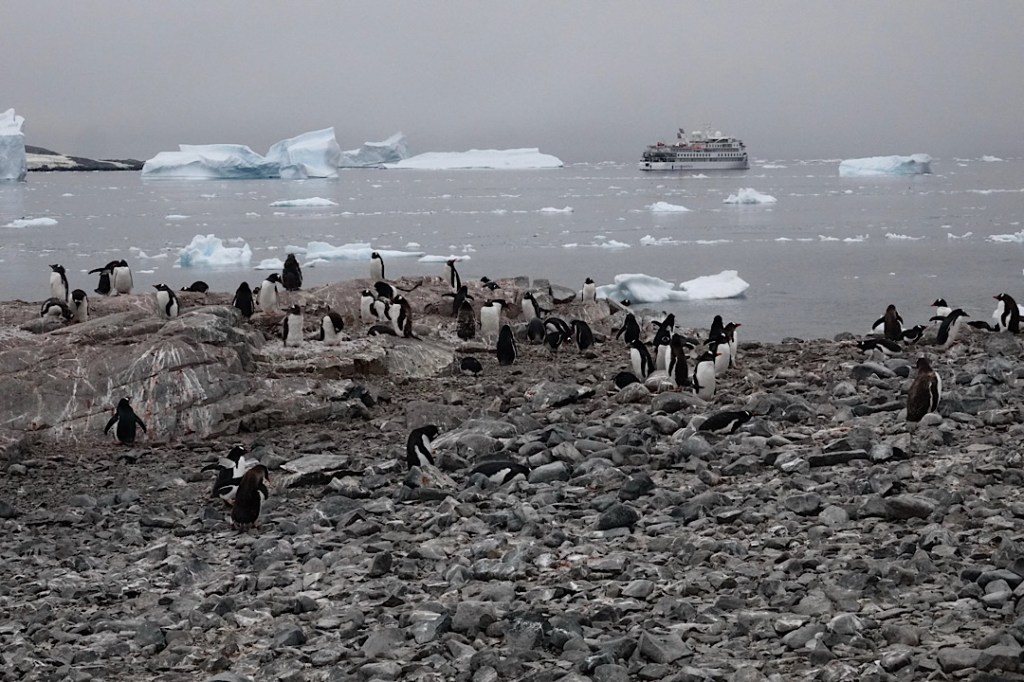
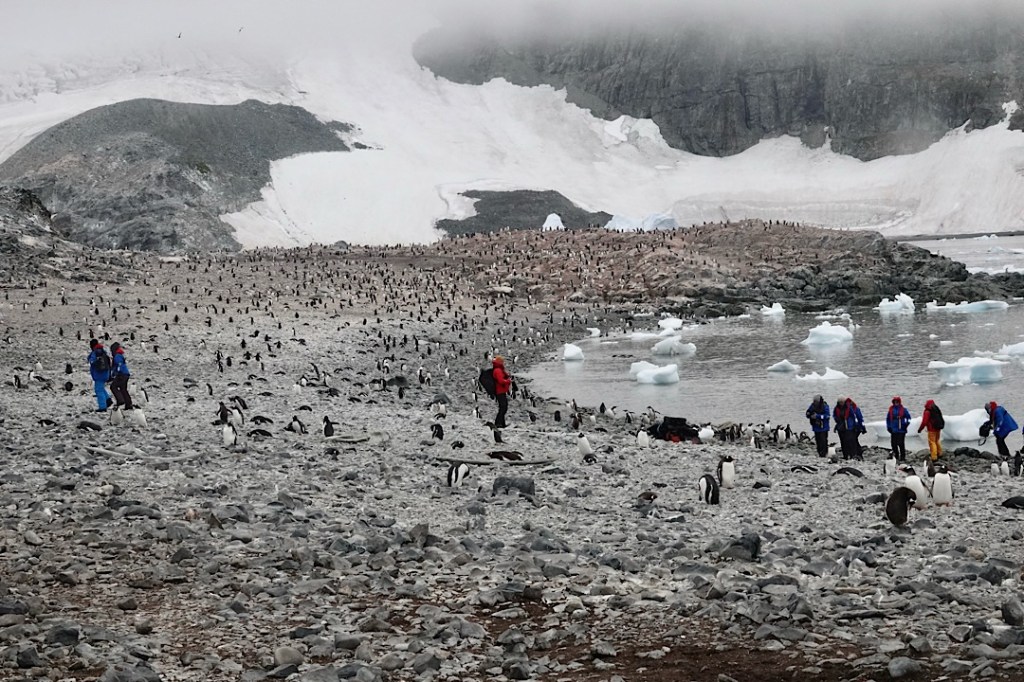
Cuverville Island was filled with a huge population of Gentoo penguins.

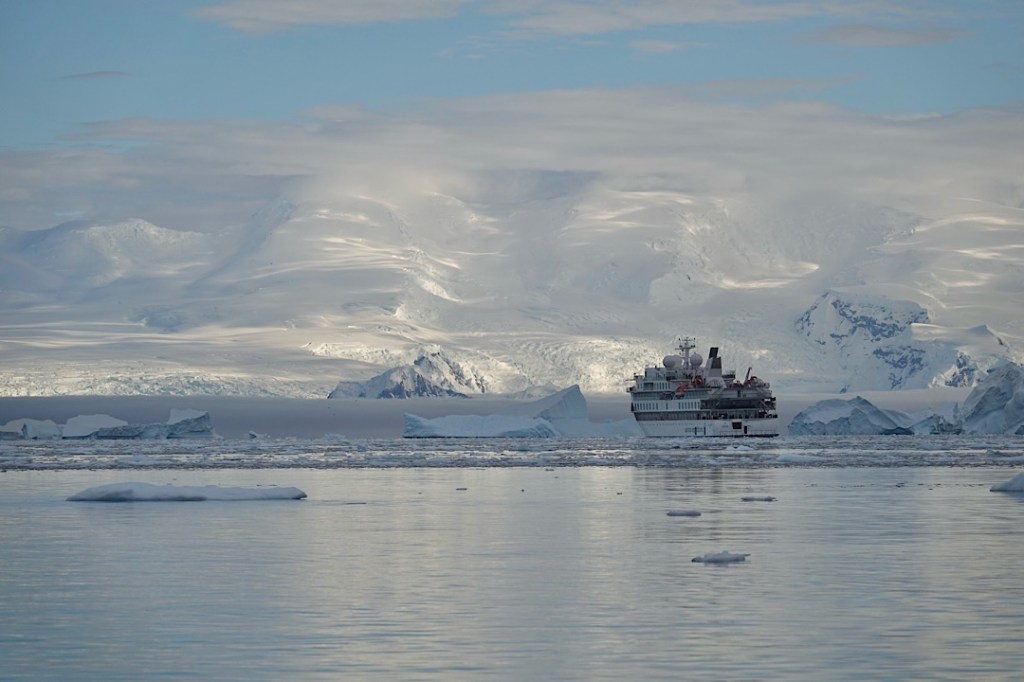
Can you spot our ship amidst the icebergs? We motored from there to the shore.
Human to penguin ratio: about 1000 to one?
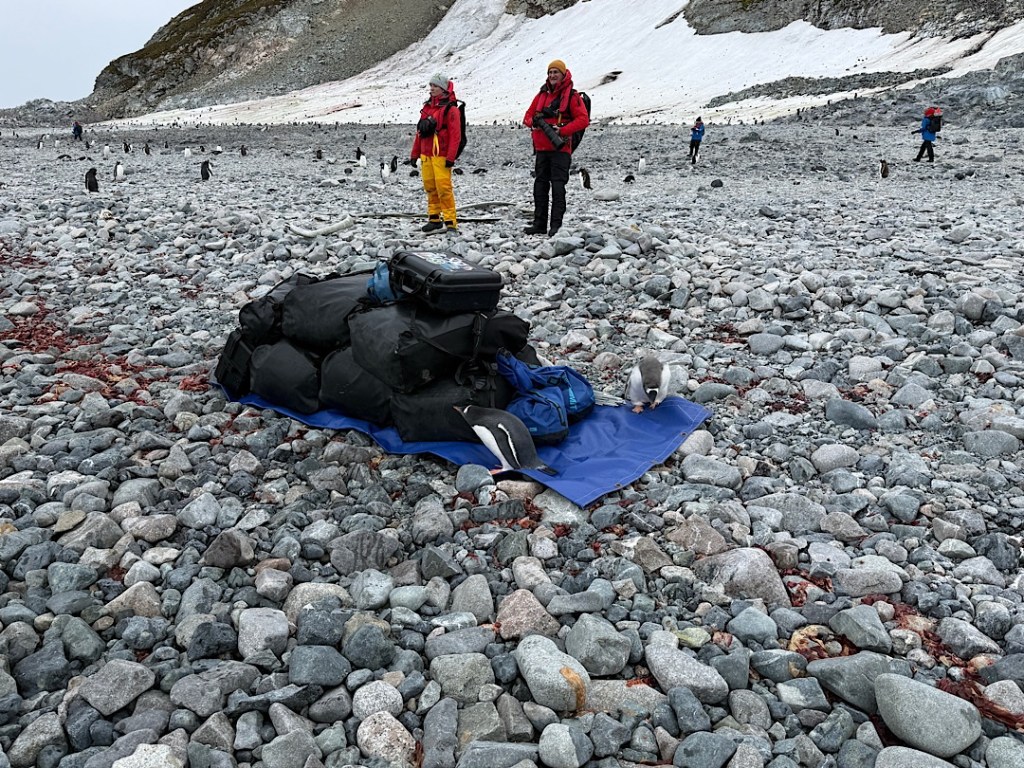
This was our first view of the survival gear that the crew carried with us to every landing site. Even with the ship so close, visitors have been stranded by sudden terrible weather for up to 24 hours or more. It happened once earlier this season, we were told.

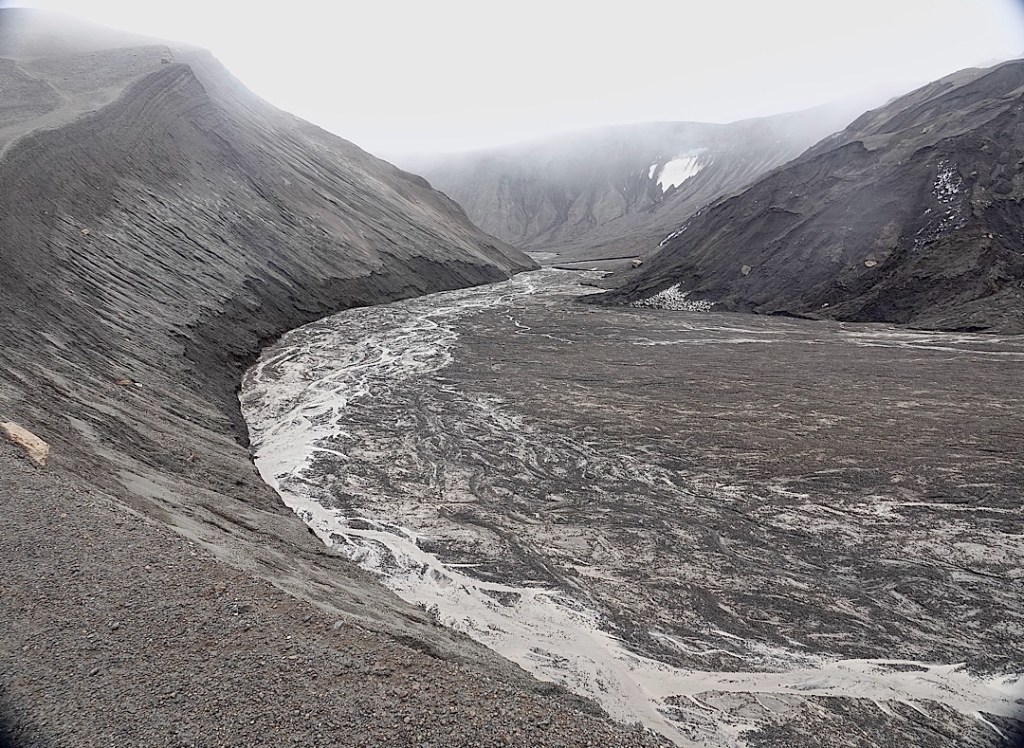
Another outing took us to Deception Island, a rocky rim that’s the caldera of an active volcano.

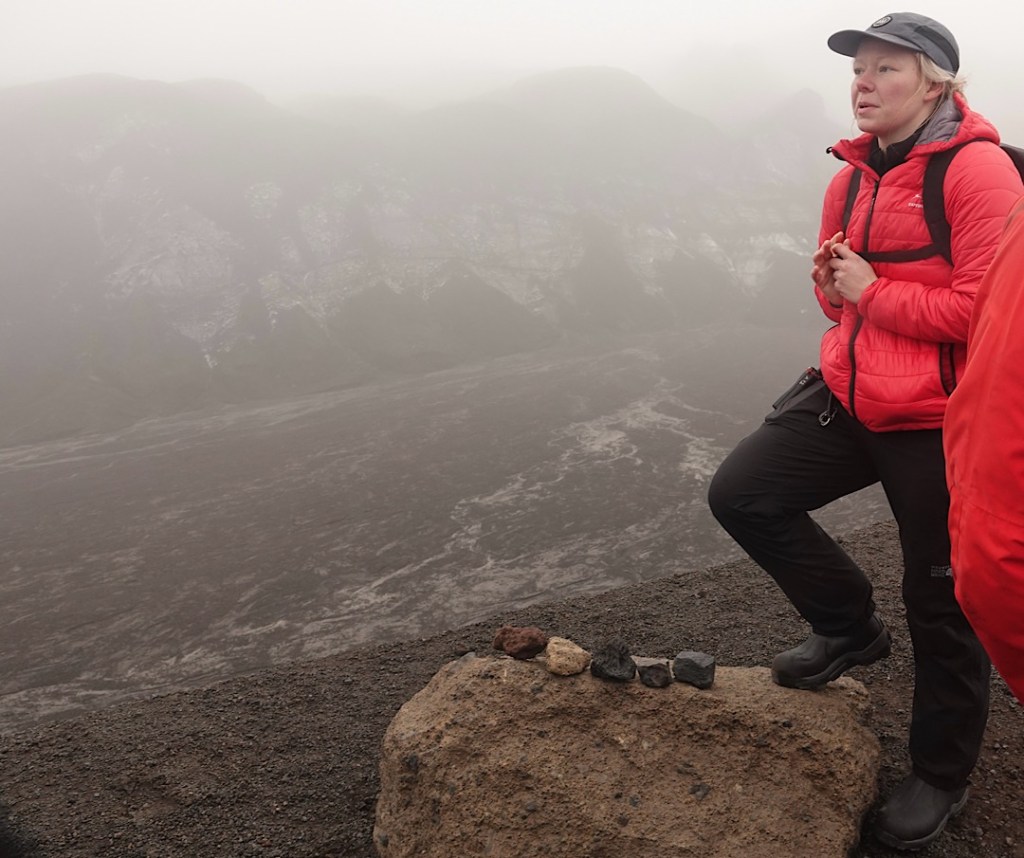
Sydney, the ship’s earth scientist, explained the complex geology of the place.
The last eruption occurred in 1970. This canyon was a side vent through which lava flowed.

We left Deception Island through a scenic passage point called Neptune’s Bellows.

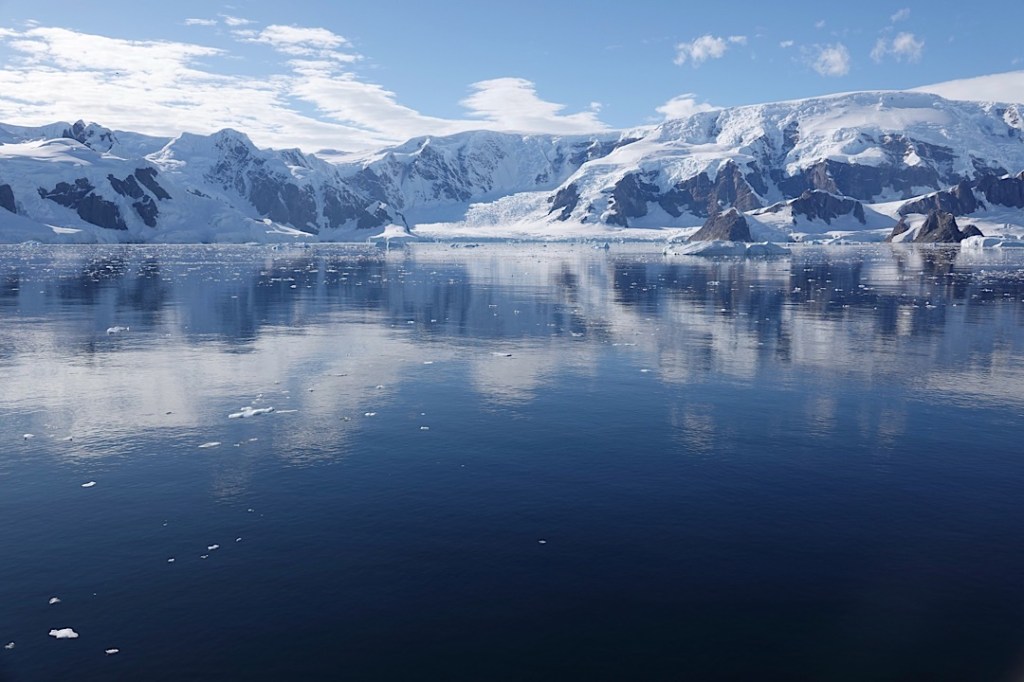
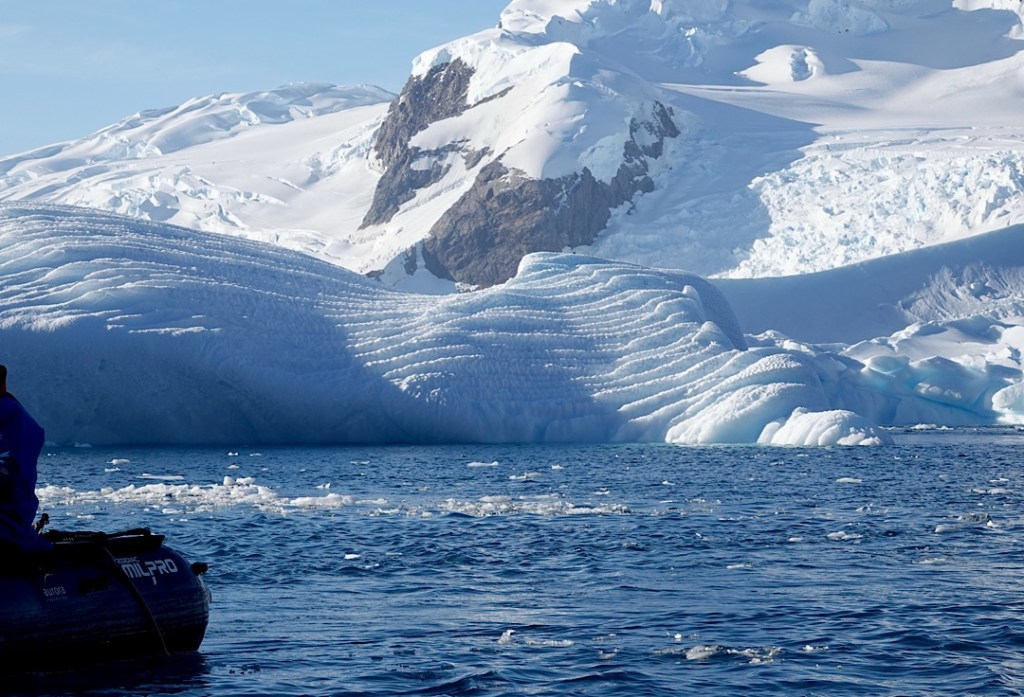
Our hours cruising around in the Zodiacs gave us plenty of splendid views of the mainland.

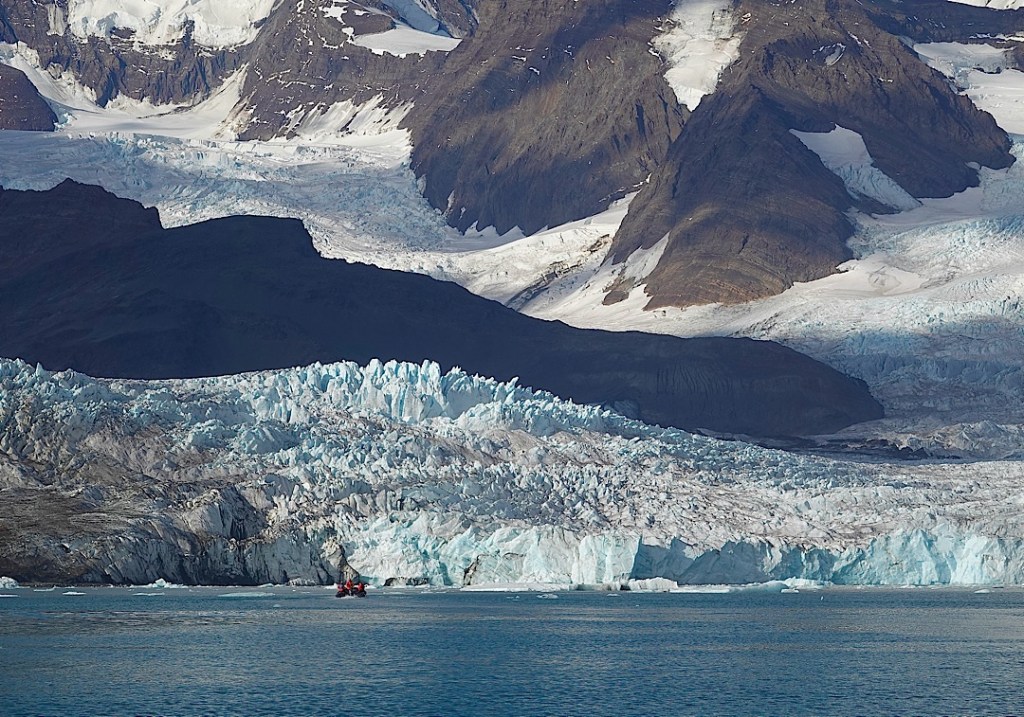
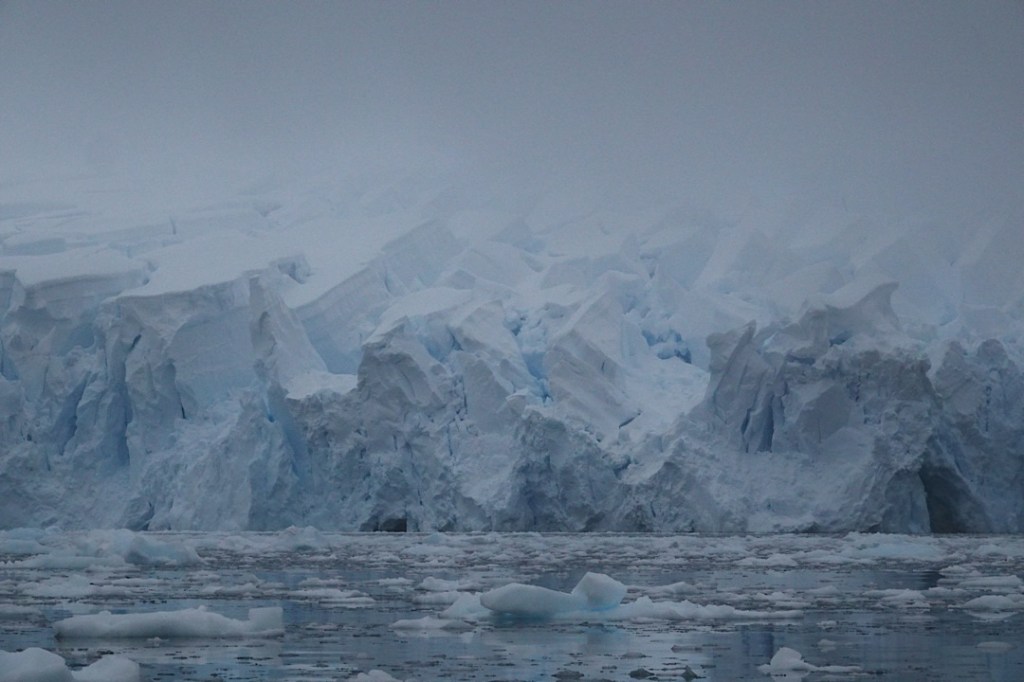
One of oh-so-many glaciers.
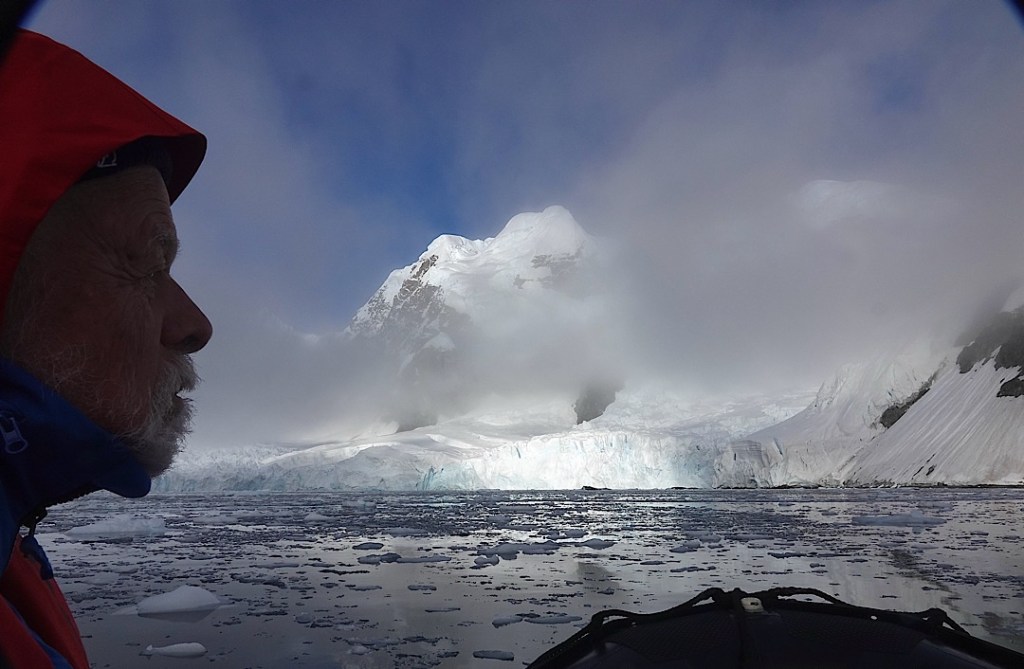
Through patches of low fog, we got flirty views of the nearby mountains.
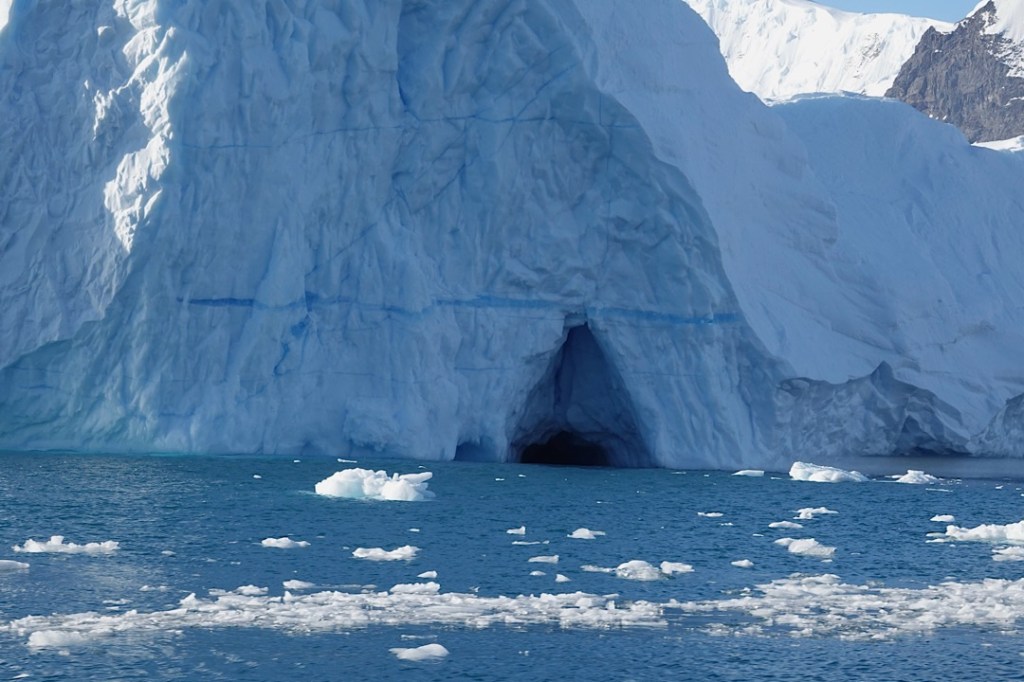
Note the blue ice in this glacier. It’s truly blue, a sign that the ice in those sections don’t contain any air bubbles.
Home sweet home.

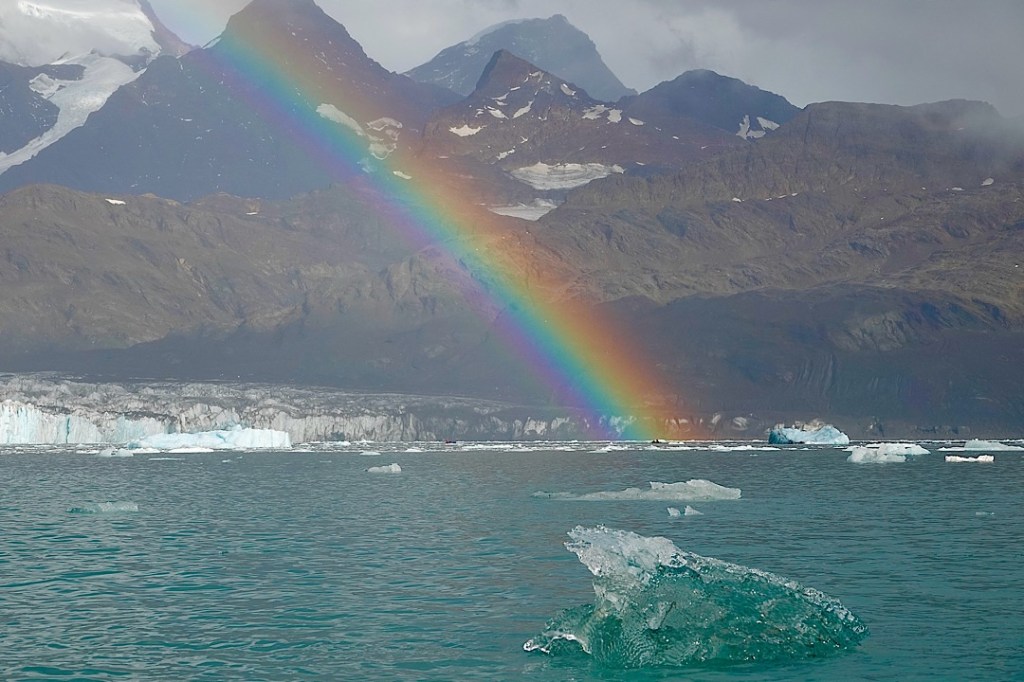
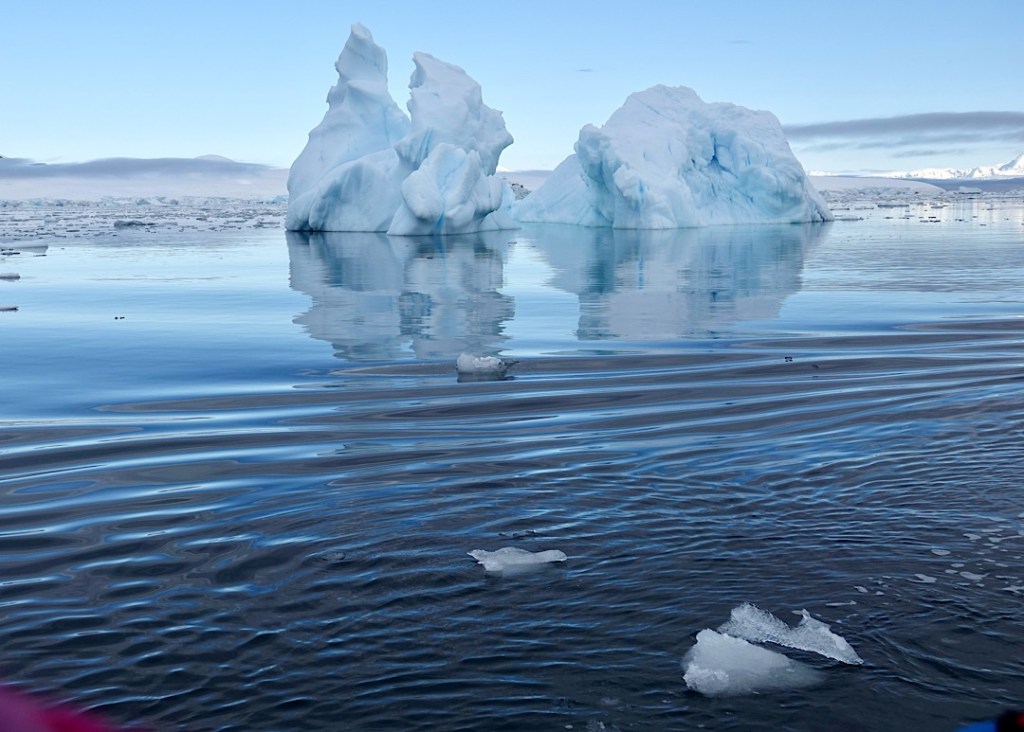
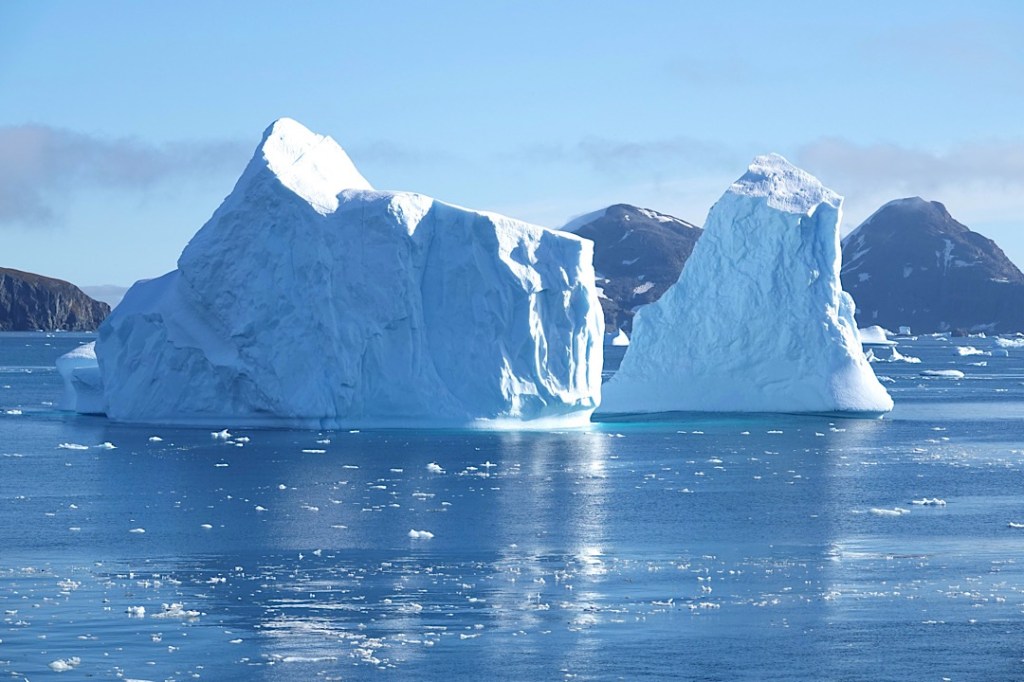
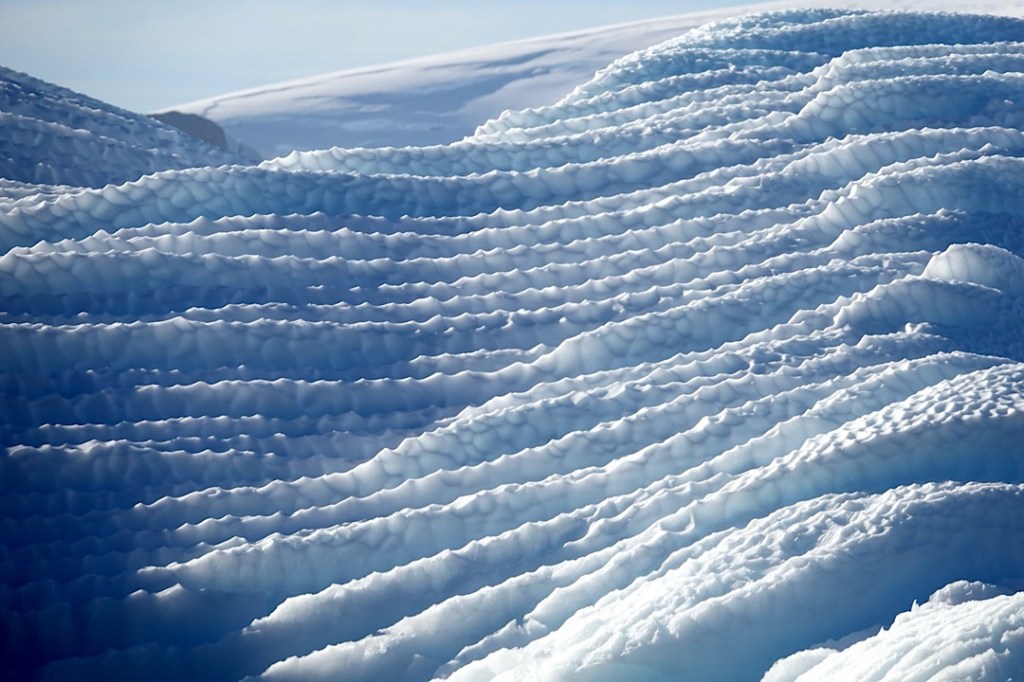
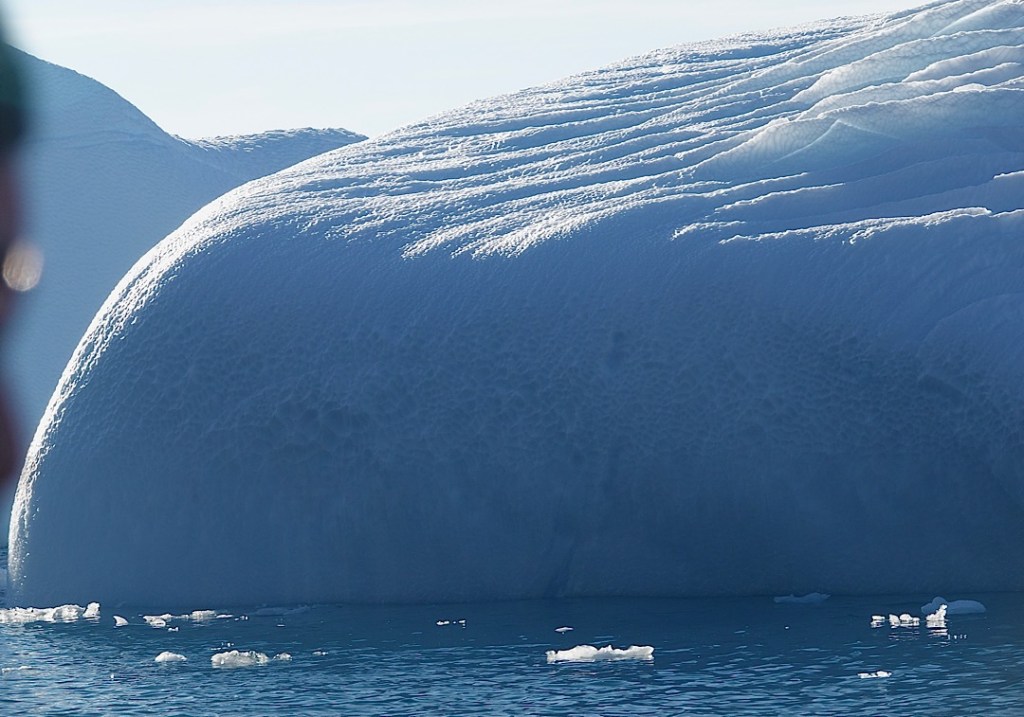
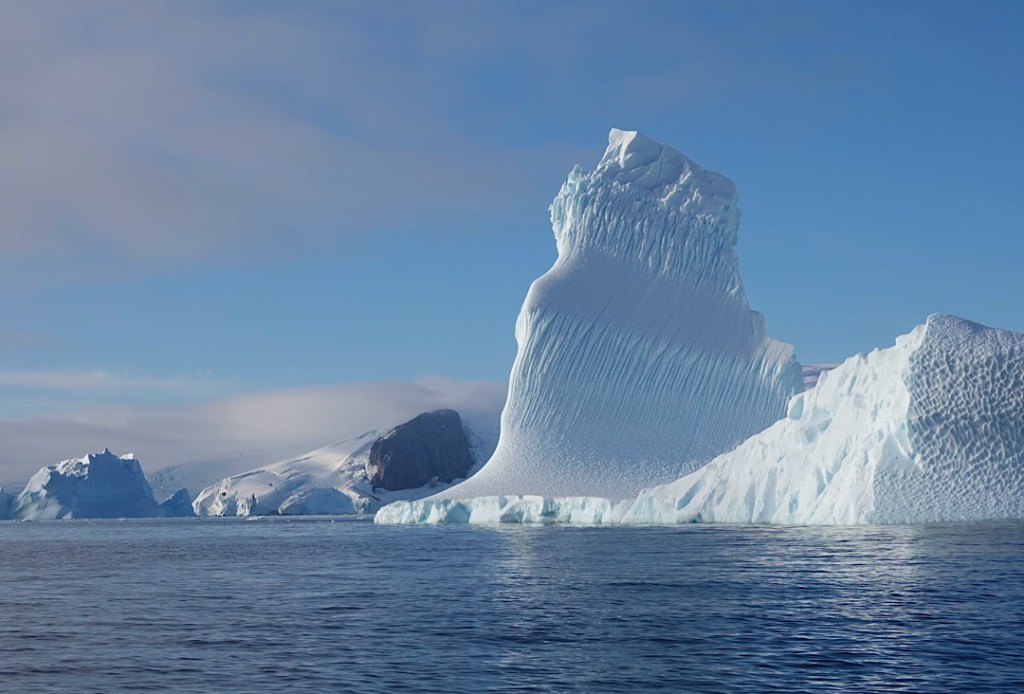
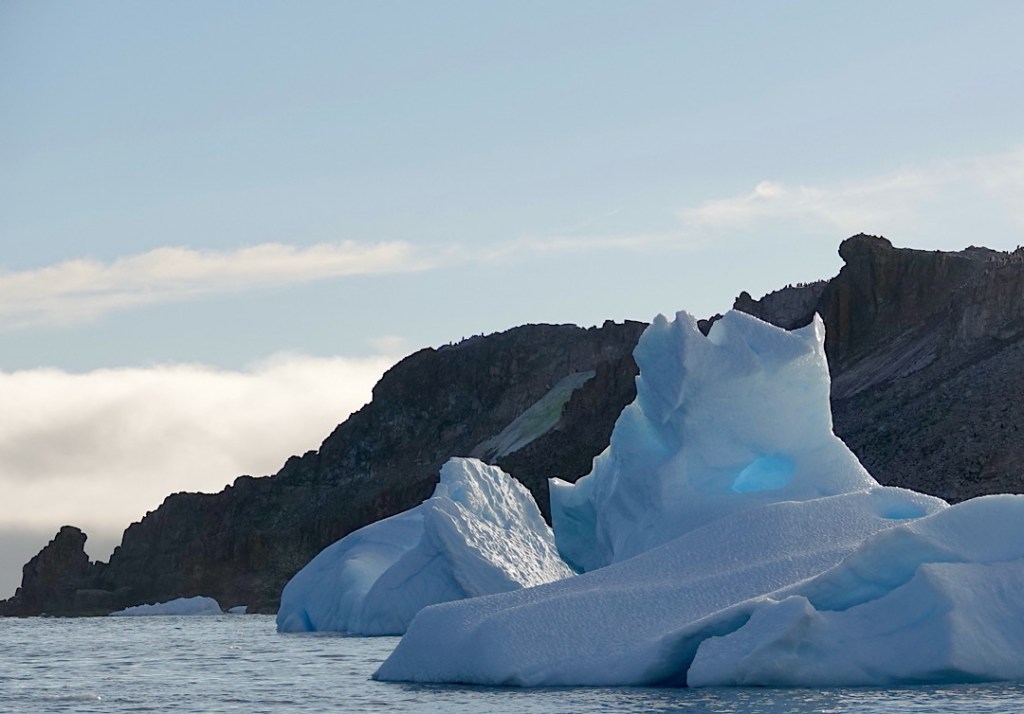
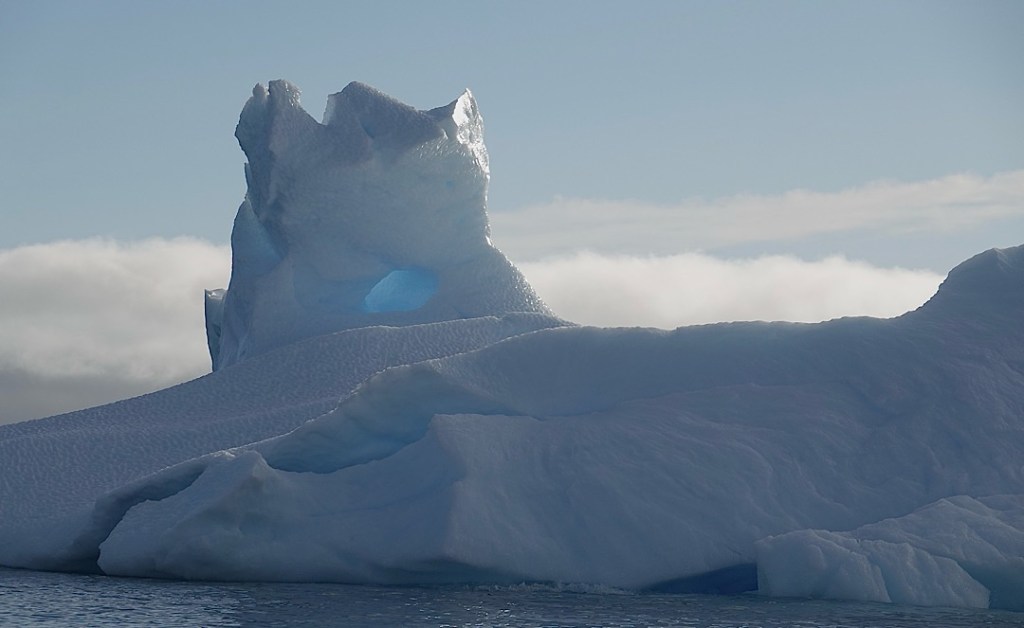
On our sunniest afternoon, we putted amidst the most glorious ice I’ll ever see.

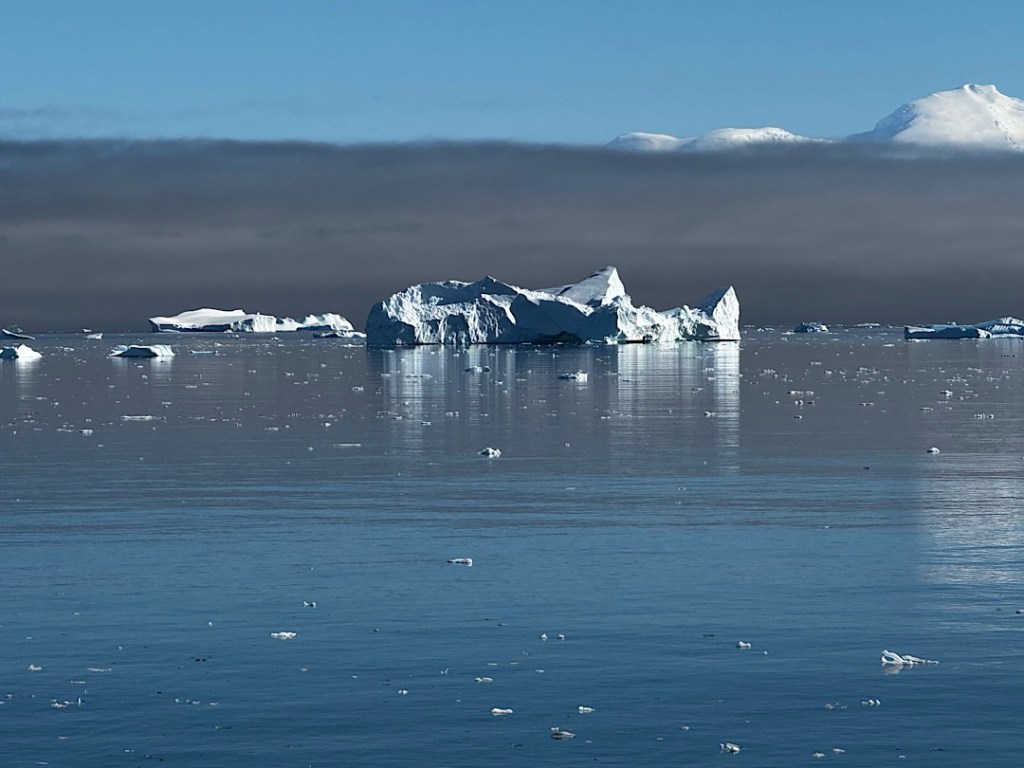
There’s that low fog again behind this smaller iceberg.
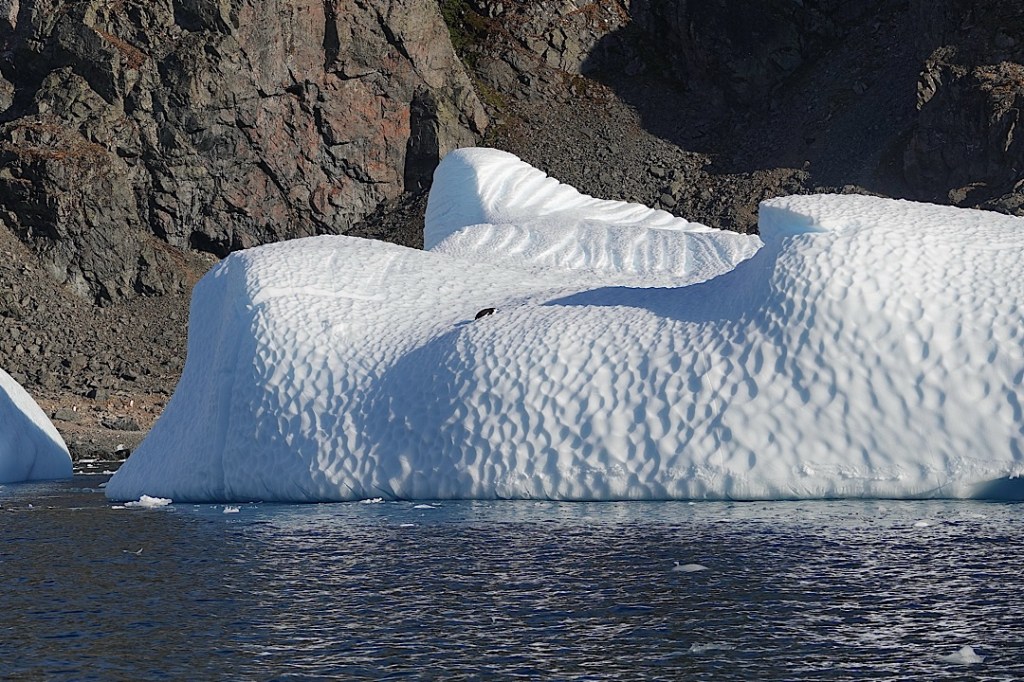
We all wondered how that solitary penguin got up on this daunting perch.
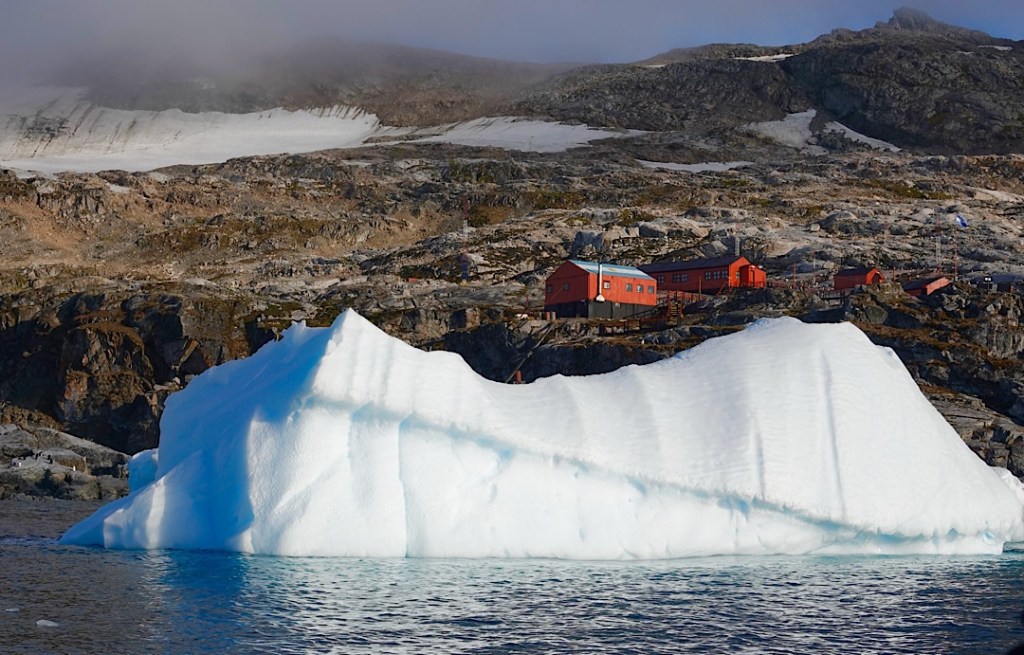
The buildings on the hillside were part of an Argentine science station, inhabited for only a few months a year.
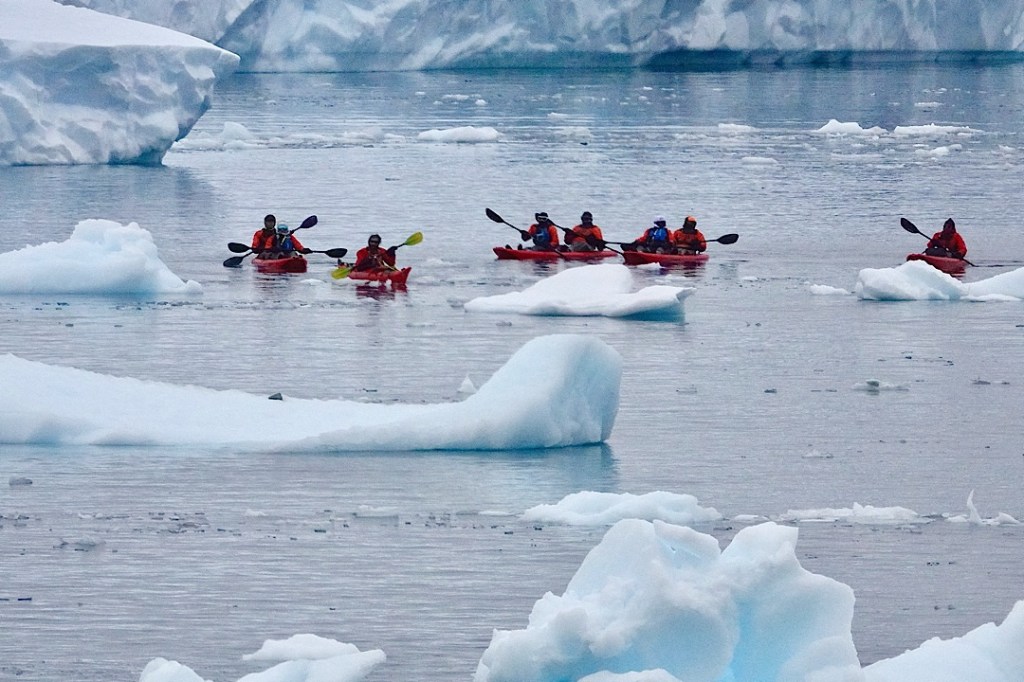
I probably would have had even more astounding views if I’d opted to kayak, but then I wouldn’t have been able to take many photos. Even more bad-ass were the snorkelers from our boat.

Adios Antarctica

At 6:30 yesterday (Tuesday, March 10), I was tired, hungry, and depressed — each for good reason. According to my phone, I’d racked up more than 13,000 steps, the last several thousand hiking on a rocky island in a cold light rain. Dinner wouldn’t be served until 7:30. And we’d just completed our final Antarctic excursion. As the ship’s engine hummed and we started moving, our bow was pointed northeast, into open ocean.

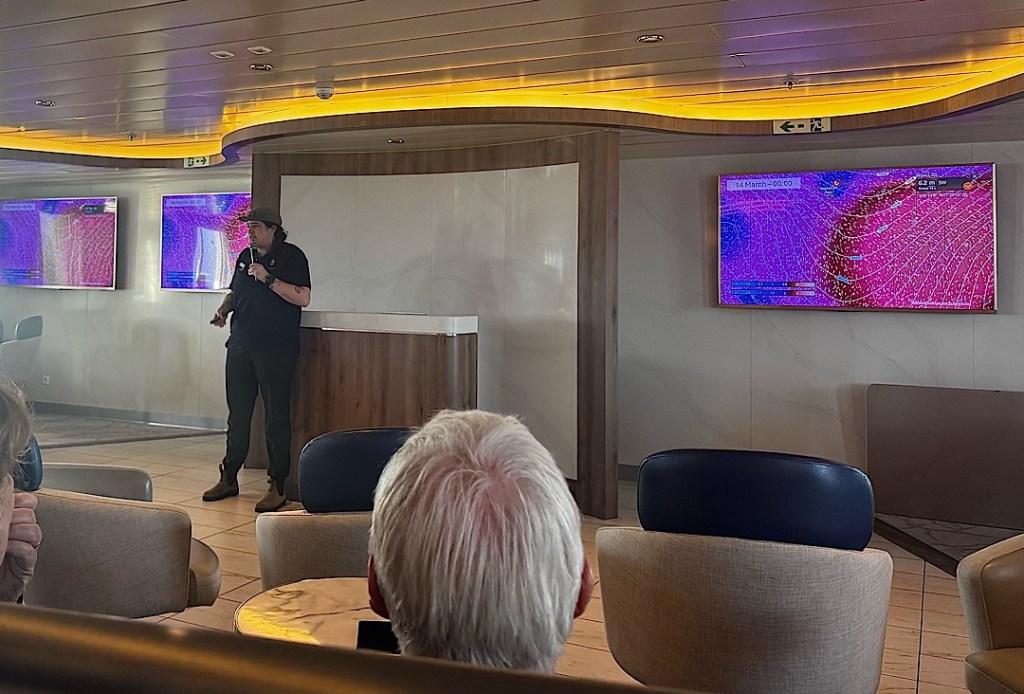
We’d completed only three of the four days we’d expected to have on the continent, a change in plan to which we’d been alerted a few hours earlier. Our expedition leader, Gaby, had called a special briefing meeting; she displayed a series of weather charts filled with lines and numbers and vivid colors.

The details were hard to digest, but the big picture was clear: a couple of storm systems were moving in, packing 30-40 mph winds and swells that could easily reach 30 feet. We could stay another day, but Gaby and the captain both felt that would set us up for more trouble a few days hence. Instead we would head for our next destination, the South Sandwich Islands, hoping to outrun the worst of what was coming.

It made sense to me, and I think all my fellow passengers felt the same. No one tried to argue. We all knew what phenomenal luck we’d had over the past three days. We’d enjoyed superb weather; gotten off the Greg Mortimer for six separate excursions. We’d seen a head-spinning assortment of wildlife and icebergs. Who among us could complain?

Indeed my sadness disappeared in the camaraderie of our dinner table, but subtle whiffs of it have returned today as I’ve been looking at my photos. Maybe over the next two weeks we’ll see other things as beautiful or awesome, but it doesn’t seem likely. I don’t know when or where we’ll next see land.
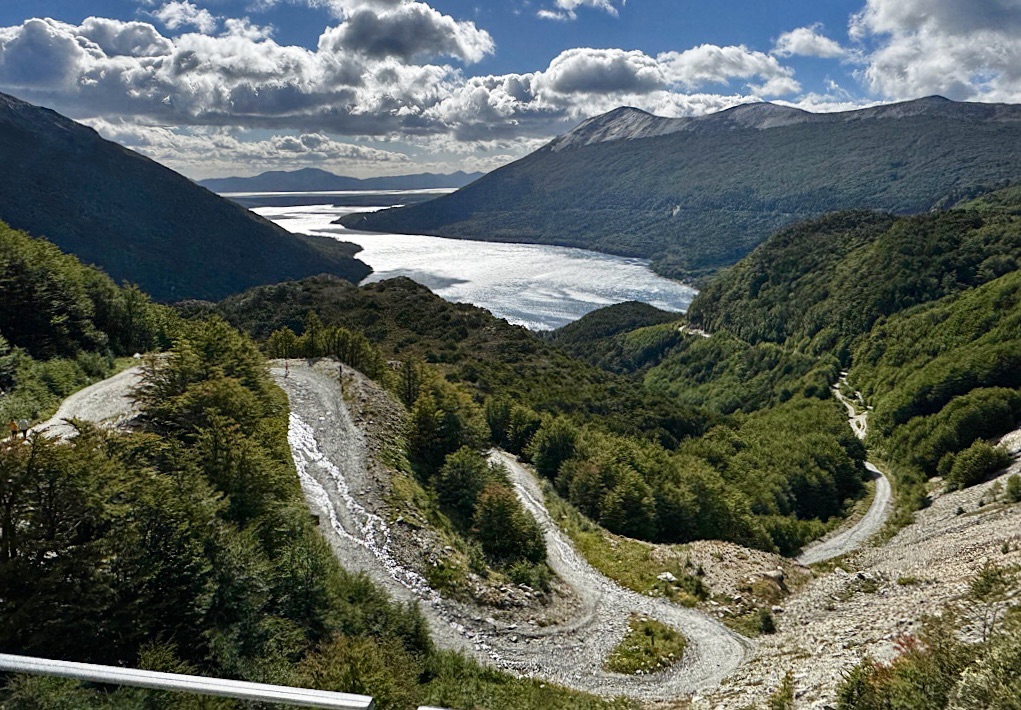
On these sea days, I’ll try to post some of those sights that so moved me. And maybe others will pop up.

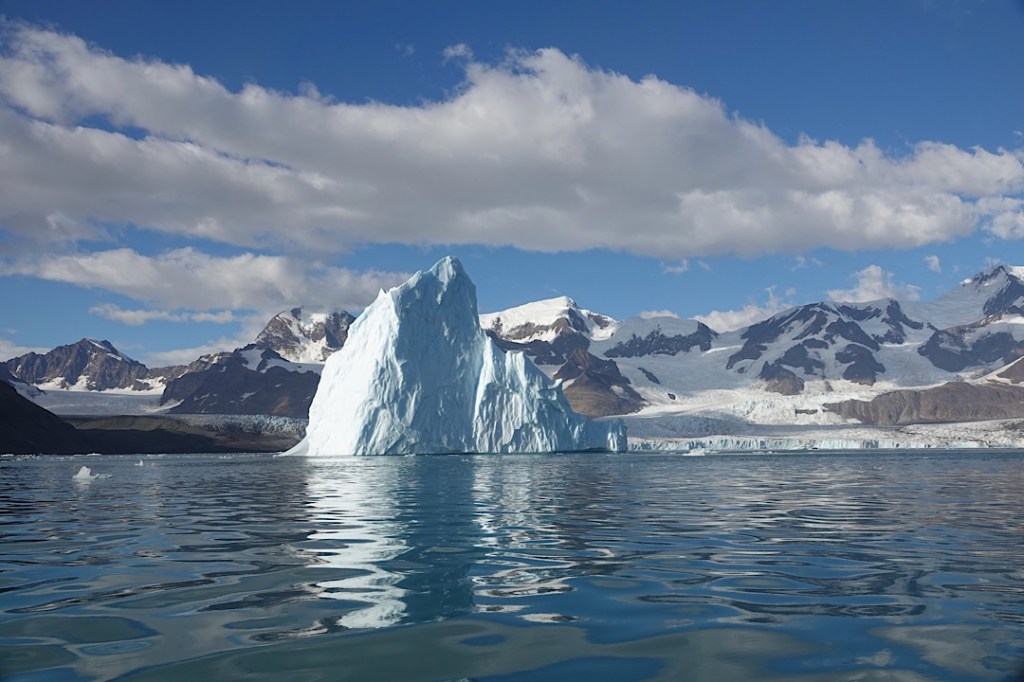
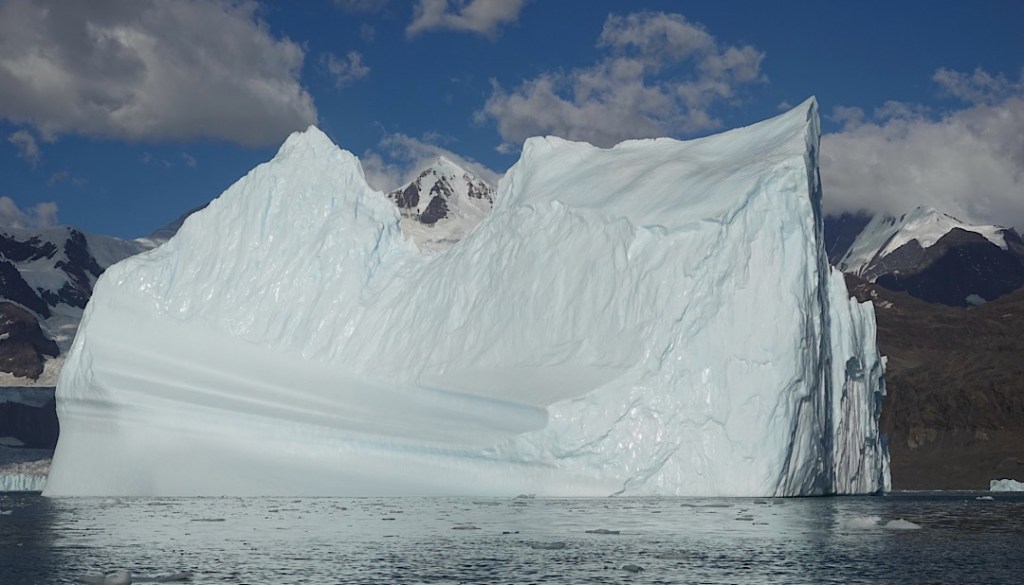
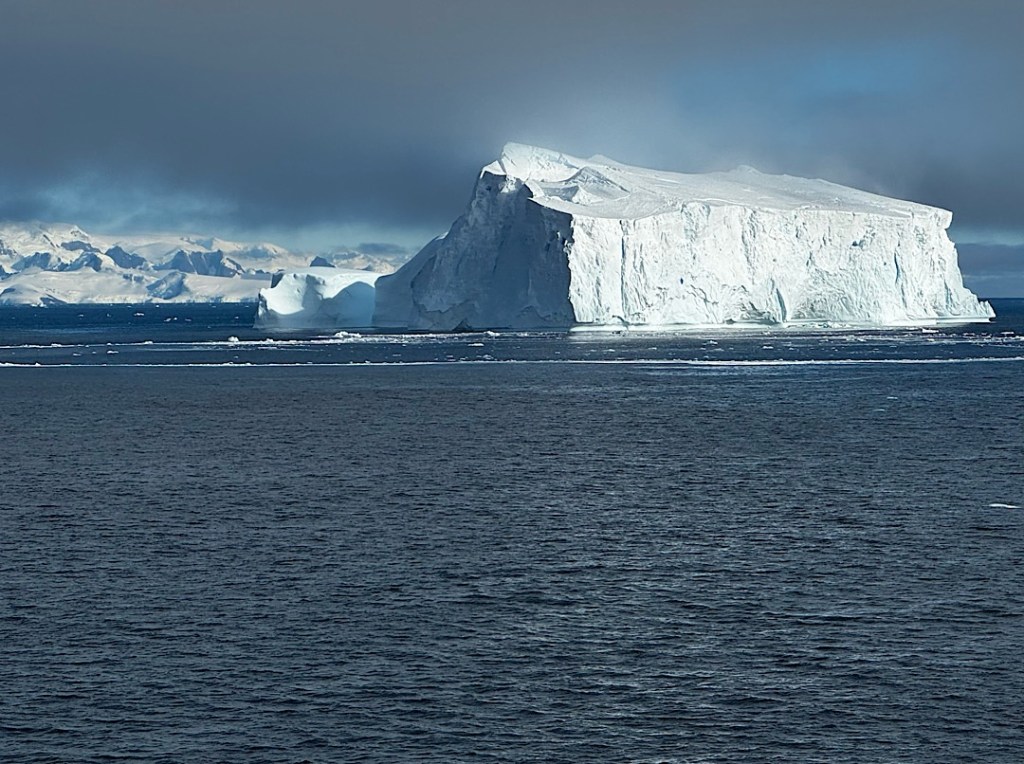
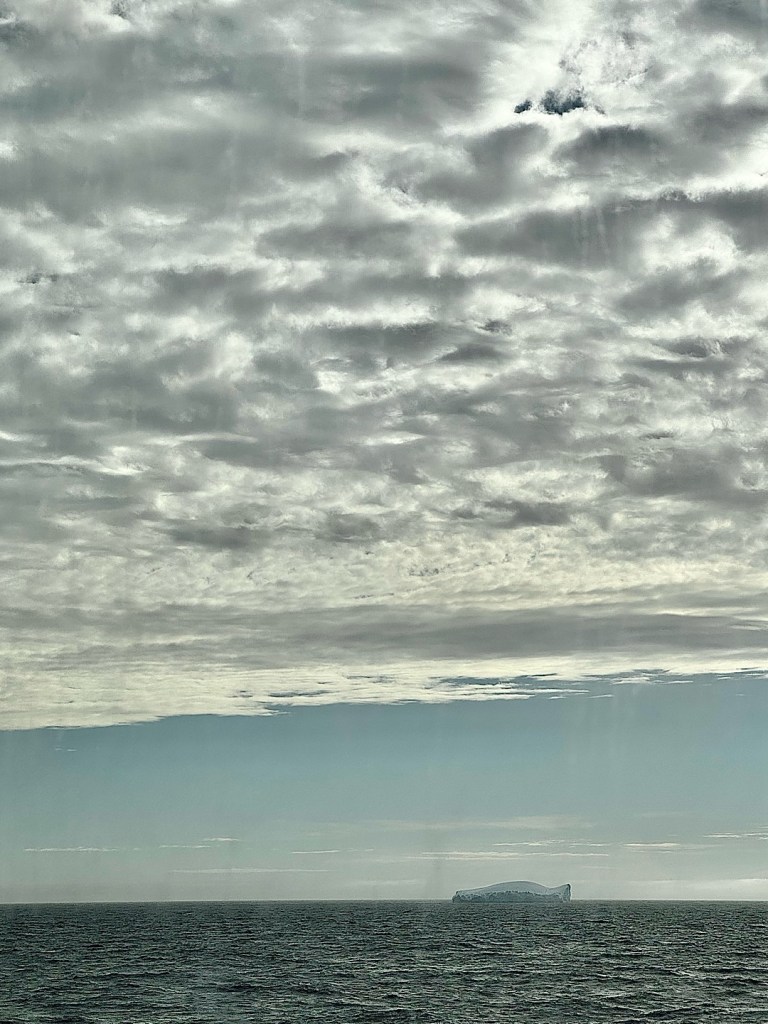
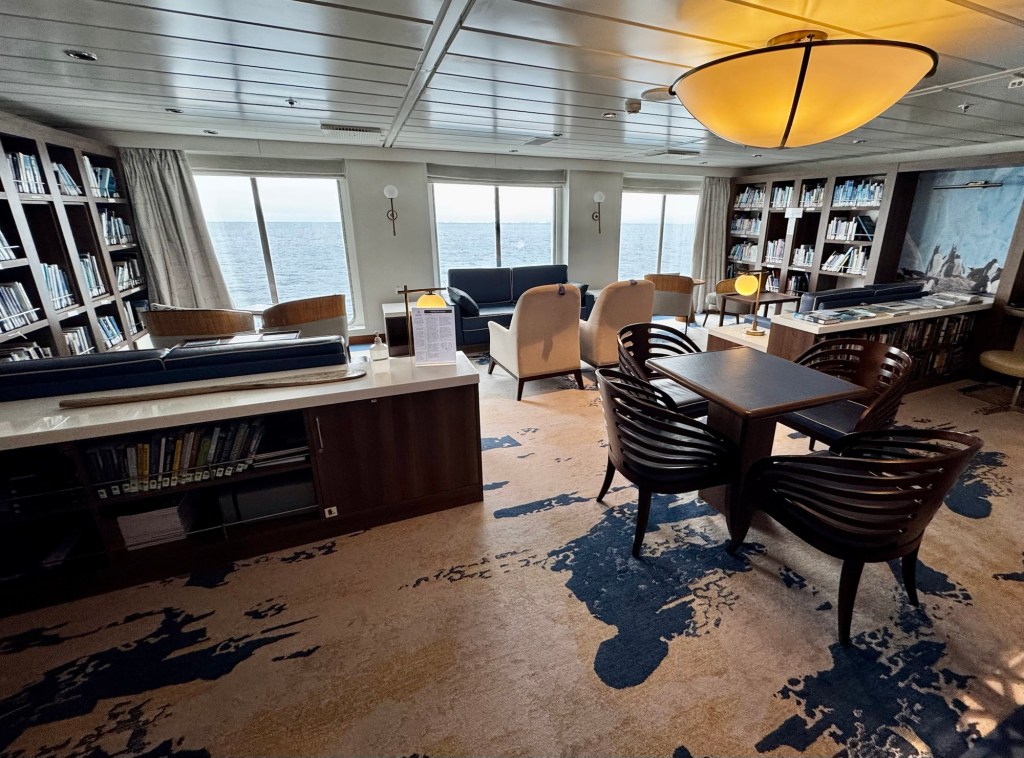
Like this one, a huge solitary iceberg I just spotted minutes ago from the window in the library, where I’ve been writing this post.

All aboard

Yikes. I’m starting this post just before going to sleep on our third night at sea. Tomorrow at 8 we will enter Phase 2 of our Antarctic adventure. But I haven’t yet reported anything about Phase 1!

Making up for that….

These first days have taken us into a realm almost as foreign as Antarctica itself: the cruising world. Steve and I know many folks who love it, but we’d never chosen to go there in any significant sense. To see Antarctica, though, you pretty much have to travel by ship. A handful of folks do fly from Patagonia to military or scientific airfields, but they’re the exception. The continent has no commercial airports; no hotels nor permanent tourist accommodations. It’s the only place on earth where humans have never lived full-time.

We’re traveling with a long-established Australian cruise line, Aurora Expeditions, on their last trip of the 2025-2026 season. We chose them partly because the Greg Mortimer is small, carrying a maximum of 130 passengers. As luck would have it, however, only 66 have signed up for this voyage. We’re being cared for by a crew of 96, a ratio that feels almost obscene.

Because the pace of our activities is accelerating, here’s my brief review of the four aspects of being on an Antarctic cruise ship that have most impressed me:

The coziness

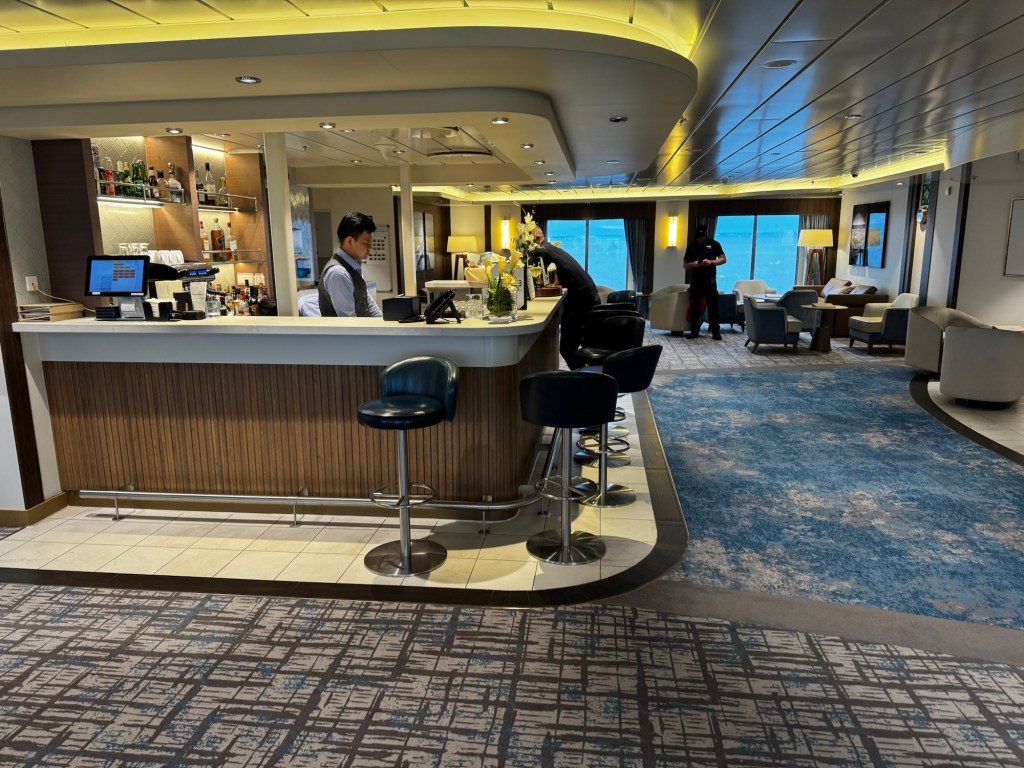
I have never felt more coddled. Though small, the ship is elegantly outfitted, designed with a half dozen wonderful places to hang out.

The ship’s library is one haven.
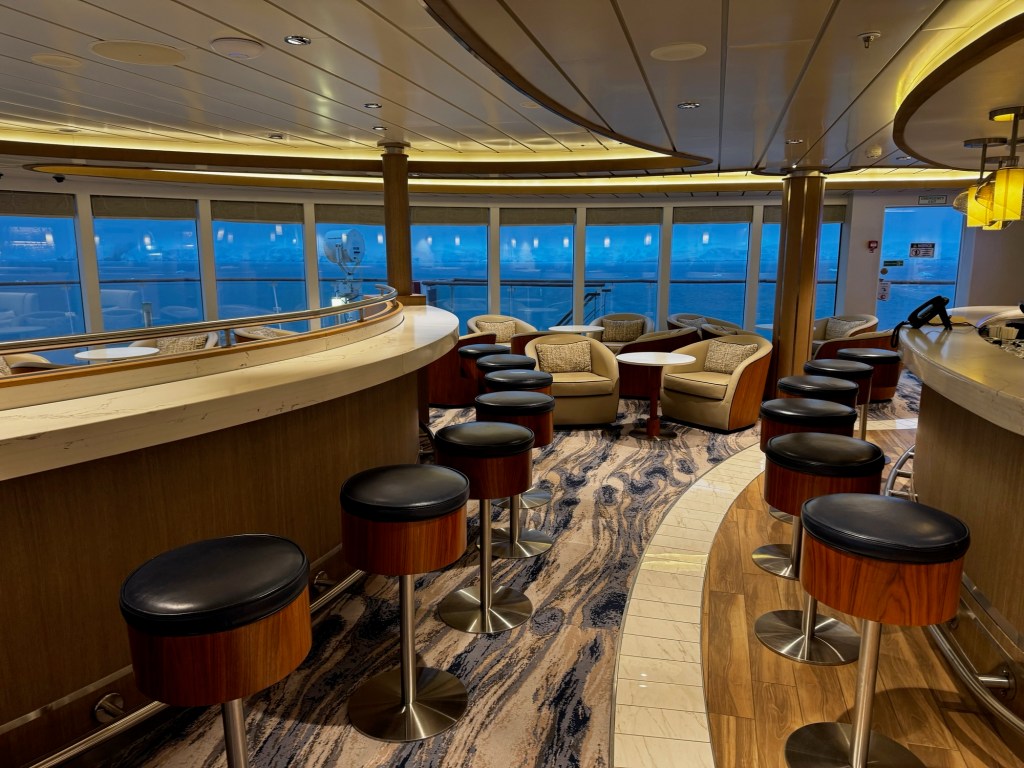
You can hang out in one of two bar/lounges.
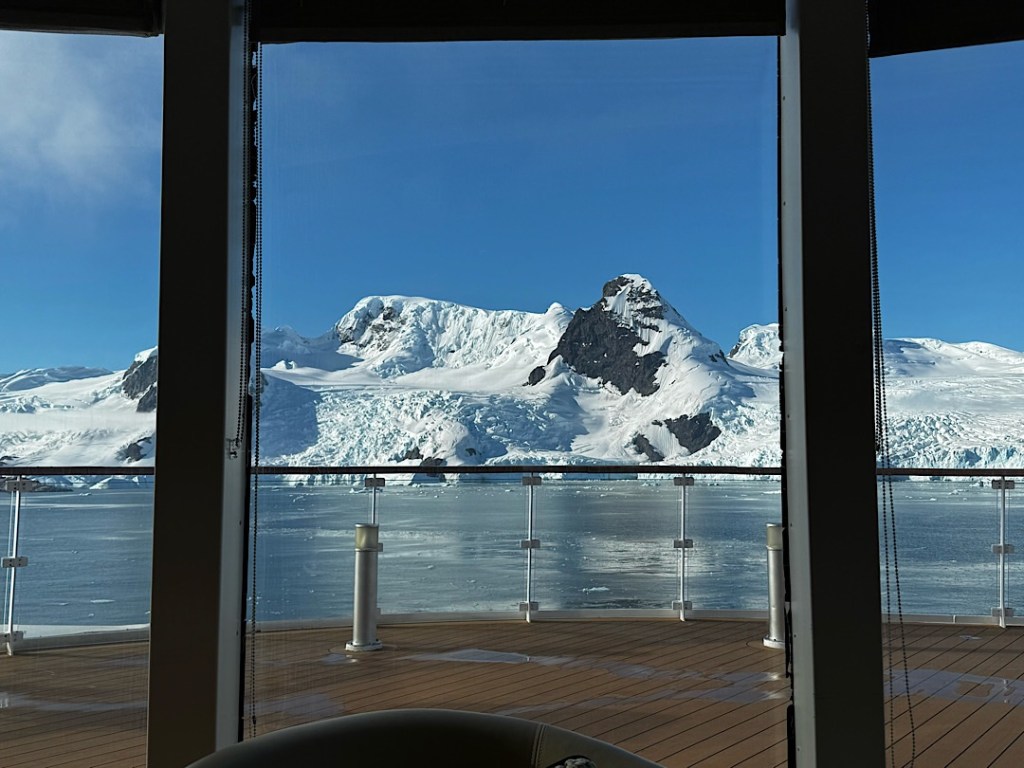
The upper one boasts a panoramic view.

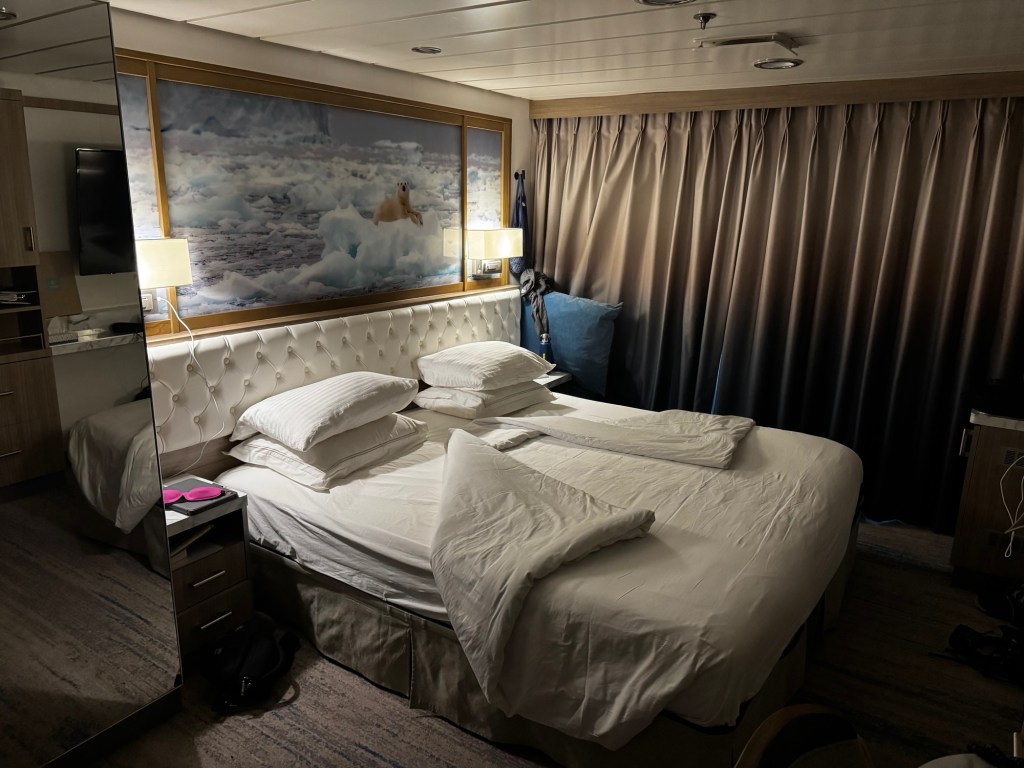
Three times a day we make our way to the dining room, where the food and wine have been uniformly delicious and amazing. The steward for our cabin, Leland, unobtrusively makes our bed every morning, then turns it down at night.

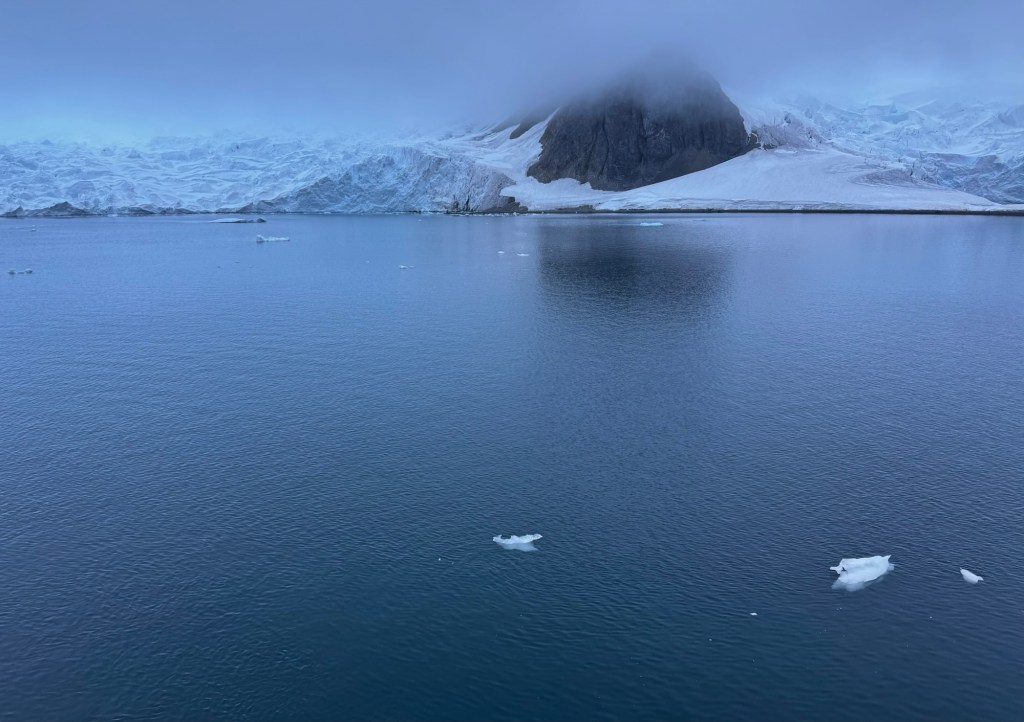
All this luxury contrasts with the view out the sliding glass doors to our balcony.
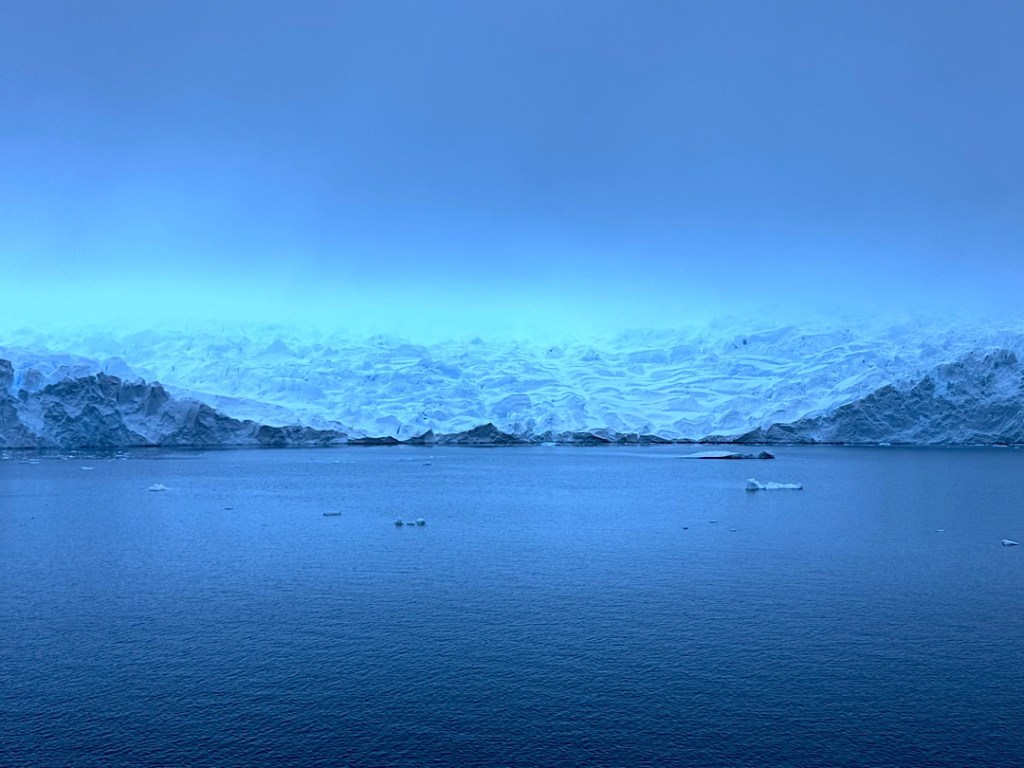
At the moment, hundreds of bits of ice float in front of a gigantic glacier. At other times, the sea’s been blustery. I can prop myself up with pillows on our big bed and feel no need to snuggle under a comforter. I normally dislike being coddled, but this feels surprisingly pleasant.
2) The Drake Passage

Do you know the name of the ocean that encircles Antarctica? If I once did, I’d forgotten (but have just relearned) that it’s called the Southern Ocean. It includes some of most dangerous expanses of water on the planet. With no land masses to impede its fearsome currents, the southern latitudes known as the Roaring Forties, the Furious Fifties, and the Screaming Sixties can whip up gale-force winds and massive waves — sometimes 50- and even 60-feet tall.

South of South America, where the Atlantic, Pacific, and Southern oceans converge, conditions in the 600-mile-wide Drake Passage have terrified uncountable seafarers, and sunk hundreds, possibly thousands, of ships. I was nervous Thursday night when we turned out our cabin lights. Cruising through the Beagle Channel, the ship was moving gently. But we were heading for the Drake.

When I got up to pee around midnight, I momentarily felt dizzy. Then I realized the motion wasn’t in my head but under my feet. This continued Friday morning — enough rolling and pitching to make some of our fellow passengers seasick. It didn’t bother Steve or me, however, and as the 30-mile-per-hour winds dwindled over the course of the next day, the sea grew calmer. By the time I spotted a line of white in the distance Saturday afternoon — Smith Island just off the Antarctic Peninsula — I could understand why some lucky passengers call it the Drake Lake.

3) Cruise society

There may only be 66 of us, but everyone’s got a story. This is the easiest place in the world to start a conversation. “What brings YOU to Antarctica?” I ask. It maybe be the least important aspect of this trip, but talking to our fellow passengers is still pretty interesting. The best time is at dinner, where it’s easiest to sit down at a random table.

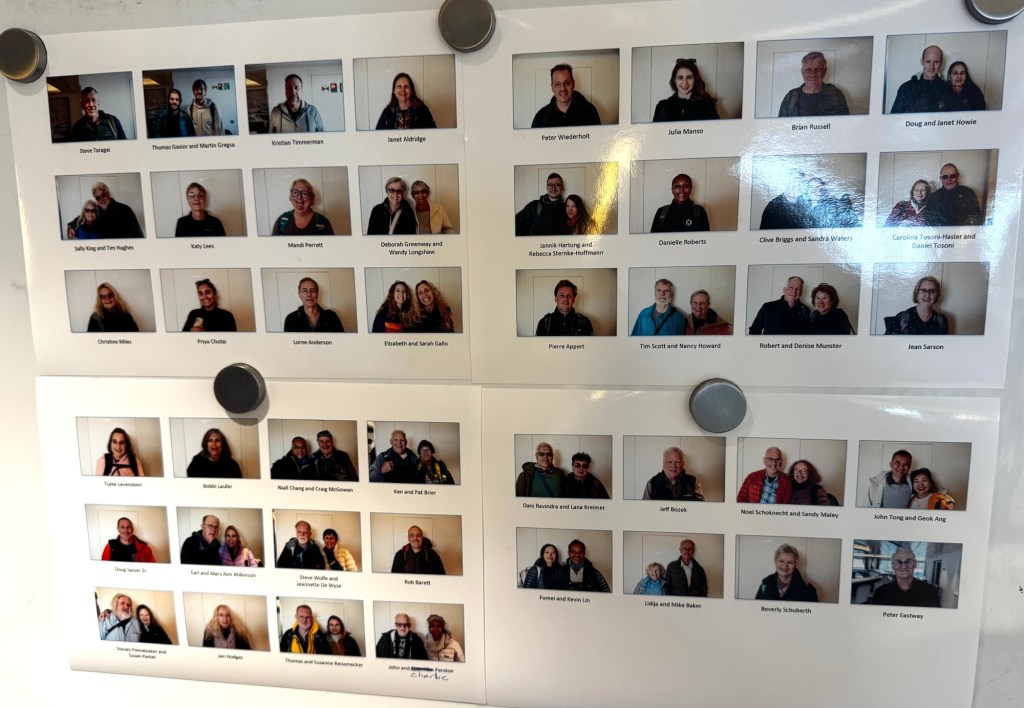
All our photos on a message board helps to put names with the faces.

4) The unpredictability

Steve and I signed up for this journey more than a year ago. Yet we can’t really say what the weather will be like three hours from now. Bad weather could have delayed the ship from leaving Ushuaia, possibly for days. It still could force major changes in the rough itinerary the expedition leaders are hoping to follow.

We’ll just have to deal with whatever nature serves up. Still, at the moment we’re passing magical, otherworldly scenes. I need to give them as much of my attention as possible until our next stretch of sea days. That should start Thursday, March 12. (But things could change.)

South to Alaska

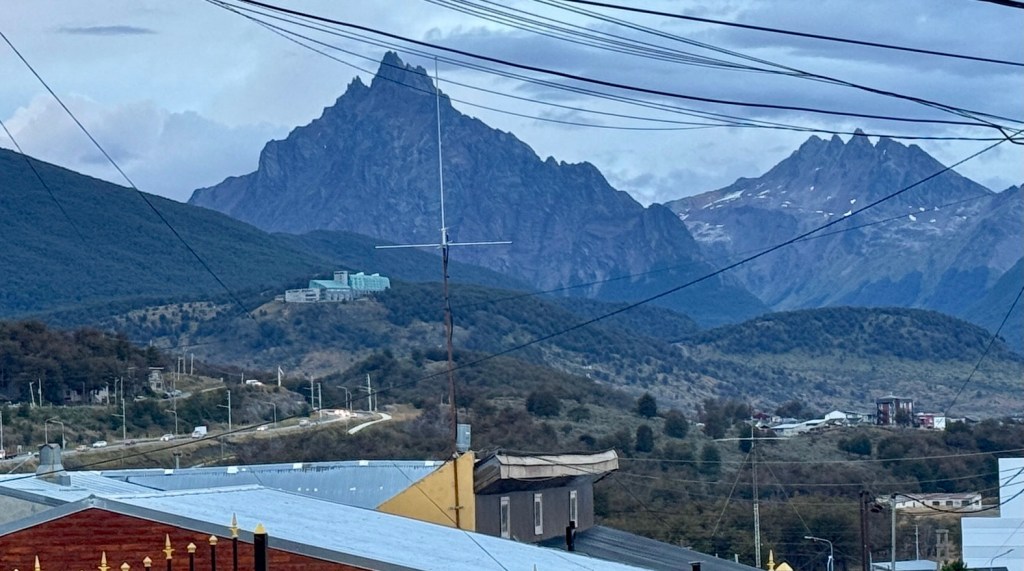
“It’s an interesting mix of Tijuana and Alaska,” Steve remarked, minutes into our first walk around Ushuaia (capital of Tierra del Fuego and our base for the last five days.) I laughed; knew just what he meant. Tijuana because of the busted sidewalks, the Spanish language, and ramshackle quality of many of the houses in the neighborhood where we were staying. Alaska for other reasons, none of which I expected.

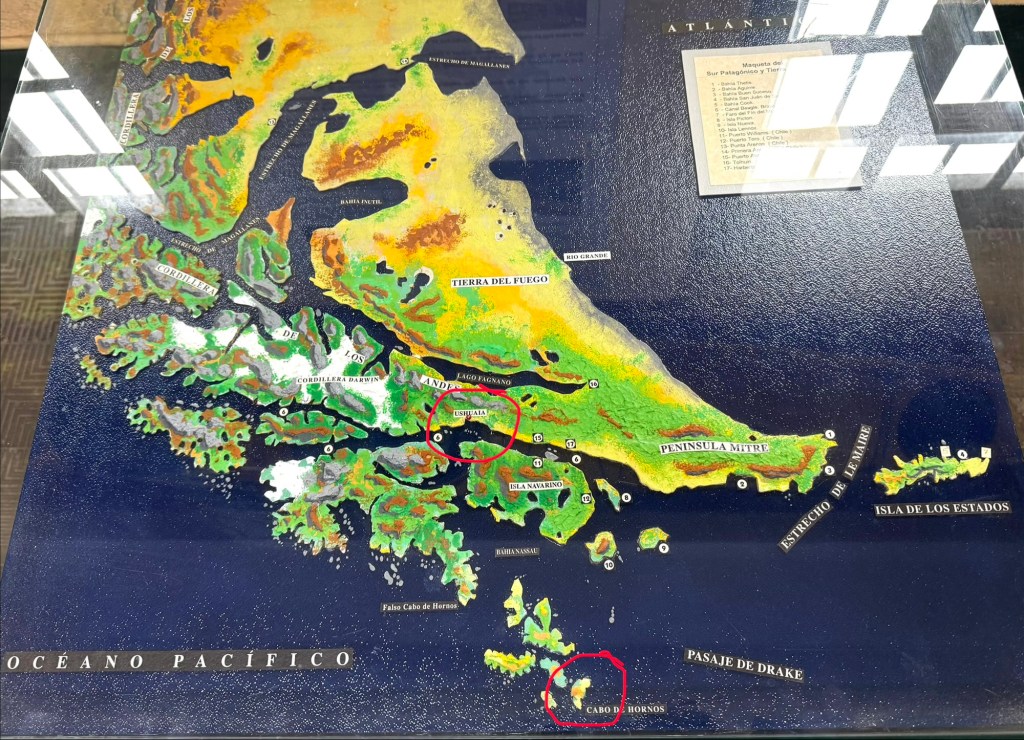
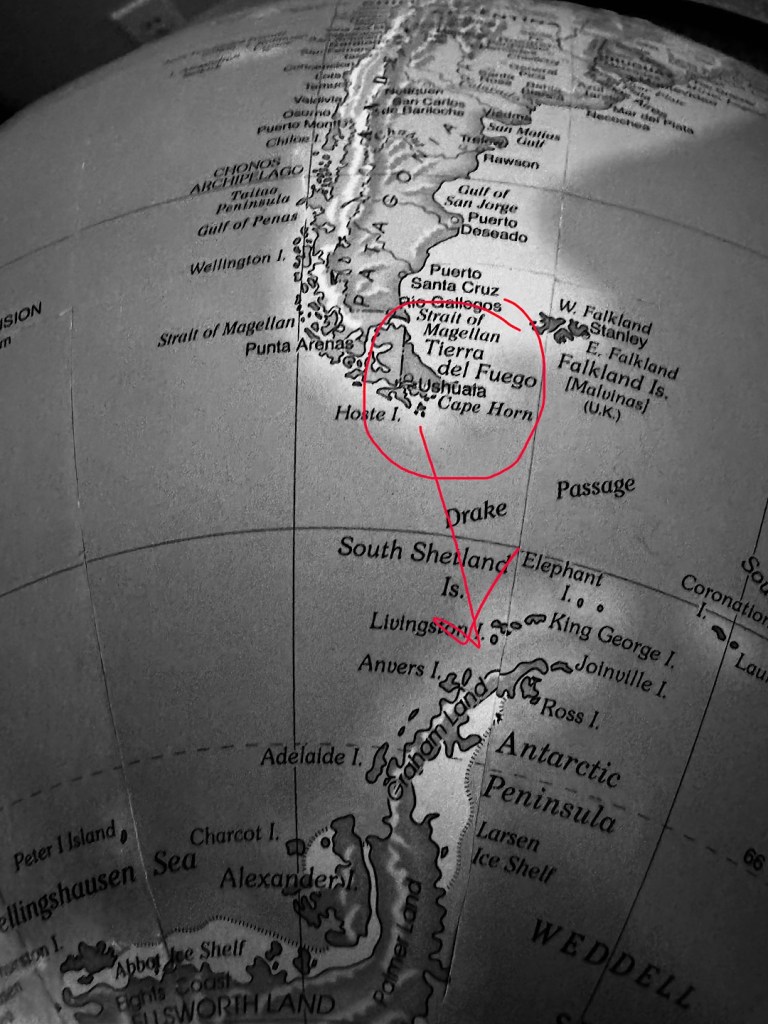
Like Juneau when we were last May, Ushuaia in these last days of the Southern Hemisphere’s summer felt colder than San Diego on its frostiest winter days. It’s not part of a huge land mass, as Alaska is, and as a result, Tierra del Fuego never gets anywhere near as cold as the 50th US state. Tierra del Fuego is an island, shared by Chile and Argentina, and about 100 miles north of Cape Horn, the southernmost point of the Americas.

Ushuaia lies within the upper circle I’ve drawn on the map. Cape Horn is actually an island (the lower circle) a geographic factoid previously unbeknownst to me.

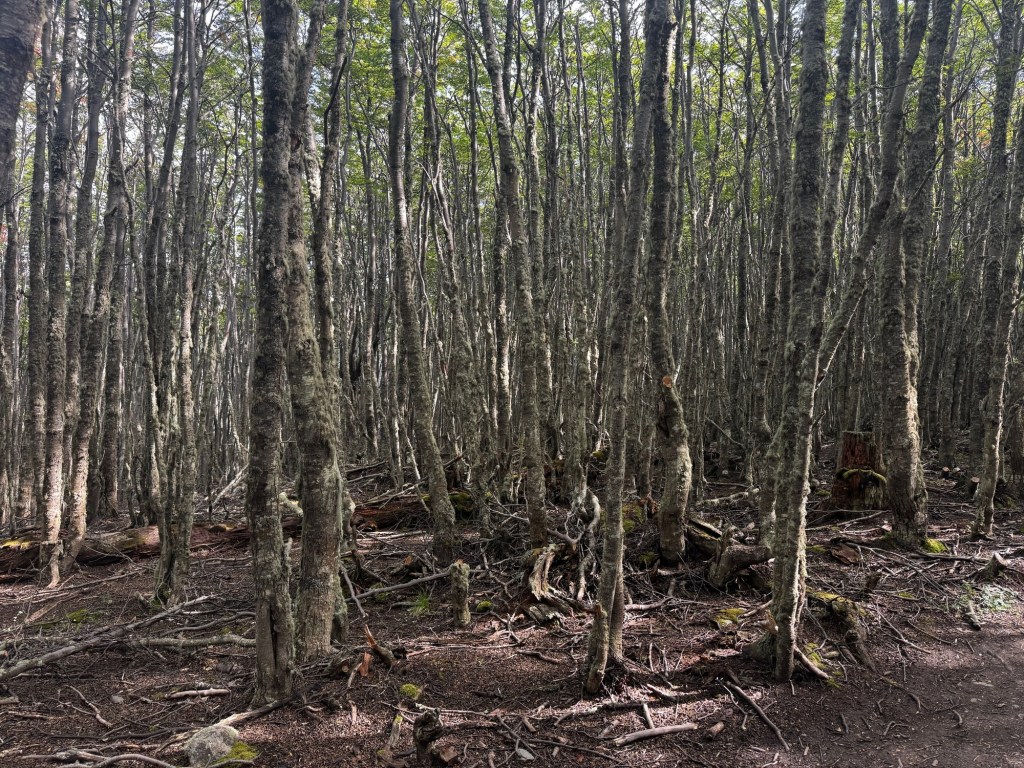
Patagonia’s pretty meadows are girdled by starkly vertical mountains, peaks that spear jaggedly skyward, as do their counterparts in Alaska. Both areas also share a lack of biodiversity. Just three tree species — all beeches — grow in this part of the world.

No snakes live here and almost no amphibians or lizards. The biggest mammal is the guanaco (a relative of the llama), and no key predators exist to eat them. One result of this is that the 20 Canadian beavers brought here for a (hare-brained) scheme to start a fur trade have now proliferated to where they pose a significant threat to local forests.

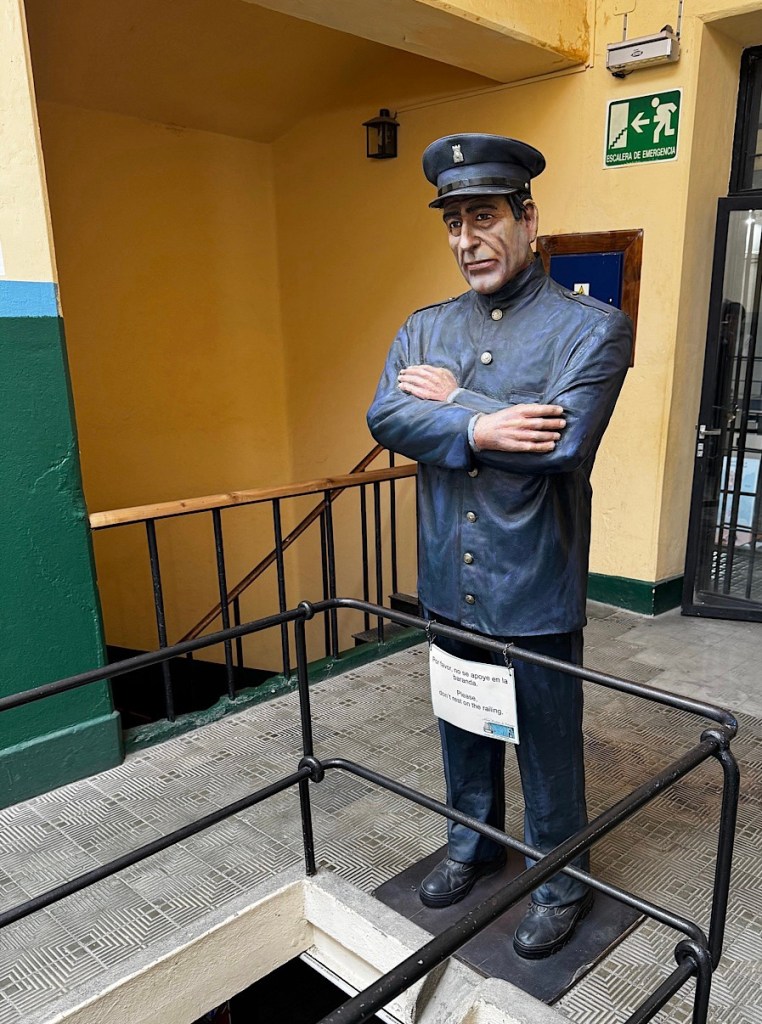
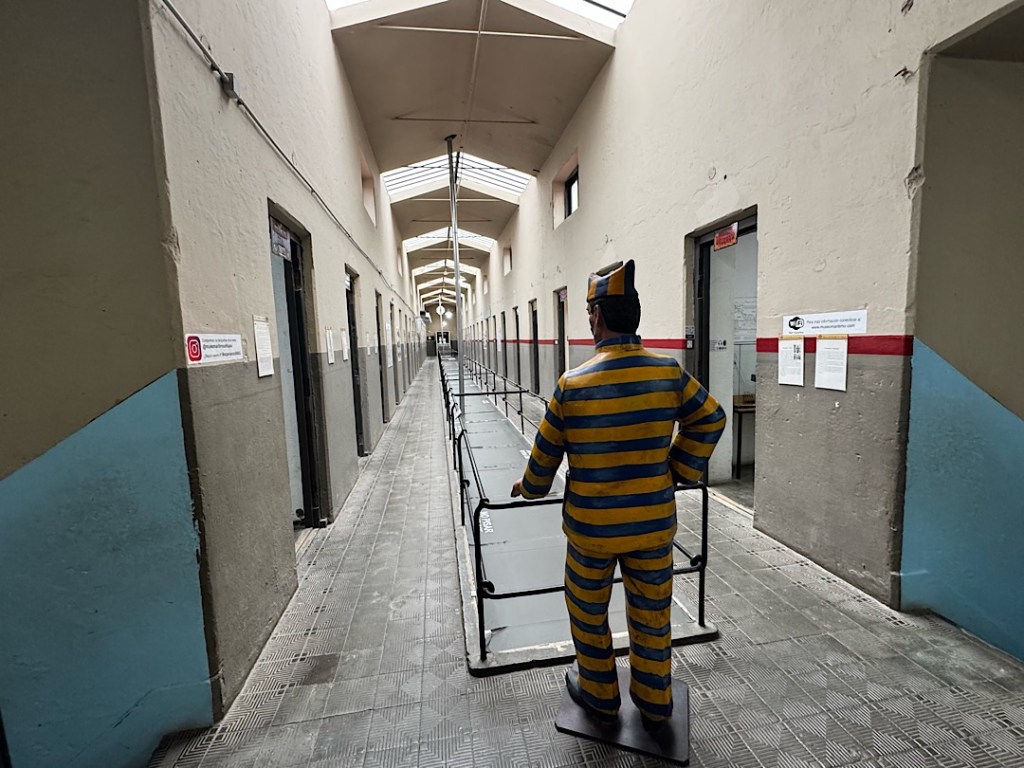
During our stay, we learned that hare-brained schemes, mostly dreamed up by various Argentine rulers, go a long way to explain why any city exists on this distant and uninviting edge of the map. To ward off incursions by the Brits and Chileans, the Argentine government more than 100 years ago established a penal colony in Ushuaia. They reasoned that not only brutal guards but also the isolation and harsh weather would ensure almost no one escaped from the so-called Prison at the End of the World.

The one-time penitentiary has now been turned into a big museum complex. Prisoners lived in the small cells that dotted the long corridors.

In subsequent years, the feds tried other things to lure porteños south: They made Ushuaia a tax-free zone, built public housing, gave subsidies to industries with few other reasons to set up operations in southern Patagonia.

On one level, this all sort of worked. Ushuaia now counts somewhere between 80,000 and 200,000 inhabitants. Most of them are employed by the government, supplementing their income with jobs in the Antarctic and winter-sports tourism that has developed over the last 30 years. But the town is also full of folks giving Uber rides for $3 to $4 a pop. Oscar, who drove us to the spiffy Arakur resort Wednesday afternoon, had just been laid off from an unprofitable air-conditioning factory that was closing. He’d received two months of severance but sounded scared about the prospects for supporting his family.

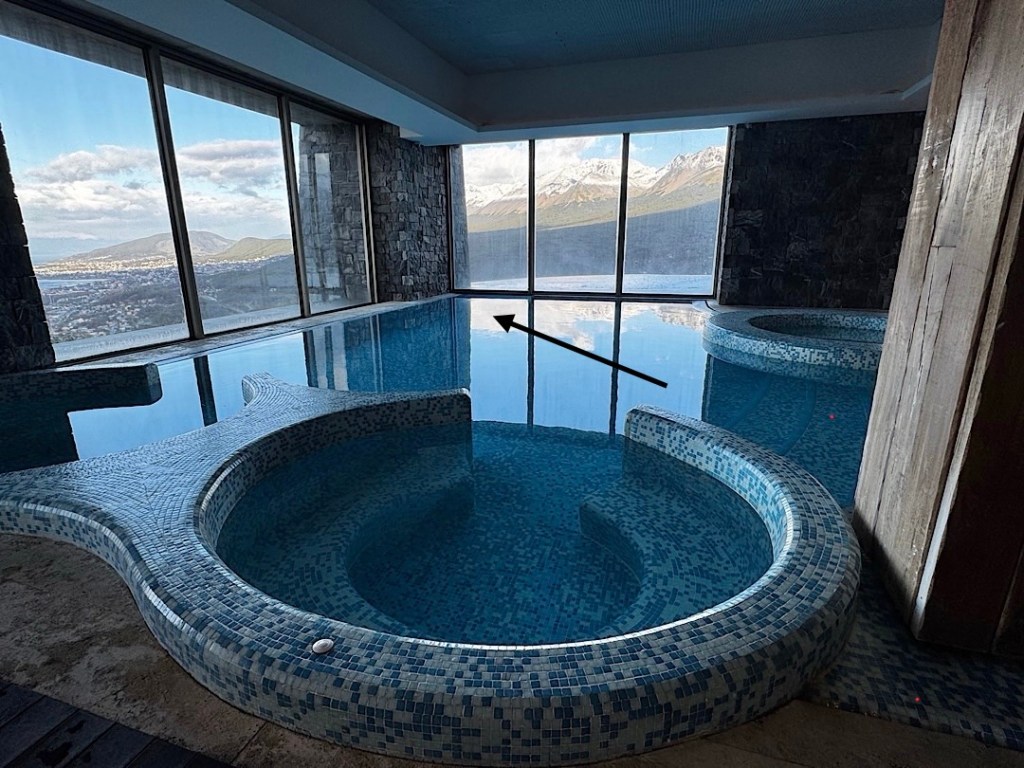
The resort was beautiful and comfy and it had one of the coolest pools I’ve ever swum in. One night here was included in our Antarctic cruise package.

The water in this pool was over 90 degrees, which was great, but the awesome part was that you could swim under that window which I’ve pointed to with the arrow. Outside the water was just as warm, even though the air temperature barely topped freezing.

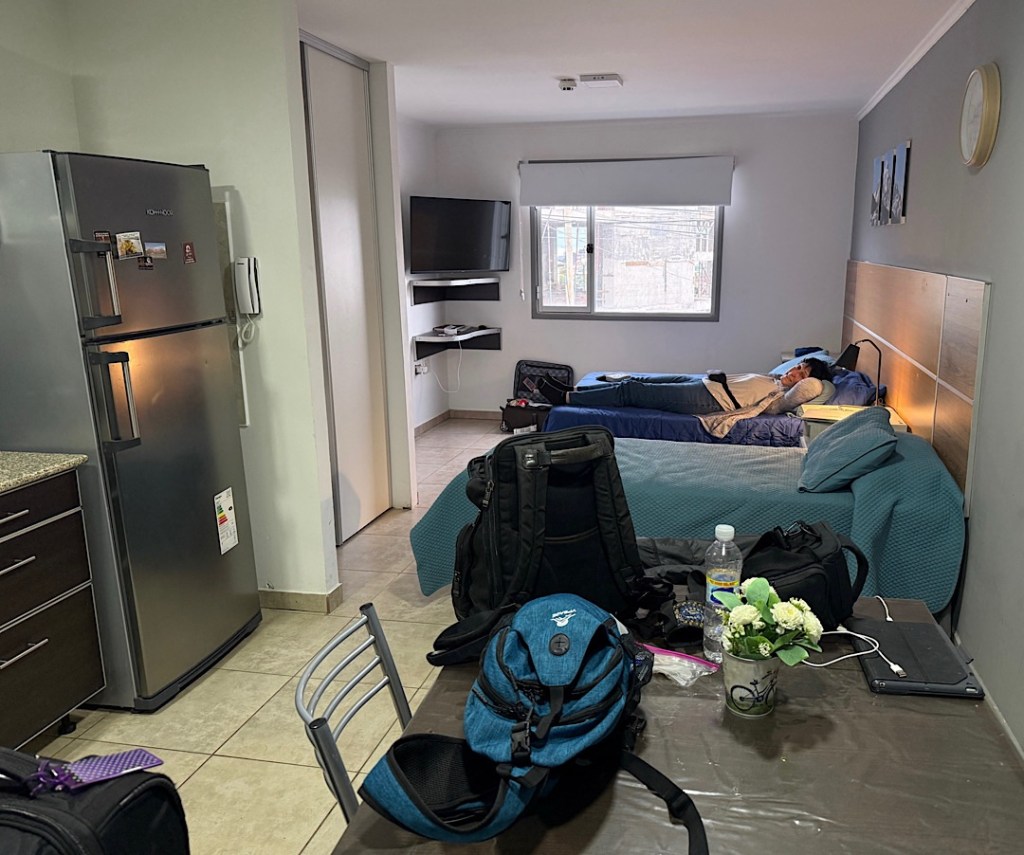
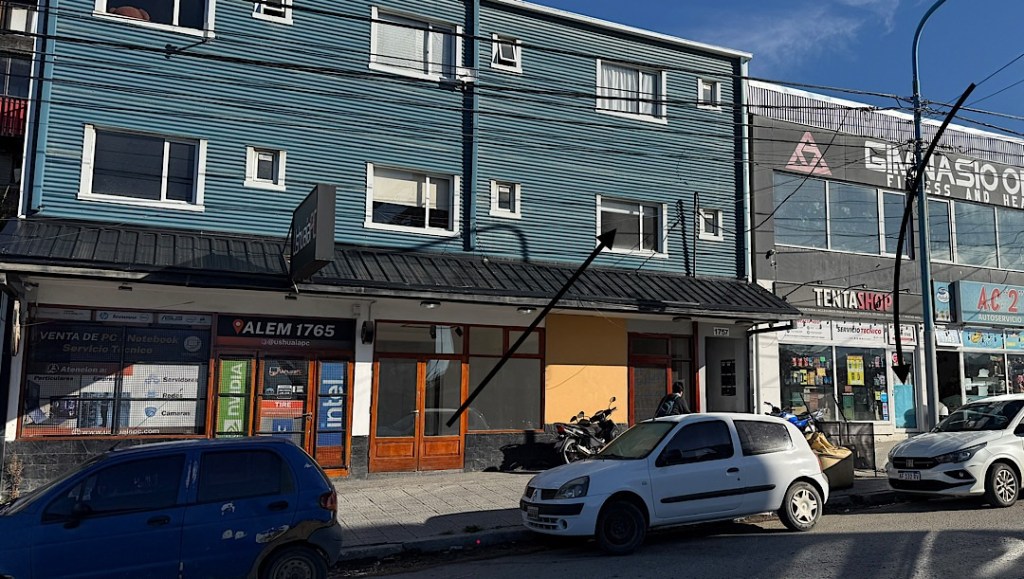
For the other four nights, we stayed in a little flat I acquired using home-exchange points. Unlike Catalina’s apartment in Palermo Soho, Freddy’s place was no dream find. It lacked any elevator, so we had to lug our 50-pound duffle bag and two roller bags up the narrow outdoor stairs (in the rain). The window shade wouldn’t roll up, and the shower curtain fell off the walls when you looked at it cross-wise. The shampoo and conditioner dispensers were empty. The view of the Beagle Channel down the hill was in the process of being blocked by an ugly hulking structure taking shape directly across the street.

Our pied a terre thanks to Freddy and the folks at homeexchange.com.

On the other hand, it was clean and warm and well-lighted, and Steve and I loved the way it gave us a glimpse into life in a middle-class Ushuaian neighborhood. We usually walked the 20 or 30 minutes downhill to the town and took one of the cheap Ubers back. (They always showed up just a minute or two after we summoned them.) We got to know the local dogs.

Immediately next door to Freddy’s, a convenience store served customers around the clock. At first glance, I thought maybe it only carried wine and liquor and a stunning variety of snacks and candy. But eventually we unearthed some boxed milk and coffee and a couple of bananas (the only fruit). For our foray to Tierra del Fuego’s national park on Tuesday, the shop’s friendly proprietor made us ham and cheese sandwiches, which he secured in plastic wrap packaged tidily with napkins.

The arrow on the left points to our window at Freddy’s. The other is the little convenience store.

We found plenty of activities to fill our four days in Ushuaia.

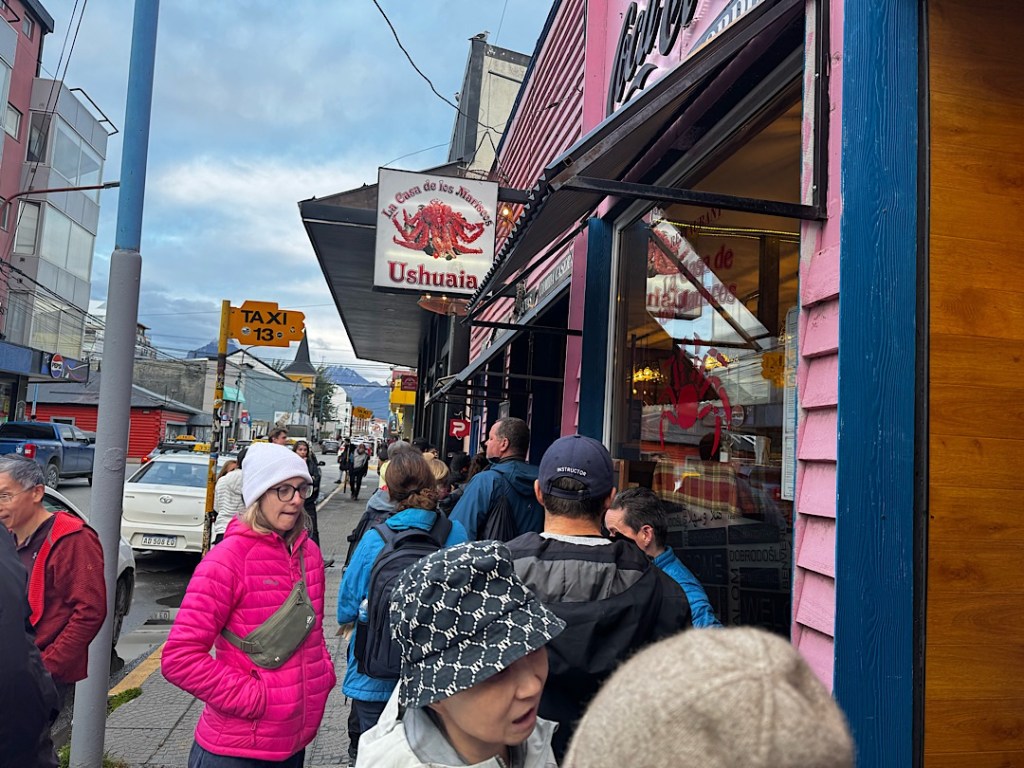
The seafood was terrific.
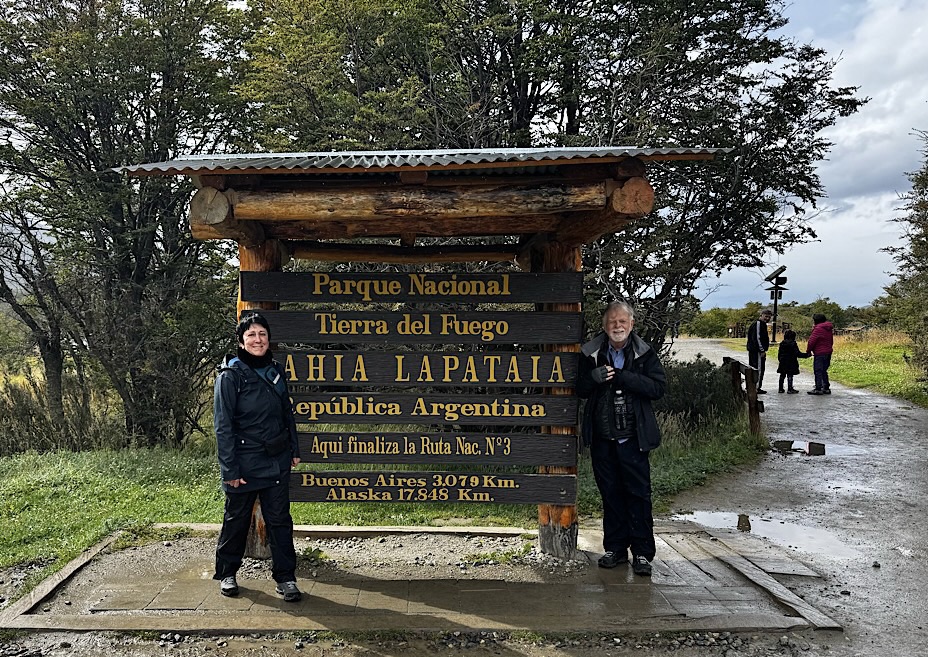
We took one bus tour to Tierra del Fuego National Park, within which the Pan-American Highway ends. You can drive along it from here to Alaska.
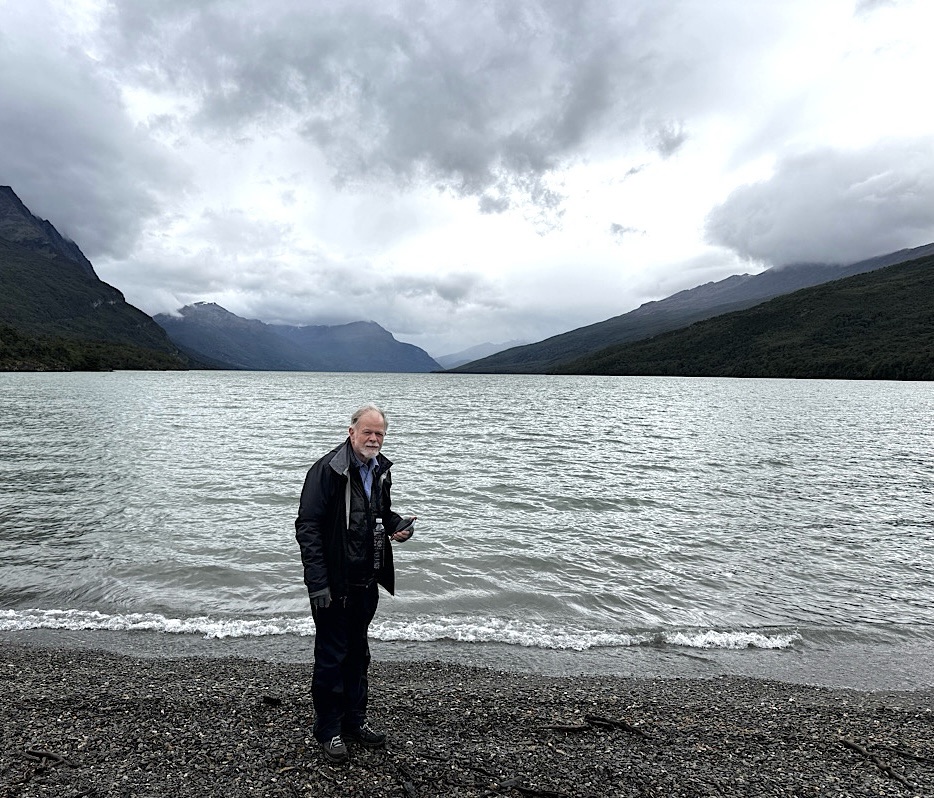
This lake in the park sits on the border. Those hills in the near distance all are part of Chile.
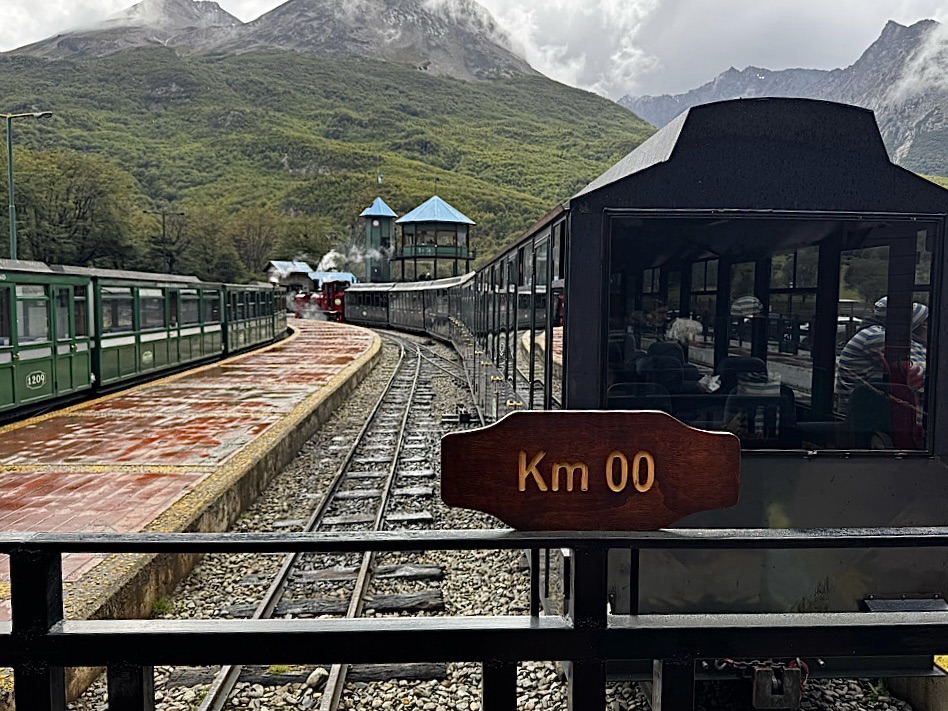
From the park you can ride almost all the way back to Ushuaia on this train, pulled by a steam engine. It was originally built by the prisoners, who rode it daily out to where they worked as lumberjacks.
We took another bus tour that included a stop near the lovely Lake Escondido.
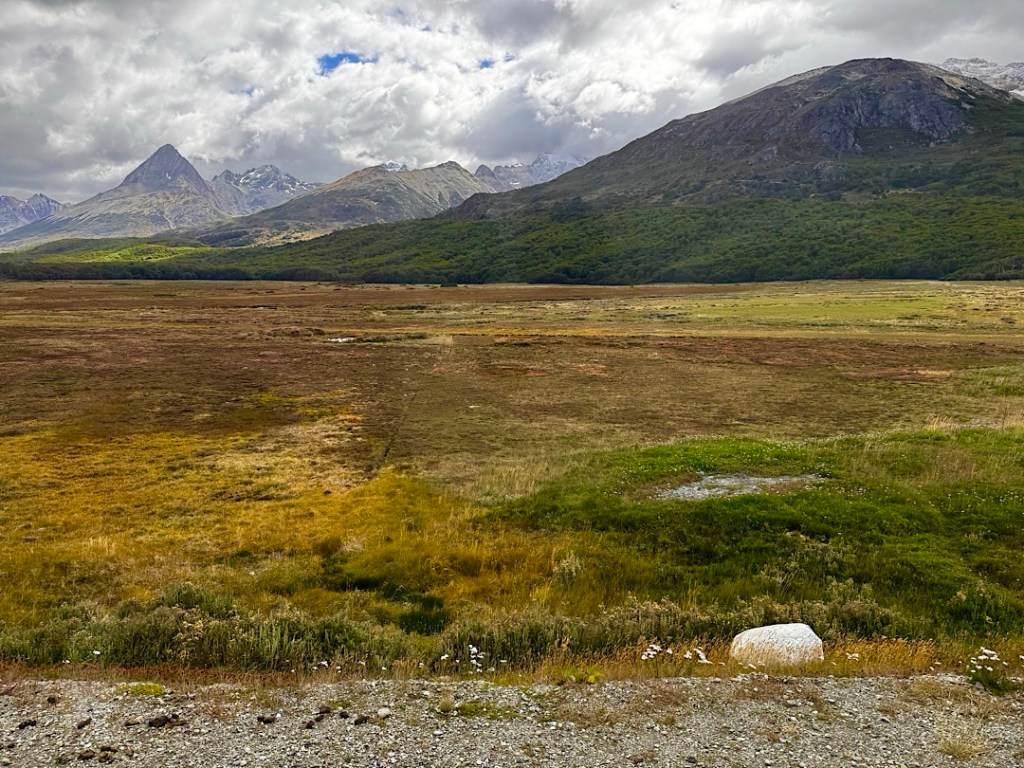
Between the rugged mountains, we saw meadows filled with peat bogs.

If we’d had more time,we could have gone for more hikes through the world-class scenery. Still, all our time in Ushuaia was mere prelude to the mind-boggling larger journey before us. Last night we cast off on a 4600-mile-long sea voyage through the Southern Ocean that, with luck, will take us to the Antarctic Peninsula, South Sandwich Islands, South Georgia Island, and the Falklands. With luck we’ll pull back up to the dock in Ushuaia three weeks from today.

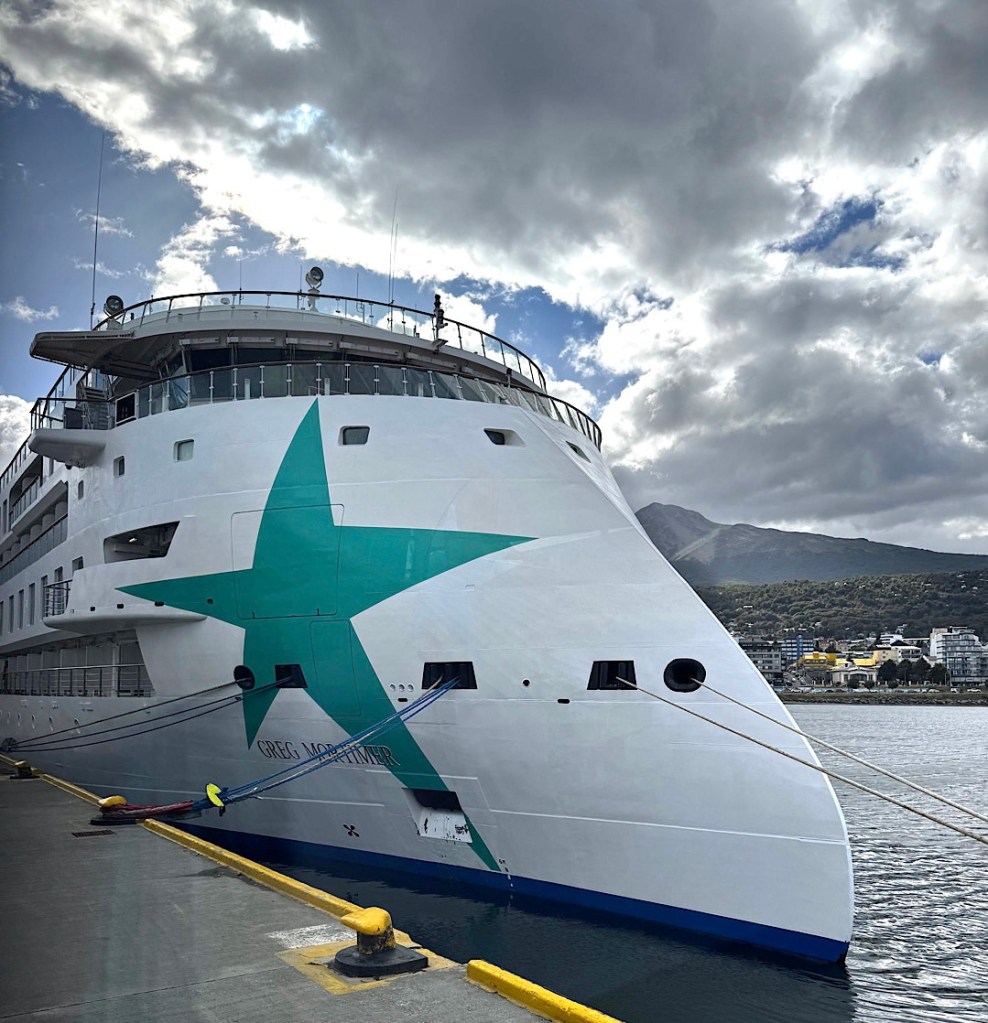
Our ship, the Greg Mortimer.
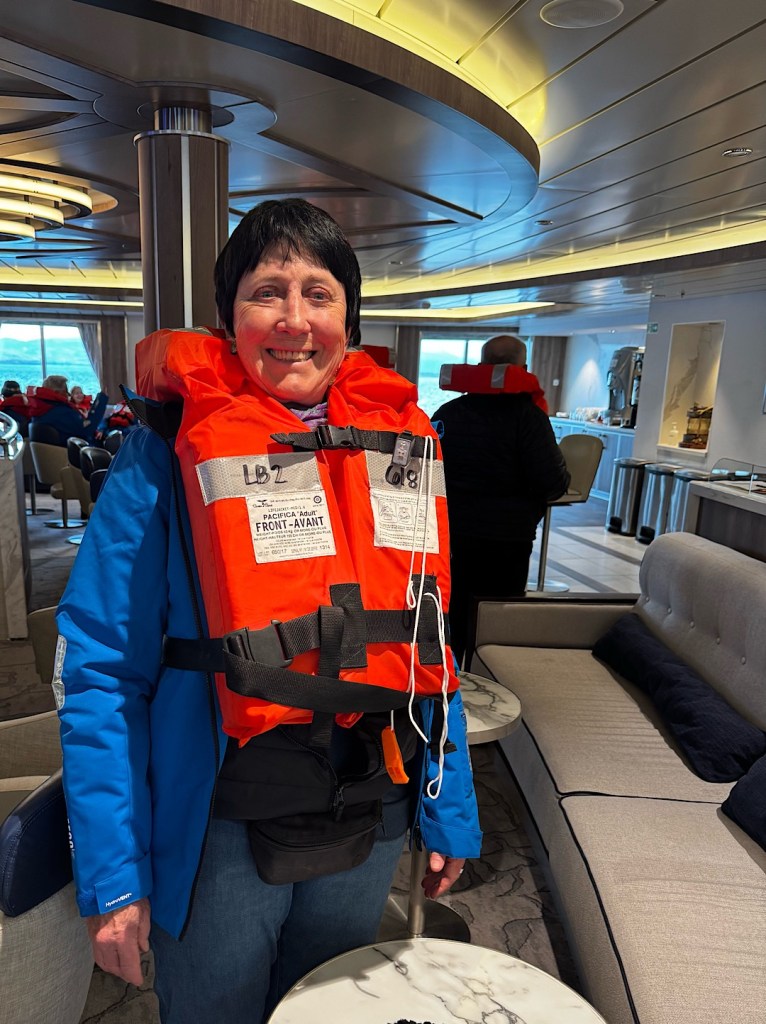
Within minutes of casting off, we practiced putting on our life jackets.

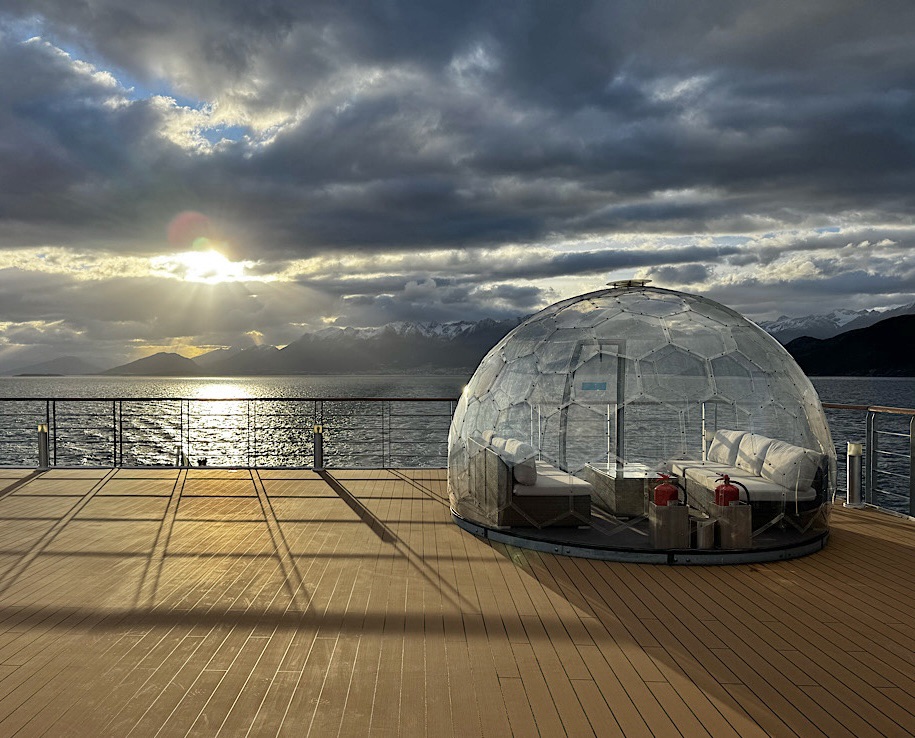
Ushuaia in the wake of our departing ship. (That’s a cozy place to hang out.)

PS: I wrote, edited, and published this post from the Southern Ocean, thanks to Elon Musk’s Starlink system.

Antarctica Ho!

It’s still summer in Antarctica, but the days until the equinox are dwindling. I’m guessing the polar summer doesn’t look much like the end of winter in San Diego, where the skies were clear and sunny, and the temperature was heading for 70 degrees this morning. But soon I won’t have to guess. In less than two weeks, I’ll be on a ship, sailing south from the tip of South America, embarked on an experience that promises to rank among the strangest of my life.

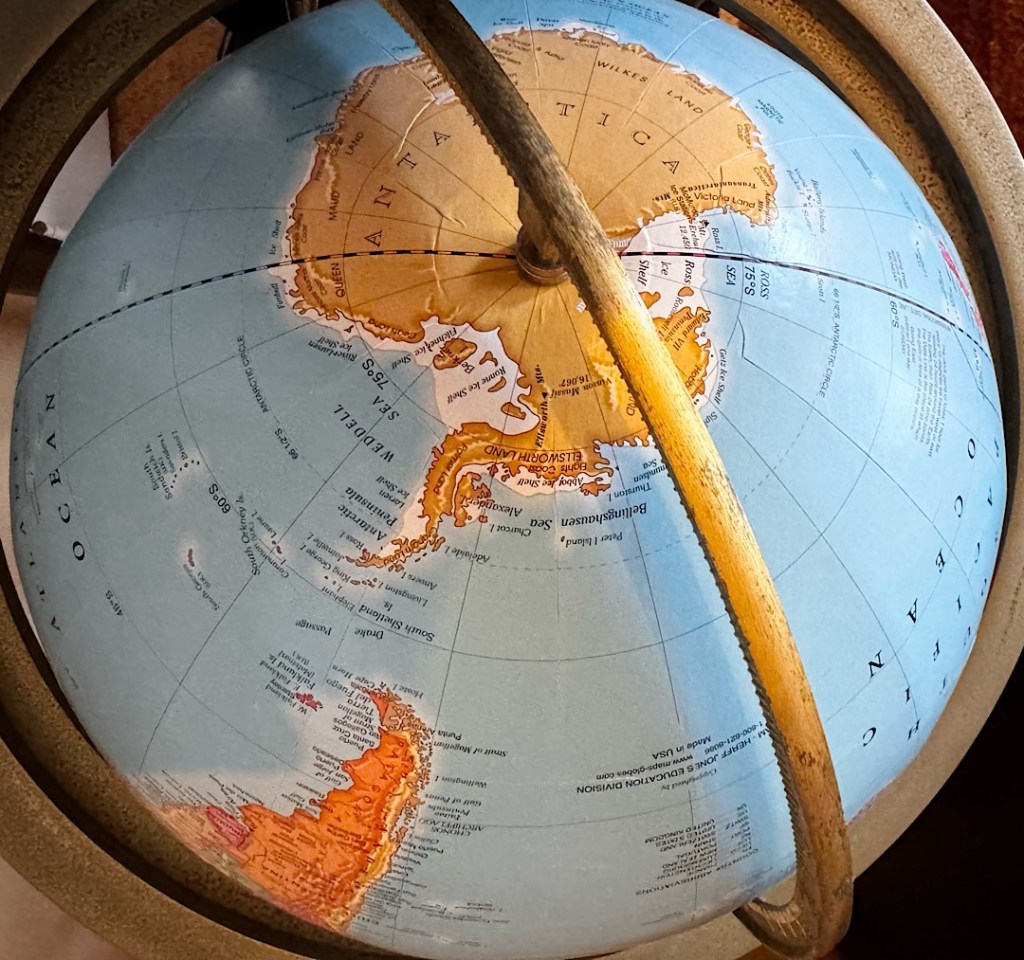
We will only be visiting the Antarctic Peninsula, that curvy tail that extends off the continent. Then we will sail in a big loop that will take us to islands I never before knew existed.

Of course, it doesn’t take 12 days to travel from California to the Antarctic Peninsula, but it’s such a long journey Steve and I wanted to break it up. So after landing in Houston, we’ll catch a non-stop flight to Buenos Aires (capital of Argentina) and spend three nights there. On Saturday we’ll fly several hours south to Ushuaia, which calls itself the End of the World. We’ll have five nights there before boarding a small Australian cruise ship, the Greg Mortimer. That will be our home for the succeeding 22 nights.

It still shocks me to write those words. Part of my identity (and Steve’s) is that we’re Not Cruisers. We know countless folks who are, and that’s great for them. But Steve and I have always loved traveling under our own steam, on land, preferably in places rich in human history and culture.

Steve thus never had the slightest interest in visiting Antarctica (the only place on the planet humans where have never created permanent settlements.) He hates being cold. But I have long been curious about this loneliest continent, harsh beyond imagination but also, by all accounts, strikingly beautiful. Because Steve is a good sport and open-minded, we’re going there.

I’ve heard that our ship is equipped with Starlink. So if I experience things that seem interesting, I can write about them and, with luck, post to this blog. That assumes I won’t be too busy being seasick. Or socializing with all those other passengers and penguins.