
Flying to Japan, I looked at all my photos of the Goroka Festival with mixed feelings. They resemble other images of PNG’s fantastic ceremonial costumes I’d seen online and elsewhere before this trip.
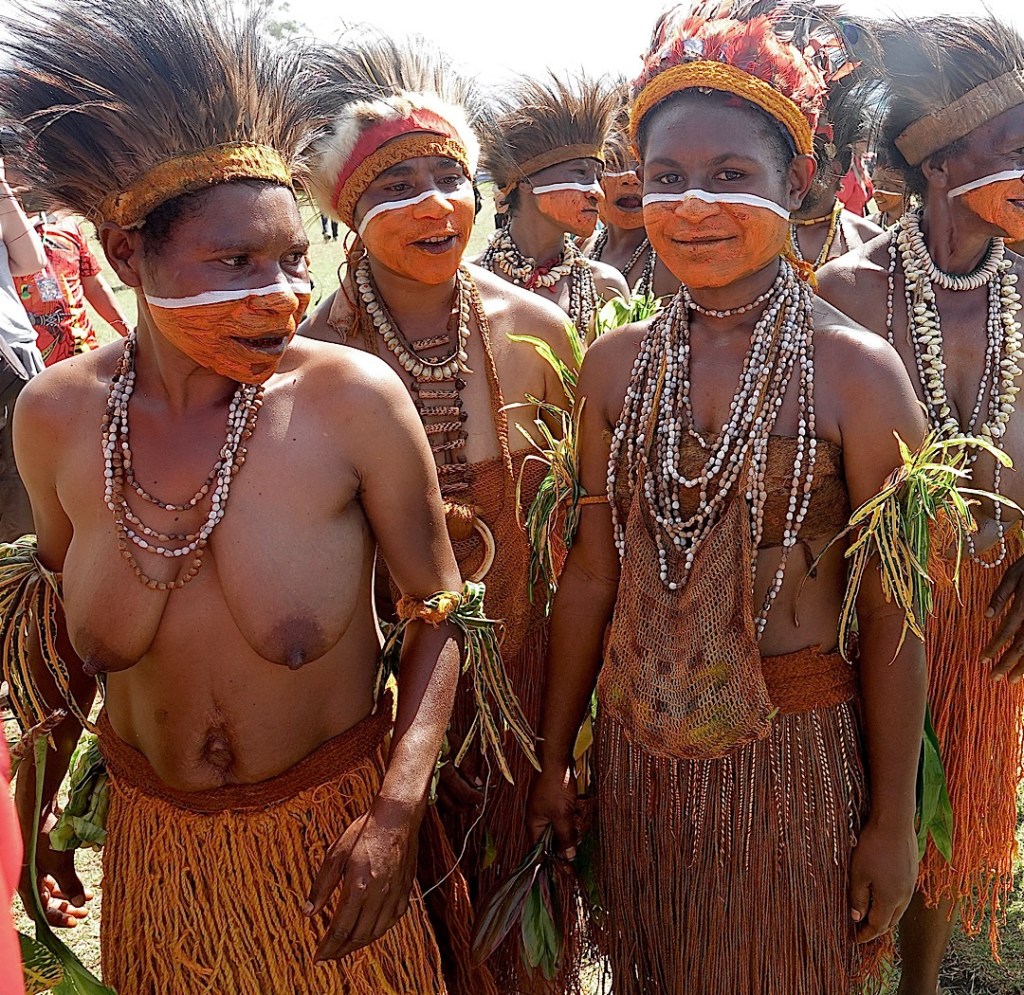
But they only partly convey the impact of what my eyes took in that weekend. Reviewing my pictures, I can still feel the adrenaline that flooded me when the first groups marched onto the festival grounds Saturday morning. It was beyond exhilarating. If you weren’t there, you can’t feel that.
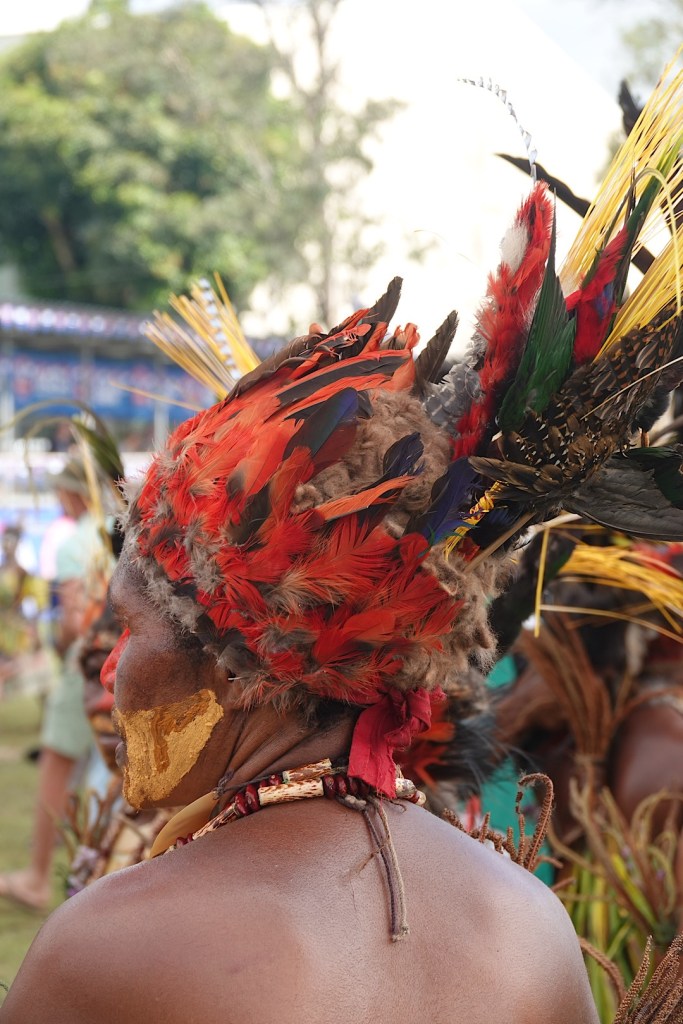
Throughout the weekend, I photographed jaw-dropping headdresses.
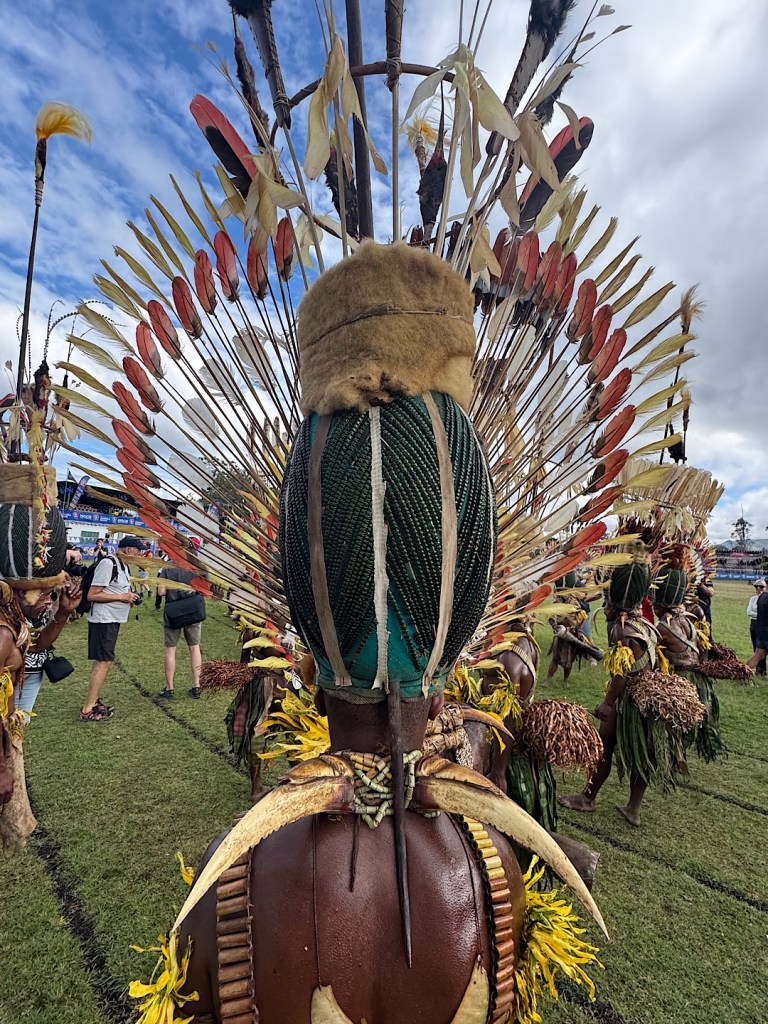
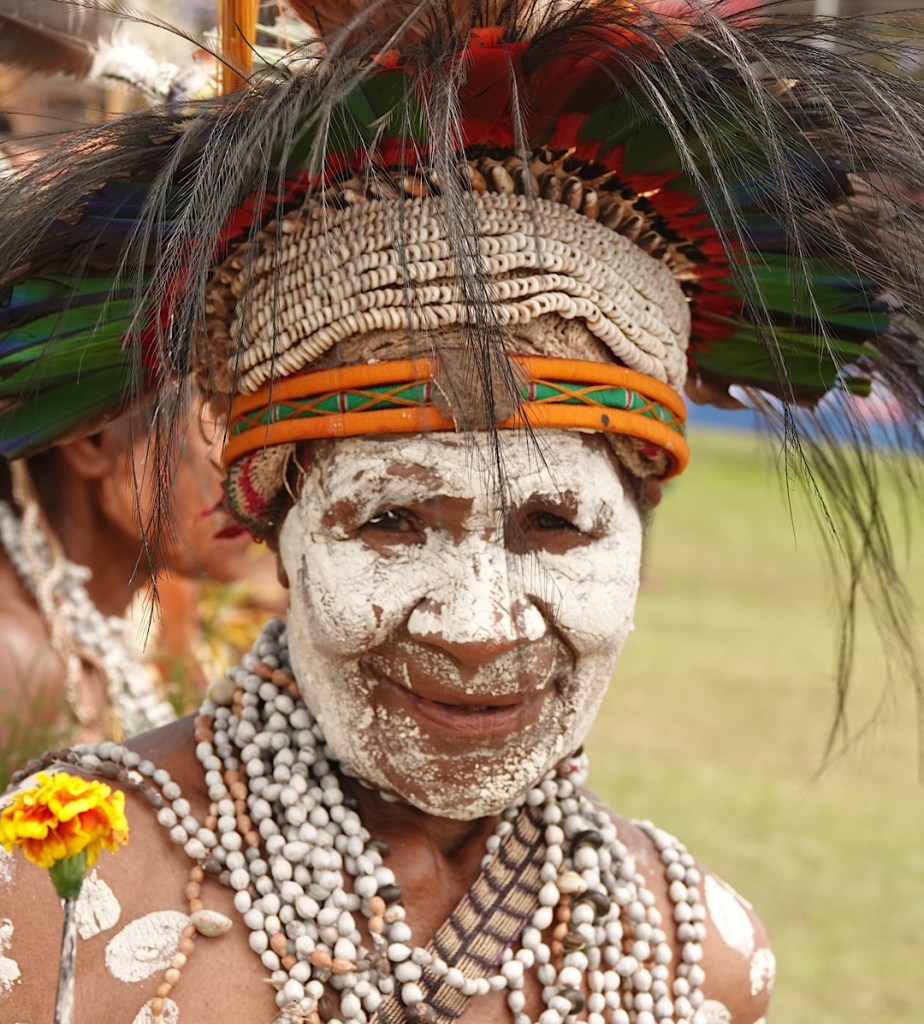
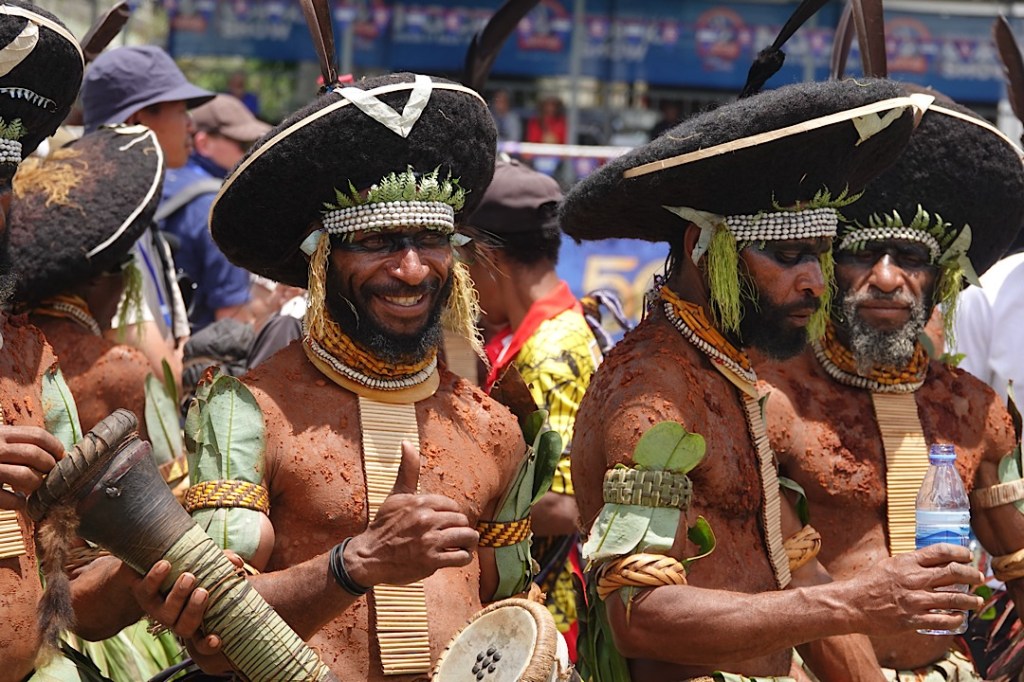
I captured lots of flesh, some naked, some painted.
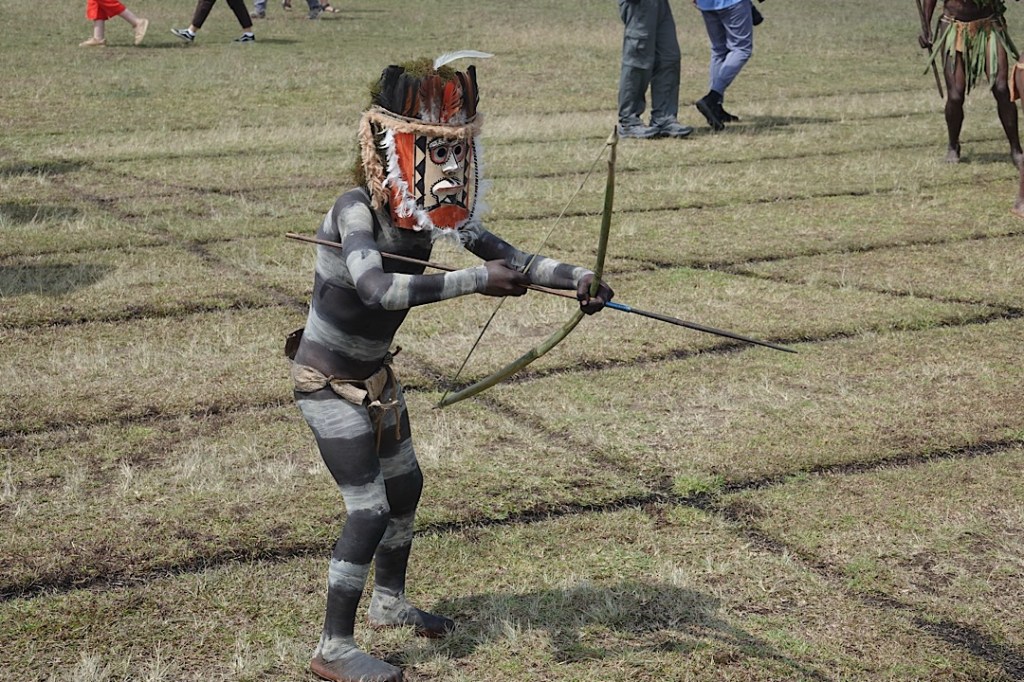
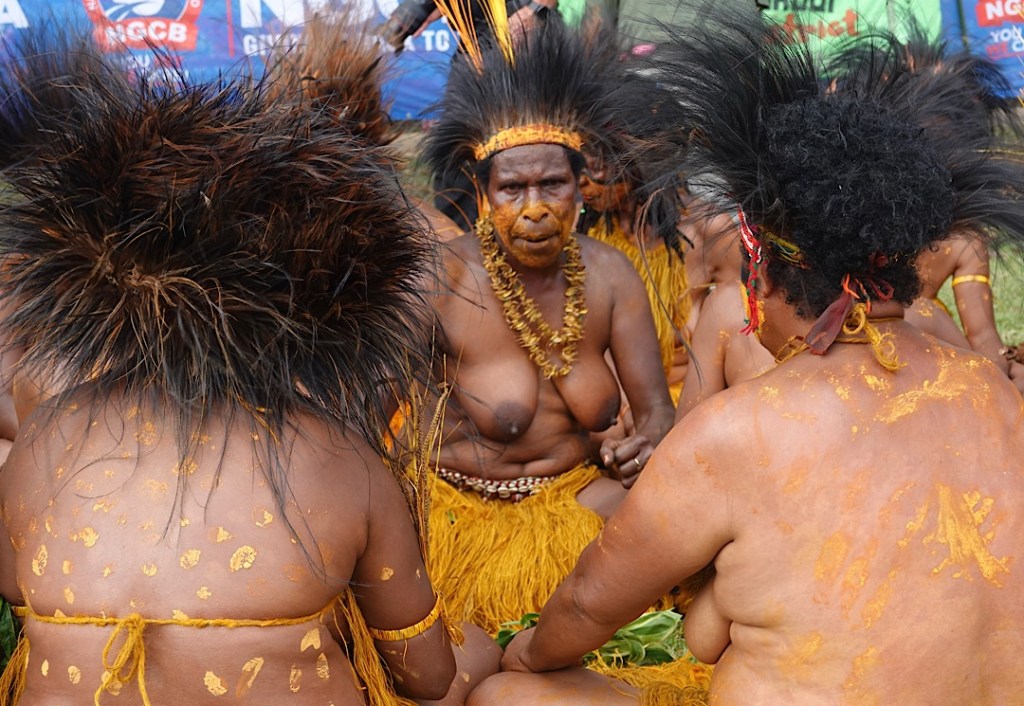
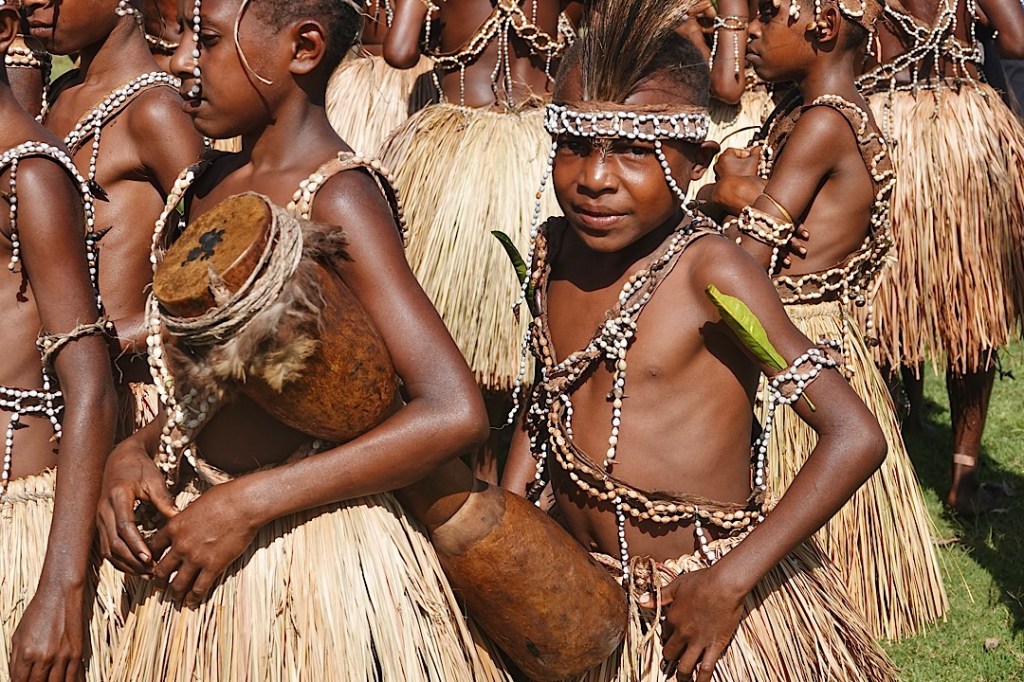
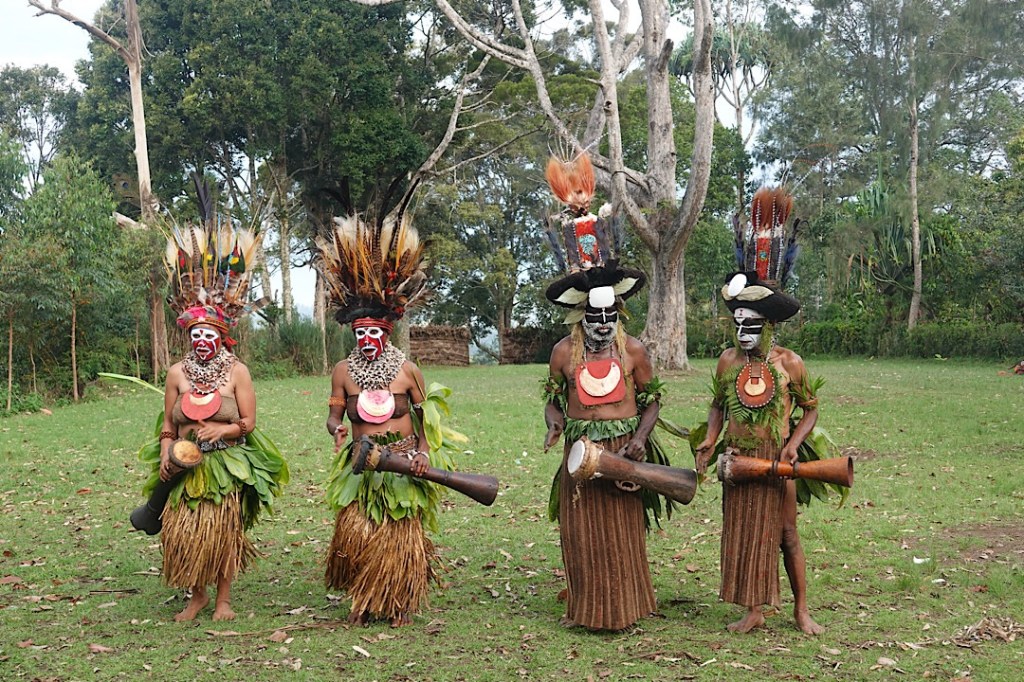
I marveled at group after group clad in costumes so wildly stylish they would make a Parisian couturier jealous.
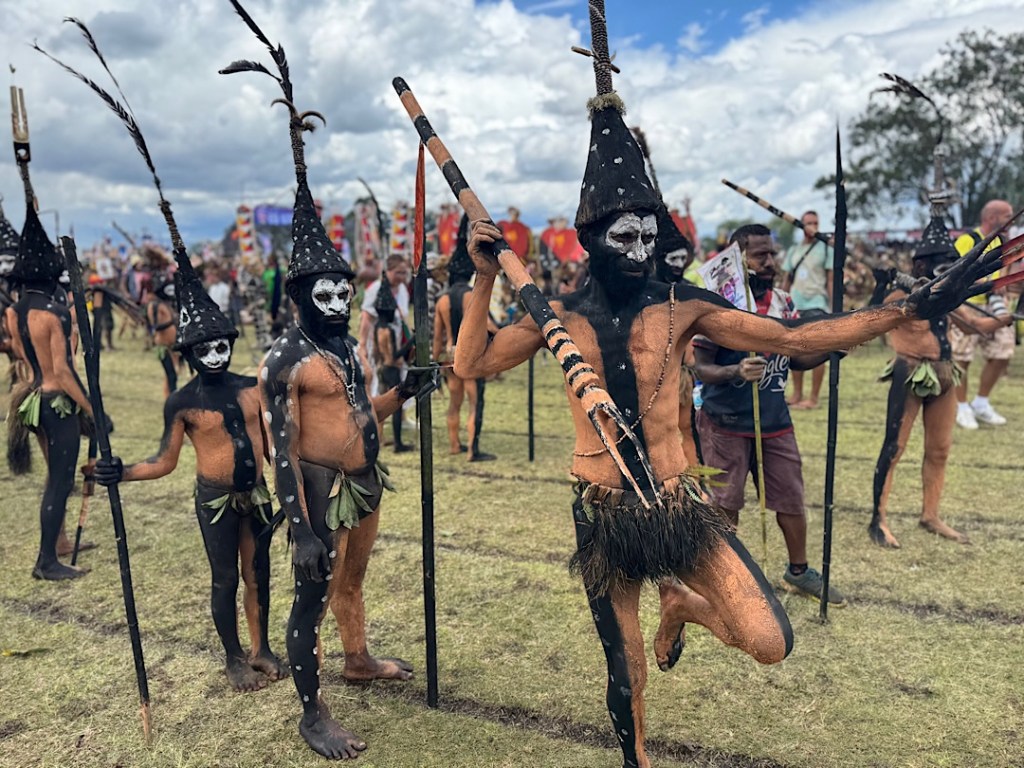

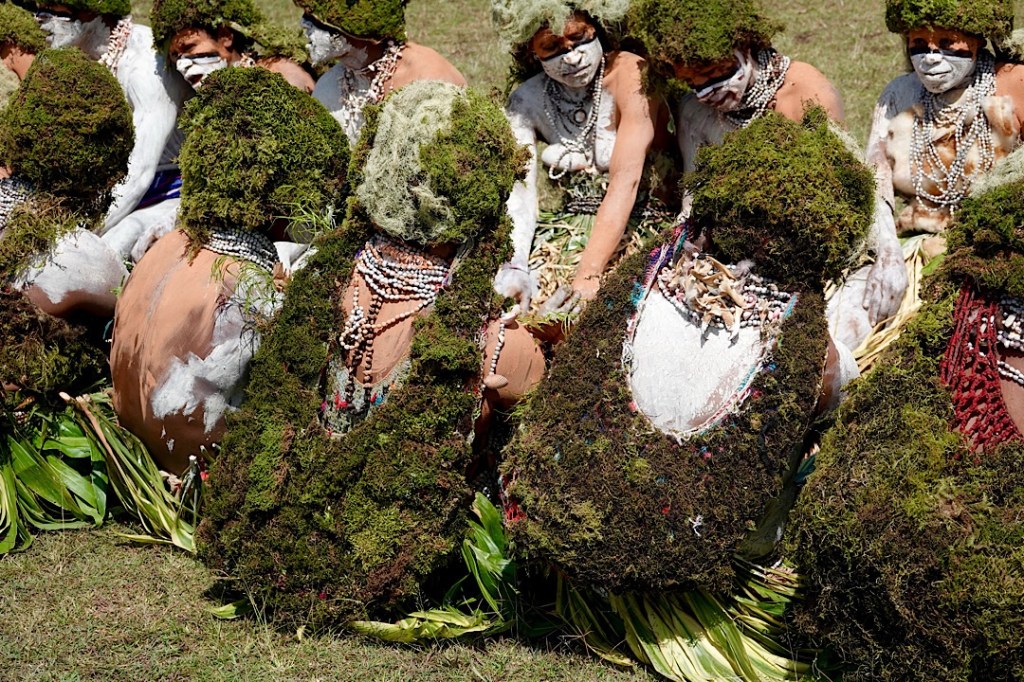
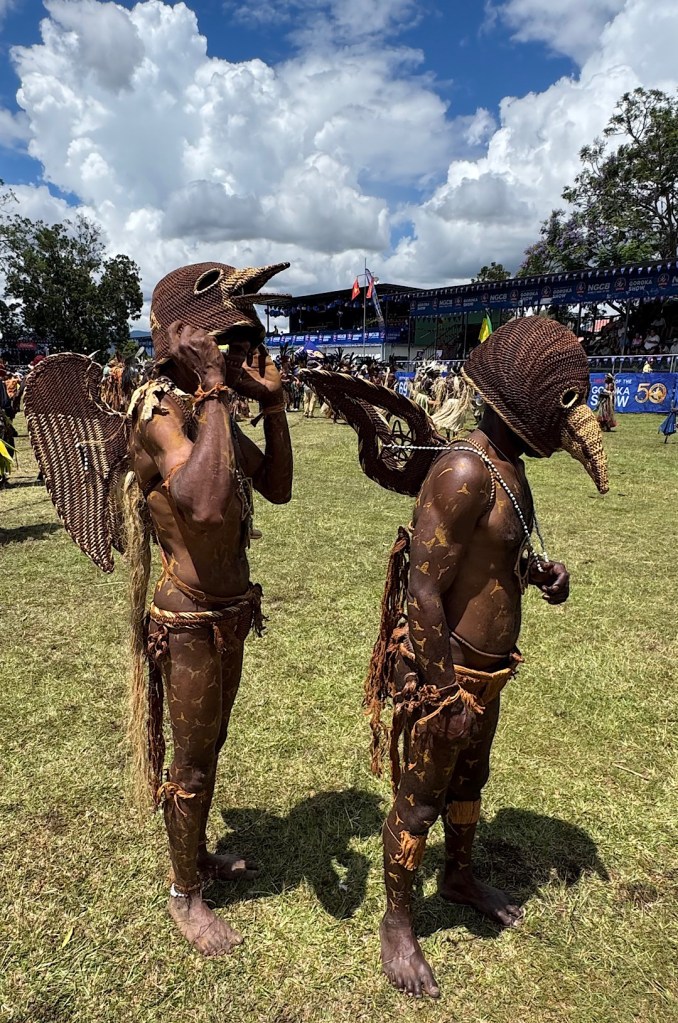
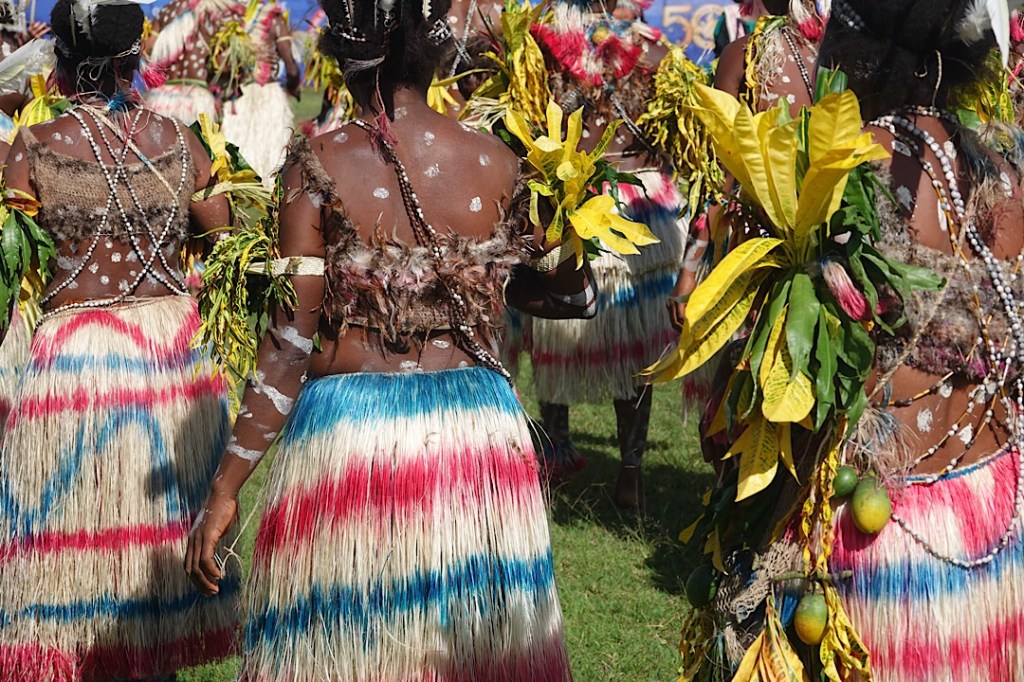
But I didn’t even try to shoot the faces of the attendees, pale faces and Papuan ones, alight with pleasure and wonder. You can’t see them but I can’t forget them.
The sights and sounds are part of what charms everyone. But I also loved aspects of this experience that are intangible. Foremost is why the festival exists. The first one was held in 1956. Back then the myriad tribes inhabiting the eastern half of the island of New Guinea seethed with mutual antipathies. Harsh topography had isolated one group from another for tens of thousands of years. They spoke almost 1000 different unique languages. Groups close enough to know of each other’s existence distrusted and often tried to kill (and sometimes even eat) each other.
The Australians still occupied the place, and the story we heard was that some of them decided to organize an event that would bring tribes together, not to compete but to show off their traditional costumes and dances and songs. These performances, known by the pigeon term “sing-sings,” were and continue to be held in villages for all kinds of special occasions — weddings, harvest celebrations, and more.
Miraculously, the concept worked. Sing-sing groups came that first year, and the number participating has grown steadily over the years; some 150 or so of them took part this year. Private sponsors like the national gaming board put up money to defray the travel costs of the performers. Four hundred or so foreign visitors also pay substantial fees for VIP passes. Thousands of locals pay a far more modest admission price.
The groups don’t compete; that might fan the old rivalries. Instead it’s a pure cultural exchange; a chance for one-time deadly rivals to party together. It’s a grand celebration and a demonstration of the fabulous creativity and inventiveness and natural splendor of this very special place.
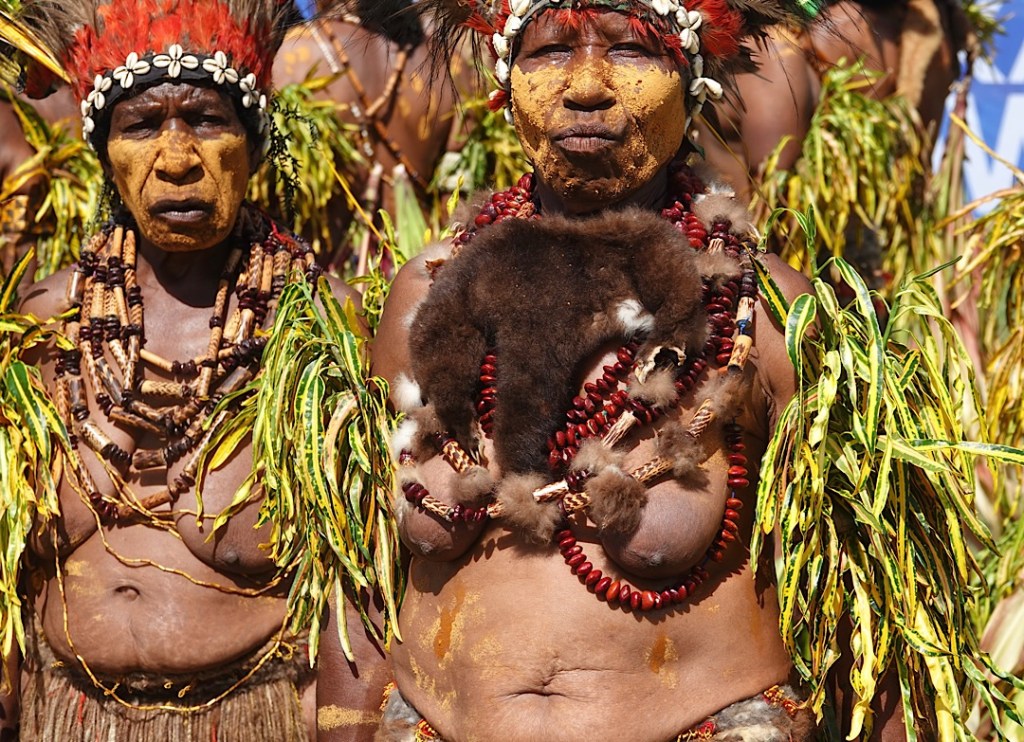
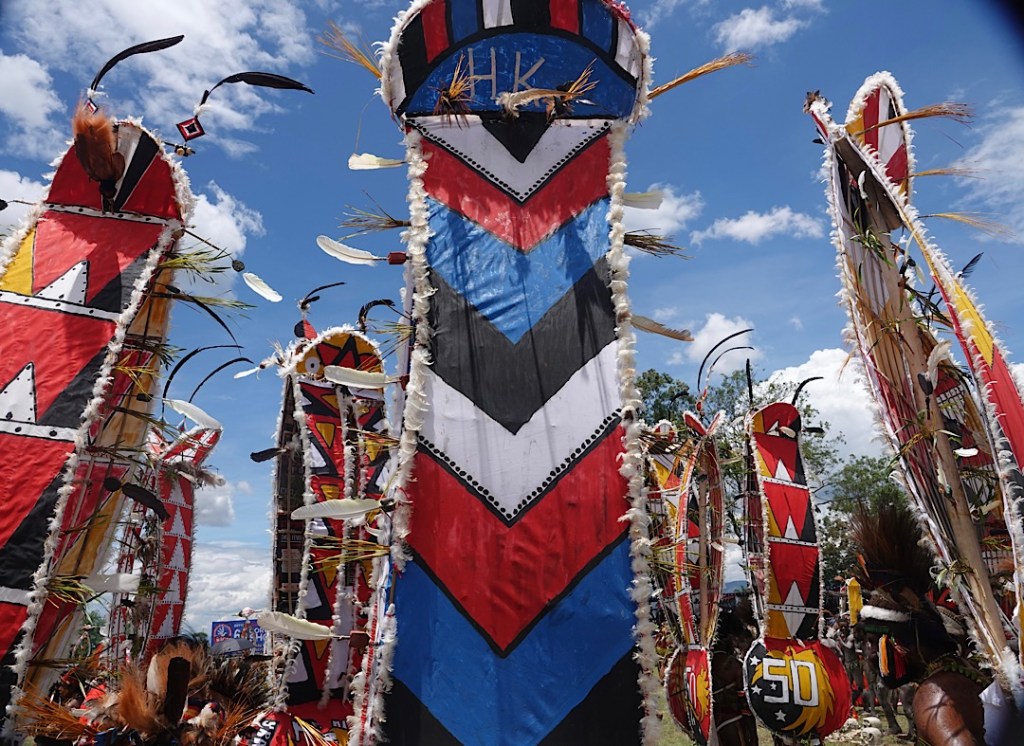
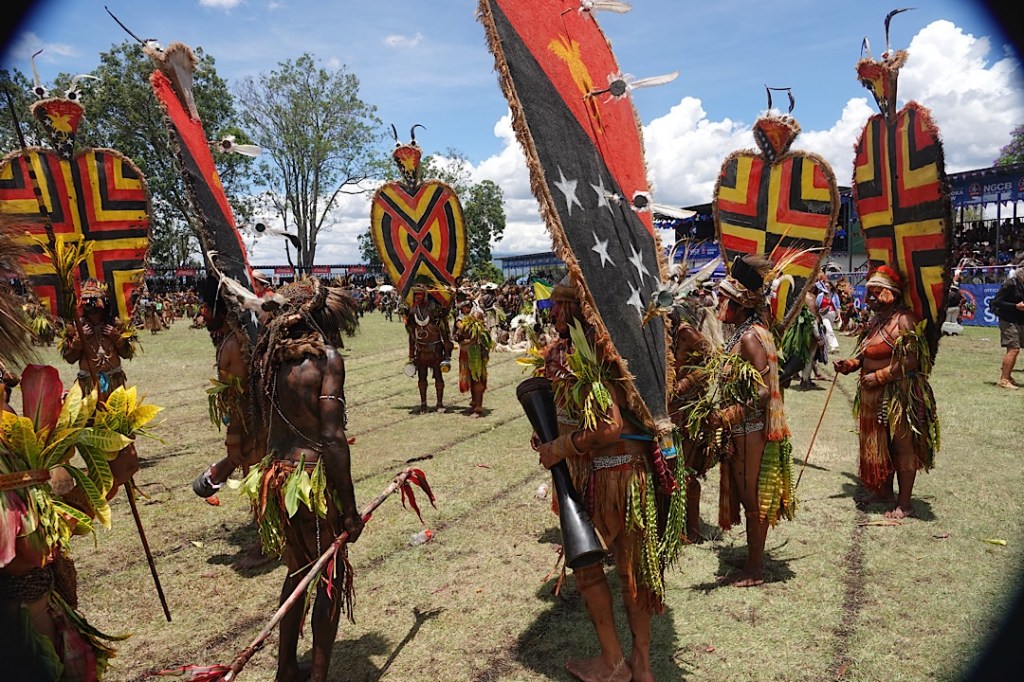
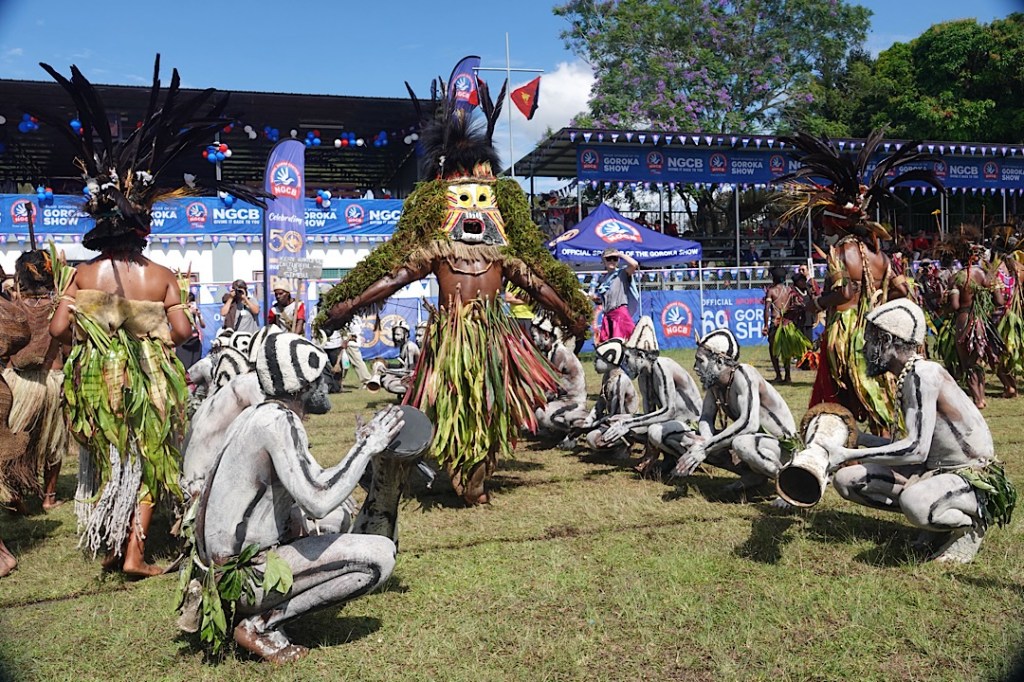
I also was gratified by how well run and pleasant this jam-packed spectacle was. Mainly that’s because we VIP pass holders got to enter the festival grounds at 8:30 a.m. as the very first sing-sing groups began to march in. The grounds consist of three huge grassy fields owned by the national sports institute.
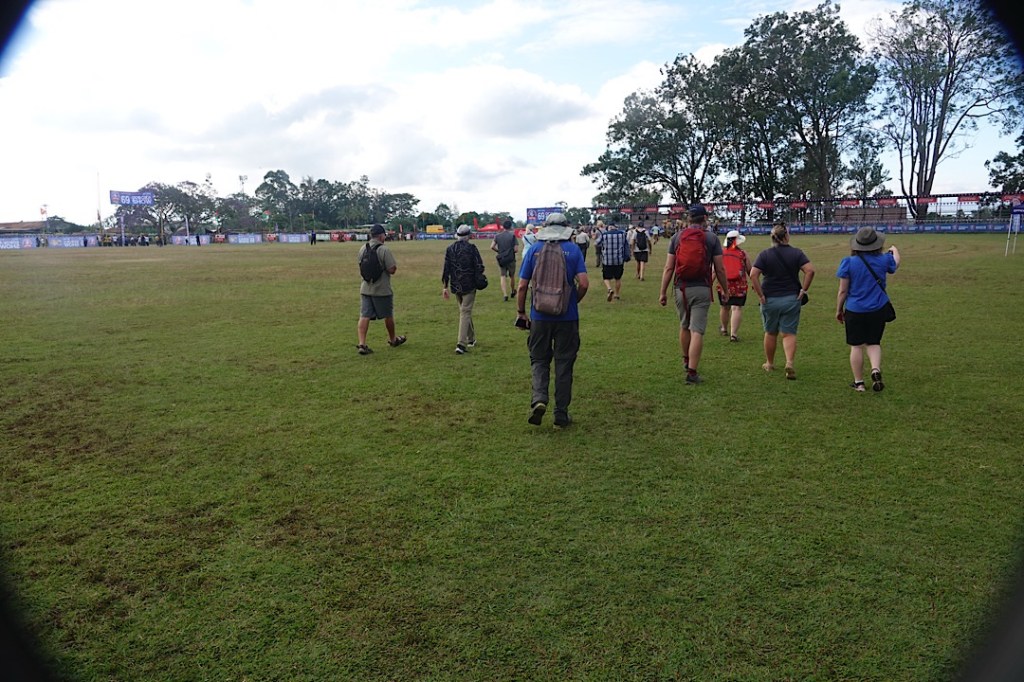
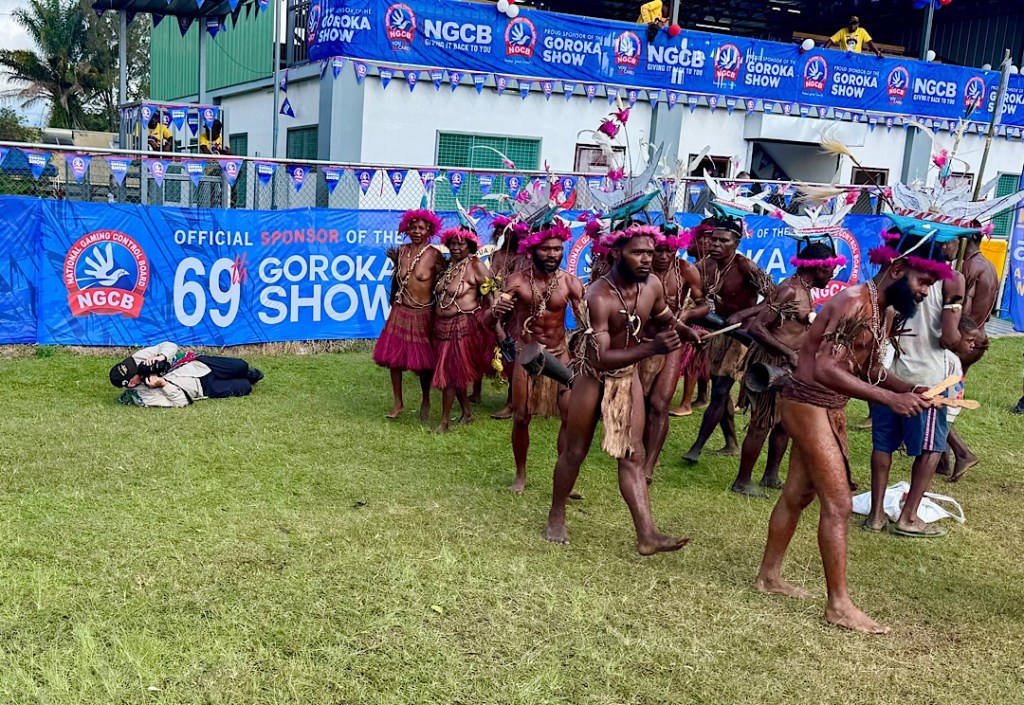
For several hours we VIPs enjoyed what felt like private (simultaneous) performances by not just singers and dancers but also several musical groups.
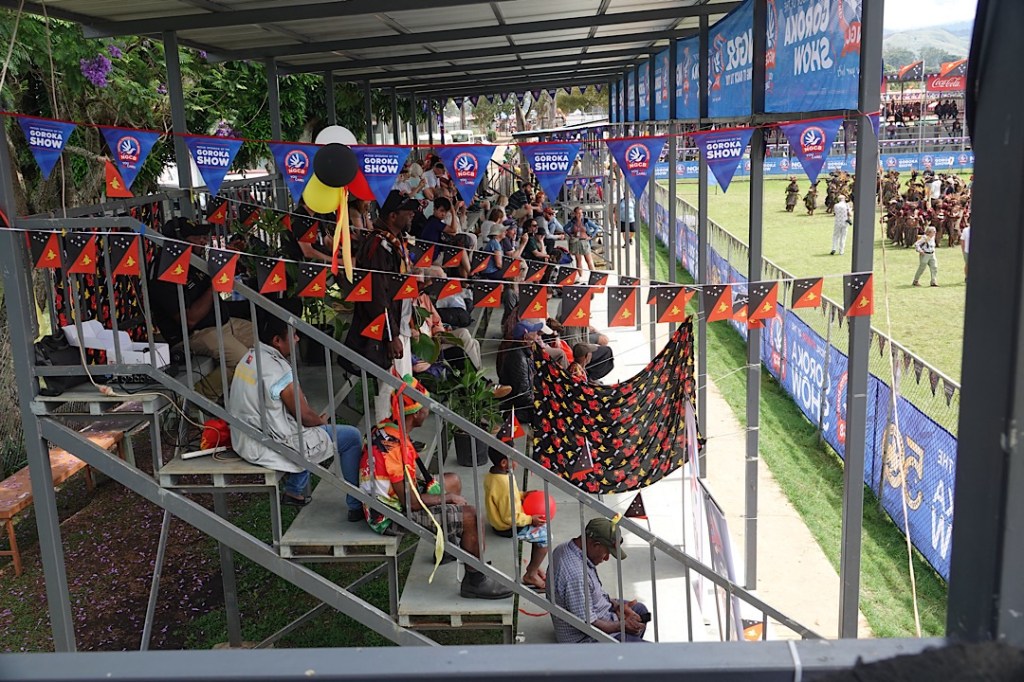
The general public began to stream in around 12:30, and after that the throng was thick. But any time you got too tired or hot, you could rest on bleachers sheltered from the sun. Or rain.
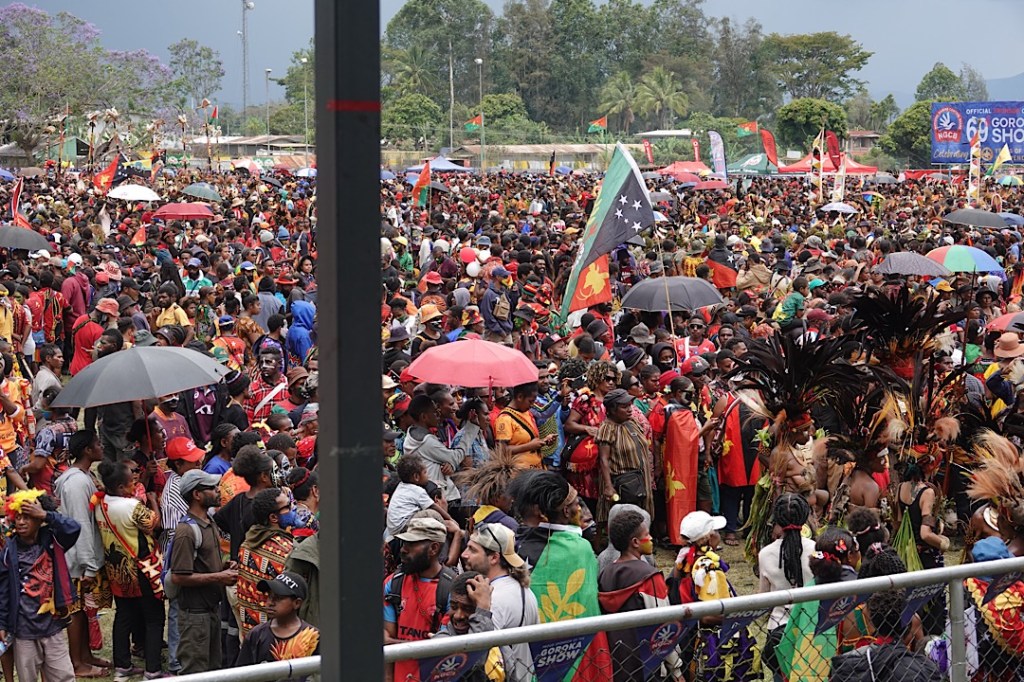
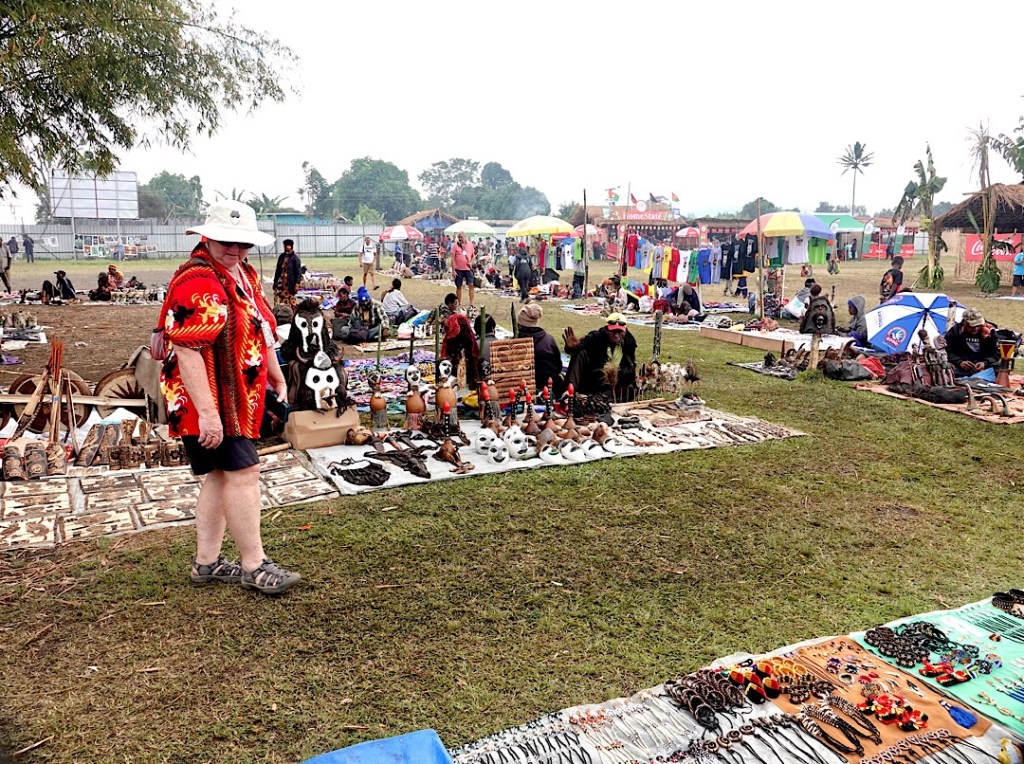
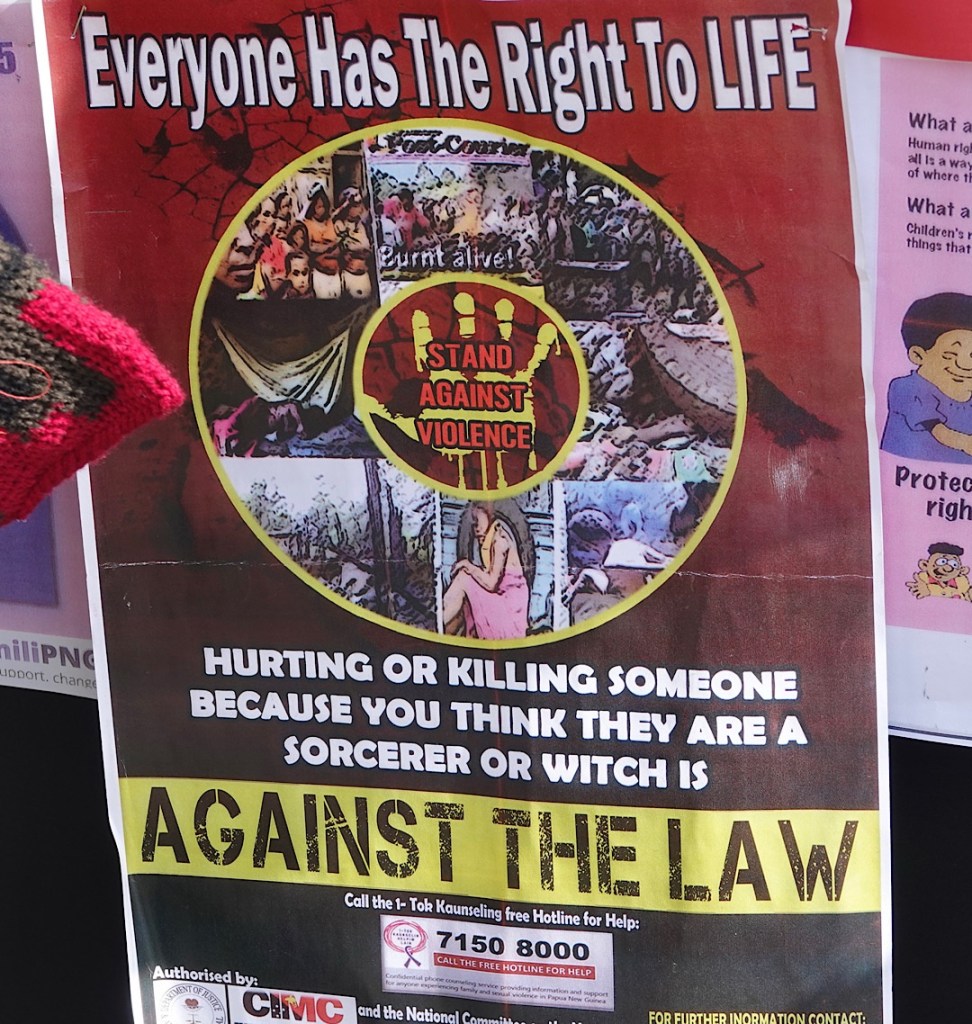
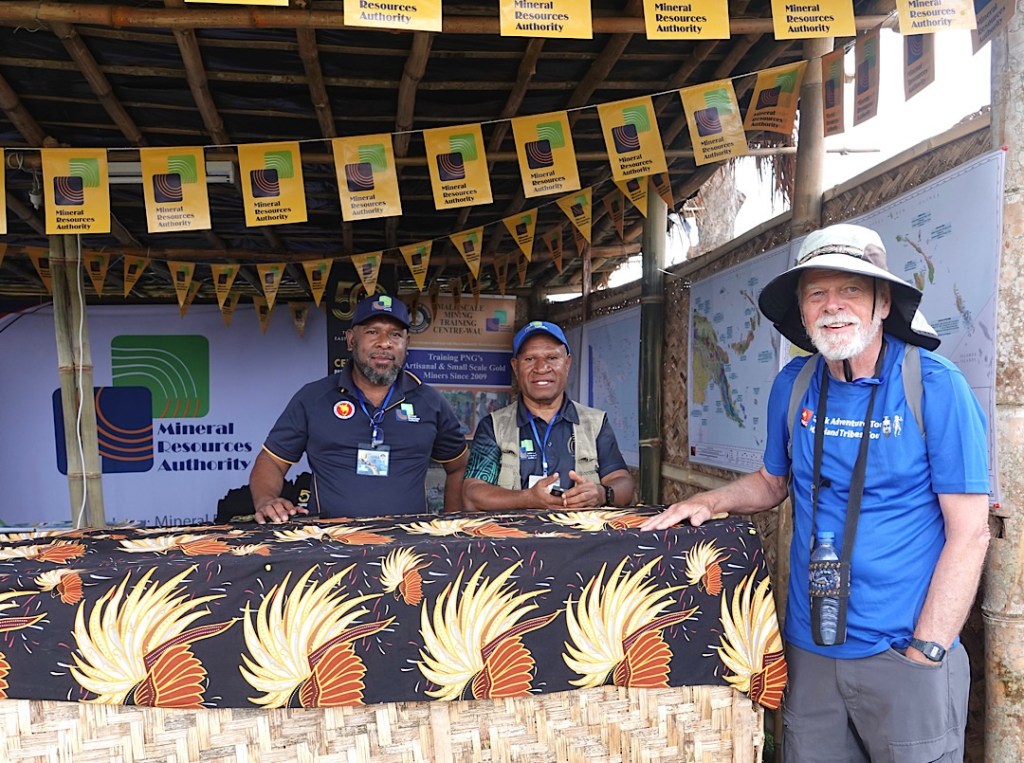
You could also meander onto the two adjoining fields. Steve’s and my favorite was the upper one, which included not just wonderful handicrafts for sale but also an agricultural tent and educational booths.
It was all pretty overwhelming but it would have been more so had it not been for our activities in the four days leading up to the festival. After our birding experience on Wednesday, we drove to the village of our main guide that day, Lucas. He gave us a tour of the community’s fields, pointing out all the things folks were growing. He introduced us to the chief.
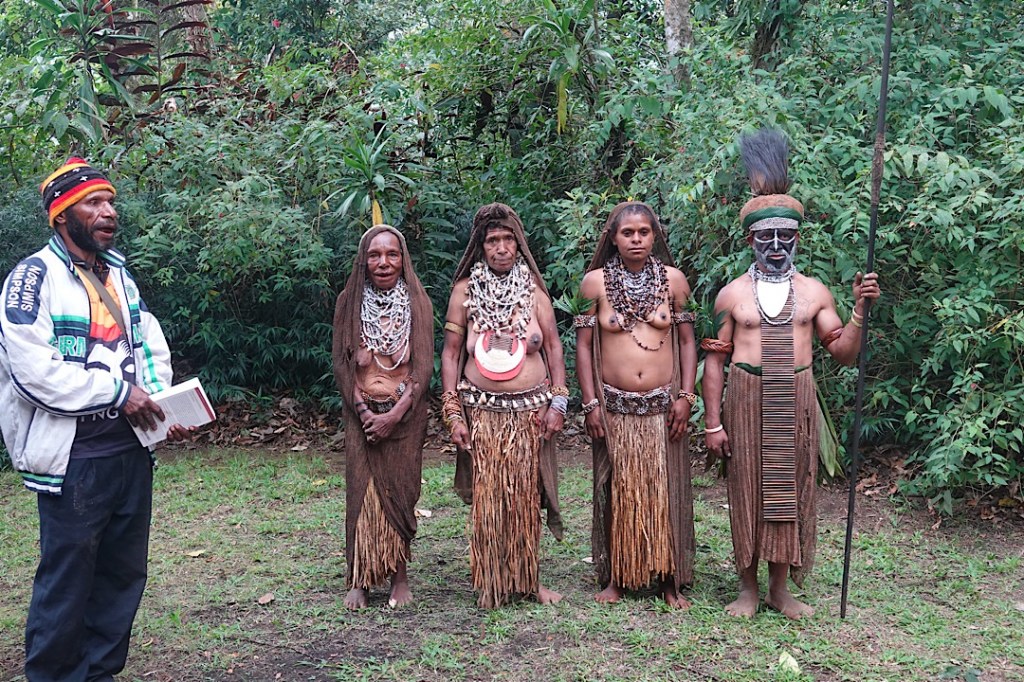
Most interesting was the opportunity to watch dancers transforming themselves for their imminent performance for us.
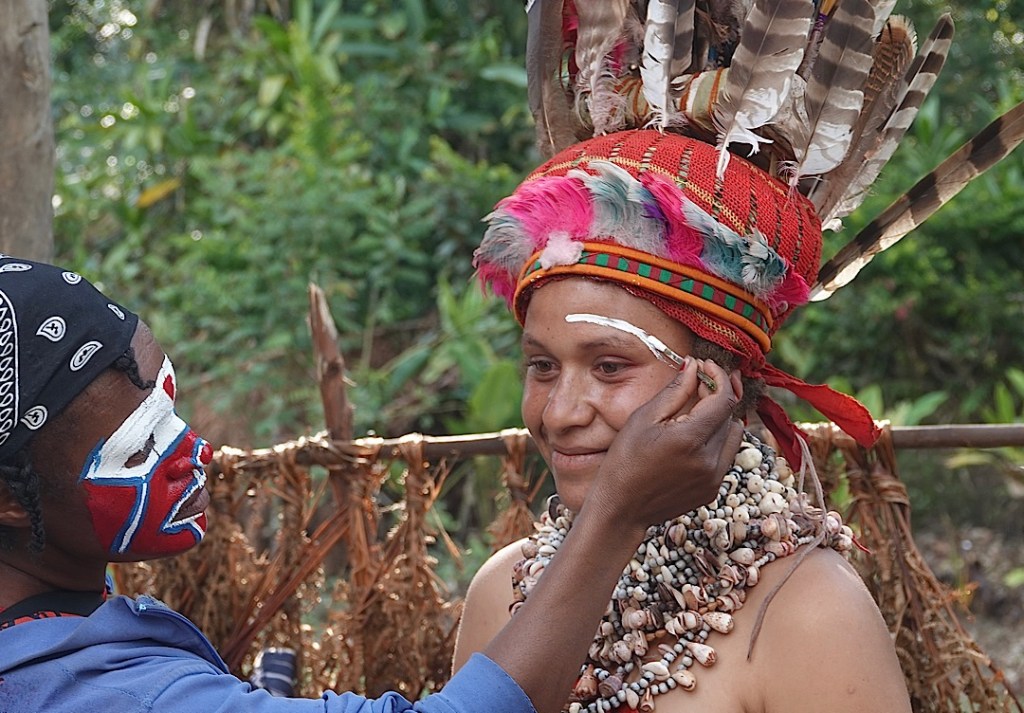
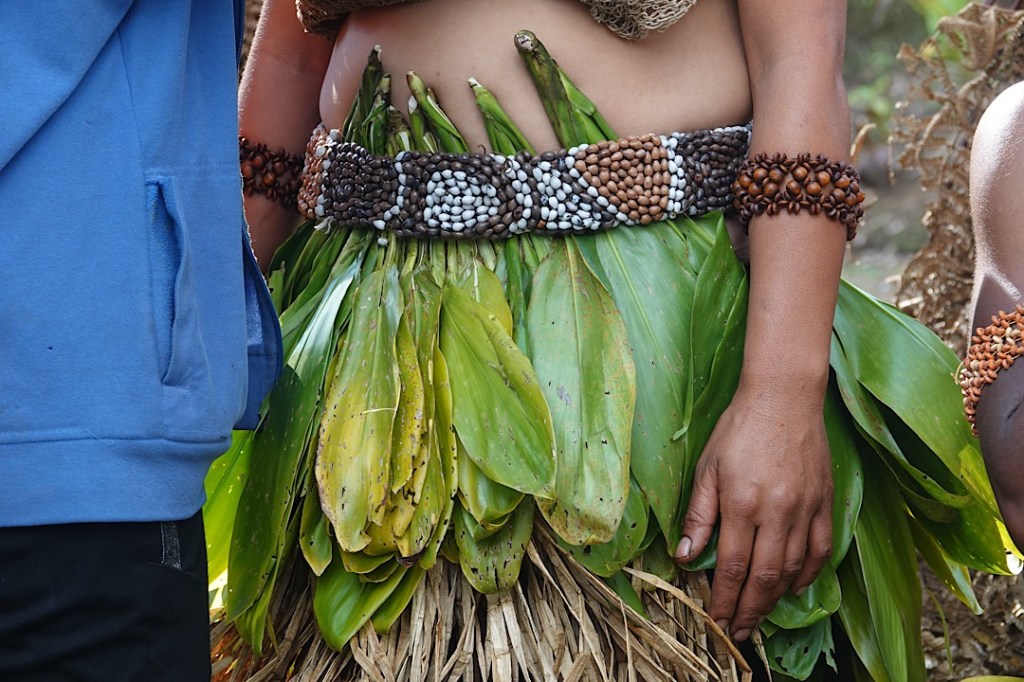
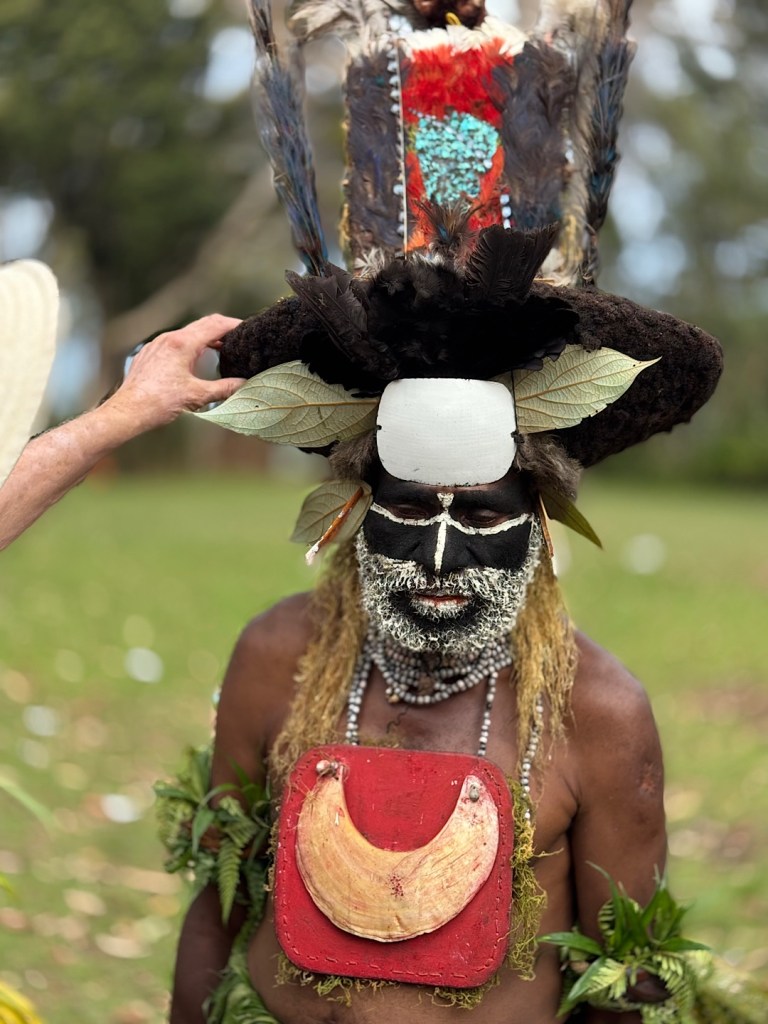
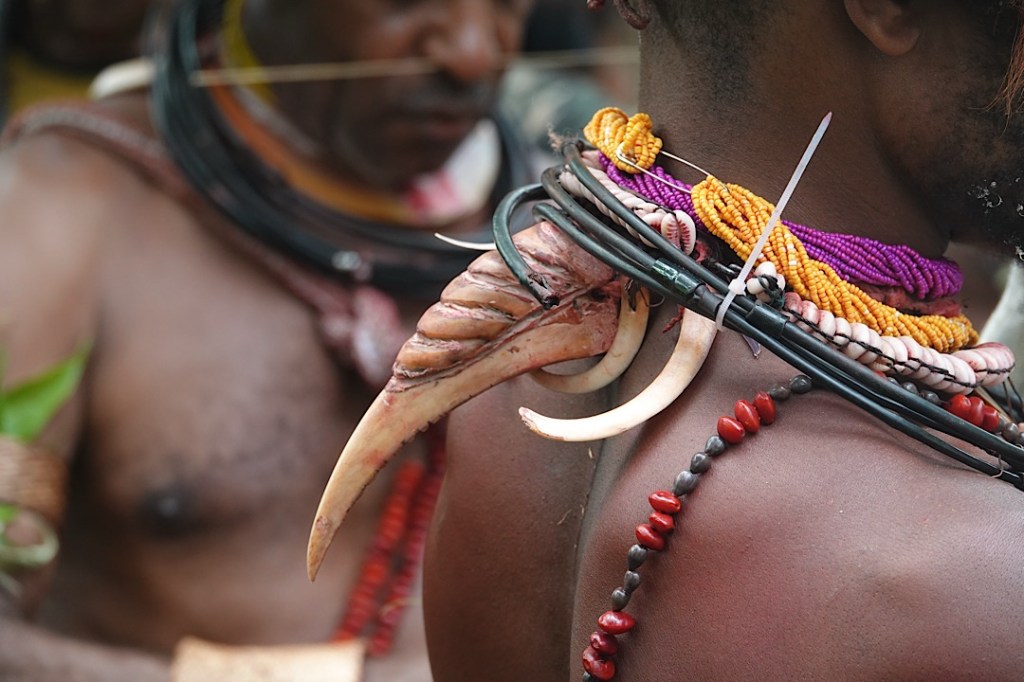
The next day, on our drive from the town of Mt. Hagen to Goroka, we stopped at a village inhabited by more of the men distinguished by their incredible “wigs.” Such “wig men” exist in a number of places throughout the highlands, with the wigs taking different shapes. They also can be ornamented in many different ways. What they have in common is that they’re made of human hair.
In this village, we watched some of the men decorating their headgear, and we learned how the hair is grown. It must be done by young men who are virgins. They live in monastic quarters in the jungle and follow arcane spiritual practices for about a year and a half: eating a special diet, pouring holy water on their heads, sleeping in hair-friendly positions. The hair is finally removed intact (like shearing a sheep). To make a double wig, a fellow must continue on for another 18 months. All this only creates the foundation. All manner of feathers and whole birds and other pretty things are pulled out of storage bags and added before any given performance.
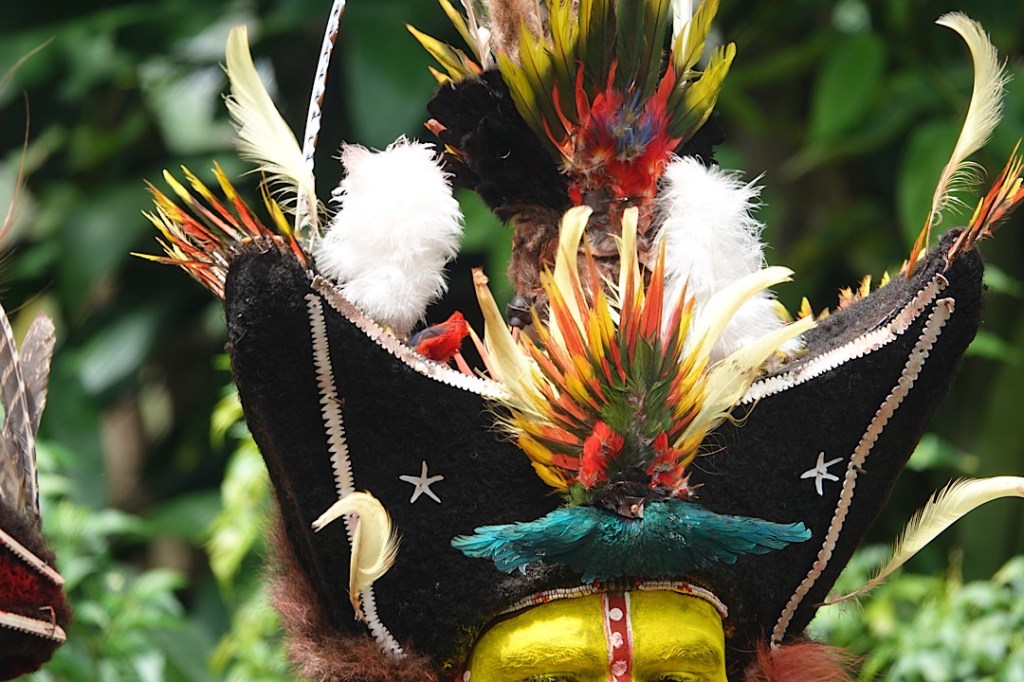
On Friday, the day before the festival, we spent a log day in a village inhabited by Asaro people. Two of the luckier inhabitants greeted us.
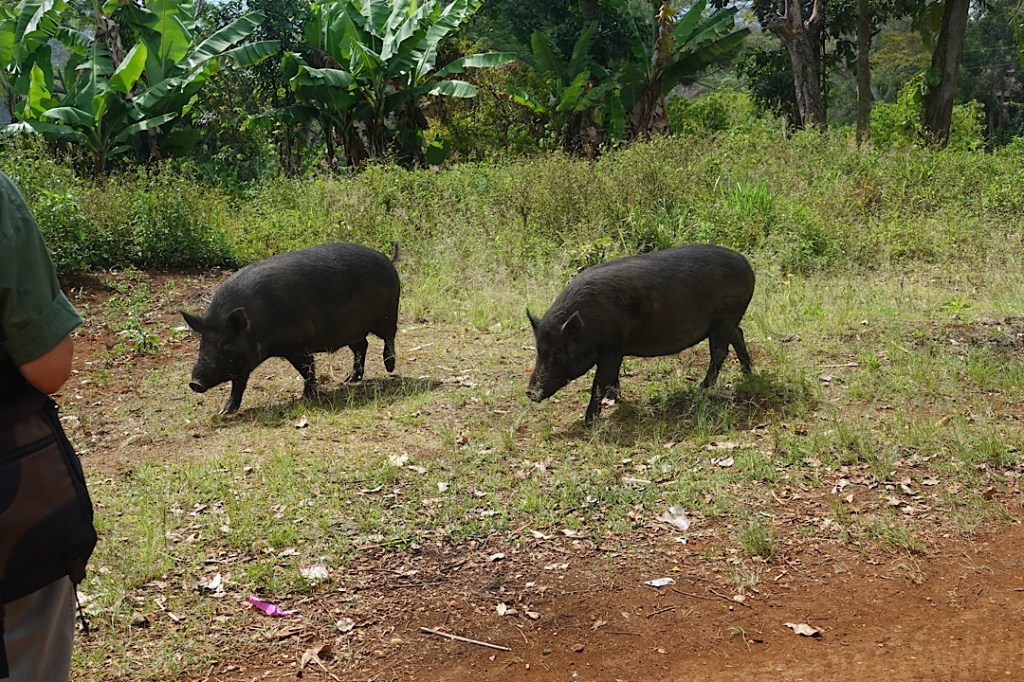
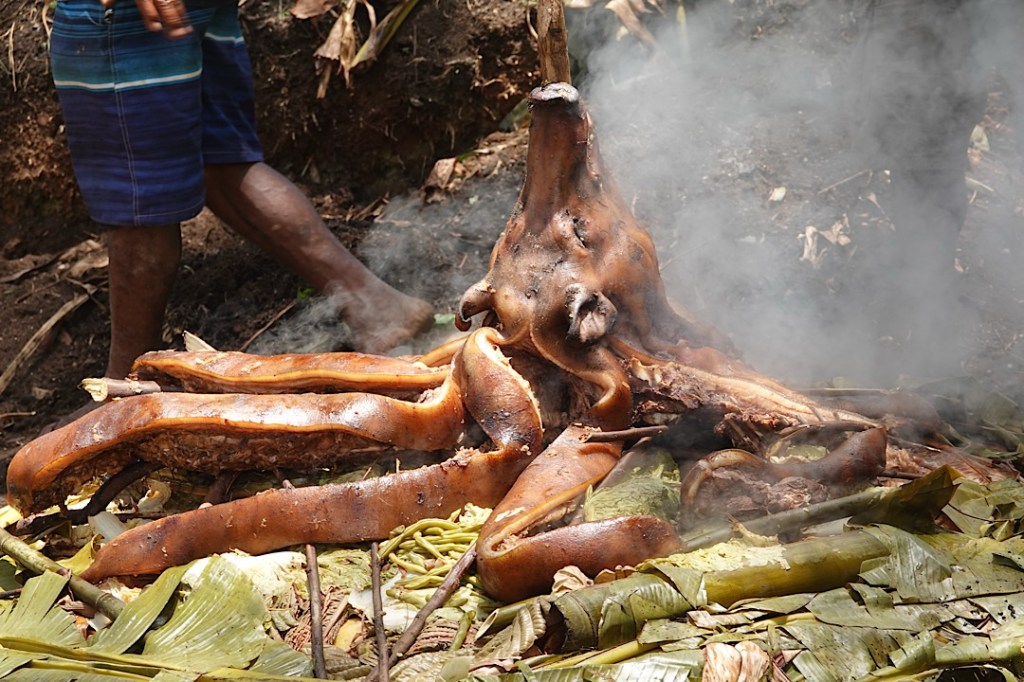
After touring the fields, we met the least lucky one.

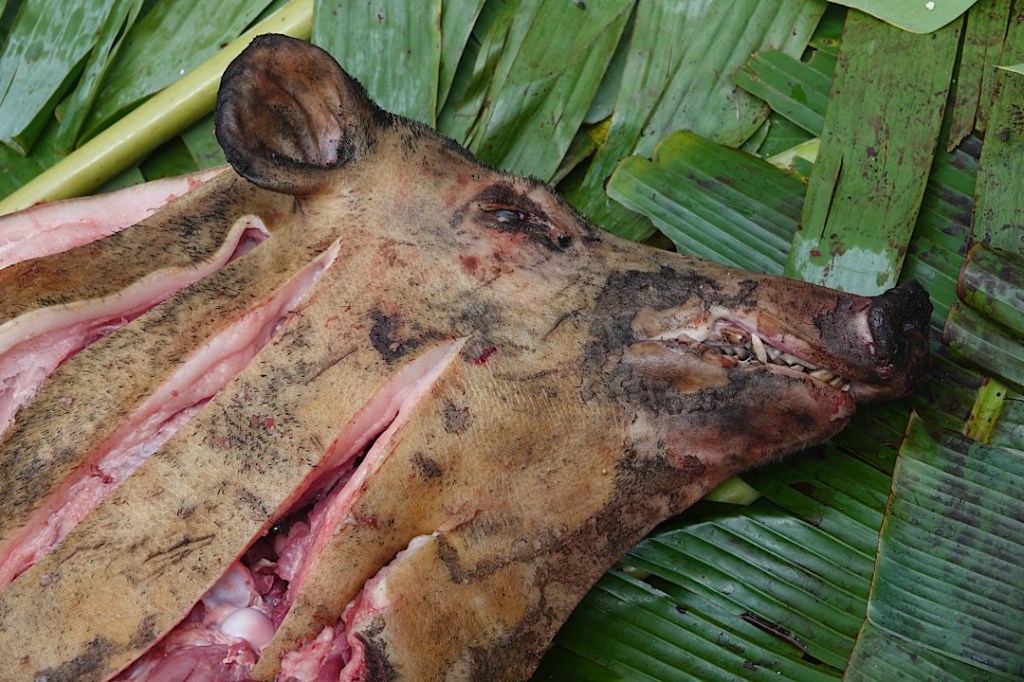
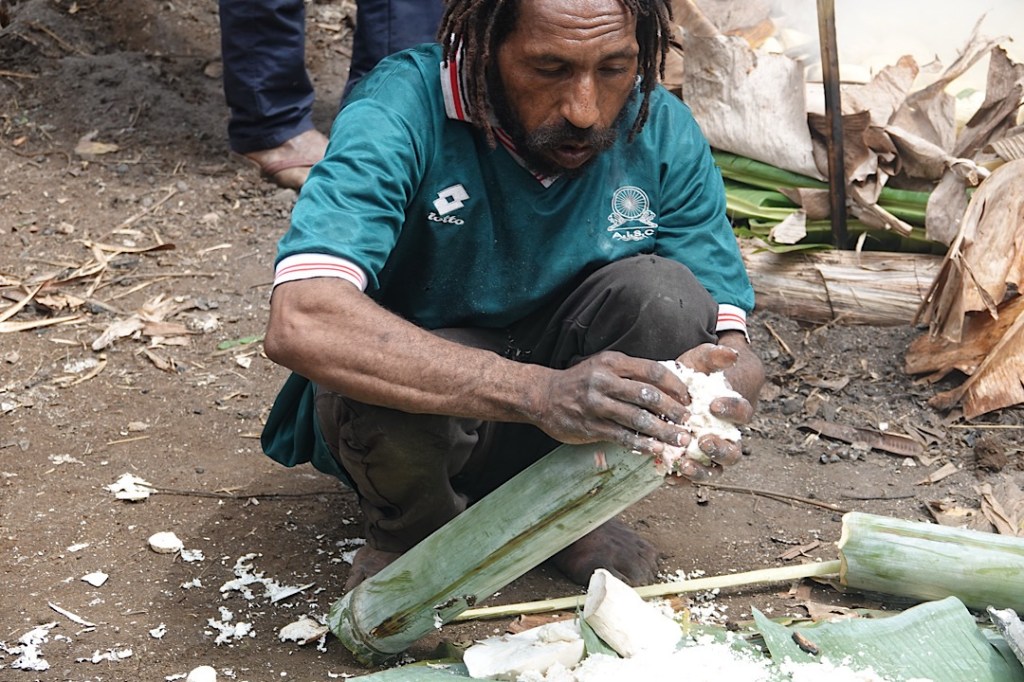
While the unfortunate porker and various veggies steamed over hot rocks, we got to watch a performance by the famed Asaro “mud men” and a couple of other groups visiting from other nearby villages.
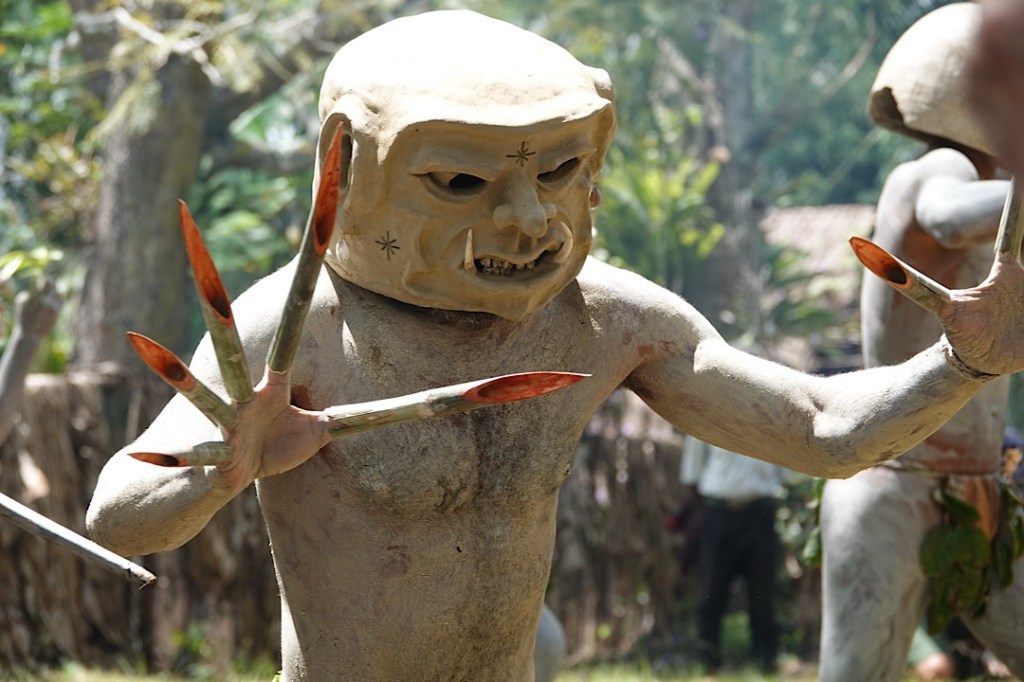
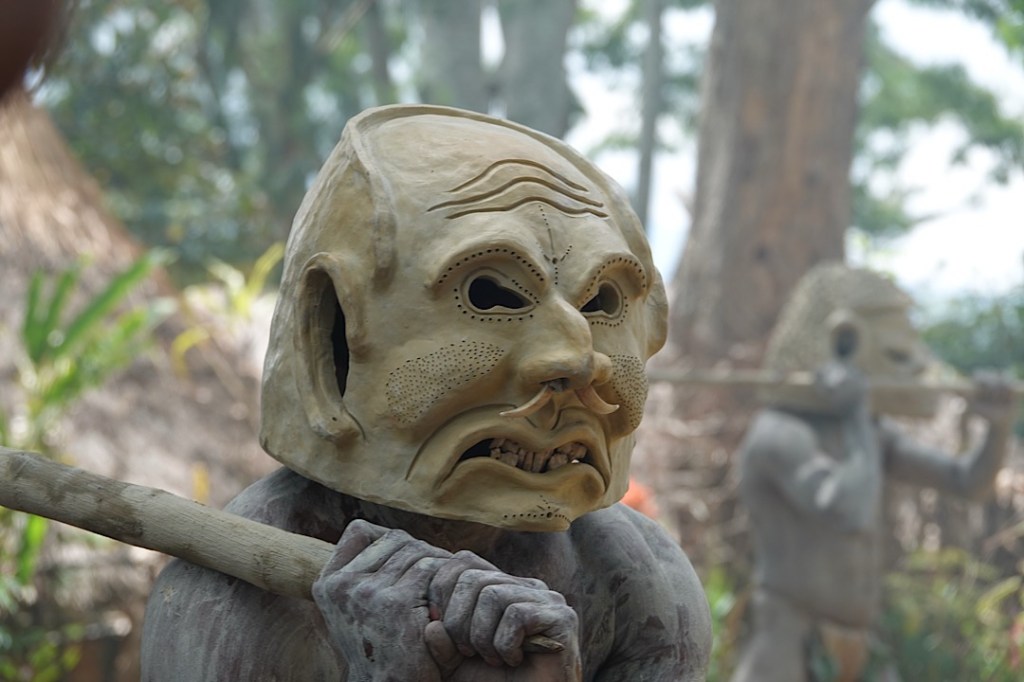
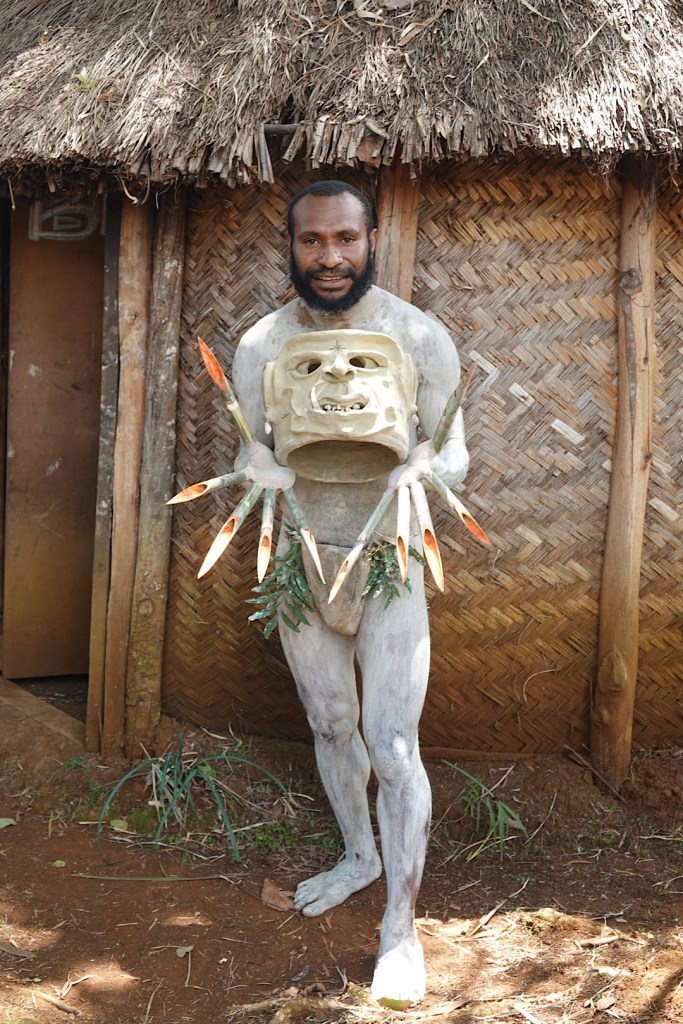
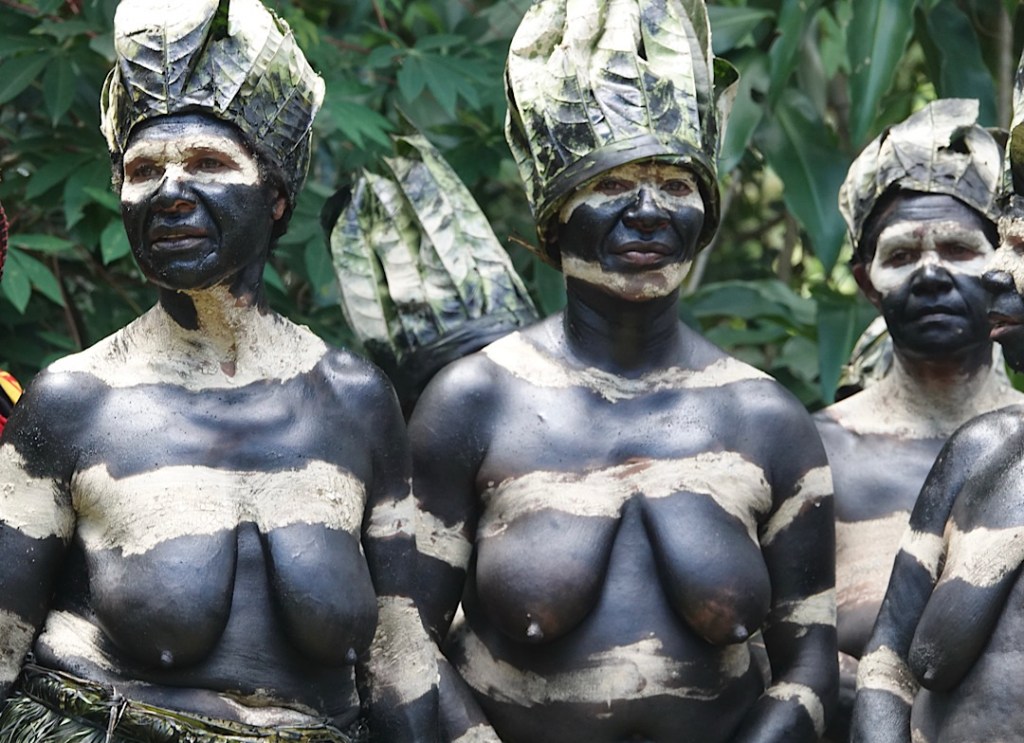
After a break for lunch…
…we watched a final performance, a sex dance traditionally performed after a battle (when replacement warriors were likely to be in high demand.) Lots of pelvic jiggling was involved.
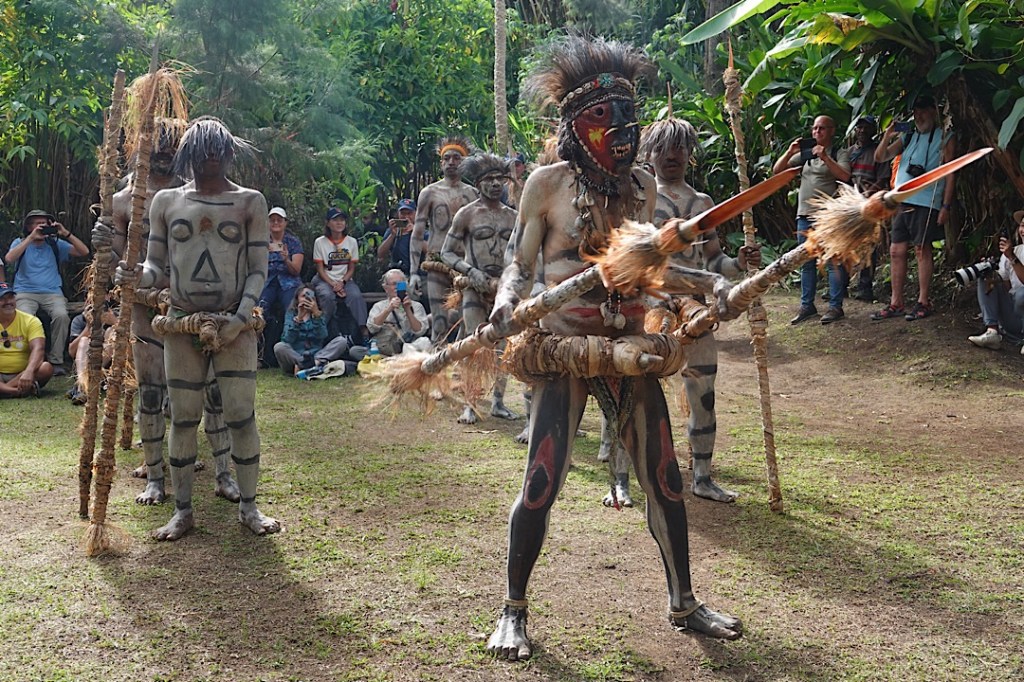
All the visits provided us with some needed background and context for what we would see at the big festival. It helped us get to know the performances a bit — like standing backstage for a moment. Nonetheless, if a thousand words are worth less than one picture, then I’d have to write tens of thousands of words to try to explain all the significances in the photos I’ve included just in this one post. Countless anthropological dissertations probably wouldn’t be sufficient.
So I’ll cut it short and simply say: you had to be there. We wouldn’t have missed it.
 At home and abroad
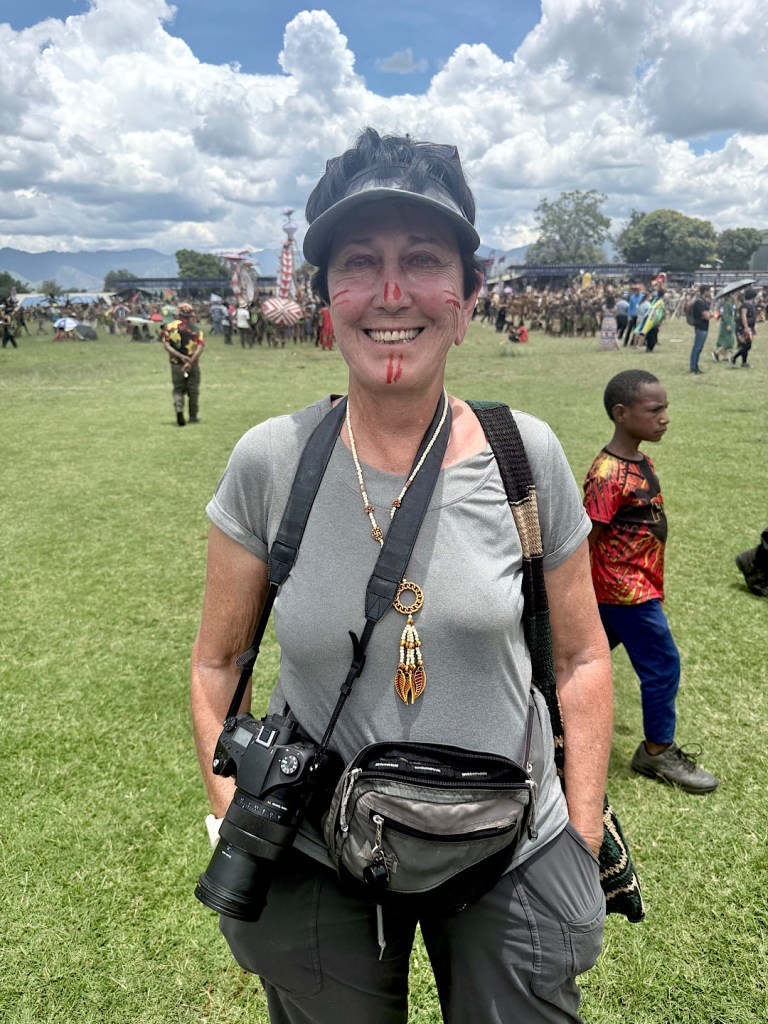
Amazing! This was the best blog and so inspiring. Your photography was fantastic! And I love the one of you! I think you were so lucky to see Goroka!!!
Deb
We feel super lucky too!
best post ever! Love it!
Thank you!!!
Sent from my iPad
Hi! Prayers from Roy and Karen. We are so sorry to hear about what happened on your trip. That must have been really frightening! We are glad that you are safe and getting your health back.
Thanks, Karen. Steve seems completely back to normal. He’ll get checked out when we get home (arriving THursday night). But we’re glad we didn’t miss out on Hokkaido. It’s terrific!
Sent from my iPad