The short answer is we got templed out. Kyoto has more than 2000 temples and shrines. When I was planning our Kyoto itinerary back in San Diego, visiting a dozen or so over the course of four full days seemed reasonable. Got that one wrong.
For one thing, I wasn’t prepared for how overcrowded the most popular sites would be. I had read that tourists were overwhelming Kyoto but I didn’t take it seriously; I figured the mobs would be gone by mid-October. I also read up on the times of day to best avoid crowds. But it turns out it’s hard to succeed at that.
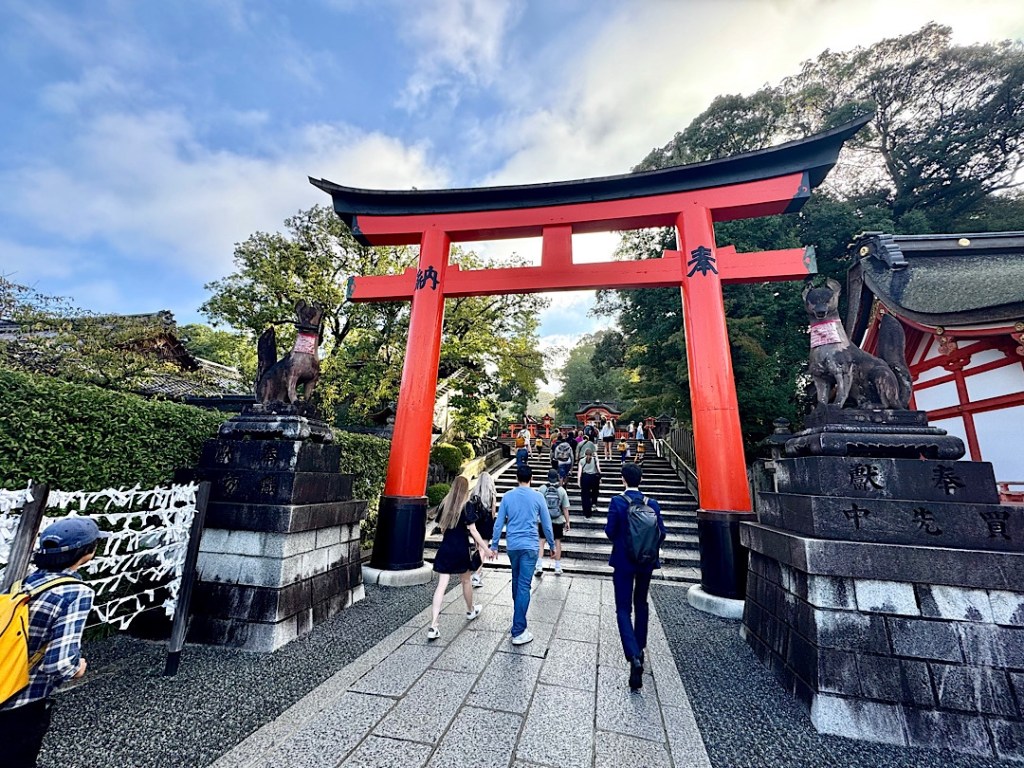
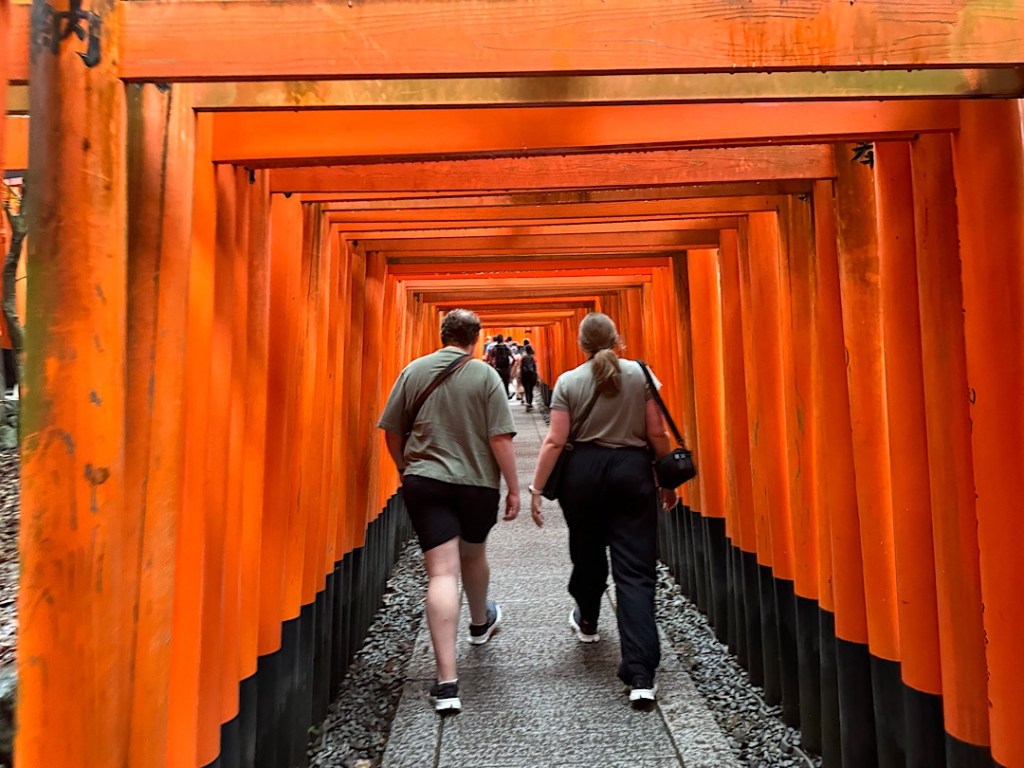
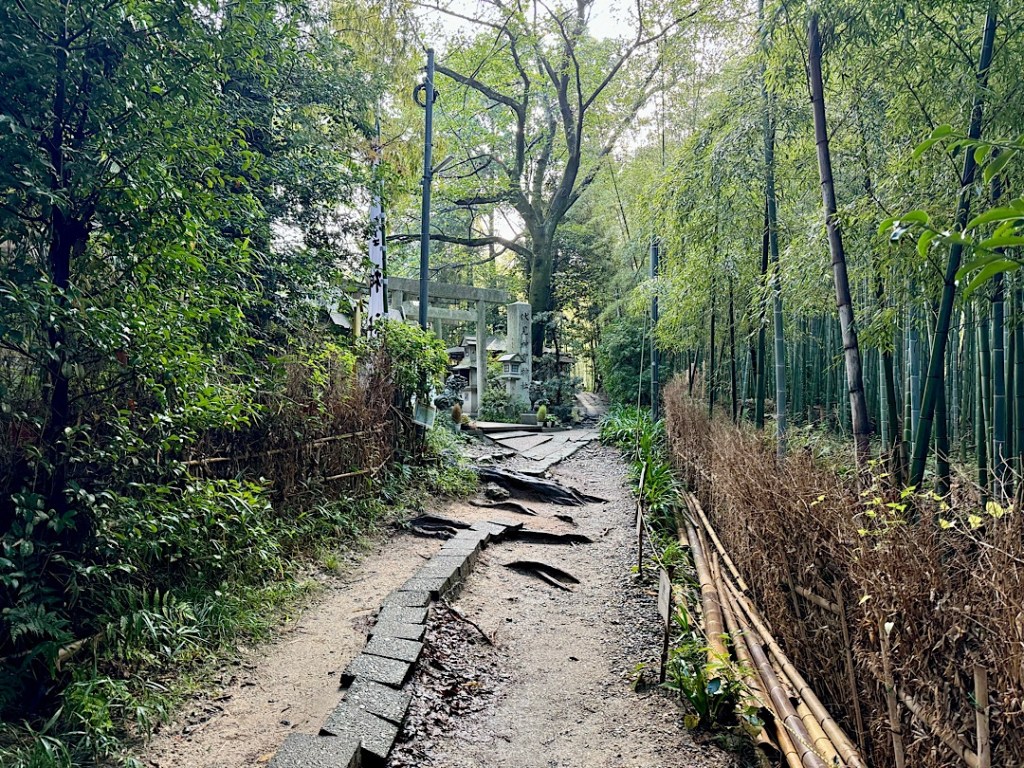
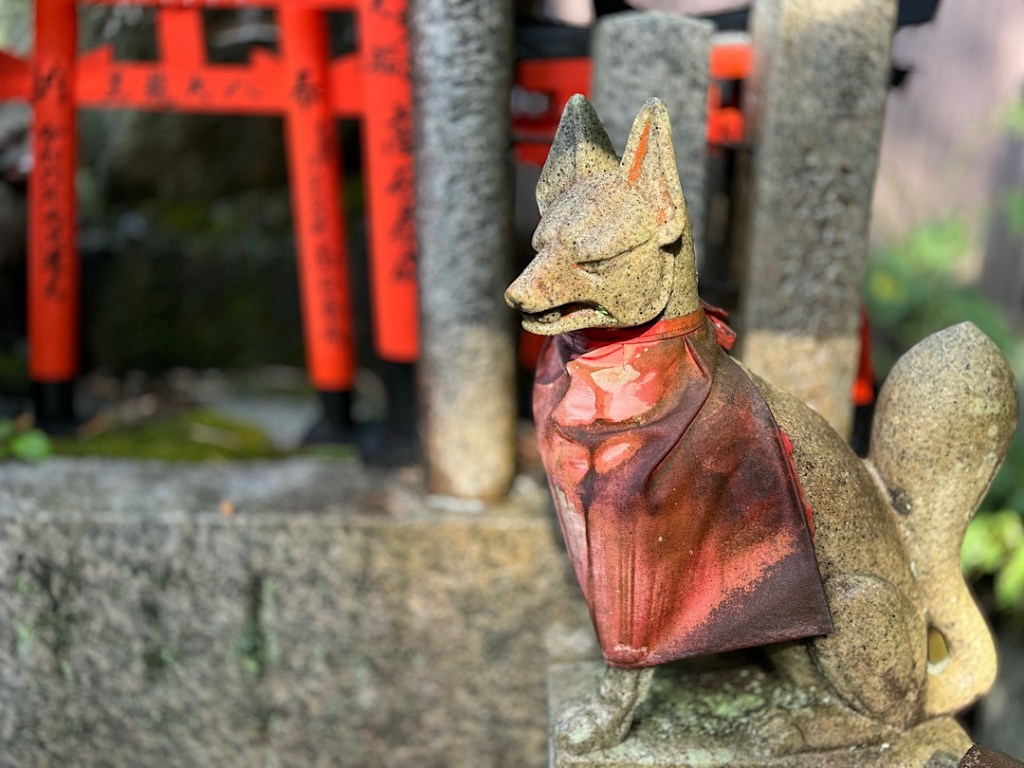

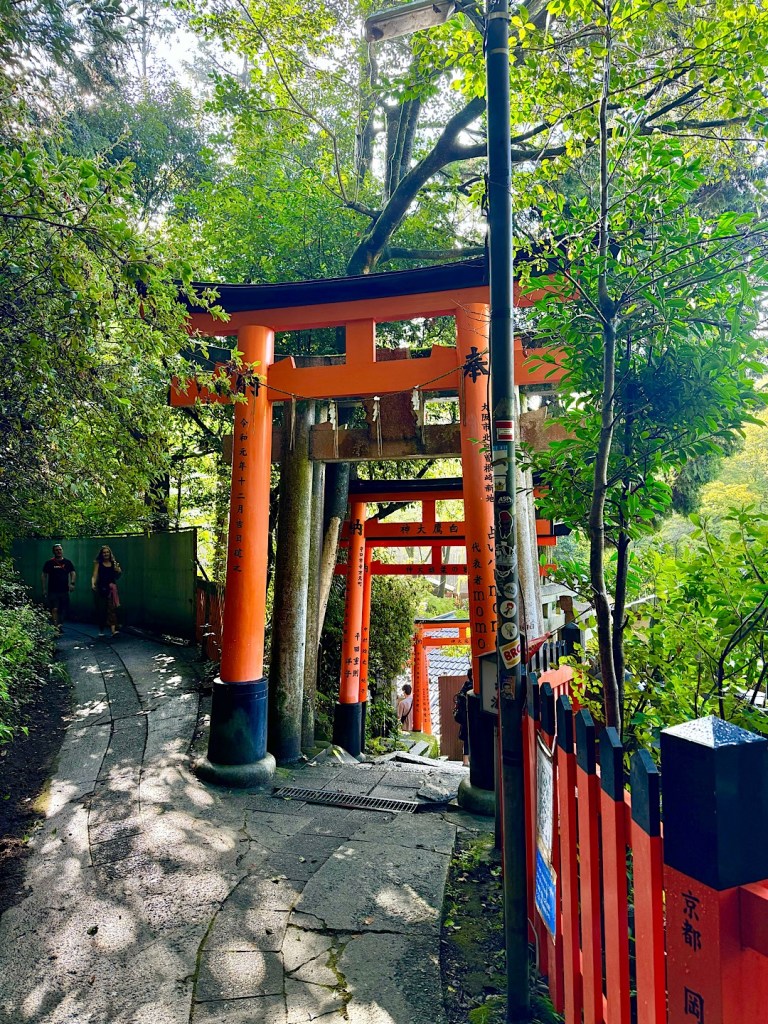
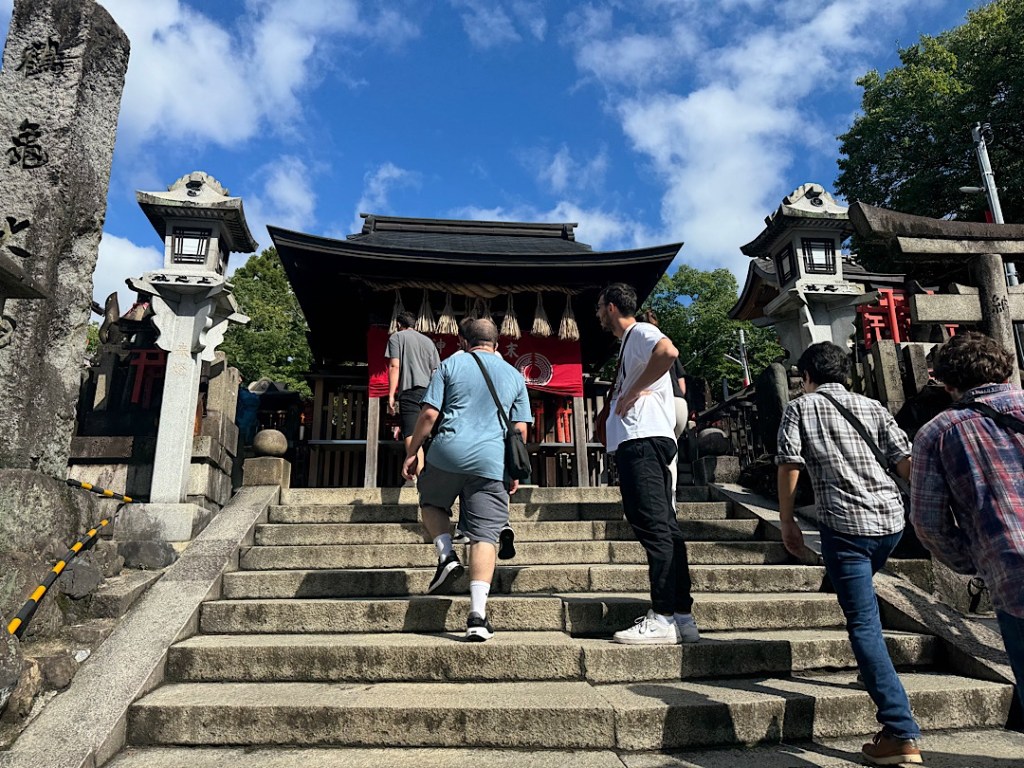

The only other time Steve and I have been to Kyoto — back in 1979 — the city reportedly attracted 6.5 million visitors. I just read that in 2023, more than 75 million came. We saw more foreigners than we had in Hiroshima, and at every major attraction we encountered the kind of crowds that fill Disneyland the week after Christmas. It takes energy to push your way through that.
After Fushimi Inari’s congestion, Steve and I returned to our Airbnb and took a short nap. Around 4 that afternoon we set off for another of Kyoto’s most popular temples: Kiyomizu-dera —more than 1200 years old and filled with great architecture…
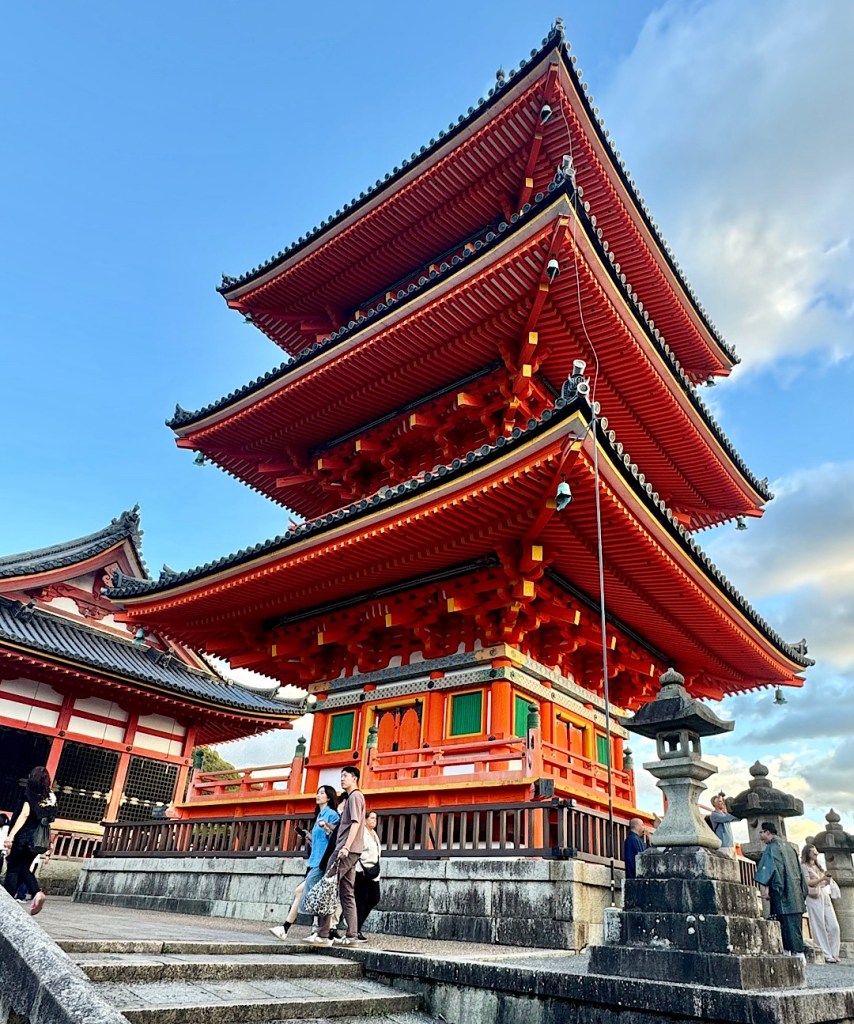
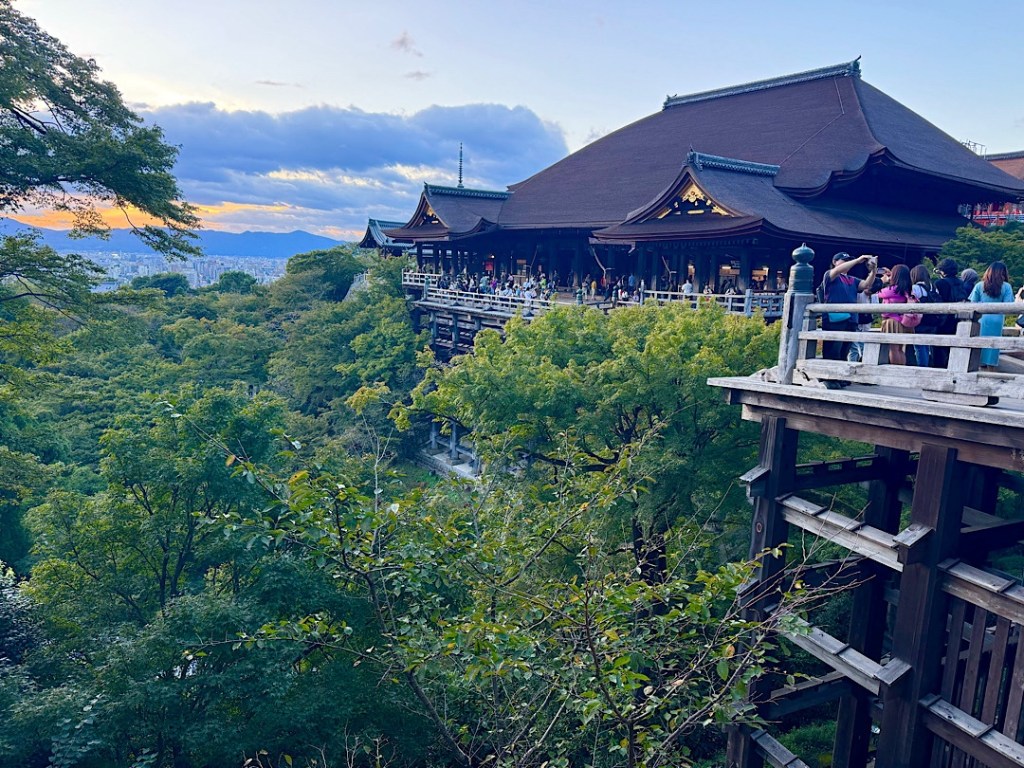

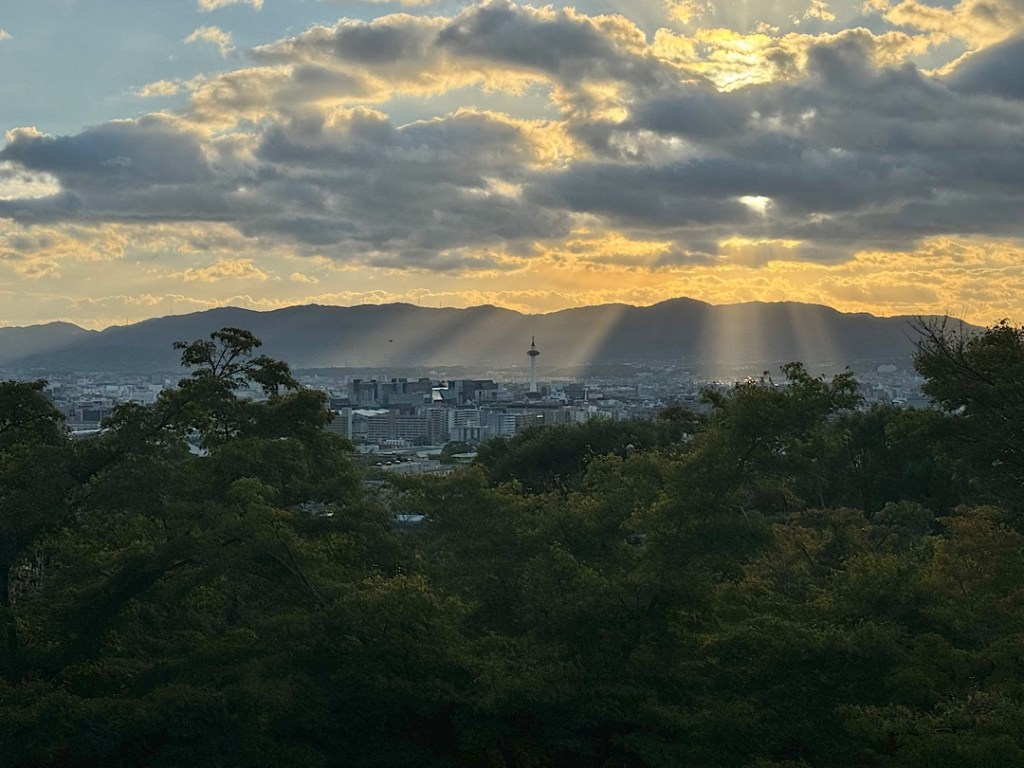
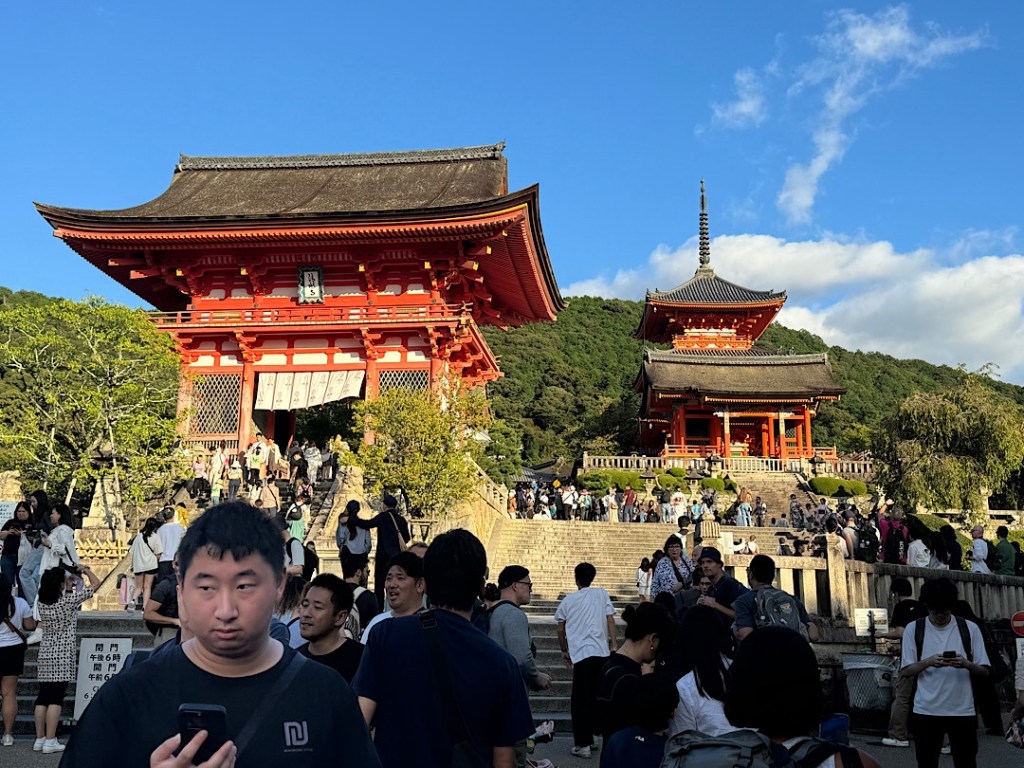
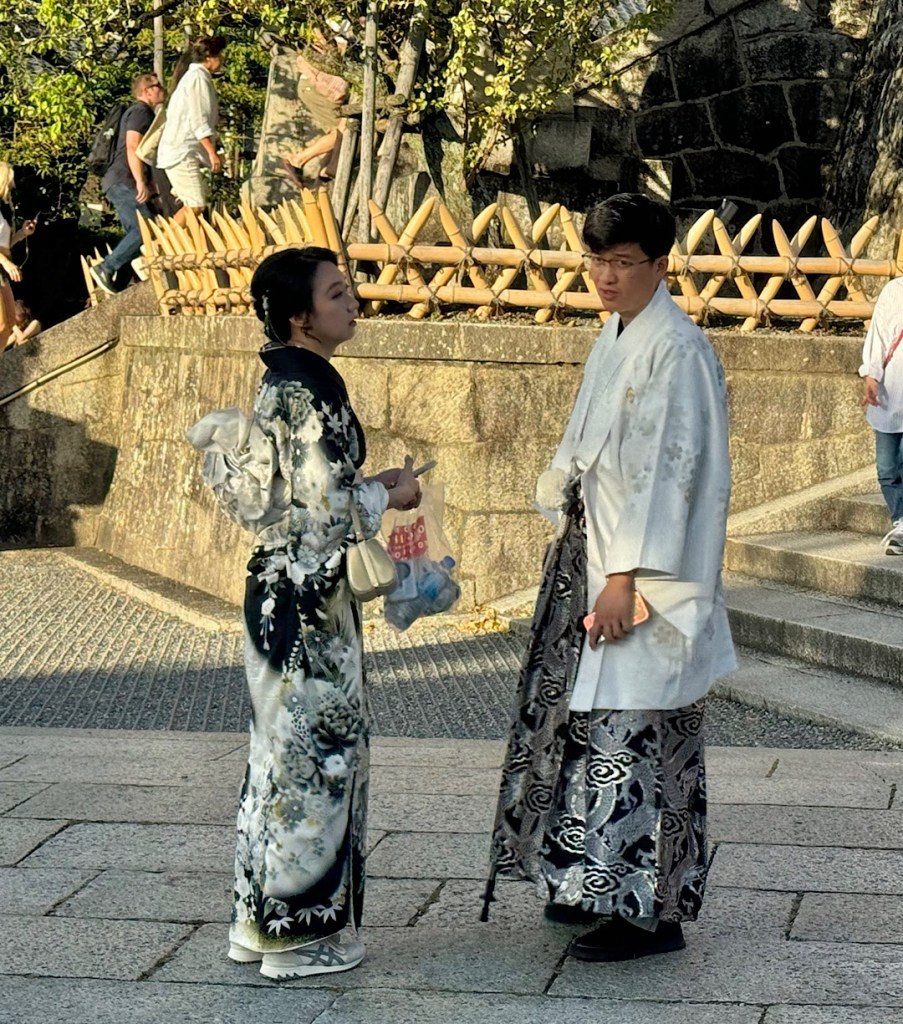
Steve and I enjoyed taking it all in. Still, the concentration of visitors shocked us: all the clueless individuals blocking pathways as they posed for selfies; the surround-sound chatter; the constant need to change your pace to squeeze through clusters of bodies.
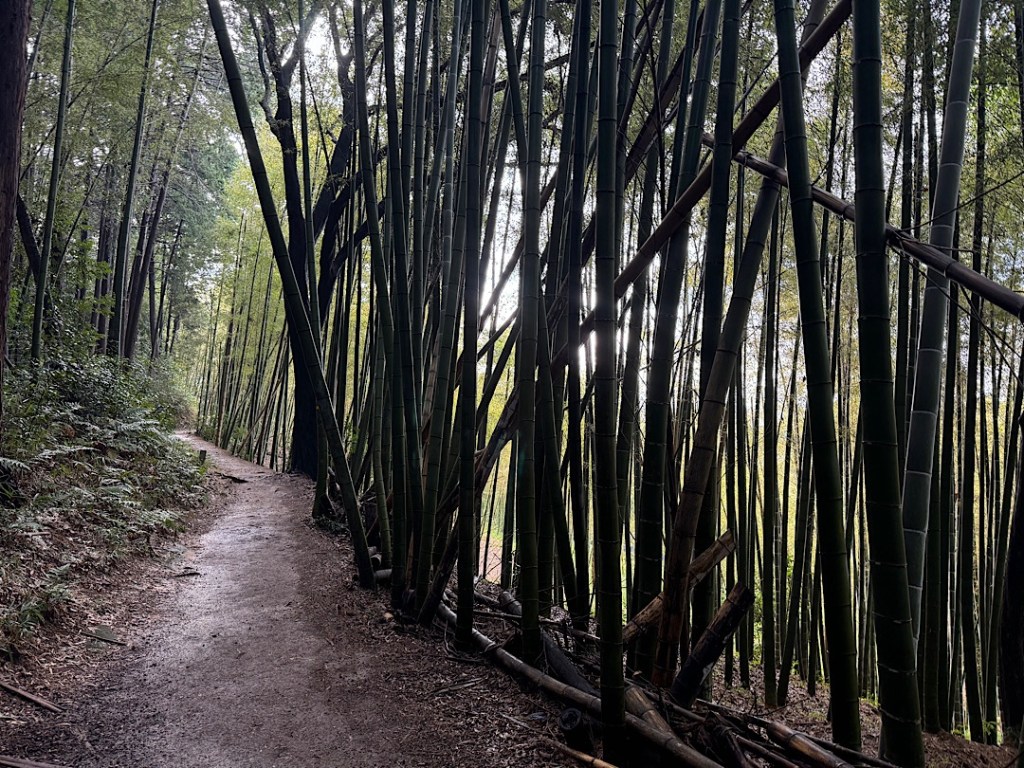
The next morning we tried even harder to get to our next touristic vortex as early as possible. But Arashiyama is on the far western edge of Kyoto, and it was 8:45 by the time we woke up, walked to the necessary train station, rode the train, and found our way to the famous pathway through the dense bamboo forest.
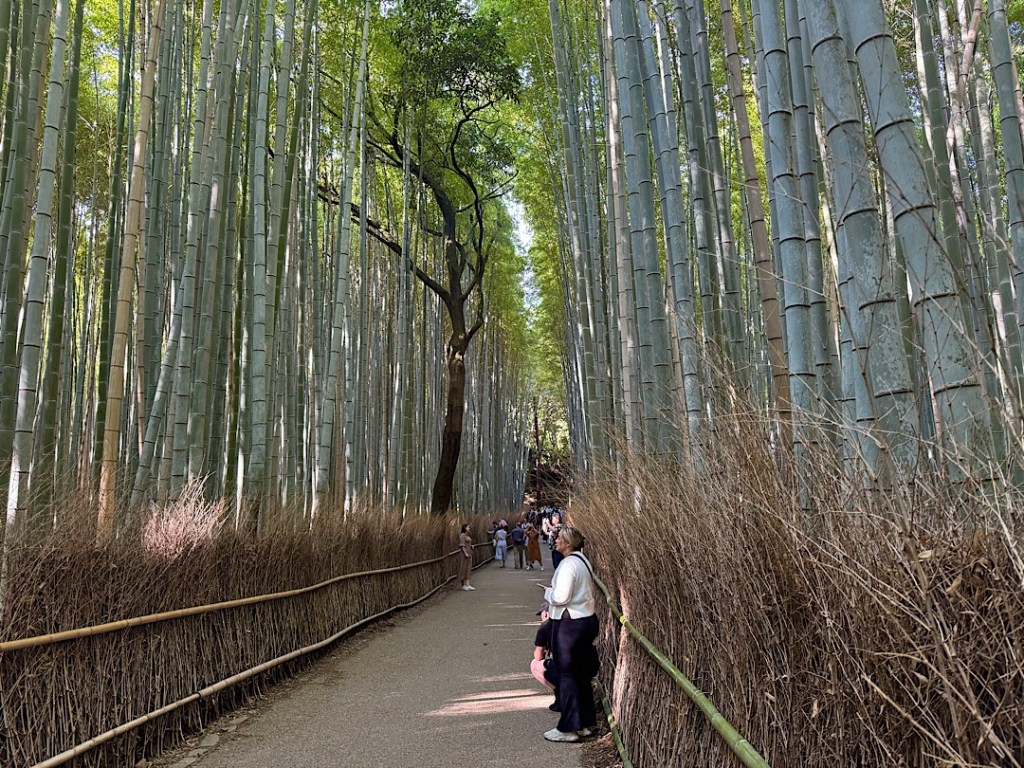
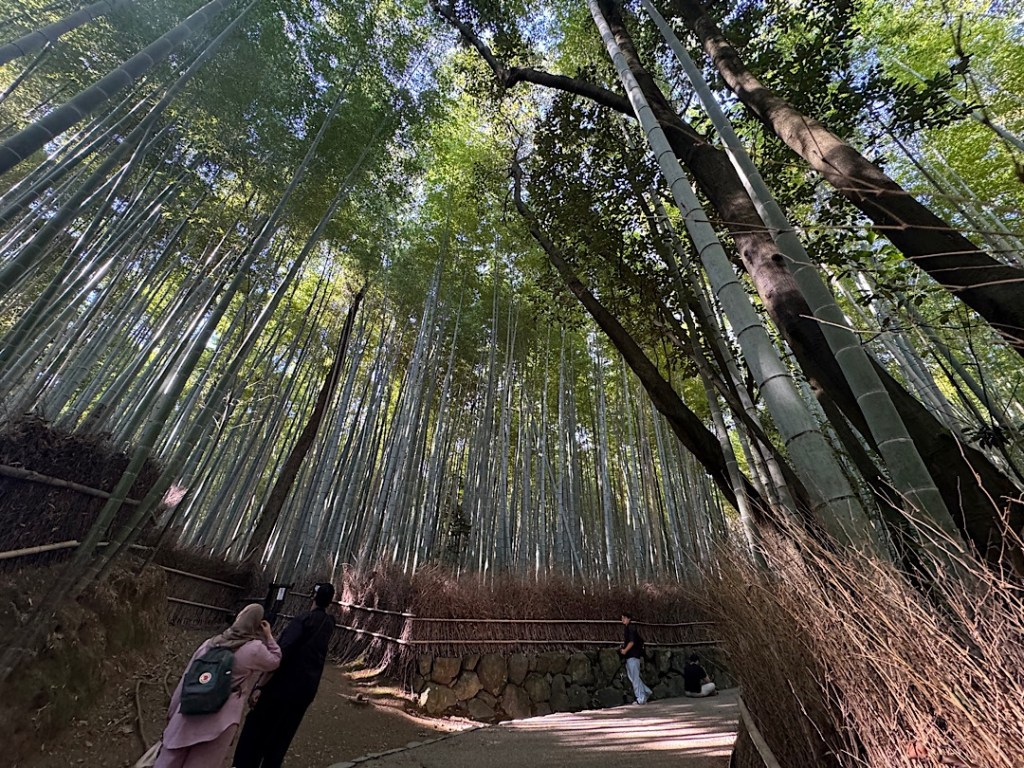
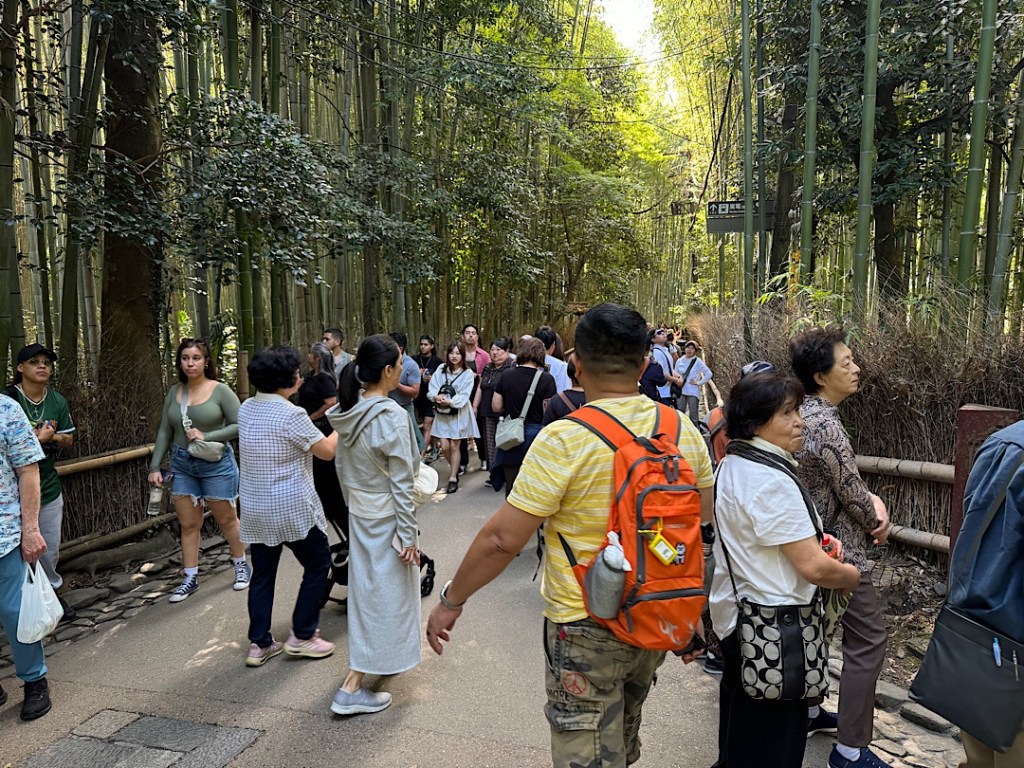
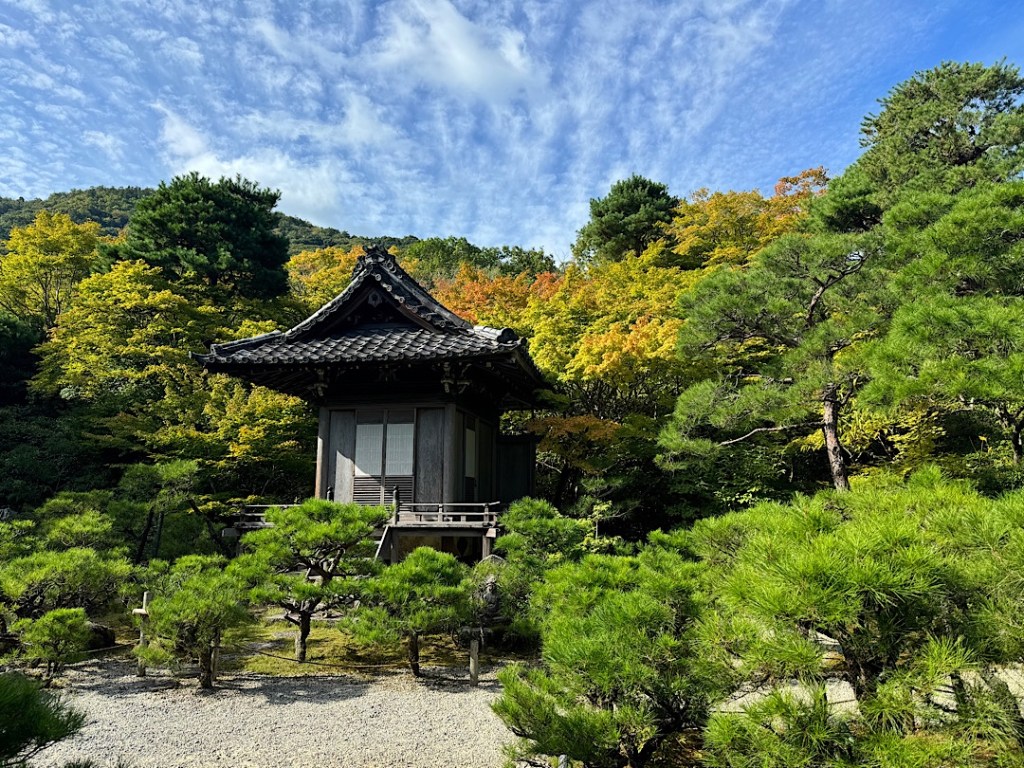
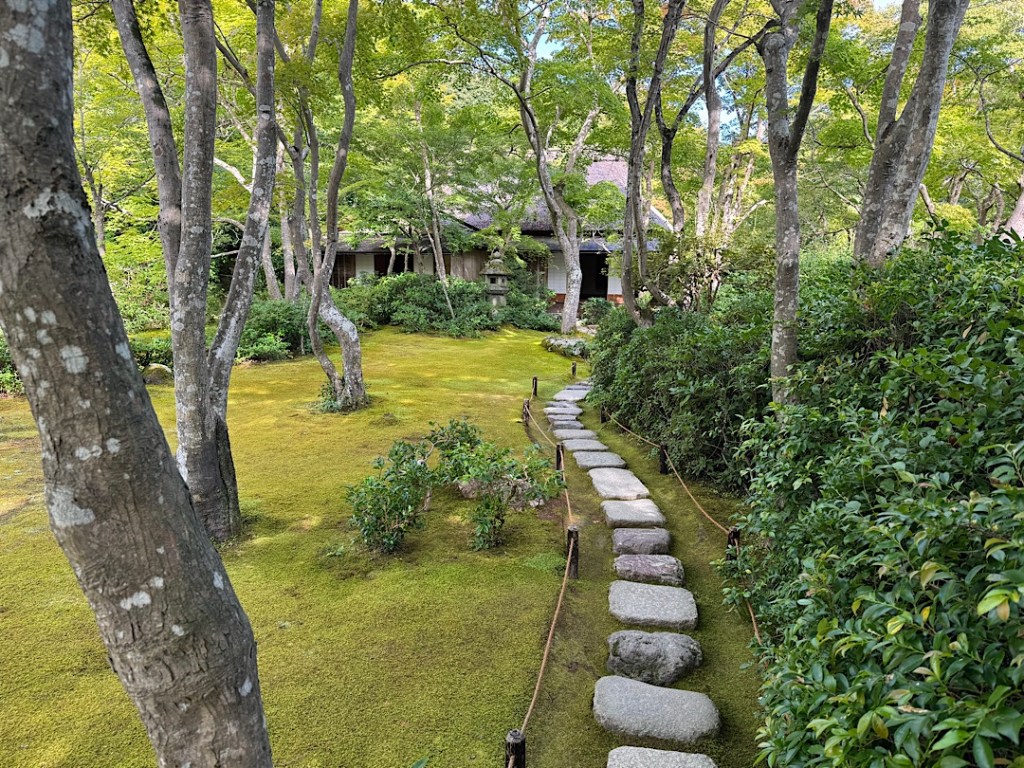
We did find some calmer enclaves to explore in the vicinity. We had the beautiful garden created by a Japanese movie star famous in the 1920s almost to ourselves.
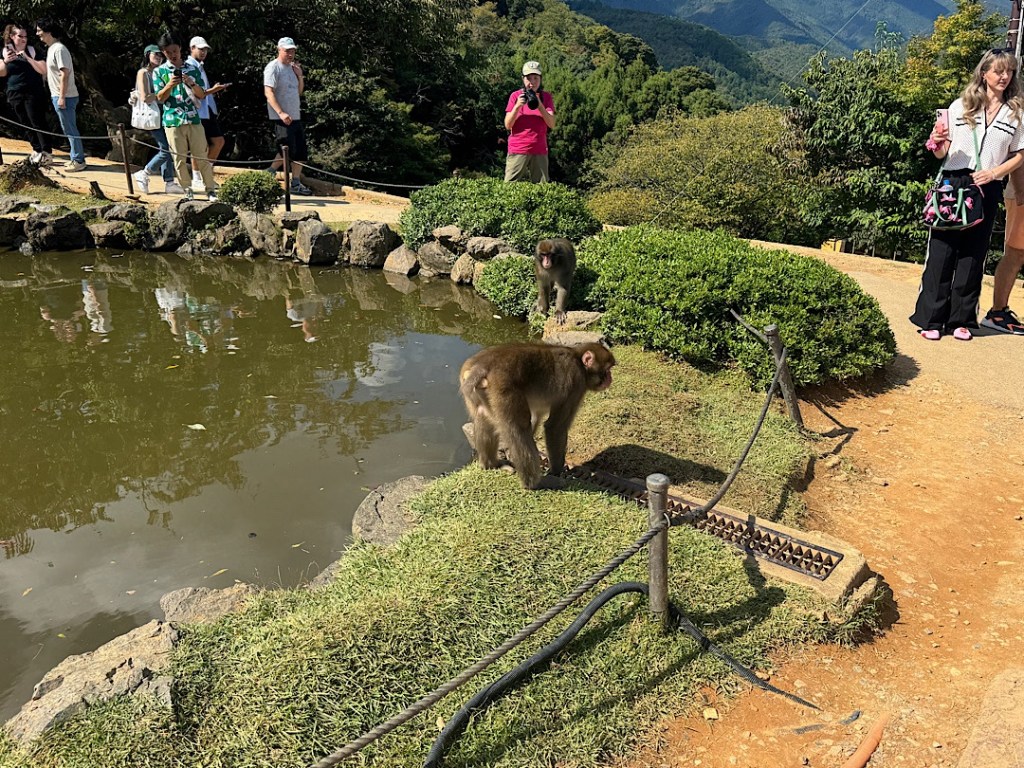
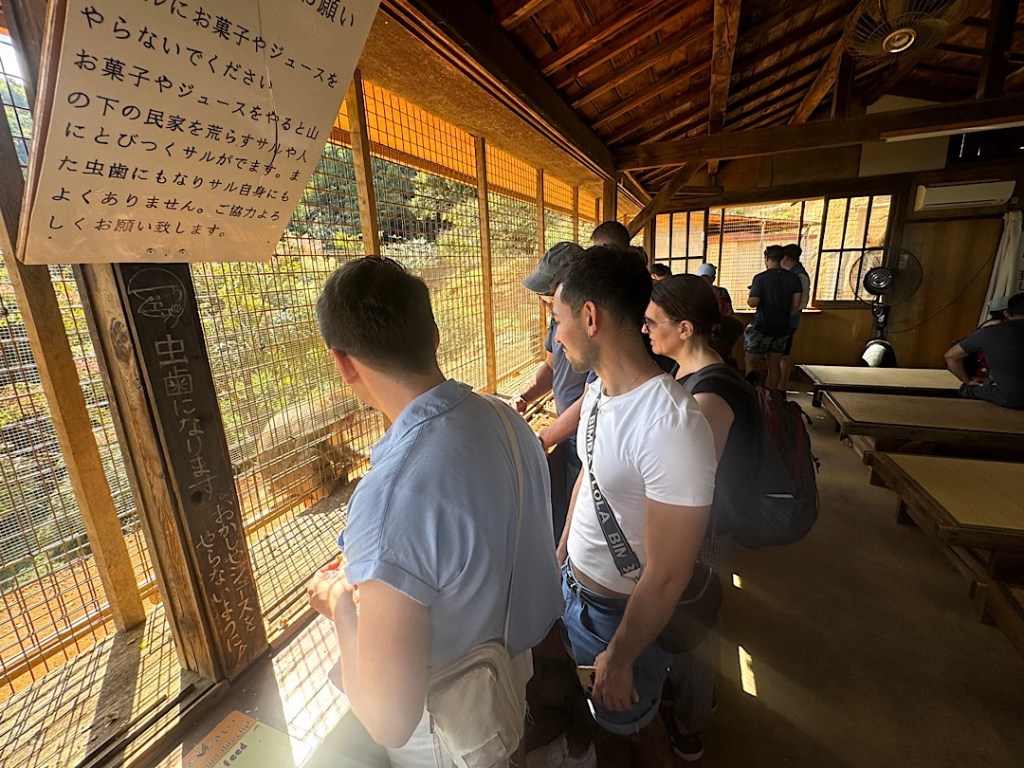
Back in the center of town, it was a steep 20-minute climb up to the Arashiyama Monkey Park, a preserve that’s home to wild native snow monkeys (the northernmost species of monkeys on earth.) The climb surely must have discouraged some visitors. But not that many, or so it appeared.
A half-hour boat ride on the Hozu River felt soothing.
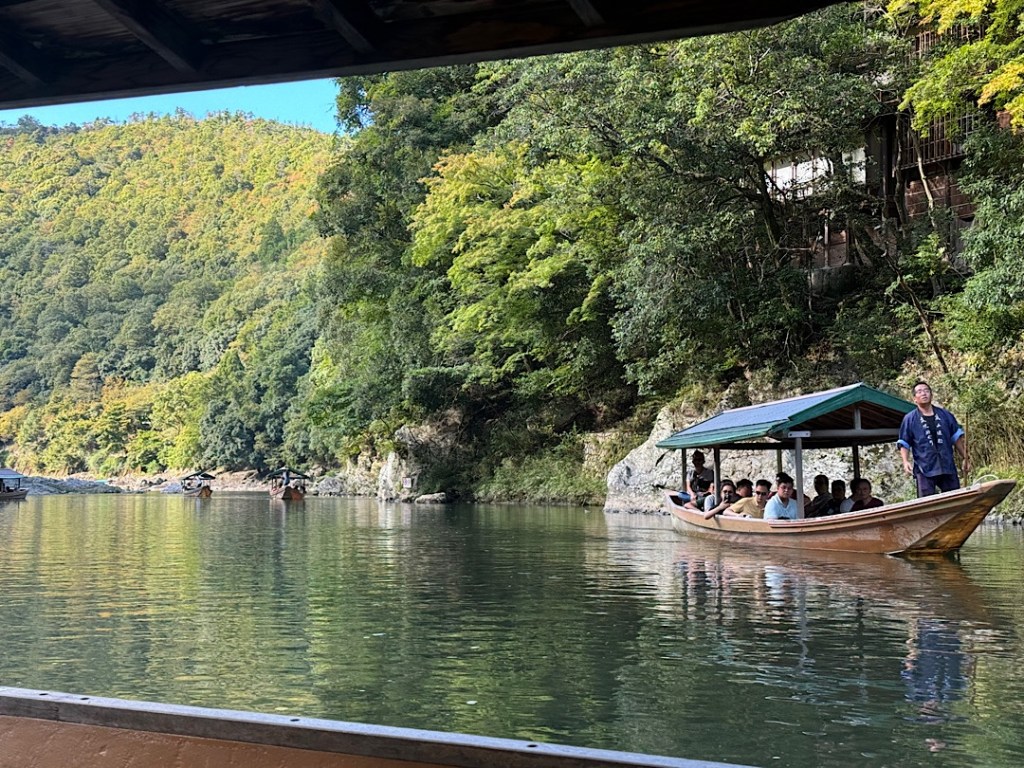
Even more serene was our visit Friday morning (Oct 11) to Saihoji (aka Kokedera), a Zen Buddhist temple renowned for its beautiful central pond…
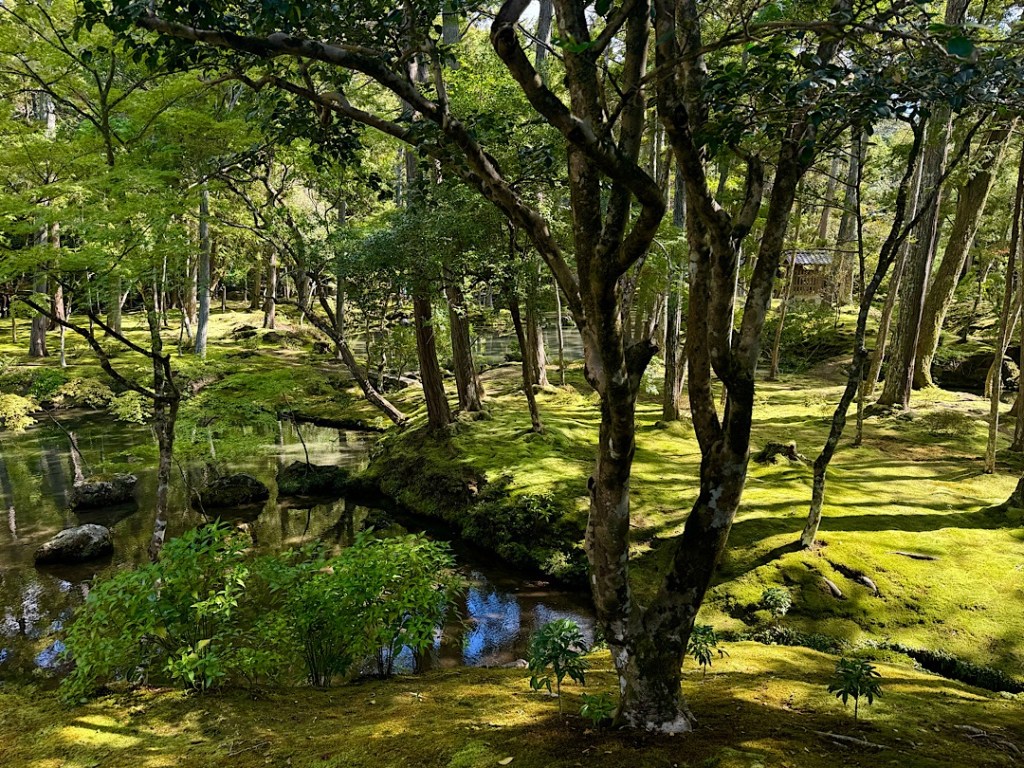

…and vast expanses of emerald moss. It’s an exceptionally peaceful place to meander.
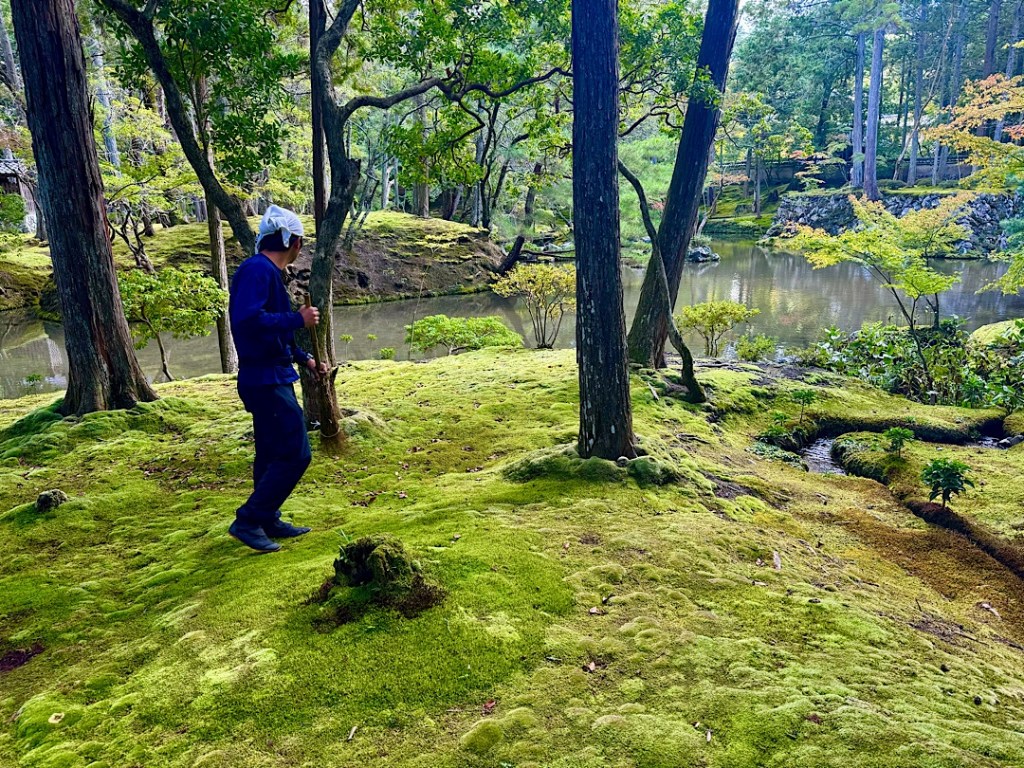
The only reason it wasn’t crawling with tourists is because the temple managers strictly limit the number of people they let in every day. (I had to make my reservation months in advance.) Each visitor also must begin his or her visit by sitting in silence and copying a kōan (a sort of Buddhist religious verse) to settle the mind.
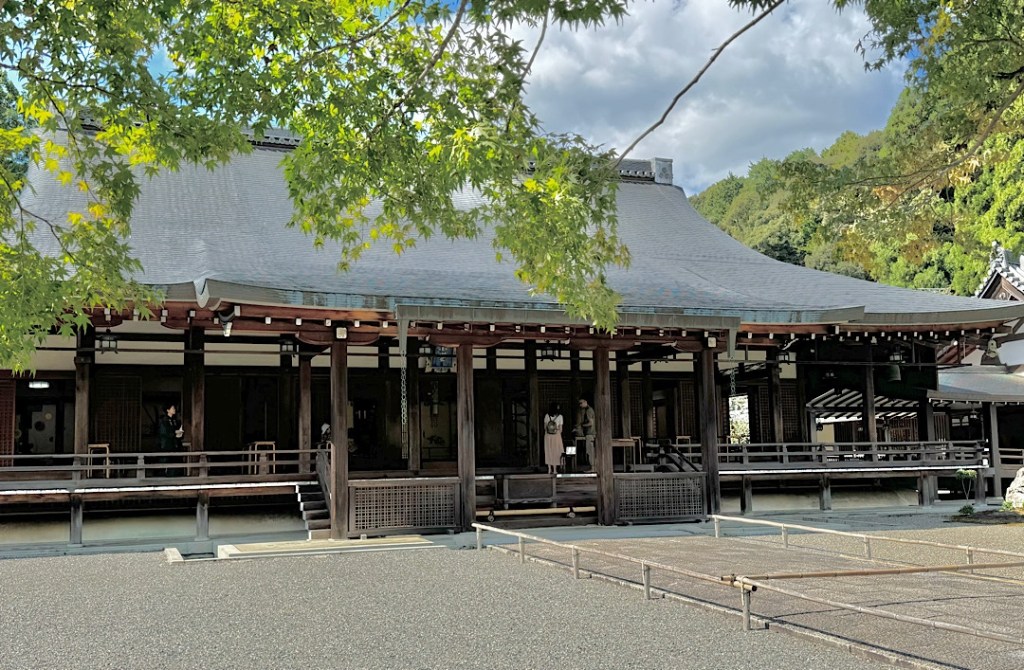
As delightful as the Moss Temple was, by the time we made our way home, I felt like I had used up all my temple-visiting energy, at least for this visit to Kyoto. Steve shared my feelings, so we decided to scrap the rest of my careful plans, in favor of… shopping.

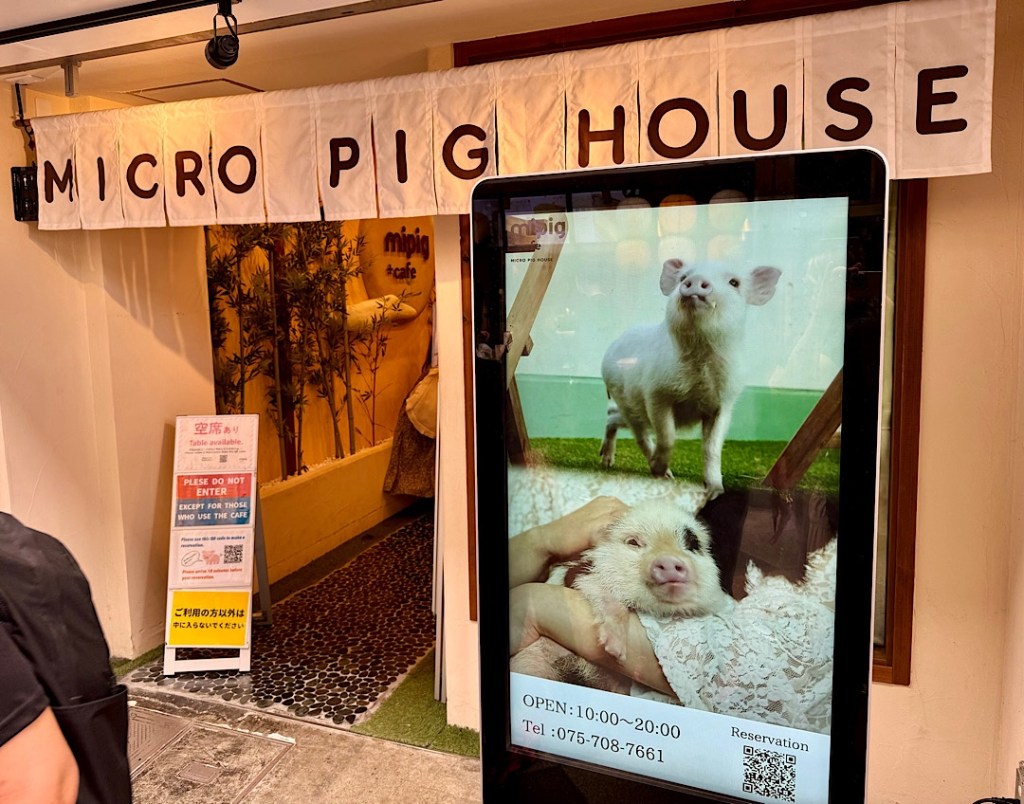
We also visited the Kyoto Railway Museum. And I spent some time in the pig cafe near our Airbnb.
Pig cafes are a spin-off of the cat cafes that first appeared in Japan about 20 years ago; those are havens in which one can relax, relieving stress by stroking purring felines. Dog cafes followed some years later; the pig cafes are a further iteration.
I’d read about such places, and talking with the Czech tourist at our beef dinner in Kobe fanned my desire to visit one. She’d been to a pig cafe in Osaka and raved about the experience. Steve was mildly revolted by the idea of paying money (a little under $15) to interact with farm animals. But he couldn’t talk me out of it, so I made an appointment for a 30-minute session at the MiPig Cafe in one of the shopping arcades near our Kyoto Airbnb.
I had to take off my shoes, stow them in a locker, and climb to the second floor of the narrow building. An attendant assigned me to one of the four low tables in a room containing 8 pigs — two older ones and 6 youngsters all about 7 months old. My companions at the other tables were a German family (mom, dad, and three adorable kids) and a couple from somewhere in Latin America.
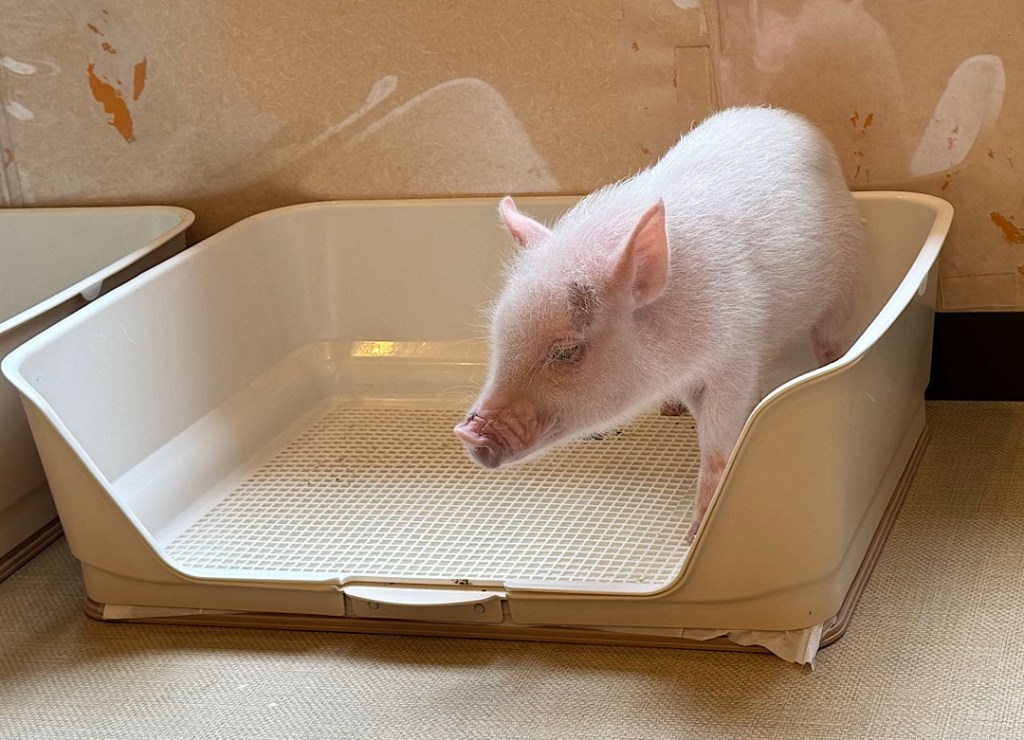
I can now understand why the Czech woman fell in love. The young “micropigs” have outrageously long eyebrows, and they wag their tails as vigorously as puppies. They looked and smelled very clean. When they needed a toilet break, they leapt to their hoofs and trotted over to a piggy version of a litter box to relieve themselves.
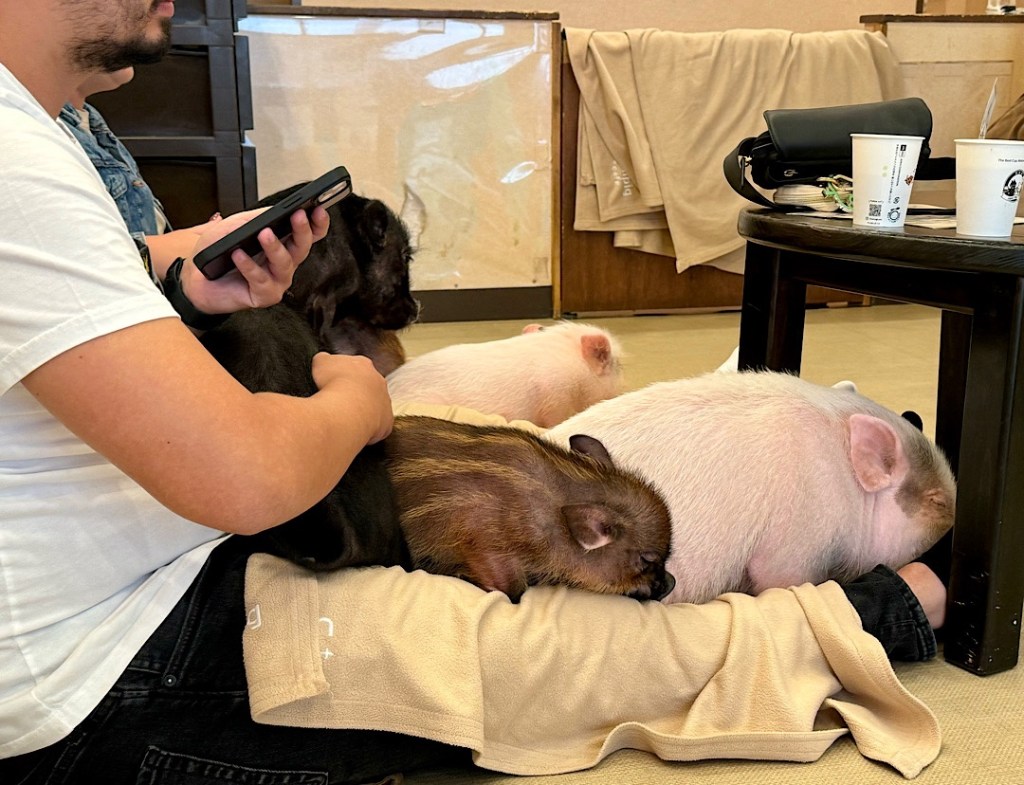
I’m sorry to report: they did not steal my heart. It seemed clear to me that what the pigs most loved was to snuggle up with other pigs.
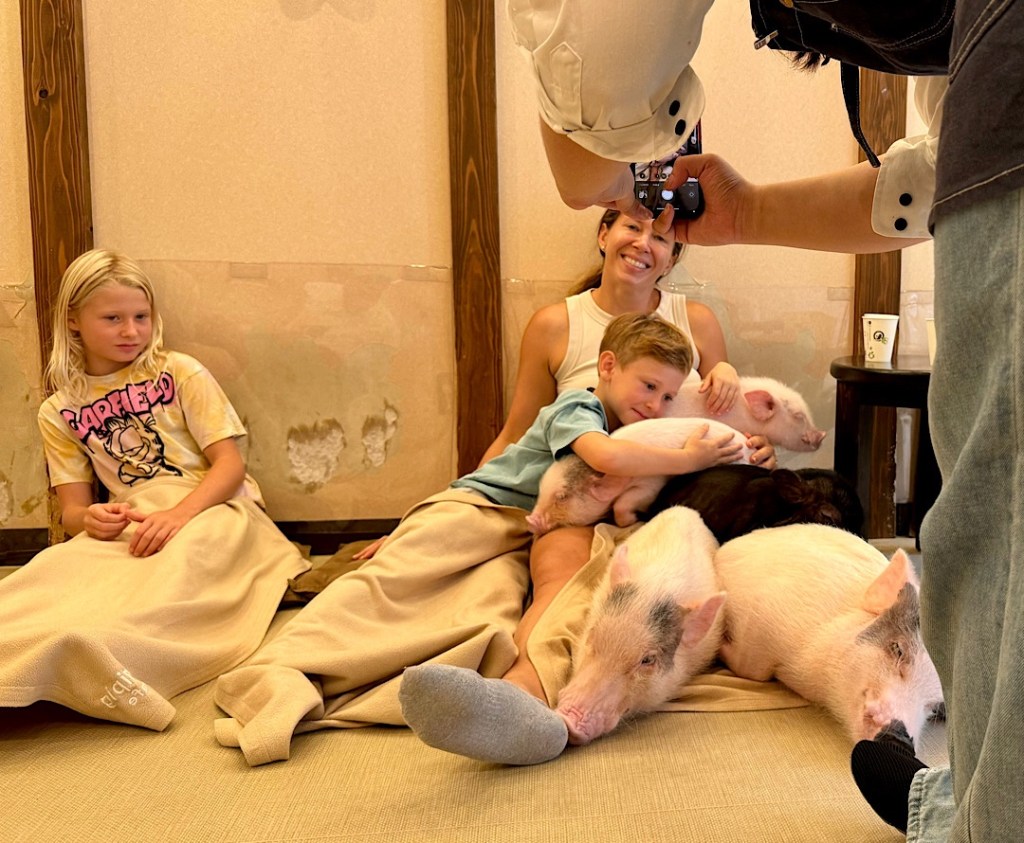
One of the sweet young attendants kept trying to entice at least one piglet to me. But for the longest time, they kept returning to Señor Pig Whisperer.
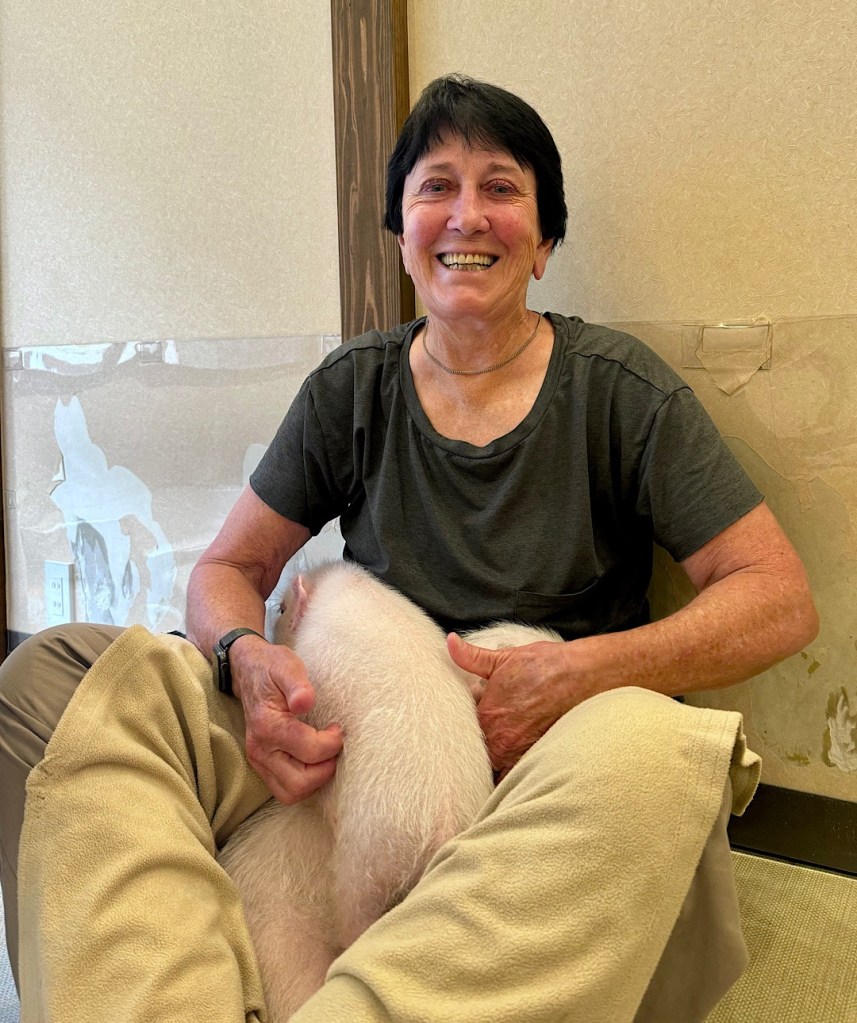
Finally, “Bobby” settled into my lap, and a sibling joined him. The attendant took a photo, documenting my success.

Puppies, I later pointed out to Steve, would be a different experience. Maybe I should check out a dog cafe! He retorted that I will have my own puppy to snuggle soon enough. We fly home tomorrow evening and pick up Vanessa (our current service-dog trainee) on Friday.
 At home and abroad