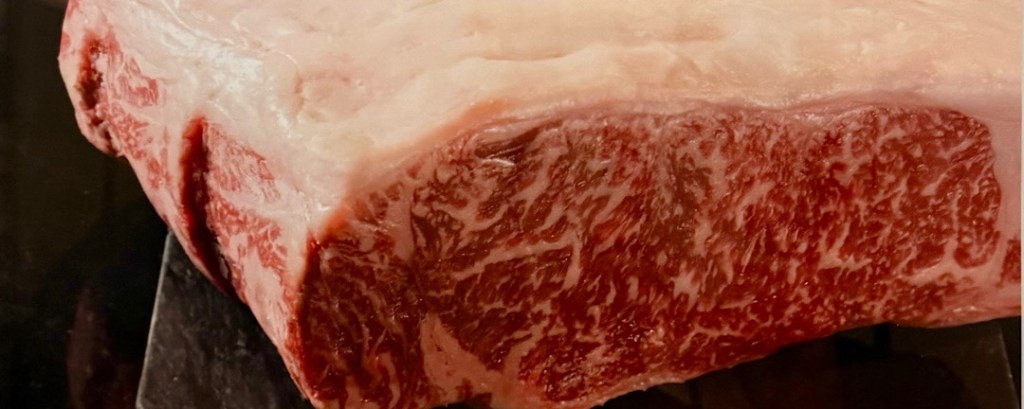
I’d never tasted Kobe beef. So how could we visit Kobe without dining at least once on its eponymous dish? We couldn’t.
Tuesday morning (9/24) we took a bullet train from Tokyo that whisked us south. We ate bento (box lunches) that we bought in the station.

We checked into our hotel, and that evening got to the Tor Road Steak Aoyama promptly at 7. I was hungry. Kobe has countless restaurants serving pieces of the highly marbled Wagyu cows; picking a dining spot is a challenge. I had decided to follow the advice of an online blogger (Tom Bricker of Travel Caffeine) who offers a ton of information about Japan travel. In his itinerary for Kobe, Bricker was effusive about Tor Road Steak House, so back in July I made a reservation through the restaurant’s Facebook page. It was a relief when the staff actually seemed to be expecting us.
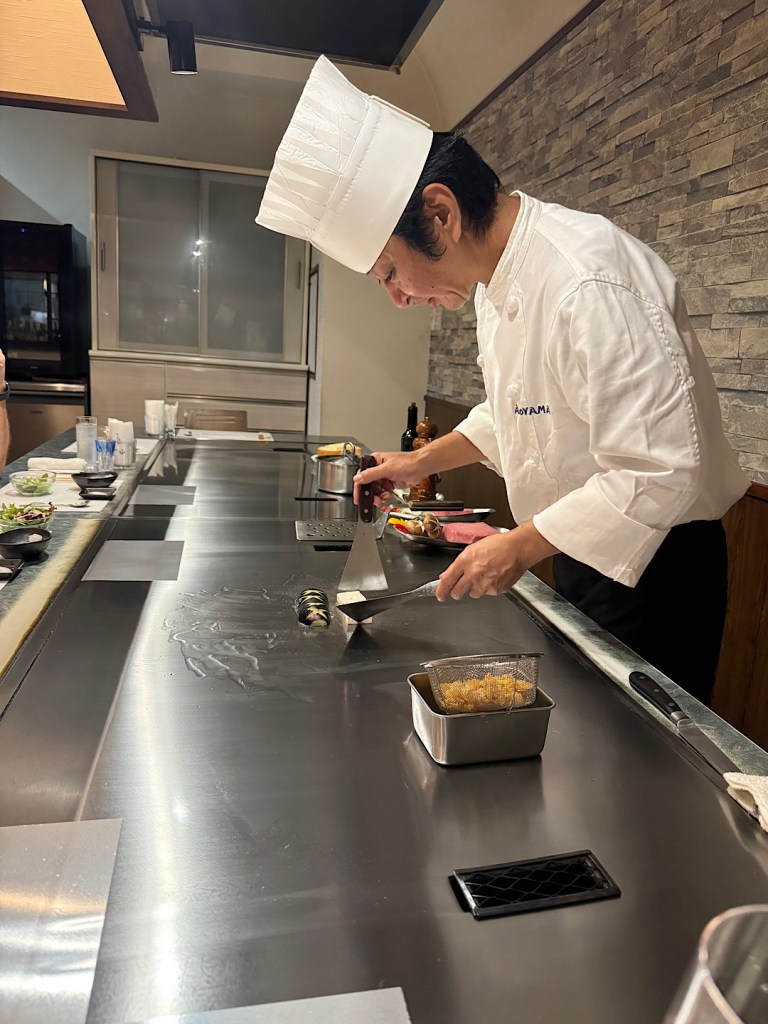
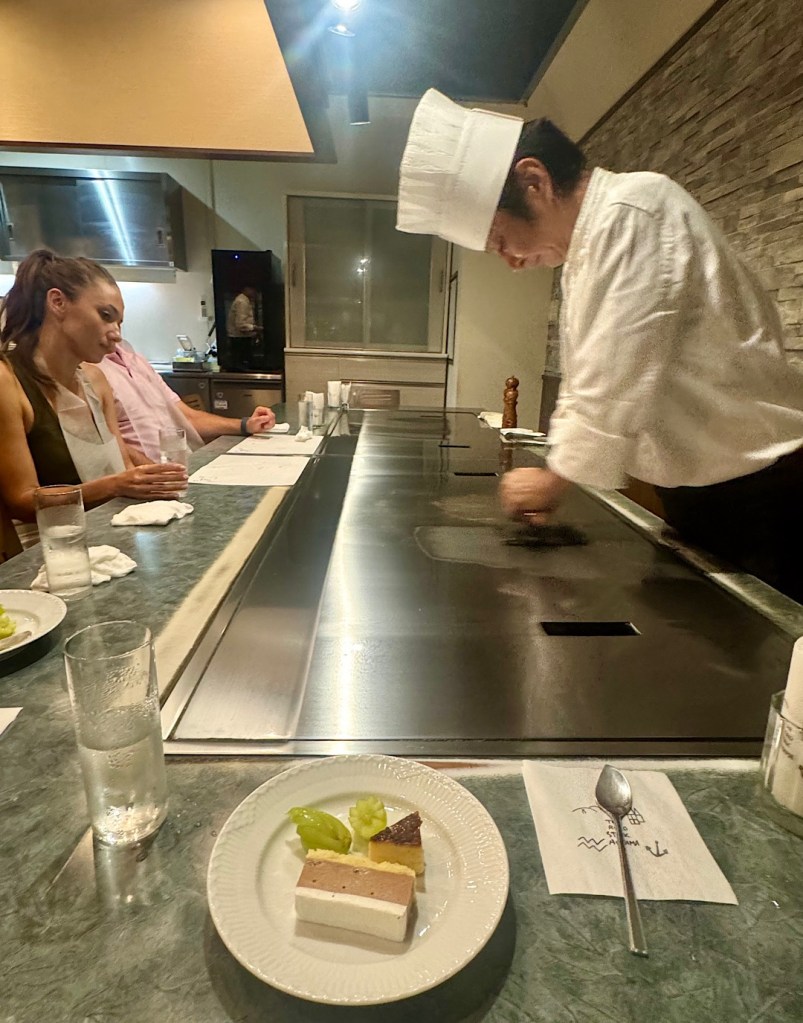
I was startled by the scale of the operation: just a single long gleaming teppanyaki grill (think Benihana) filling the end of a small room. The grill appeared to be set for only eight patrons, and ultimately only four of us were seated: Steve and me and a friendly couple from Prague. We later learned that a bigger group had canceled at the last moment — bad for the restaurant but great for us. The evening wound up feeling like a family meal.
A wiry guy in a white jacket and chef’s toque took his place behind the pristine cooking station. He introduced himself as Shuhai, grandson of the woman who founded Aoyama 61 years ago. Two facts immediately became clear: 1) he was a master with knives and heat and 2) also quite the entertainer. As he cooked — first a round of vegetables, then a 9-ounce chunk of sirloin for Steve and me, he bantered with the four of us nonstop.
He told jokes; answered our questions. It almost distracted me from his moves, which were deft and complex.
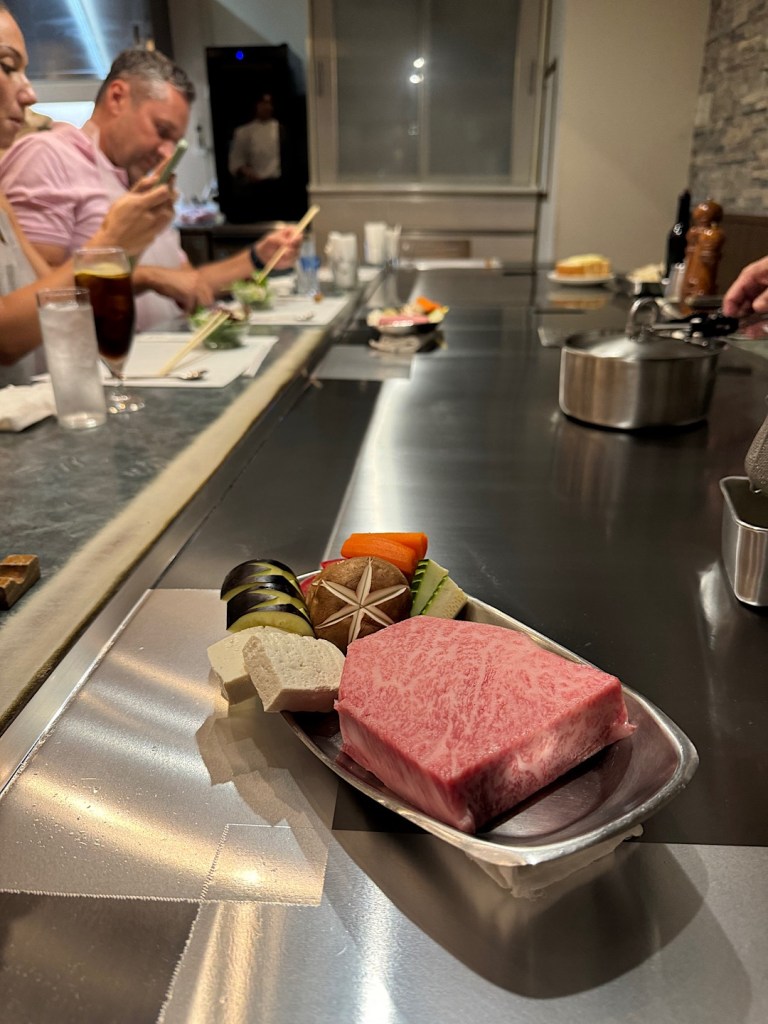
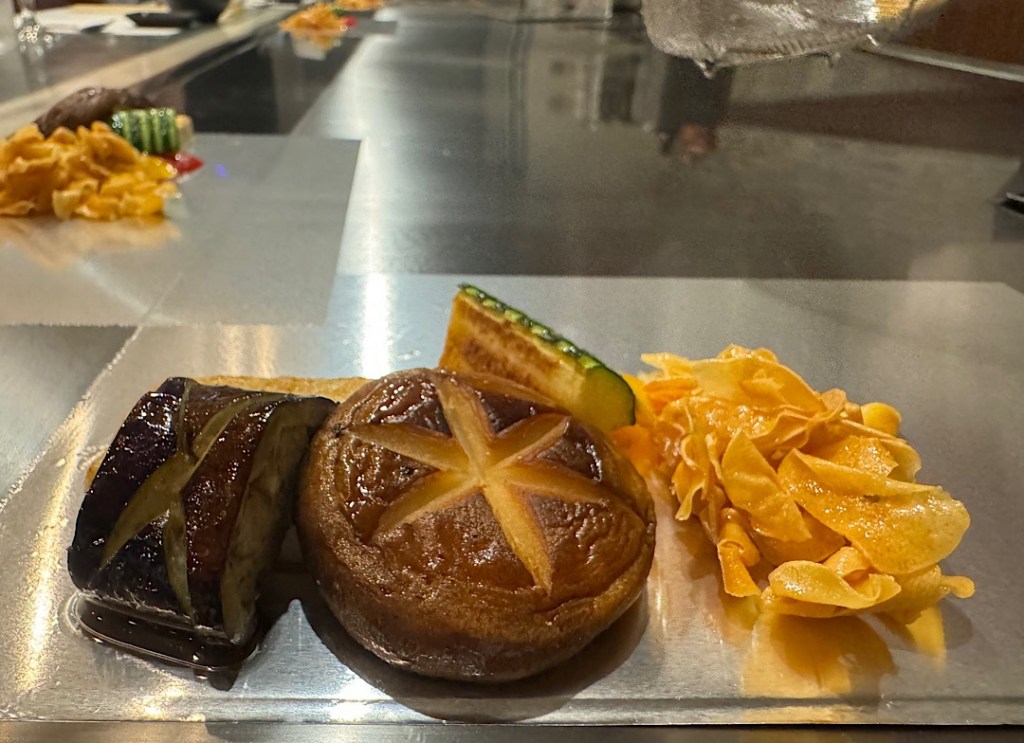
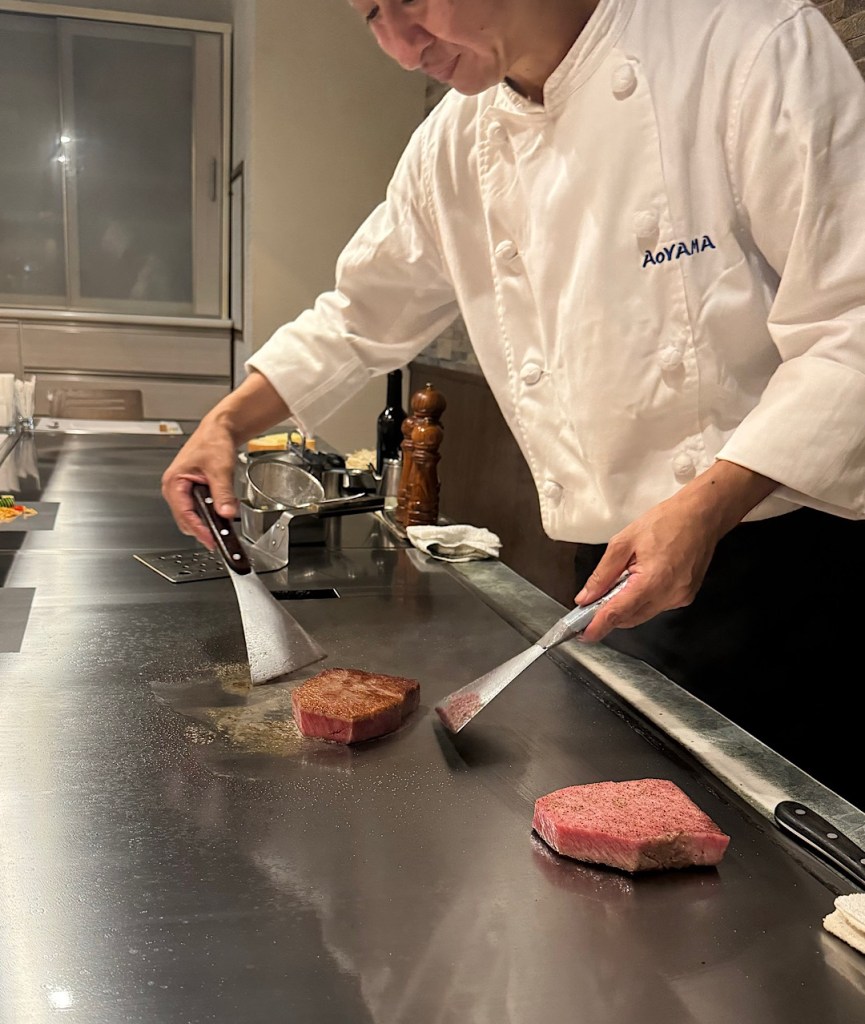
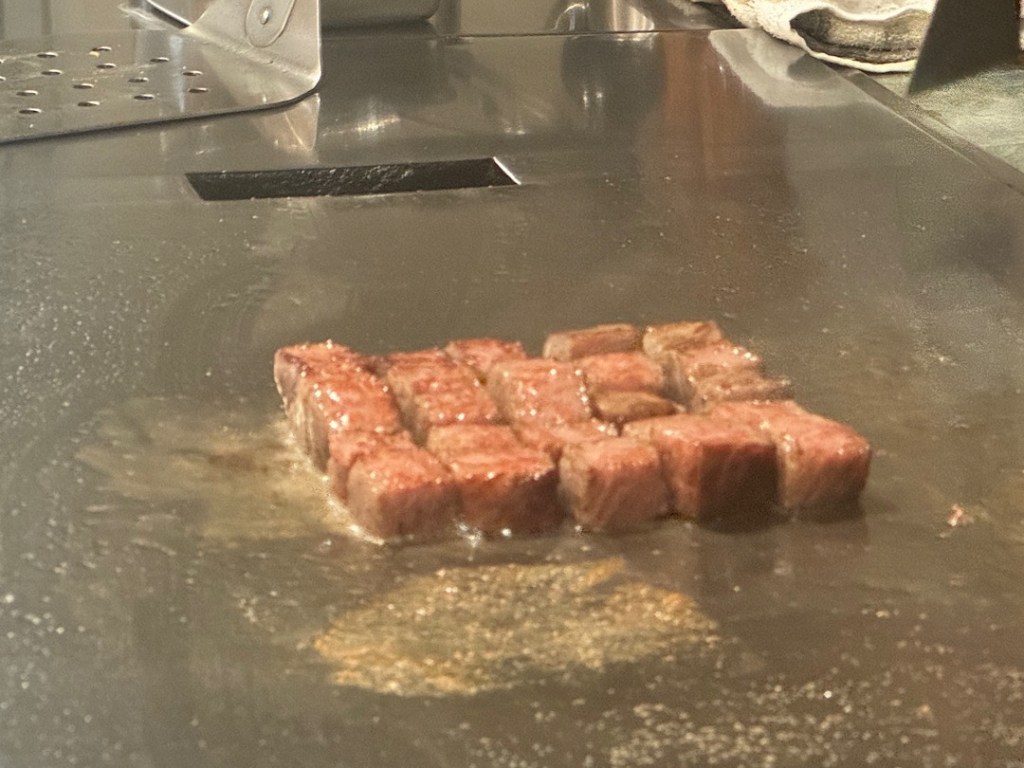
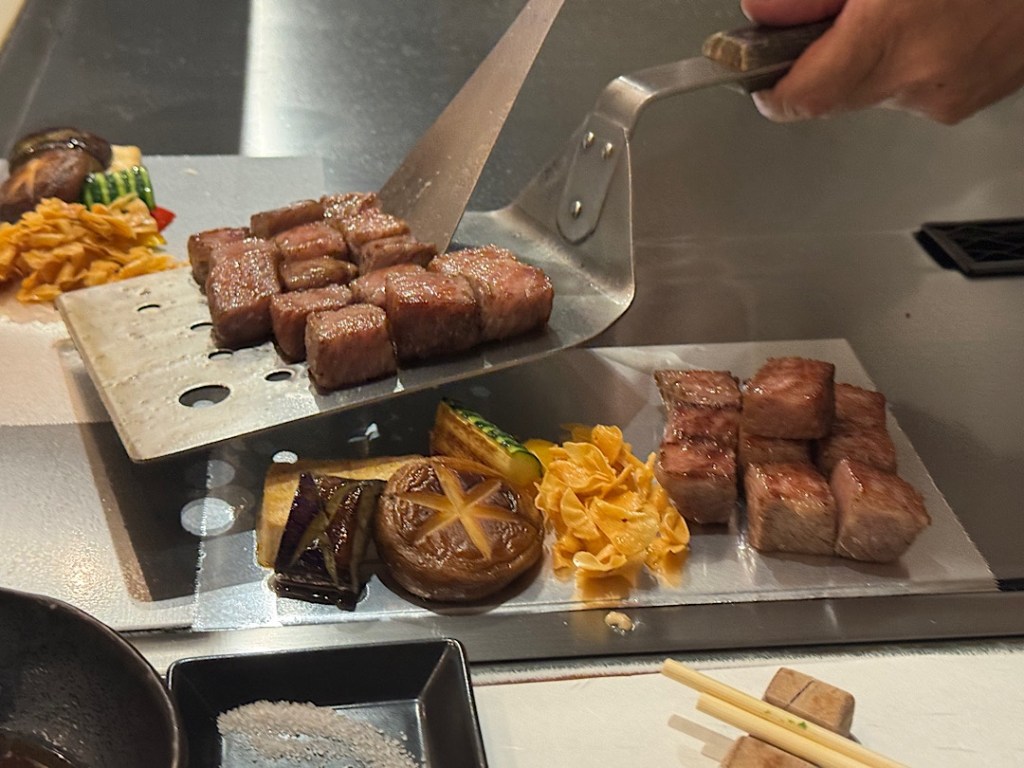
Everything was delicious, but the beef really was extraordinary — tender and suffused with unctuous savory flavors — not at all like chewing on a piece of beef fat.
I wouldn’t want anyone reading this to think beef-eating is Kobe’s only attraction. The region is also famous for its sake, so on our first afternoon, Steve and I visited a museum devoted to the art and history of the local rice wine.
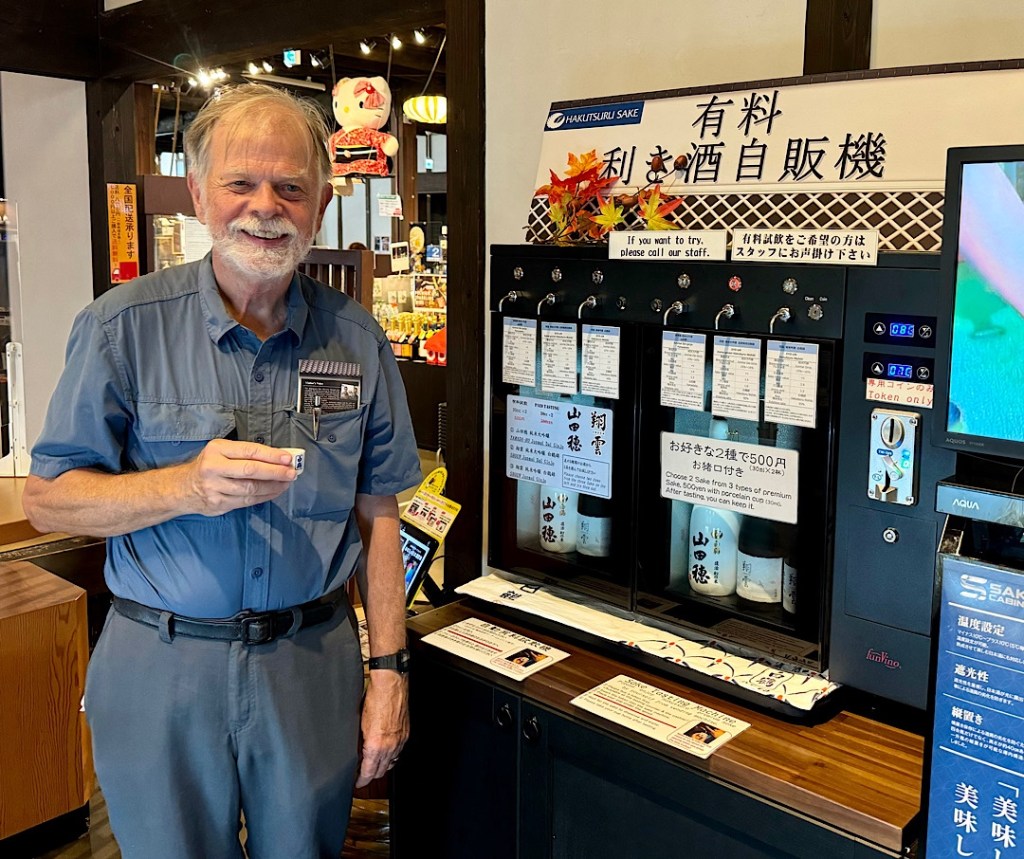
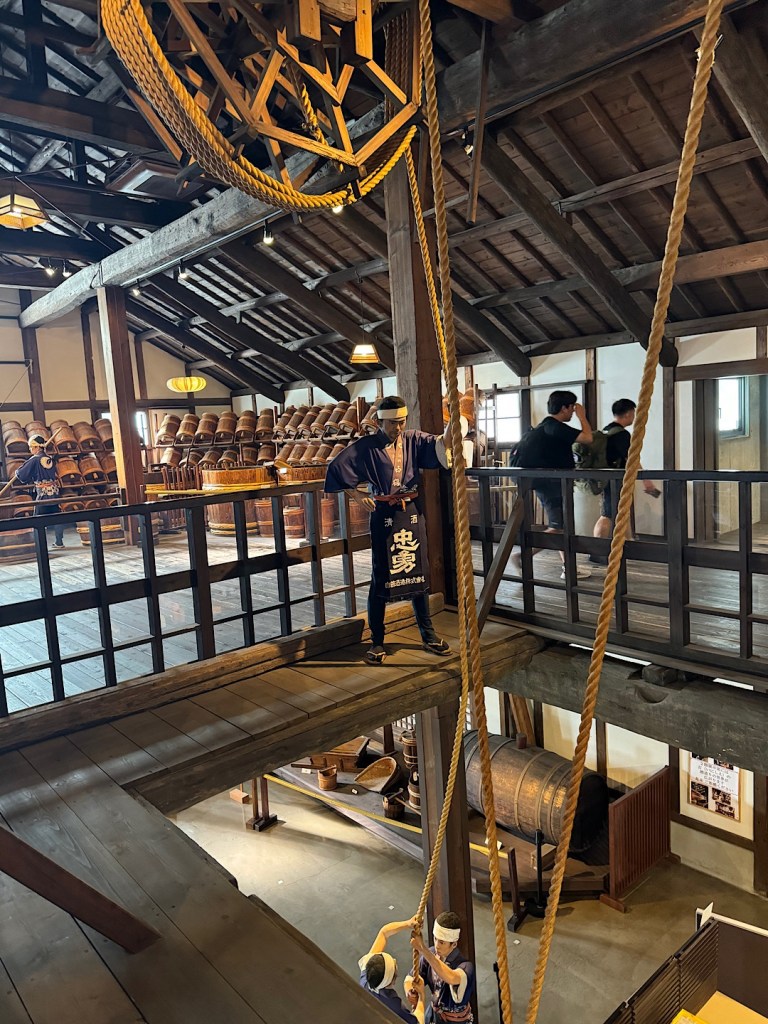
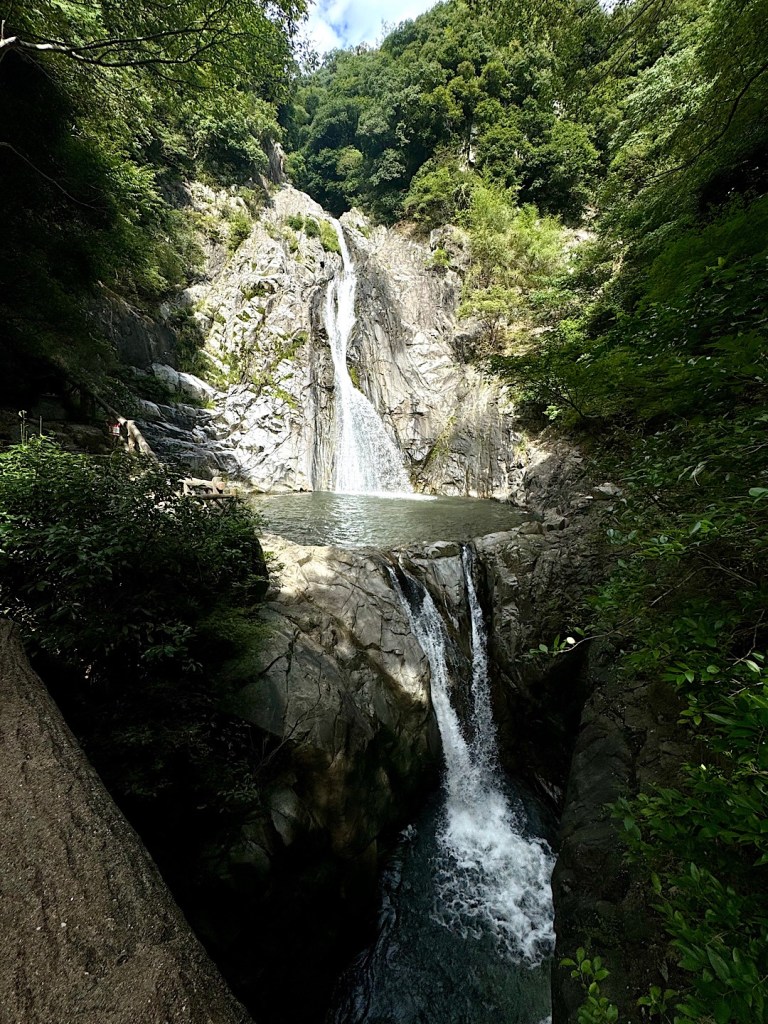
The next day, we took the ropeway up the mountain next to our hotel. It deposited us at the Kobe Nunobiki herb garden, one of the biggest and best herb gardens in all Japan.
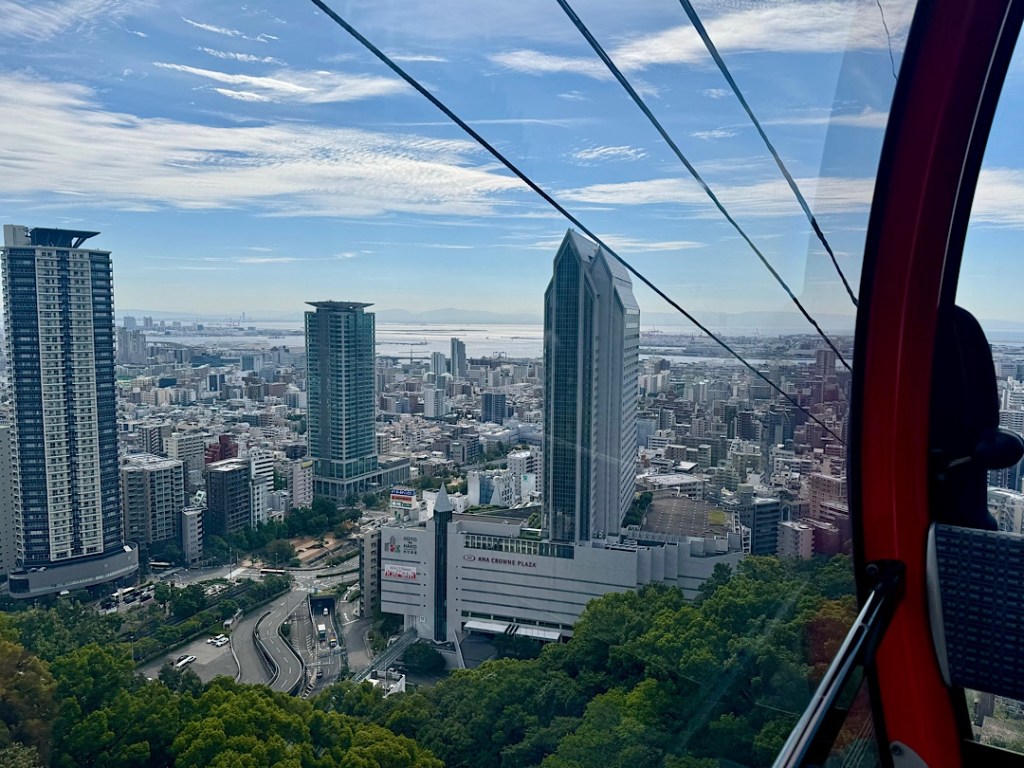

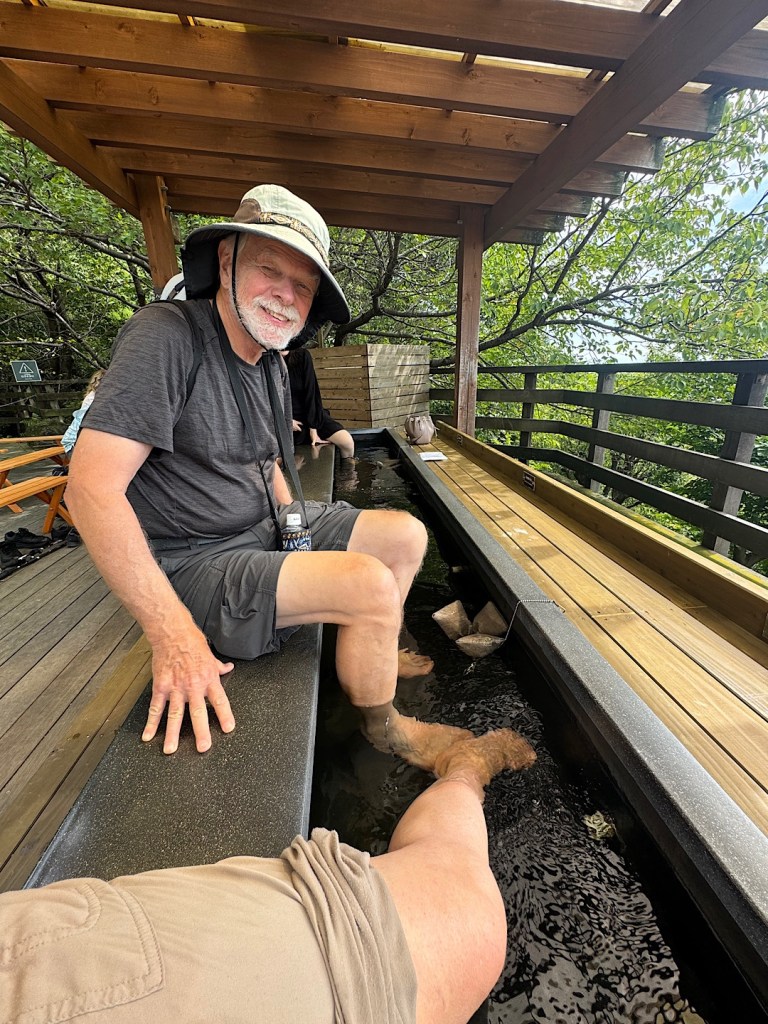
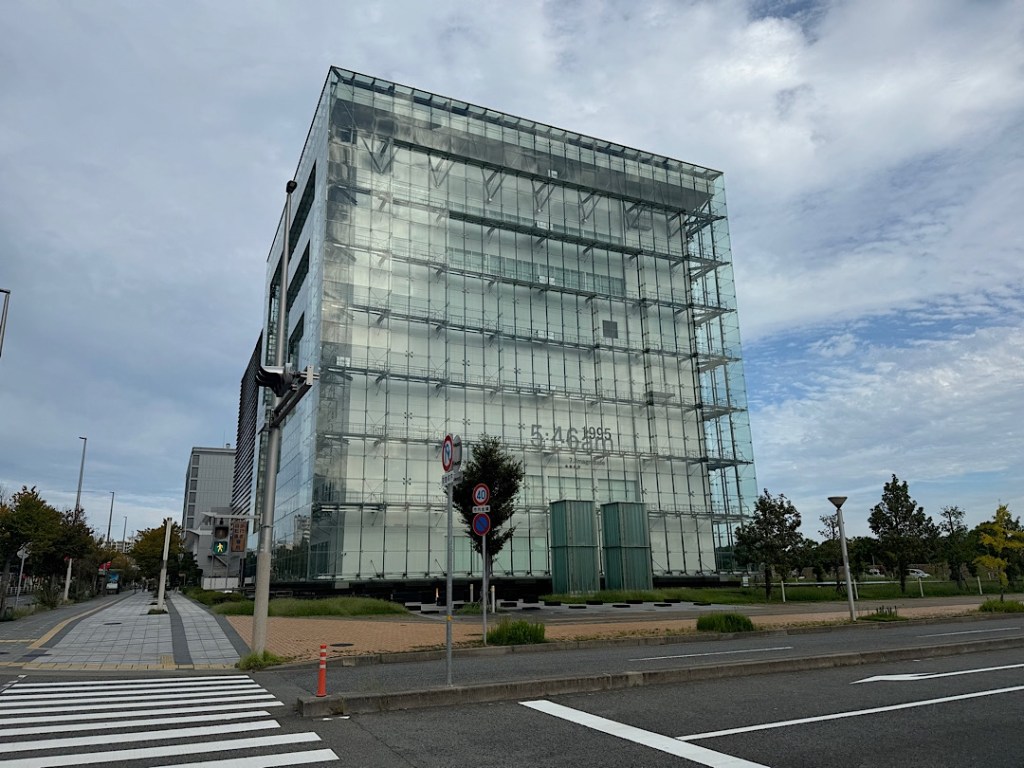
It may sound like a mouthful, but Japan is vulnerable to so many disasters — earthquakes, tsunamis, volcanic eruptions, cyclones, flooding, and mudslides. Kobe suffered a particularly dreadful earthquake back in 1995, and this museum shared what happened then in terrifying detail, along with the efforts to mitigate the impact of such disasters today.
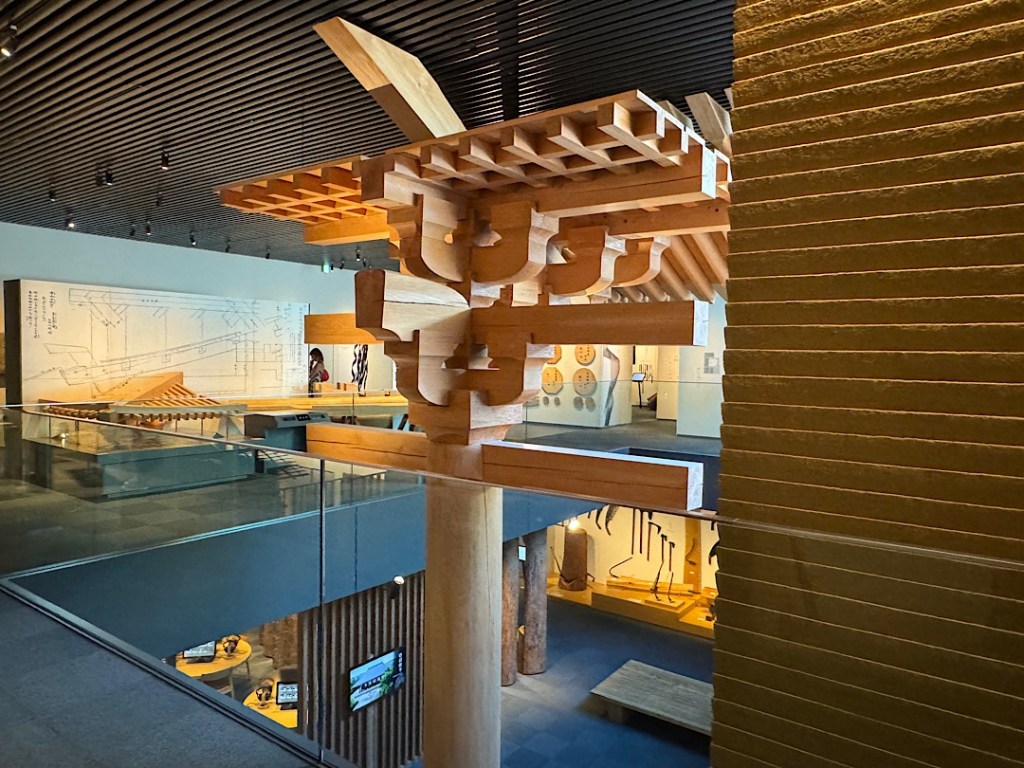
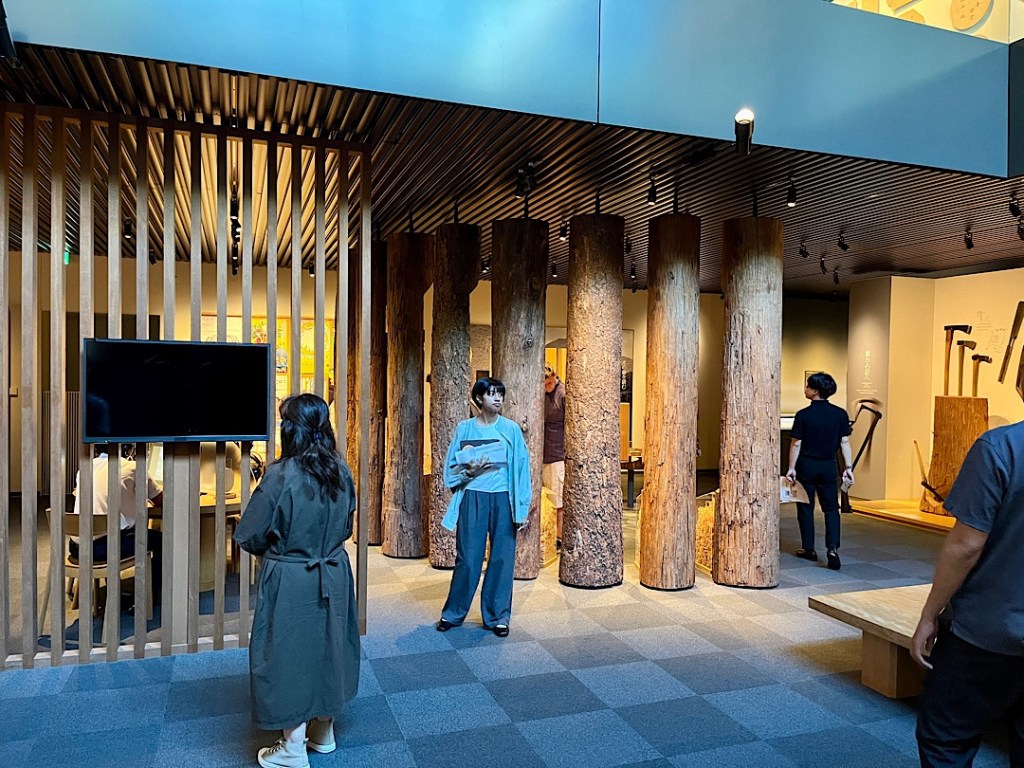
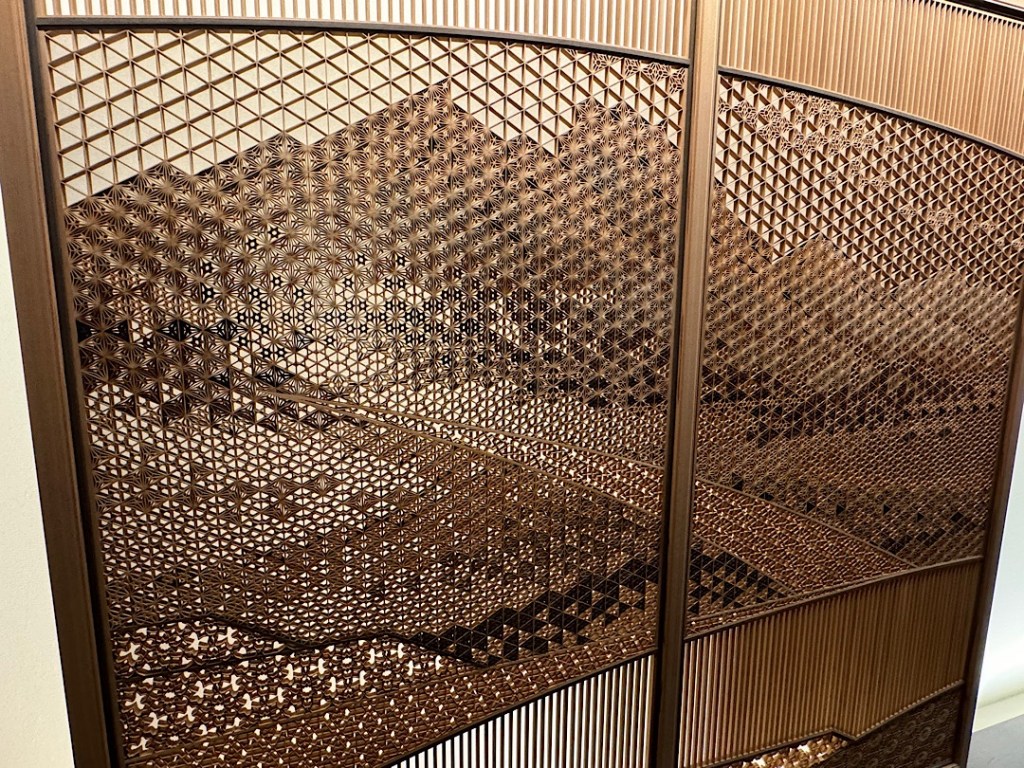
We had a far more peaceful experience Thursday morning at the Takenaka Carpentry Tools Museum, just a short walk from our hotel.
Yesterday we hustled back to the train station to catch more trains for the island of Shikoku, across the Inland Sea from Kobe. We’ll be traveling on Shikoku for 8 days, doing something we once thought would be more terrifying than some of those natural disasters — renting a car and driving ourselves around in it.
 At home and abroad
Great descriptions! I am forwarding this to Geoff and Kazumi.
Great descriptions! I am forwarding this to Geoff and Kazumi.
Cool!