So far this trip has been spectacular. Steve and I both feel great. It will rank among my most satisfying and interesting journeys of all time, I’m already sure. But our transit to Malta was a reminder that travel in the time of Covid is not for the faint-hearted.
Malta, the third-largest of the European microstates, is smack in the middle of the Mediterranean Sea. You can get to it by ferry, and I tried to arrange that. But ferry rides ultimately proved too complicated.
That left airplanes. To get there, I booked us on an Alitalia flight leaving Rome around 5 pm Thursday afternoon (9/23) and arriving in Malta about 6:30 pm. From Malta to Sicily (our next stop), I got seats for us on Ryanair. But then from Sicily to Nice (France), Alitalia once again seemed like the best choice.
I knew Alitalia was iffy. The Italian airline filed for bankruptcy back in 2017, but they’ve managed to continue operating since then. They treated me well in 2020, the first time I had to cancel our microstate trip (because of the pandemic). They ultimately refunded every penny I had paid. This time around, I spent more for refundable Alitalia tickets because I knew things might get snarled up.
The first hint of the coming disaster arrived in my inbox the day we got to Liechtenstein. Alitalia had canceled our morning flight from Rome to Nice, the email informed me, moving us to a late-afternoon flight that would require us spending most of a day in the Rome airport. At least as disturbing: when I went online to look at alternatives, I found a note at the top of the page saying Alitalia would sell no tickets after October 15. That’s how we learned they were finally going out of business.
I scrambled and managed to book flights to Nice on Lufthansa — about the same price, if longer (we’ll have to fly from Sicily to Munich to Nice, requiring almost 6 hours in airports and on planes instead of three and a half.) But since our Alitalia tickets were fully refundable, I had some hope of getting that money back.
This turn of events made me nervous, though, and last Wednesday, the day before our flight to Malta, I made sure to check in and get our Alitalia boarding passes. The flight was on time, the website said, and with the passes in my Apple wallet, I felt relieved.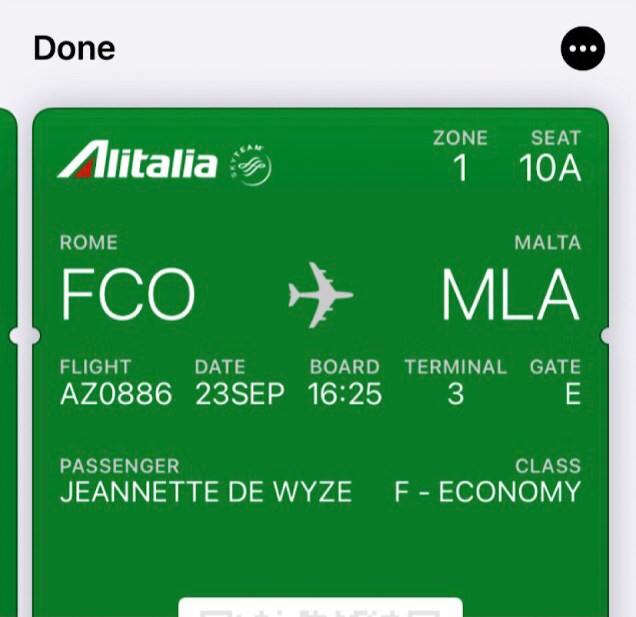 Less than two hours later, while eating what we thought would be our last dinner with Megan, I got another email from Alitalia, this one informing me our flight the next day, for which I had just secured boarding passes, had been canceled. No explanation was offered for why.
How could we get to Malta now? Would our microstate streak be foiled by Italian flakiness? Google Flights didn’t offer any good alternatives, but when I checked the Air Malta website, I found a 10 am flight Friday morning for a fraction of what the Alitalia tickets had cost. Only three seats were left, but I managed to secure two of them for Steve and me. This change in plan required us to cancel the hotel I’d reserved in Malta for Thursday night. Instead we got a room at the hotel near Rome’s airport. Megan was already booked in there to spend the night before her departure on Delta for the US — which coincidentally left at the exact same time as our Air Malta flight: 10 am Friday morning.
In some ways, this change proved fortuitous. It gave us all of Thursday with Megan, and the three of us shared a phenomenally good meal that night at a waterside restaurant near the hotel. Because of concerns over the longer lead time required for a US flight, she decided to take the 6:45 am airport shuttle the next morning, while we would go on the 7:30 one. We said our heartfelt goodbyes in the hotel lobby Thursday night.
I got the first WhatsApp message from her Friday morning, just a moment after we had boarded our 7:30 shuttle bus.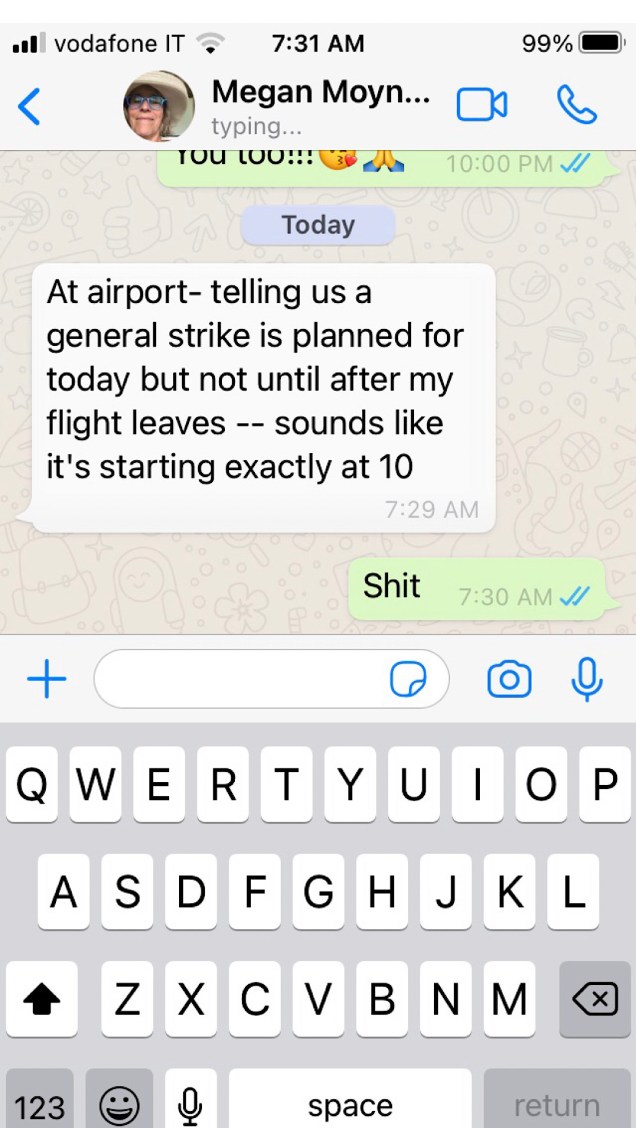
Since our flight was also due to depart at 10, this sent a jolt of adrenaline through my system. Later, we learned that at hundreds of striking air workers were staging a sit-in that morning on the highway between Rome and the airport. To protest EU constraints on the hiring of Alitalia workers by the new carrier that’s scheduled to replace it (called ITA), they reportedly brought a fake coffin draped with European flags and plopped it in front of the airport.
The coffin must have gotten there after we did. Steve and I arrived to find the airport eerily empty. Though Alitalia’s presence had obviously dominated Terminal 1, all human trace of it had vanished: no staff, no passengers.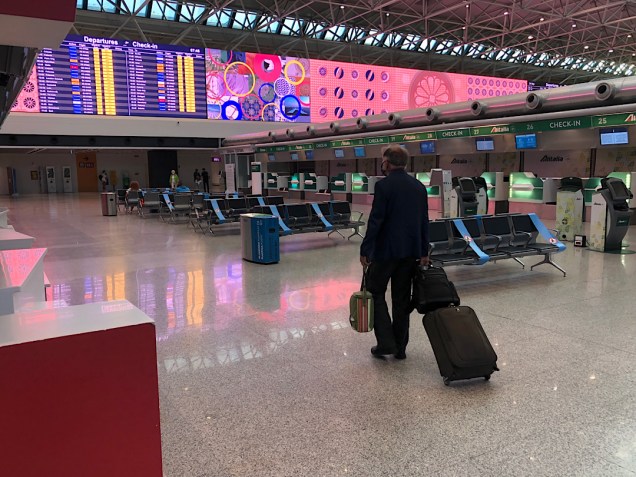 Happily, we found humans behind one Air Malta check-in counter; there we queued up behind maybe a dozen other passengers. When we reached the desk and the stressed-out clerk asked for our proof of vaccination and Maltese Passenger Locator Form (PLF), I felt almost smug showing her the QR codes for both. She unsettled me, however, when she also asked for our VeriFLY clearance for Malta. VeriFLY is a Covid document-verification app that we had downloaded in San Diego. We’d jumped through all its electronic hoops and had gotten a cheery reassurance that we were cleared for travel there. But we’d heard it was no longer required, so we hadn’t checked ours in a while.
When I pulled up the app, a disconcerting message informed me “Needs to be completed!” We protested that we HAD completed it, but the app had somehow forgotten what we’d told it, and besides, we had also just presented our vax proof and PLFs. But the desk clerk was flinty. No green check mark from VeriFLY, no Malta.
Fortunately, we had arrived at the airport with lots of time. So we managed to jump through the VeriFLY hoops again, get our boarding passes…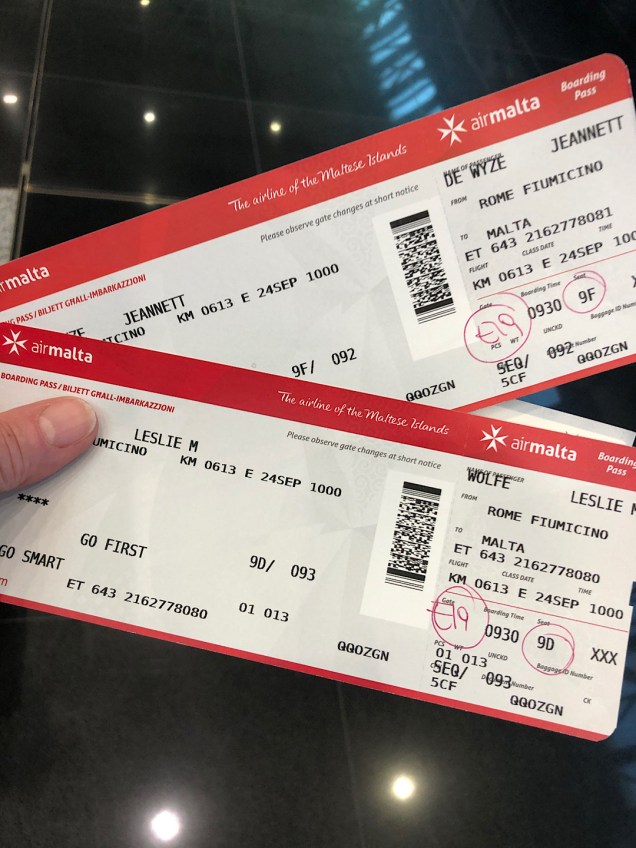 …make it through yet another documentation check at the gate…
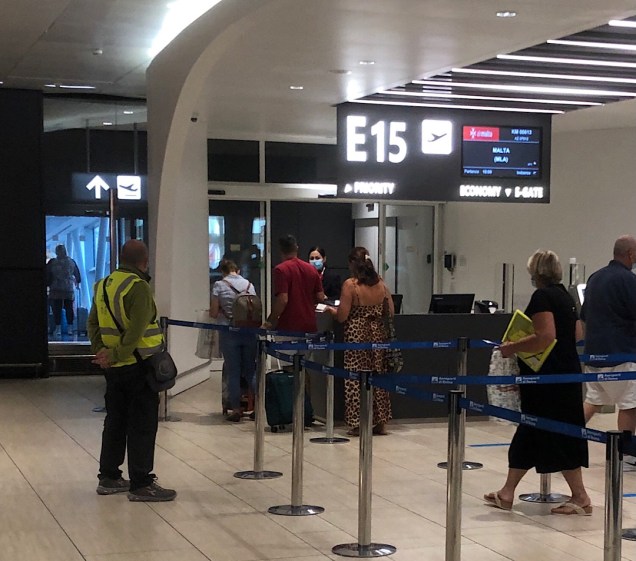 …and more upon arrival. My bags were searched more thoroughly than any time in memory. (Oddly, Steve received no such scrutiny.)
In the end we arrived, however, and now I can say unequivocally: it was worth it. But that’s another story.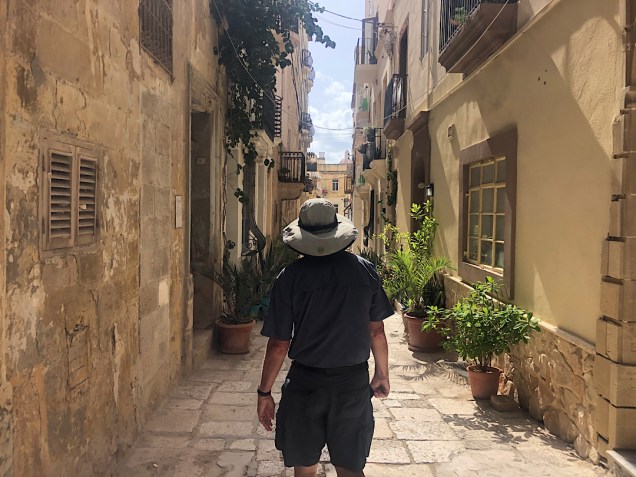
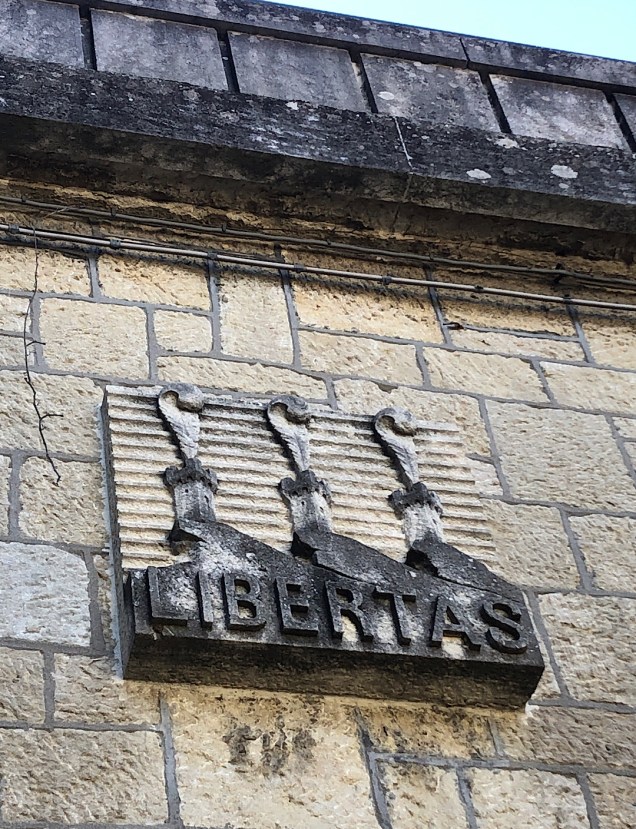 Although my last post was a paean to train travel, we couldn’t take a train to San Marino, the fourth microstate on our tour. A tiny independent realm located roughly a third of the way down the eastern side of the Italian boot, San Marino once was accessible by train. But Allied forces destroyed the line during World War II, and instead of being rebuilt it was replaced with a highway. So most visitors drive to San Marino. The other way to get there is on a bus from Rimini, the nearby Italian city on the coast. Steve and I boarded one of those Sunday afternoon.
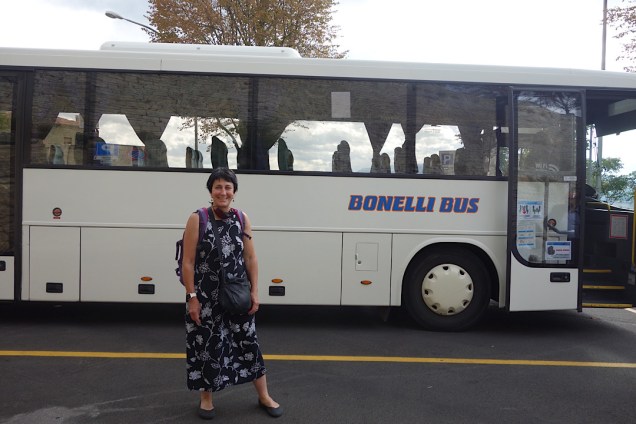 Storm clouds drained the color and light from the sky, but after a half hour or so we began to get glimpses of a promontory rising up in the distance: Mt. Titano.
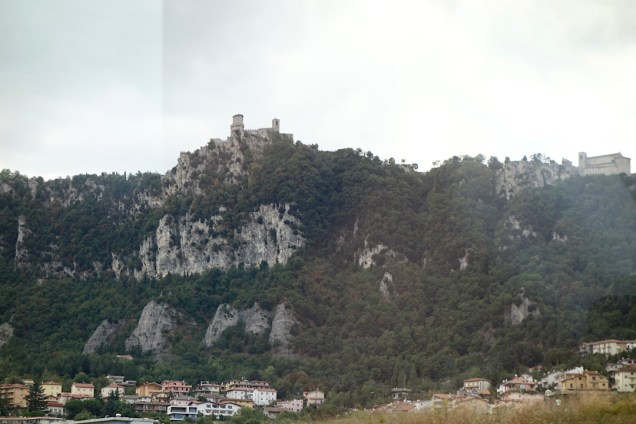 It was on that peak that a pious stonecutter from Croatia fled and lived as a hermit at the beginning of the 4th Century. His name was Marinus — later Saint Marinus, aka San Marino.
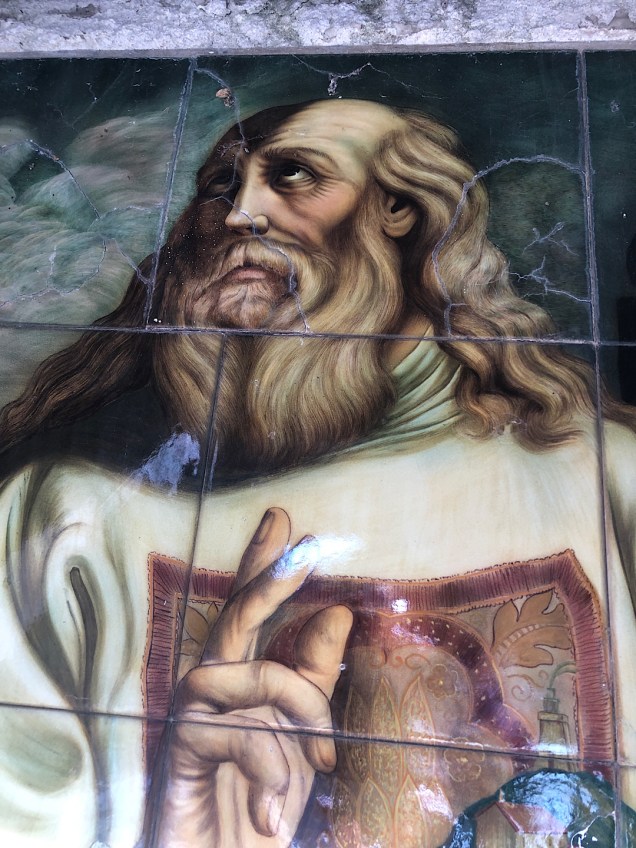 From what I could make out, his beatitude resulted from his being a kindly and inspiring fellow who persuaded lots of people to become Christians. Legend has it that he also miraculously cured the dying son of a local noblewoman, who was so grateful she gave him the mountain and some land around it. San Marino thus enjoys the distinction of being the only country in the world founded by a saint. On his deathbed, Marinus supposedly whispered to his countrymen, “I leave you free of domination by other men.” Repeatedly, Steve and I heard that freedom, independence, and self-reliance continue to be core values of the modern Sammarinese.
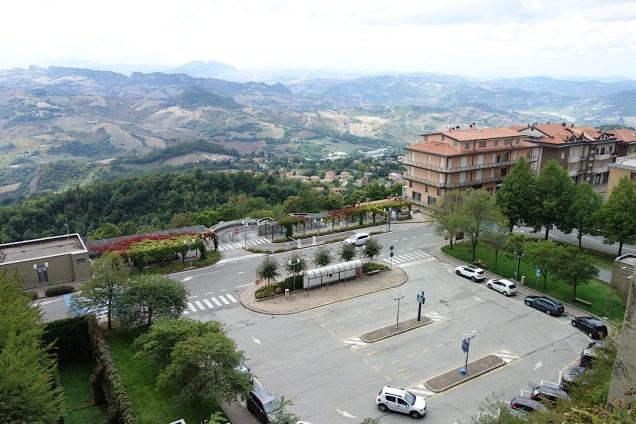 …but then we started trying to follow Google Maps’ directions up the stony warren of streets. We quickly got lost…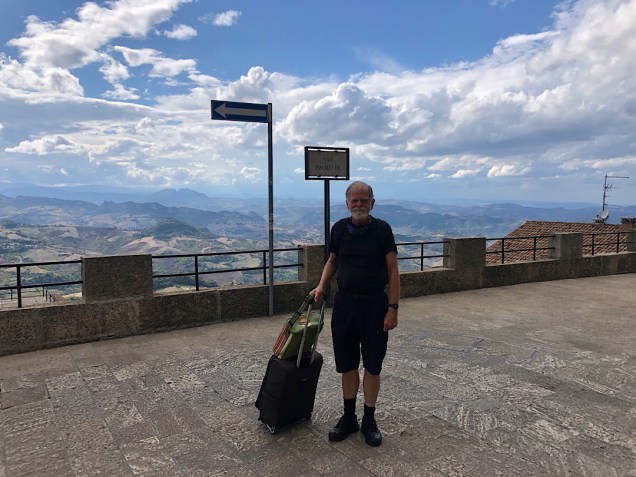
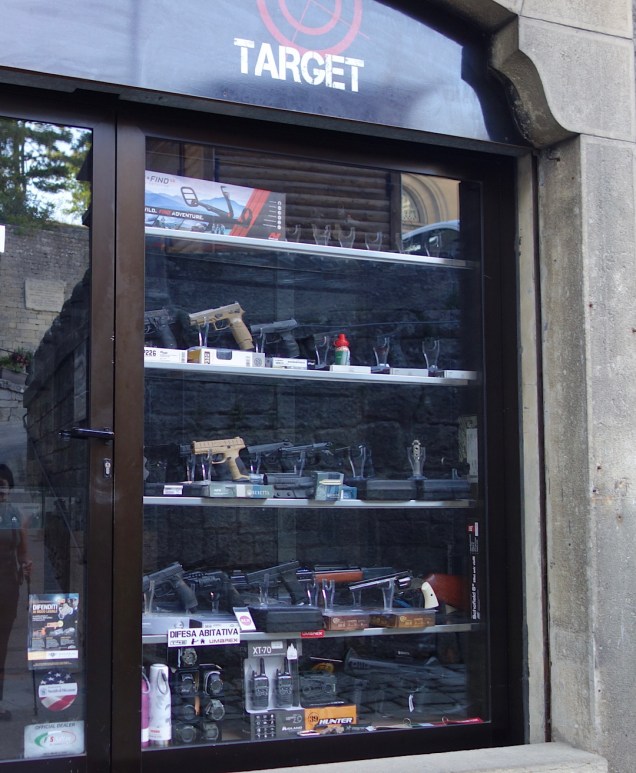
 We finally made it to our hotel, got a good night’s sleep, and awoke to a wonderland bathed in sunshine. In the tourist office, I was able to buy a stamp:
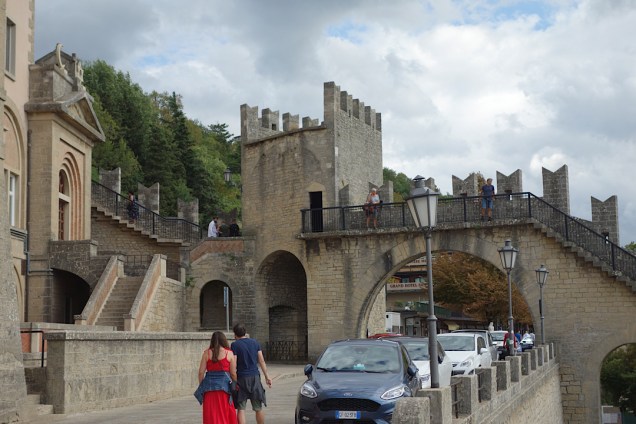
 None of that interested us much, but we were dazzled by San Marino’s three great towers. This tiny enclave for more than 1700 years avoided being overtaken by those who coveted it (including Cesar Borgia, Napoleon, and various rapacious clergymen and nobles). The story of how that happened is so complicated, it made my eyes cross. Clearly luck had something to do with it; probably good diplomatic skills too. But the towers also deserve a bunch of the credit. One looks just right for locking up Rapunzel.
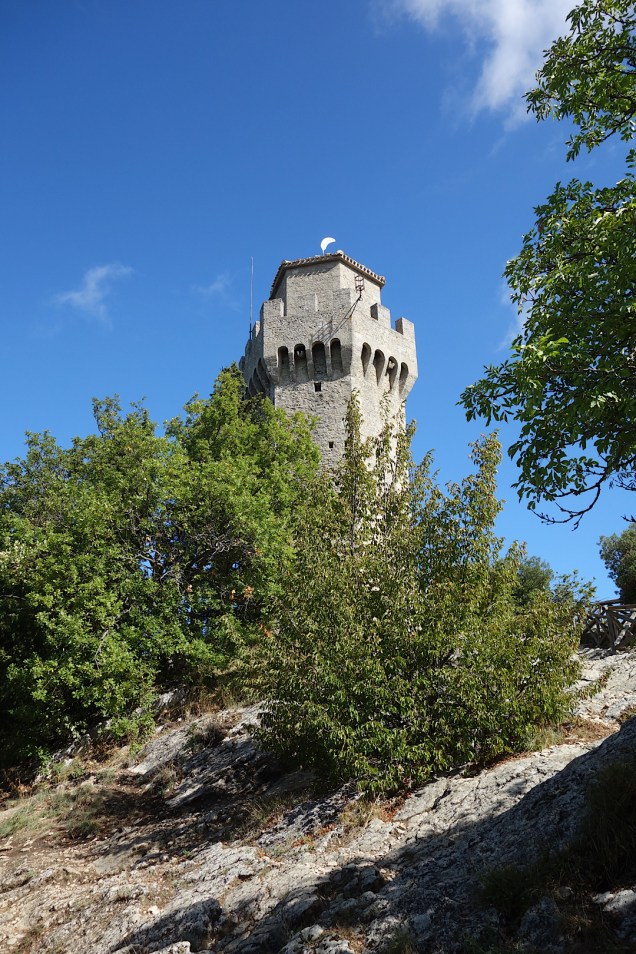 The biggest and oldest tower feels like part fort/part castle.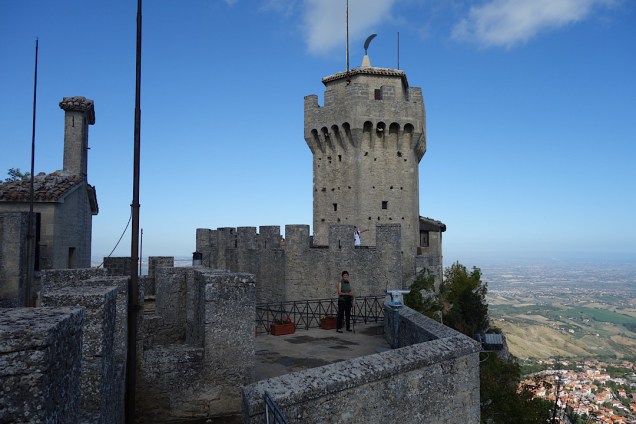
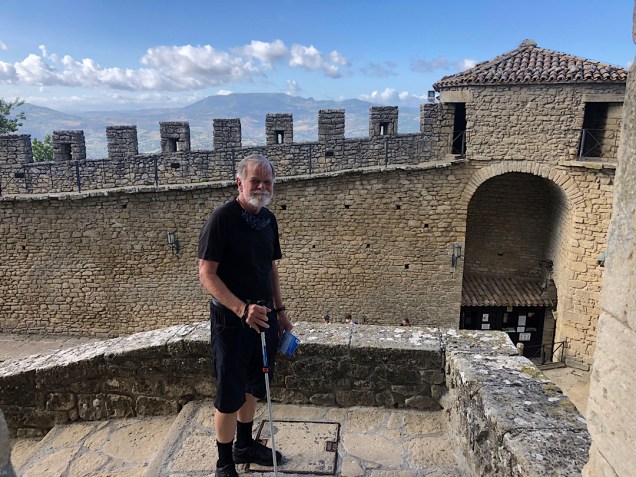
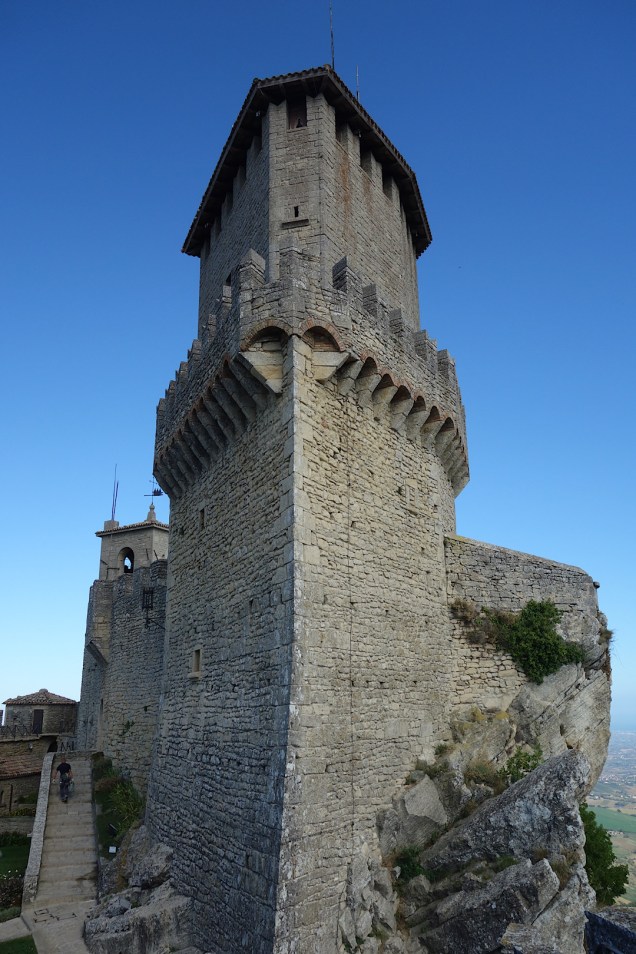
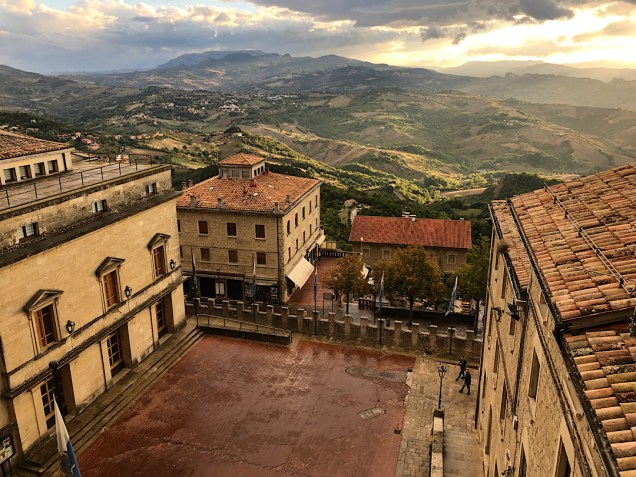
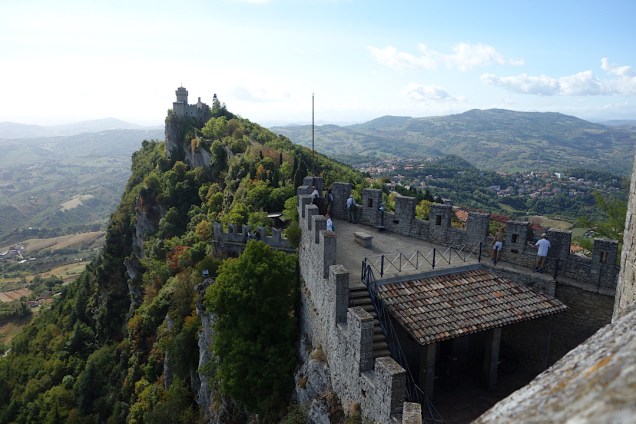 We poked among the nooks and crannies and I reflected that being Rapunzel here might not be so bad, providing one got a room with a view.
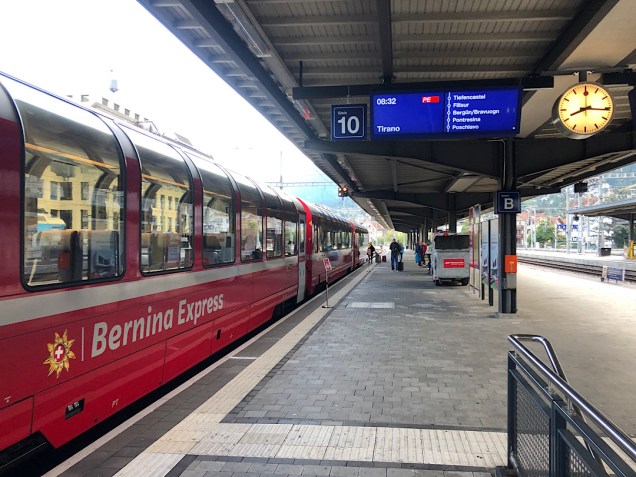 The other day when Steve glanced at our tickets for the Bernina Express, his jaw dropped. “Oh my God,” he breathed. “Am I really in seat #61?” “Yeah. You’re in 61 and I’m in 63. So what?”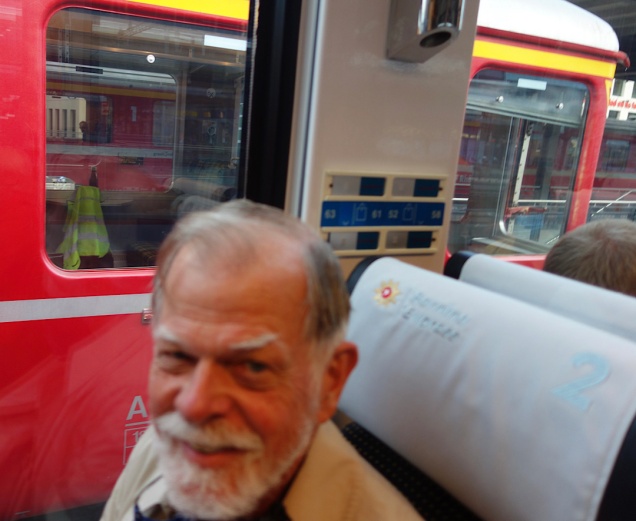
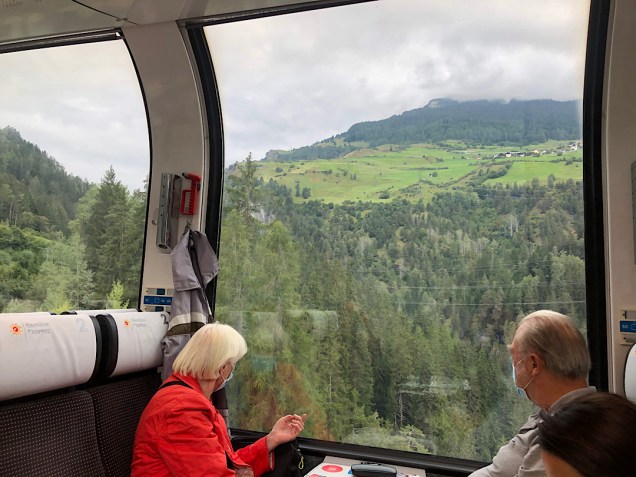 The Indian train arrived at its destination more than three hours late, after tortuous intervals of sitting and not moving. The Swiss one took off at 8:16 instead of 8:15 and arrived in the Italian town of Tirano at 12:51 instead of 12:49. Its roughly 4.5-hour-long route took us over one of the highest rail beds in the world, one constructed more than 100 years ago specifically for tourists. It posed devilish challenges to the Swiss engineers who designed it, but it helped make them into the pre-eminent experts on tunneling that they are today.
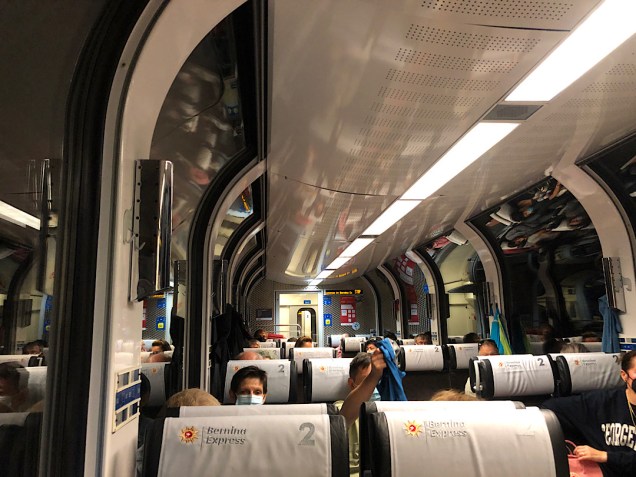 Lots of tunnels on this run!
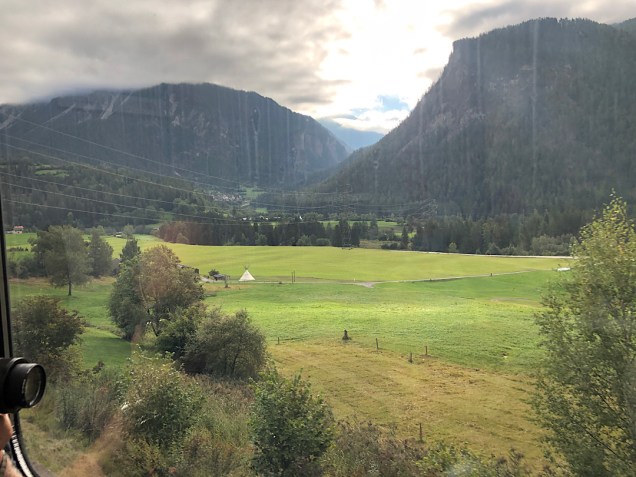 …but turned golden long before we crossed the Italian border. We had spiffy headphones that told us (in English) about the line’s history and highlights.
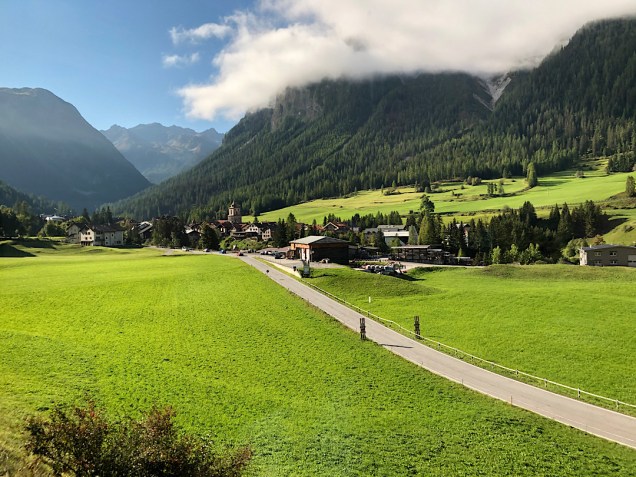 The route literally winds through Heidi country — the part of the Alps where the book was set and movies were filmed.
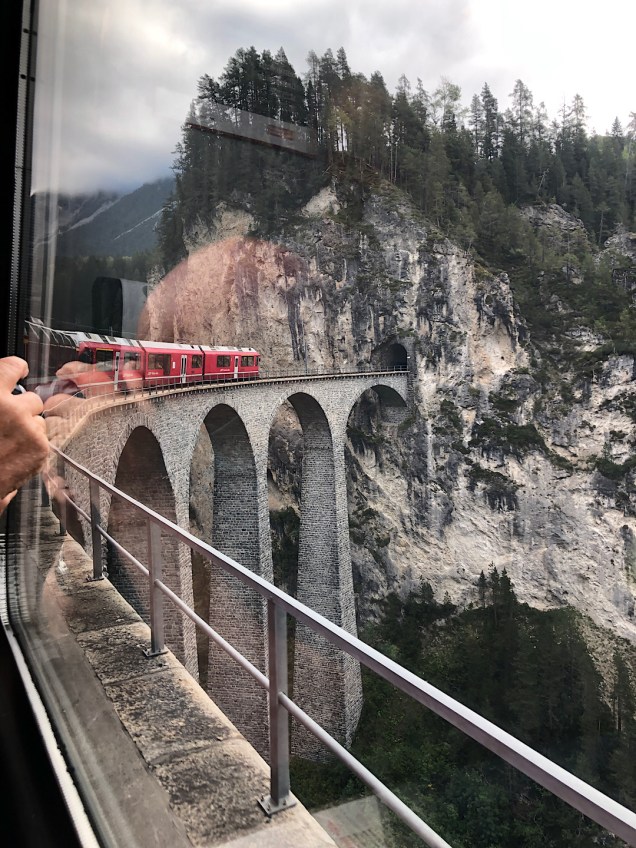 Bridges like this and sections of track that corkscrew through the mountains and meadows are among the attractions.
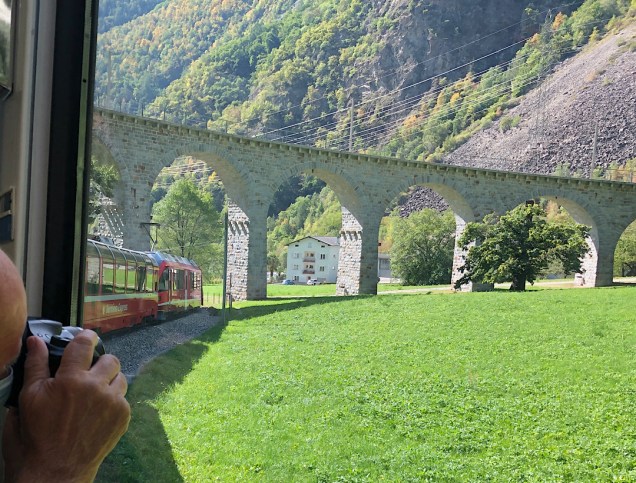 In this view, the train is going under a circular bridge that it just traversed.
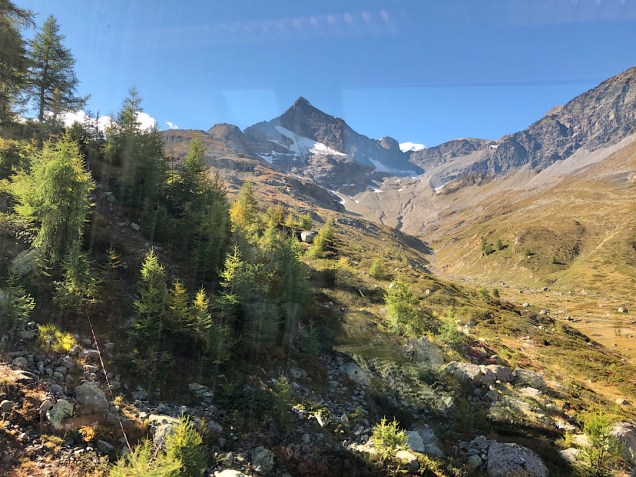 Views of glaciers and glacial lakes also triggered avalanches of camera clicks.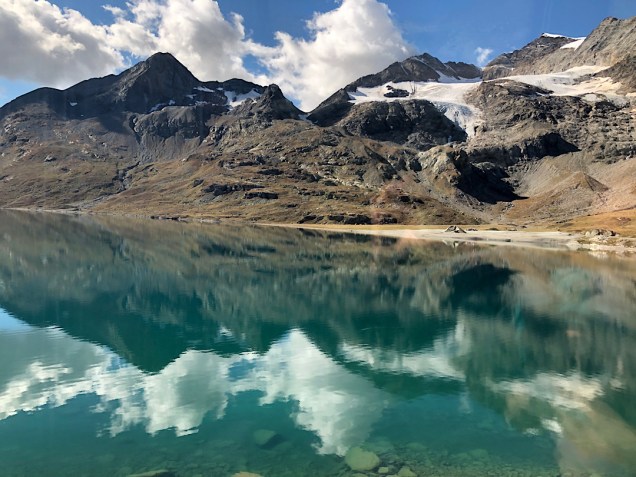
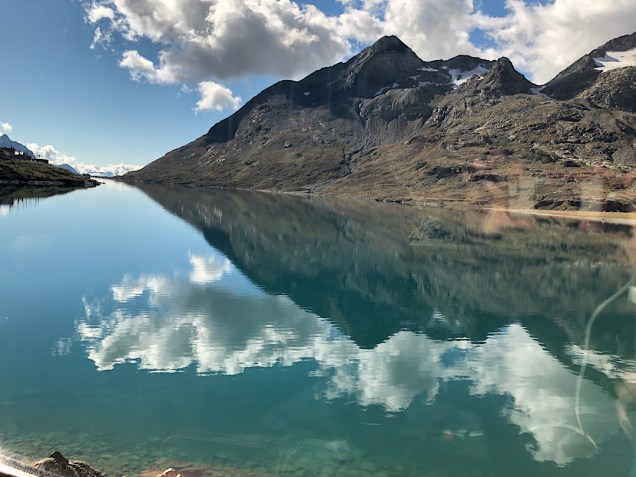
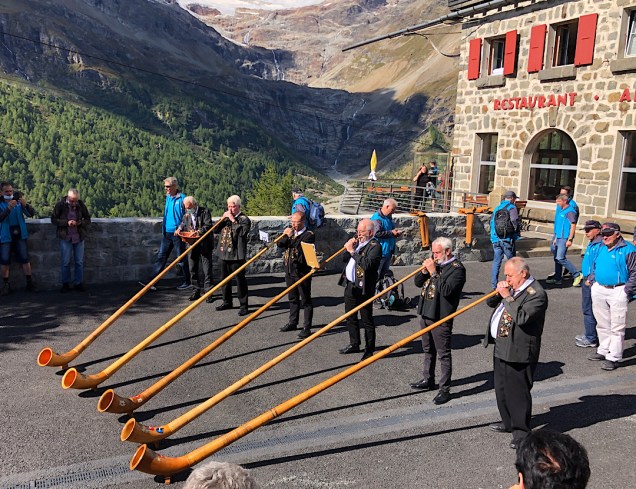 And there was a short rest stop that included traditional Alpine entertainment.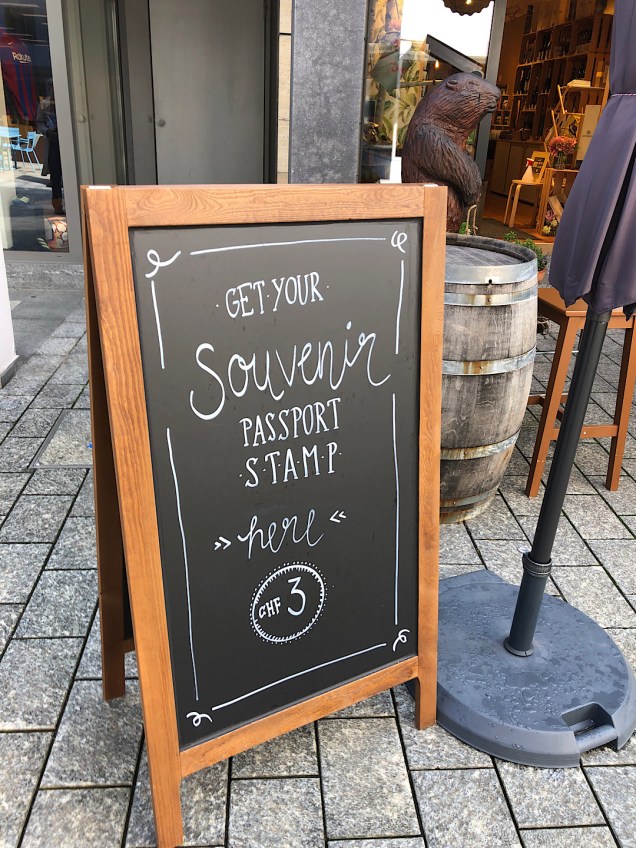

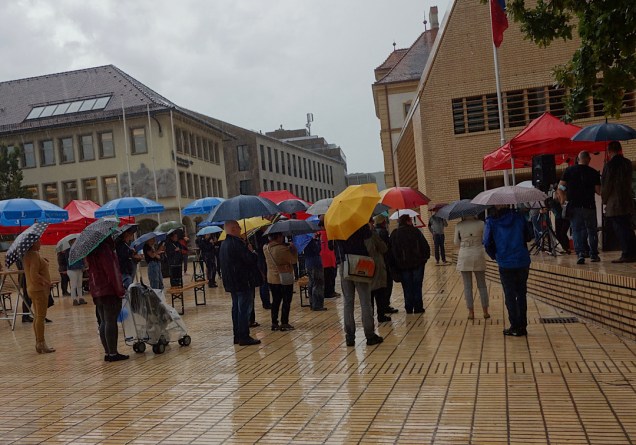

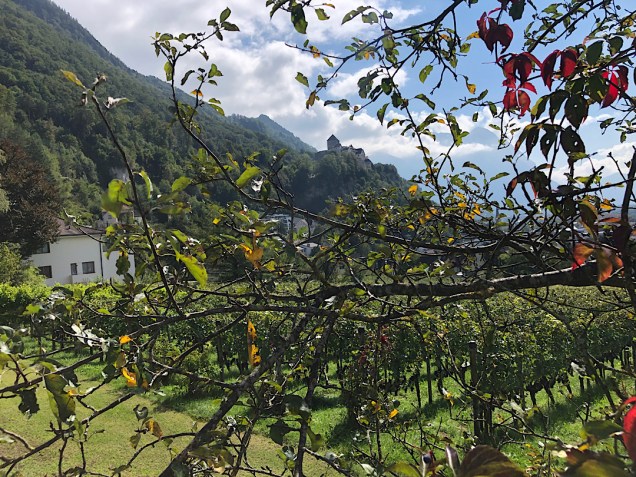
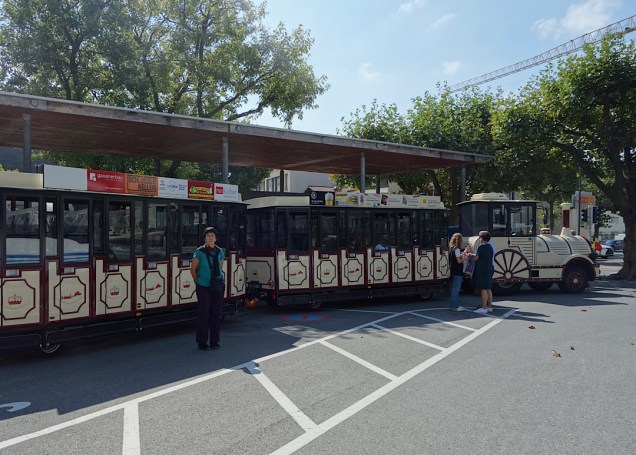

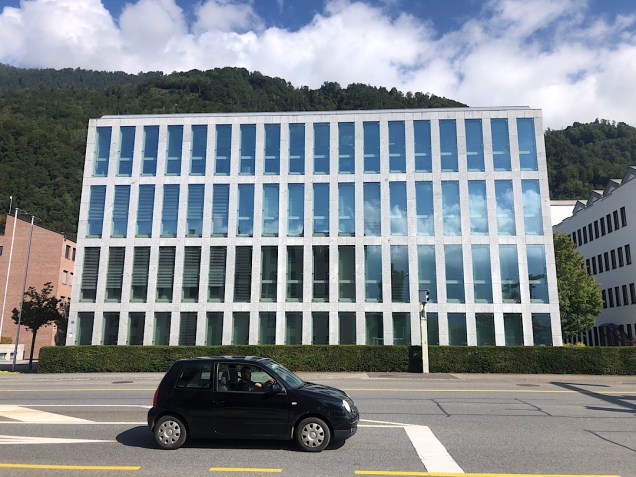 We also noted many massive buildings that we assumed house the countless companies from all over the world that set up headquarters here in order to decrease their tax burden. (While lower than what those companies would pay elsewhere, that tax money is a significant contributor to Liechtenstein’s current wealth.) The soulless structures share the streets with old homes that could have informed Walt Disney’s vision of Euroquaint.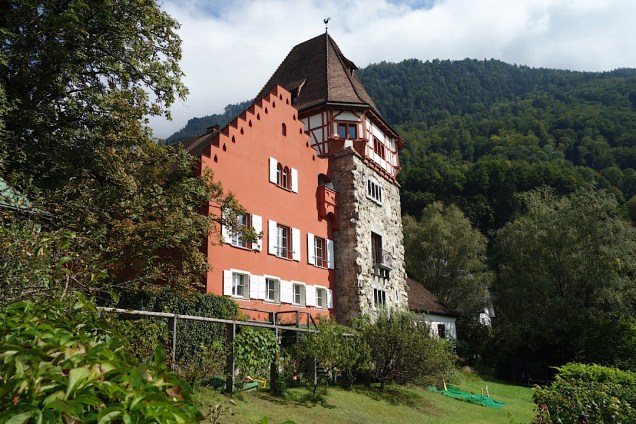

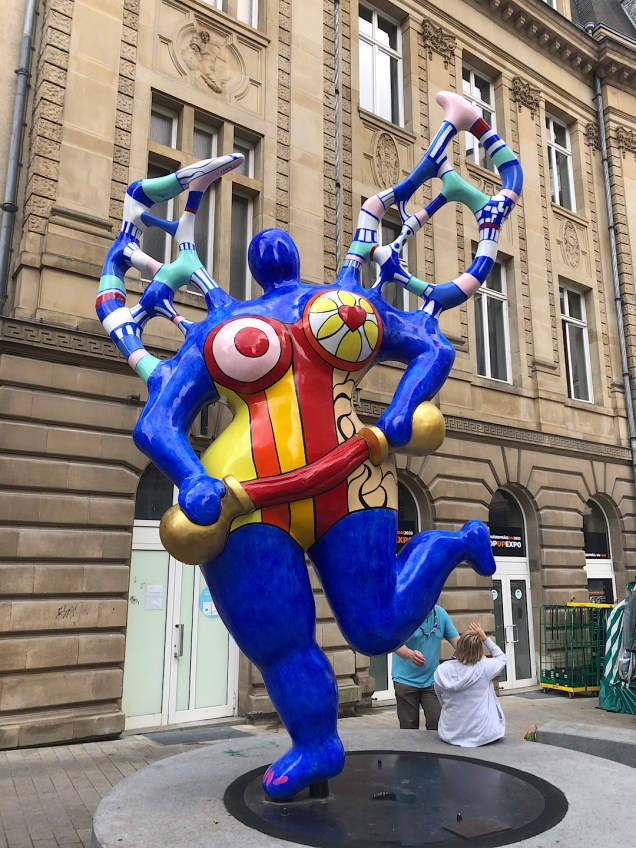 To those friends (at least 2 of ‘em) who warned we might be bored in Luxembourg, I can only say: no way! Steve and I had some dazzling moments during our stay there (Saturday 9/11 to Wednesday 9/15). They weren’t the kind of offbeat or exciting adventures that make for the most interesting blog posts. But I can say with confidence: if you ever get a chance to visit the Grand Duchy, do not turn it down.
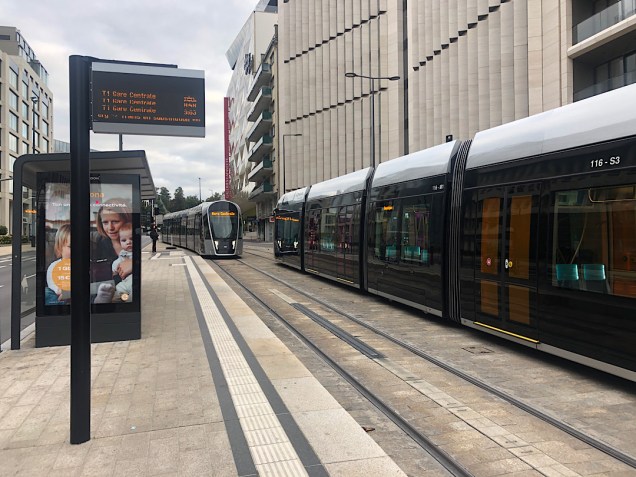 In the center, we stayed in the spare bedroom Airbnb’d by Mohit and Prarabdhe, two Indian Ph.Ds who have permanently moved to Luxembourg. The next day we got on a tram going in the other direction to a transportation hub where we climbed on a free bus that took us out into the countryside. It almost felt like having a private driver at our disposal.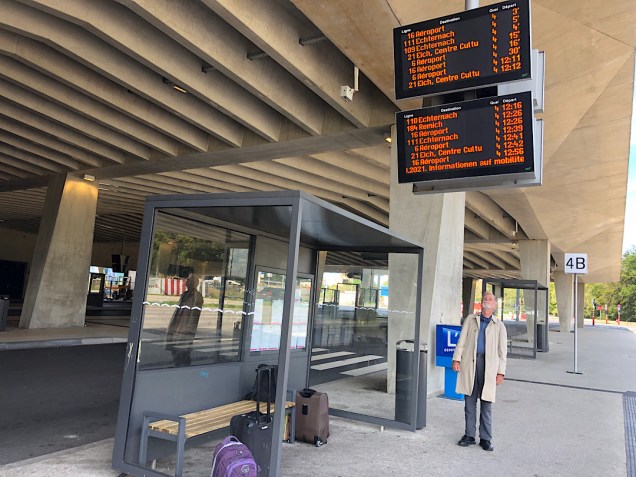
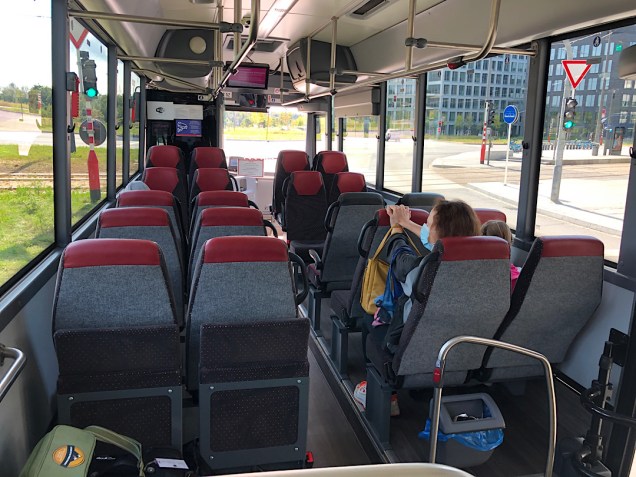
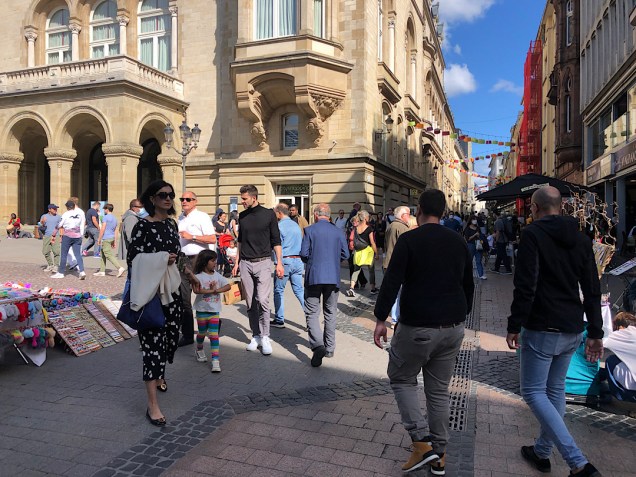
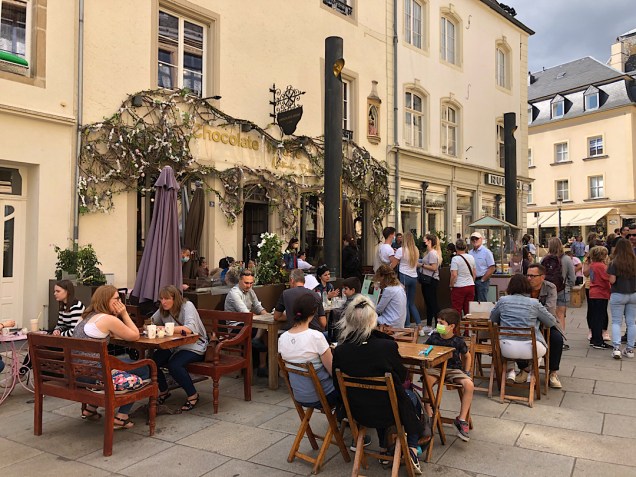
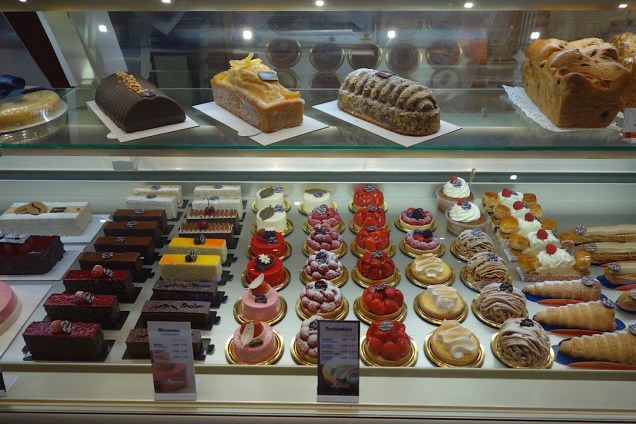
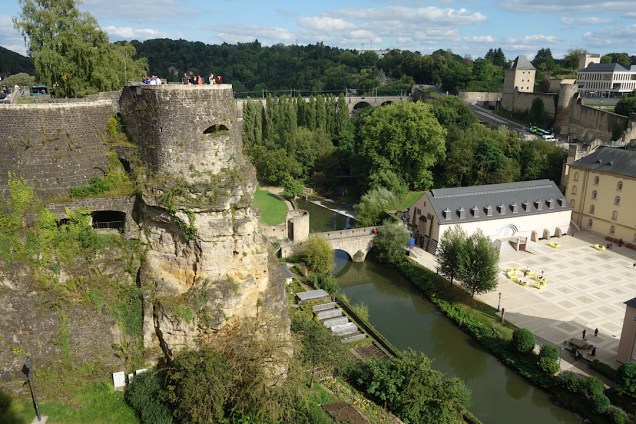
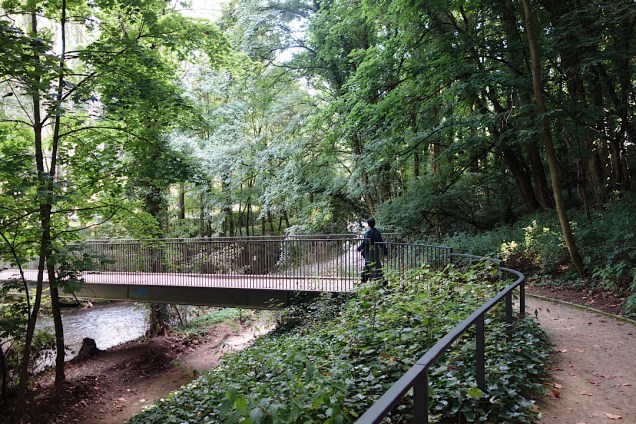

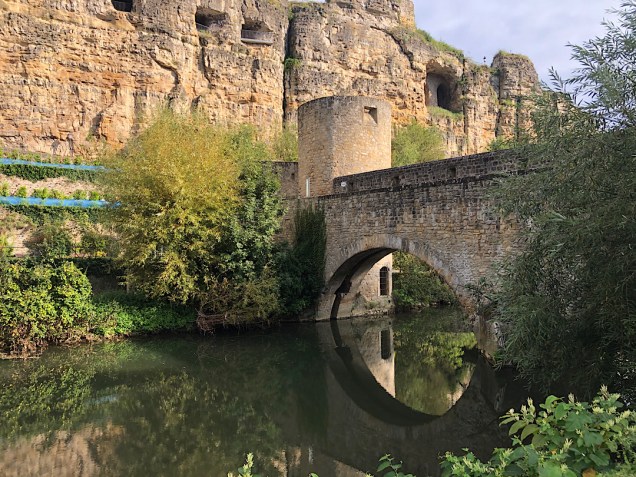 I wanted to visit Luxembourg even before conceiving of our Microstate Tour. What made me think of that was reading Bill Bryson’s hilarious account of hiking the Appalachian Trail (A Walk in the Woods). At one point in it, he compares that challenging trek to hiking in Luxembourg, where he reported being able to sleep in cozy inns after days of making one’s way along glorious trails. I was intrigued, and I learned that one of the most famous byways in Luxembourg is the Mullerthal Trail, which consists of three big multi-day loops. I tried but failed to find the sort of arrangement Bryson had described. Maybe Covid caused the outfitters to shut down, at least temporarily. But I still wanted to squeeze in a bit of Luxembourgian hiking, so I booked us into a sweet little hotel in the charming town of Echternach, a trailhead for both Mullerthal and other local pathways.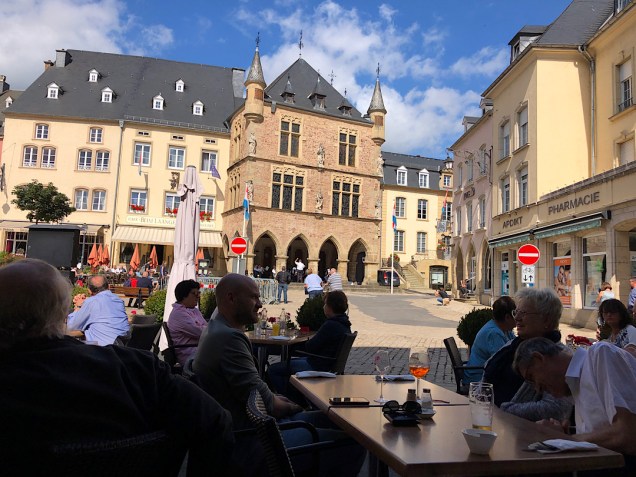

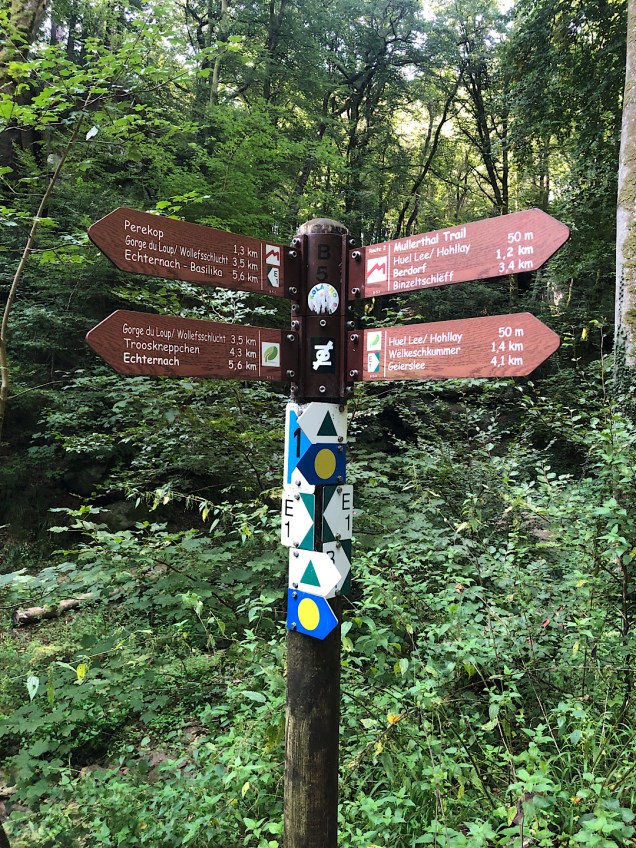


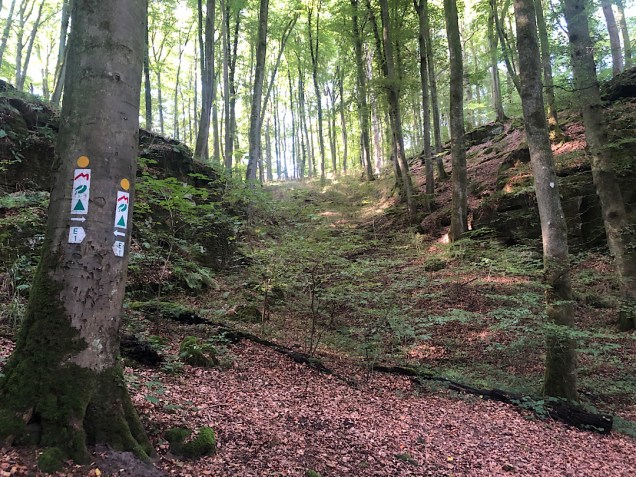
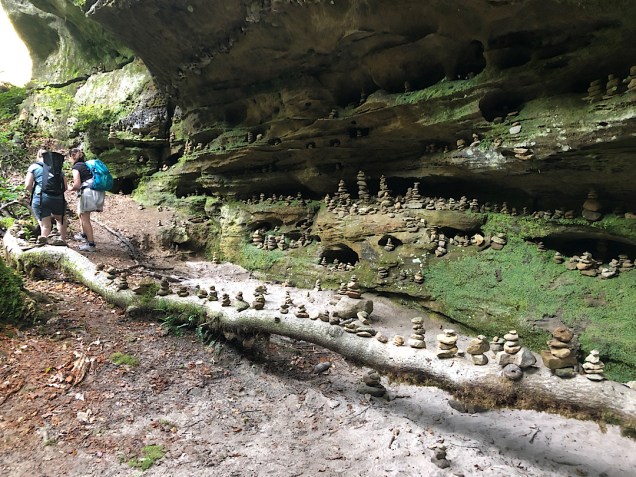
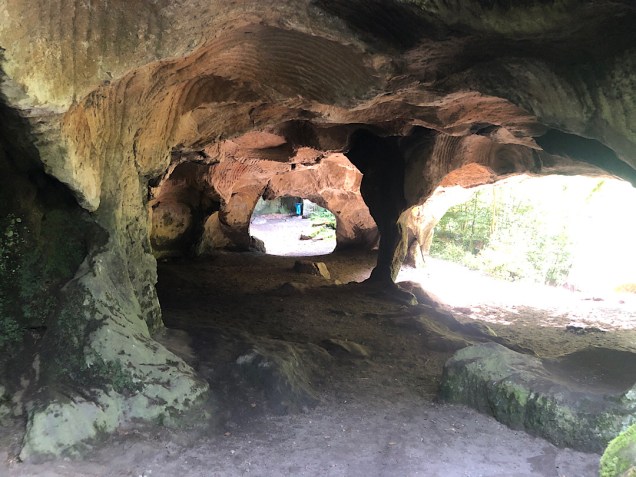
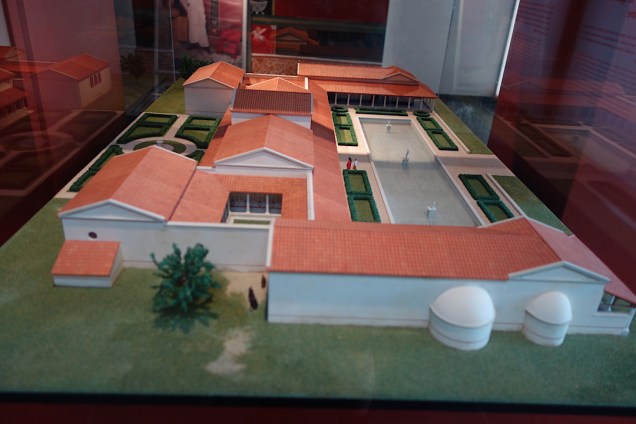
 The Luxembourgers have built a sweet little museum explaining the site. Alas none of the signs were in English. It didn’t really matter. We didn’t need to read placards to understand that this was one of those small but pleasant wonders you sometimes stumble upon, a bit like the country it’s now part of.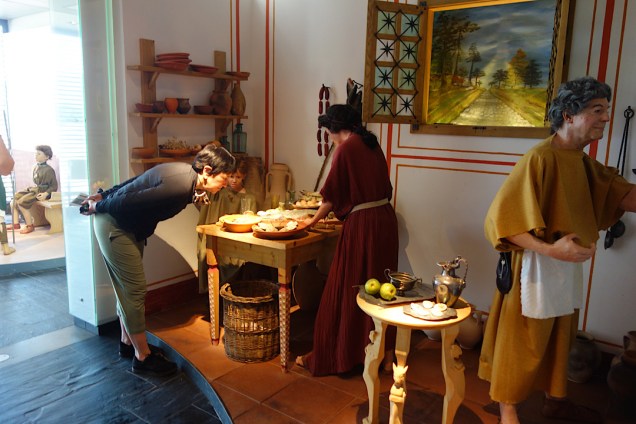
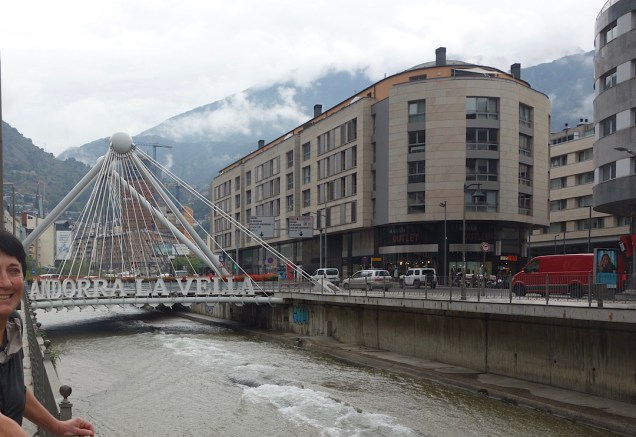
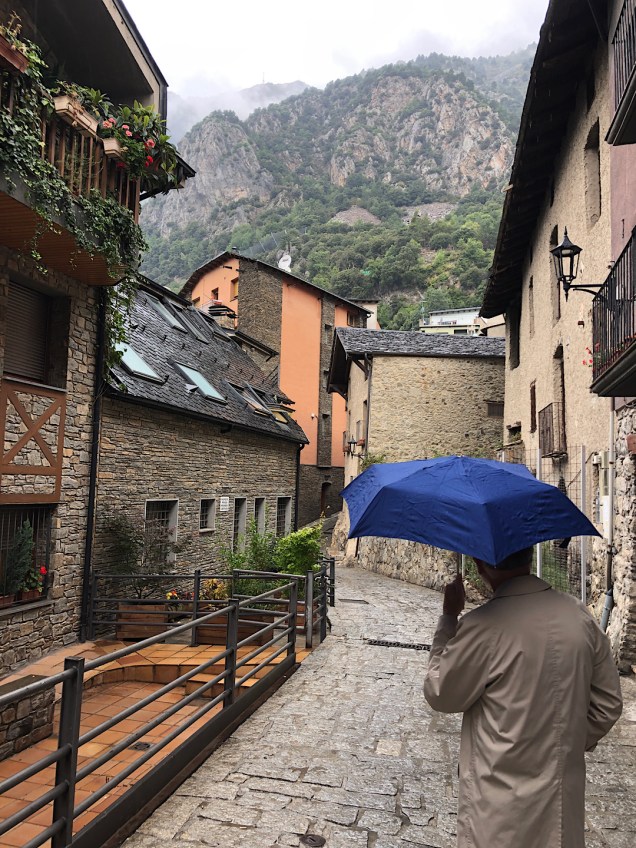

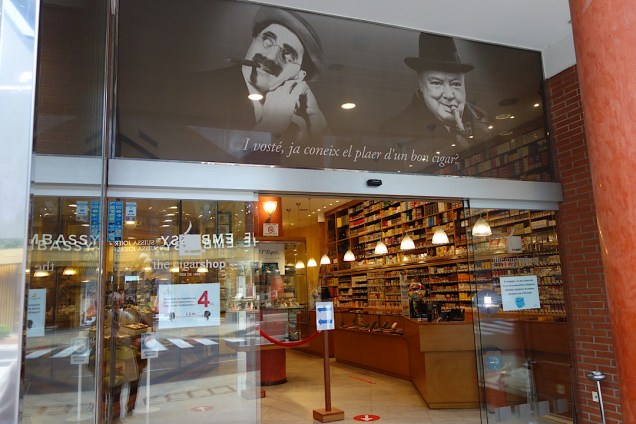
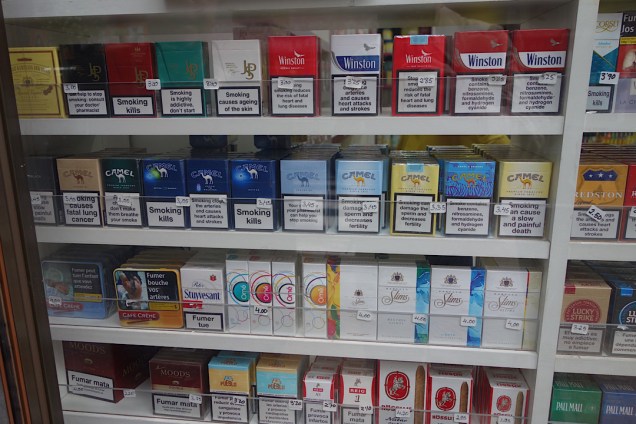
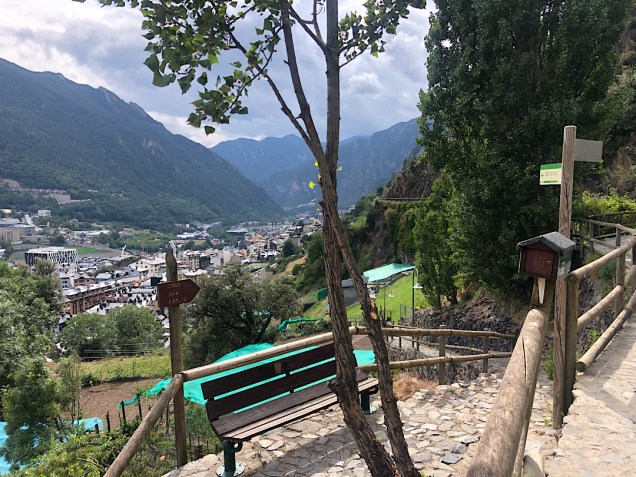
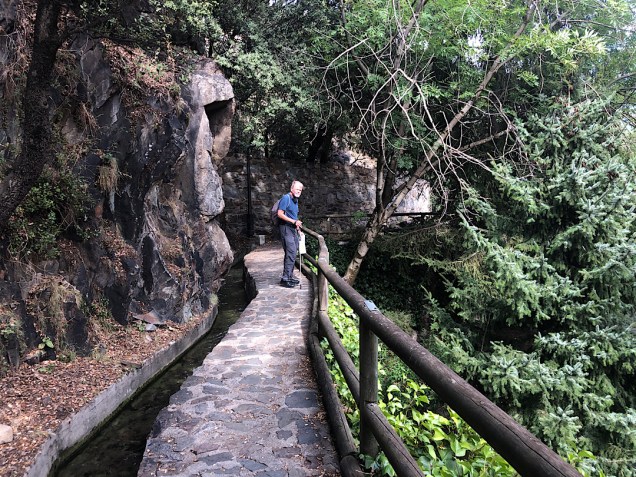

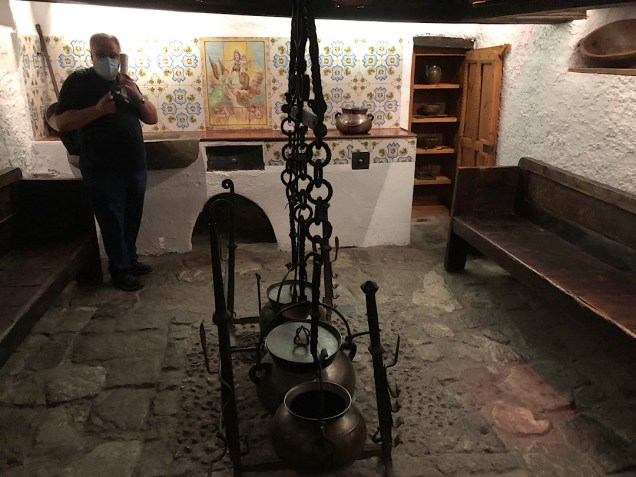
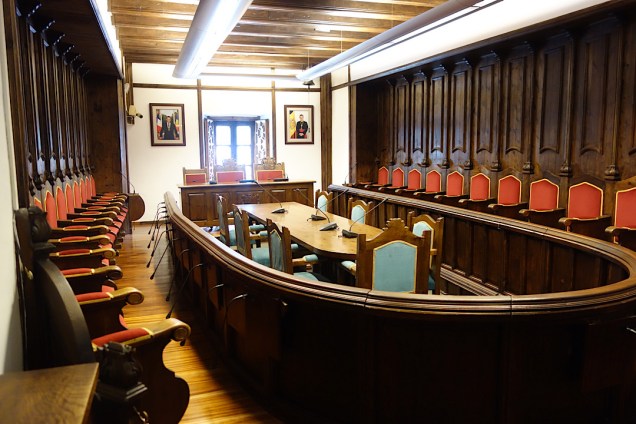
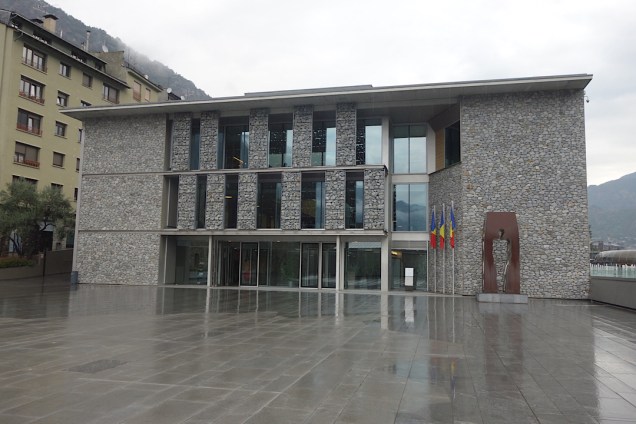
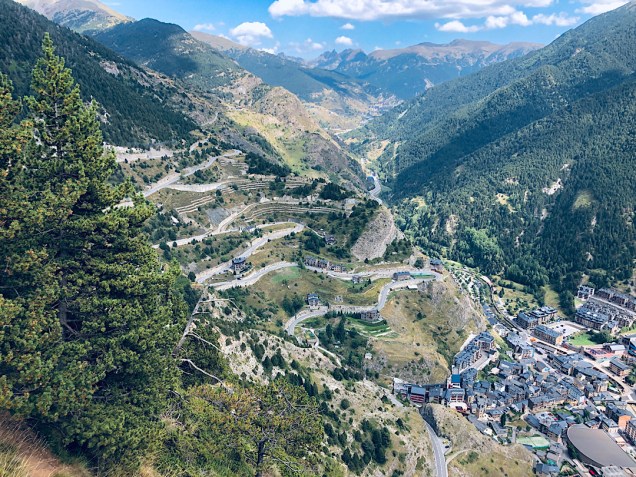
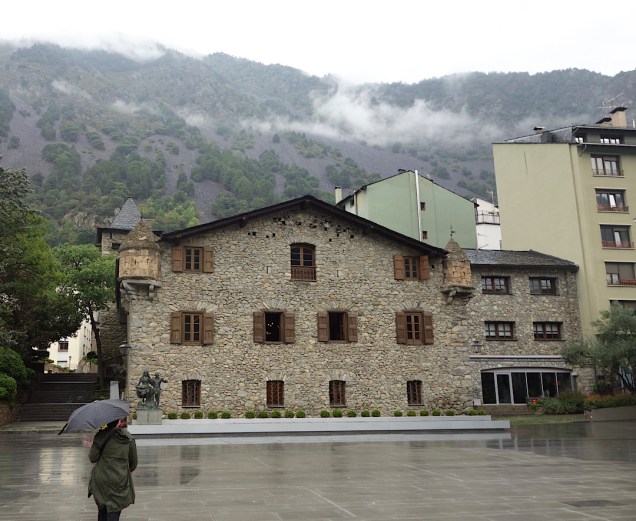 Built more than 500 years ago as a noble family’s home, it was later acquired to be the seat of Andorra’s government. We toured it and chuckled at its coziness — the large kitchen where the councilors would sit around a large hearth to warm up…
 …the wooden cabinet with seven separate (old-fashioned) locks in which Andorra’s founding document is stored. (Today it still requires an official from each of Andorra’s seven political districts to use his key in order to open it.)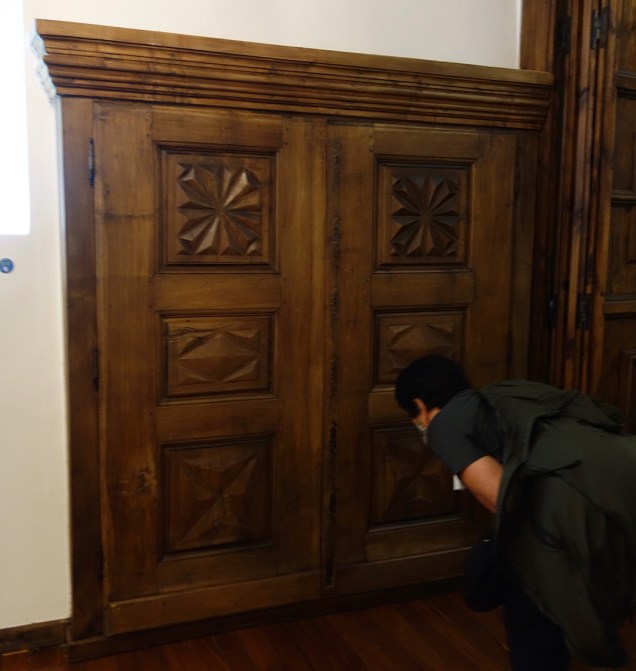
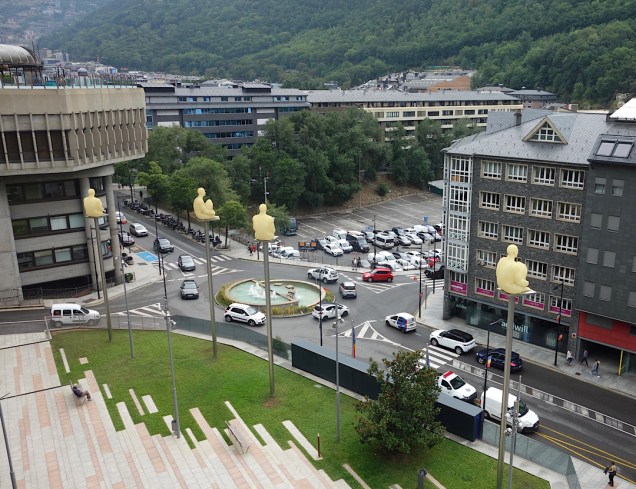 If you want to live long and prosper, they seemed to whisper, moving to Andorra and reading poetry isn’t a bad formula. But we’ve bade goodbye to this and pressed on to Luxembourg, an administrative center for the European Union, where the memory of those statues feels like a dream.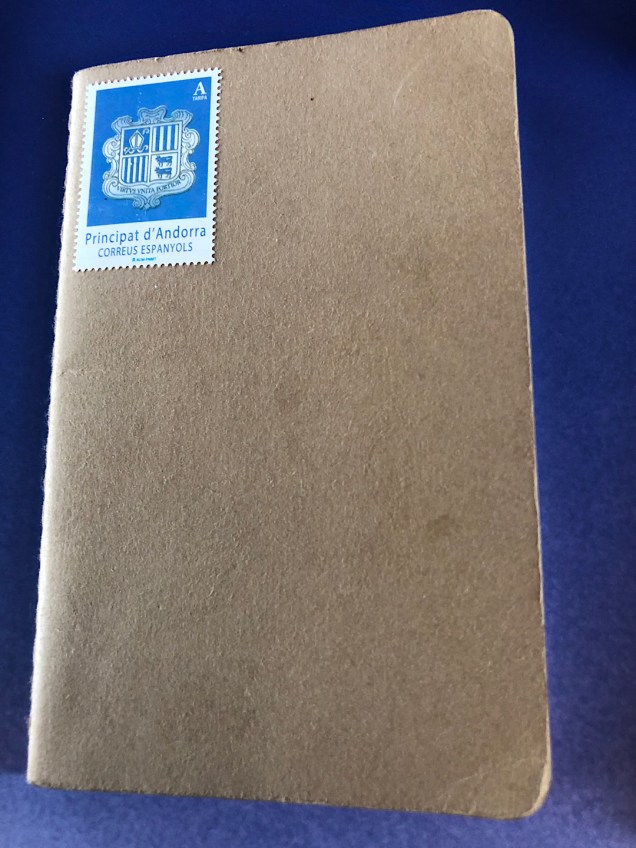
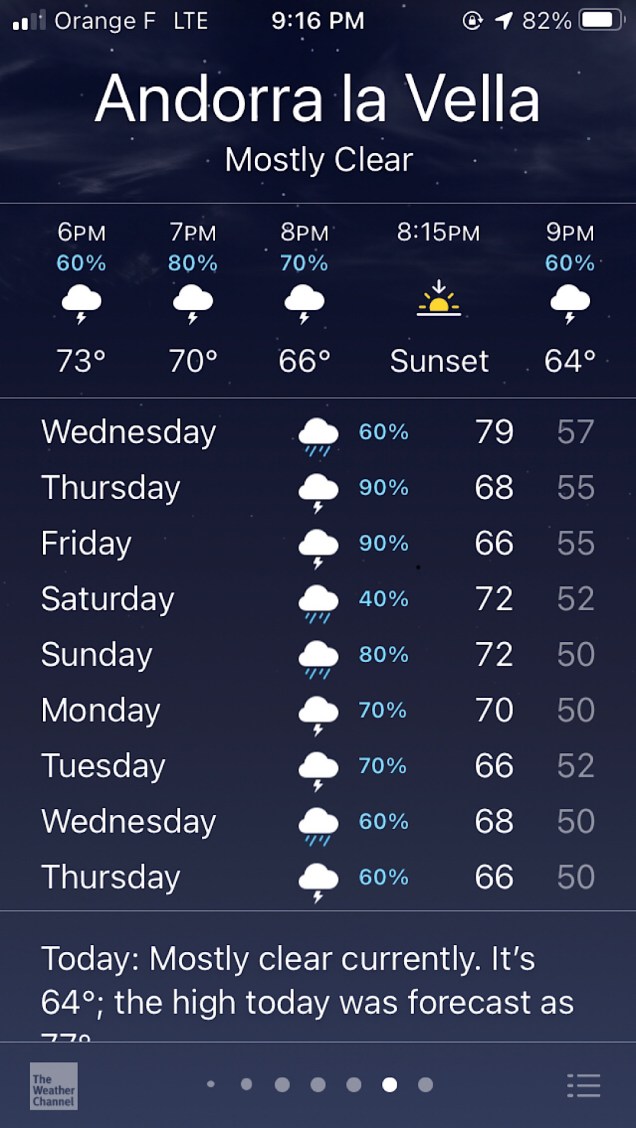
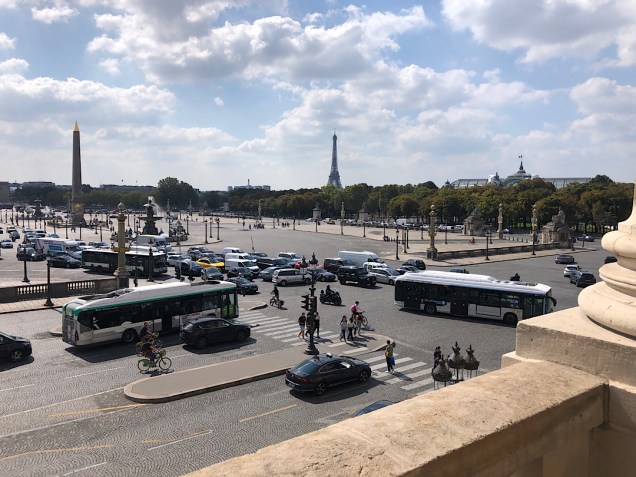 But rain was forecast for Bordeaux on Friday, with heat moving in on the weekend and building to scary sounding levels Monday and Tuesday.
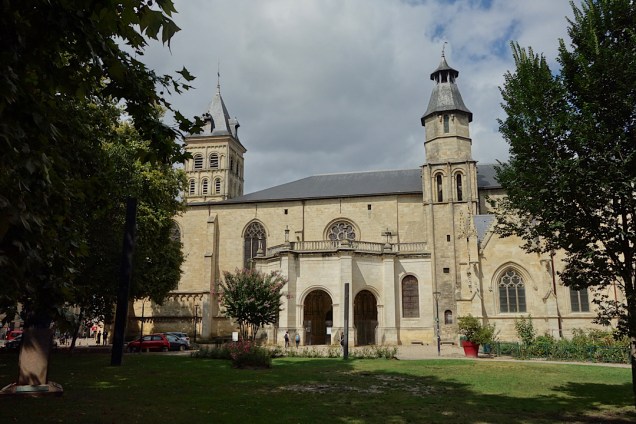 It was sunny and quite warm outside, but all that stone kept out the heat.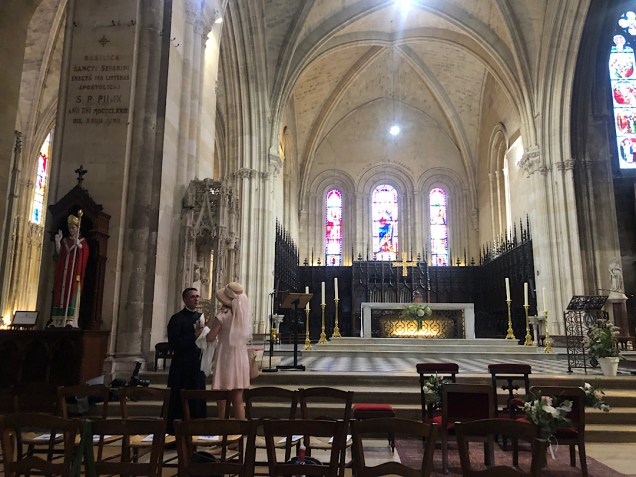

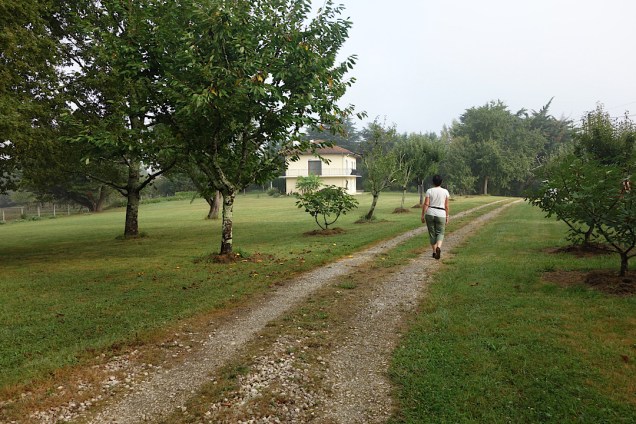
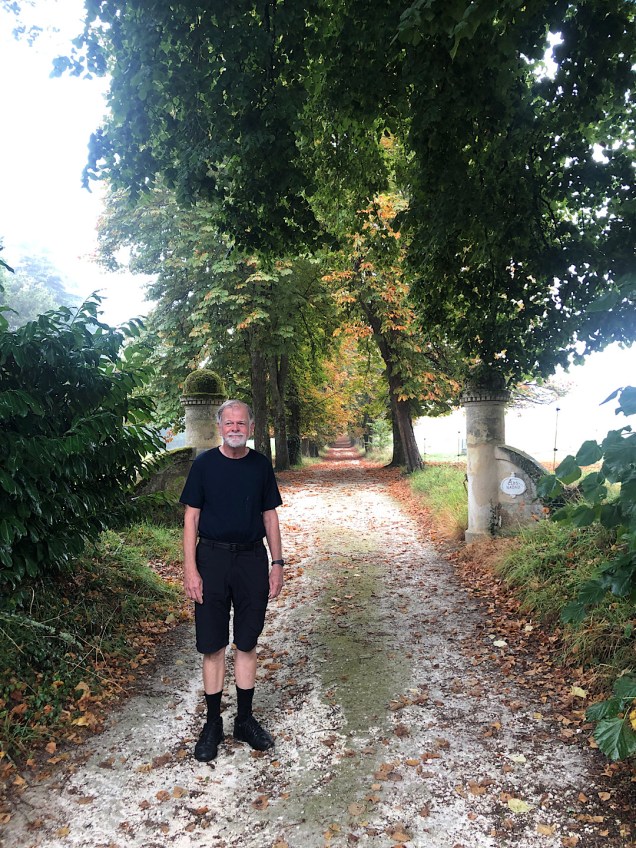
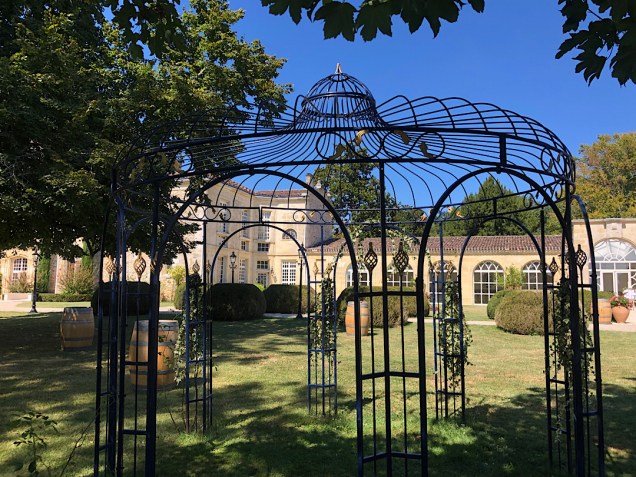
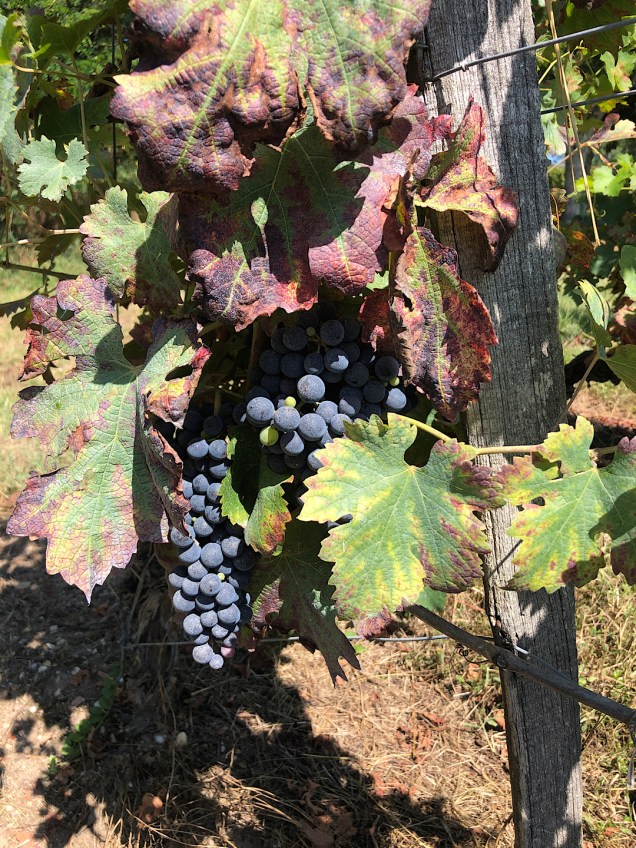
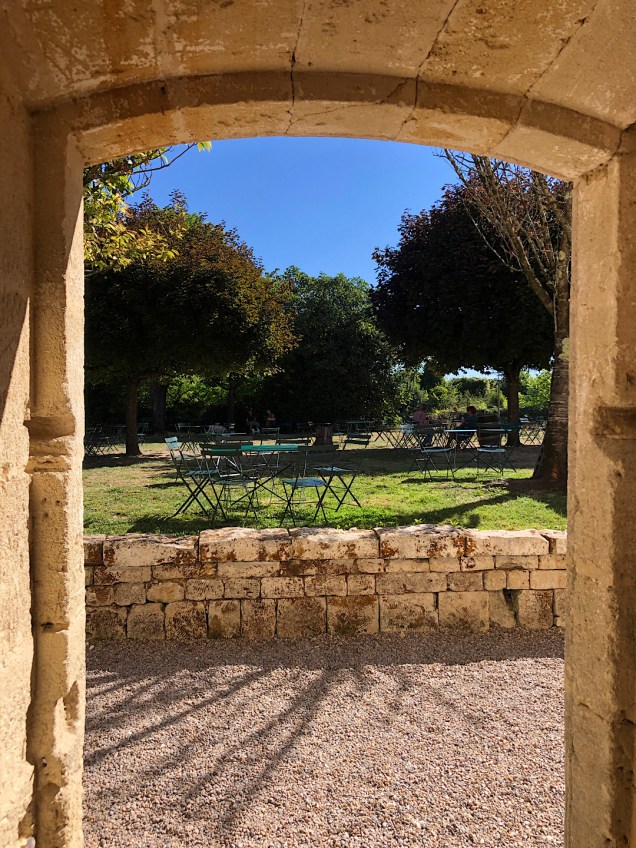 
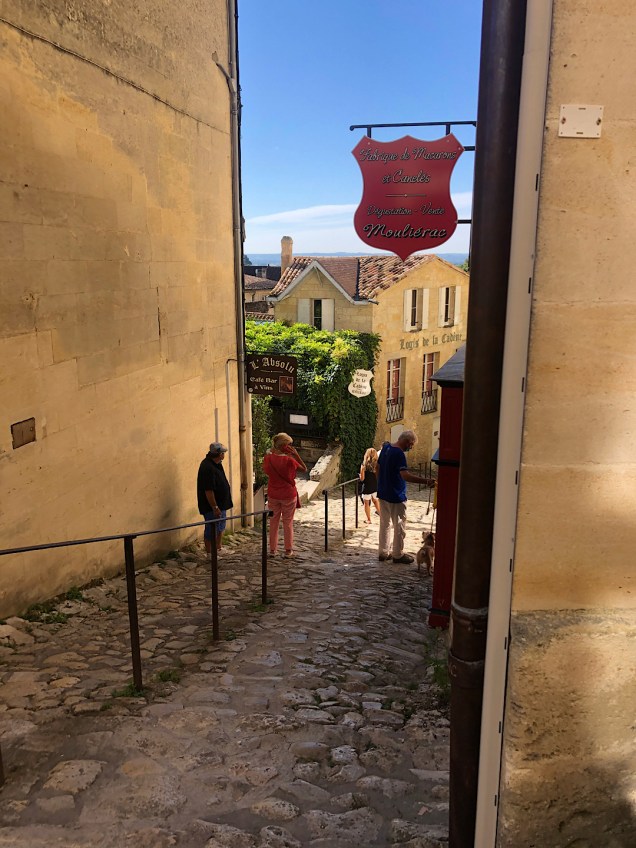
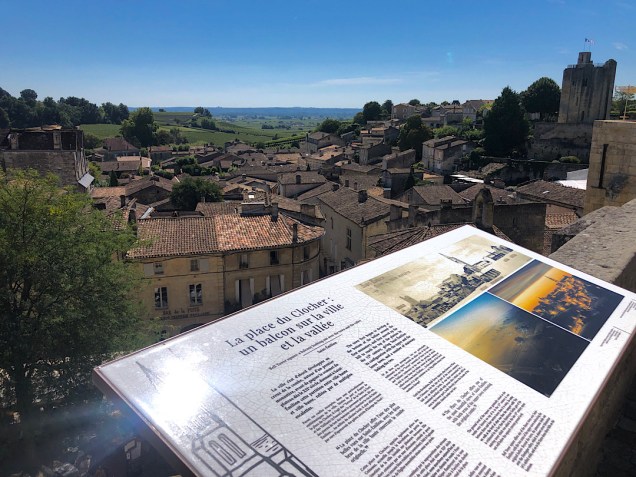 For our last full day in Bordeaux (yesterday), we returned to the center for more walking, another lunch, and a visit to the city’s wine museum. The pattern repeated: weather interchangeable with San Diego’s at its best in the morning, only heating up enough to sap our energy late in the day.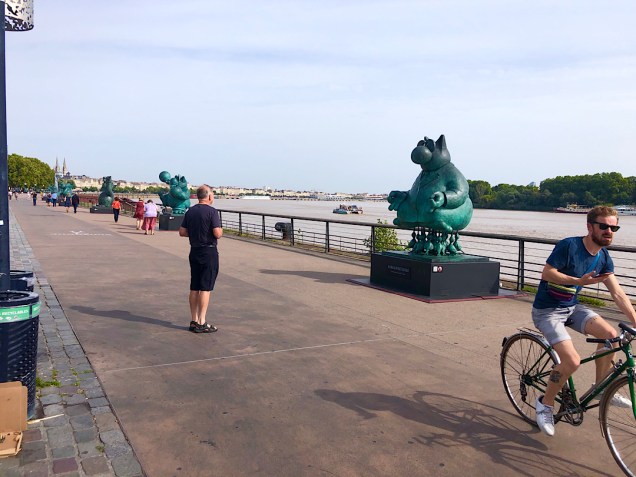
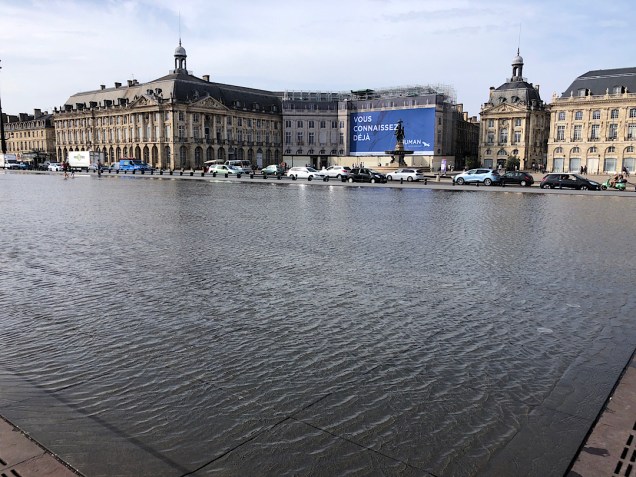
 At one point, we drove under repeated signs warning about the thunderstorms ahead.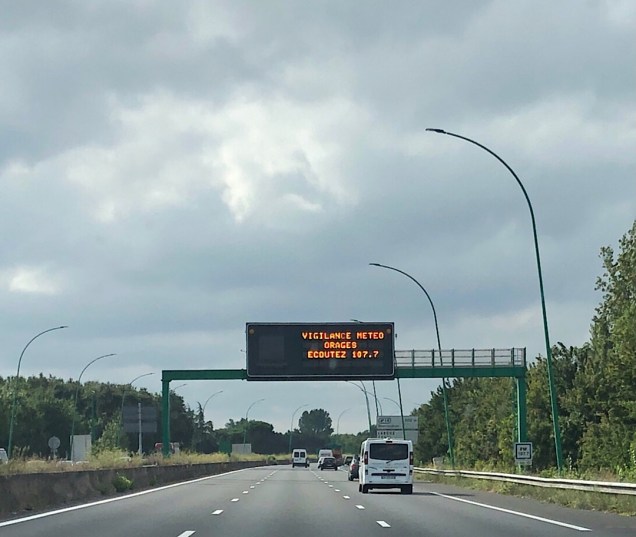
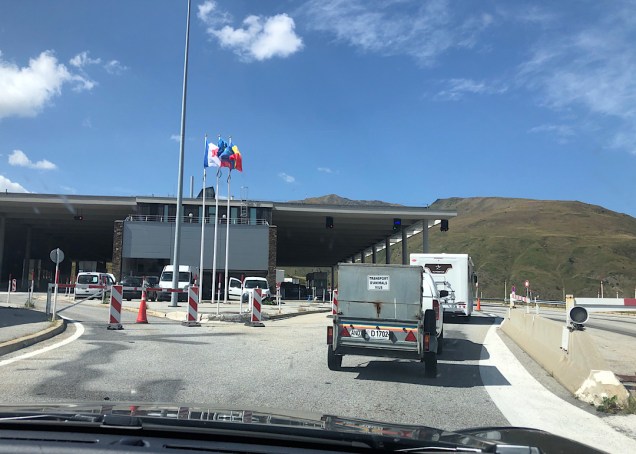
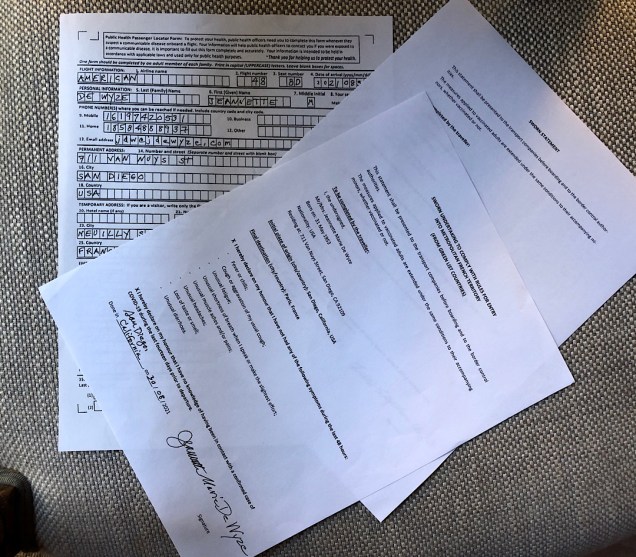 We had all these pieces of paper ready at Charles DeGaulle airport when our plane touched down 10 minutes early Friday morning. After deplaning we hurried to the passport-control booths, where a cute young Frenchman casually thumbed through our passports and stamped each of them in turn. Almost as an afterthought he said, ‘Vaccine, vaccine?” “Sure!” I responded, flashing him my white CDC card tucked into my passport jacket. He waved us on, not even interested in seeing Steve’s card or the Passenger Locator Form or the health testimony forms we had painstakingly prepared. We collected our bags, breezed out of the secure area, and less than 40 minutes after our plane’s wheels hitting the tarmac, we were in an Uber heading for the home of our friend Olivia.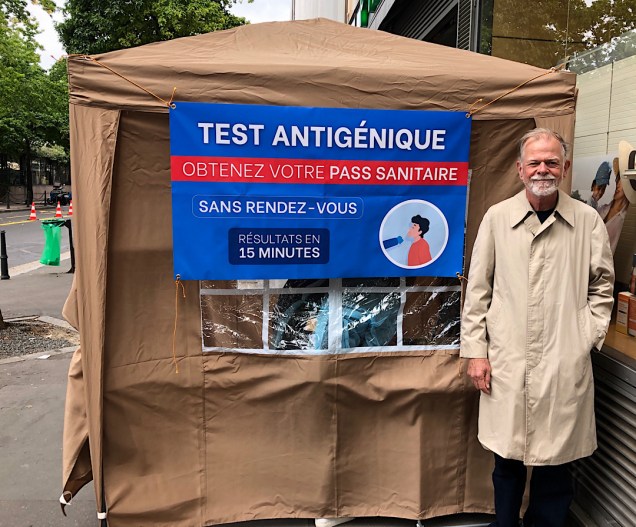
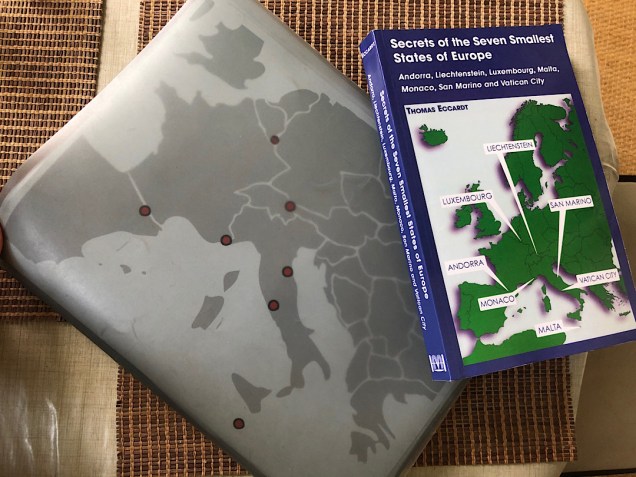 We’ve both been to Vatican City before, and Steve made a lightning visit to Liechtenstein in 1974, but the rest will be new to us. The micro states stand out in other ways beyond their limited size. They rank among the wealthiest countries on Earth, and their citizens live longer than almost anywhere else (because prosperity and physical well-being go hand in hand?) They have oddball forms of government. Three are principalities, one’s a Grand Duchy, Vatican City is a city-state (Malta and San Marino are humdrum republics.)
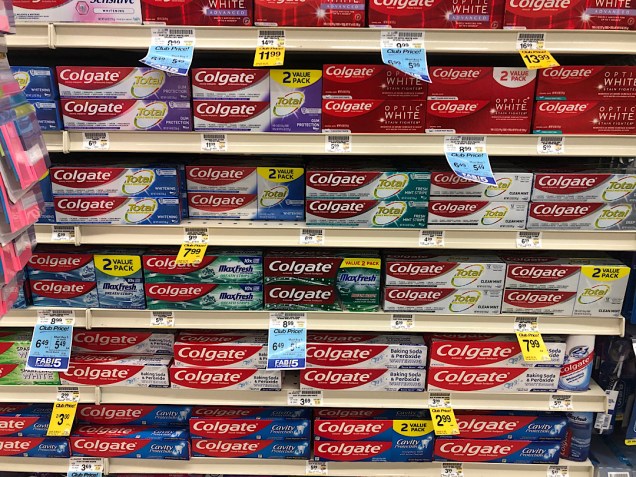 Yesterday I reported on Steve’s and my half-baked effort to compare the cost of living abroad in four countries — Guatemala, Panama, Costa Rica, and Nicaragua, all which we visited in May and June. My friend Anne read the post and emailed me an excellent question: What would a similar basket of goods cost here?
 At home and abroad