Based on books I can no longer remember, I had a mental picture of the Indian “hill stations,” towns like Simla and Darjeeling in the Himalayan foothills where 18th-century Brits planted tea and officers of the Raj escaped the staggering summer heat of the lowlands. In my mind, these towns were cool and pleasant places, set in rolling hills that might look a bit like Kentucky. I wanted to get a taste of them. Now, having just spent three days in Darjeeling, I can report that my picture was so wrong. I’d forgotten that the foothills of the Himalayas make the Appalachians look like sand dunes. We have no mountains in North America like this.
Three years ago, Steve and I spent some time in Bhutan. That’s what the Indian hill country constantly reminded me of. There are differences, of course. Bhutan is a clean and orderly little kingdom, while the far northern reaches of India, so near to Bhutan and Nepal as the crow flies, are suffocating in smog, carpeted by garbage, deafened by incessant, ubiquitous car-honking. We found all that in Darjeeling. Yet with daytime highs in the low-60s and temperatures plunging to the 40s at night, clinging to vertiginous emerald mountainsides, the “hill” towns felt almost unimaginably different from Kolkata or the Sundarbans. Or Kentucky.
One thing our eco village in the Sundarbans and Darjeeling have in common is that neither are easy to reach. Darjeeling has no airport, and no normal train travels to it. Most tourists get there riding in cars or vans or jeeps. The other alternative is what people call the “toy train,” aka the Darjeeling Himalayan Railway. Built in 1880 and designated a UNESCO World Heritage Site in 1999, our Lonely Planet guidebook included it among the area’s highlights. Steve and I don’t consider ourselves rail fanatics, but we have a soft spot for trains. So even though we knew it supposedly took 7 hours to cover 53 miles, we booked tickets.
We began to suspect this was a mistake shortly after getting to the New Jalpaiguri train station, a madhouse of confusing activity. After some difficulty, we found our way to the unmistakable toy train track; it’s only two feet wide. But at 8 am, we found no sign of the train itself, scheduled to leave at 8:30.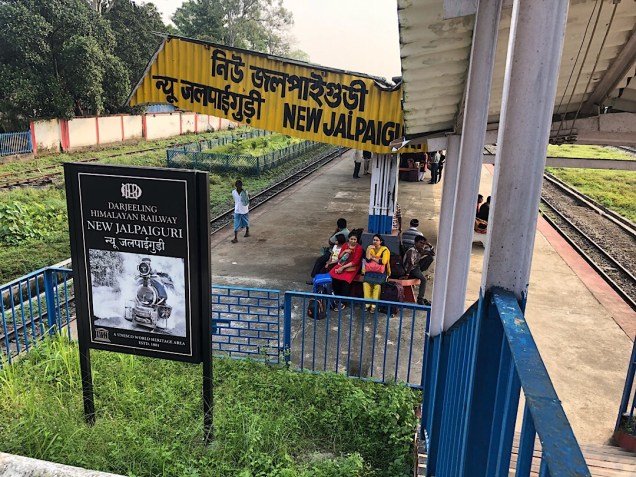 There was no sign of it at 8:30 or 9. Only about 9:10 did this contraption — call it an older brother of the kiddy train that operates next to the San Diego Zoo — chug into the station.
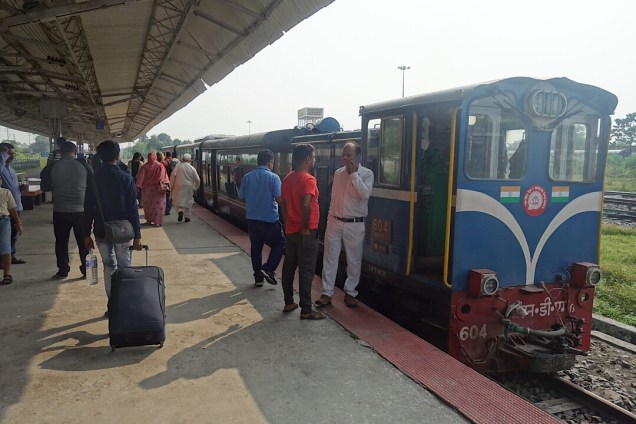 Pandemonium ensued as befuddled passengers (us chief among them) tried to figure out where to sit. Rail attendants seemed to be non-existent. But someone finally directed us to places in the “First Class” car, and around 9:30, we were off.
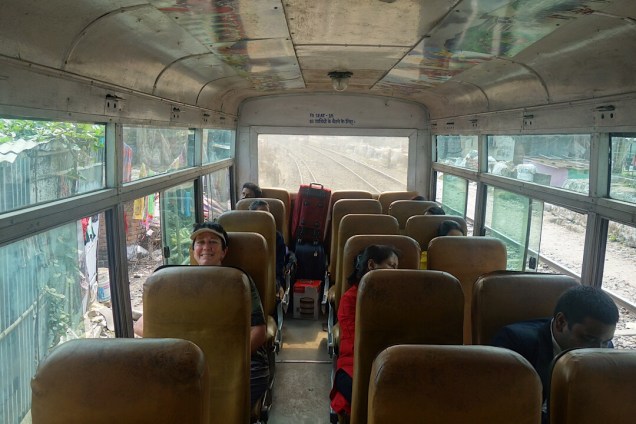 By the time we departed, every seat was full.
We were off for about 10 minutes, then we stopped for a while in the middle of a field. When we started up again, we traveled for only 20 minutes, then stopped again under an underpass. We sat there for almost an hour. By the time we reached our first scheduled stop, we were almost two hours behind schedule. It didn’t get much better.
I will allow that the toy train has a few things going for it. After a few hours, we were chugging through tea plantations…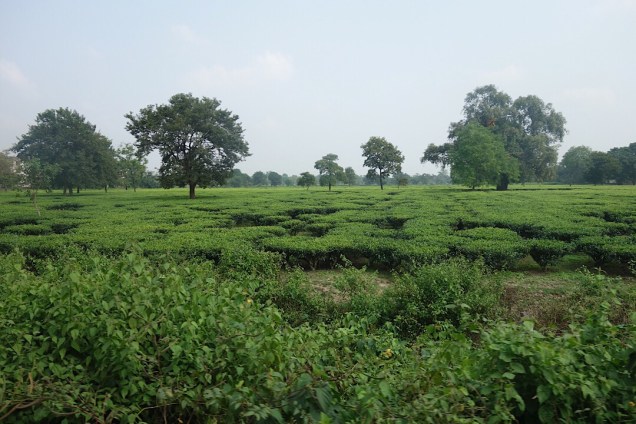 … then beautiful green forests filled with enormous trees or moving along the edge of jaw-dropping precipices.
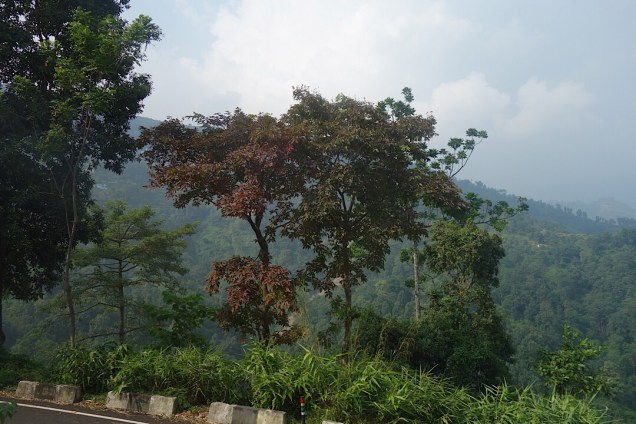 The train has big windows you can open wide, so at times it felt like we were hiking through those landscapes. It’s an engineering marvel, climbing from under 500 feet above sea level to more than 7000 in less than 50 miles. To accomplish this, it does some fancy tricks that include occasionally backing up and switching onto another track on a higher level. It also cuts across the paved (auto) road often, which is entertaining.
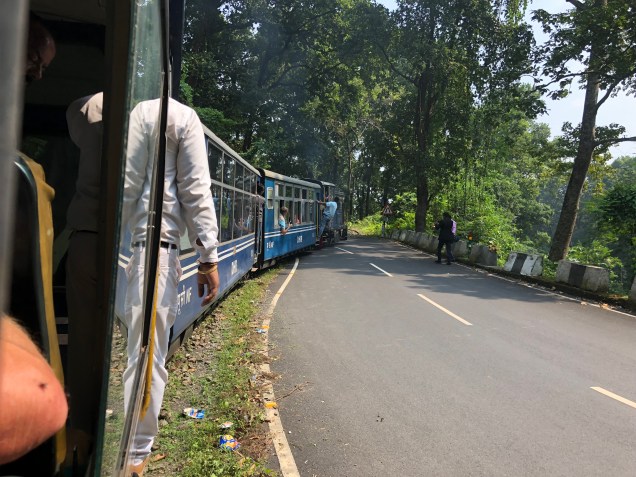 But by 3:30, our scheduled arrival time, when we were clearly hours from Darjeeling, stuck in a jolting hell overseen by workers who clearly did not care a whit what time got there, with only a hole in a tiny compartment to pee in, and only potato chips for lunch, we were pretty miserable.
We finally arrived three hours late, after more than 9 hours of torture, finally reached our hotel, and I can tell you: a good dinner and a shower and a comfy bed quickly erases the memory of a difficult transit. Over the next two days, I even came to appreciate Darjeeling. It was touristy (jammed with Indians gathered in the town for yet another holiday). They were in high spirits. They dressed up in traditional costumes for photo opportunities… They captured images of their kids enjoying pony rides. They shopped for pashminas and visited the ancient Buddhist temple that adjoined our hotel.
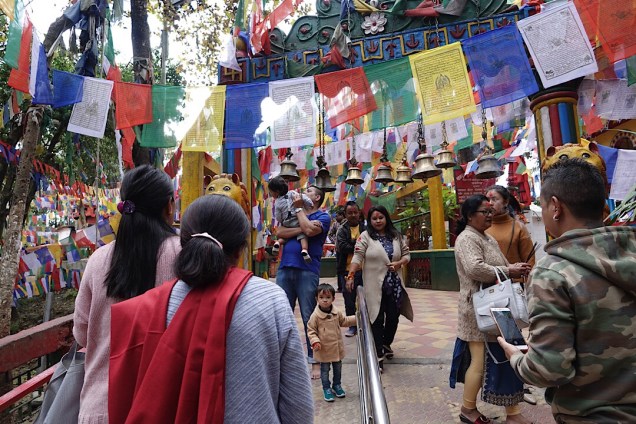 Some of them did what we did the second day: hiked about a mile to the excellent local zoo (specializing in Himalayan animals). The zoo grounds also contain the marvelous Himalayan Mountaineering Institute.
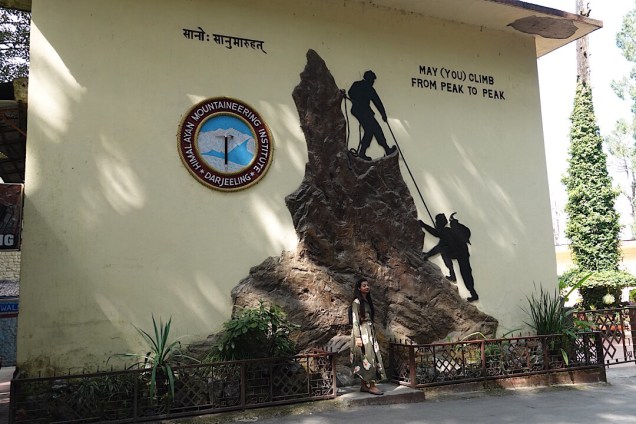 It trains aspiring peak-conquerers and also venerates the memory of past heroes, like Tenzin Norgay, who guided Sir Edmund Hillary to the first conquest of Mt. Everest.
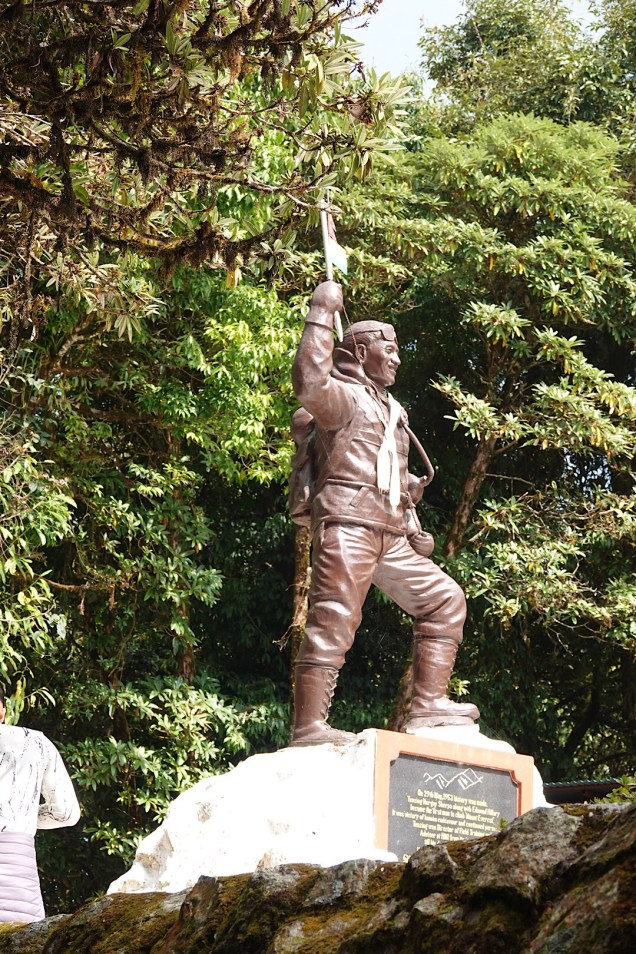 The museum displays some of the great sherpa’s gear from that historic climb.
It also helped that we were staying in a living museum — the sort of place I never normally would seek out. Built in the 1840s as a boarding house for young British officers, the Windamere Hotel, as it’s known today, later catered to the cream of British tea-planter society.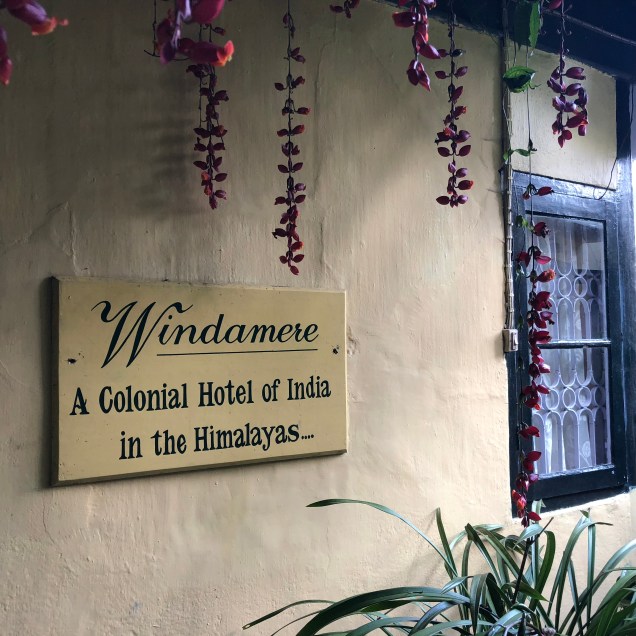 Happily, we were upgraded to a suite, the very one in which a young American student of Asia named Hope Cooke was staying in 1959 when she met and fell in love with the Prince of Sikkim, later marrying him and becoming queen.
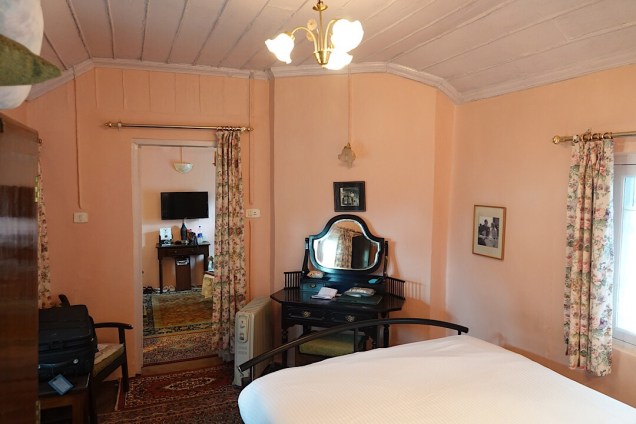 All the facilities today are a bit creaky, but where else have I ever been served five-course meals by white-gloved waters (and coffee kept warm under a knitted cozy)…
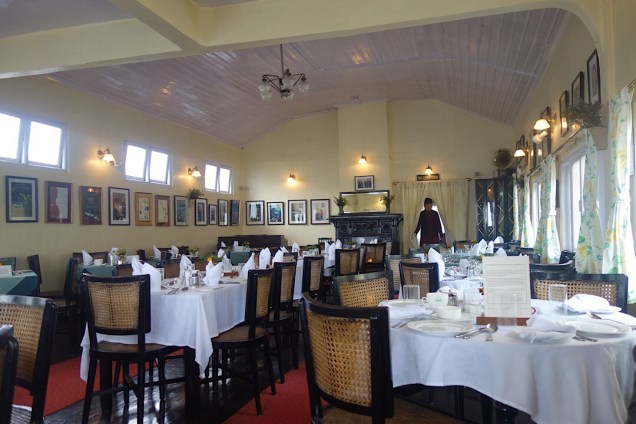 The Windamere’s dining room
… or warmed in the evening with a wood fire and genuine hot-water bottles? It felt like time travel, and it was a lot less rigorous than all those hours in locomotive hell.
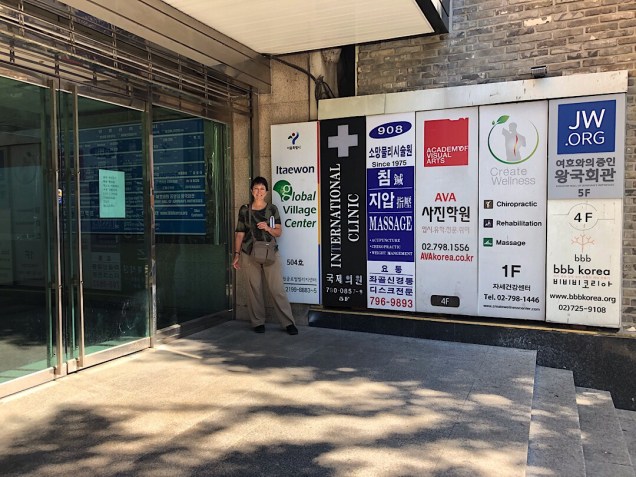
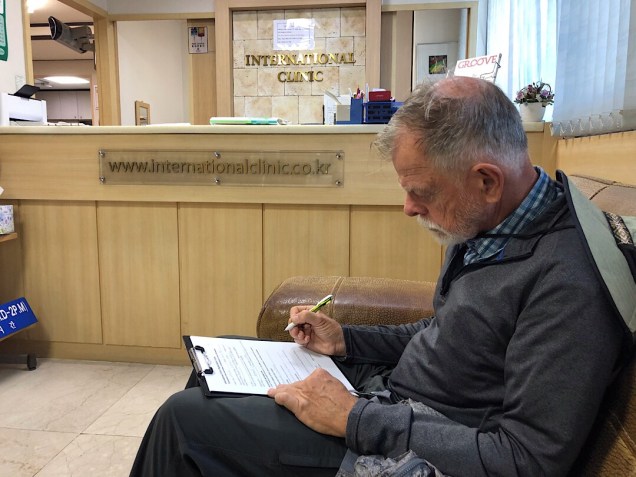 …and have our height, weight, temperature, and blood pressure checked. Then we were ushered in to see the clinic’s owner, Dr. Sooyoung Kim, an urbane guy dressed in jeans and a casual longsleeve shirt who spoke English like an American. We chatted with him about what we wanted (vaccinations against Japanese encephalitis (for me) and cholera (both of us). He approved our plan and sent us off for processing by his efficient nurse.
 But we wouldn’t be able to take the second dose for another week. And during that time, we had to travel to Kolkata via Singapore.
 It surely got warmer than 2 to 8 degrees Celsius (what I think was the recommended temperature range) for several hours. I don’t know what difference that makes. If we don’t get cholera or traveler’s diarrhea, I don’t know if the Dukoral will deserve the credit. But I’d sure like to think it did.
 We didn’t go there to suffer. Rather, we wanted to see one of the geographic wonders of the world. The Sundarbans is the enormous estuary where some of India’s biggest rivers — the Ganges, the Brahmaputra, and others — split into dozens of branches and flow into the Bay of Bengal. The area includes both an Indian and a Bangladeshi section. What grows there, mainly, are mangroves, the shrub which somehow learned to suck up seawater and excrete the salt. The Sundarbans mangrove forest is the biggest on earth. More than 80 species grow so densely you can’t see more then a few feet into them, and they shoot up stick-like “air roots” that can impale anything that steps on them. Despite that, a number of creatures survive in this harsh environment, the most famous being the Royal Bengal tiger.
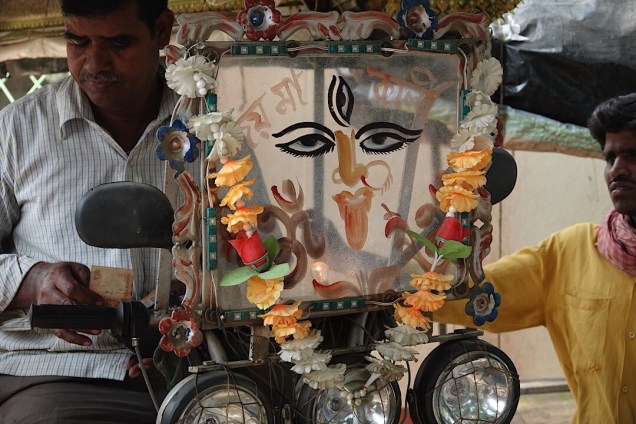 The road wasn’t horrible. We slowed more often for speed bumps than potholes. But the bouncy, uneven ride, the constant swerving and accelerating, the incessant horn-blowing wearied me.
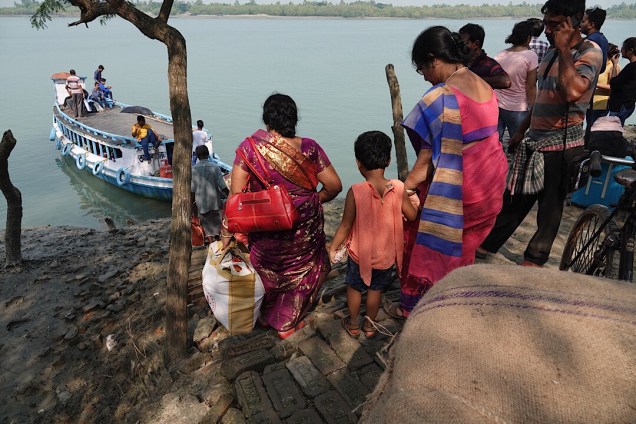 The village may be poor and backward, but the Indian ladies still dress sharply.
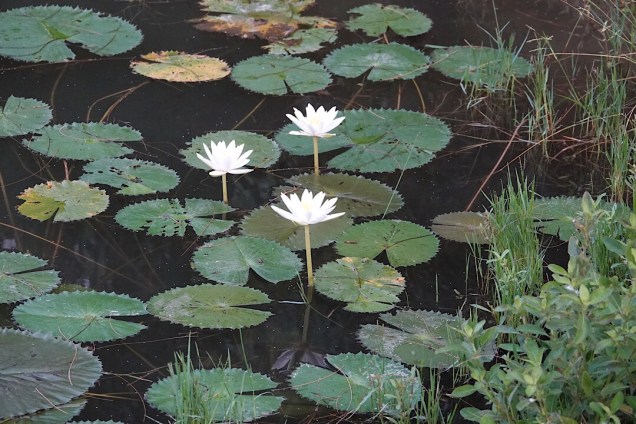 …where you can find unexpected beauty.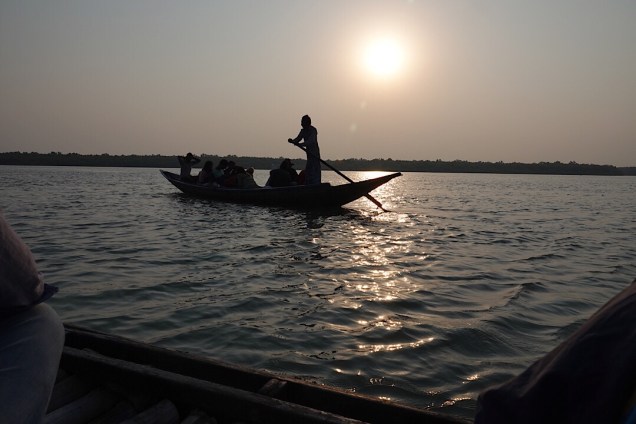
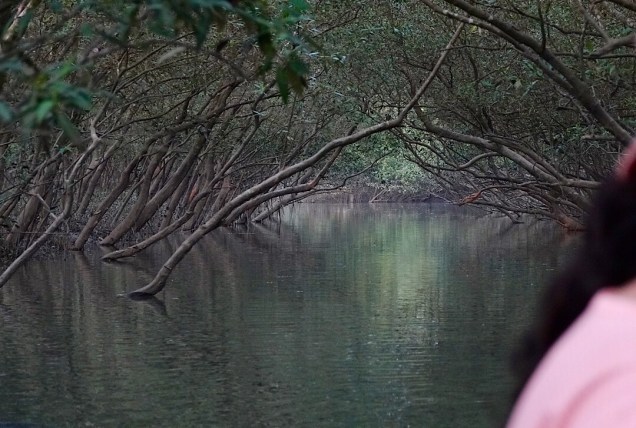
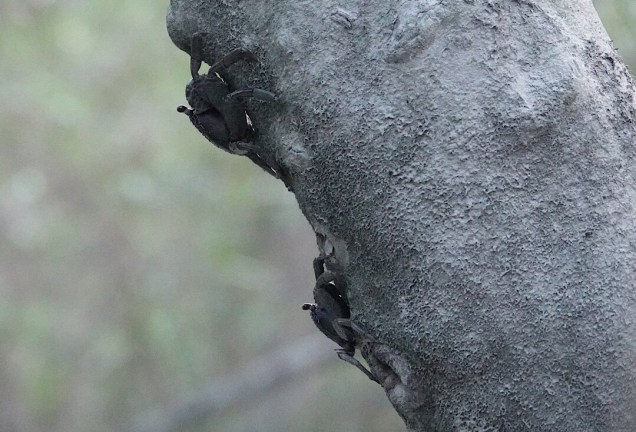
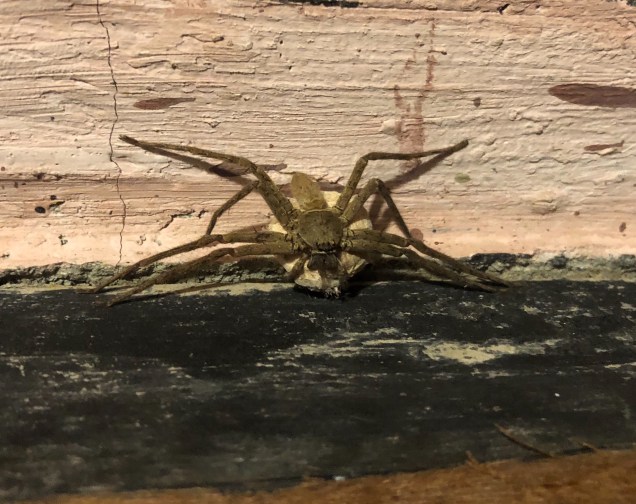 Where DID he go?
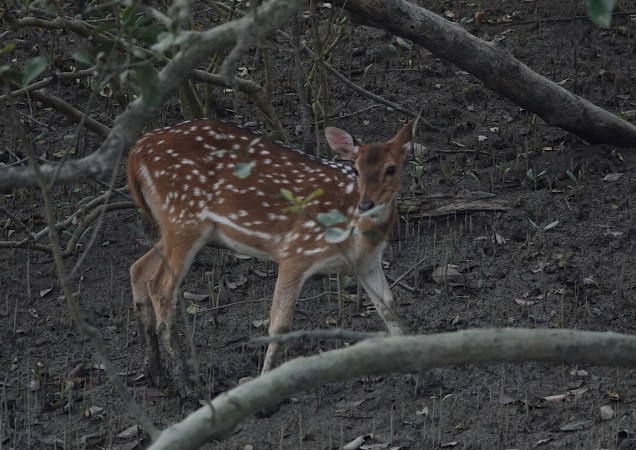 Indian spotted deer grazing near the riverbanks…
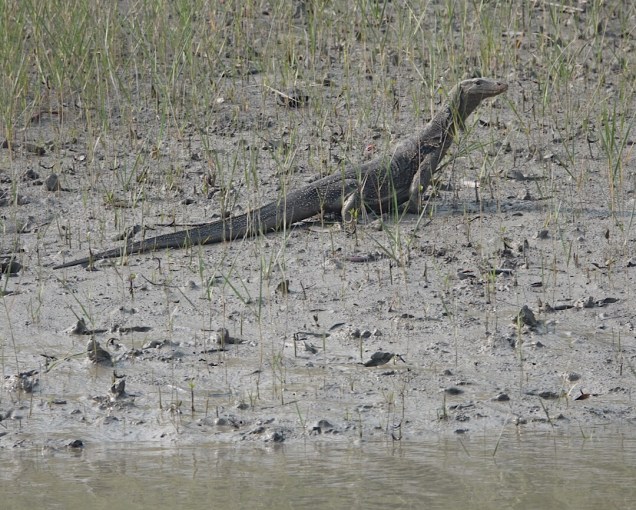 A 5-foot-long monitor lizard enjoying the sun.
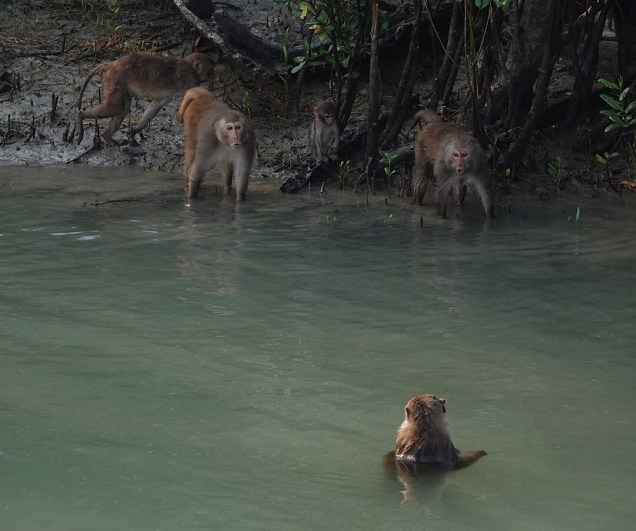 Macaques. We watched this group chase the one guy into the water. They seemed to be mad at him.
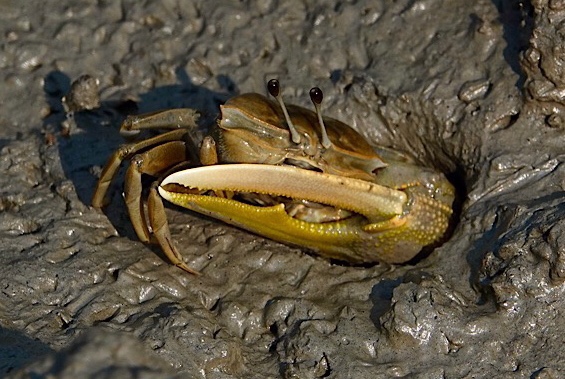 This is a yellow fiddler crab. Don’t you love his eyes?
 Most menacing was this mature crocodile. Alligators also ply these waters, but it’s the crocs who are murderous, taking down even tigers when they’re swimming from island to island.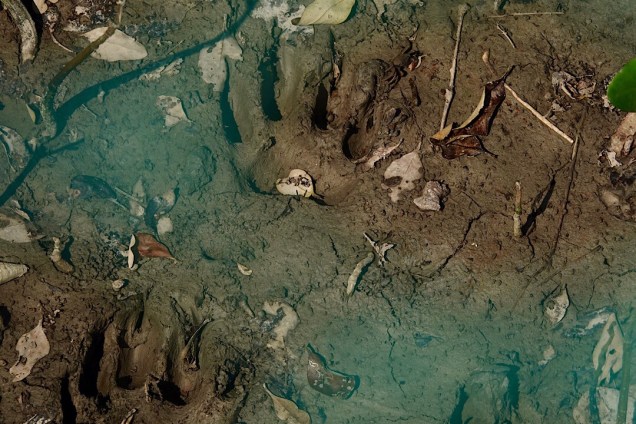
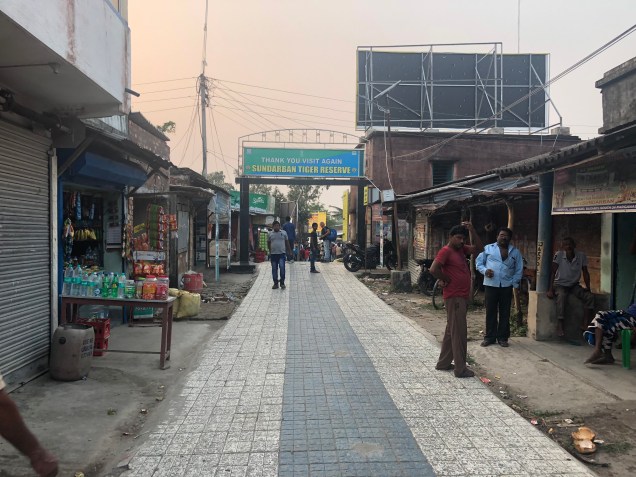
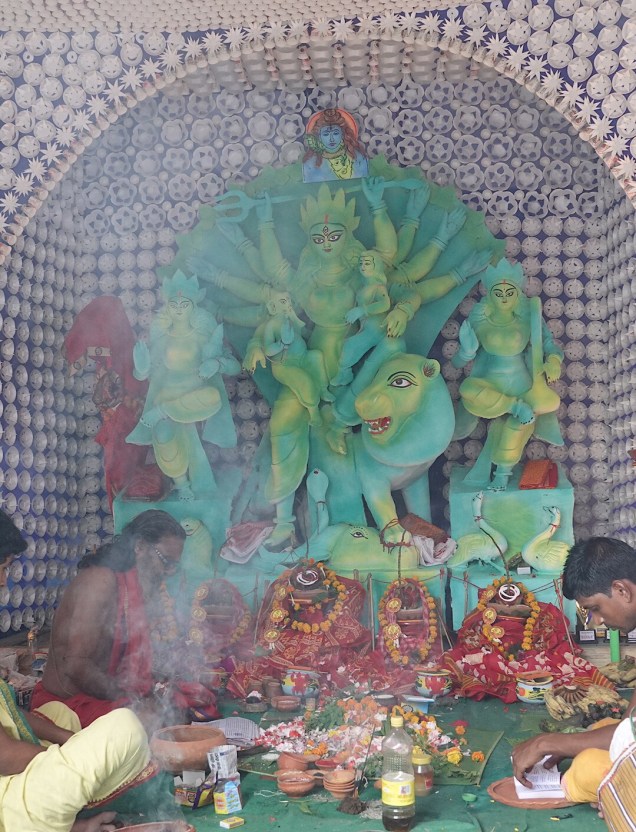

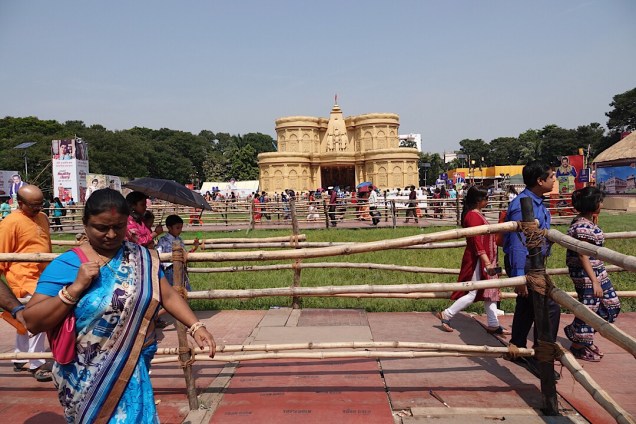
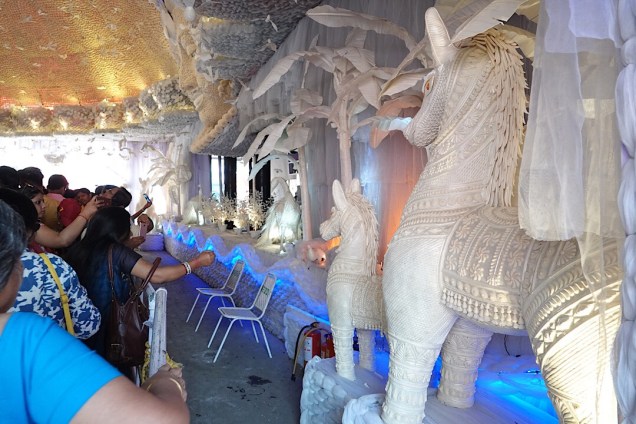
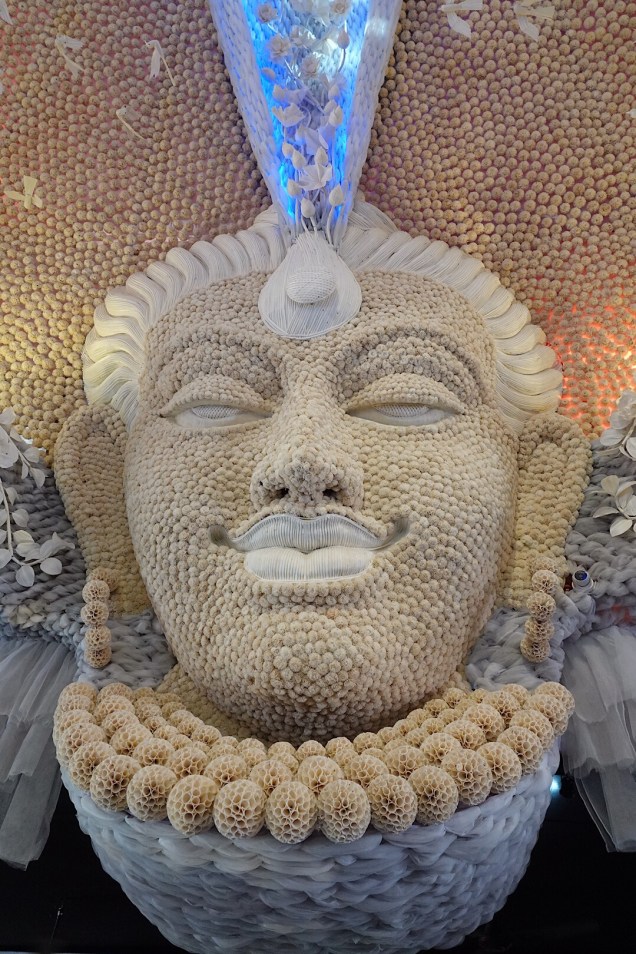
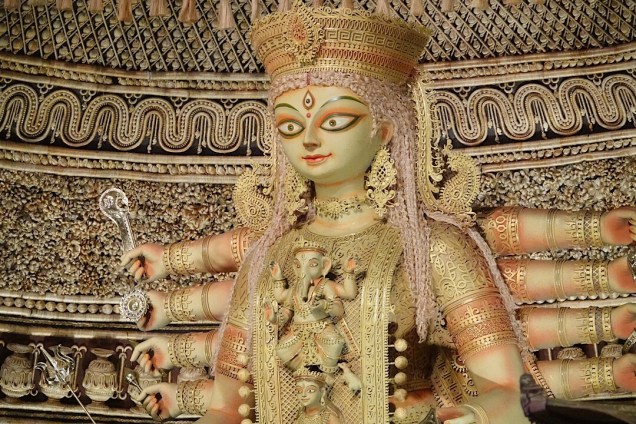
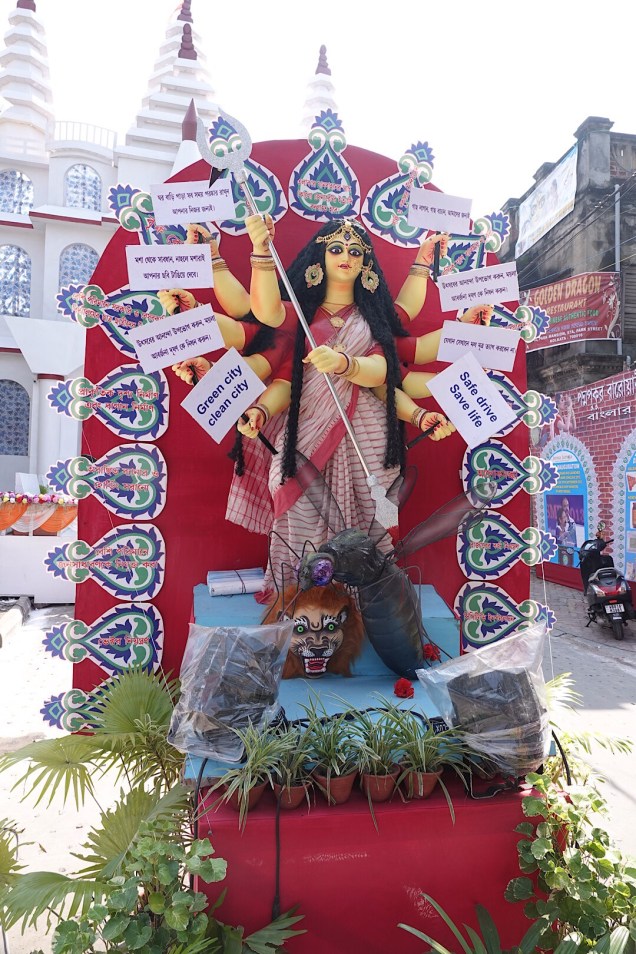 Outside its entrance, this version of the goddess preached various civic messages. Note that the evil she’s attacking is a mosquito.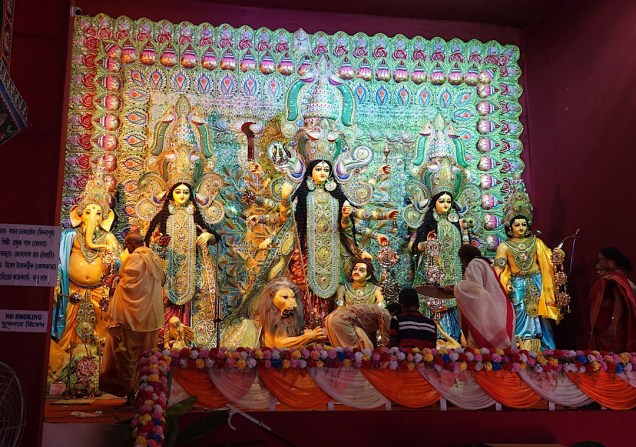

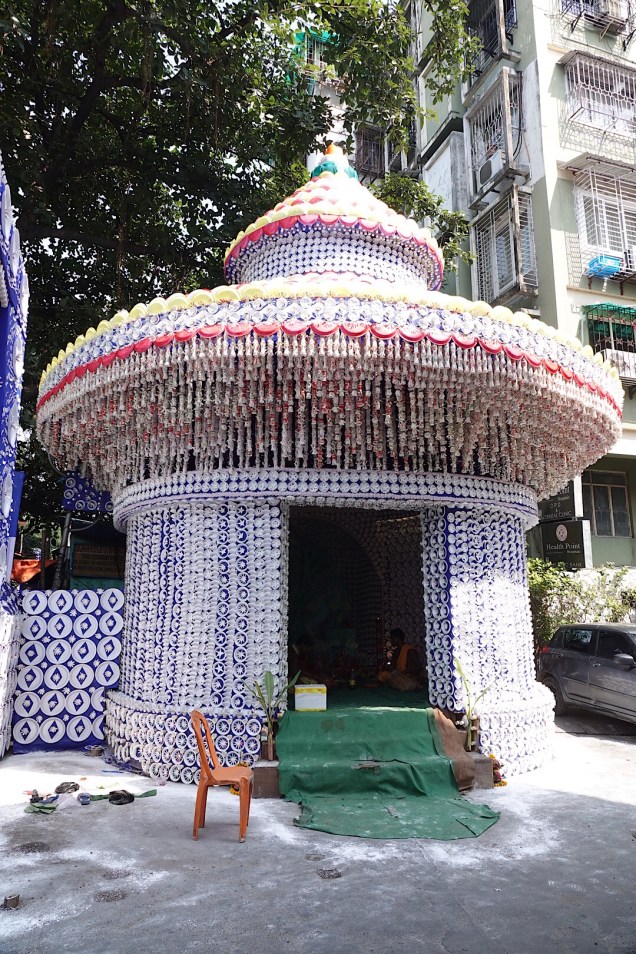
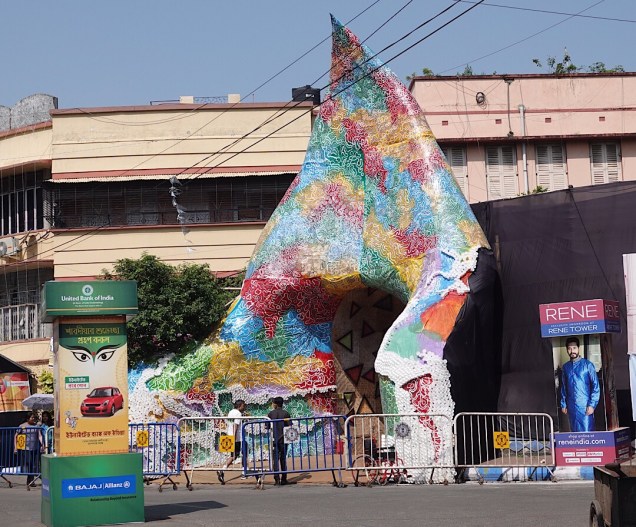
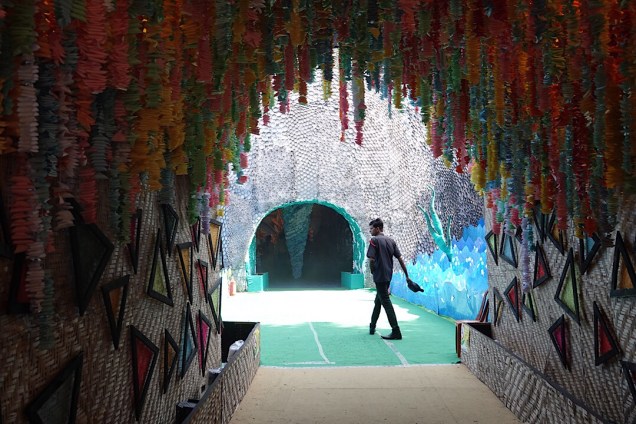
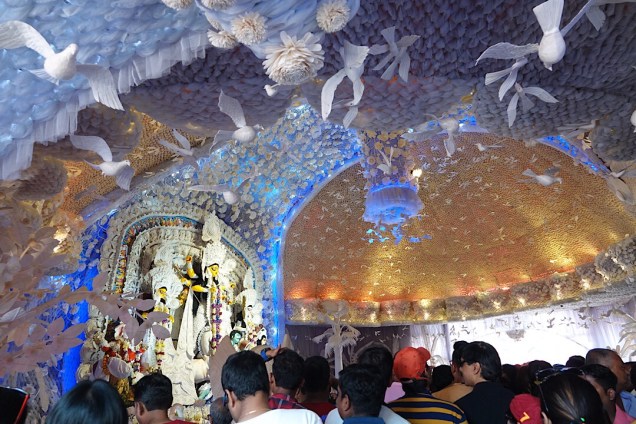


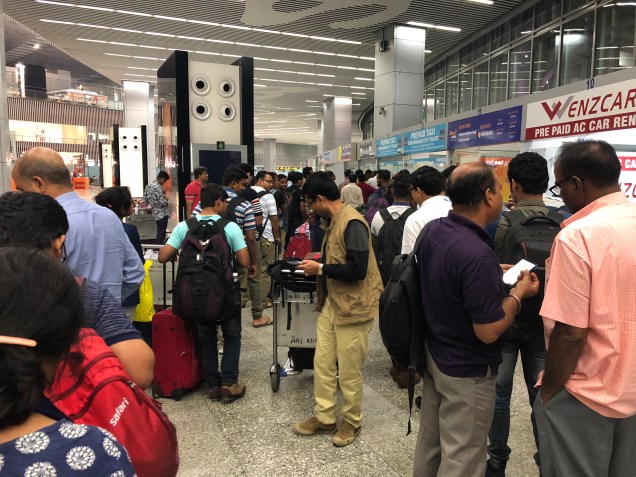
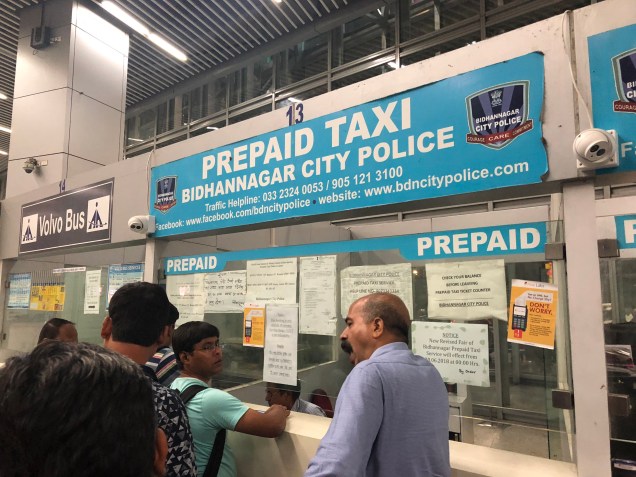 We didn’t reach ours until close to 12:30 (3:30 am Seoul time — and god knows what on our body clocks.) Weirdly, it took only a minute for us to pay for our ride (380 rupees or about $5.15), and out in the street, we quickly located the ancient taxi assigned to transport us. I can only guess that the line had moved so glacially because folks in front of us were going to more complicated destinations.
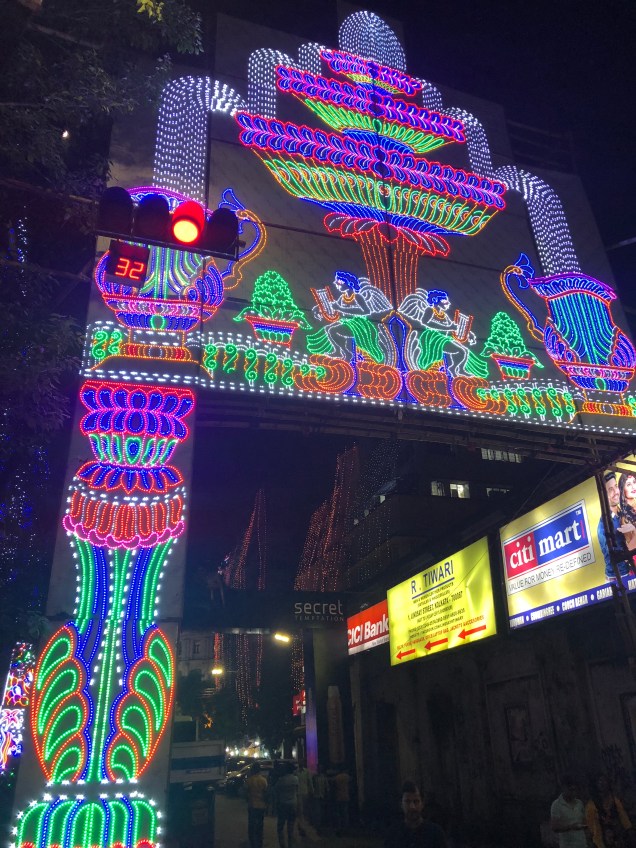 Occasionally we passed a floodlit shrine containing what appeared to be a multi-armed goddess.
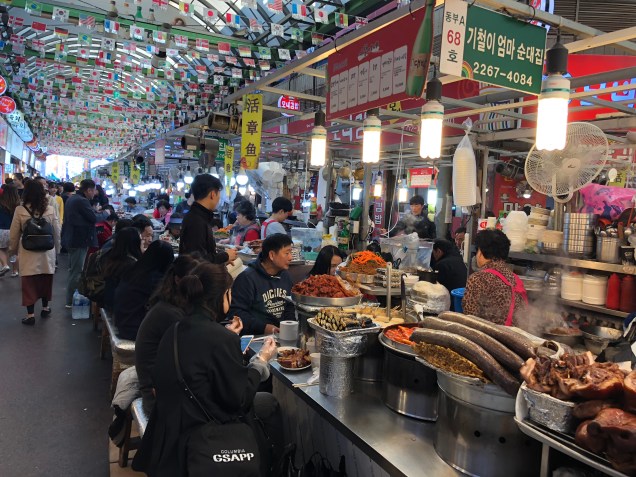


 In nine days, Steve and I will depart on the longest trip of our lives: seven weeks in India, a week and a half in Sri Lanka, and a few days of South Korea and Japan (in transit). As I’ve planned the arrangements, the question I’ve been asked most is: aren’t you afraid of getting sick?



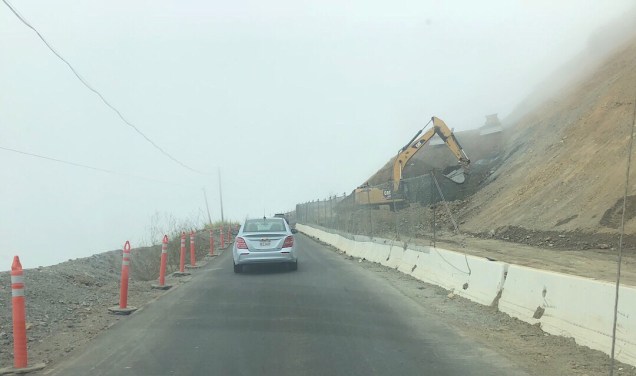
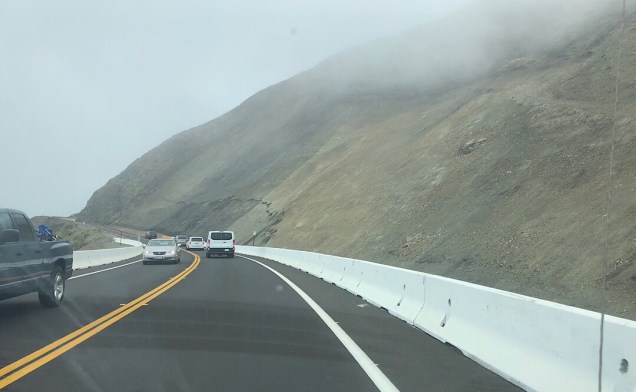
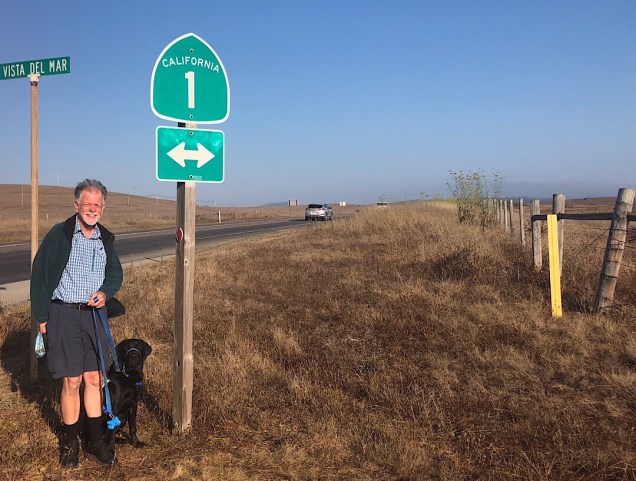 California’s Pacific Coast Highway, aka Highway 1, shows up often on lists of the most scenic drives in the US, even the world, but it’s not the most practical way to get from Southern California to the Bay Area. Planes fly from San Diego to San Francisco in just 90 minutes. Google Maps says the drive up Interstate 5 can be covered (at least theoretically) in 7 to 9 hours. Going up the coast road adds a minimum of 4-5 hours to the journey, but you trade the hot, flat, dusty Central Valley panoramas for sublime seascapes.
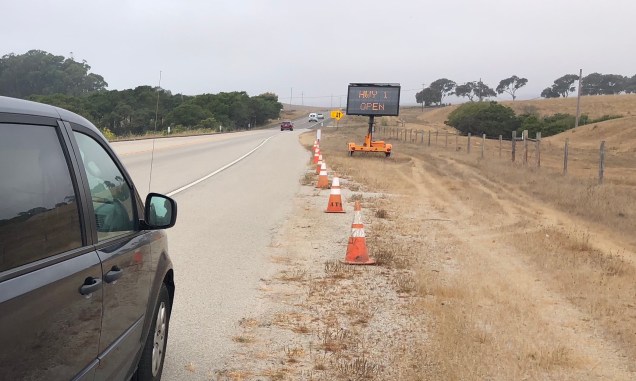 And to our delight, we heard at the end of July that — after 18 months — Highway 1 was once again open to travelers. On August 15, we drove from San Diego to San Simeon, spending the night in a little hotel set a few blocks from the ocean.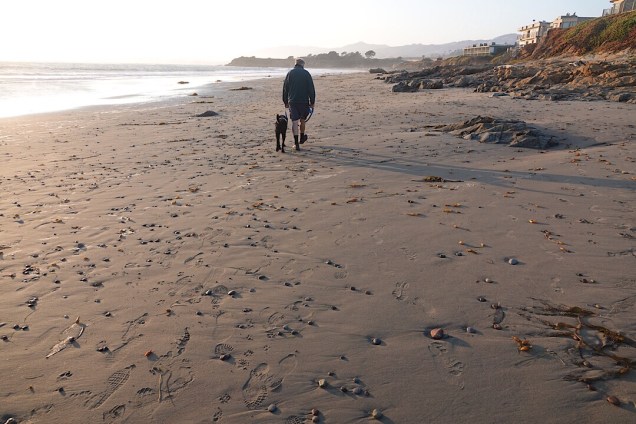



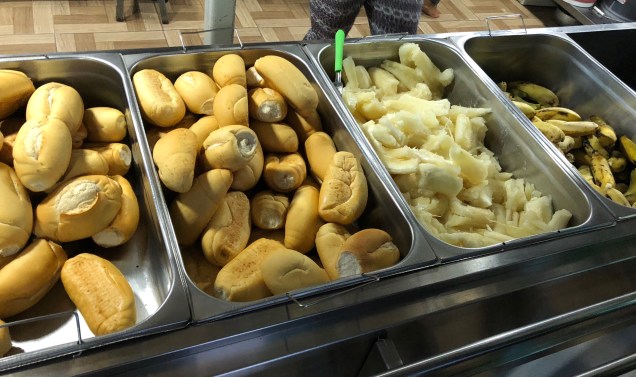 Lunches and dinners were much tastier — a meat stew with noodles, pot roast, ground beef. It was simple but hearty food (accompanied by high-carb side dishes.)
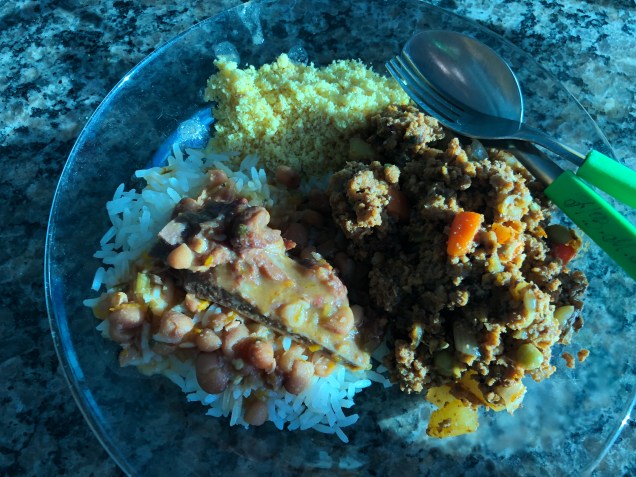 Meals were also provided along with our two-day cabin passage on the Fenix (on which we traveled from Tefe to Manaus.) Once again, the food was passable. One dinner consisted of the typical meat hash, very good grilled sausages, white rice, and spaghetti. (We skipped the unappealing vegetable salad.) Lunch the next day was fried chicken legs and wings and more of the sausage.
 As for the purified water, we drank it for the first two days without incident, but after we both developed traveler’s diarrhea in Manaus, we began to question the sanitation. The water appeared to be coming straight from the river into the refrigerated holding tanks after passage only through a very small filter. We switched to bringing bottled water onboard and had no further intestinal trouble.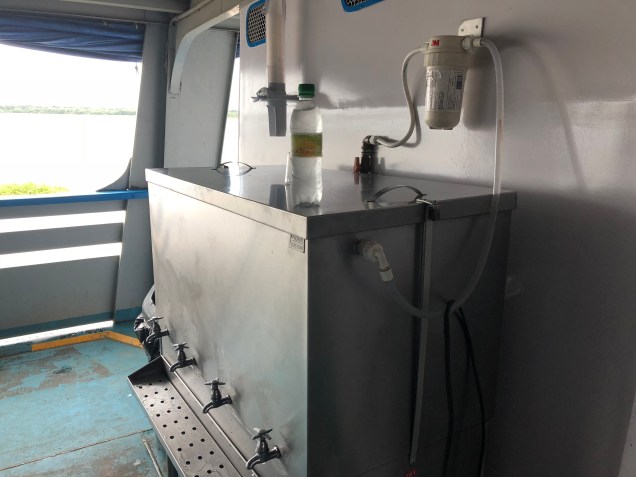

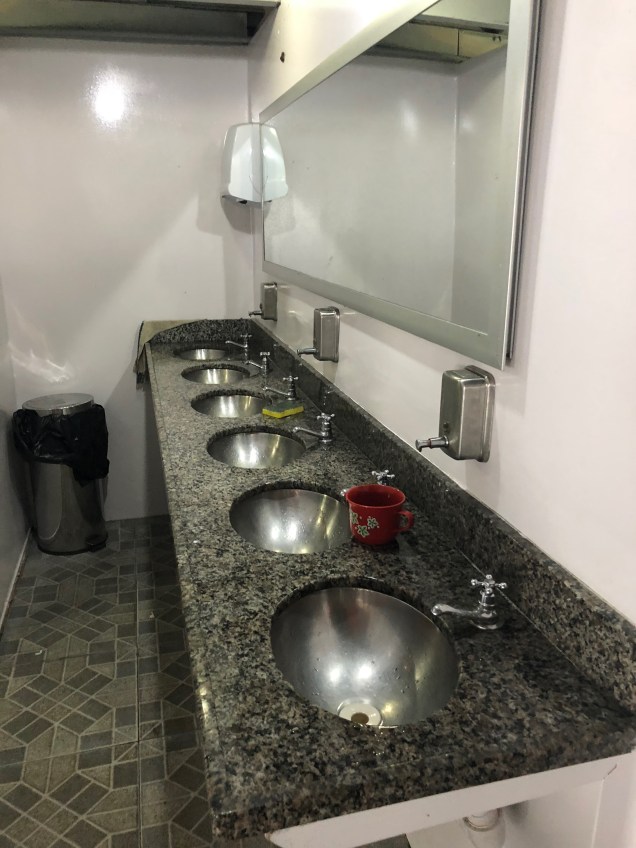
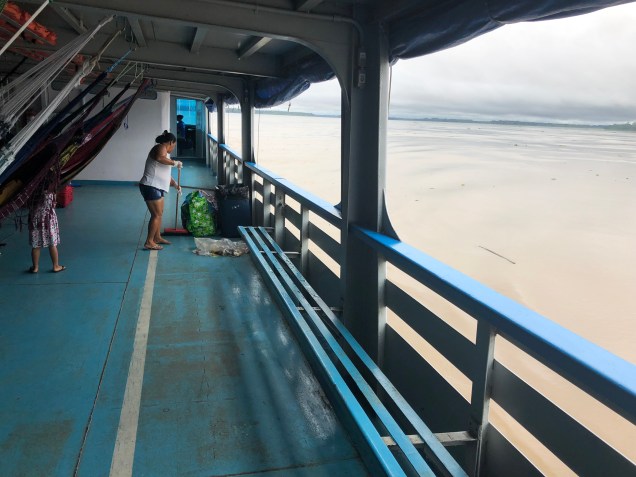 When I checked one of the hammock folks’ bathrooms, it seemed respectable even after two days of hard use.
  The other two boats were a bit less well-tended. Still, they seemed tidier than most long-distance trains we’ve traveled on.
 At home and abroad