 While flying home Saturday, I reflected on our four weeks in New Zealand. Kiwis kept asking us along the way, “What have you enjoyed most?” And I couldn’t tell them. We enjoyed so many things. You might think it’s a no-brainer; that everyone should go to New Zealand, even you. But the truth is more complicated, I think.
Two reasons NOT to go to New Zealand seem evident (to me).
- It’s REALLY far from almost everywhere. For our flight from Auckland to San Francisco, we were aloft for almost 12 hours (and then it took hours more to get home from the Bay Area.) That’s a long time to be cooped up in a metal tube at 36,000 feet. Even if the flight is free (as it was for us, using frequent-flier miles), the long passage takes a toll.
- The New Zealand dollar has lost almost a fifth of its value against the dollar over the last four years. But travel there still feels no less expensive than it is in the US. Meals in restaurants cost about the same, as do hotels — and why not? New Zealand is at least as advanced a country as America. If you’re on a budget, so many other destinations offer much more bang for the (US) buck (e.g. Ecuador or India or Vietnam or Portugal, etc.)
On the other hand, you still might want to come to New Zealand:
3. To experience nature. My good friend (and travel blogger par excellence) Doris has commented as she’s read my posts that she’s not terribly interested in New Zealand because it looks a lot like Iceland (where she has already traveled). I haven’t been to Iceland yet, but I don’t doubt that’s true. However, I’ve retorted that New Zealand is also carpeted with vast emerald farmland that reminded me of Ireland. It has deer farms…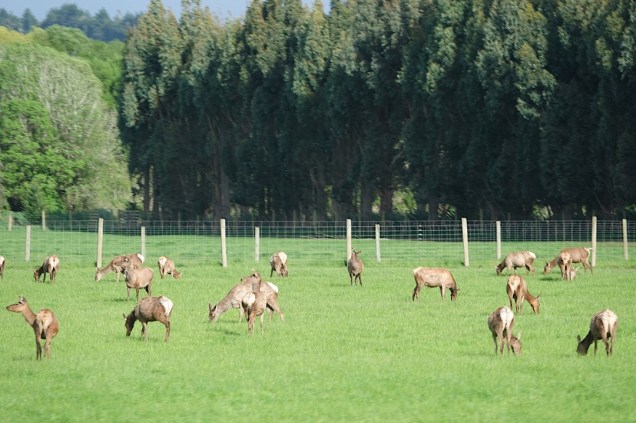 and The Shire.
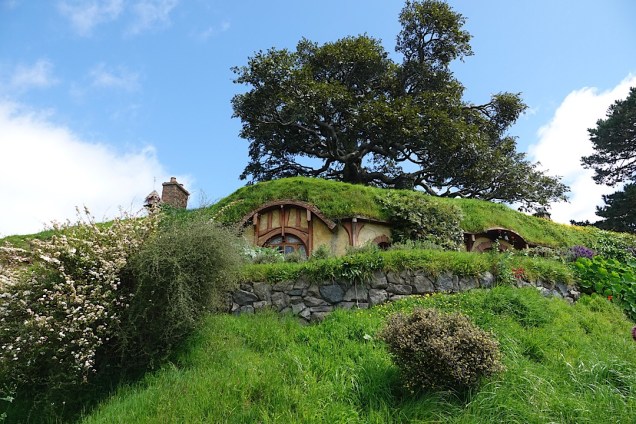 We drove through stretches of the South Island interior that felt like the American Southwest. We hiked through tropical rainforests that filled me with a sense of rapture. We floated through those caves illuminated only with incandescent larvae. We walked on beaches devoid of people but filled with sensuous driftwood.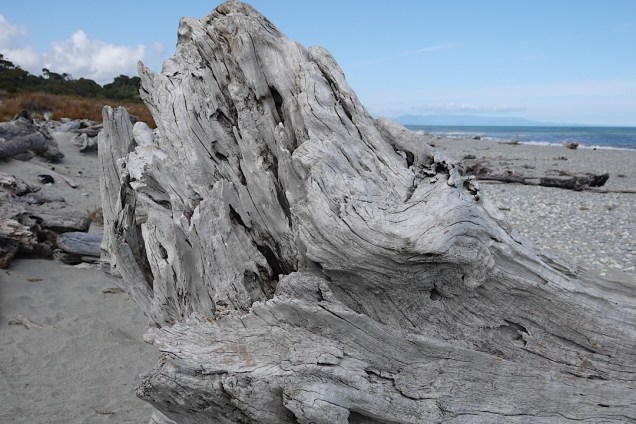
Steve and I partly went to New Zealand at this point in our lives to take advantage of the hiking and trekking we’d heard about. We were not disappointed. Indeed Kiwis struck us as having more of a passion for striding through the outdoors than any place else we’ve been.
On the other hand, you can enjoy tremendous natural beauty in America too. It may be less concentrated than it is in New Zealand, but you don’t have to travel as far to get to it (see point number 1 above.)
4) Related to but different from coming for the nature is coming to participate in crazy action sports. Bungee jumping was invented in New Zealand…
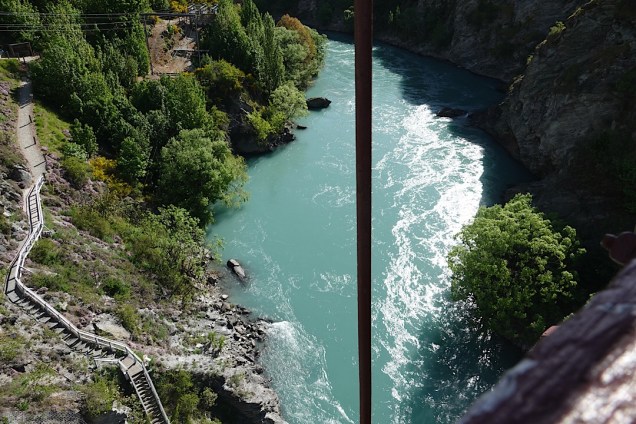
To that a head-spinning list of other crazy adventures have been added: luging, sky-diving, jet boating, paragliding, whitewater rafting, and more.
I used to think maybe this was a marketing ploy — something Kiwis had dreamed up to attract tourists. Maybe there’s some truth to that, but over the past few weeks, Steve and I have come to think it also reflects something in the character of New Zealand’s residents. They appeared to us to be tough, hardy folk. Seeing the “pleasure” sailors out on Auckland Bay in icy winds so strong they would have caused the issue of small-craft warnings in San Diego… …watching a dad ignore his toddler daughter making her way up the climbing wall at the fabulous playground in Christchurch…
 … or trekking with the gang on the Routeburn in the storm. It made us suspect New Zealanders relish the wild adventure options themselves.
5) New Zealand exposes one to a different relationship between native peoples and their Anglo invaders than anywhere else we could think of. We didn’t know this before we came. We understood little to nothing about kiwi history. Learning that the first humans didn’t set foot on either island till around 1200 AD — and that they were Polynesians (hailing from Fiji or Hawaii or similar islands) startled us. The Maoris (as those first New Zealand settlers became known) had lived here less than 500 years before Captain Cook arrived. The Englishmen (and other white folk) who flocked here after Cook’s reports managed to get a whole bunch of the land out of the Maori hands.
But about 100 years after they did, the pendulum began to swing the other way. The Maoris have since gotten some stuff back. Reparations have been made. (We heard at one point that more than 98% of the “reconciliation” process has now been completed.)
The net result is that today, to us hasty visitors, it looks as if Maoris enjoy more respect and a more central place in New Zealand society than the natives anywhere in the Western Hemisphere. We liked that.
4) Visiting New Zealand is more like visiting one of the planets in the Galactic Association than anywhere else we’ve ever experienced. (The Galactic Association is Steve’s science-fictional invention. It promotes settlement of 8 planets by pioneers from earth.)
Before the first humans arrived just 800 or so years ago, no mammals lived in New Zealand (except for three tiny bat species.) It was all birds, a vast variety of them, including the giant flightless moa and the huge and terrifying eagles who hunted them.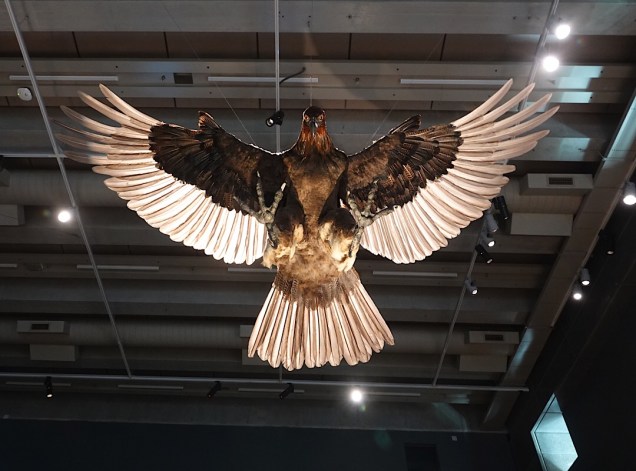 The Maoris brought invasive dogs and rats, and other animal (and botanical) invaders followed. Battles between the natives and the alien predators are being fought intensely today.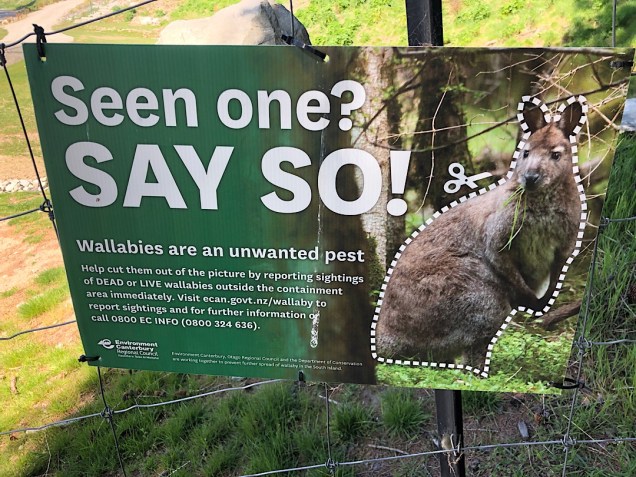
Still, where else on the planet can you hike through wild, wild country and know there are no bears, no snakes, no big cats or elephants — just birds, whose songs are slowly fading as the possums and wallaby and rats eat them?
Is that a good reason to travel to New Zealand? Certainly all of those (except for the adventure sports) were reason enough for us. As a bonus, we have memories of being stopped on that road to let modern shepherds guide their flocks across the highway.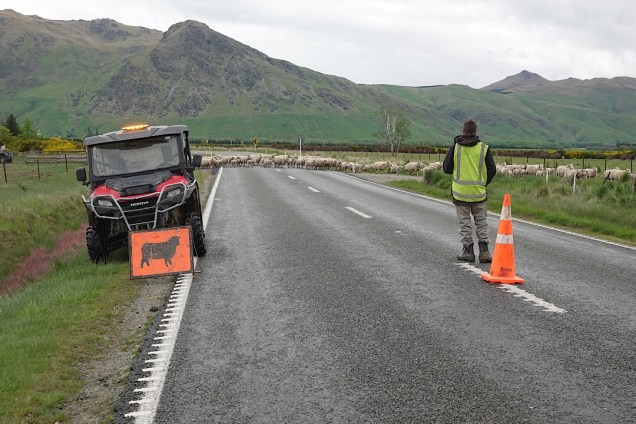

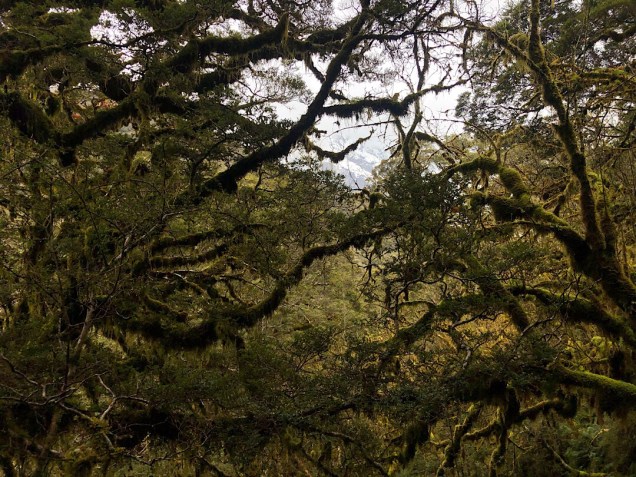
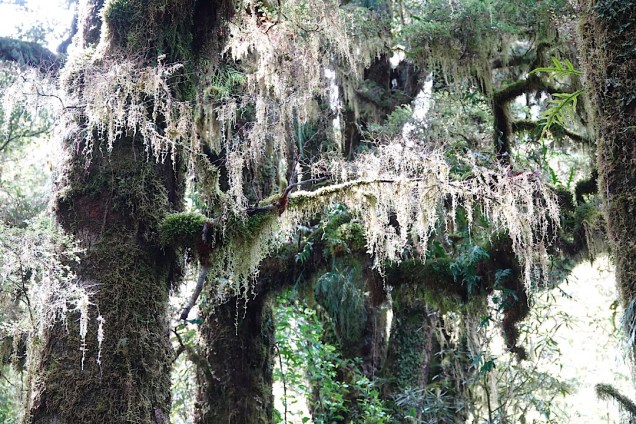
There were amazing skies…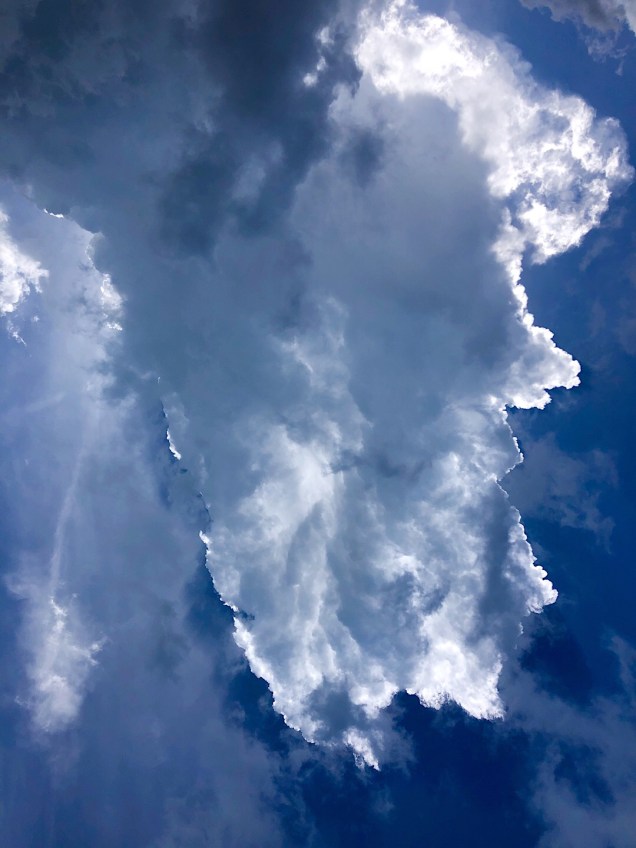 and magnificent trees.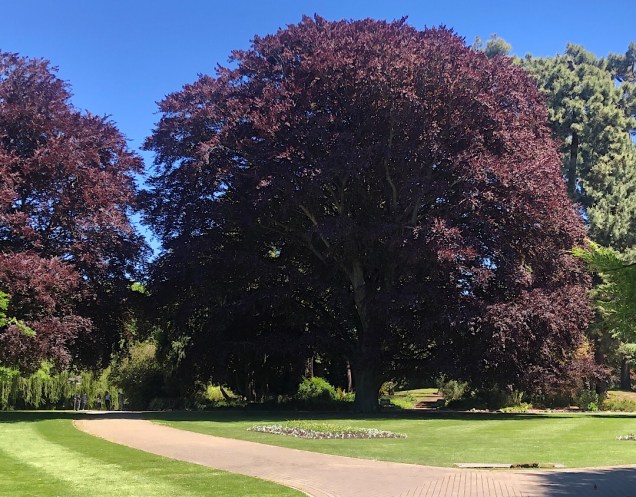
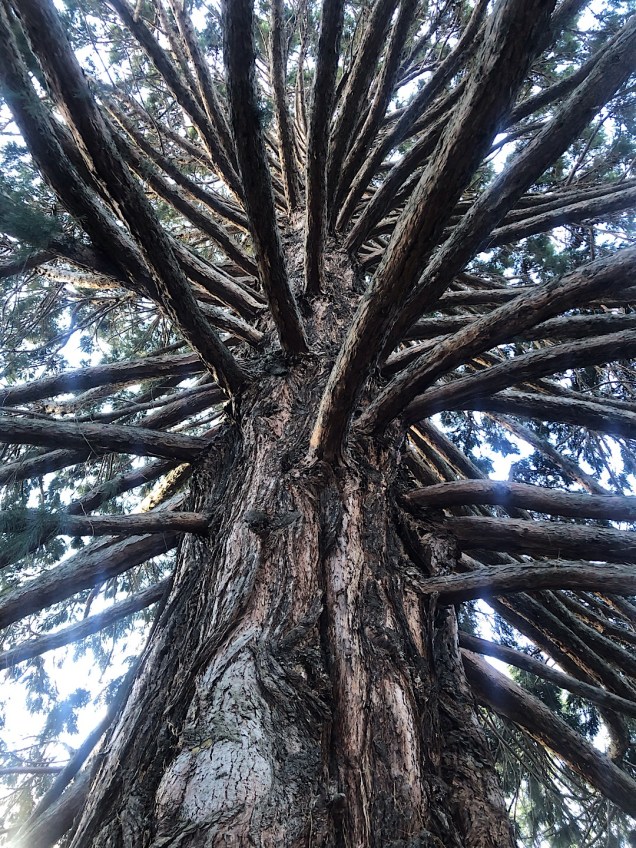
I’ll probably forget most of it. But part of why I write this blog is to help me remember. 
 I knew two bad earthquakes hit Christchurch in 2010 and 2011, but they didn’t become real for me until the night Steve and I were eating dinner in Kaikoura. Looking out the window next to our table, Steve exclaimed, “Is that a bobcat?” The animal he was staring at seemed too small to be that, but it lacked a tail. “He lost it in the earthquake,” our waitress (the wife of the owner) told us. Her house in Christchurch had also collapsed, she added, and she and her husband had lost the five restaurants they owned. They’d recently moved to Kaikoura, trying to start over. This lady was a hearty, jokey sort of person, but the way her face subtly tightened when she talked of the disaster betrayed how overwhelming it had been. Watching her face, I struggled to keep mine composed.
 One of the things that shocked me most was learning that the two earthquakes which all but destroyed the central city were far from the worst that’s expected for this region. The huge fault, the one capable of moving with a force of more than magnitude 8, runs up the east side of the southern Alps, just an hour or two outside Christchurch.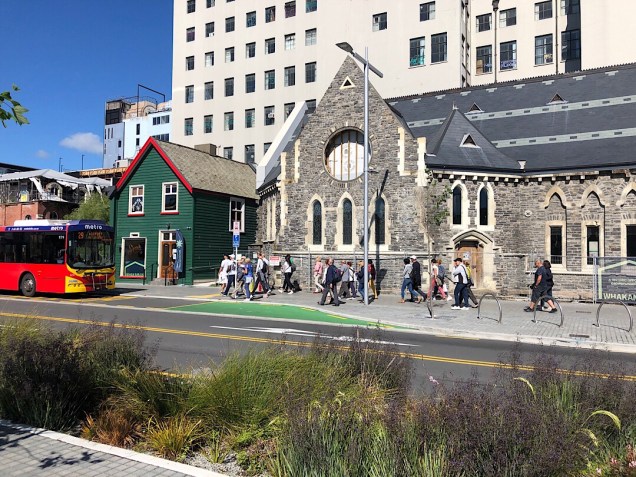
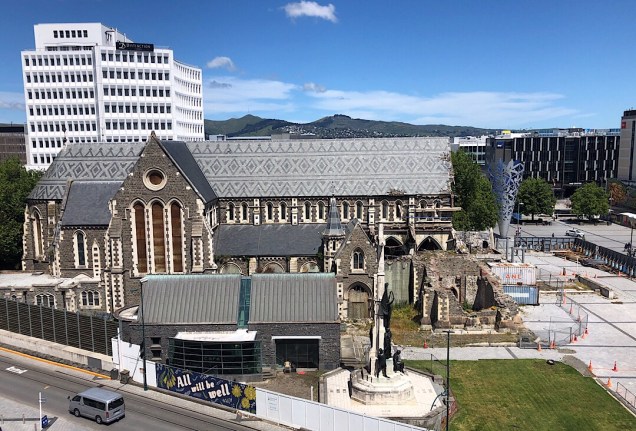 But there are urban centers in America’s rust belt that look worse. And few cities anywhere have mounted the kind of makeover that’s underway here.

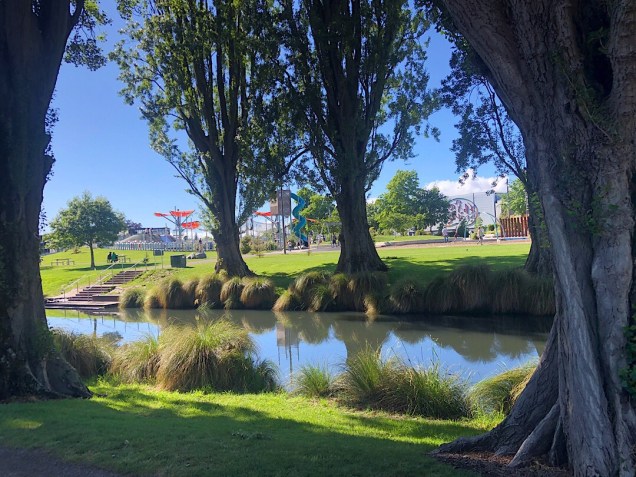
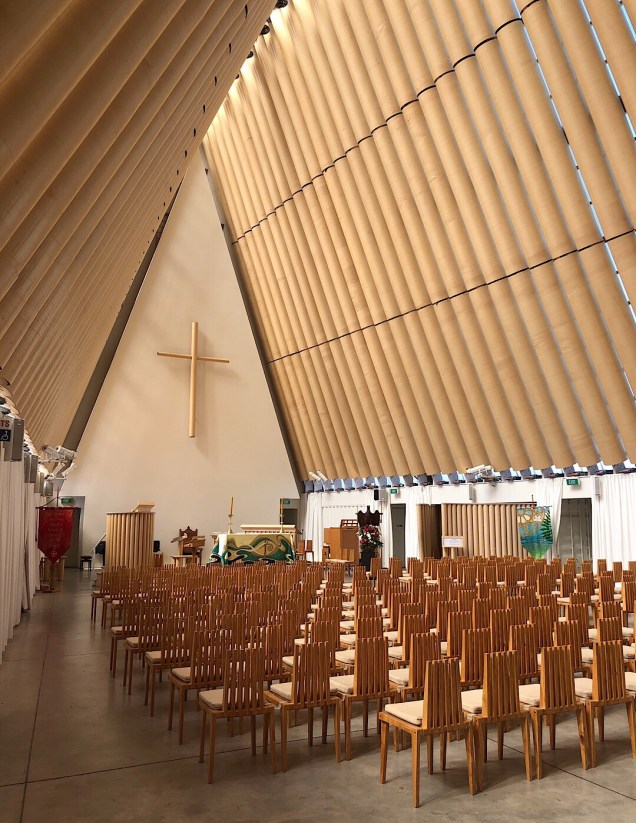
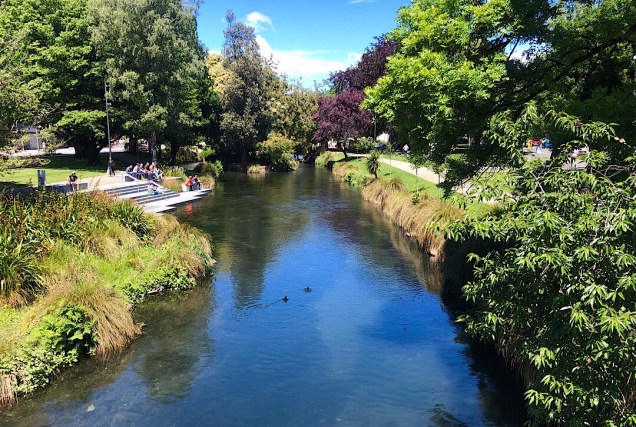 There’s much more to come, including rebuilding the cathedral, finishing the zoomy convention center that’s supposed to start operating next year…
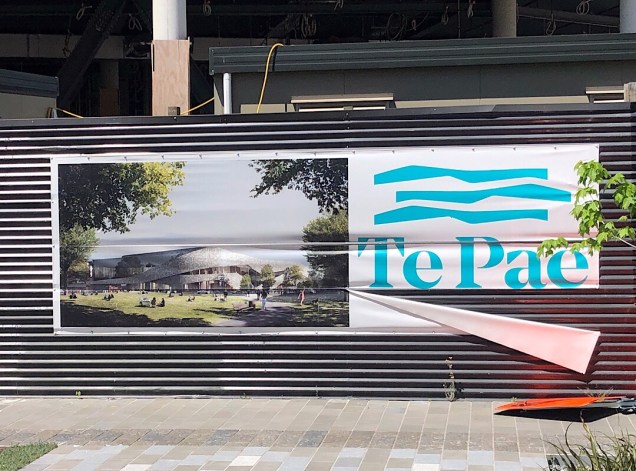 …and building a deluxe sports complex…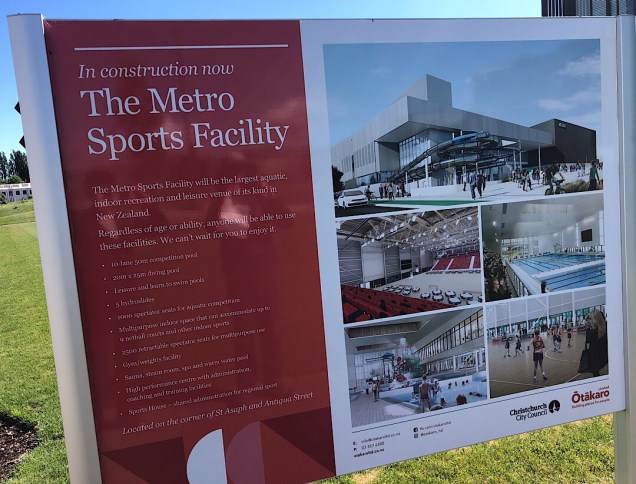

 Artists have been commissioned to paint murals on the sides of newly revealed building sides…
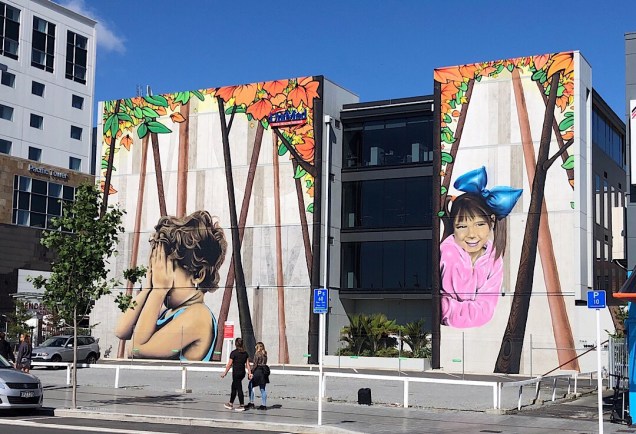 … and create other works to fill the civic gaps.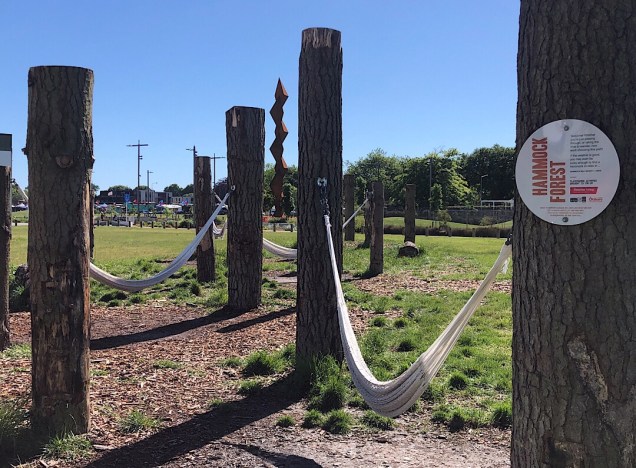
 Around noon Wednesday, we returned Car #3 and added up the total mileage covered with our three rentals. Steve safely piloted us a total of 2,124 miles. He says it felt like twice that long. The extra concentration required by the left-side driving on narrow roads never ceased to be tiring, although after three-plus weeks, it was far less foreign than when we started. We never regretted making this as much of a road trip as we did; the freedom it gave us was delicious. But we also were so happy we were able to shorten the driving portion, just a bit.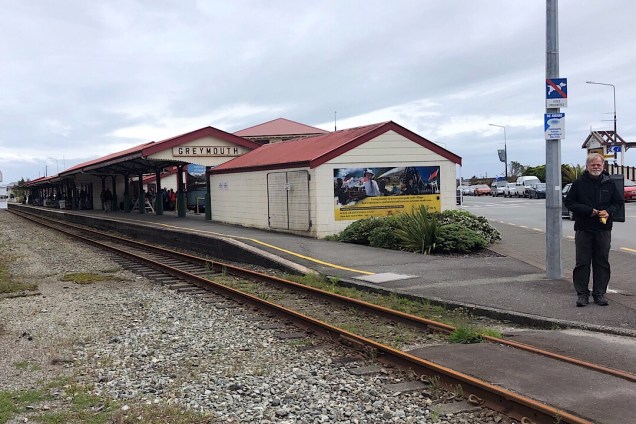
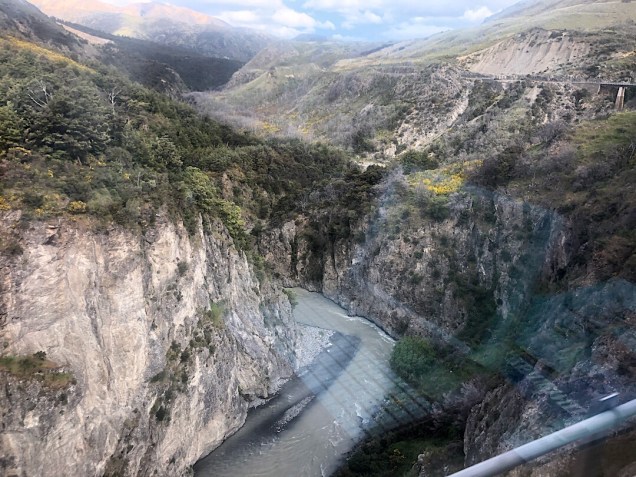
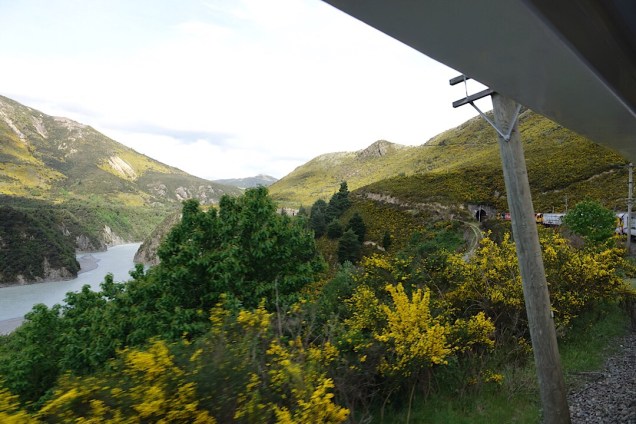
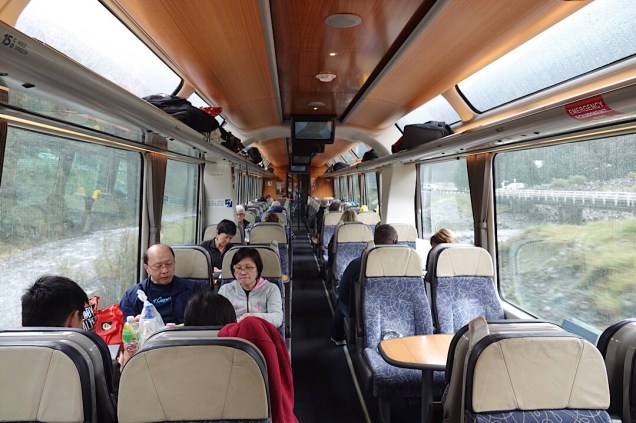 optional pre-recorded guiding commentary, an open-air viewing car…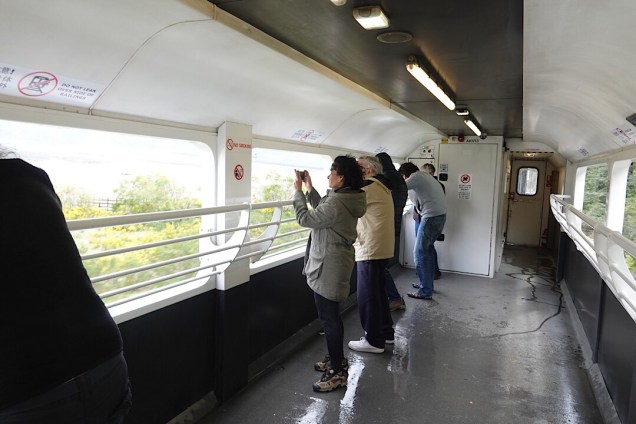
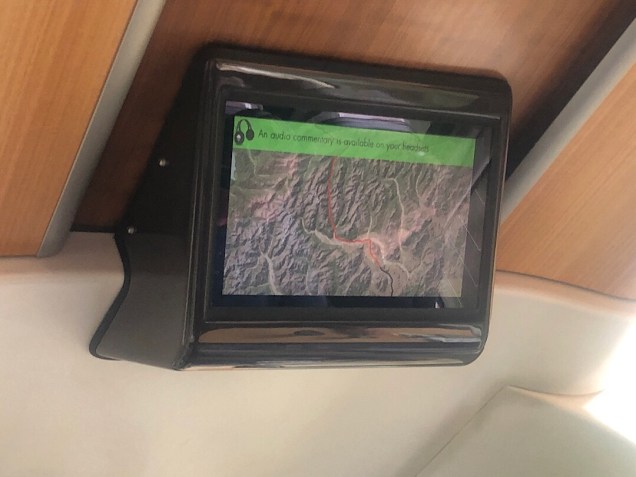 But who would choose to look up at them with scenes like this outside the window?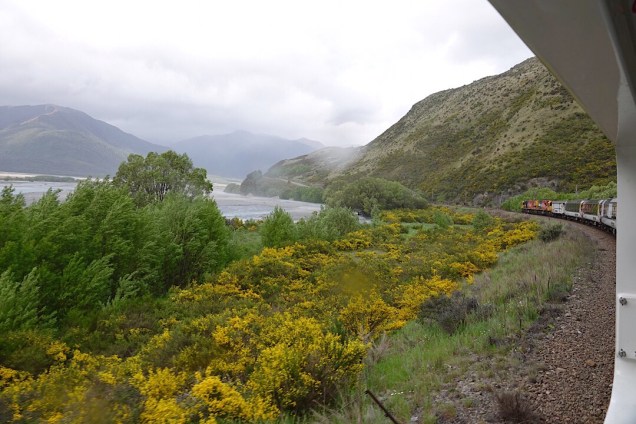
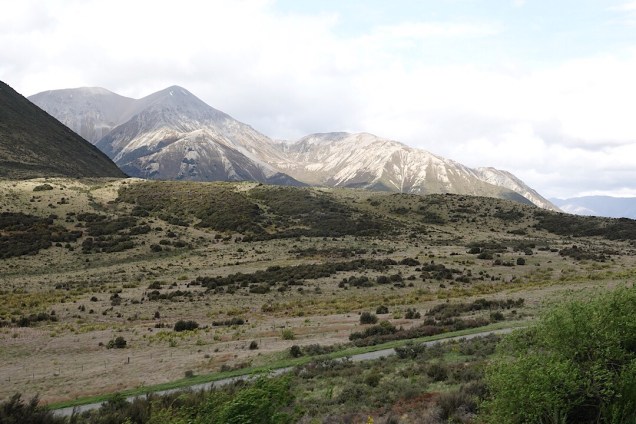
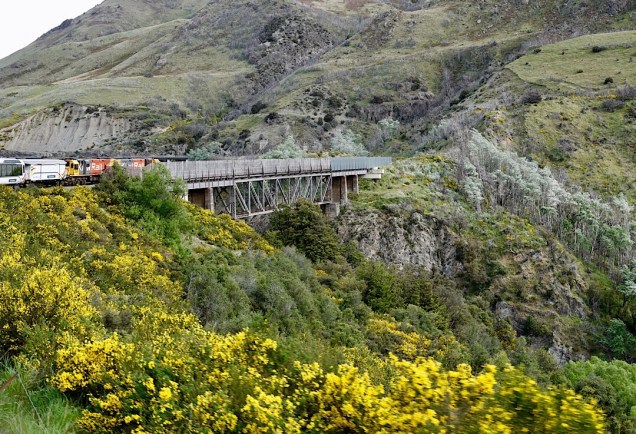

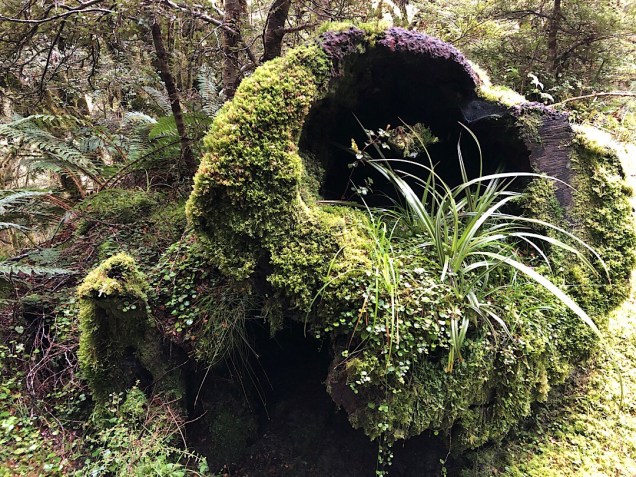
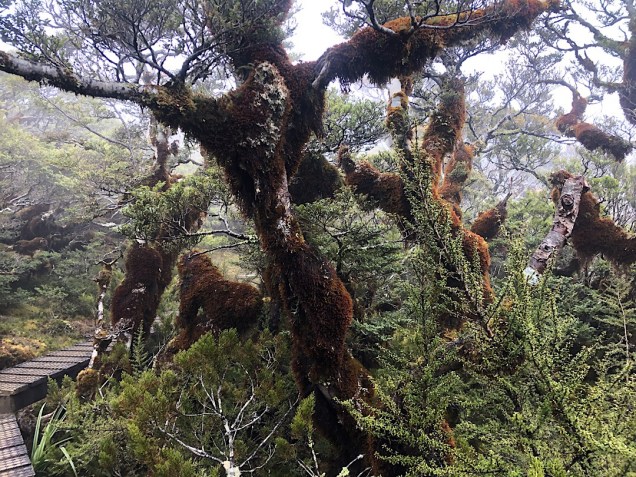
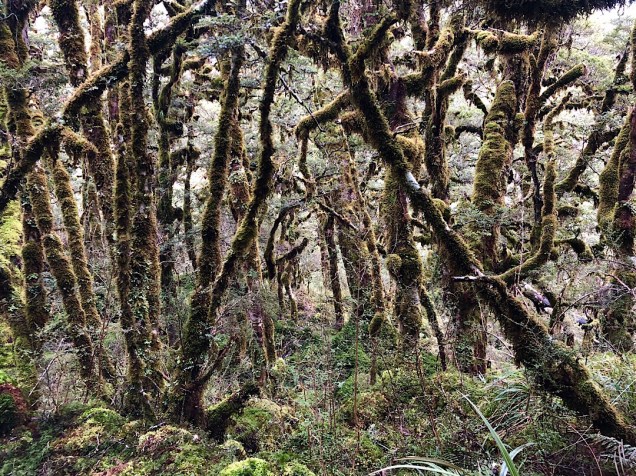

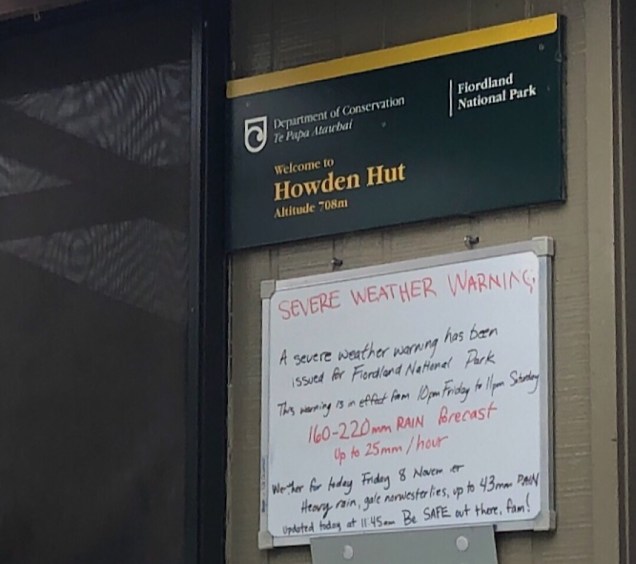
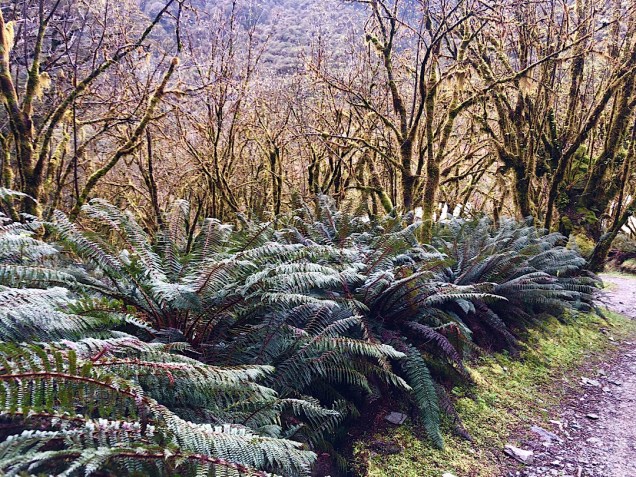 A stop at the Howden rest hut revived us with hot drinks, though the warning board outside bore grim news.
 Around mid-afternoon I reached Earland Falls, a magnificent cascade of icy water plunging down the mountain face in the most ostentatious way imaginable.
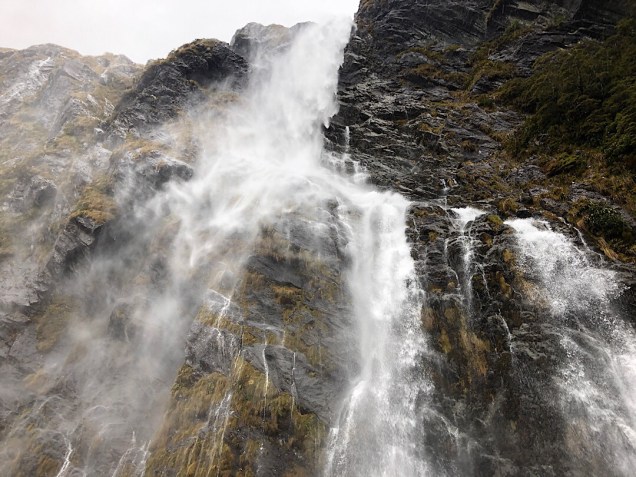 At first I thought we were meant to admire it from a distance. Then I realized we had to negotiate a ledge cutting in front of the cascade in order to continue on. The minute or two it took me to battle my way through the saturating spray froze me with its combination of bone-chilling cold and terror (as close as an encounter with a Dementor as I ever hope to have.) Somehow in the violent passage I ripped up one of my beautiful new merino possum gloves, and once past, it took me several minutes to begin to recover any feeling in my fingers. That gave me time to see Steve survive the passage.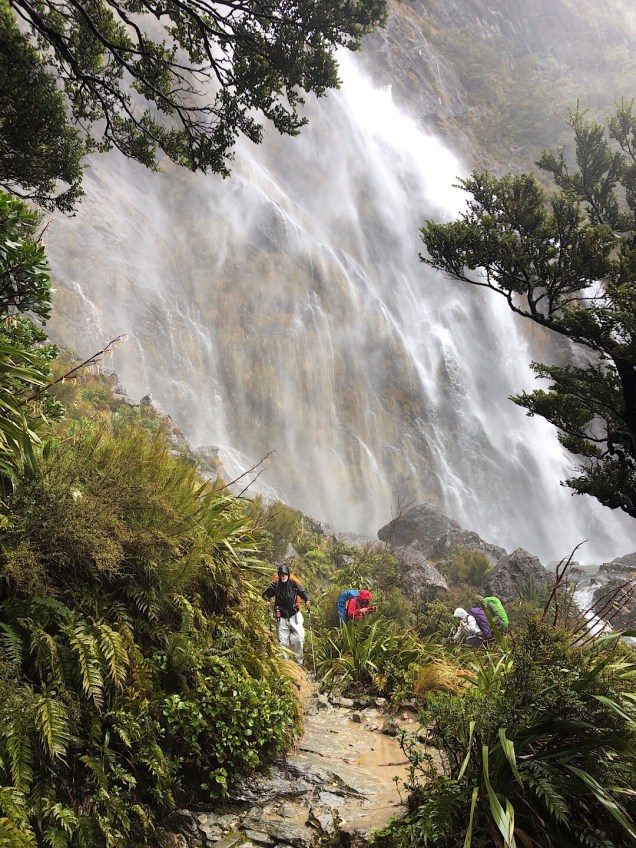
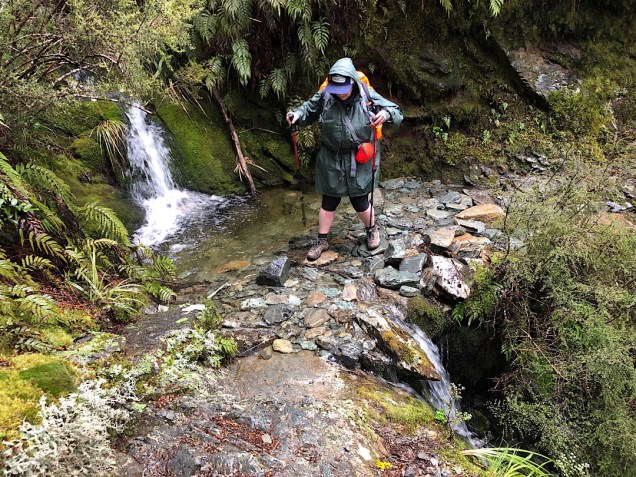
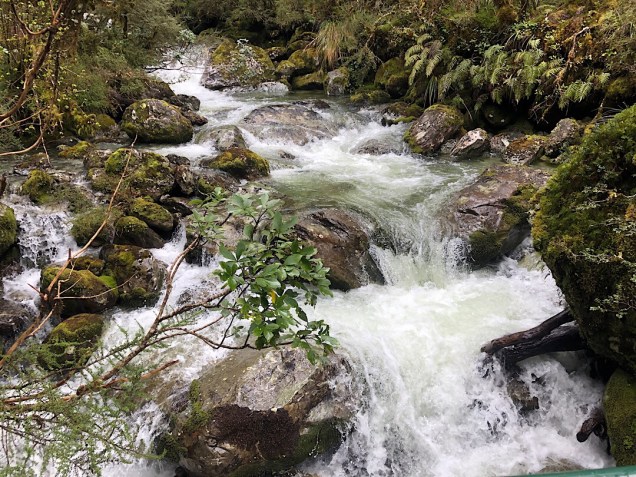
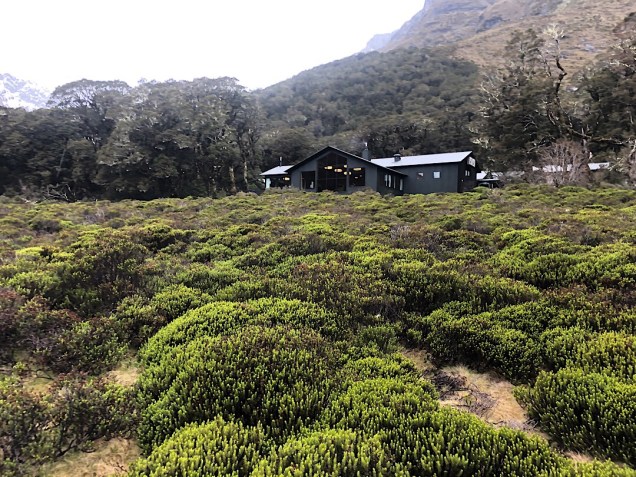
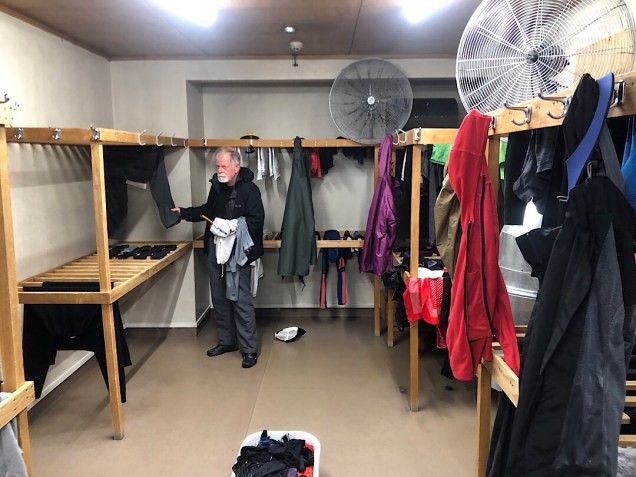
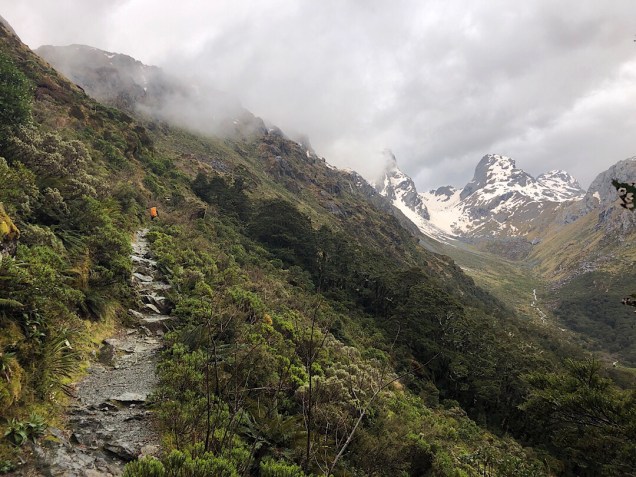
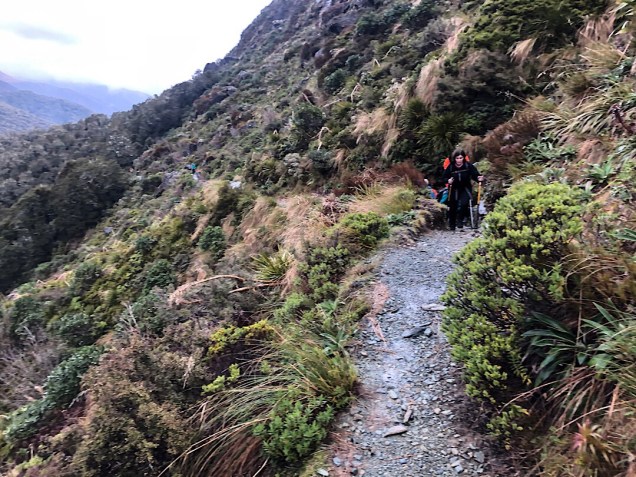
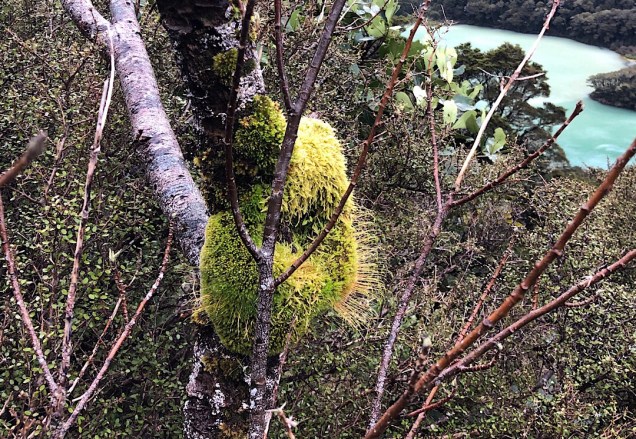
 After an hour or two, we stopped for a hot drink, and the guides told us to put on any extra heavy-weather gear we were carrying.
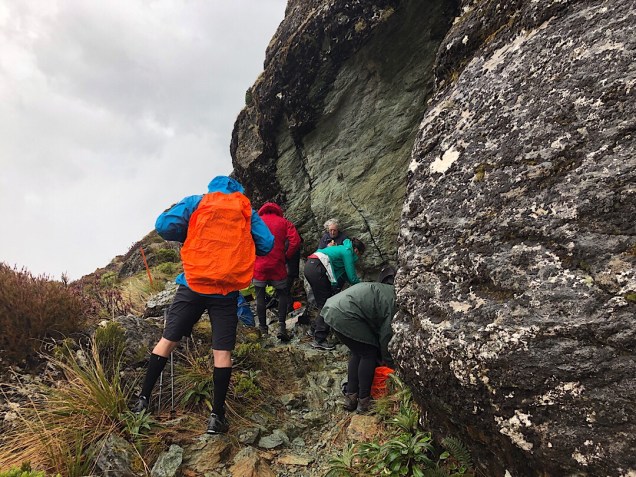 We would be rounding a rock wall and hiking for the rest of the day on a ledge exposed to all of the elements. I donned my down jacket (over the three layers I was already wearing) then zipped up my heavy rubber rain jacket over that. With no warming, the sky flashed white, and a few seconds later, a peal of thunder boomed.
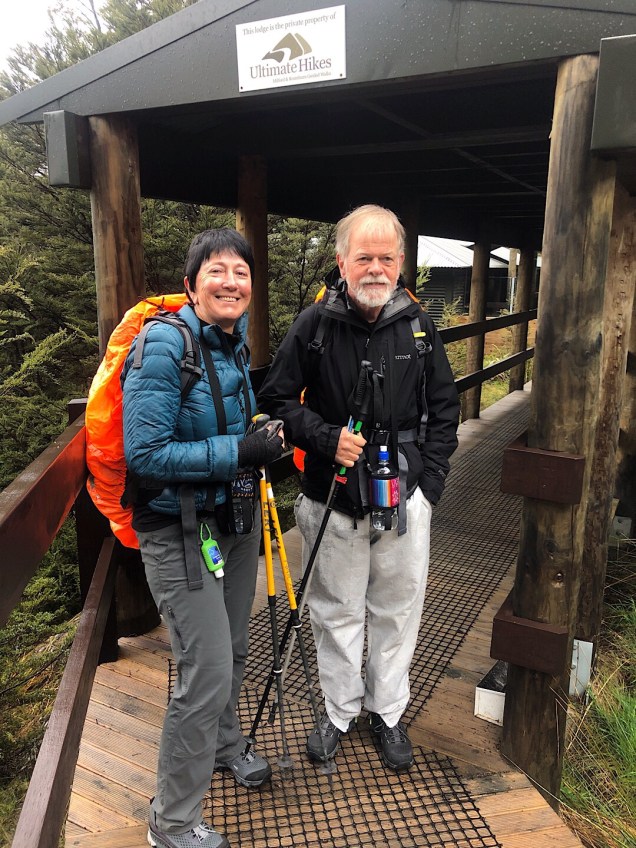 The rain slackened and disappeared. We ran into one unexpected obstacle…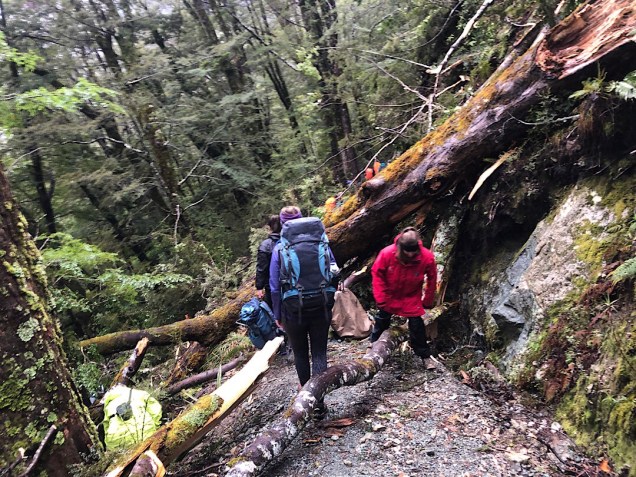
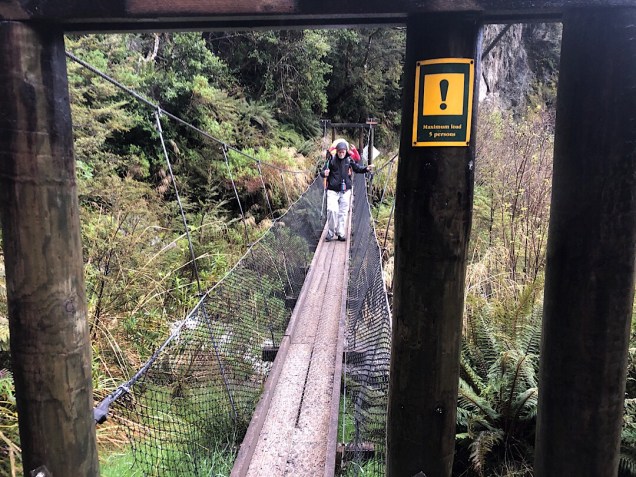
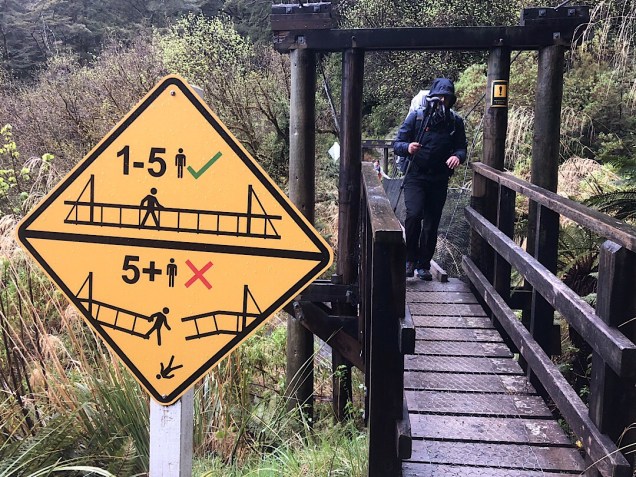 But the river the guides had feared might block us never overwhelmed the bridge that spans it.
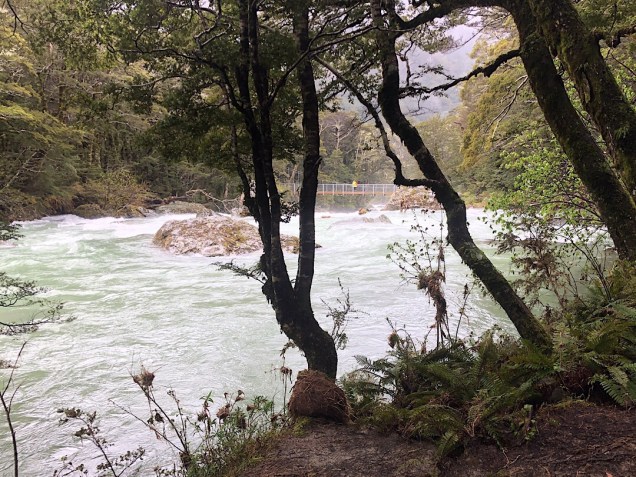 Plus we were moving through forest again, which made the journey more soothing. By 2 in the afternoon, our hike was over.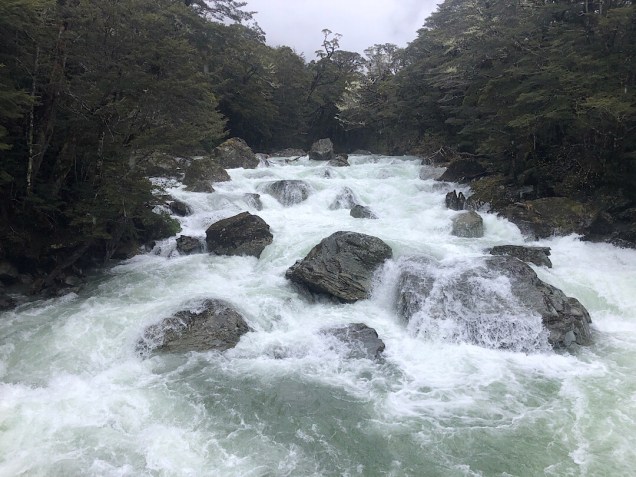
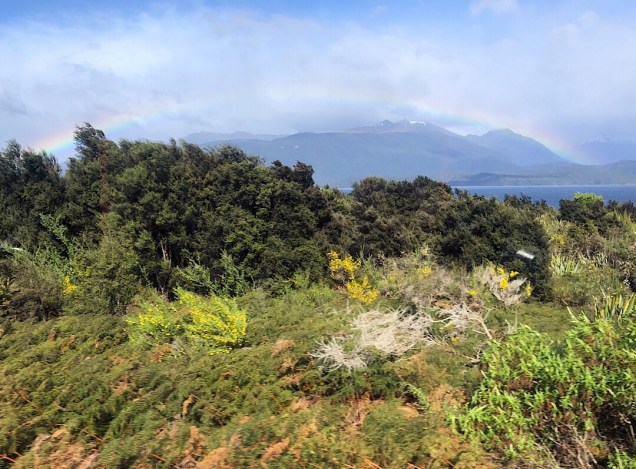
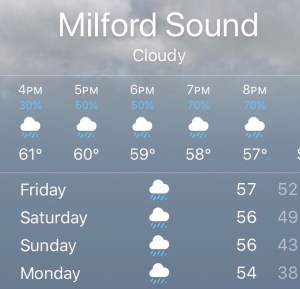
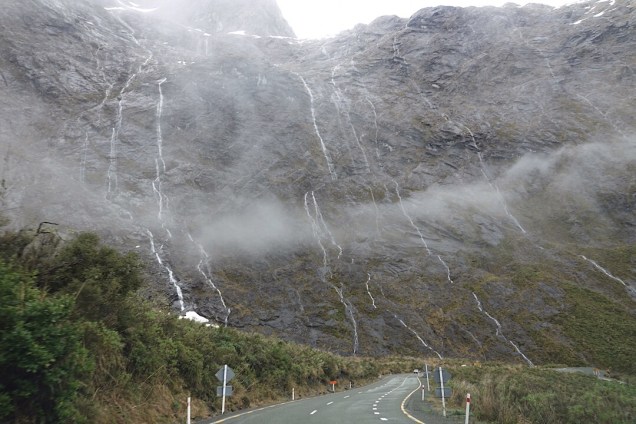 …then through a long, creepy, one-way, unreinforced tunnel crudely hacked through the mountain more than 70 years ago.
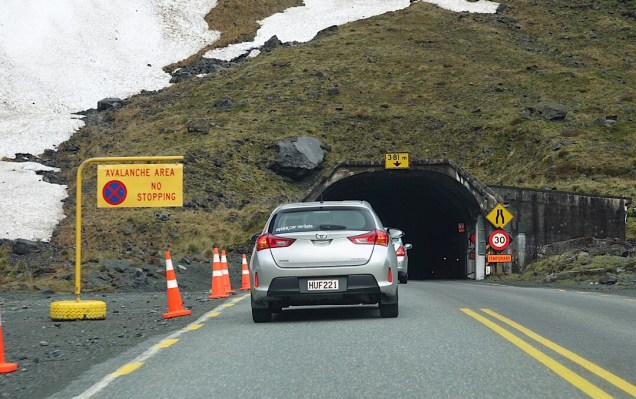 Still we made it to the terminal on the water without incident, checked in for our boat ride, and shortly before 9 am trooped onto the Pride of Milford for our 90-minute breakfast cruise.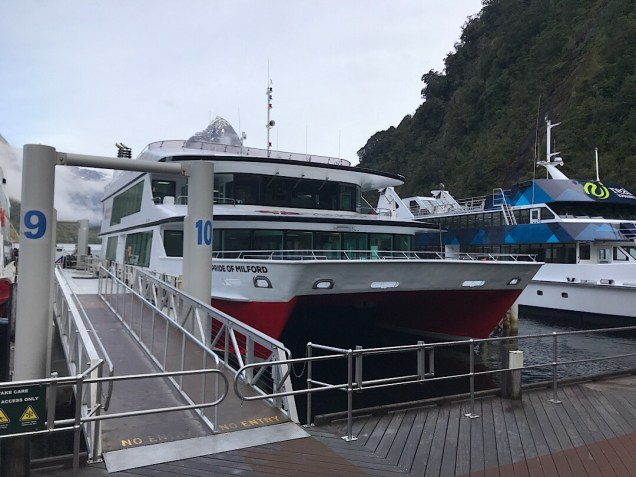
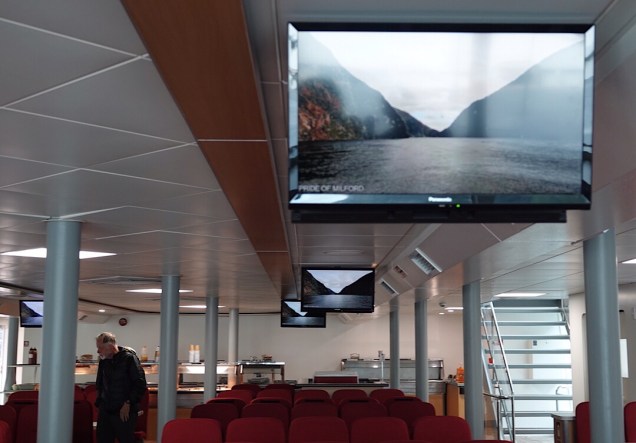 Happily, no one was sitting and watching the televised scenery, and really, how could anyone not want to drink in the real-life version of scenes such as these?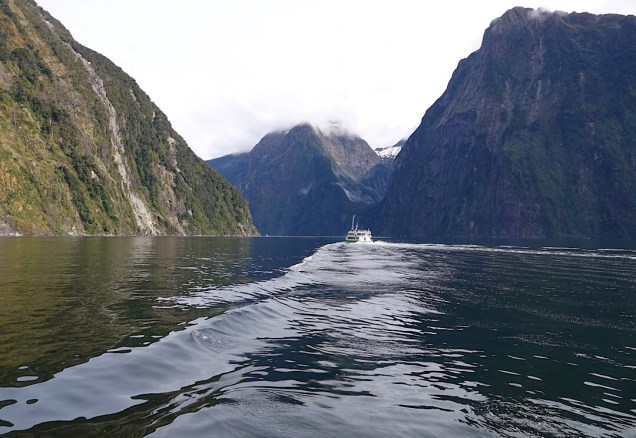
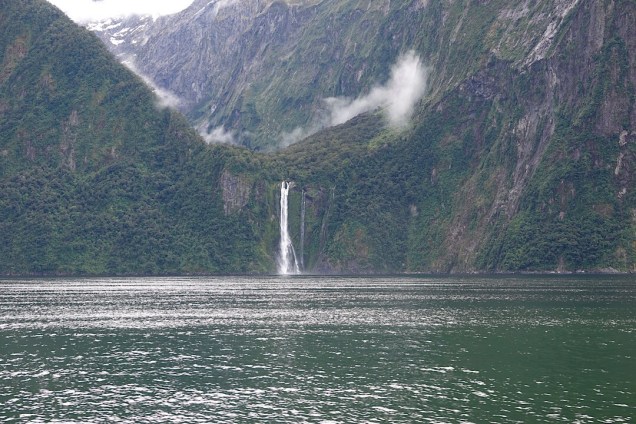
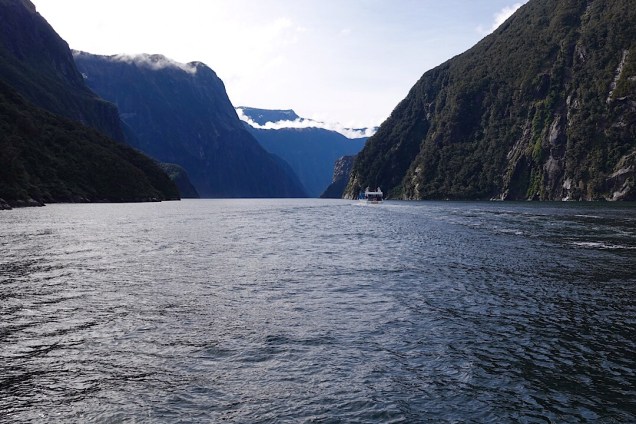
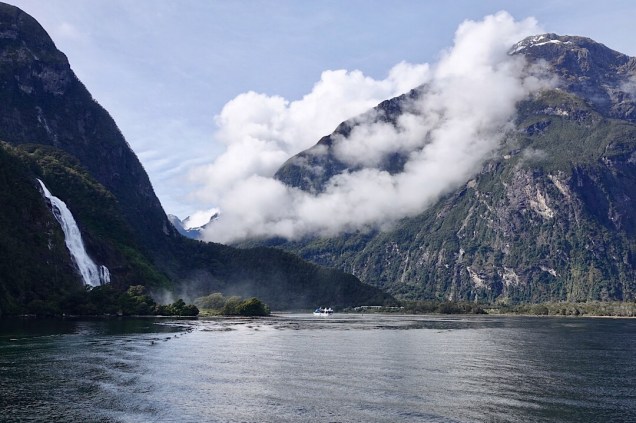

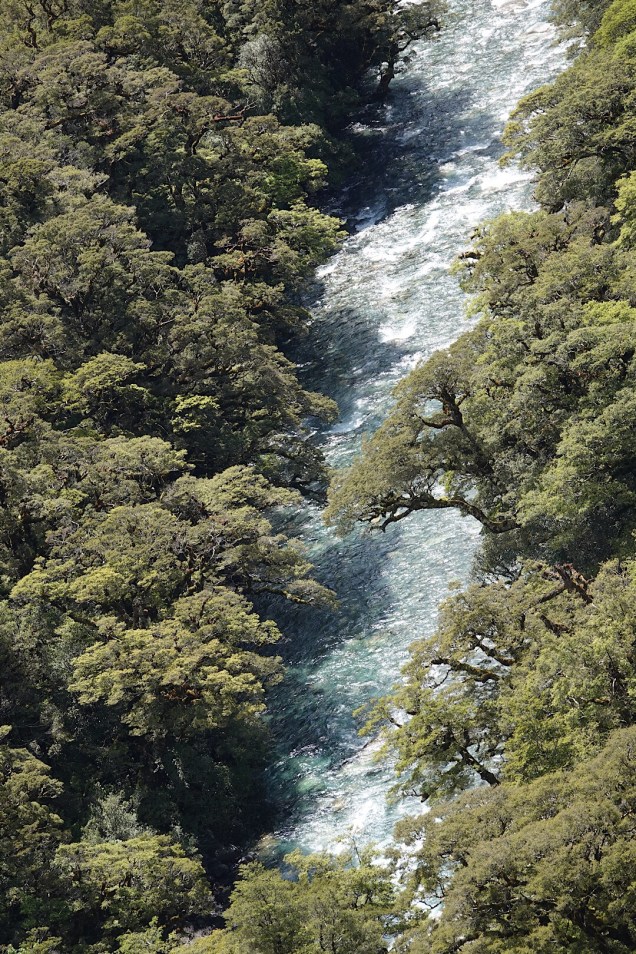
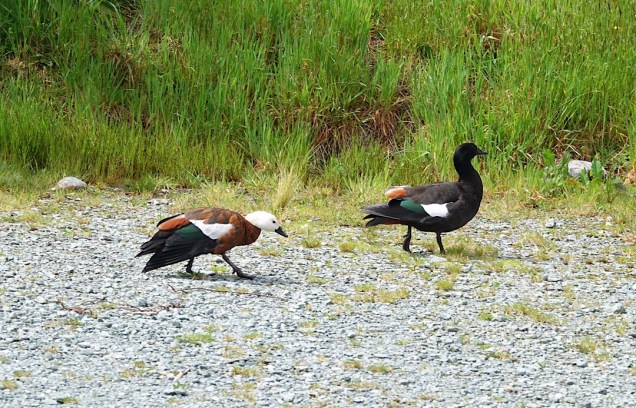
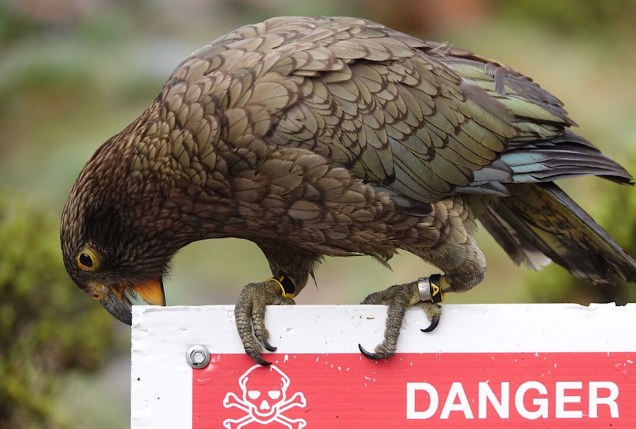

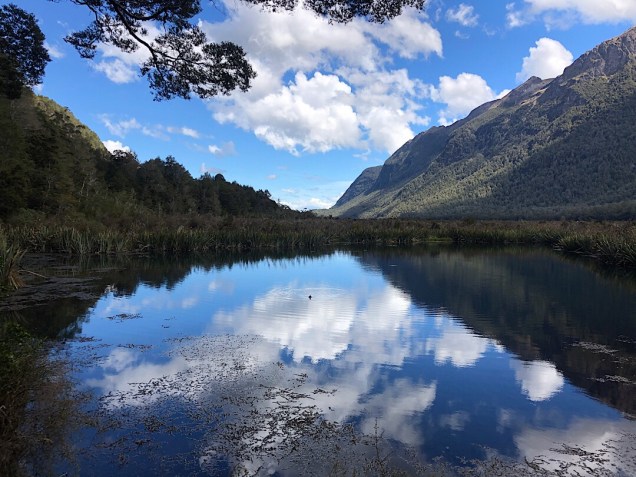
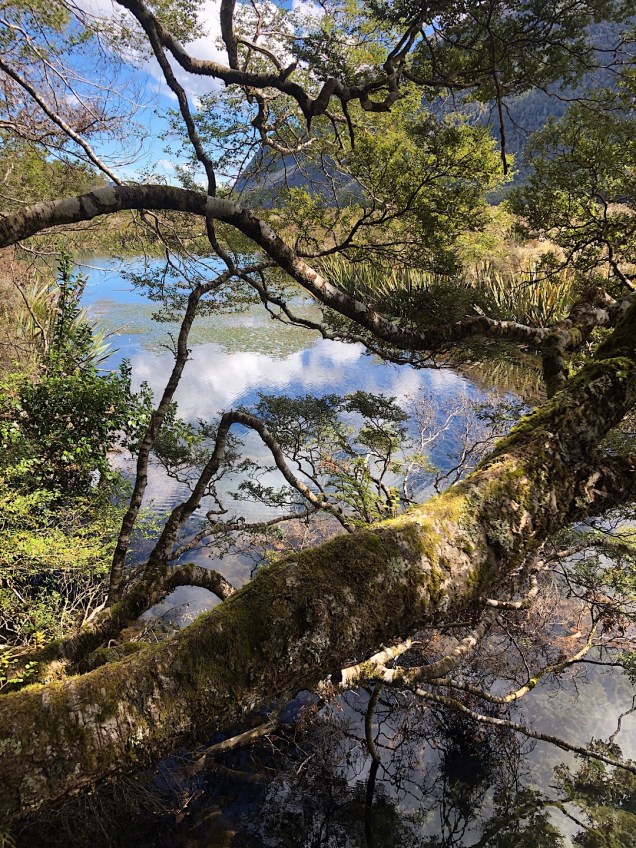
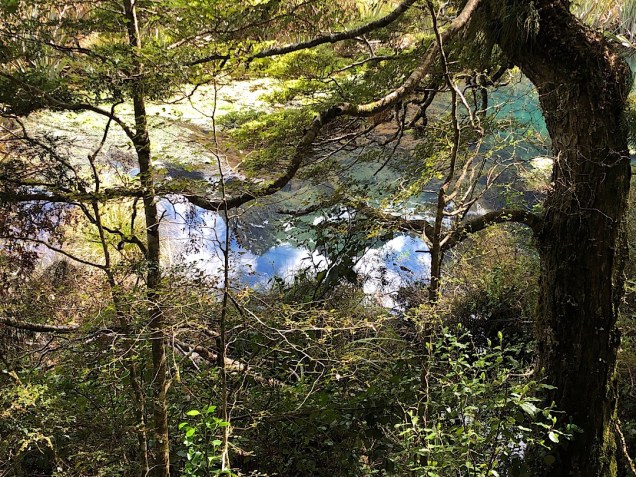 Now it’s Thursday morning. We’re back in Te Anau, but we’ll return to Queenstown in a few hours. We will have the briefing for our trek at 3:45 this afternoon. We’ll be bused to the trailhead shortly after dawn tomorrow morning (Friday, 11/7), and an hour or two later, we’ll lose electronic access to the larger world until our return Sunday afternoon. By then, I should have plenty to report.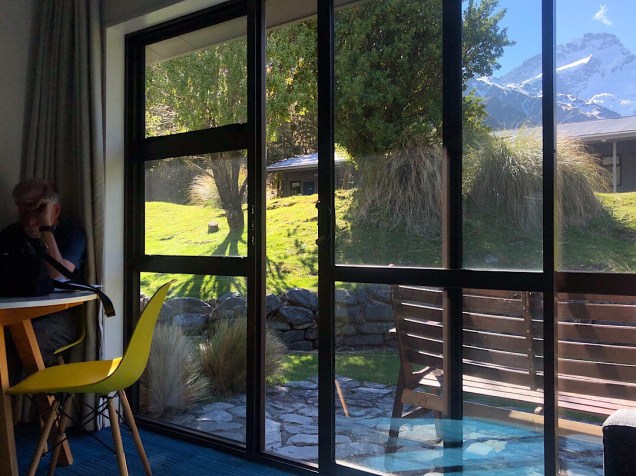
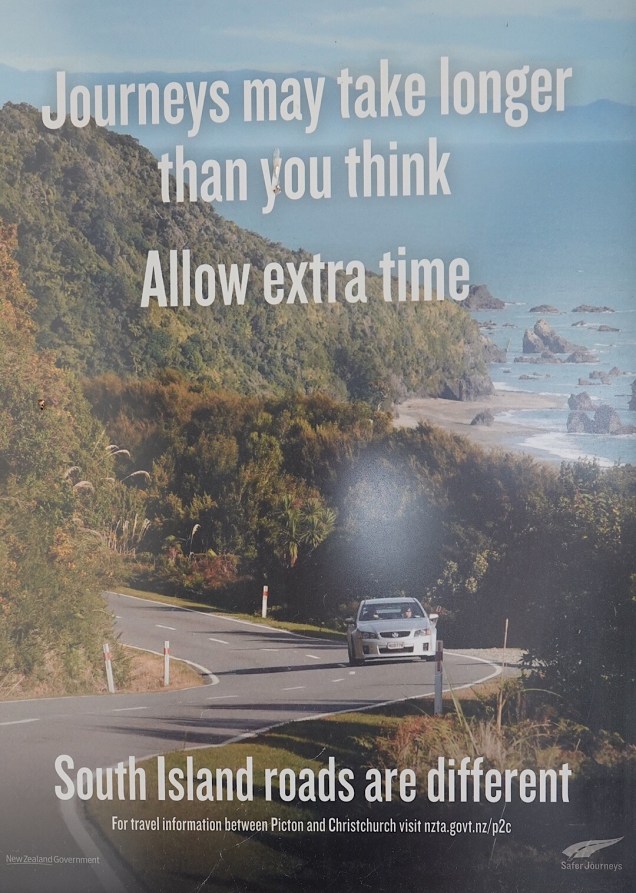
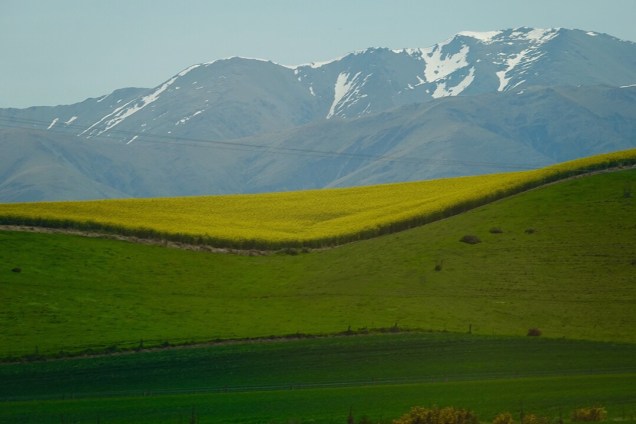 A lake more neon turquoise than any swimming pool…
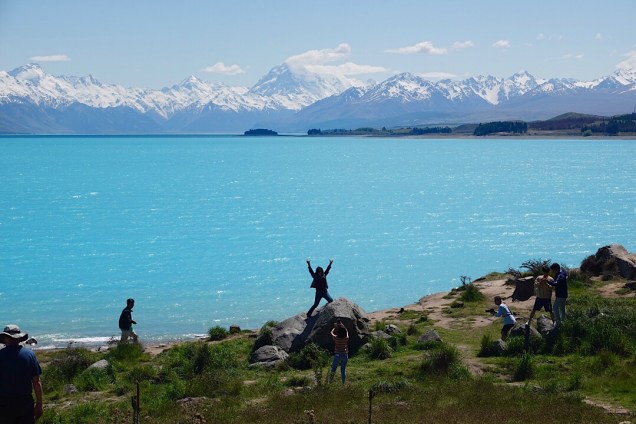 Now these snow-covered craggy mountains.
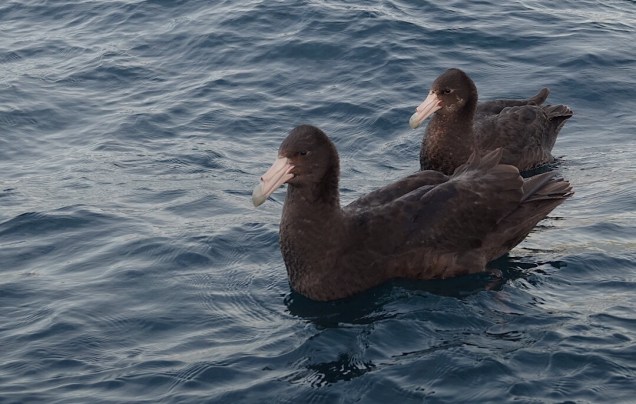
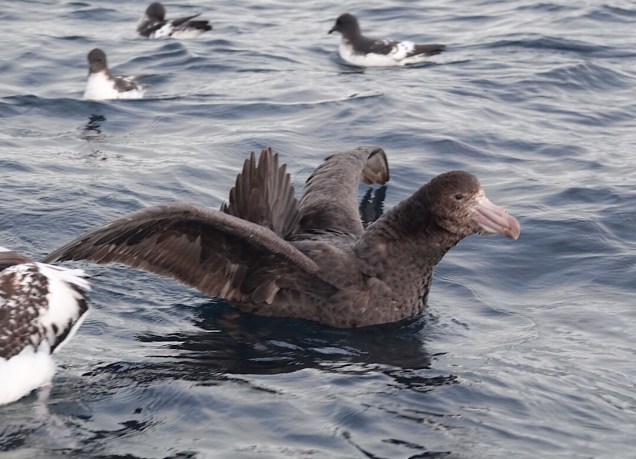
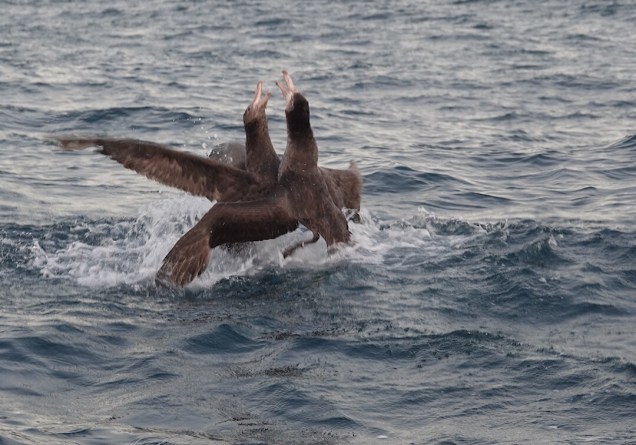
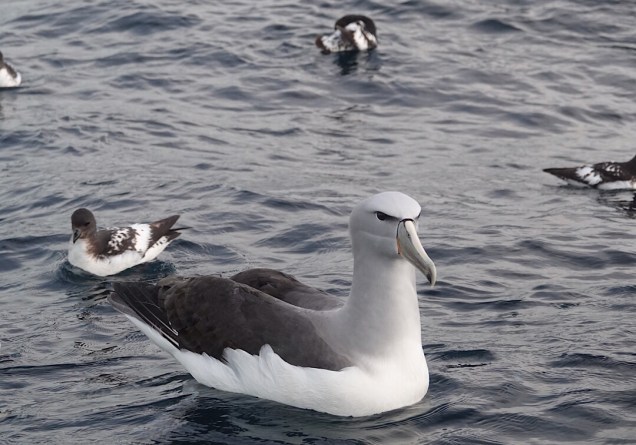
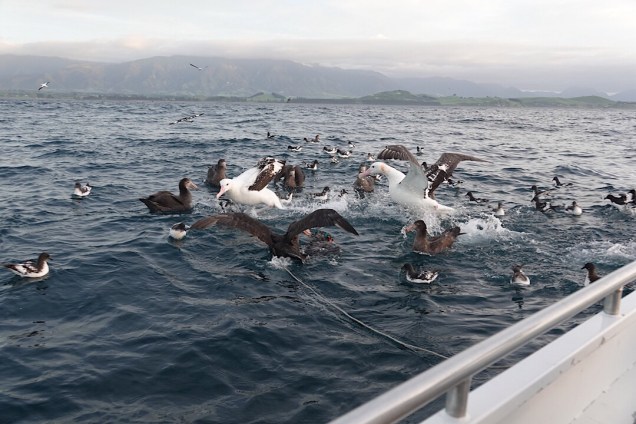
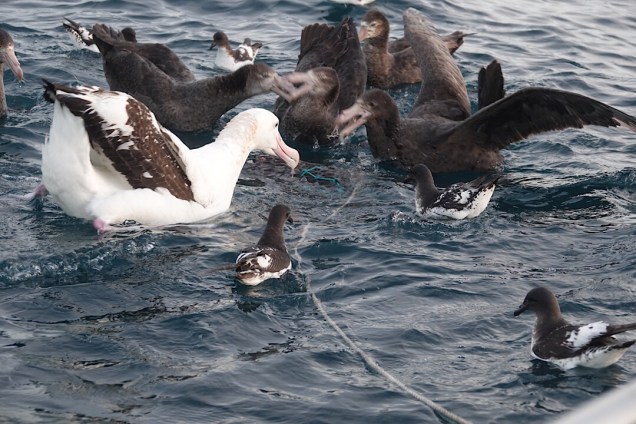
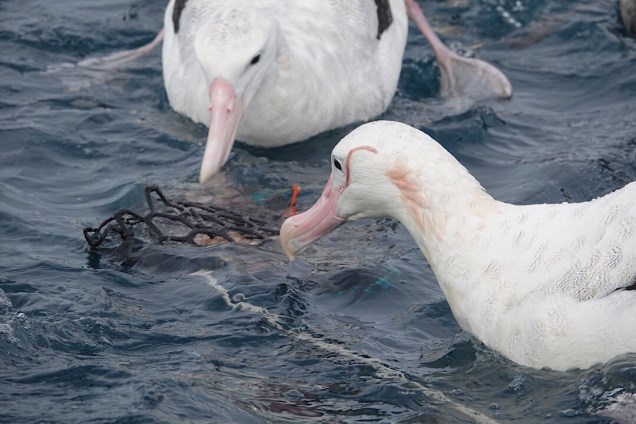
 A more unexpected piece of serendipity took us on the hunt to see wild albatrosses in Kaikoura.
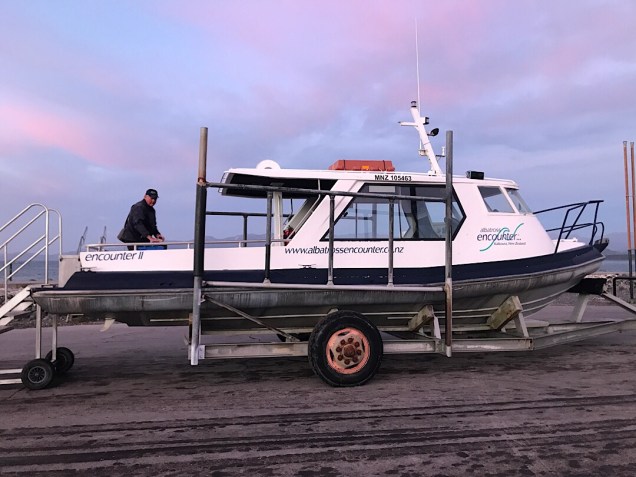 Gary and a helper quickly maneuvered it into the water, then we were off, pounding over a rolling swell. Before long we stopped near a fishing trawler, that had already attracted a raucous avian audience.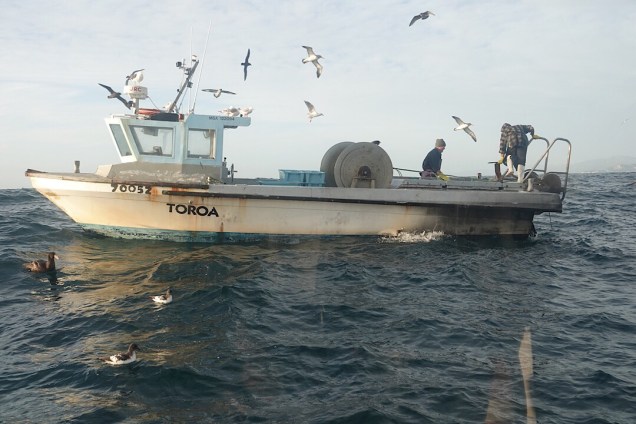

 At home and abroad