Turtles are one of the 4 sacred animals of Vietnam (along with the lion dog, dragon, and phoenix), but as Steve points out, they’re they the only ones people eat because they’re the only ones that are real. Real turtles are eaten all over Vietnam, particularly at significant times. Folks think they bring good luck. Steve and I wanted to try them because an American friend and long-term Hanoi resident recommended the experience. Here’s how it went.
Our friend Ed (who’s not in Hanoi at the moment), had introduced us to a dear friend of his whom I’ll call Thanh (to protect his privacy). When we told him we would love to have a turtle dinner, he seemed surprised but happy to arrange it.
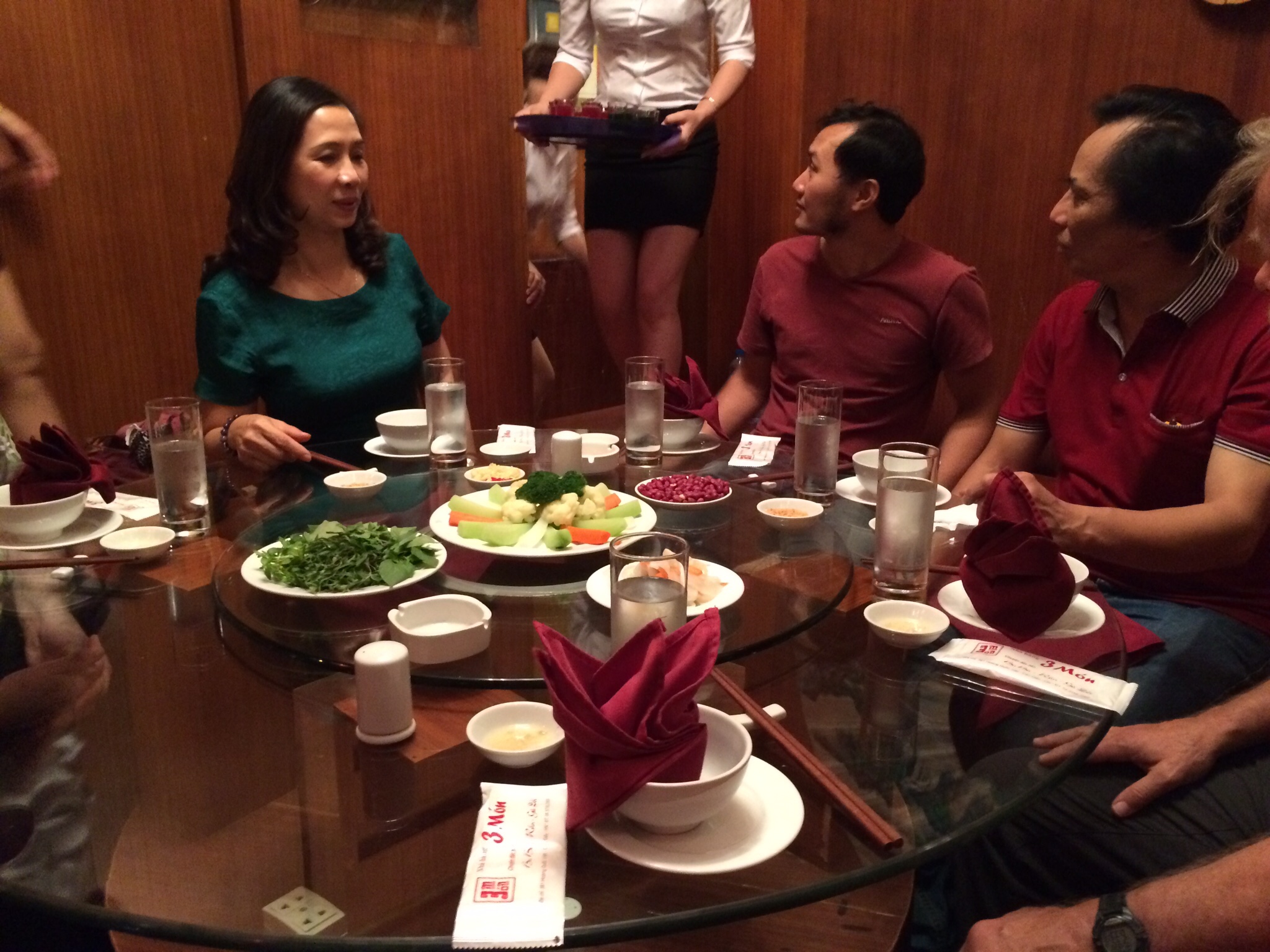

Tranh declared that we should start with the red. I was happy to discover that vodka with blood doesn’t taste any different from vodka without it. Another waitress appeared, bearing a large silver bowl containing a live turtle. At least I think it was alive. Tranh poked at him a few times with his chopsticks, but the poor creature was trying to hide in his shell (for all the good it would do).

The waitresses removed him, I assume to go to other diners, because just a moment later they brought us platters piled high with large chunks of fried turtle meat. Someone placed a knobby piece in each of our bowls: turtle feet, we were informed. A morsel like that you have to pick up with your hands. Then you do your best to gnaw off the soft bits.
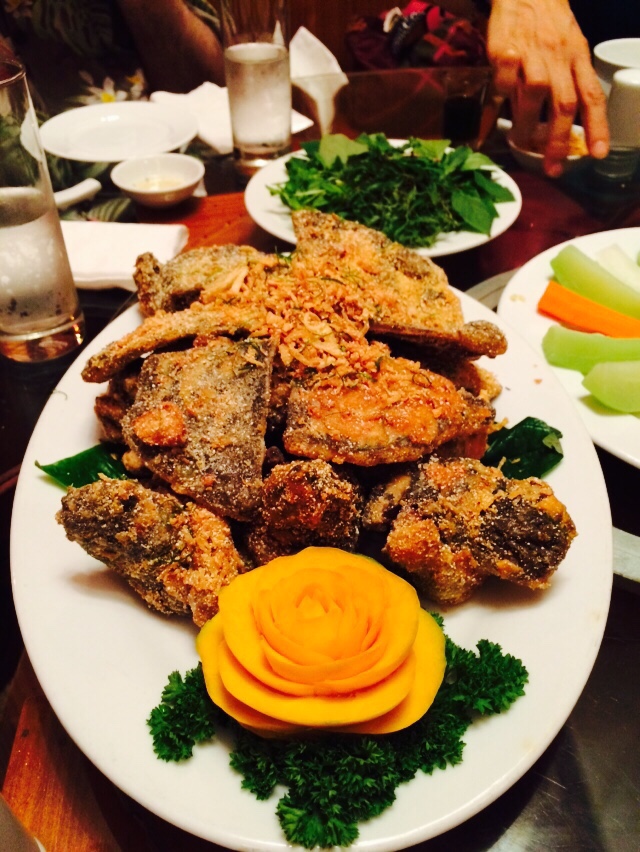
Over the next hour and a half, several more turtle feet were placed into the bowl in front of me, along with hard flat pieces that someone said were flippers. Not much meat was on the latter, and it was tricky to rip off what there was. I can tell you that the breading was tasty. The foot meat was slate-colored and chewy, not repulsive enough to ever make me feel like gagging (although the bile-infused vodka came close; I passed most of mine on to Steve.) The stewed turtle was more likable, bland and gelatinous.

But Steve and I later agreed no one is likely to make a fortune opening a tortugeria anywhere in America (except maybe Little Saigon in Westminster?)
If the meal was one of the least delicious we’ve had on this trip, the company was incomparable. Tranh is less than 2 months younger than me, but what different lives we’ve led. While I was studying and performing in high school plays, he was studying too — and dodging the American bombs aimed at his village. On a national mathematics exam, he scored among the highest in the country and was rewarded by being sent to Poland to learn the language and study computer programming at Warsaw University. He returned to Vietnam in 1977, two years after the war ended, and since then he’s become one of the country’s leading computer scientists. He’s also one of the most open and generous people I’ve ever met.
The day before our turtlefest, he took Steve and me to the excellent Museum of Ethnology. After we toured the exhibits and watched a water-puppet show, we strolled through Nghia Do Park, a vortex of jolliness, jammed with joggers, badminton players, lovers, old men smoking, children climbing on play structures and driving little electric cars. We wound up at Tranh’s home, where he showed us every room then led us to a table where he and his wife plied us with meat and veggie rolls and rice patties and beef pho, washed down with lots of local beer.
The city intoxicated me even more than the beer. Within minutes of walking around Sunday morning, I was blurting out, “I want to live here!”
“You always say that,” Steve dismissed me.
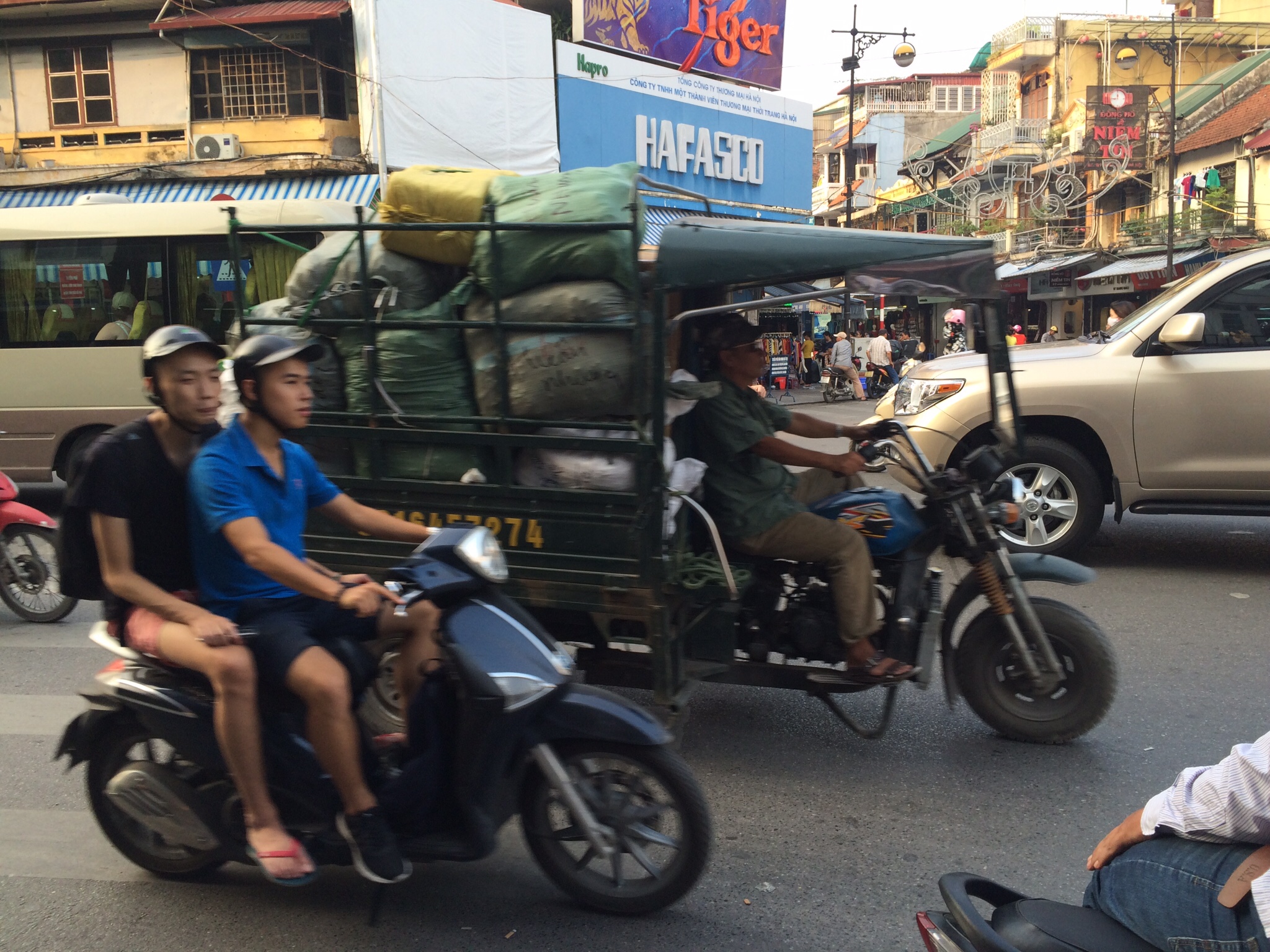
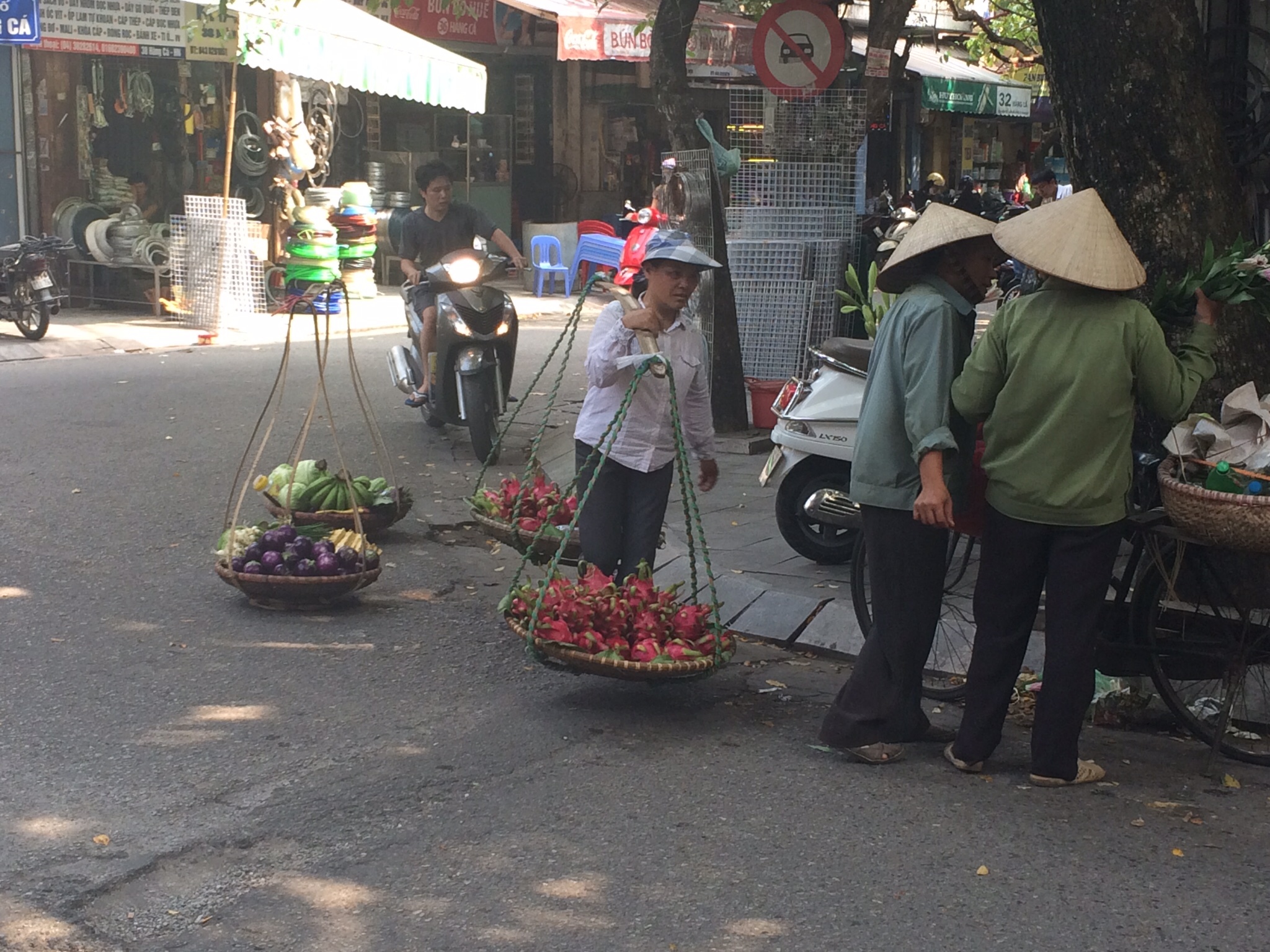
That’s unfair. It’s a craving that only seizes me in a select company of urban centers: Paris, Barcelona, Fes, Tokyo. But Hanoi makes Tokyo seem sleepy and sanitized in comparison. The raw energy of the place is as palpable as the heat and humidity (at least at this time of year; folks say the winters are chilly). But if it’s a cauldron of frenzied free enterprise, it also feels so homey. I lost count of all the men and women and teenagers I saw sitting out on little plastic stools in front of their homes or businesses, tickling or hugging or just holding happy-looking babies.
“Ho Chi Minh must be turning in his grave,” Steve commented. I don’t know about that. I know little about Uncle Ho. We couldn’t view his preserved body in its grandiose mausoleum because the 45-years-dead corpse is off in Russia for its annual spruce-up. And the Ho Chi Minh Museum, while artsy, was a total dud at providing insight into Ho’s character. If he was a rigid ideologue, intent on dictating every detail of his countrymen’s lives, then he would be appalled indeed. But if he mainly wanted to see the Vietnamese people out from under the heel of foreigners (the Chinese oppressed them for 1000 years; the French for about 100, the Americans (in the south) for the blink of an eye, then I think he must be sleeping soundly.
 Posted with Blogsy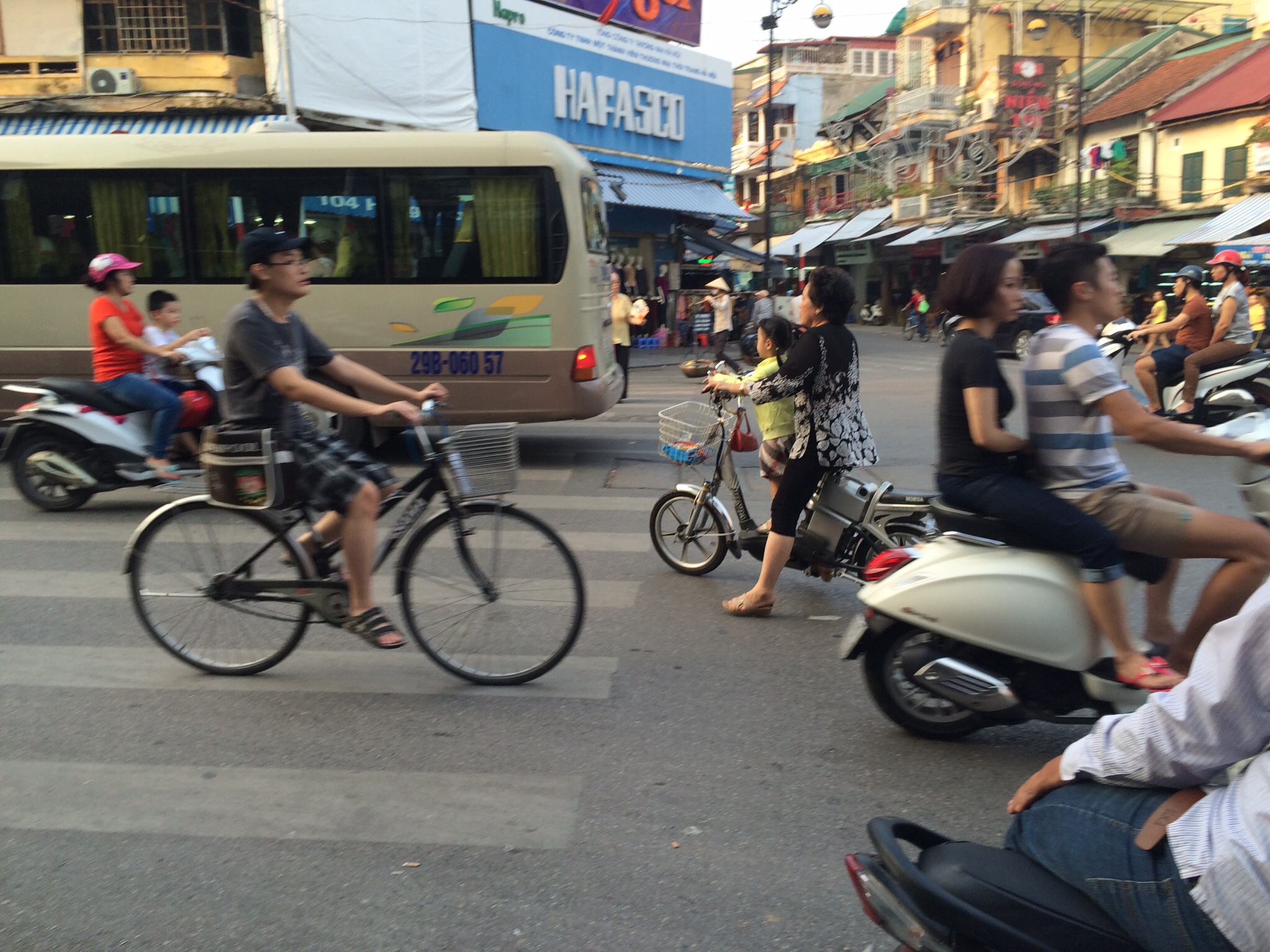
 At home and abroad