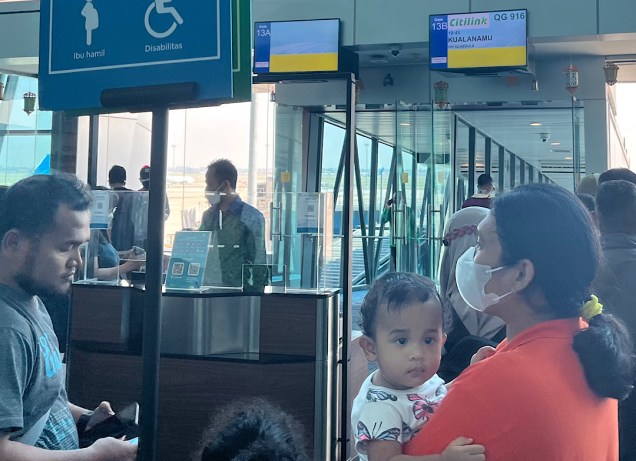
 I did not come to Indonesia to do road trips. But now that I’ve done half of one, I can say at least they’re educational. If like Dorothy, you want visceral assurance you are NOT in Kansas, a drive through parts of Sumatra delivers. Our experience Sunday afternoon also solved a mystery for me, namely I had been unable to imagine how it could take four hours to go 65 miles in a nicely maintained Toyota SUV. Now I know.
We wound up on the road trip because we wanted to see orangutans in the wild. Steve and I have tracked both chimpanzees and gorillas (in Uganda), and we’ve hung out with bonobos in a sanctuary in the Congo. There’s only one other species of great ape in the world — orangutans — and they live only on two Indonesian islands. My first impulse was to seek them in Kalimantan, the Indonesian portion of the island of Borneo, recommended by Lonely Planet as the best choice for observing the hairy orange guys in the wild.
When I started planning this trip back last October, it looked like we could easily fly to giant, exotic Borneo from Java (the island that has long been the center of power in this country). Connections on one of the best of the many small domestic airlines were good, and I found a trekking outfitter who seemed respectable. This all fell apart, however, when the flights on the good airline vanished from the Internet (and for the month or two in which I was obsessively checking, they never reappeared. Who knows why). We could only fly to Borneo on a mediocre airline at an inconvenient time. Frustrated, I shifted gears and set my sights on the jungles of Sumatra.
I learned we could fly from Jakarta on one of the better outfits (Citilink) to Medan, the biggest city on Sumatra (and the third largest city in all of Indonesia). I also connected with a well-reputed outfitter just outside Gunung Leuser National Park — one of the richest rainforest ecosystems in the world. (It’s home not only to orangs and other primates but also tigers, rhinos, elephants, and leopards.) I booked a room in the Orangutan Discovery lodge ($23 per night). For an extra $50, the manager said a driver would pick us up at the Medan airport and transport us the 65 miles to the lodge. This seemed reasonable.
Happily, all our travel connections went flawlessly, until we walked out to where the driver was supposed to be holding a sign with our name. There was no sign of him…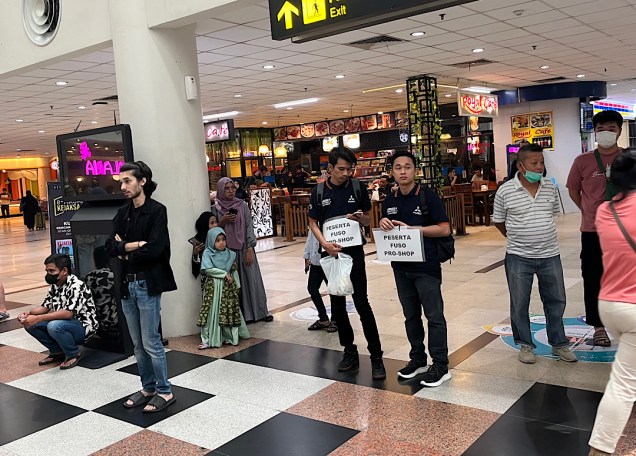
…but he did show up after an hour, apologizing and explaining that a truck had overturned on the highway. We piled into Hari’s small SUV, and he announced the drive usually took four hours. This sounded astonishing but also kind of fascinating. How could it?
At first the mystery deepened, as Hari bombed along at 60 miles per hour or more on a well-maintained tollway. But it wasn’t long until we left that and turned onto the main (maybe only?) highway to Bukit Lawang, our destination. The asphalt wasn’t in horrendous condition but it threaded through one human beehive after another; moreover most of the bees appeared to be buzzing around on some kind of wheeled contraption: bicycles and cars and trucks and buses and a vast army of motorbikes, each carrying between one and five people between the ages of newborn and ancient.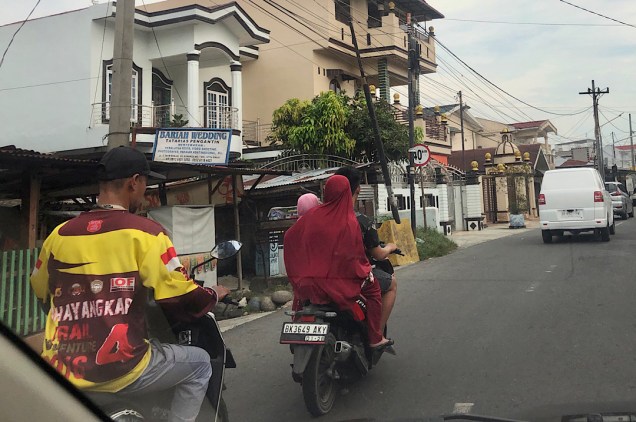 When you’re all barreling over two narrow lanes, driving becomes vastly more freestyle than anything you ever see in the US or Europe, People thread their way up the wrong side of the road. Many folks favor straddling the faded middle divider line, probably to enhance their readiness for passing. Not passing is NOT an option. You simply must get around all the barely motorized vehicles carrying improbable loads.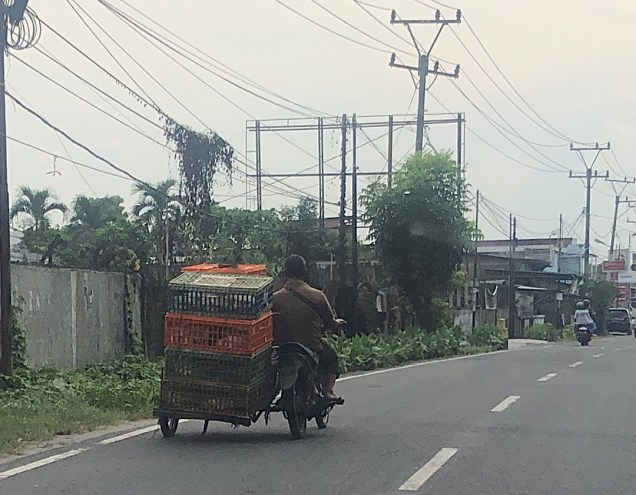
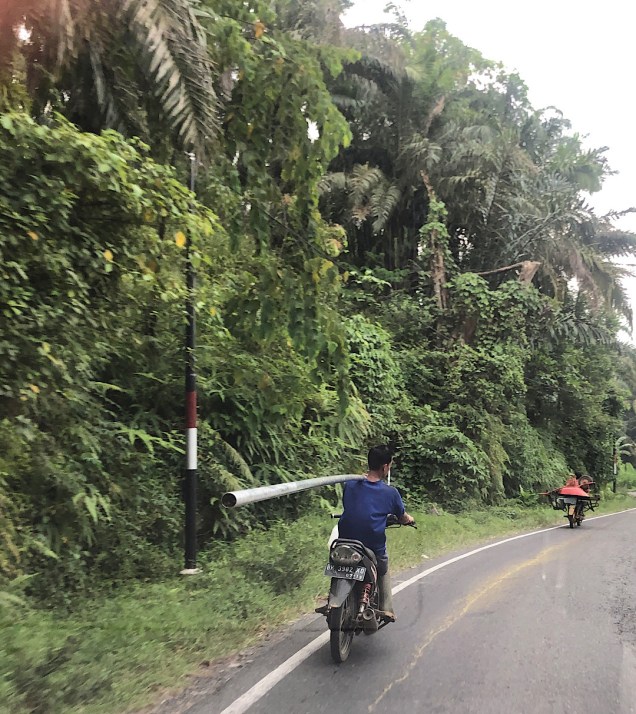 All this chaos feels remarkably dangerous, and we saw direct confirmation that, yes, it is. We passed the large truck whose crash had delayed Hari. Someone had somehow got it upright again, but it was still stuck by the side of the road. Further along, we whizzed by a demolished motorbike whose driver was still struggling to get up from under it.
Apart from all the scary bits, it was an interesting ride. At times we drove through palm-oil forests. Vast tracts of native rainforest have been torn down to make way for these squat, heavy-crowned trees bearing seeds from which oil is squeezed to fry all the zillions of tasty Indonesian tidbits. If I hadn’t know that Indonesia contains more Muslims than any other country (and Sumatra is known for its especially religious ones), the ride would have educated me. Every minute or two, we passed another roadside mosque — many topped with amazingly colorful and/or flashy domes that contrasted sharply with their homey bases. 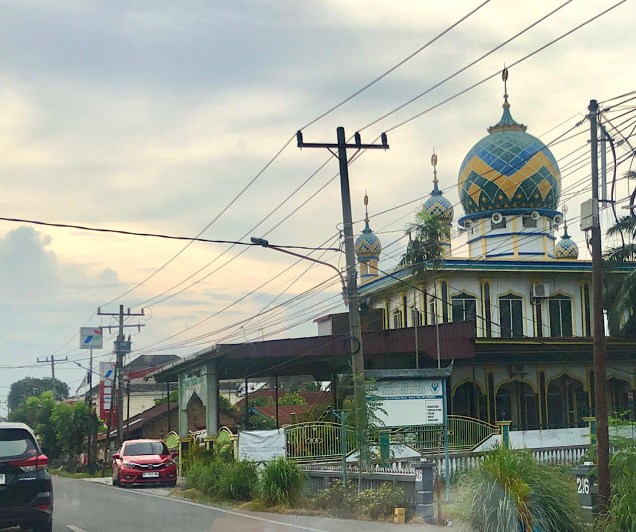
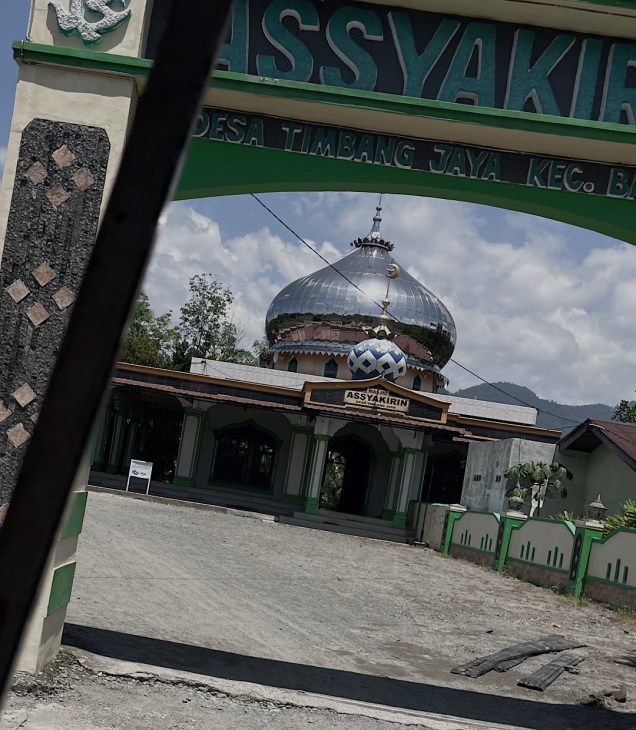 My head swiveled, too, at all the broad rivers we crossed, most the color of coffee with cream.
The further we drove, the more the road condition deteriorated until at times we had to slow to a cautious creep over the most busted-up sections.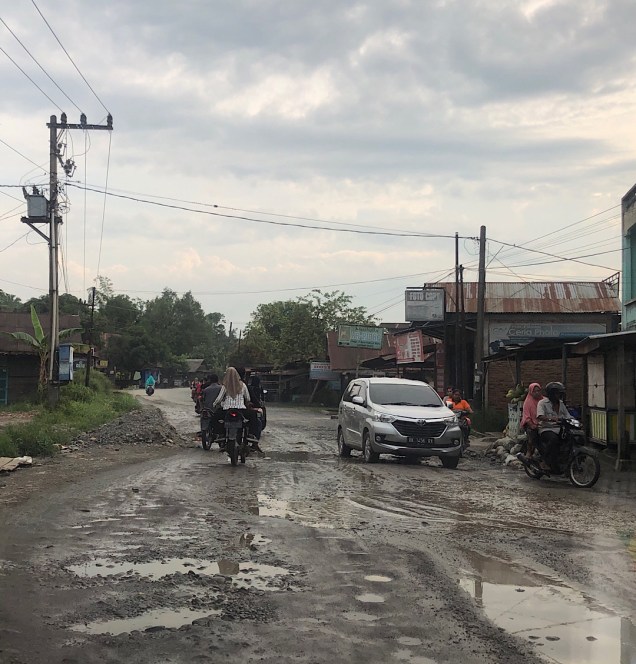 Around 5:35 the light was starting to dim and I cringed at the thought of it vanishing altogether as we rattled along for another 75 minutes. But then Hari piped up that we were almost at our destination! Indeed we bounced over dirt road for only a few minutes, entered a jungly stretch of road, and then stopped at a sign for the lodge next to a dirt path leading into a thicket of green. The sun still hadn’t set when we greeted the owner.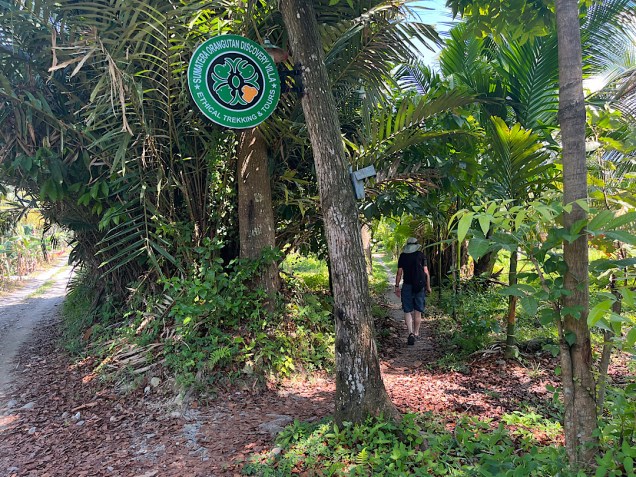
For all the ruined stretches of pavement and the death-defying traffic, just a bit over three hours had passed since we left the airport. So why had Hari told us it usually takes four? I suppose it’s possible he was trying to prevent our being disappointed if an eastbound truck turned over like the westbound one that had delayed him. I think it’s more likely, however, we’re in a part of the world where people relate to the interval between numbers on a clock differently than they do in San Diego. I suspect time is vaguer here; less precise. If so, that’s a good thing to be reminded of at the start of our sojourn.
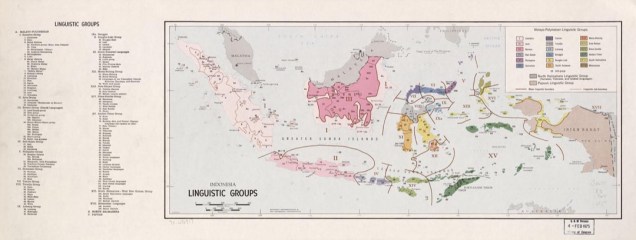 That would be Indonesia, land of thousands upon thousands of islands — 14,000? 17,000? I’m not sure anyone knows. Also home to more humans than only three other countries (India, China, and the USA.)

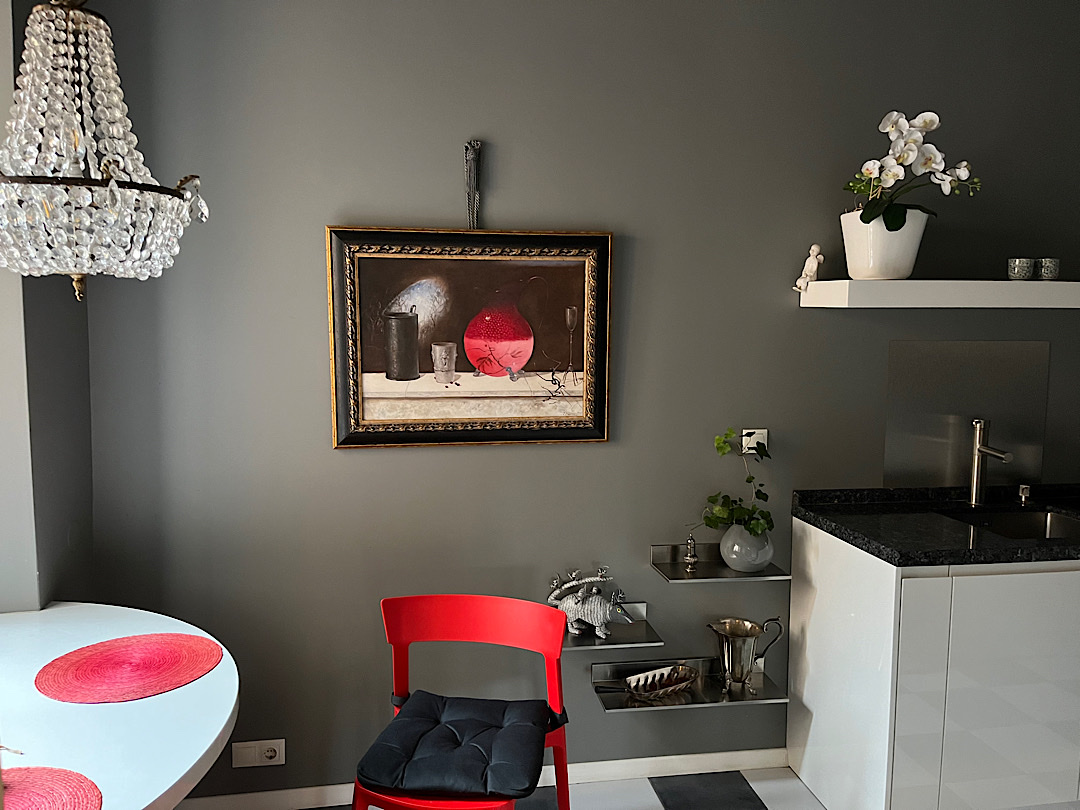
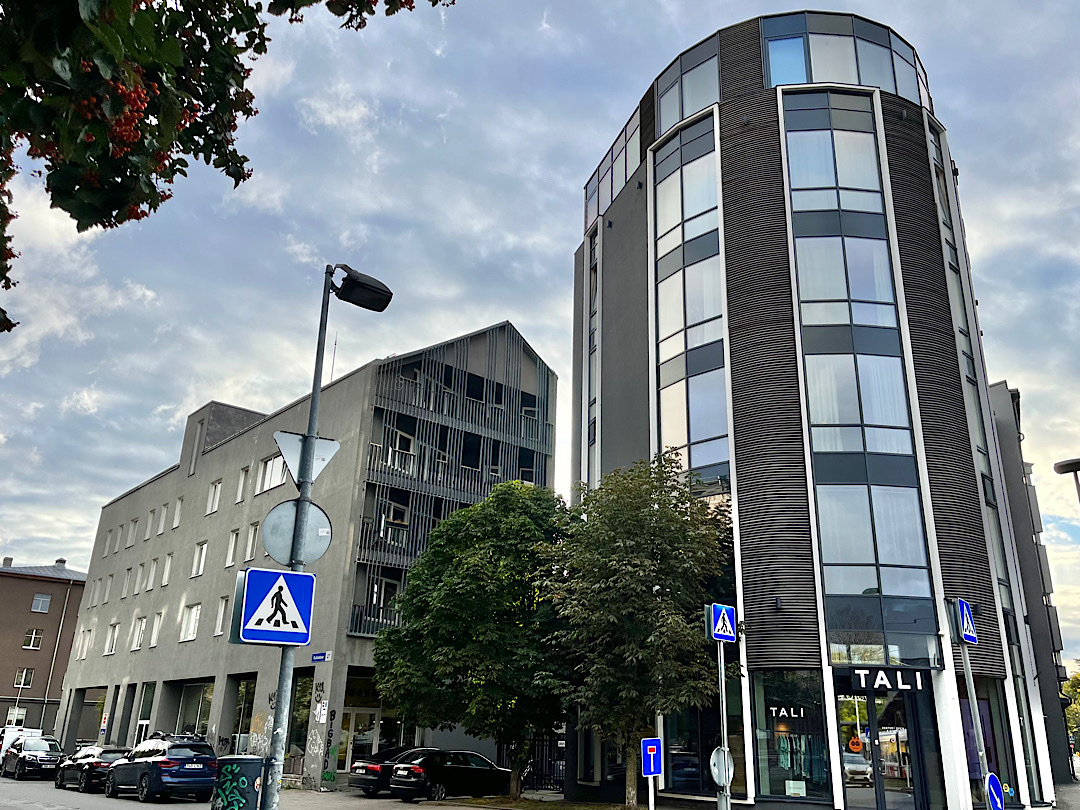
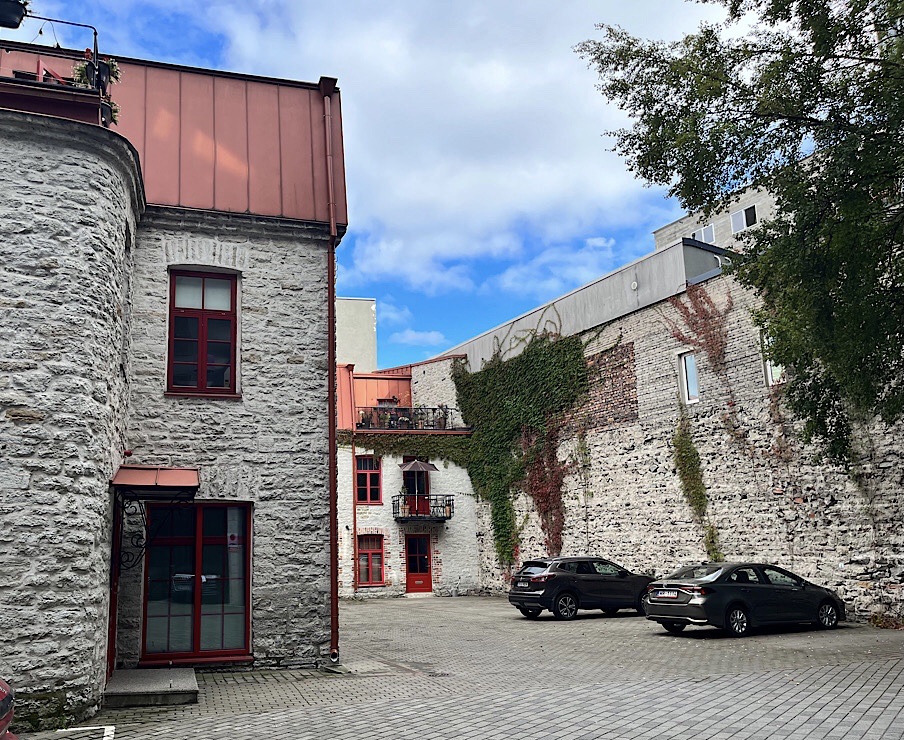
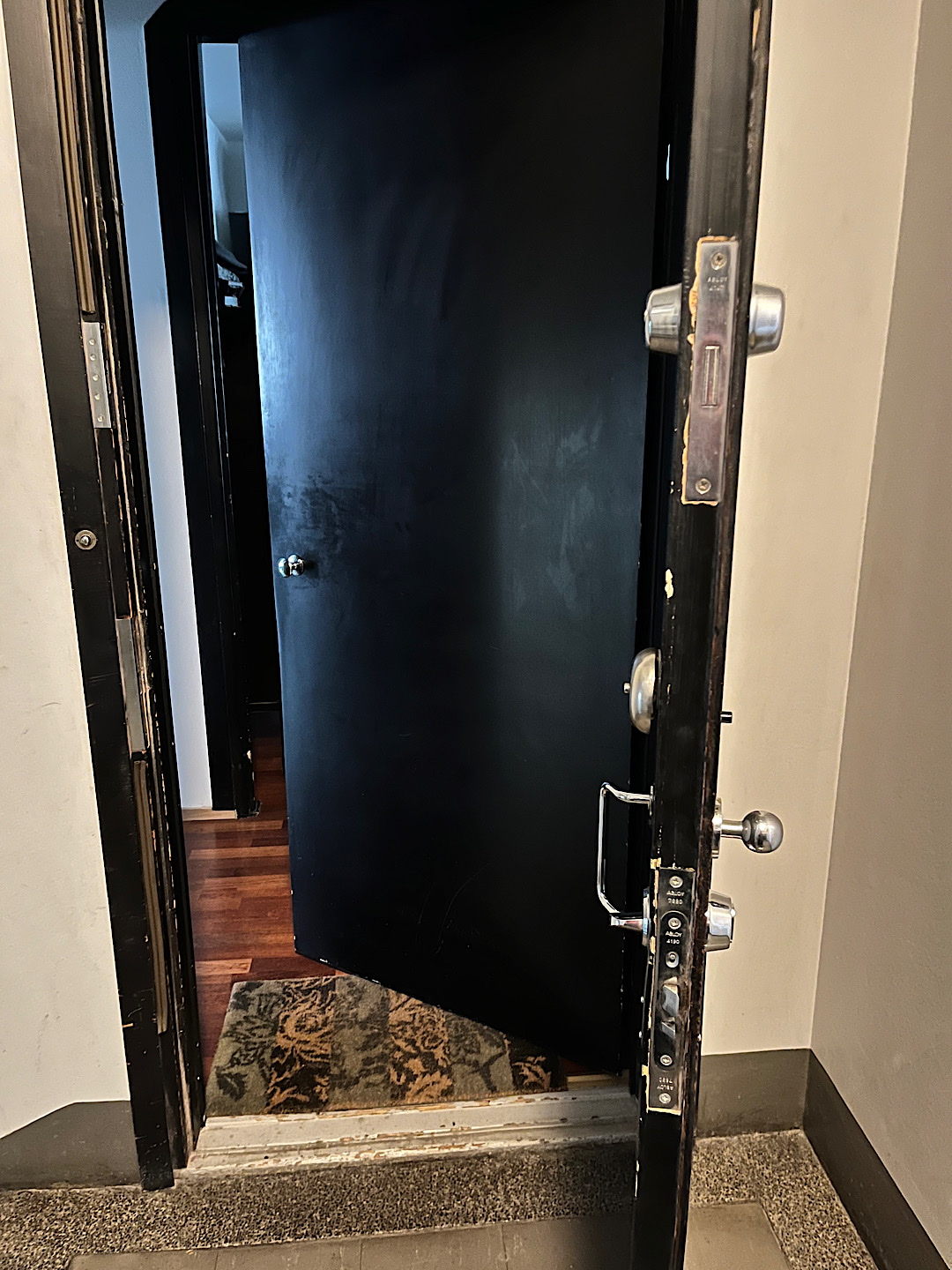
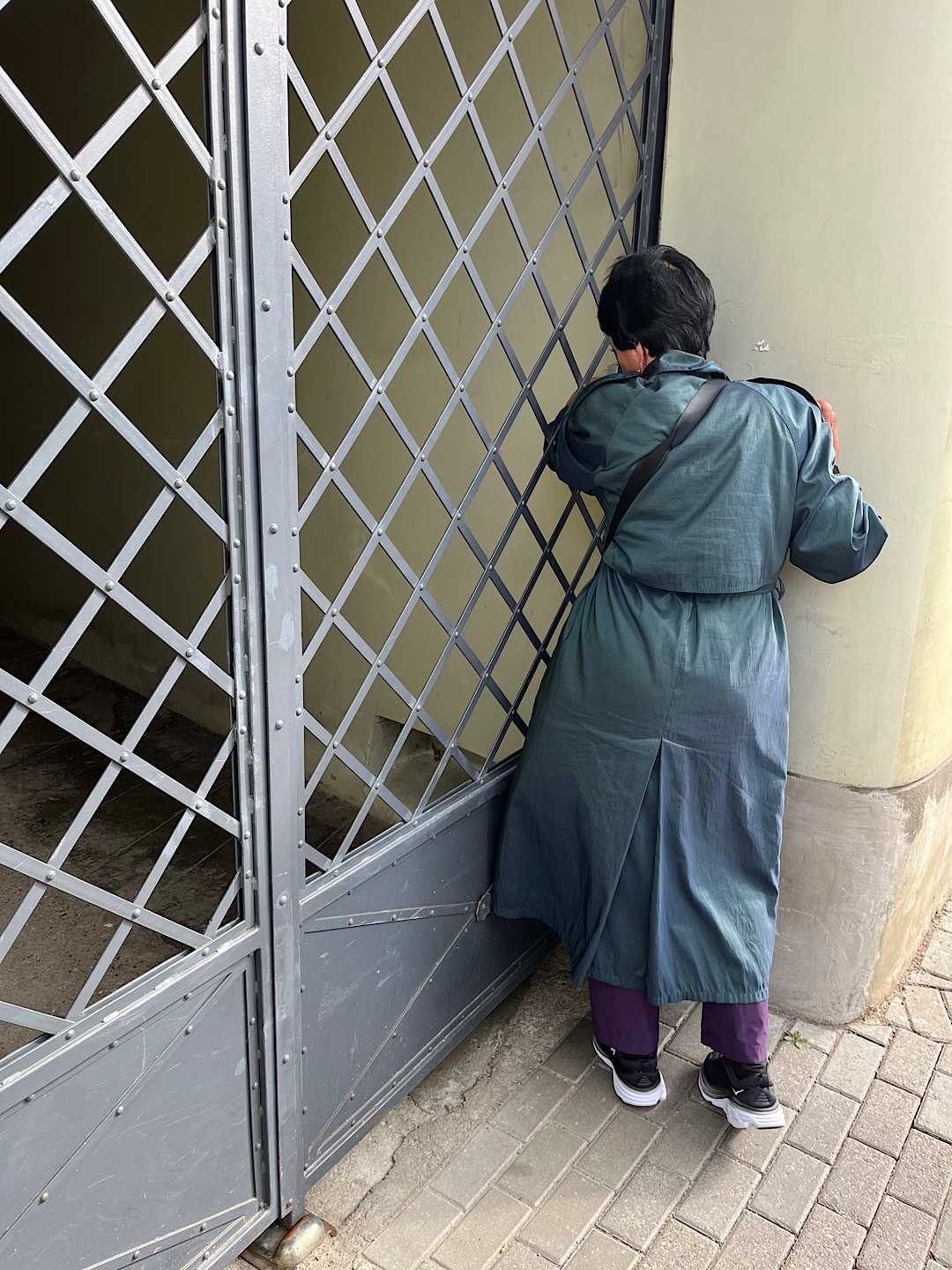 In an inner courtyard, we used the key from Daiva to get into the correct building, and up on the third floor, the key functioned perfectly to admit us.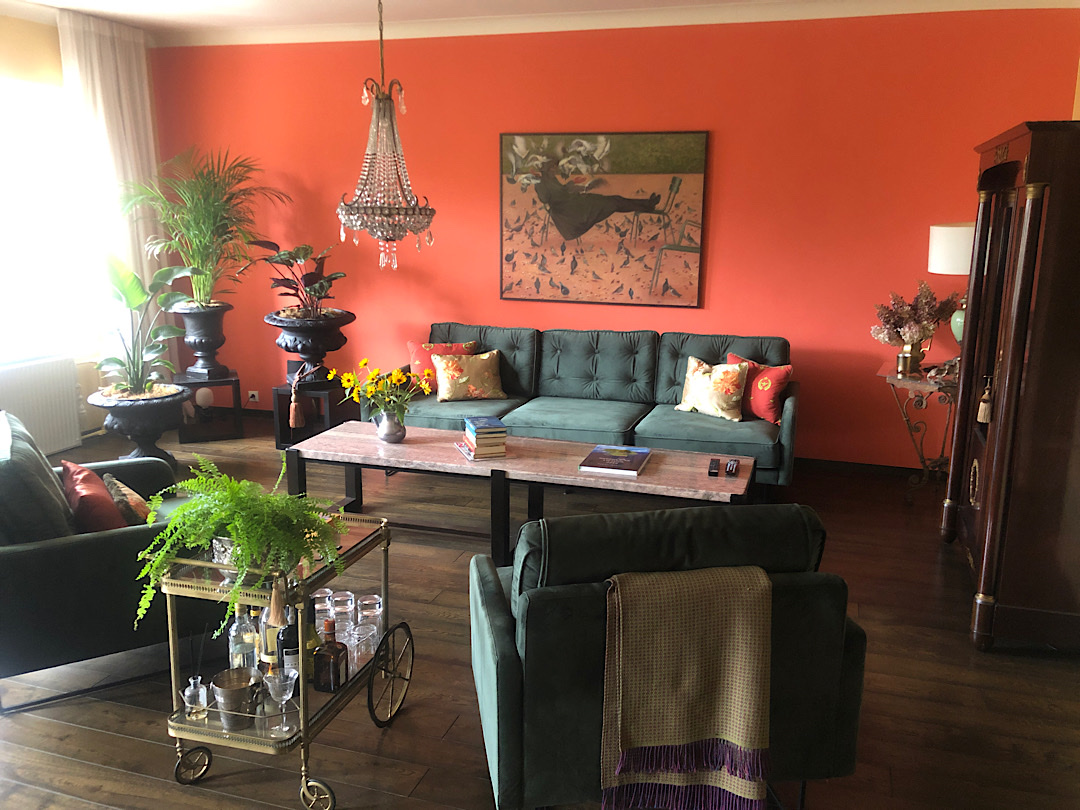

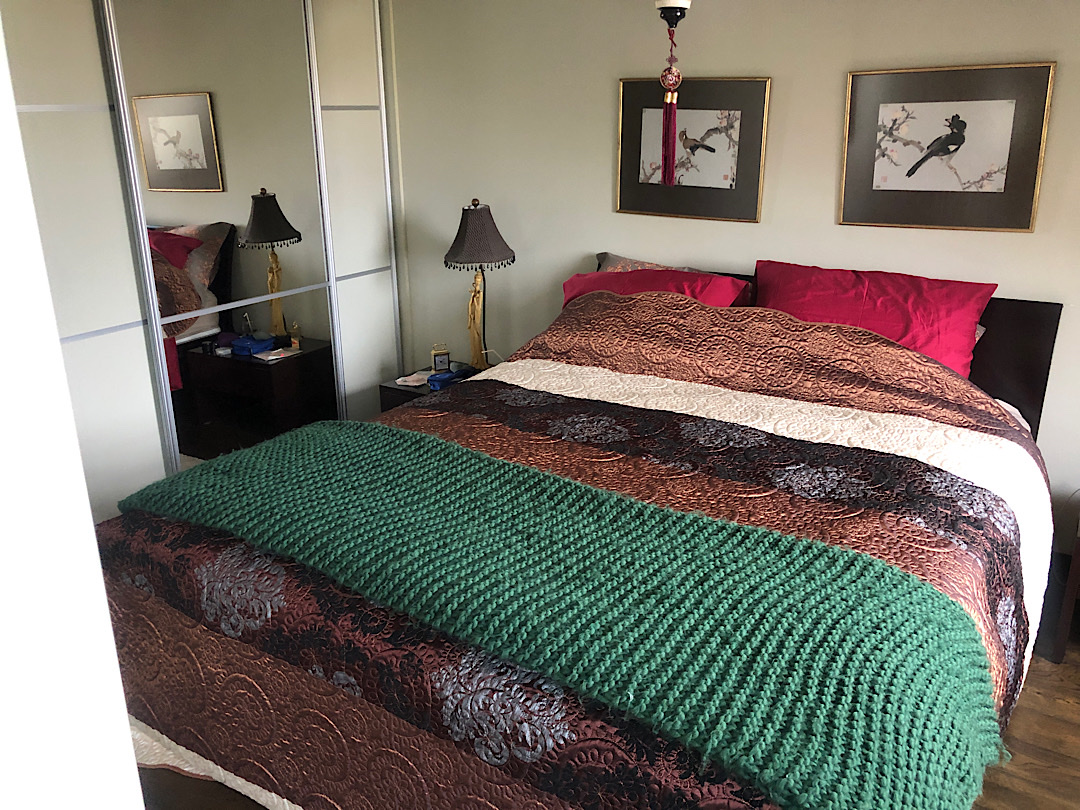
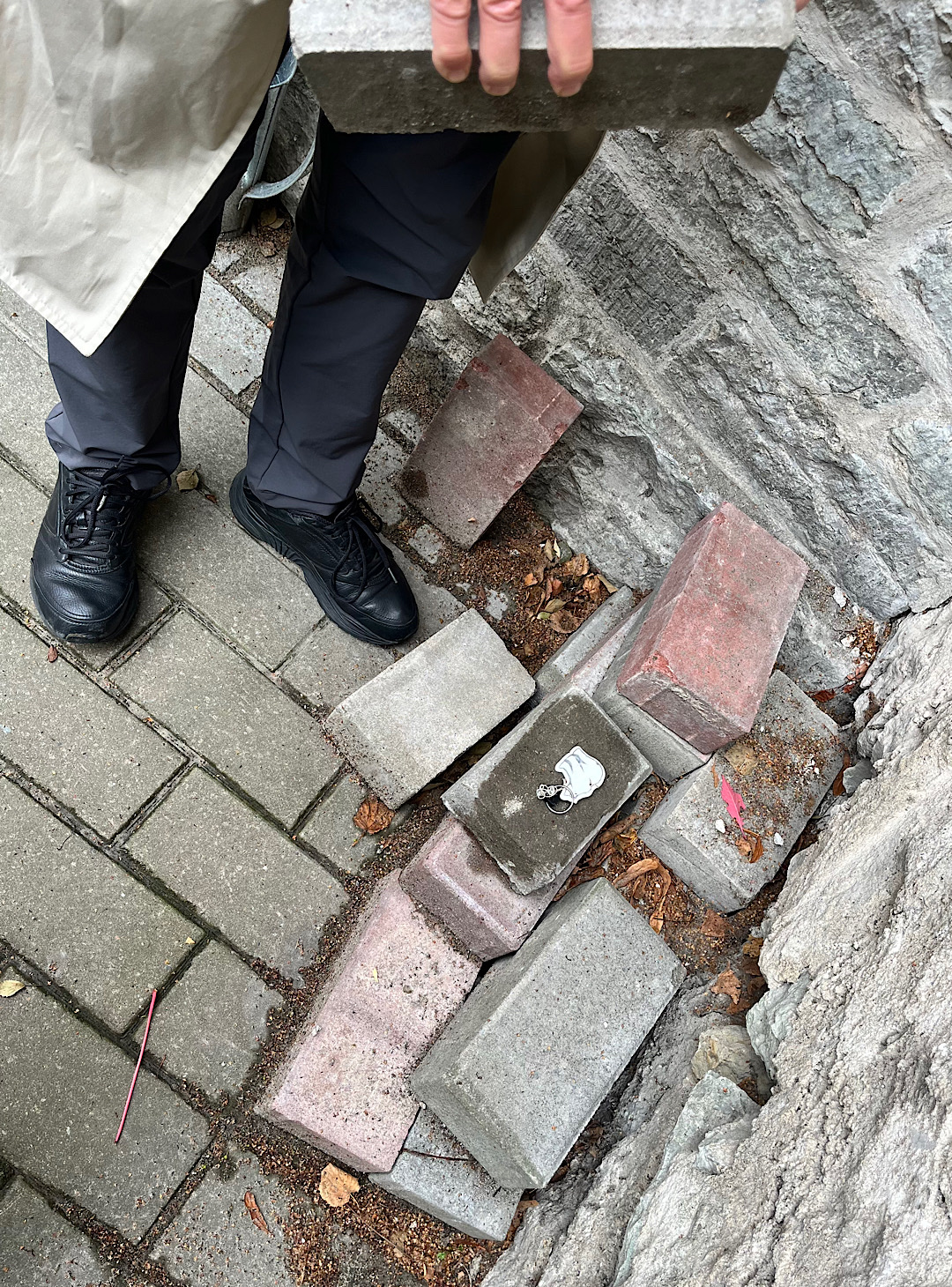
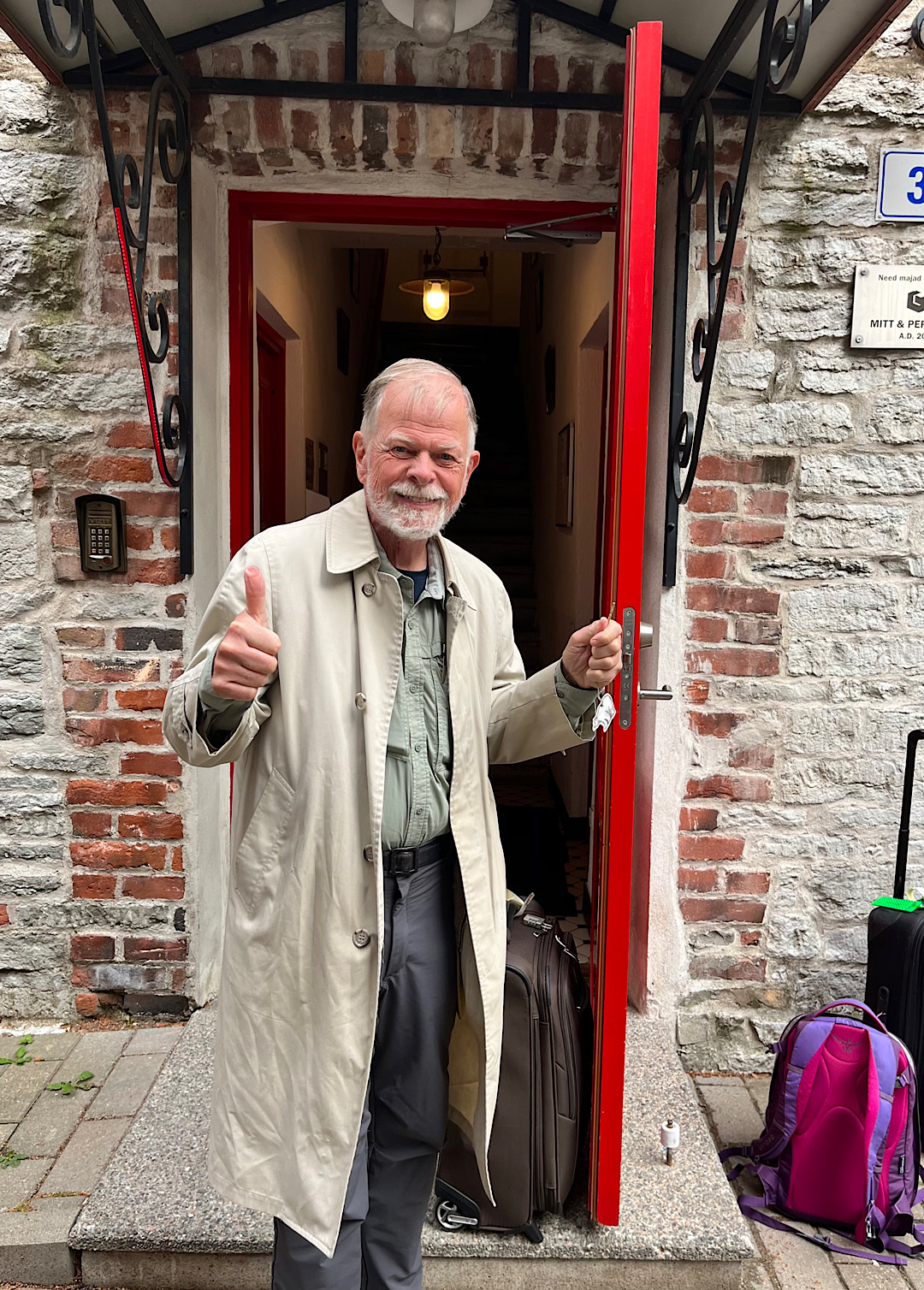
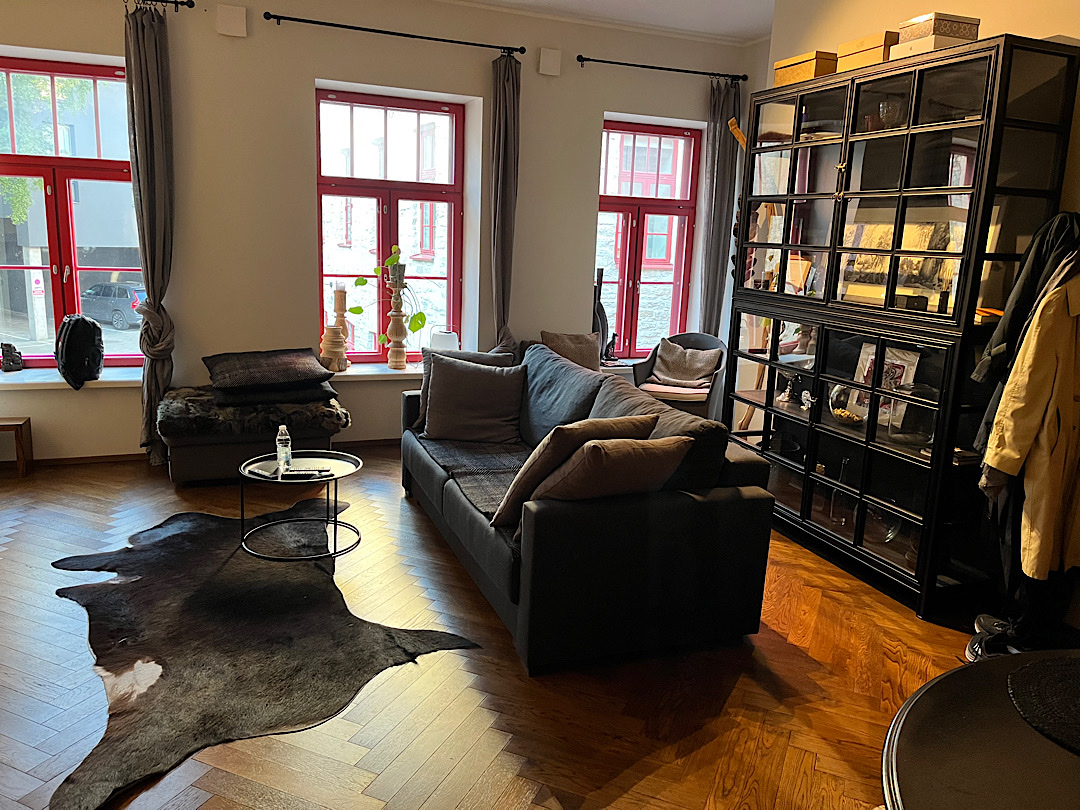
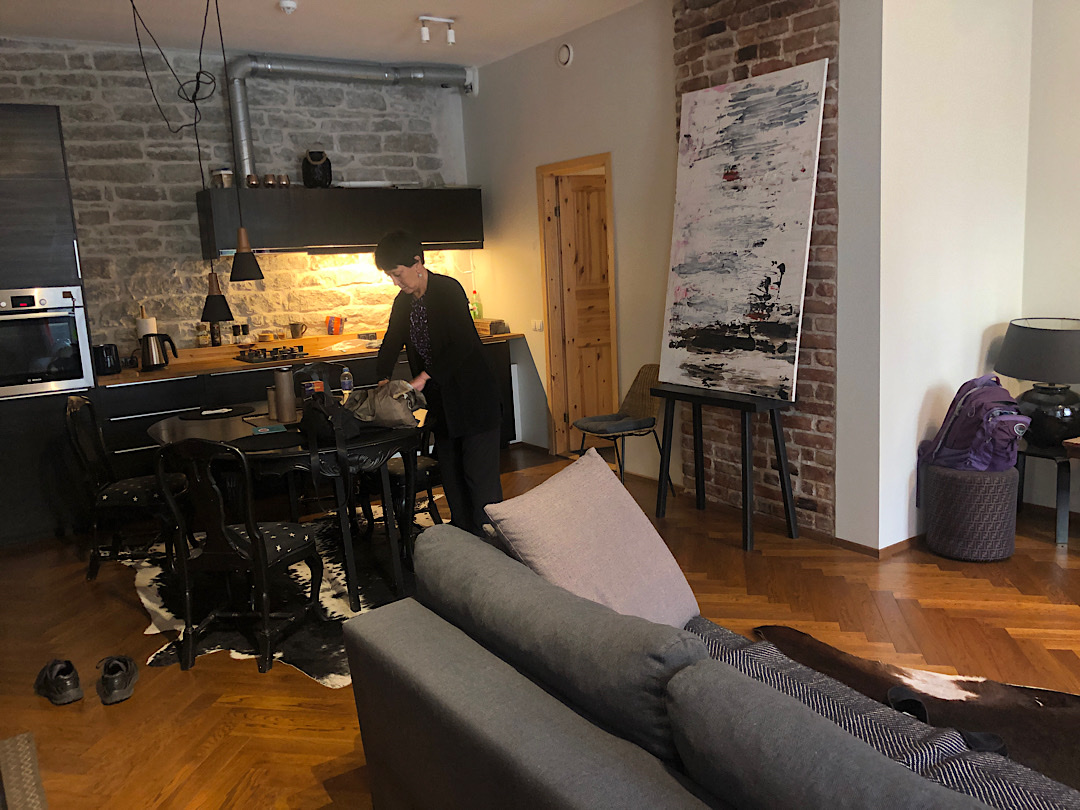
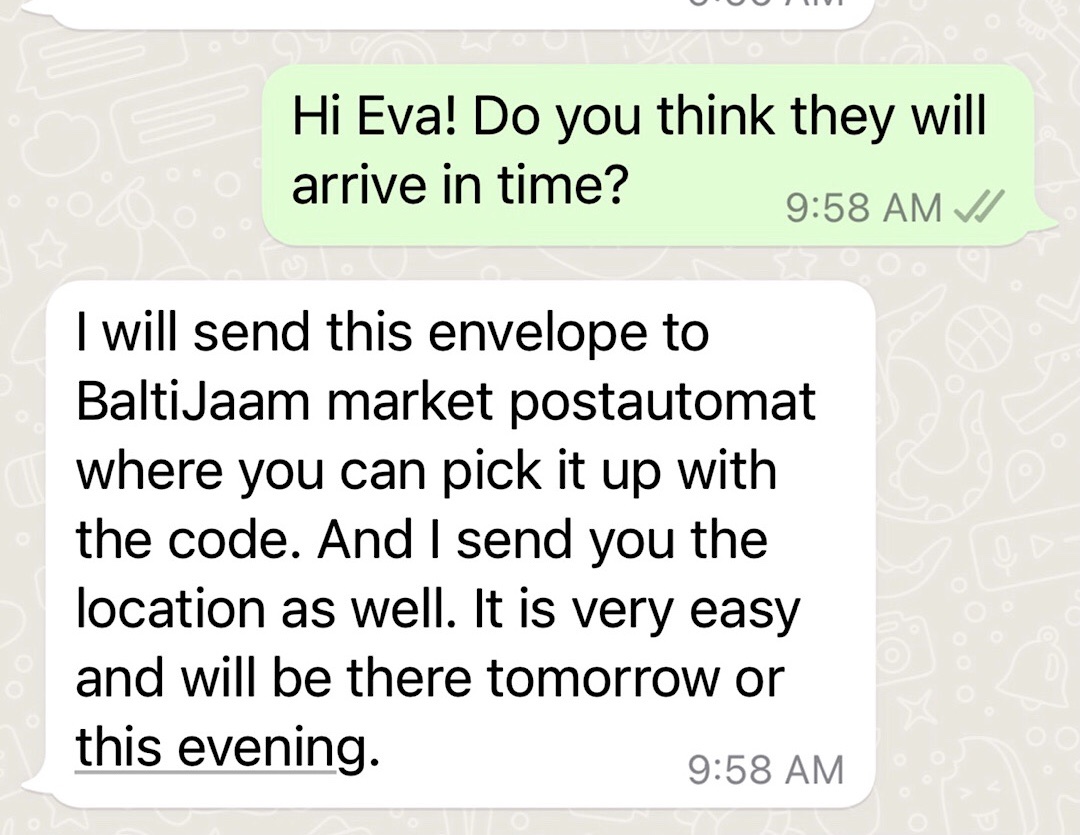
 When Lina finally texted me the six-digit code, I keyed it into the screen and one of the little doors popped open. Voila! There was the envelope containing the house key.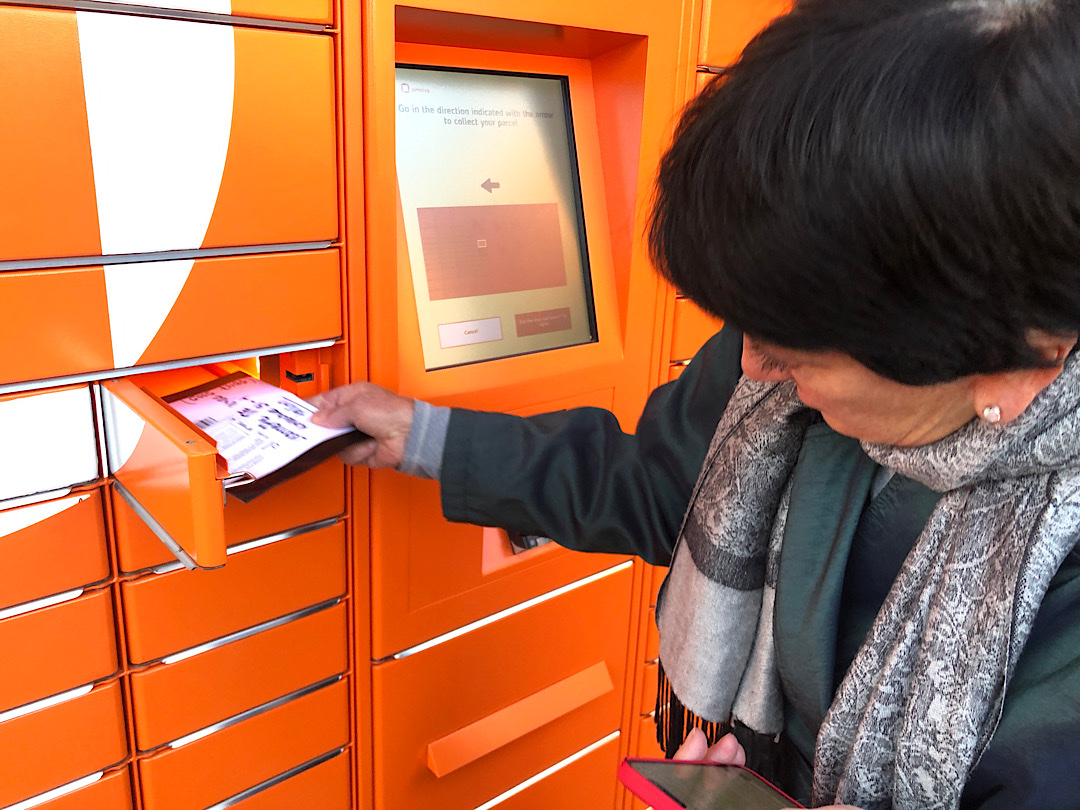
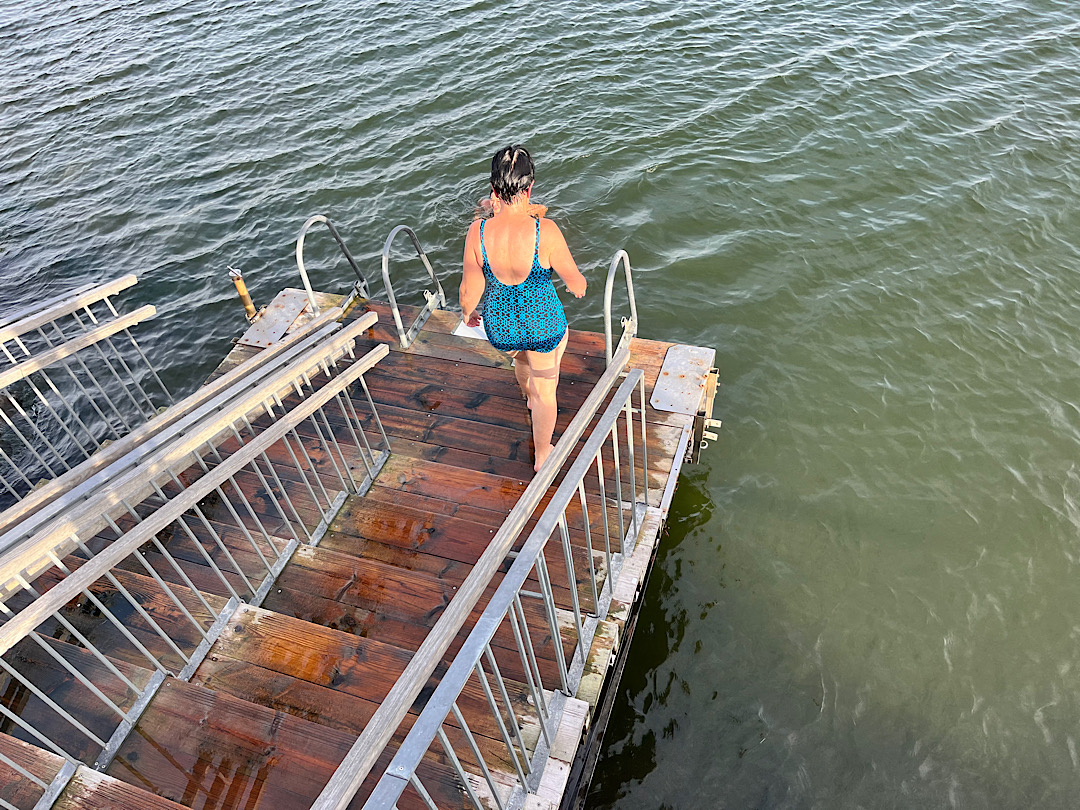
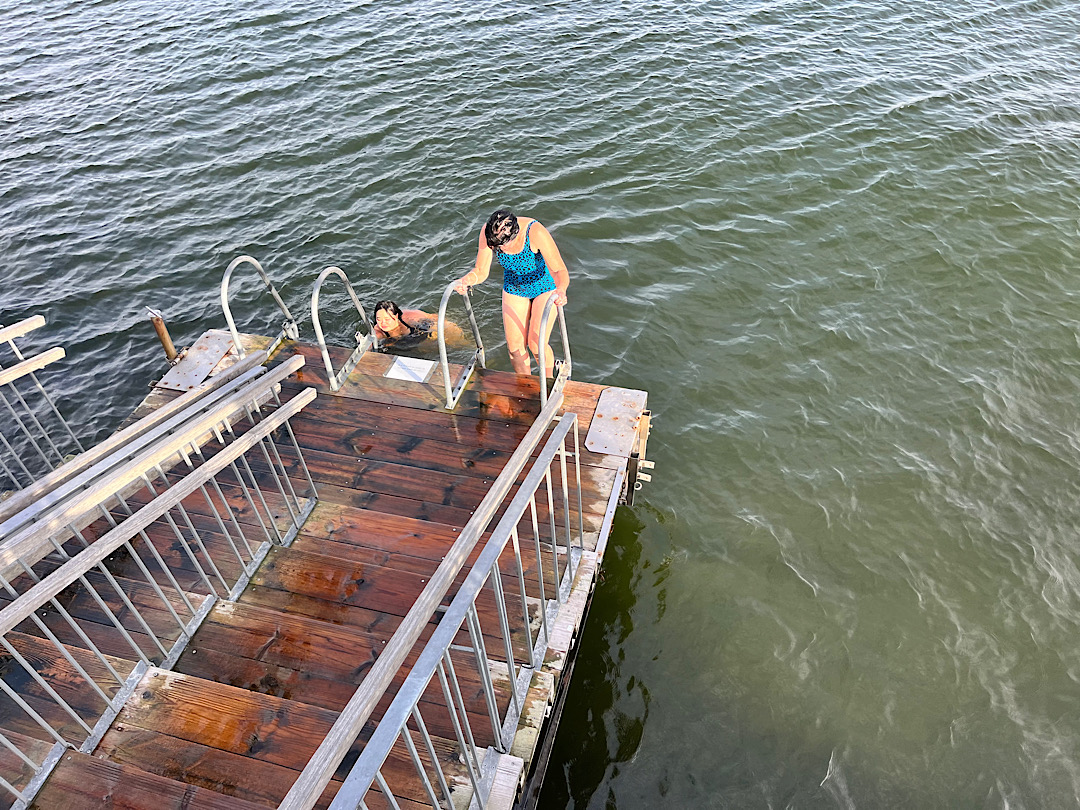
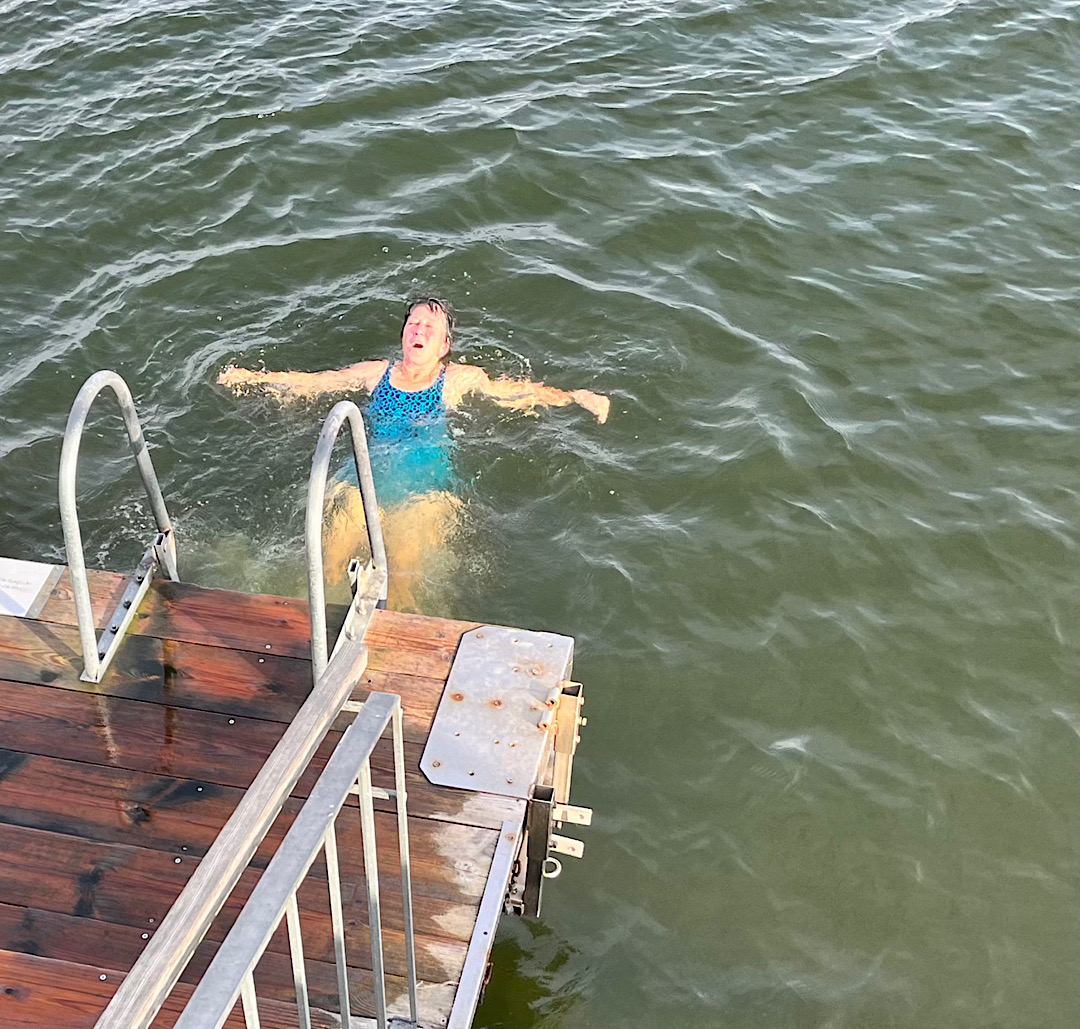
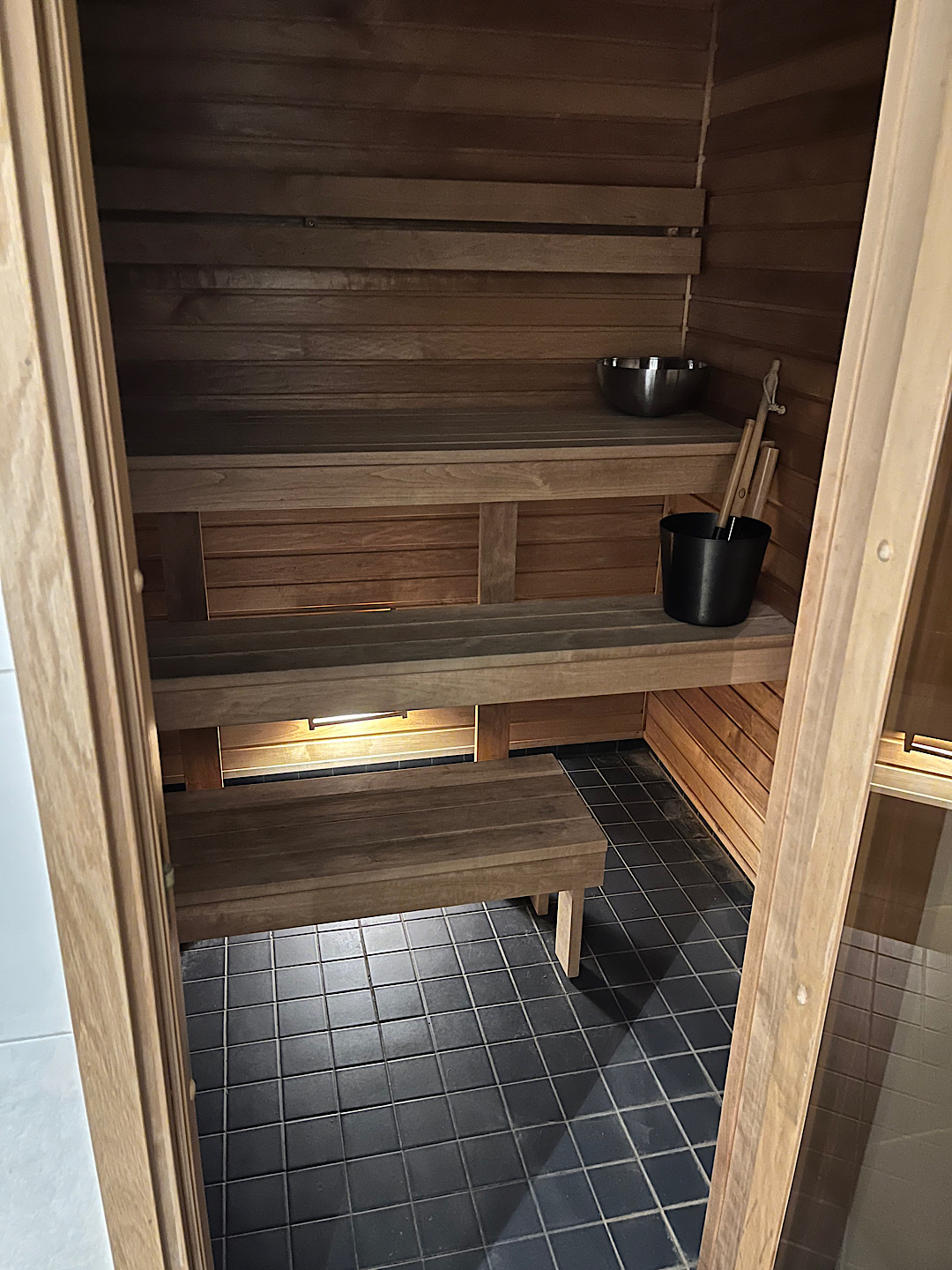 Lina’s scanty home instructions said it could be warmed up in 45 minutes. I had every intention of using it until Miina (our private guide on Tuesday) said the newspapers were reporting that heating up a home sauna just once would cost 50 euros (due to the sky-high cost of electricity.) I felt so kindly toward Lina by then that I resisted cranking up her sauna.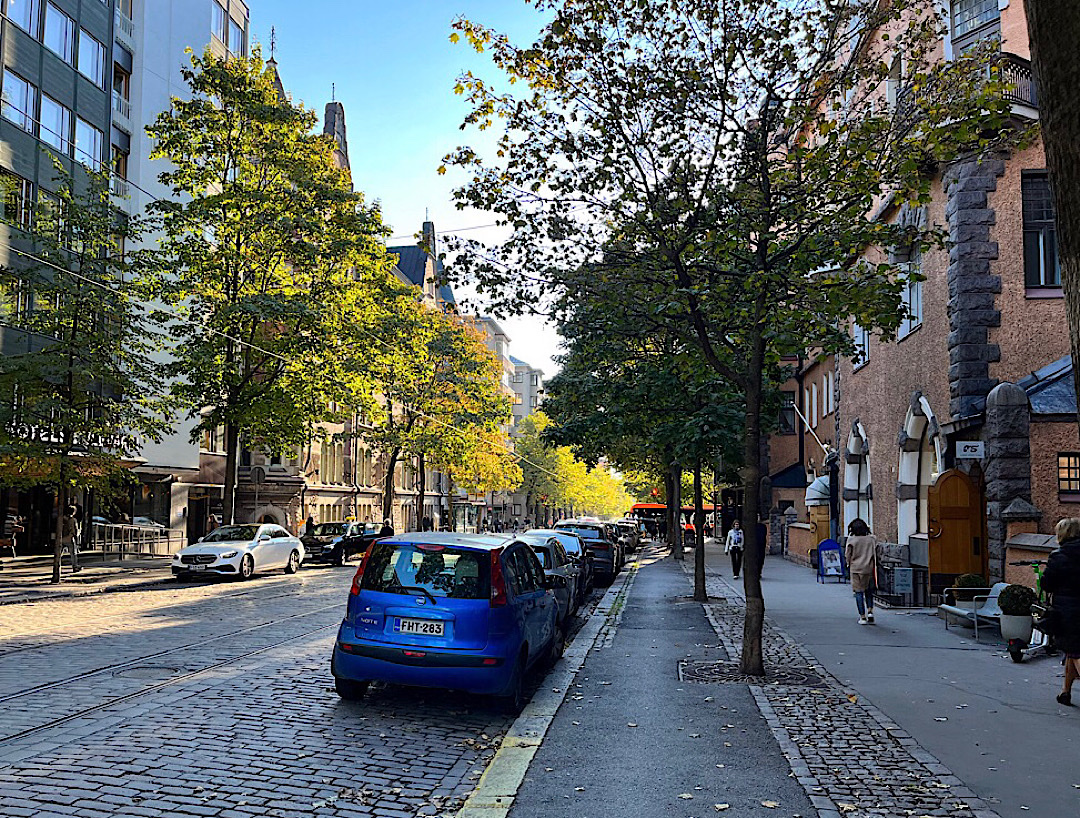

 This part of the world may be flat but it’s a metaphorical Tower of Babel, so complex I never considered trying to learn any of the local tongues. The folks in Lithuania, Latvia, Estonia, and Finland each have a different language. We were told that Lithuanian and Latvian are sufficiently related that folks speaking each at least can guess what the other is saying. The same is true for Estonian and Finnish, which belong to the “Finno-Ugric” language family. Still, here’s how you say “Thank you” in each.
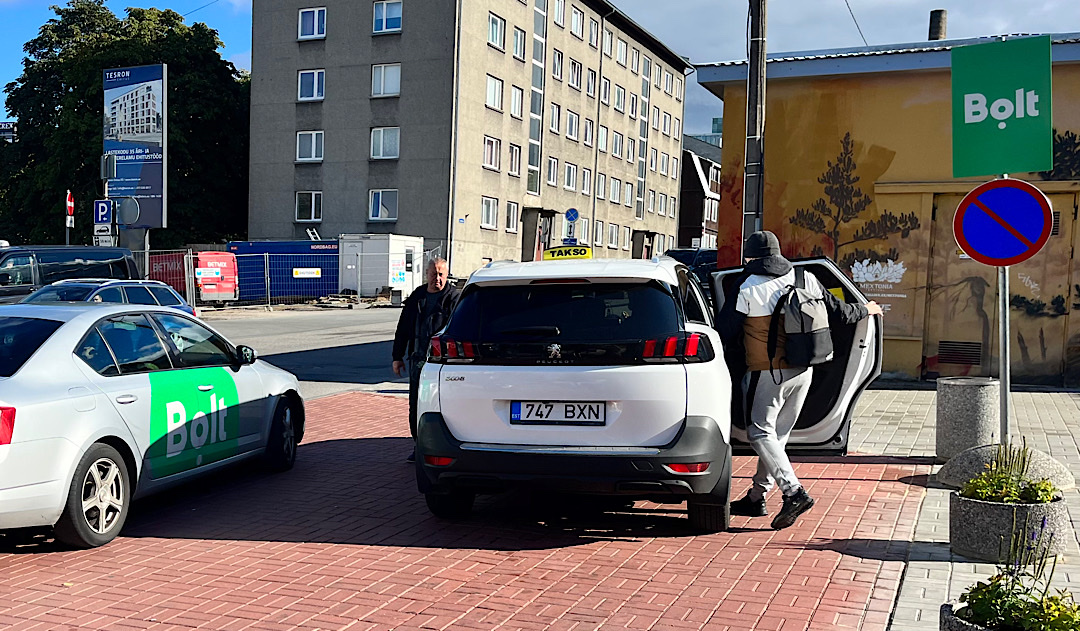
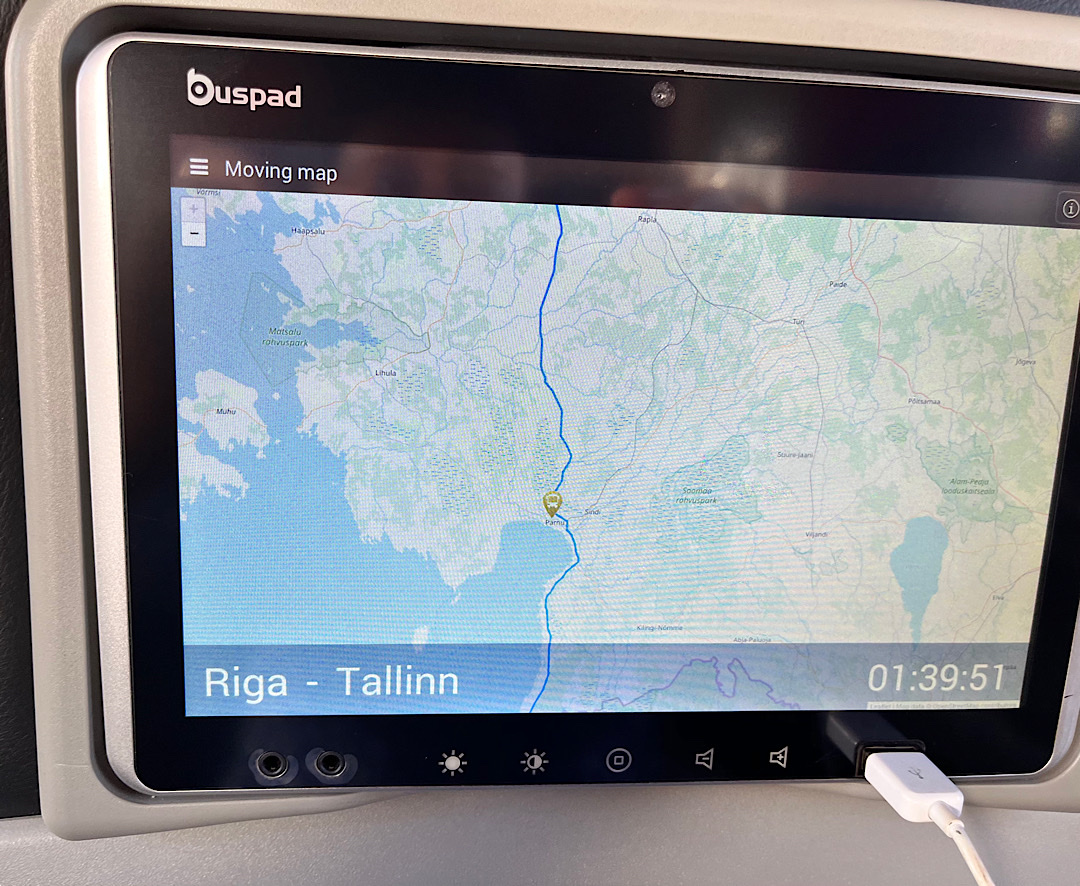
 These vehicles proved to be spotless and comfy, with amenities that included TV screens in the seat backs, a decent onboard toilet, and free hot coffee. The journeys from Vilnius to Riga and then from Riga to Tallinn each took less than 5 hours, gave us a look at the countryside, and cost only $26 a person for seats in the “premium” section of the bus. The rides were smooth enough for me to work on my blog posts.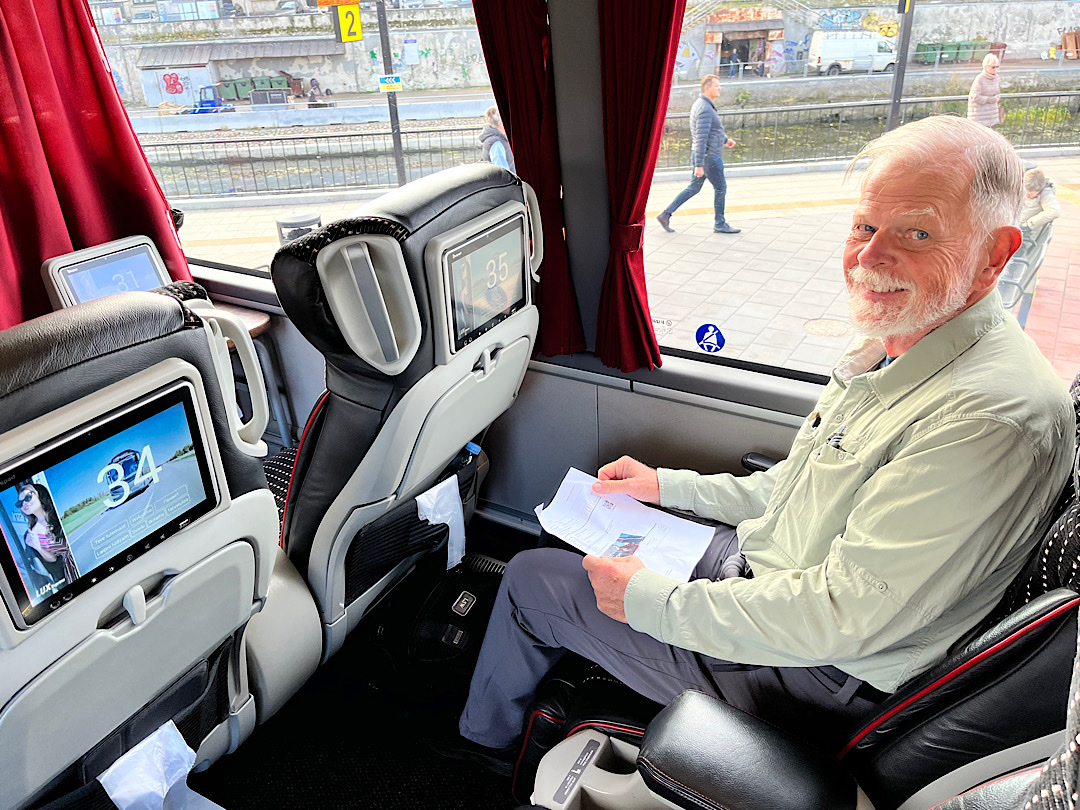
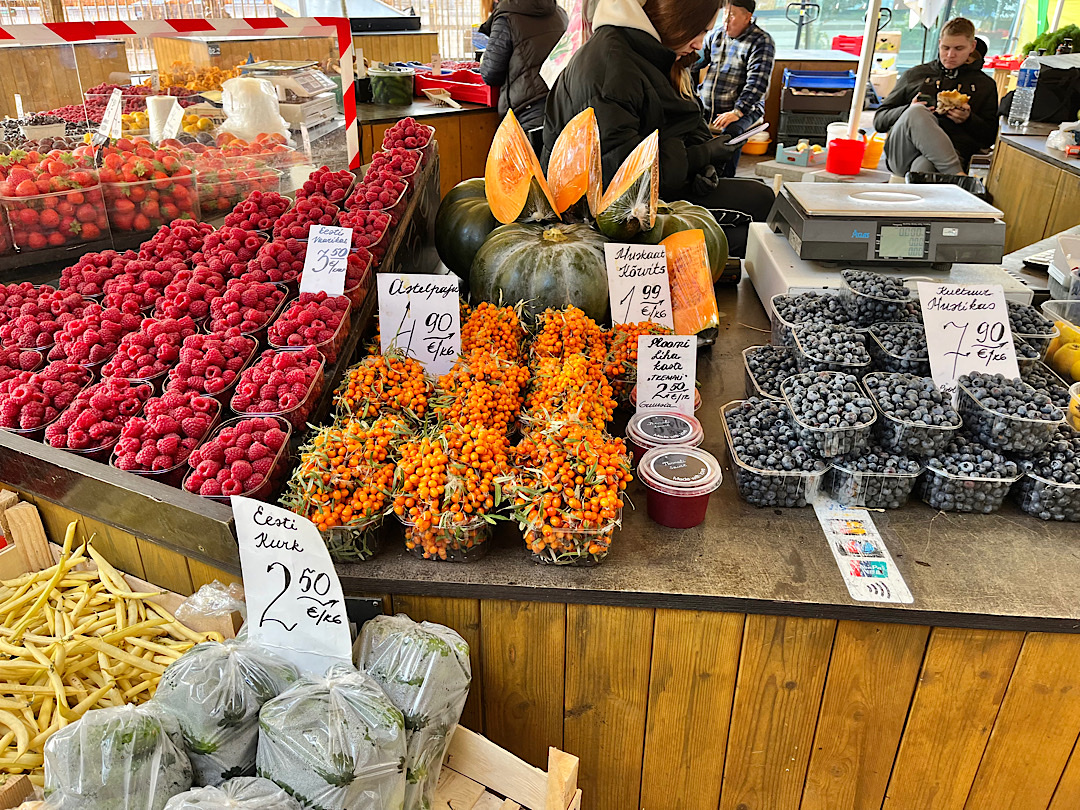 We took it in for a moment, then whizzed through the market in her wake as she showed us all manner of quirky stuff for sale: the distinctive felt hats folks wear in the sauna to keep their heads from overheating. Reflectors that everyone is legally required to affix to their clothing in winter as a safety measure.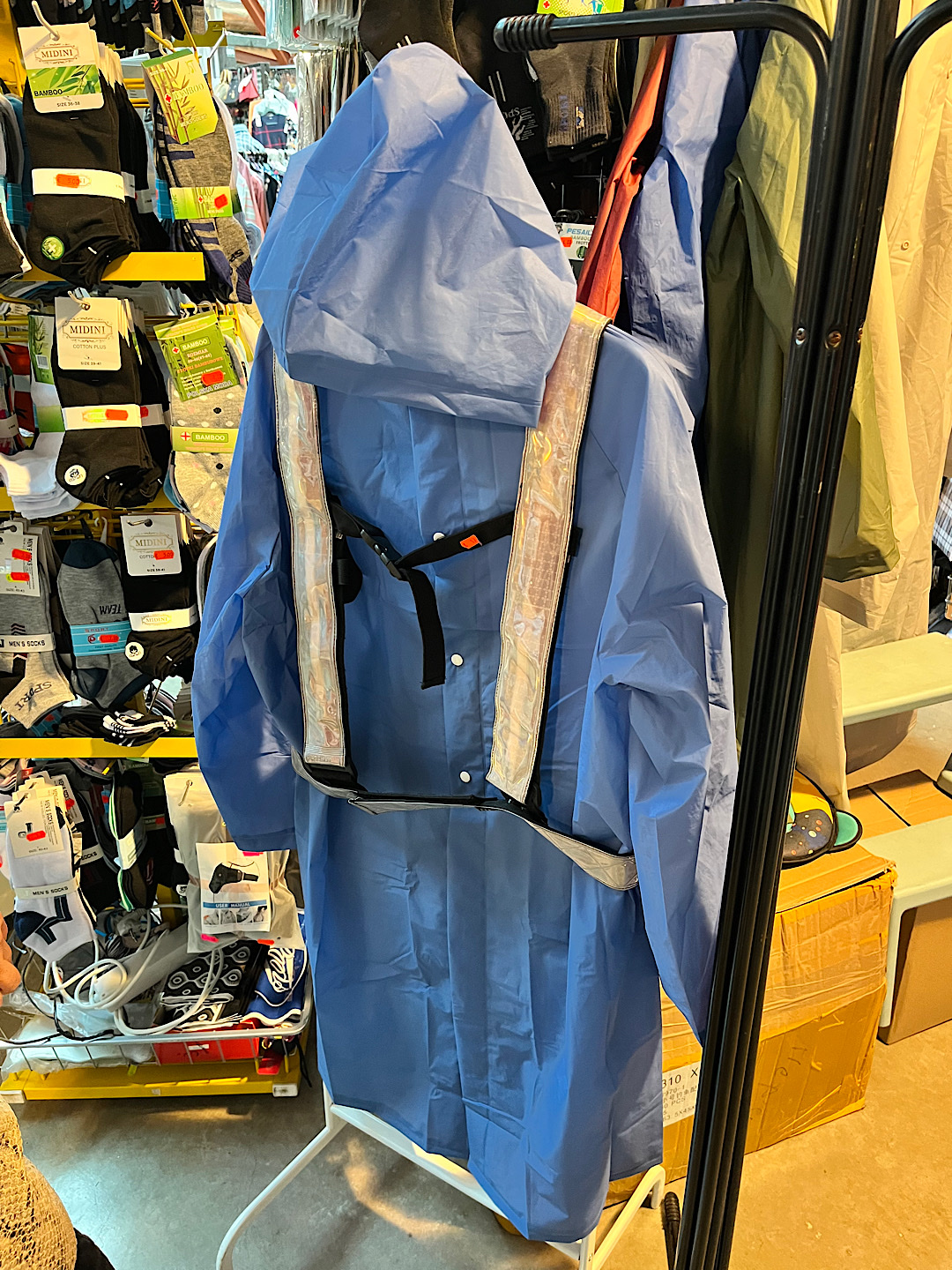
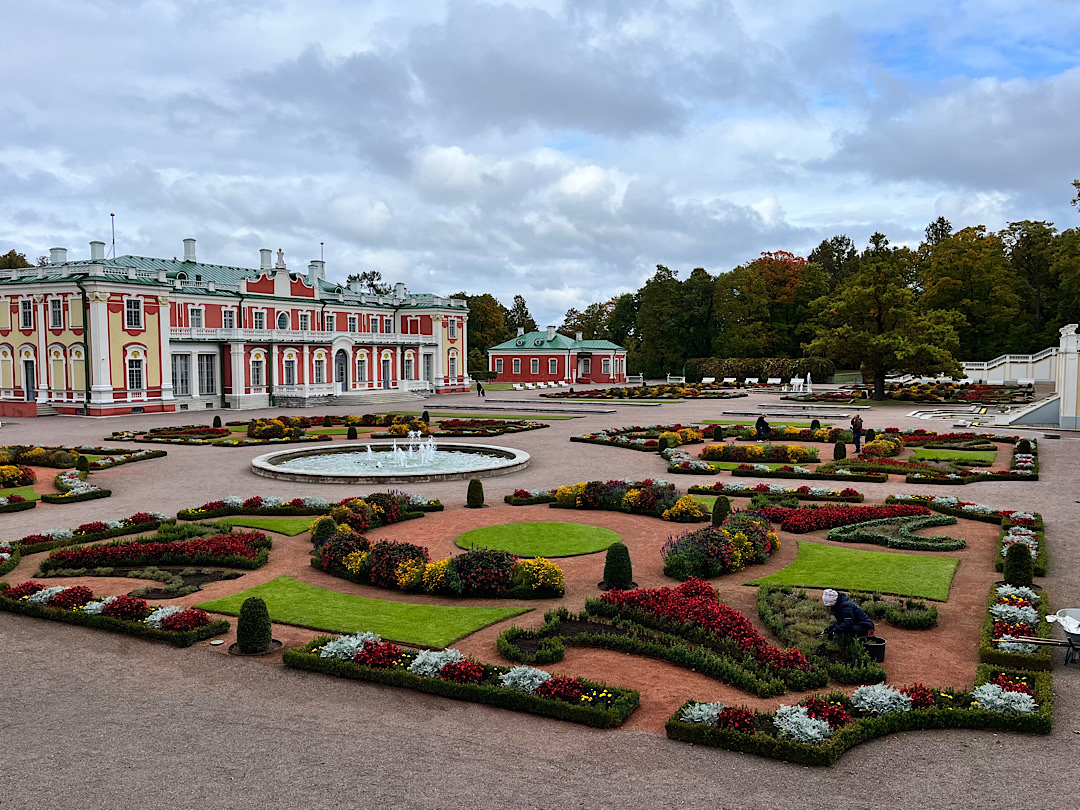
 Behind the palace is the official residence of the Estonian president. It’s Estonia’s White House (except it’s pink.)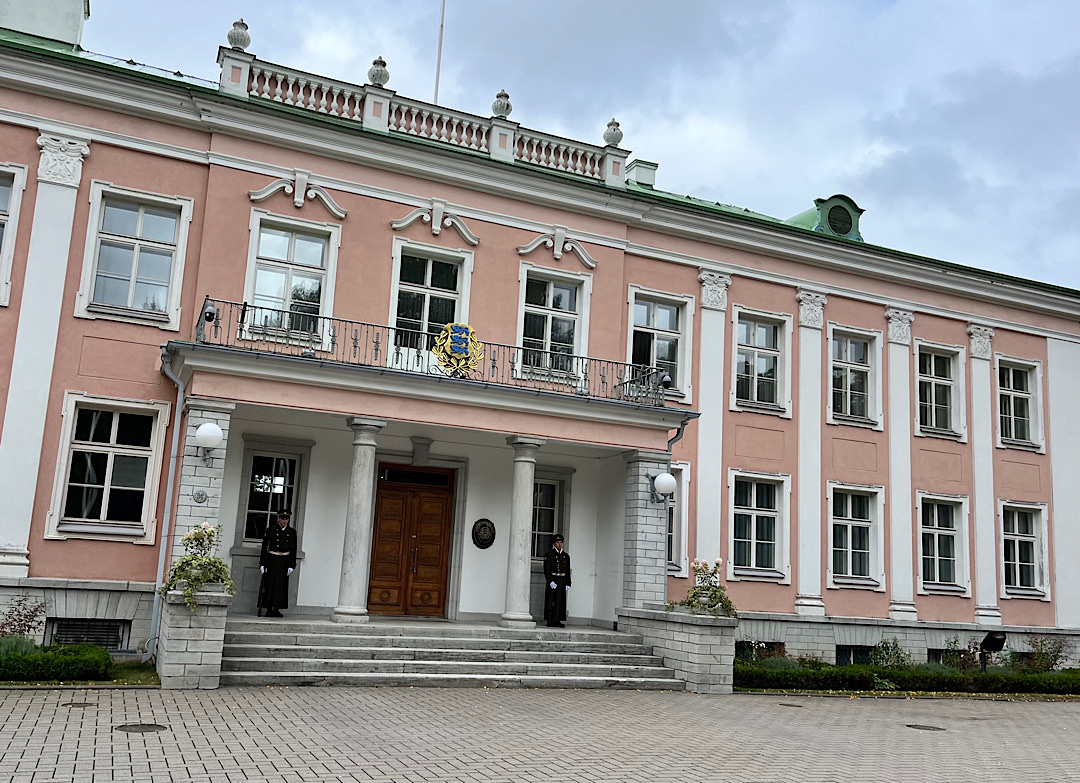
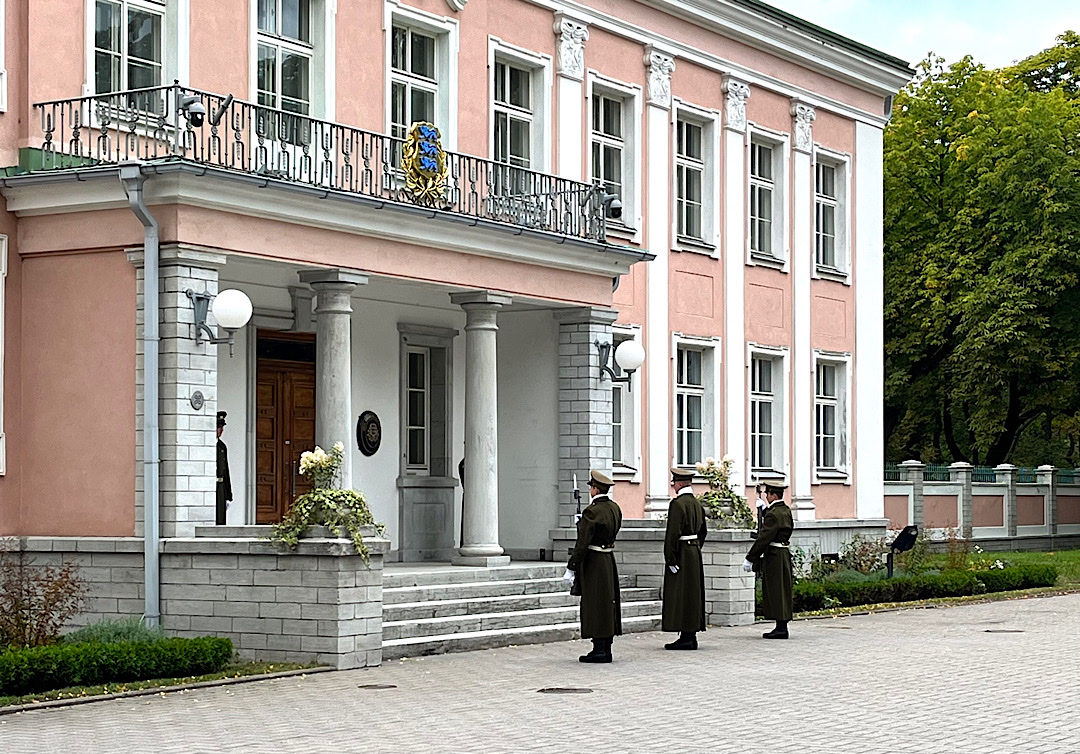 Also charming are the white boxes on the front lawn. They’re bee hives. (Miina said the president is into apiary.)
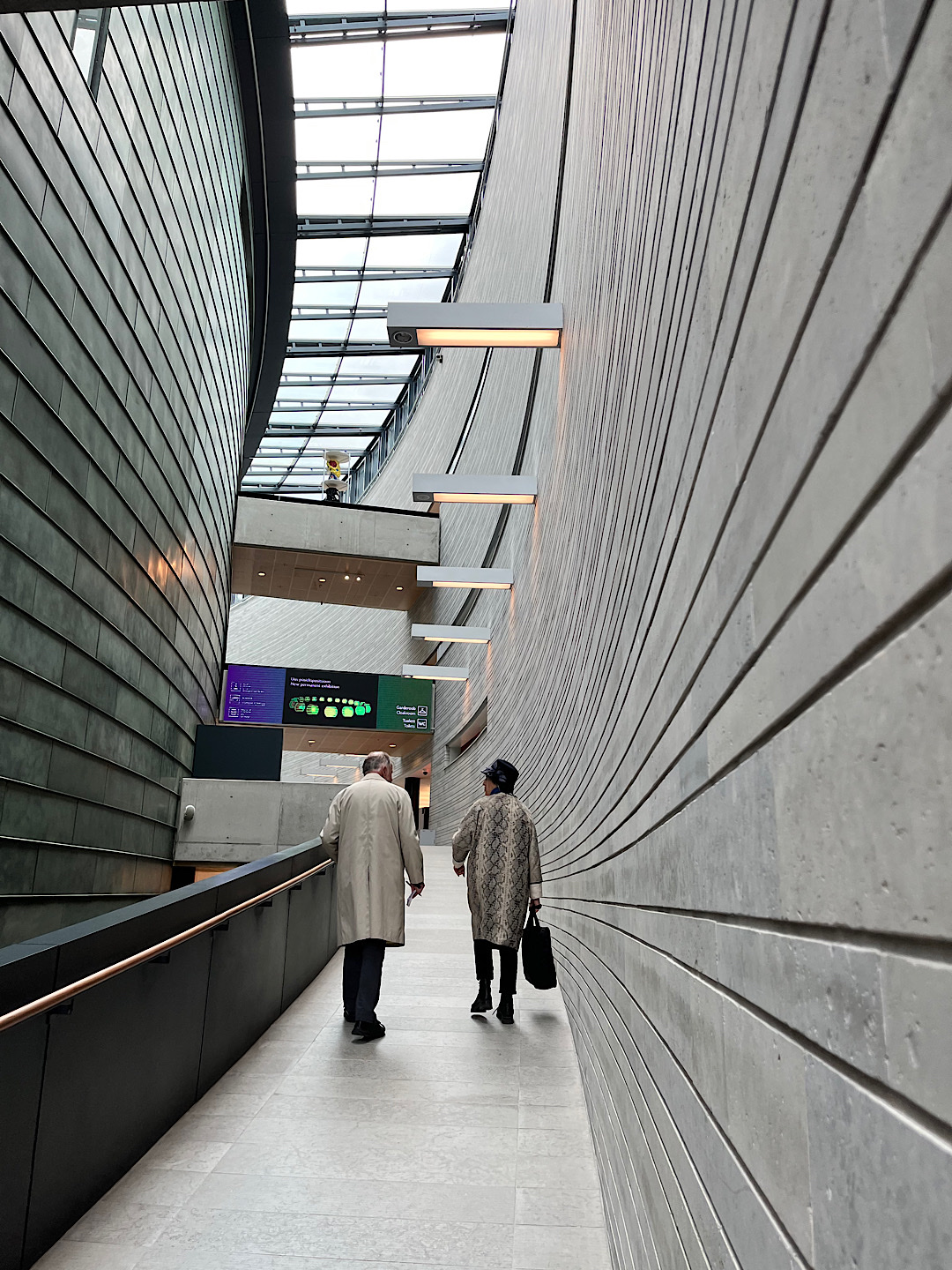
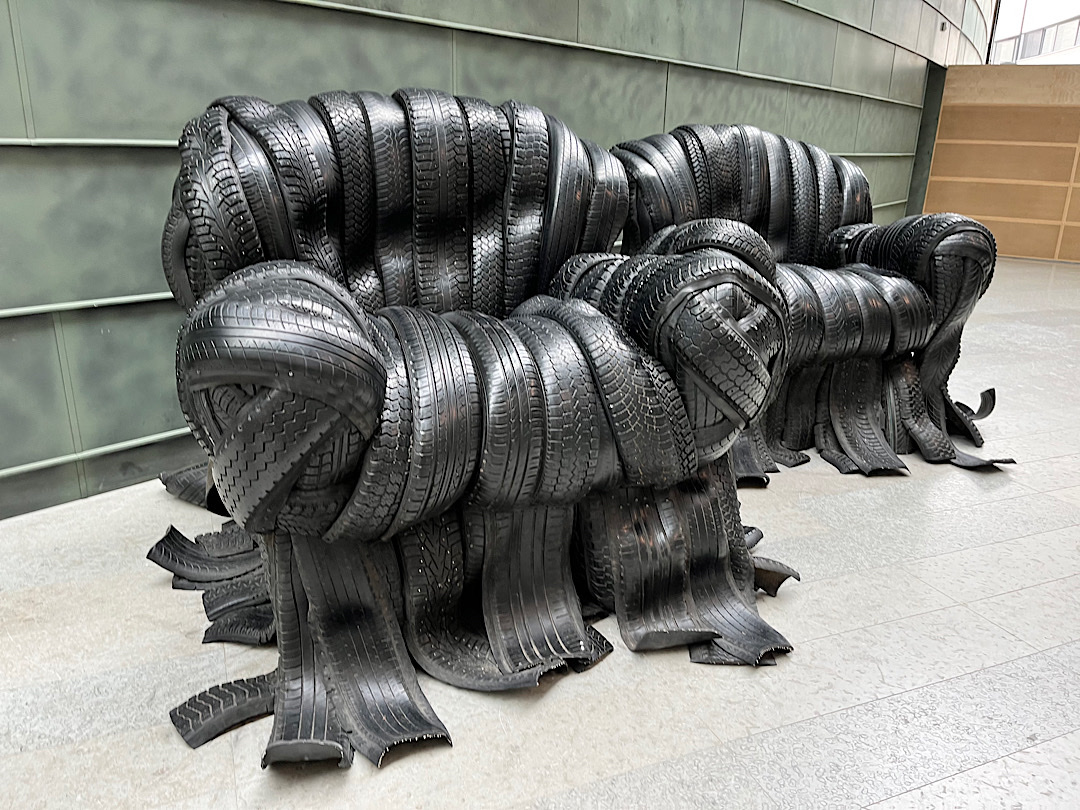
 In another part of the park, she led us to the Kumu art museum, a striking limestone, glass, and copper structure that houses the country’s biggest collection of Estonian art.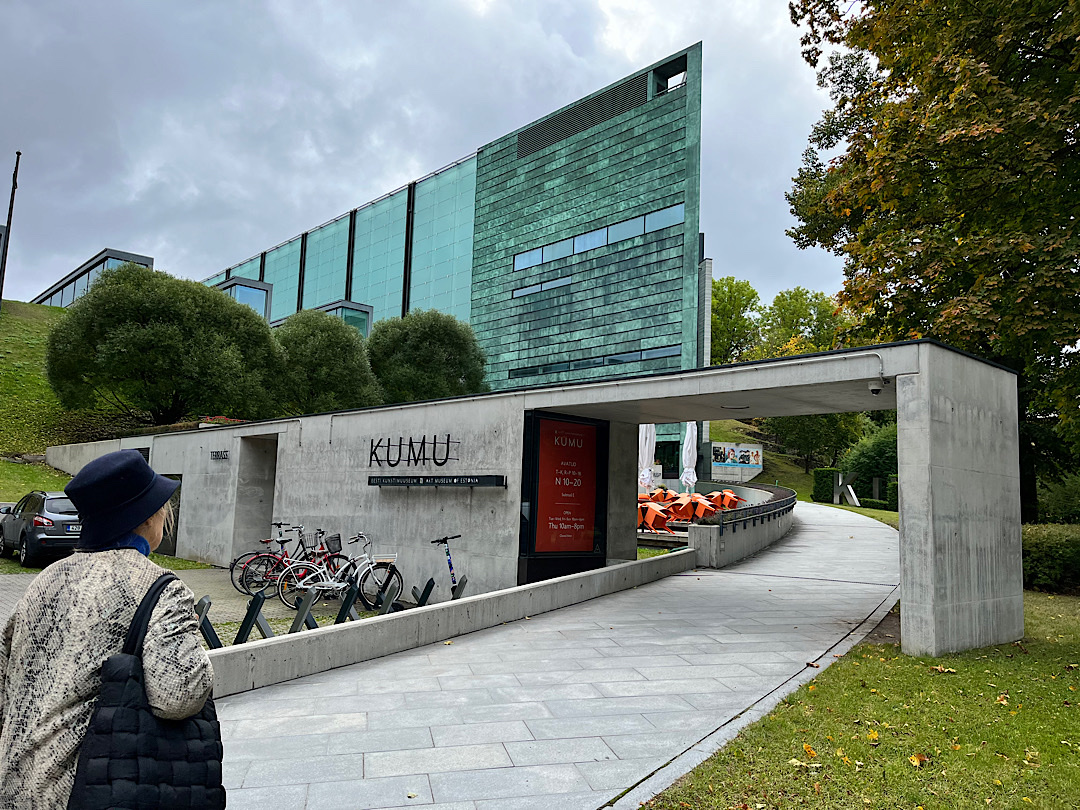
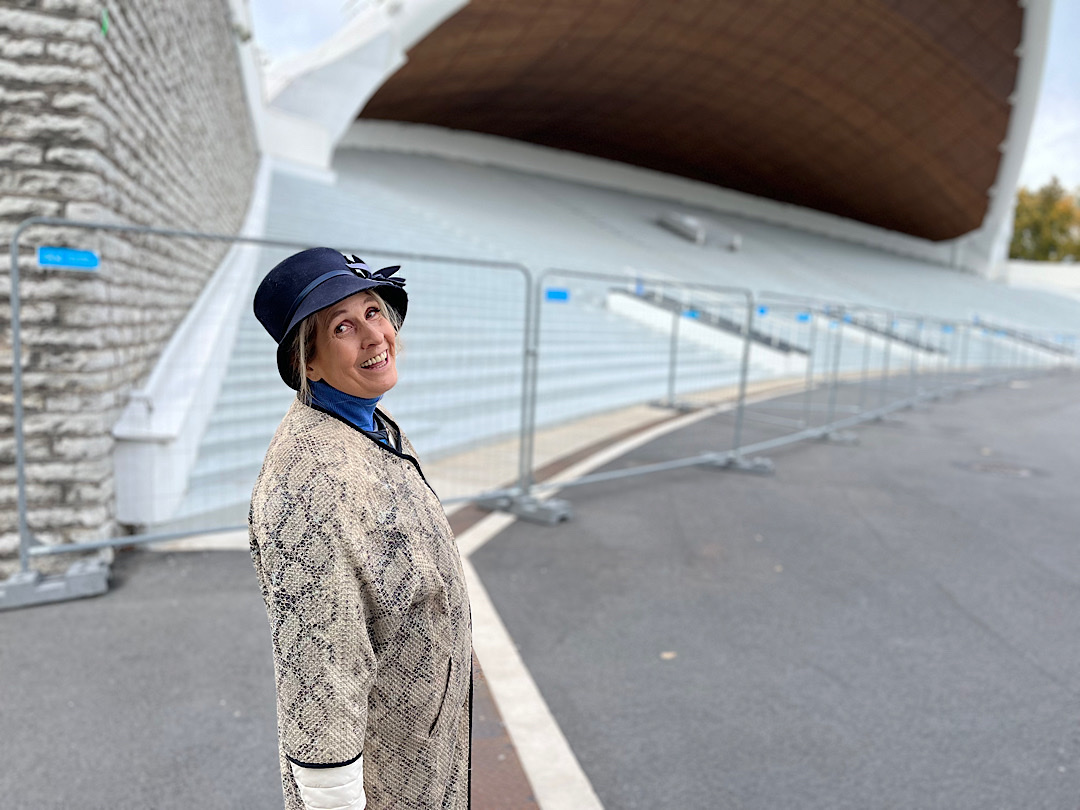 An idealistic 20-year-old at the time, Miina was in that crowd, and the emotions of the day played across her face as she told us about it. Then it was time for her to catch the train to the seaside. We said our goodbyes, not before she instructed us in what else we should do that in that afternoon.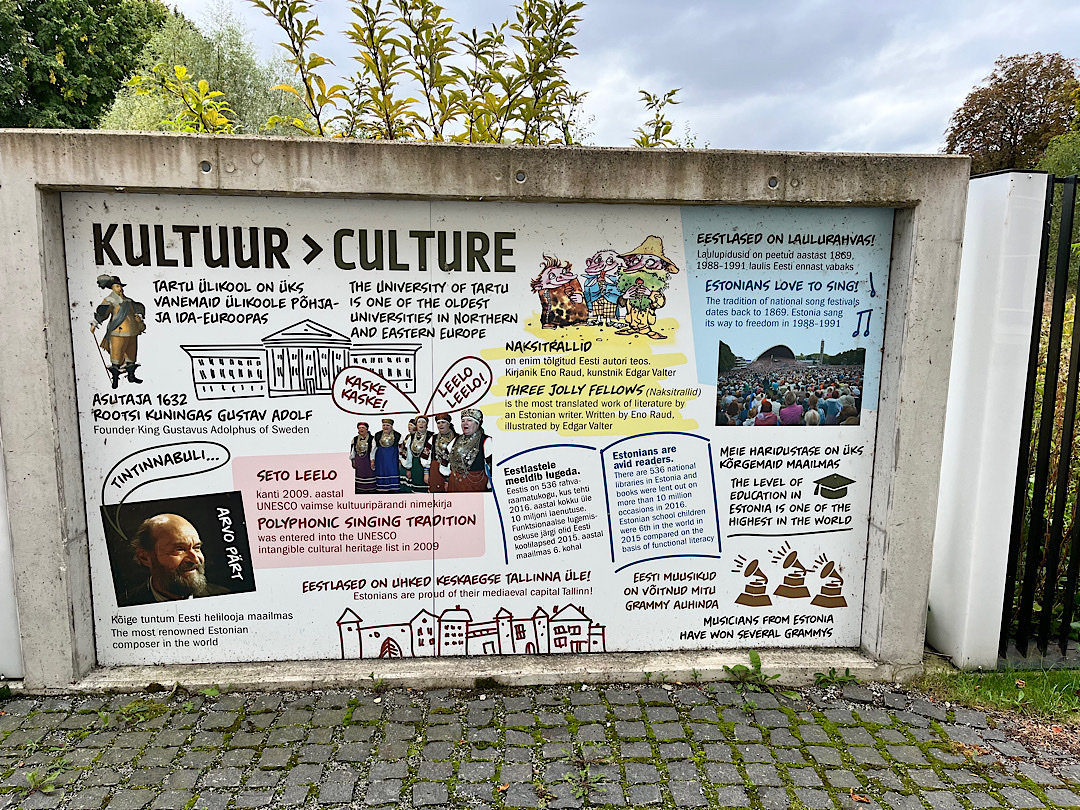
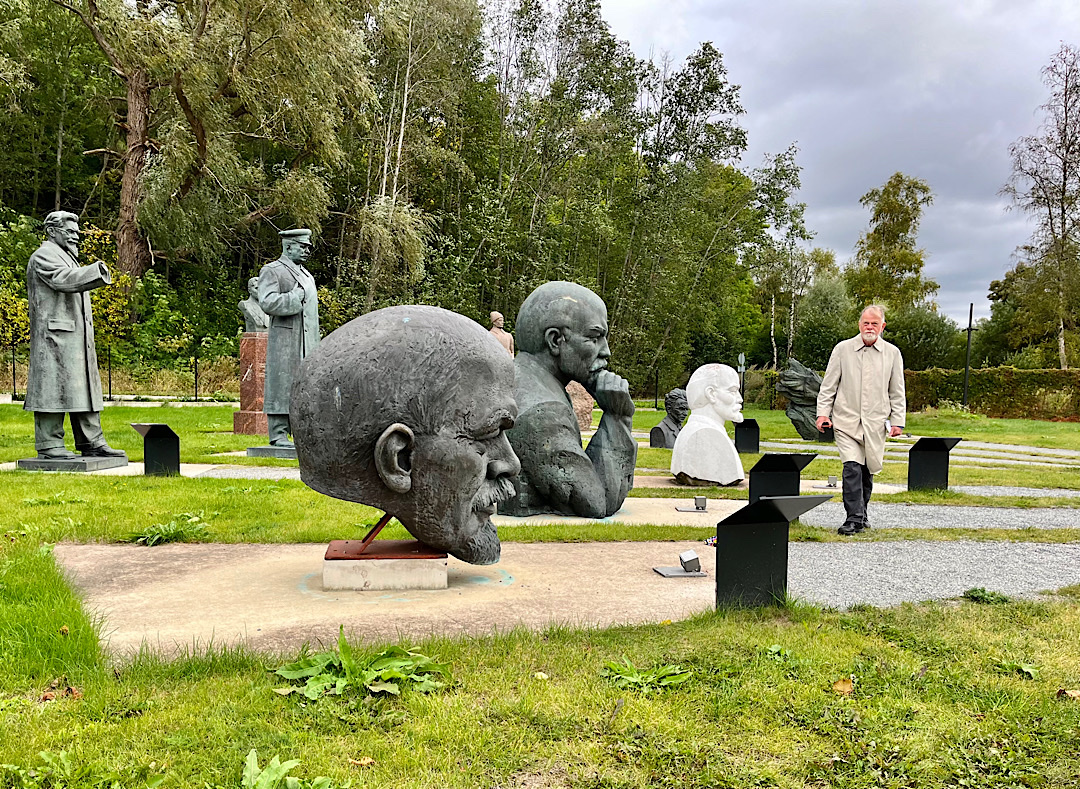
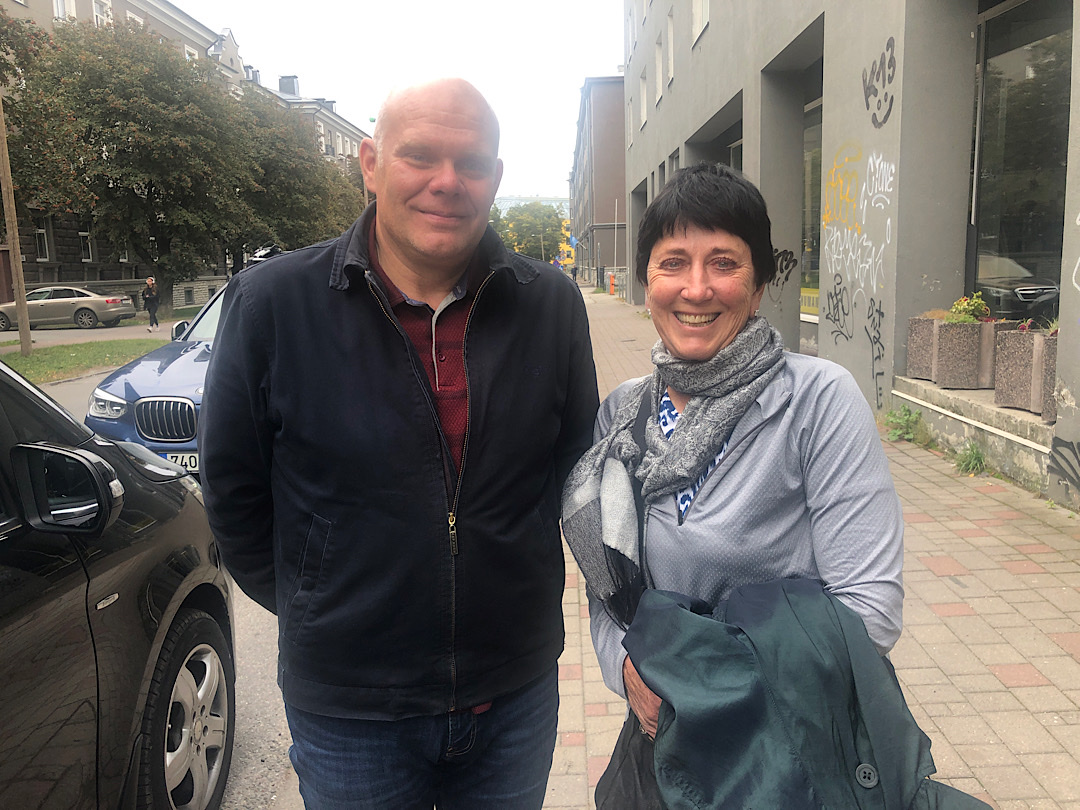
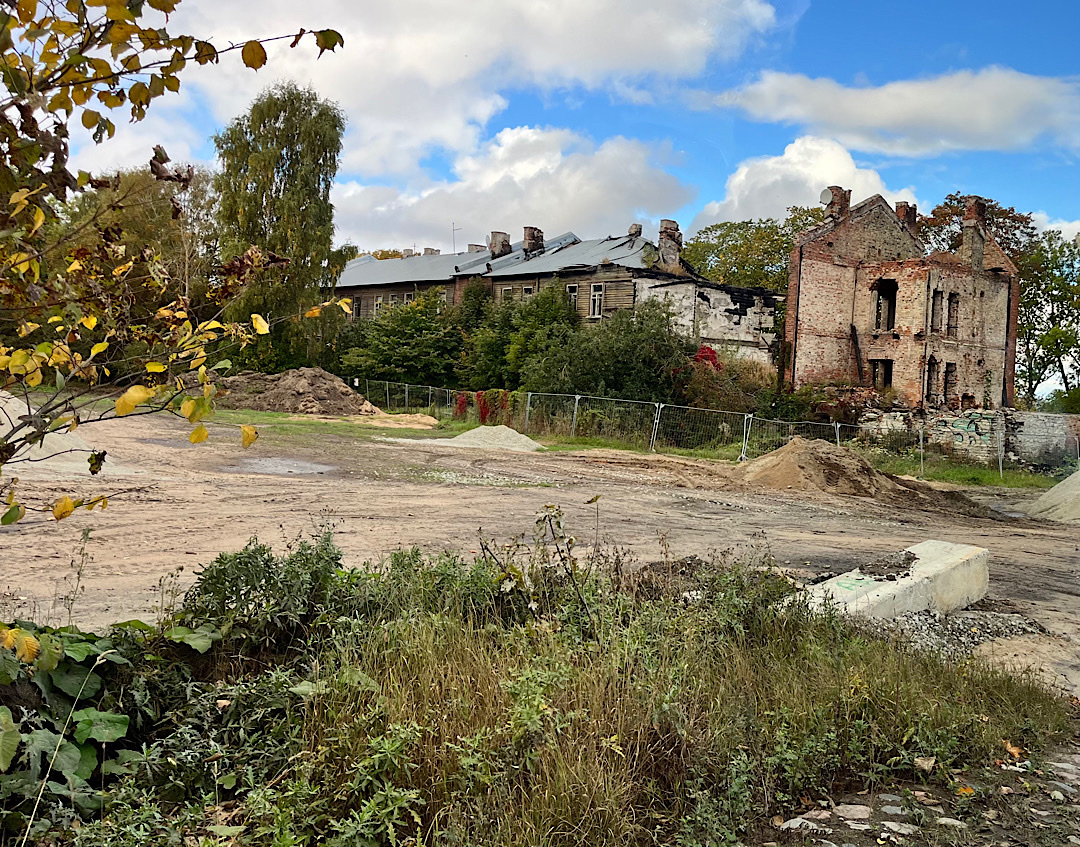
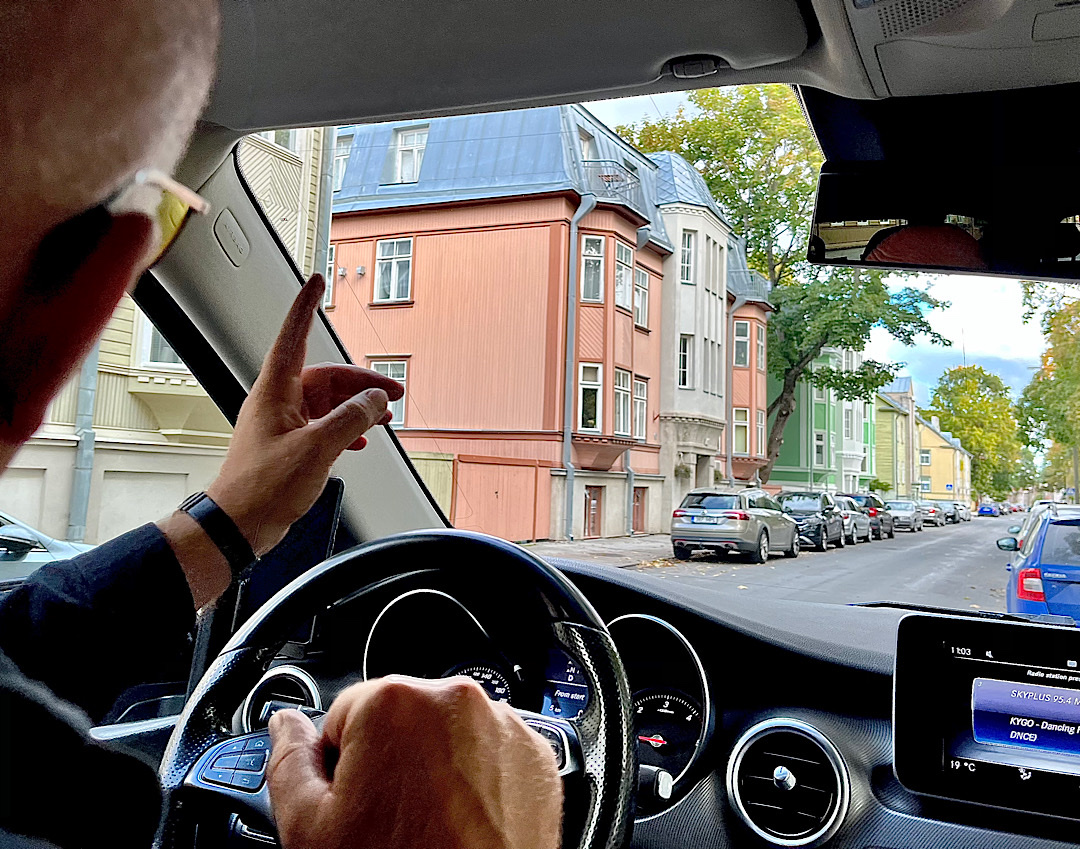
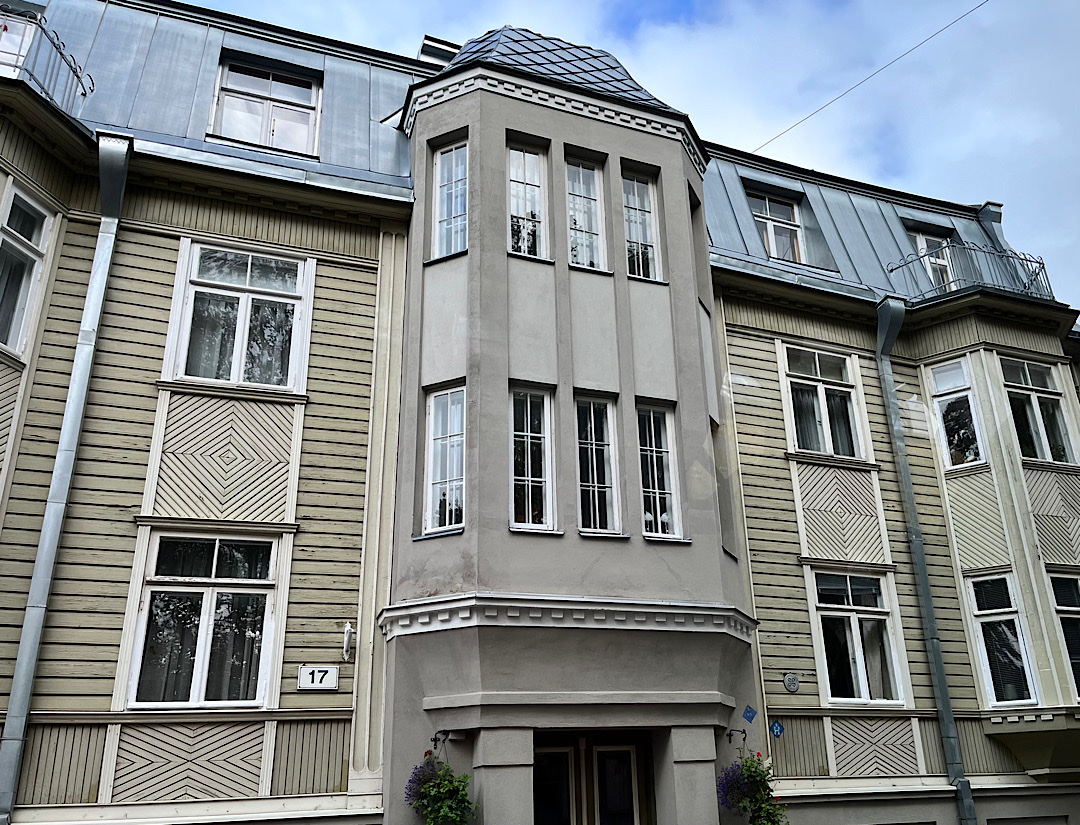
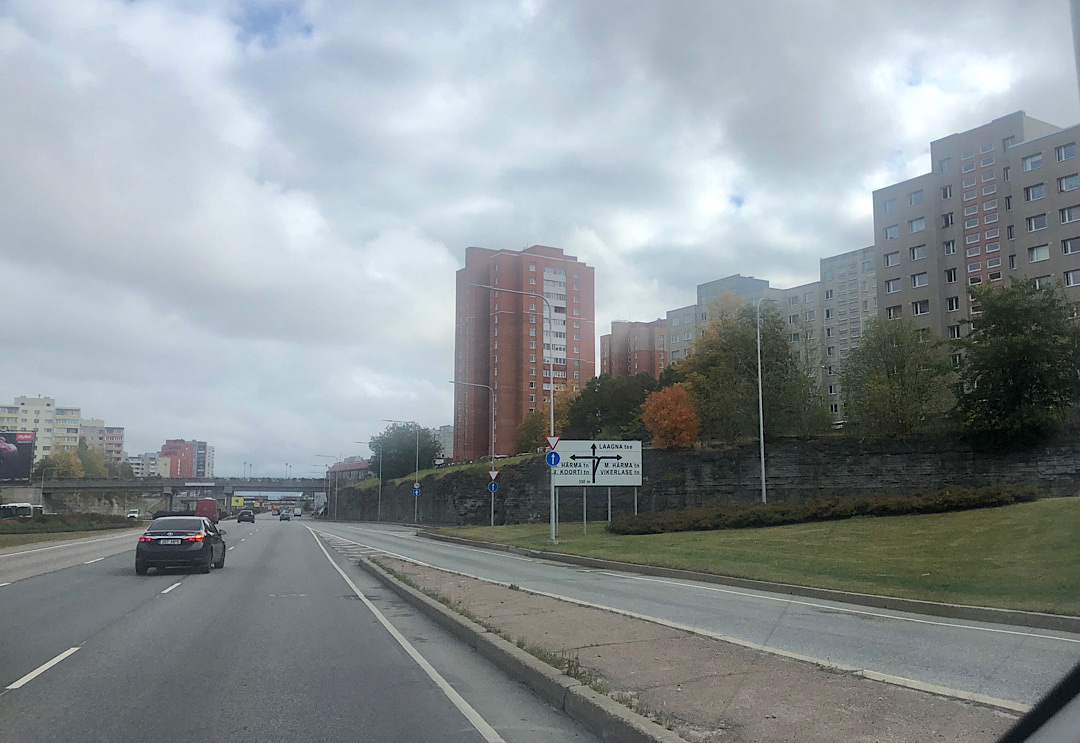


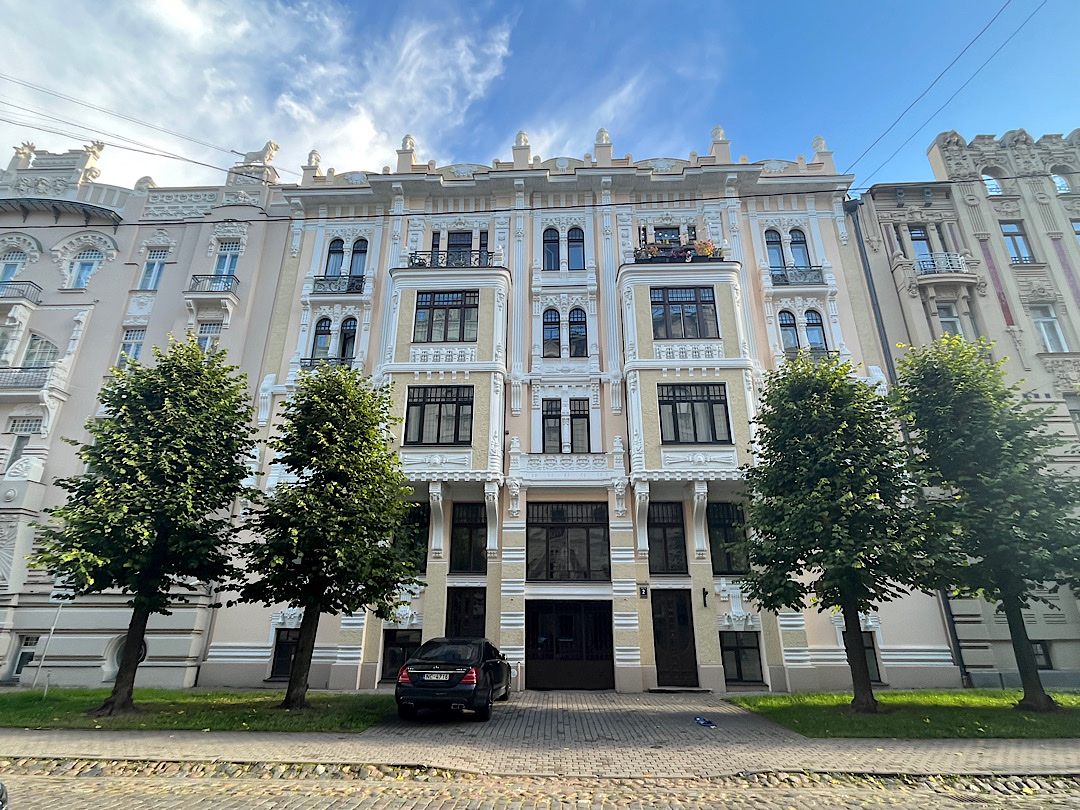

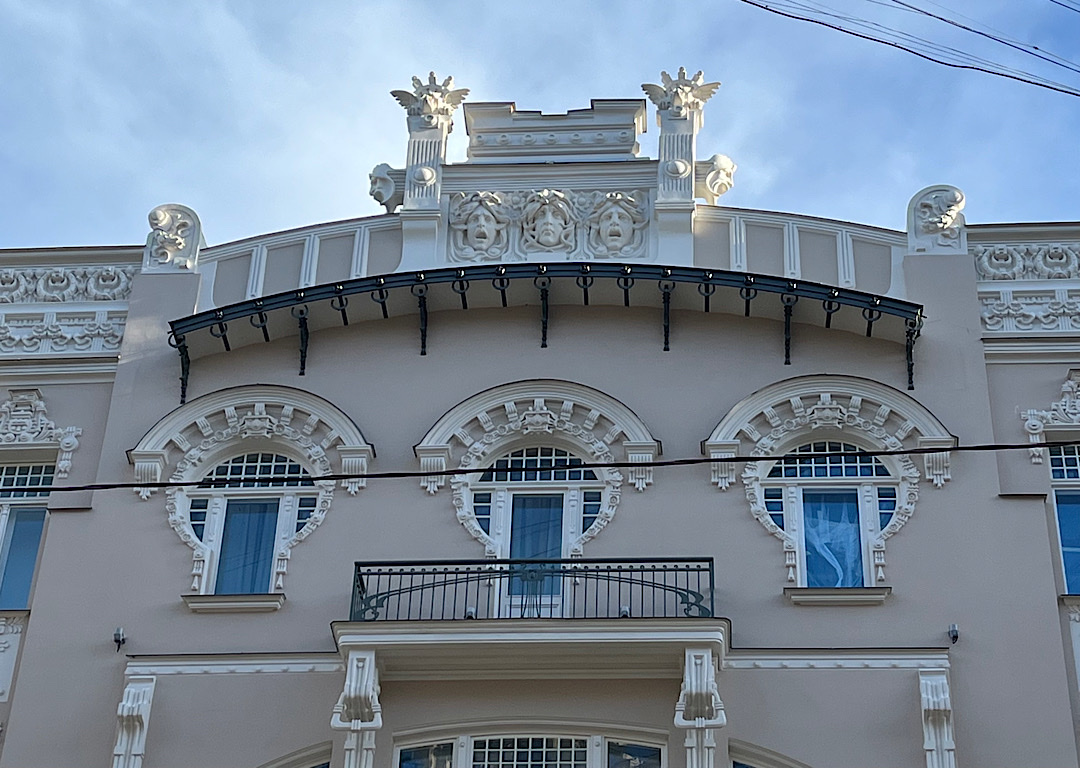

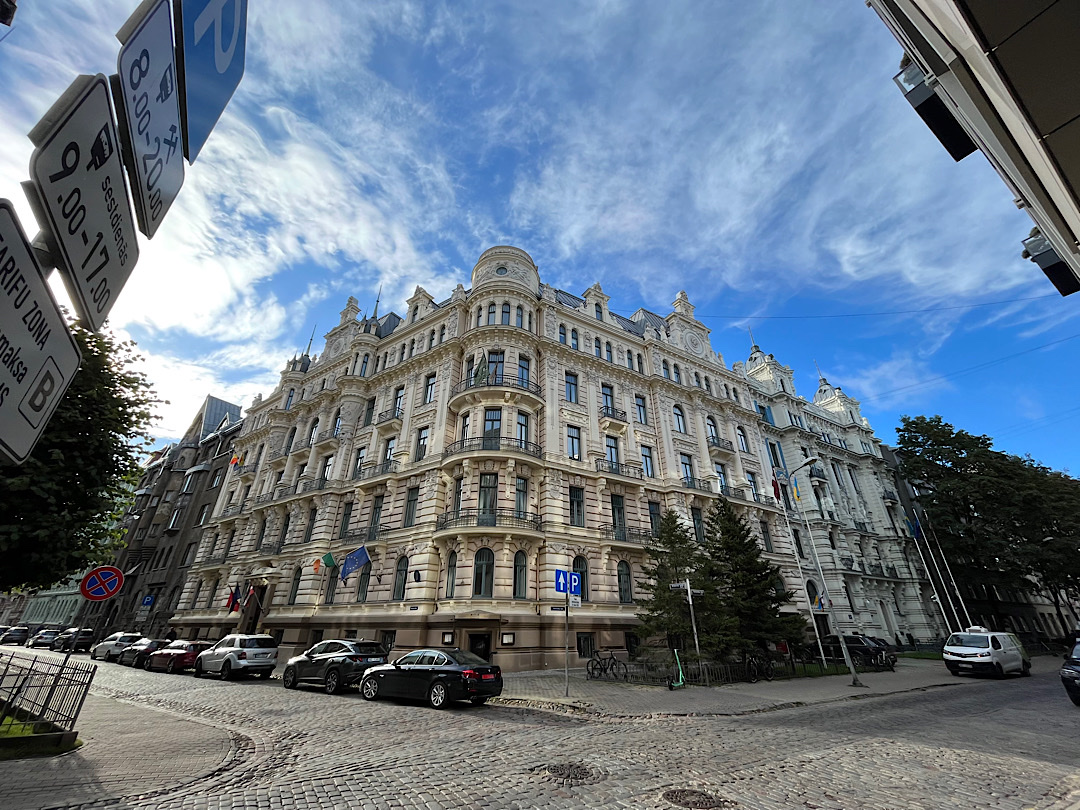
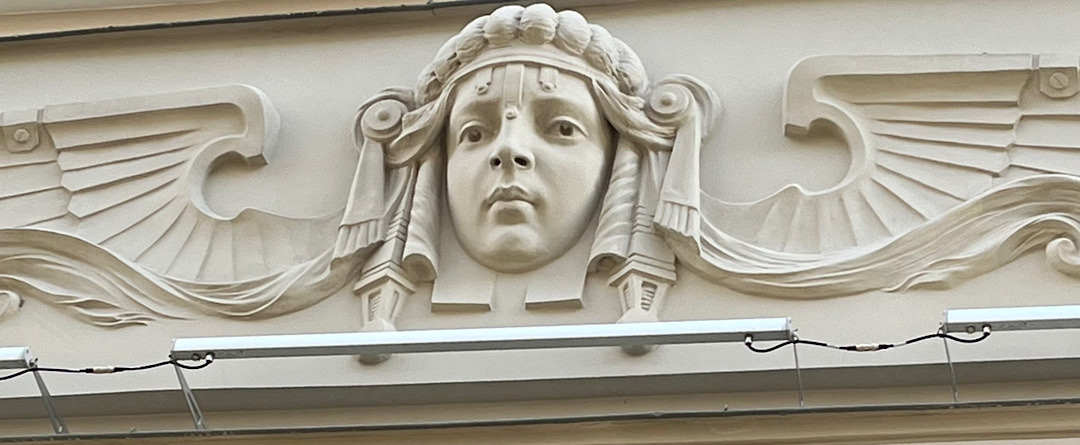

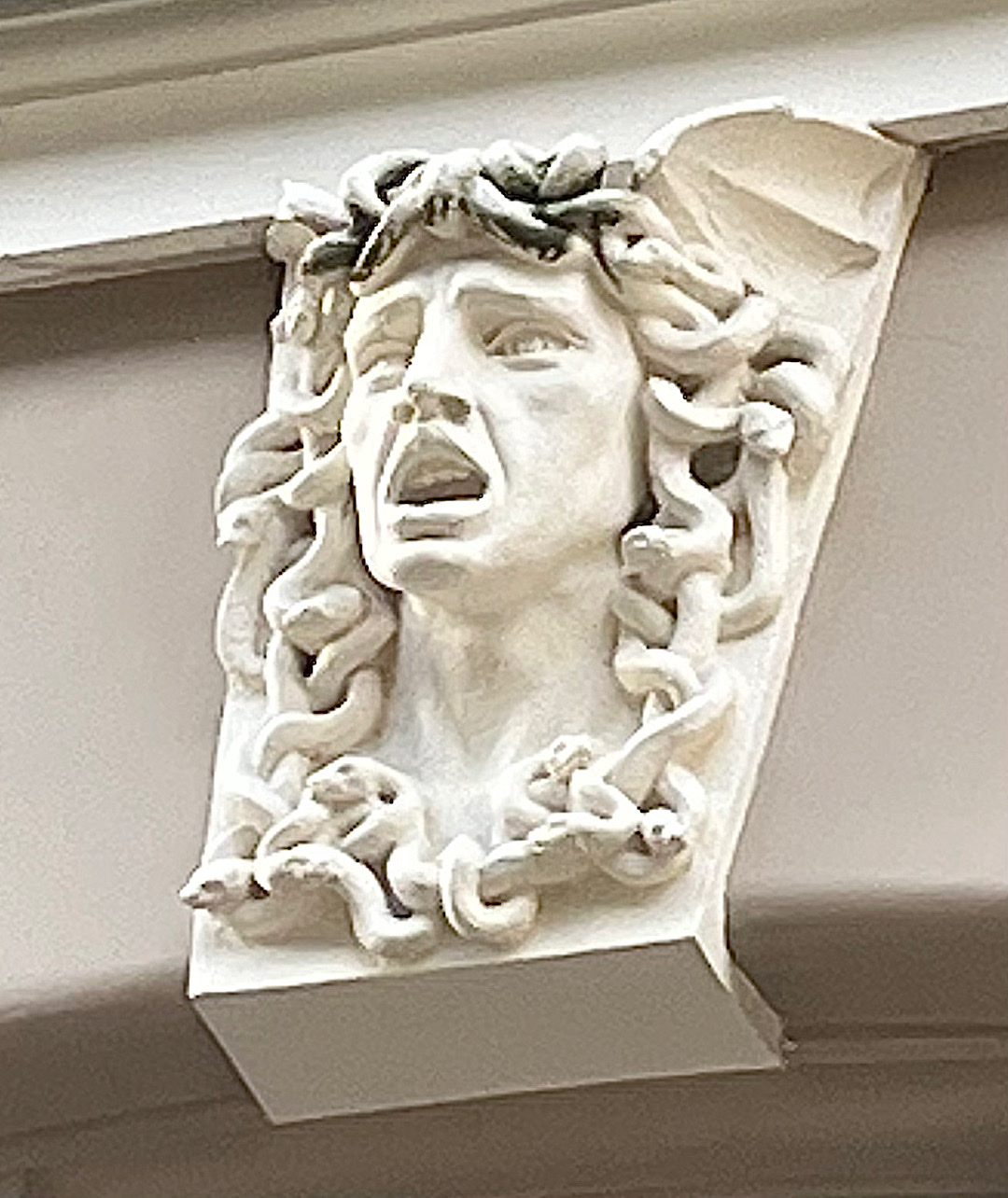
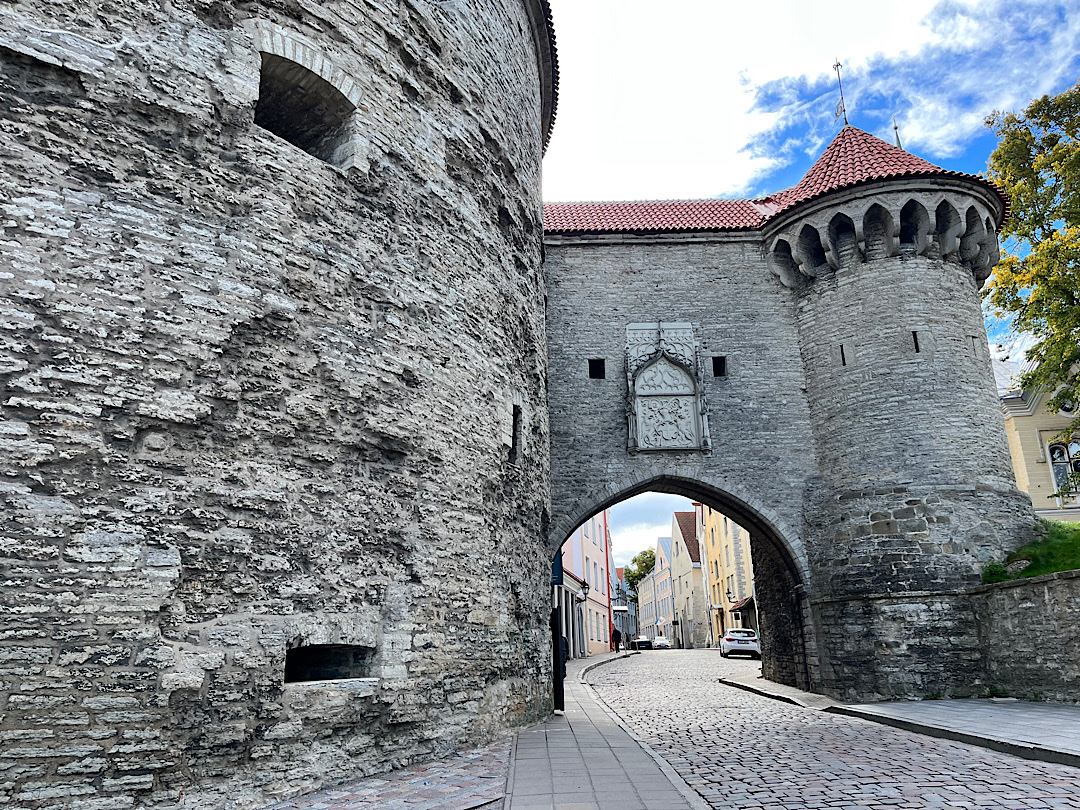
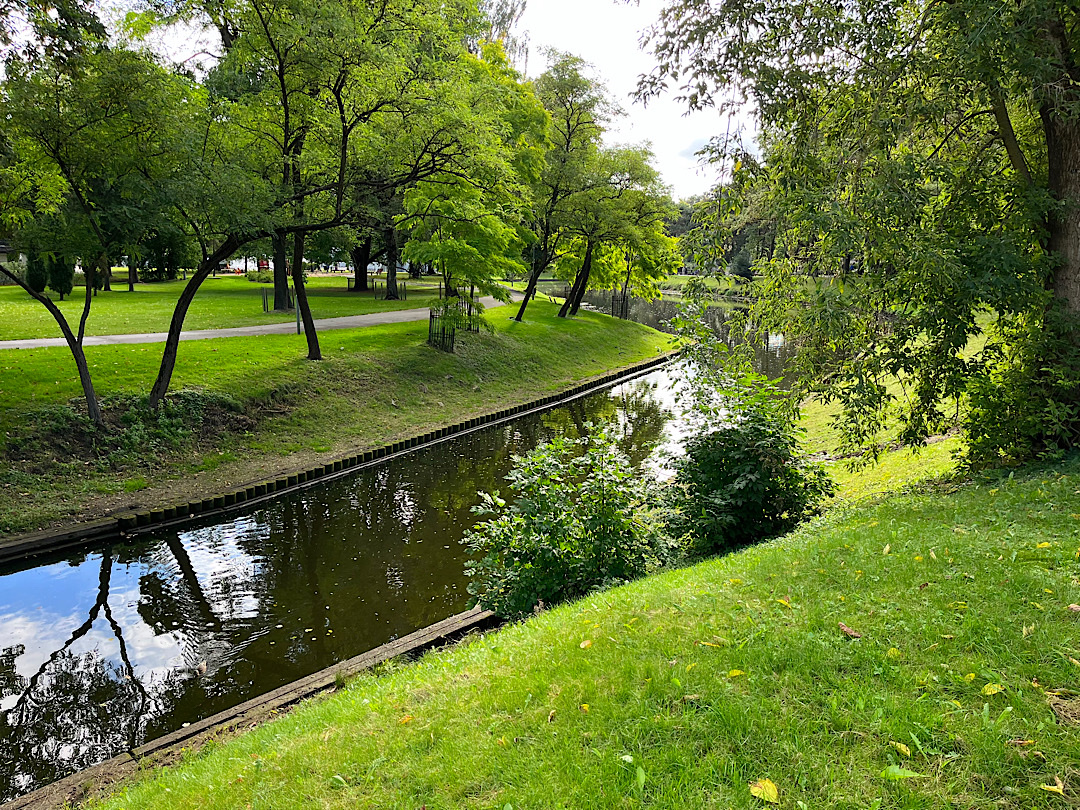 …and meandered through the twisting streets of the medieval old city…
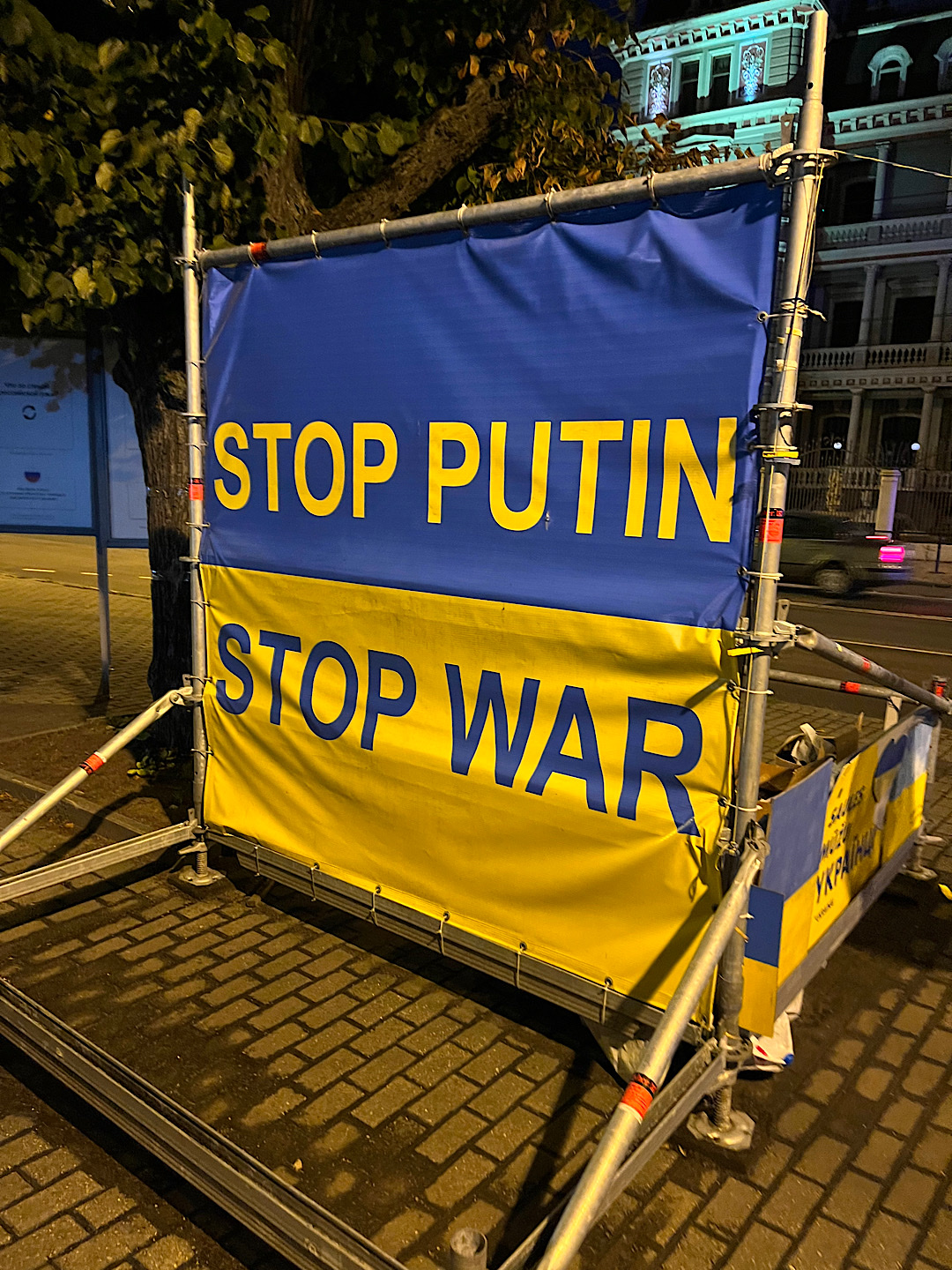
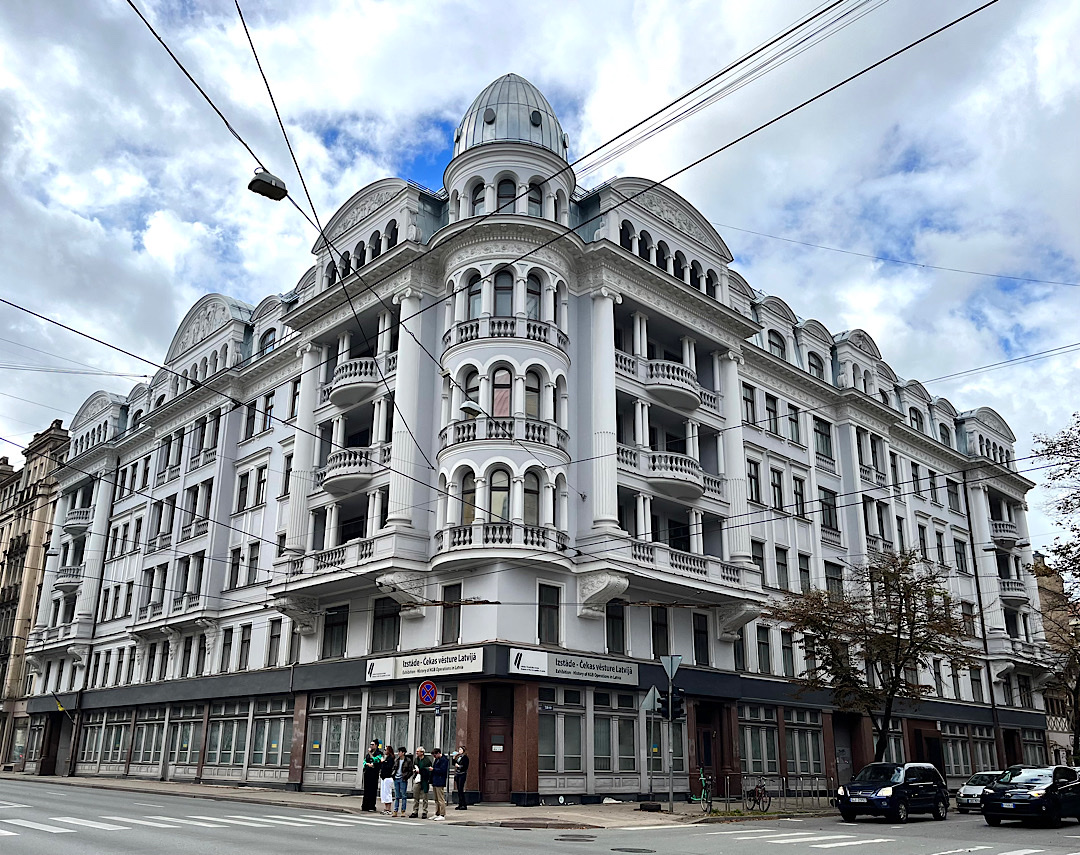
 …a compact area crammed with ancient churches and more Art Nouveau treats and a stirring monument to Freedom that somehow survived the decades of repressive post-war Soviet rule.


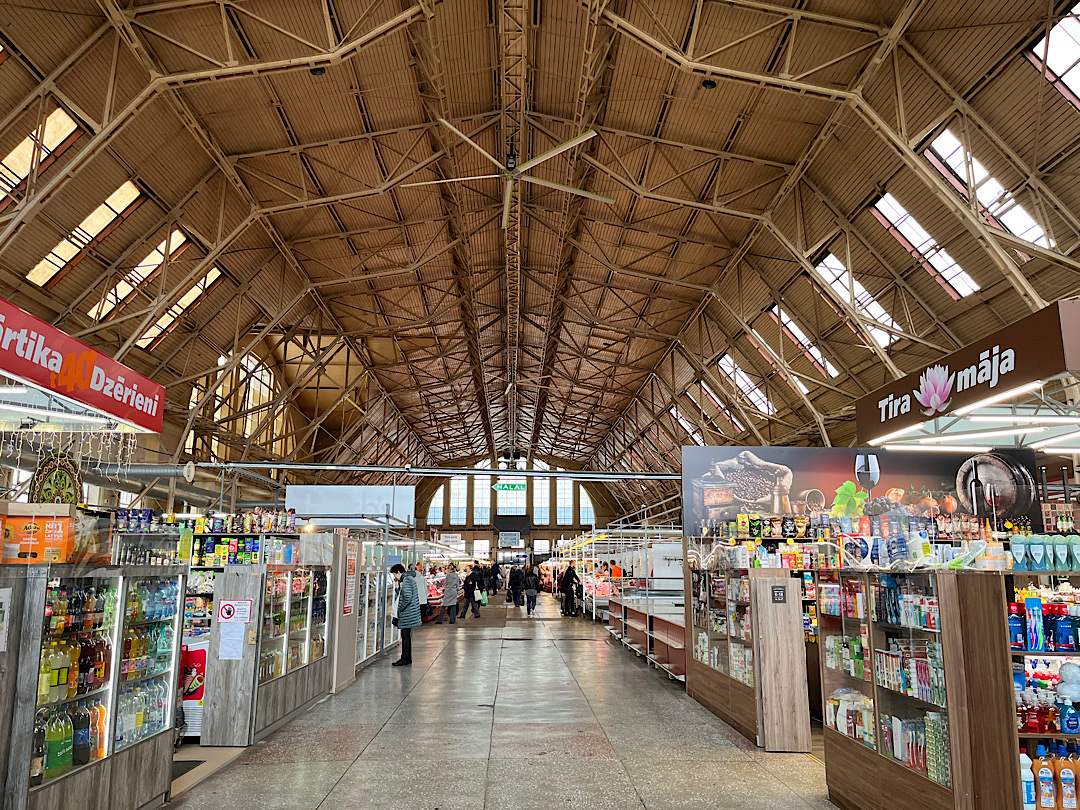
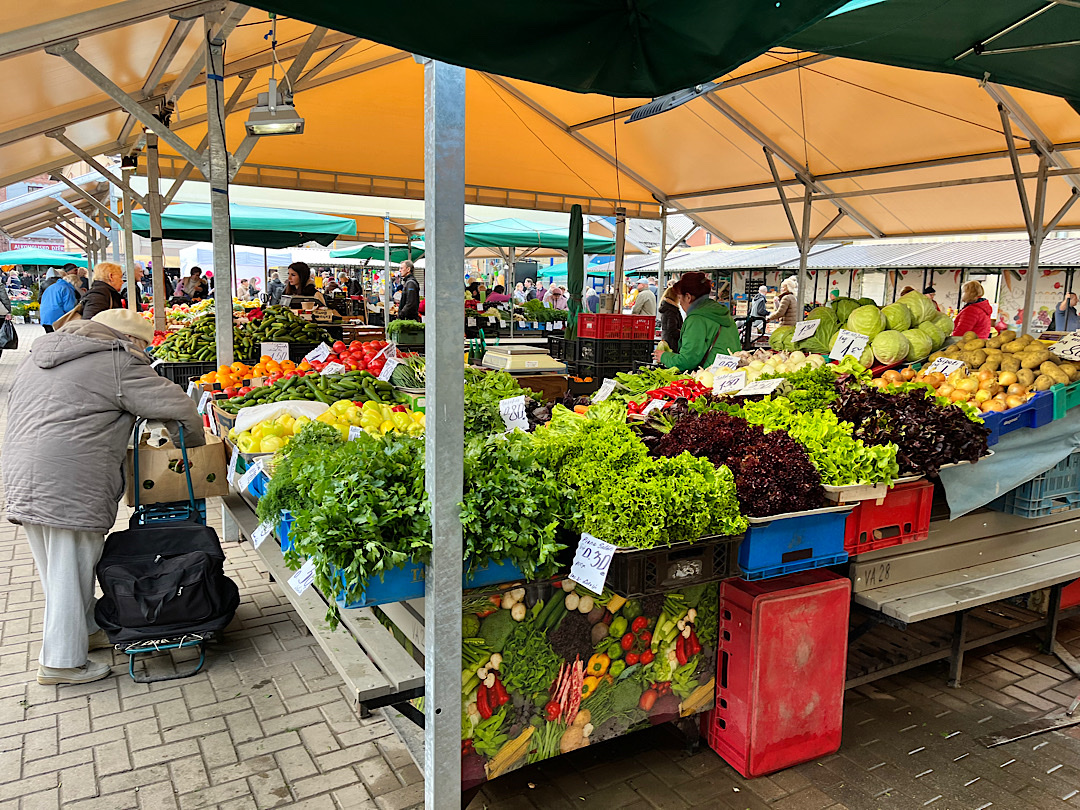
 From it we drank in excellent views of this oh-so-flat part of the world. Near the tower we could see the former World War I zeppelin hangers that have been turned into a huge central market — our next stop.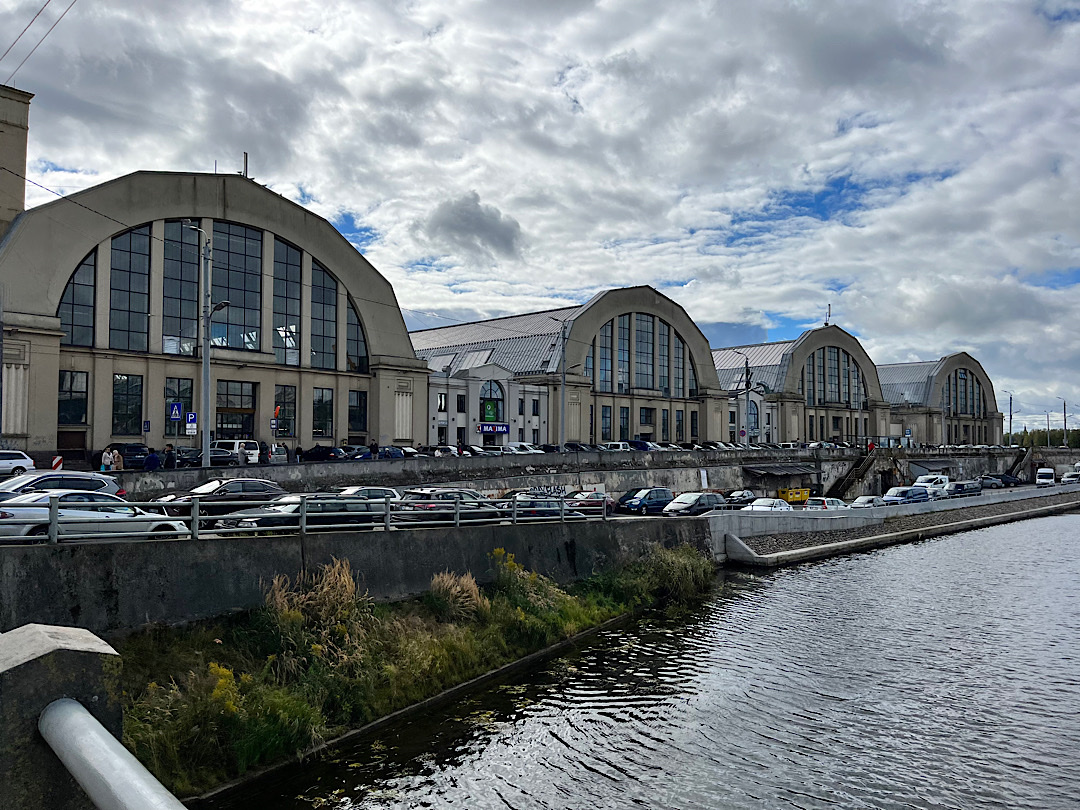

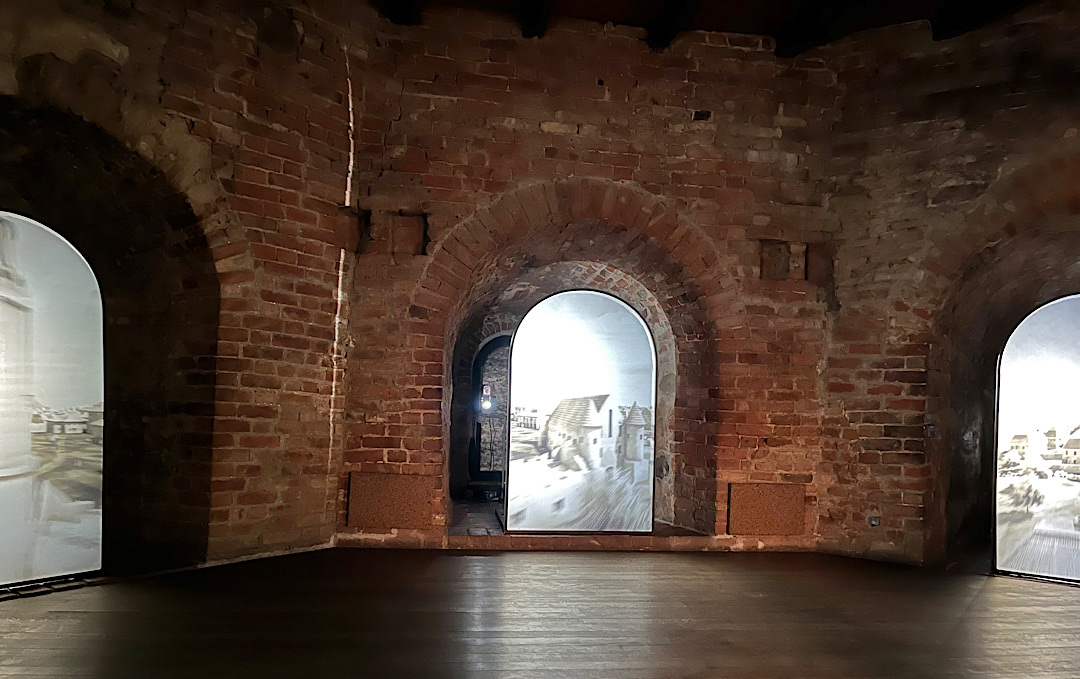
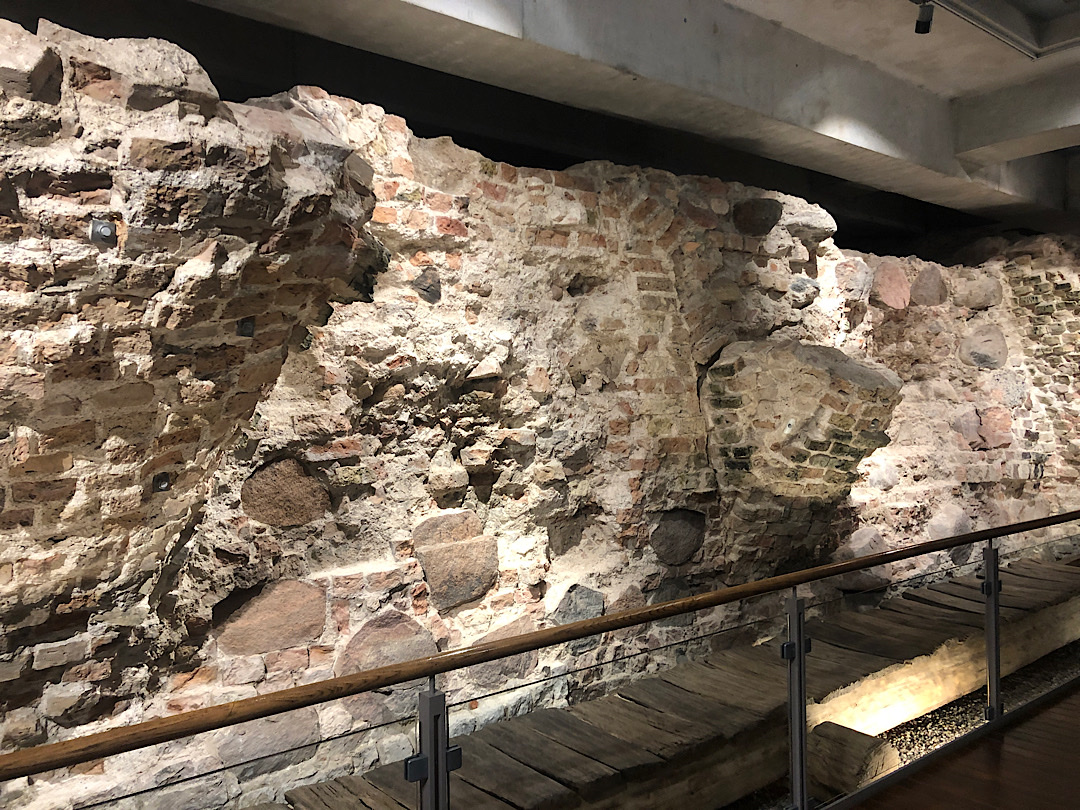 The narrator droned on and on but never mentioned any of what sounded like the really fetching parts of this history: archeological finds that go back to 9000 BC; pagans who roamed these forests and were the last hold-outs in all of Europe against Christianity; epic casts of bloodthirsty grand-dukes. We glimpsed these things from wordy posters on the walls. But they were almost indigestible.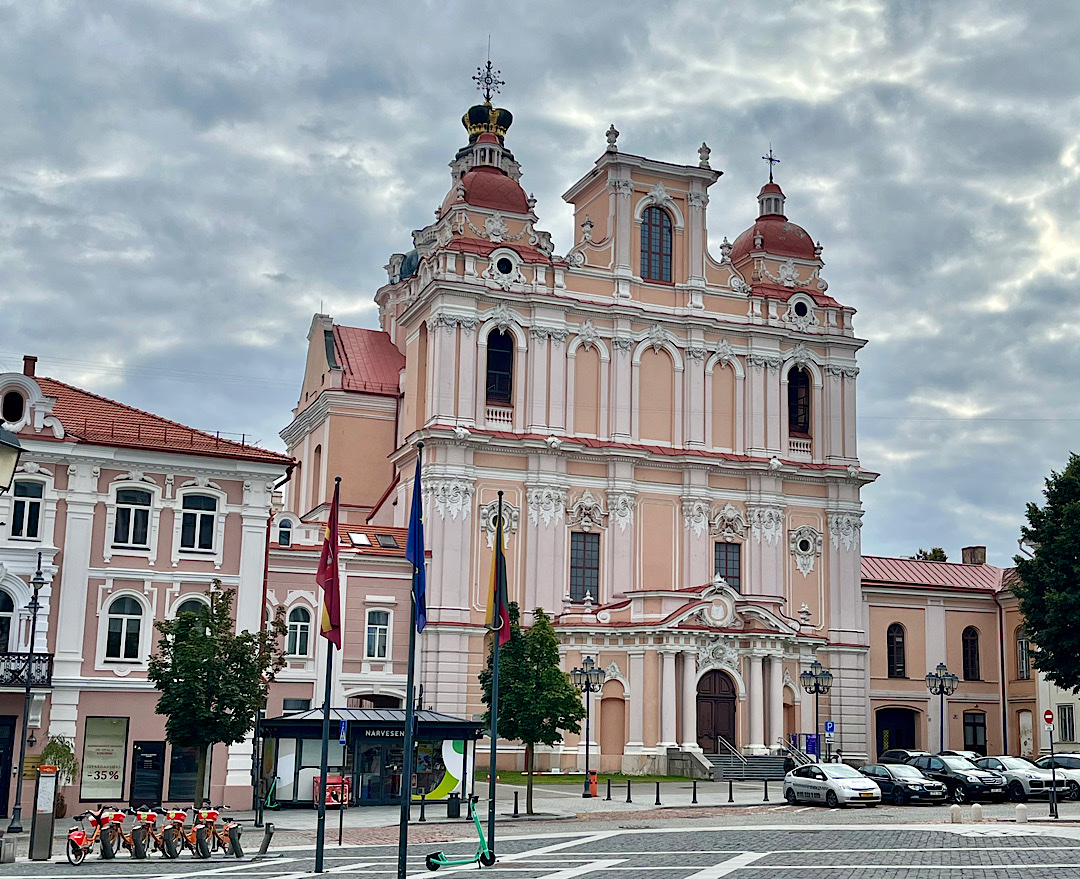
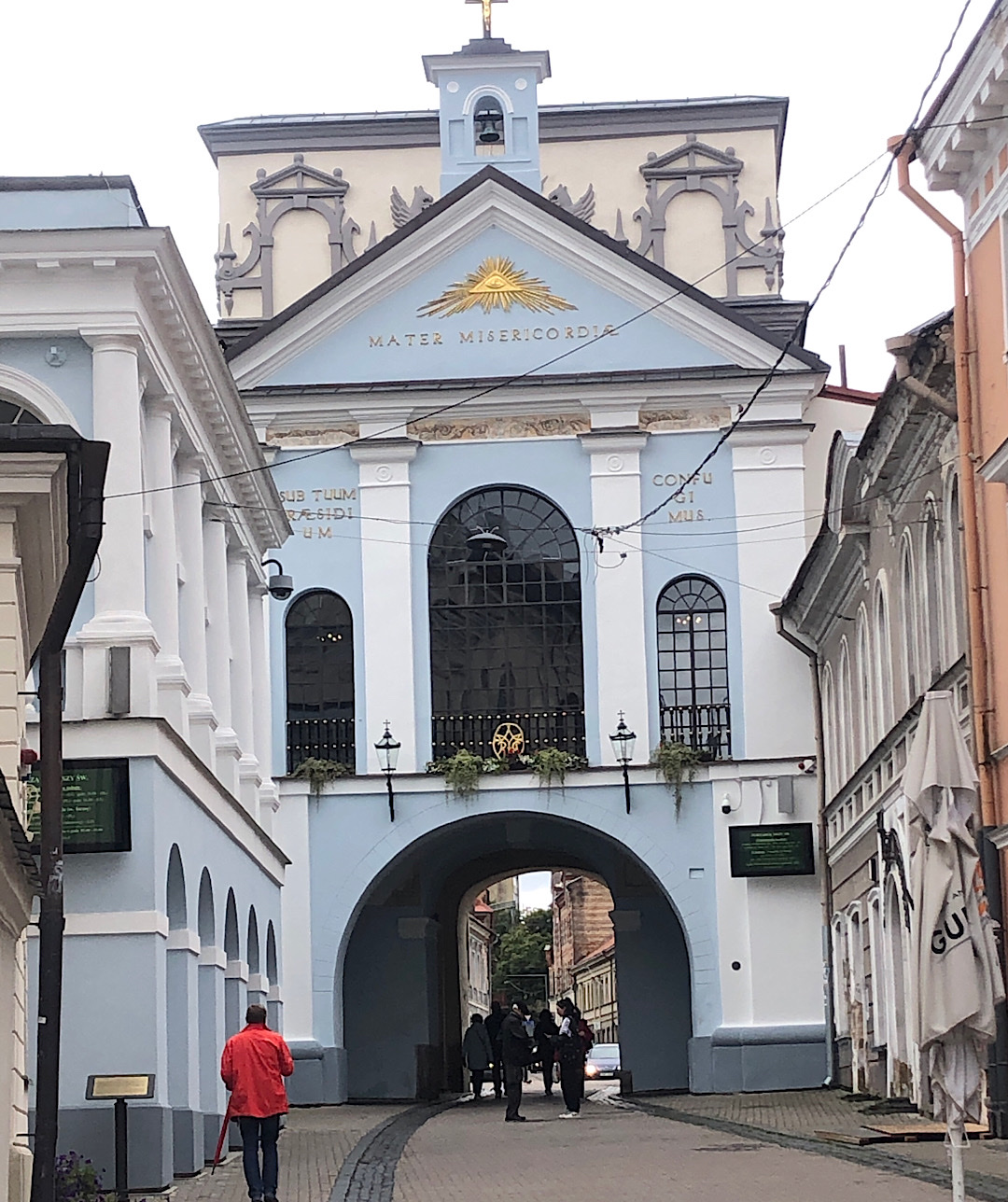
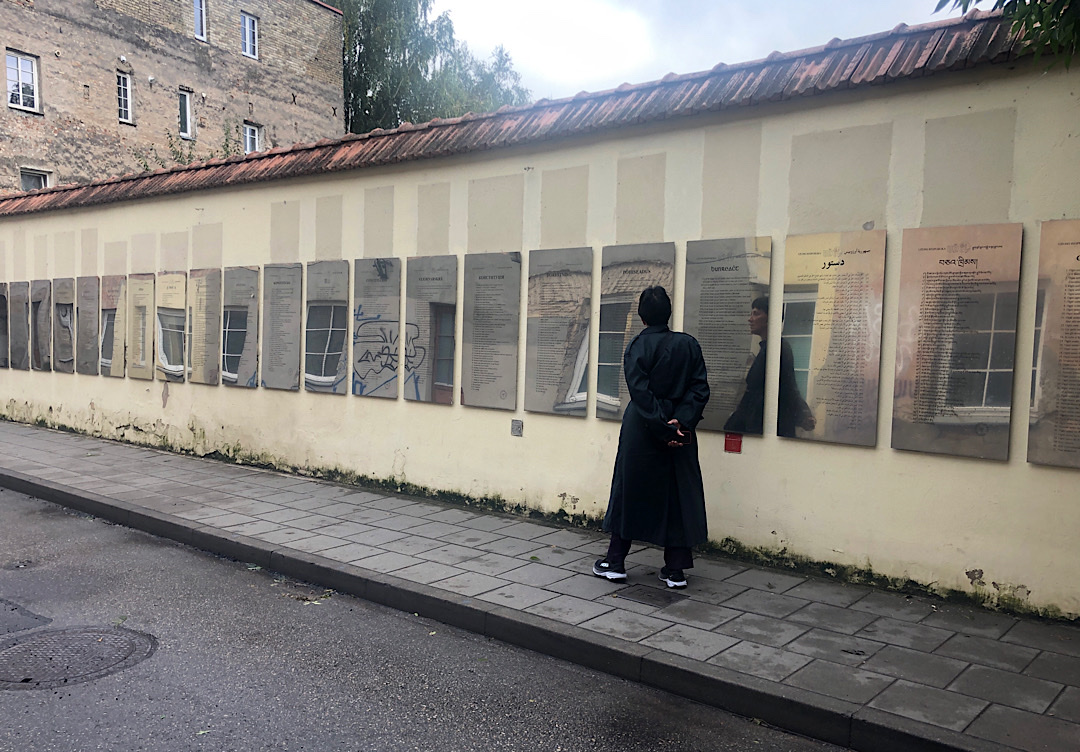

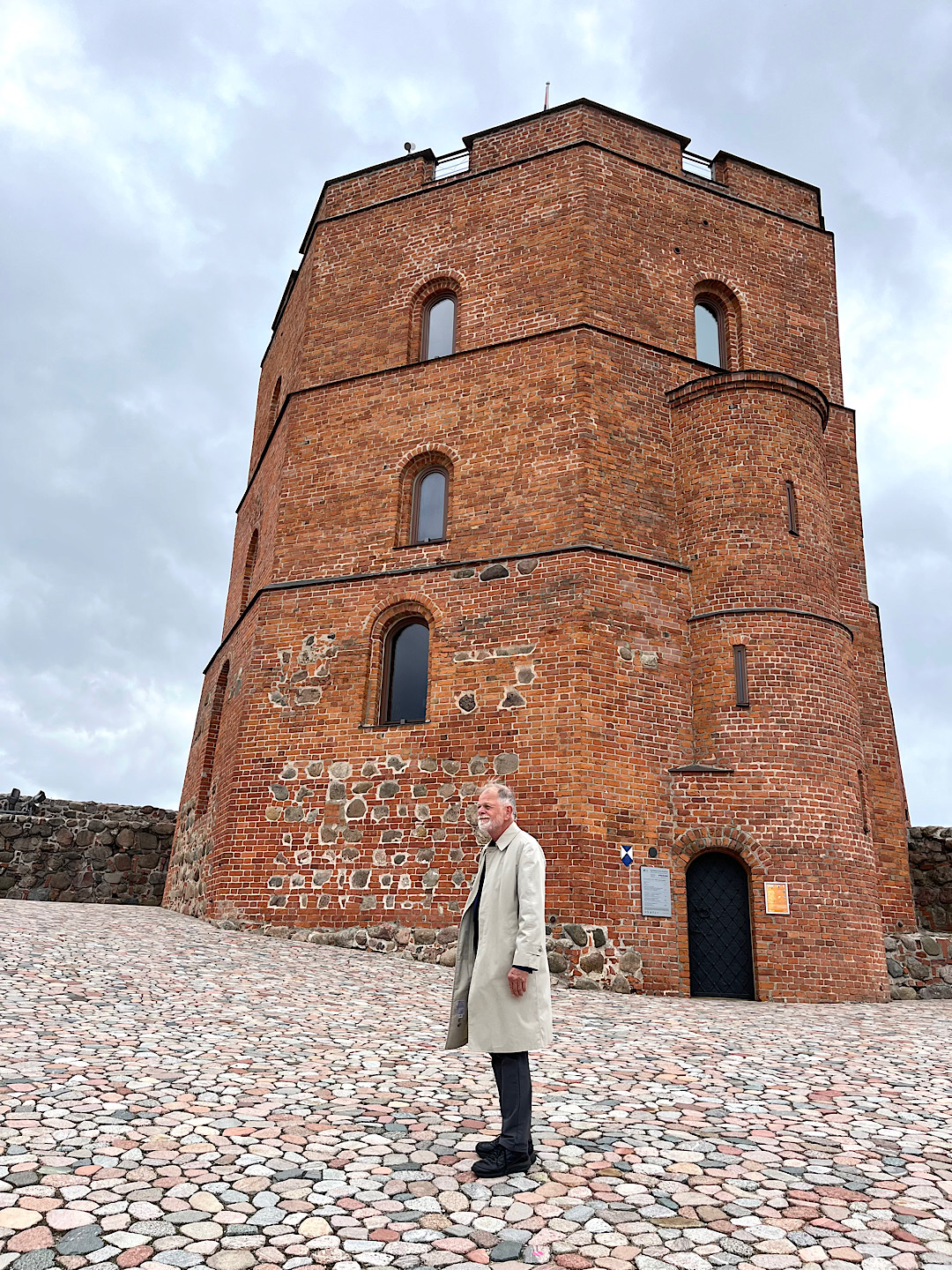 …I stumbled upon a couple of delights. A case set in the floor in one niche housed the skin of a strange creature studded with silvery needles. When I asked a guard if she spoke English, she looked embarrassed and said she didn’t know much. But she knew the creature’s name: wolf.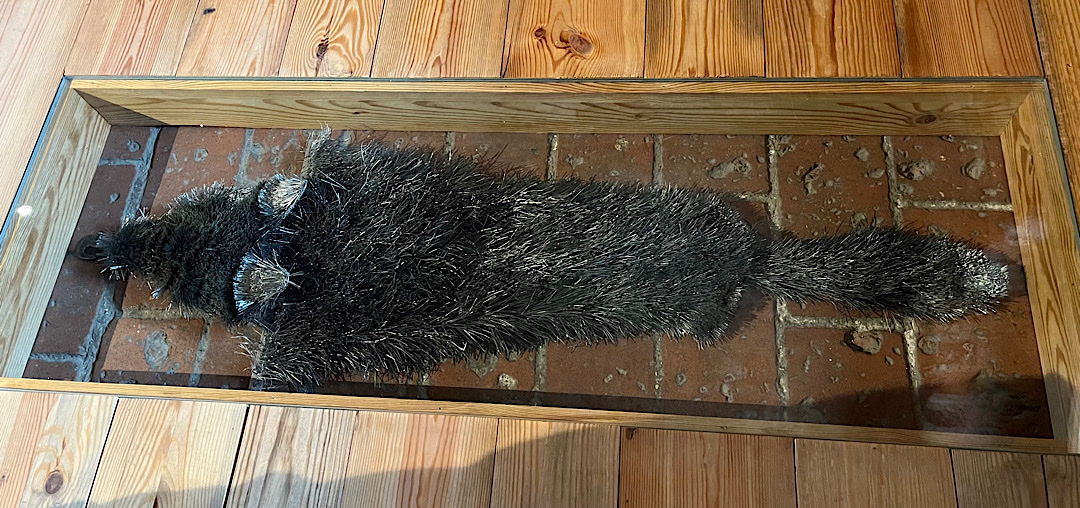
 At home and abroad