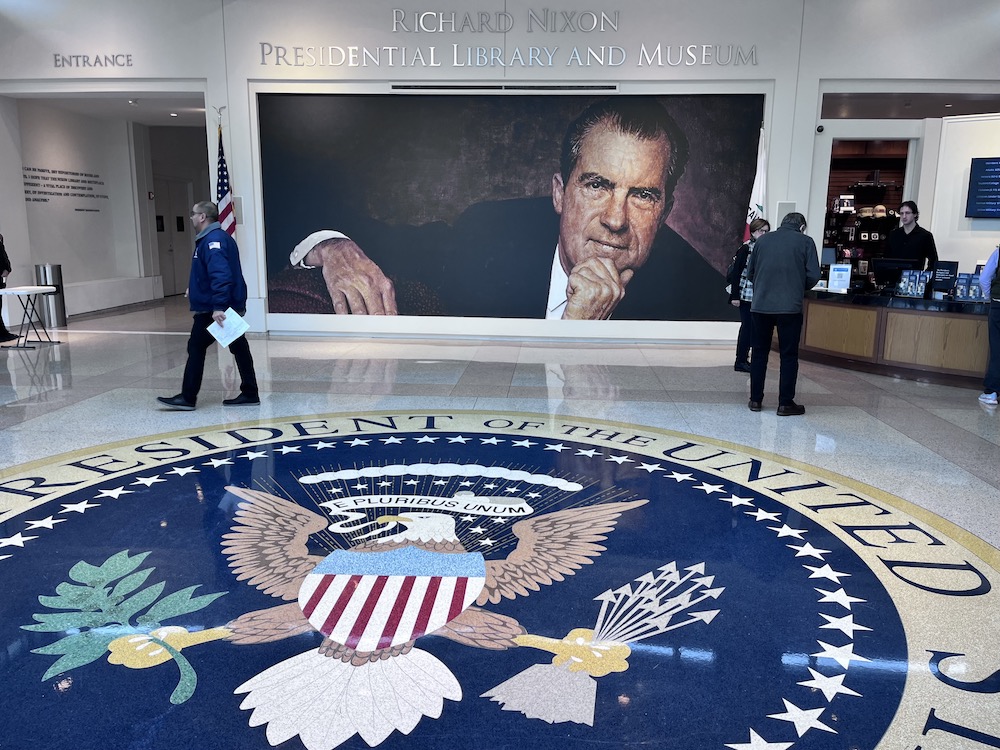
I probably never would have visited the Presidential Libraries in Southern California were it not for our friends Donna and Mike Guthrie. Donna is an imaginative traveler with a passion for big creative projects. To name just one, she and Mike recently visited every National Park in anticipation of a big birthday. Among their current missions, they are targeting all the Presidential Libraries. They started with Harry Truman’s (in Independence, MO) and Lyndon Johnson’s (in Austin, TX), then suggested that a few friends from San Diego might accompany them on a short excursion to all (two) of California’s Presidential Libraries. Steve and I privately wondered how much fun this would be. Those facilities celebrate the lives and administrations of Richard Nixon and Ronald Reagan, neither of whom we ever came close to idolizing. But we assented, and the experience surprised us.
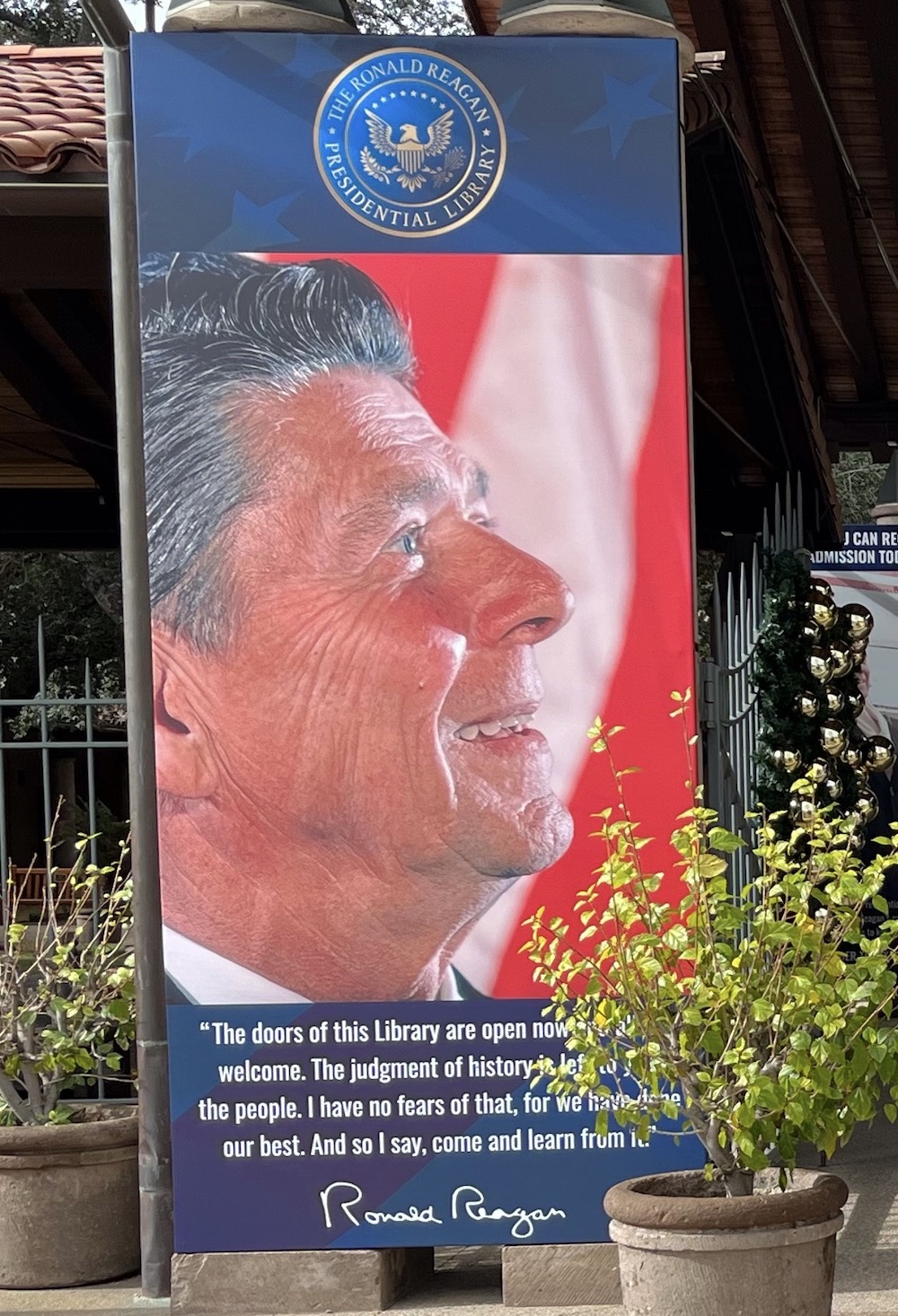
It was so interesting and entertaining I felt driven to write this post (one of my rare reports on adventures At Home.) Three days into the new year, we left San Diego for the Reagan facility, located in Simi Valley (about 40 miles northwest of downtown Los Angeles.) Traffic was good and it took only about 2.5 hours to reach the sprawling property, set amidst lovely rolling hills. This is not the site of the famed Reagan Ranch (that’s further north, near Santa Barbara), but rather land acquired by Reagan supporters to house the complex. We grabbed a quick lunch in the cafeteria, then spent several hours making our way through the head-spinning concentration of films, photographs, artifacts, memorabilia, and exhibits documenting the 40th American president’s life.
What quickly charmed me was the fact that this facility is not merely a Great Man Monument but also an excellent history museum — one focused tightly on the 90-plus years when Ronald Reagan was alive in the United States of America (1911-2004). I was paying at least some attention to the world around me for at least part of that period, but it was amazing to see how much I’d forgotten, and fun to have it be brought back to life. The museum conjures up moments that shook the world — the internationally televised demand Mr. Gorbachev tear down “that wall” is an example.
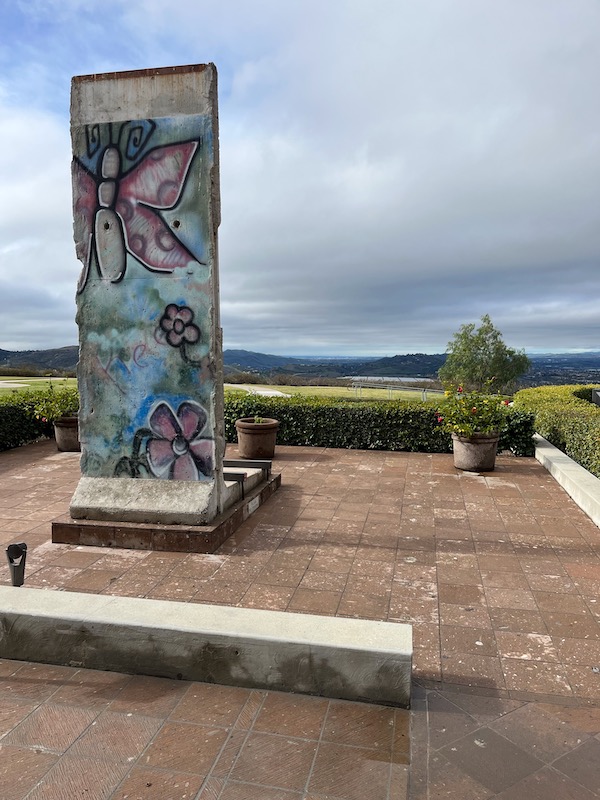
Others, like Reagan’s Golden Retriever, Victory, wagging his 3D tail next to his animatronic master on the ranch are sweetly mundane. I found almost everything engaging.
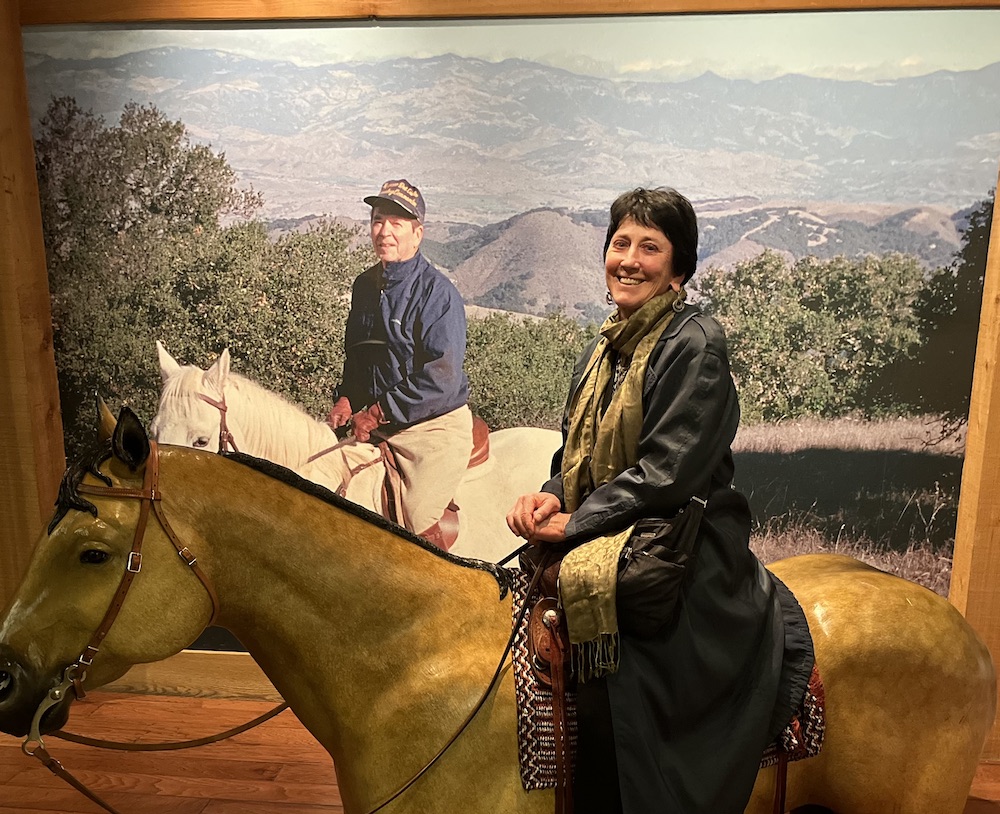
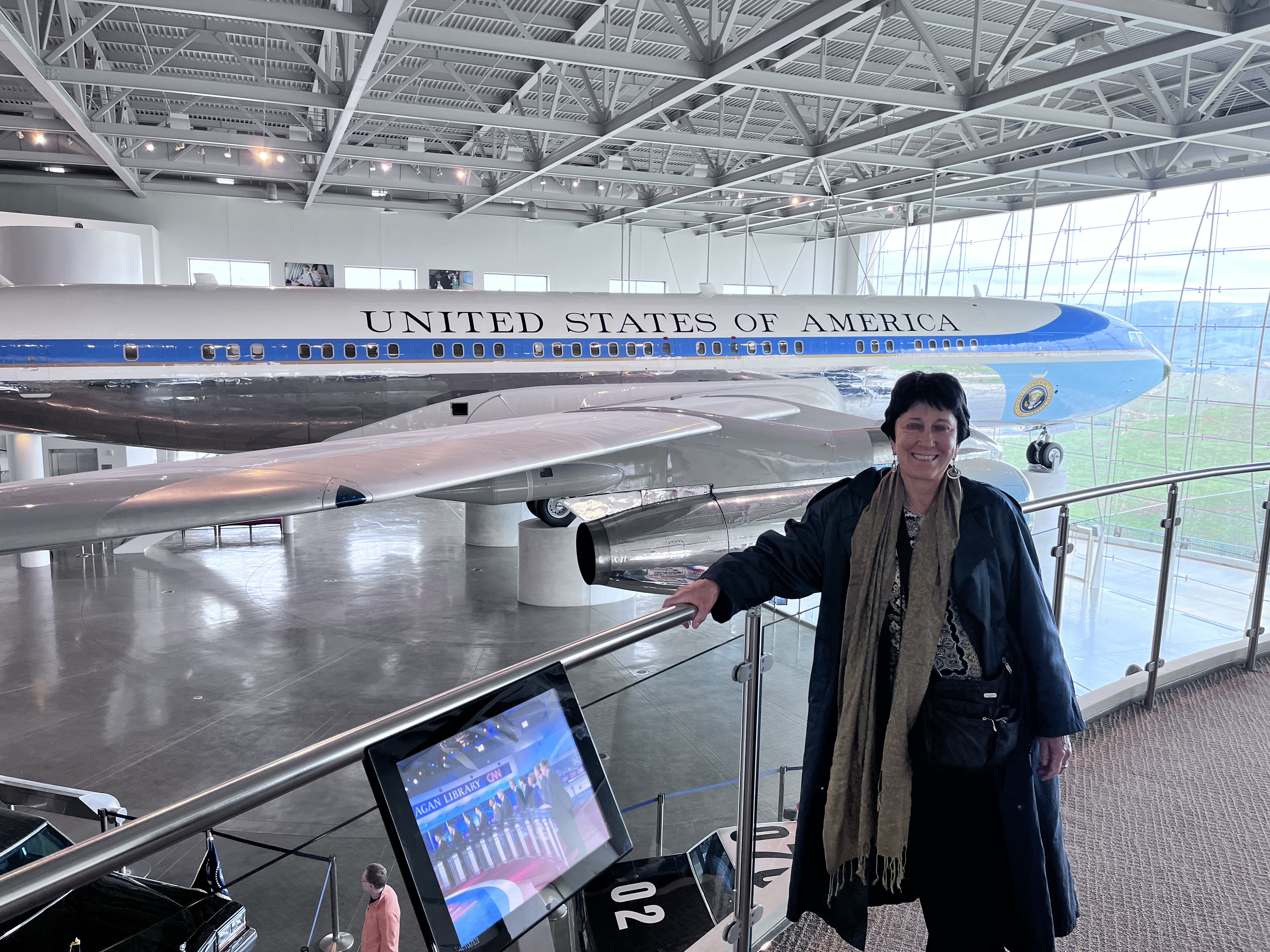
The Reagan museum/library also immerses visitors in some settings most of us have only glimpsed. You get to walk into a life-sized reproduction of the Oval Office the way it looked during the former movie star’s administration. Even better: you can board and stroll through the very first Air Force One. Kennedy rode in its presidential cabin on his way to that fateful rally in Dallas; LBJ was sworn in as his replacement on the return trip, JFK’s corpse close at hand. Nixon and Kissinger plotted their strategies on this plane when they journeyed to China for the first time.
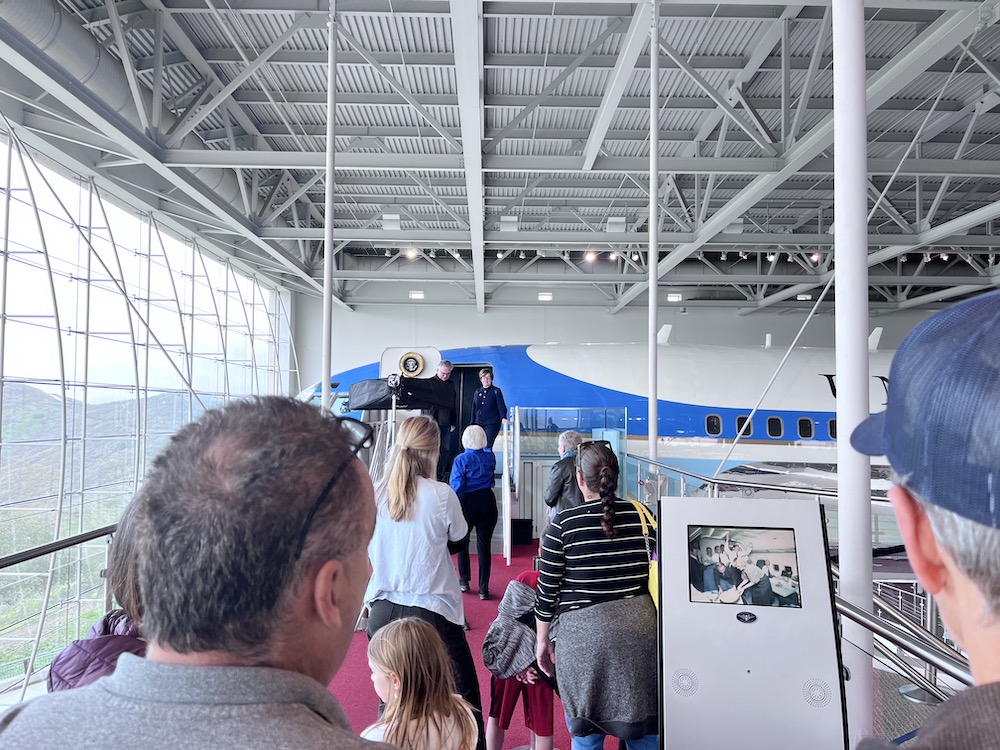
After touring the Reagan site, we spent the night in Pasadena, then headed south the next day with Yorba Linda programmed into our Google maps. It was on a modest Yorba Linda ranch that Nixon’s father erected a home for his young family, using a mail-order construction kit. A year later the Nixons’ second son, Richard, was born in the building. It’s way too small to hold a Presidential Library; the large museum/library structure lies just a short walk away. But having the family home located on the property somehow makes it feel intimate and meaningful.
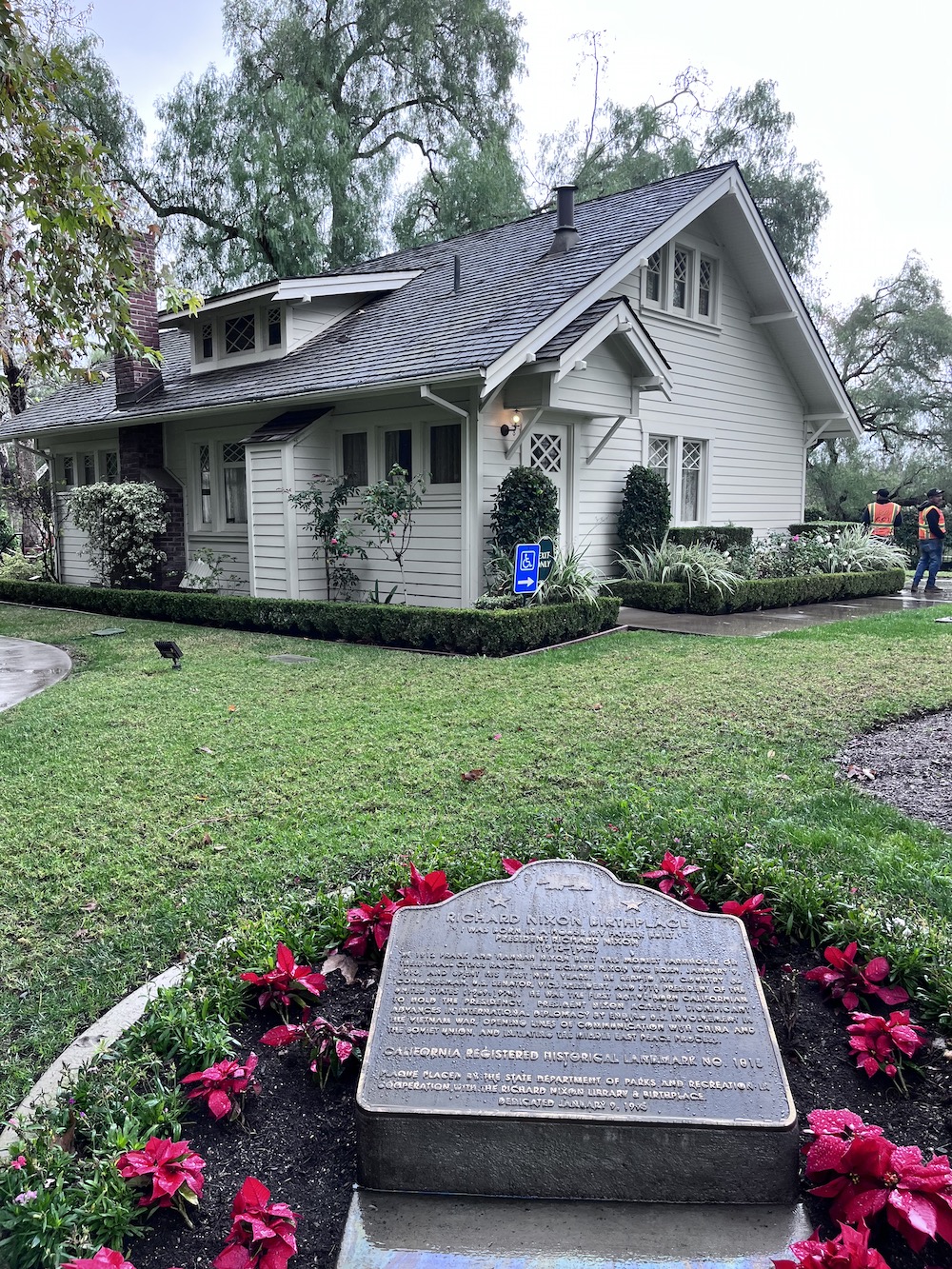
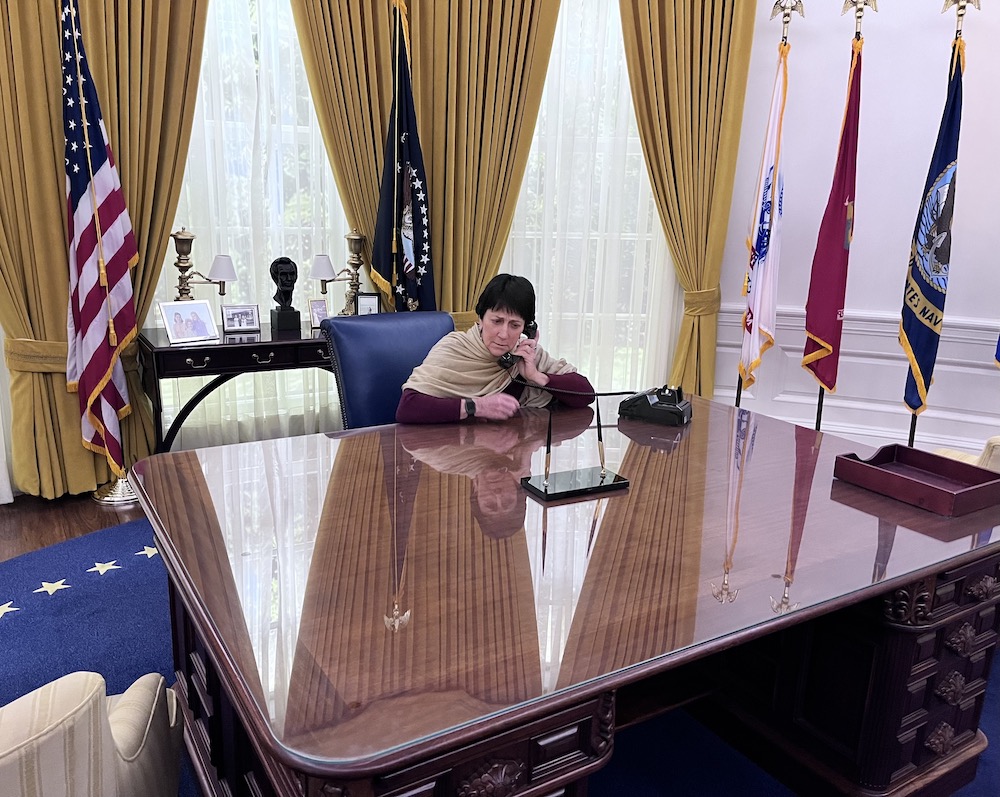
No one in our little group was ever much of a Nixon fan, and we’d thought we might breeze through the complex in an hour. To our surprise, we wound up staying for almost three hours and concluding it was the better of the two sites. The years when Nixon sat at the highest levels of American political power were at least as epic as the Reagan’ years, and the displays seemed better organized and more coherent. Moreover, the Nixon facility feels less hagiographic, more balanced, with extensive attention given to the Watergate break-in, the subsequent cover-up, and Nixon’s resignation in disgrace. No presidential aircraft live here, but in this Oval Office replica — decorated as it was when Nixon occupied it — no rope barriers prevent guests from strolling up to the replica of the room’s famous Resolute Desk and taking the helm, if just for a moment.
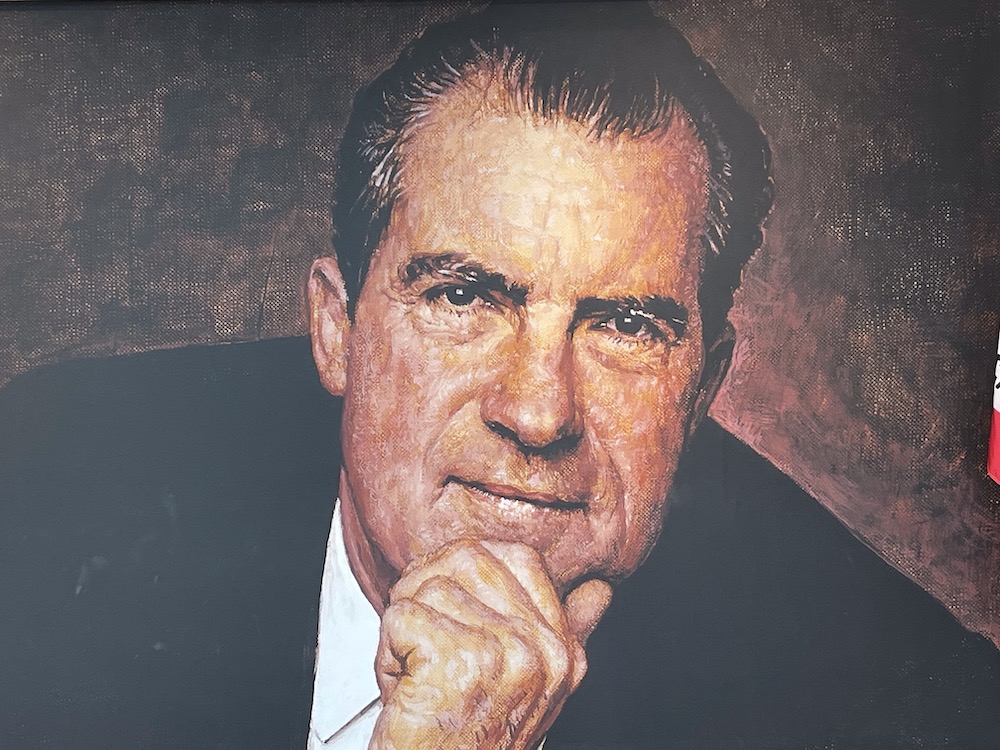
If you had asked me on New Year’s Eve what I thought of both Reagan and Nixon, my reply would have been withering. But the libraries reminded me of what I can easily forget: both men were complex characters, brimming with qualities both admirable and odious. Here are two examples of things I learned about Richard Nixon that enriched the way I think of him. In a section filled with pictures of his early childhood, a display explained that by 14, the future president knew how to operate a motor vehicle, and every morning he would get up early, drive to the produce market in Los Angeles, stock up on fruit and vegetables, return to Whittier, and set up what he’d bought in his family’s fruit stand. Then he’d go to his classes at the high school. Caught up in the Watergate, he may have been vindictive and paranoid and conniving. But he was also once that spunky kid.
I found maybe an even better example at the display explaining the recording system Nixon ordered set up in the White House. It captured everything at all times. Visitors to the Yorba Linda facility can select various recordings to listen in on. The damning one in which President Nixon ordered the CIA to block the FBI’s investigation into the Watergate break-in is not among them. The one I chose instead captured one of Nixon’s daughters, I think Julie, calling him to talk about whether the family could go out to a restaurant for a dinner on Valentine’s Day. She sweetly suggests that Trader Vic’s has a nice secluded table and good food. He seems willing to make his girls happy, but kind of clueless. He says she should check with “Mommy,” and if Mommy wants, they can all go out to Trader Vic’s. The museum shares this absolutely private, pedestrian moment and reminds those who listen that Tricky Dick also could be a good dad and a nice guy. That’s some accomplishment.
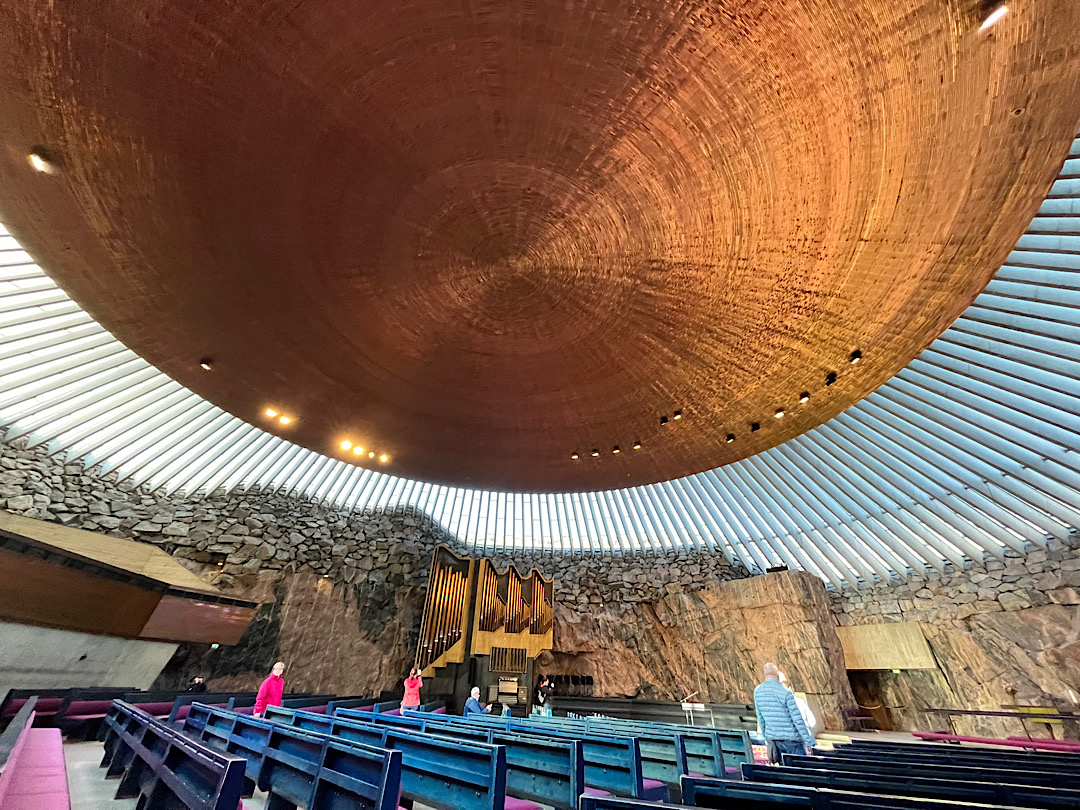
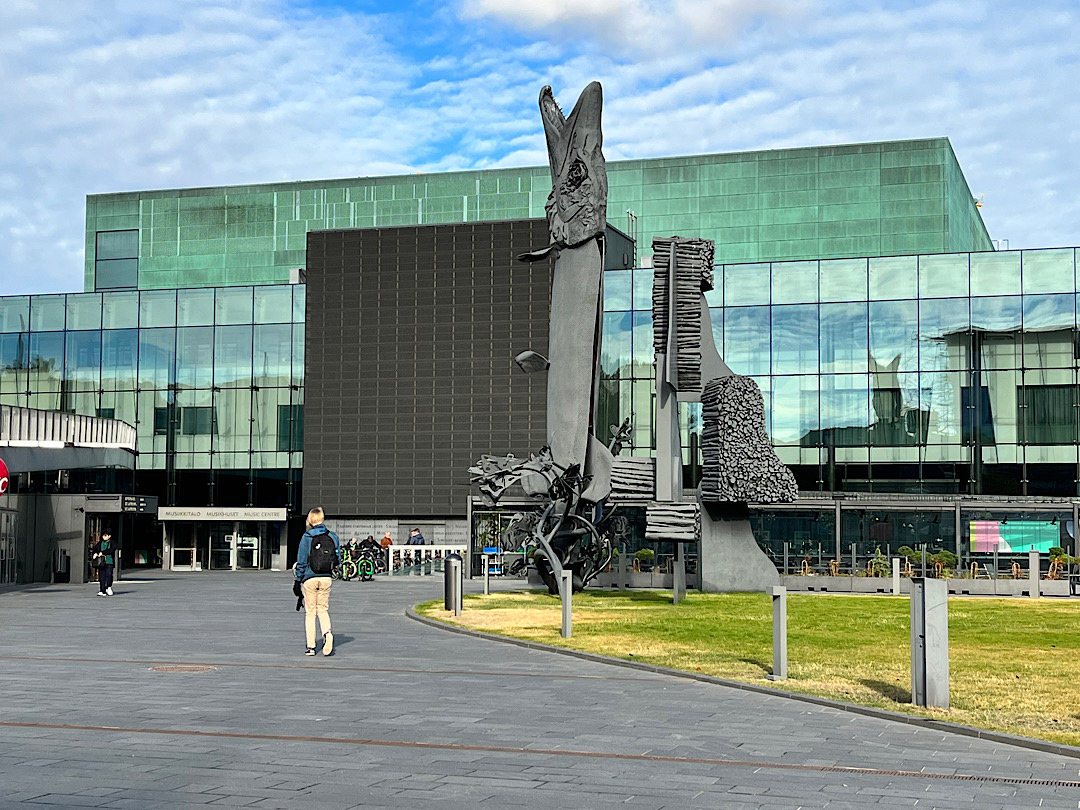

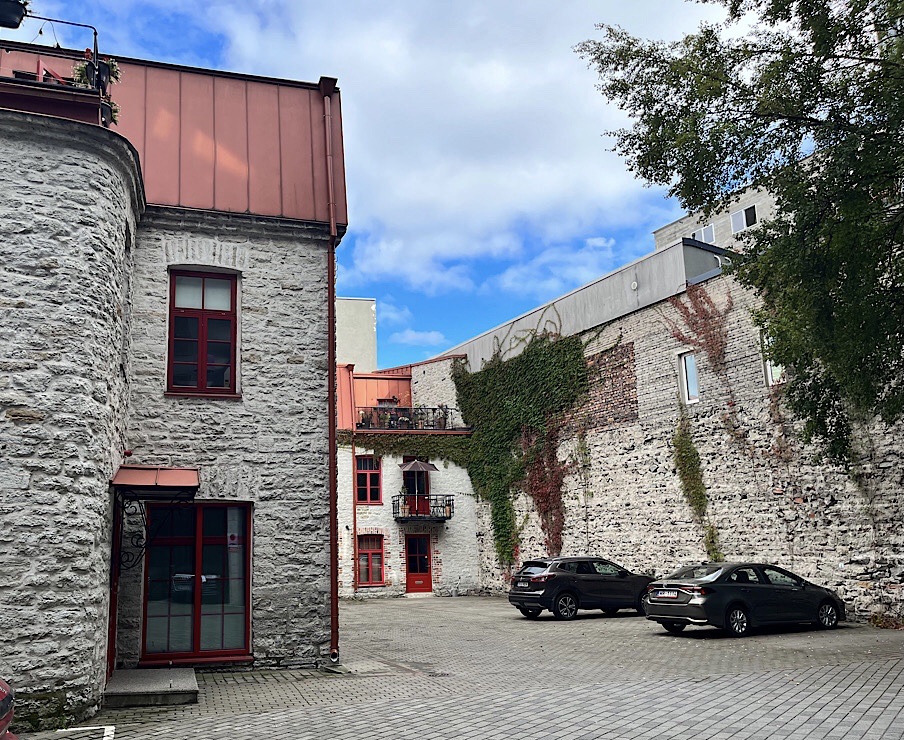
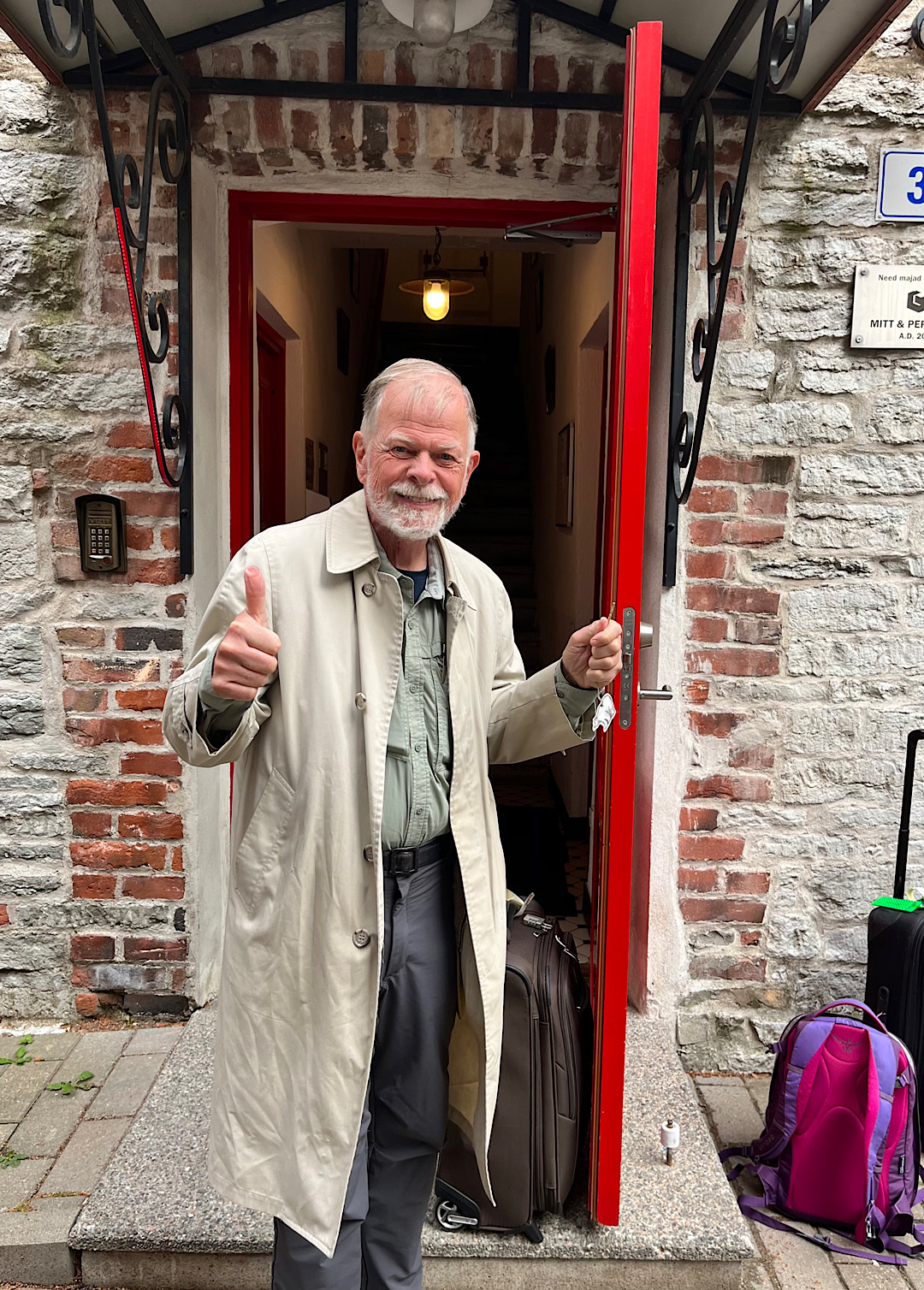
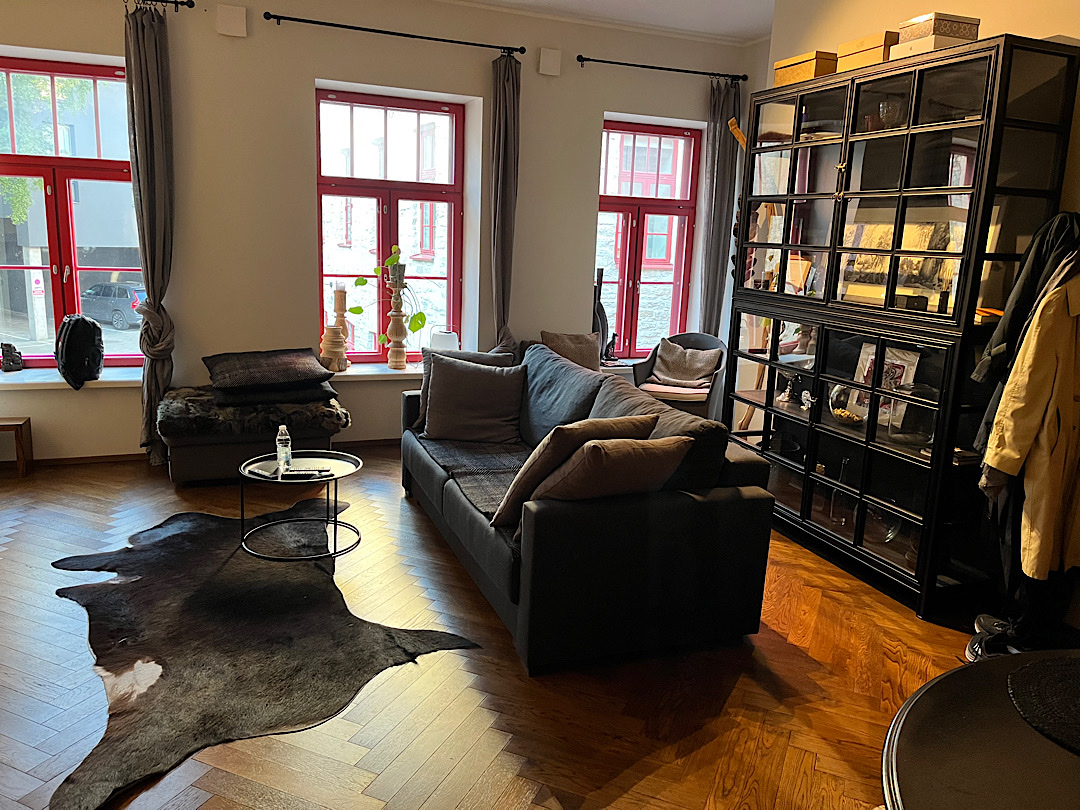
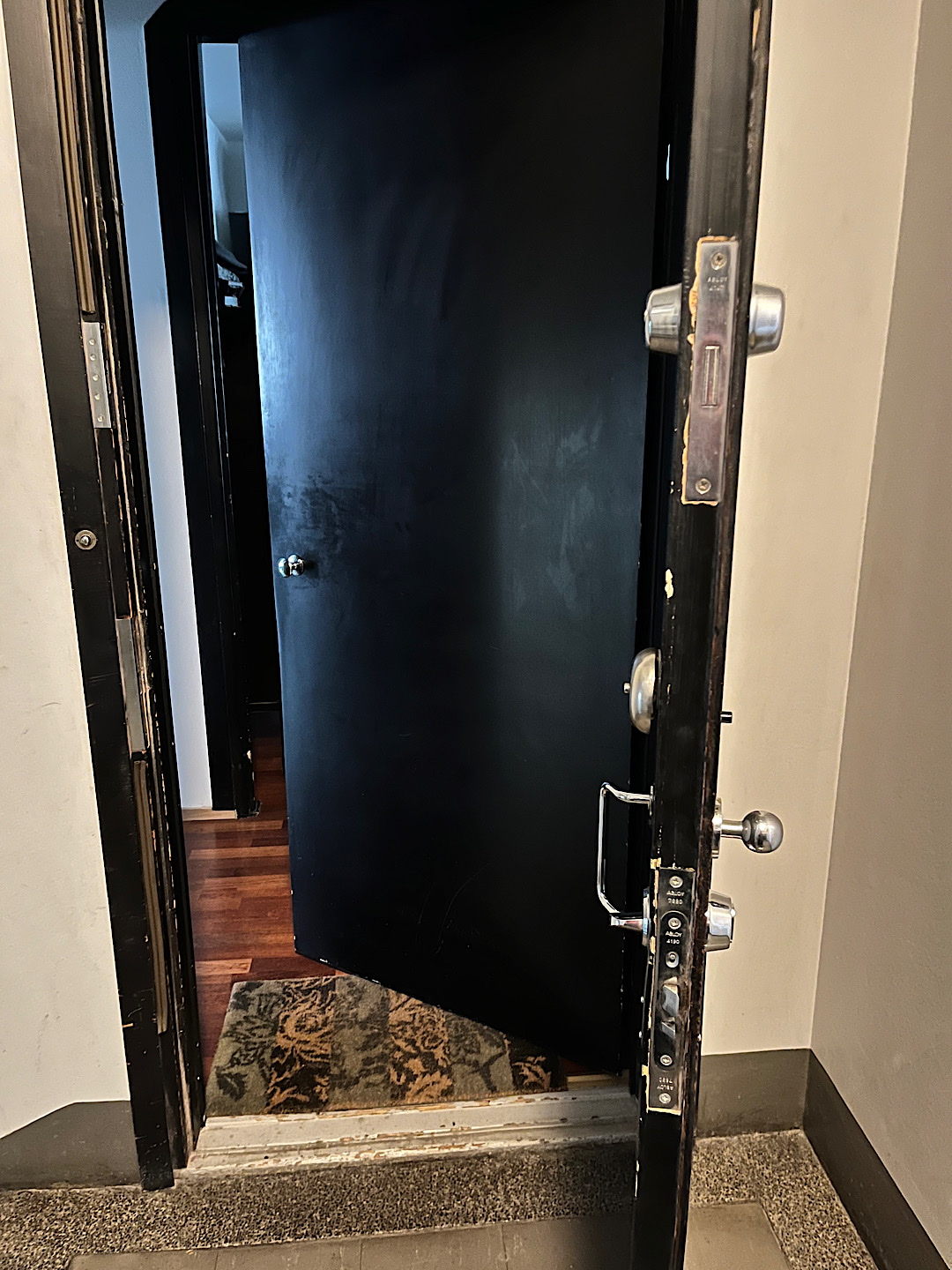
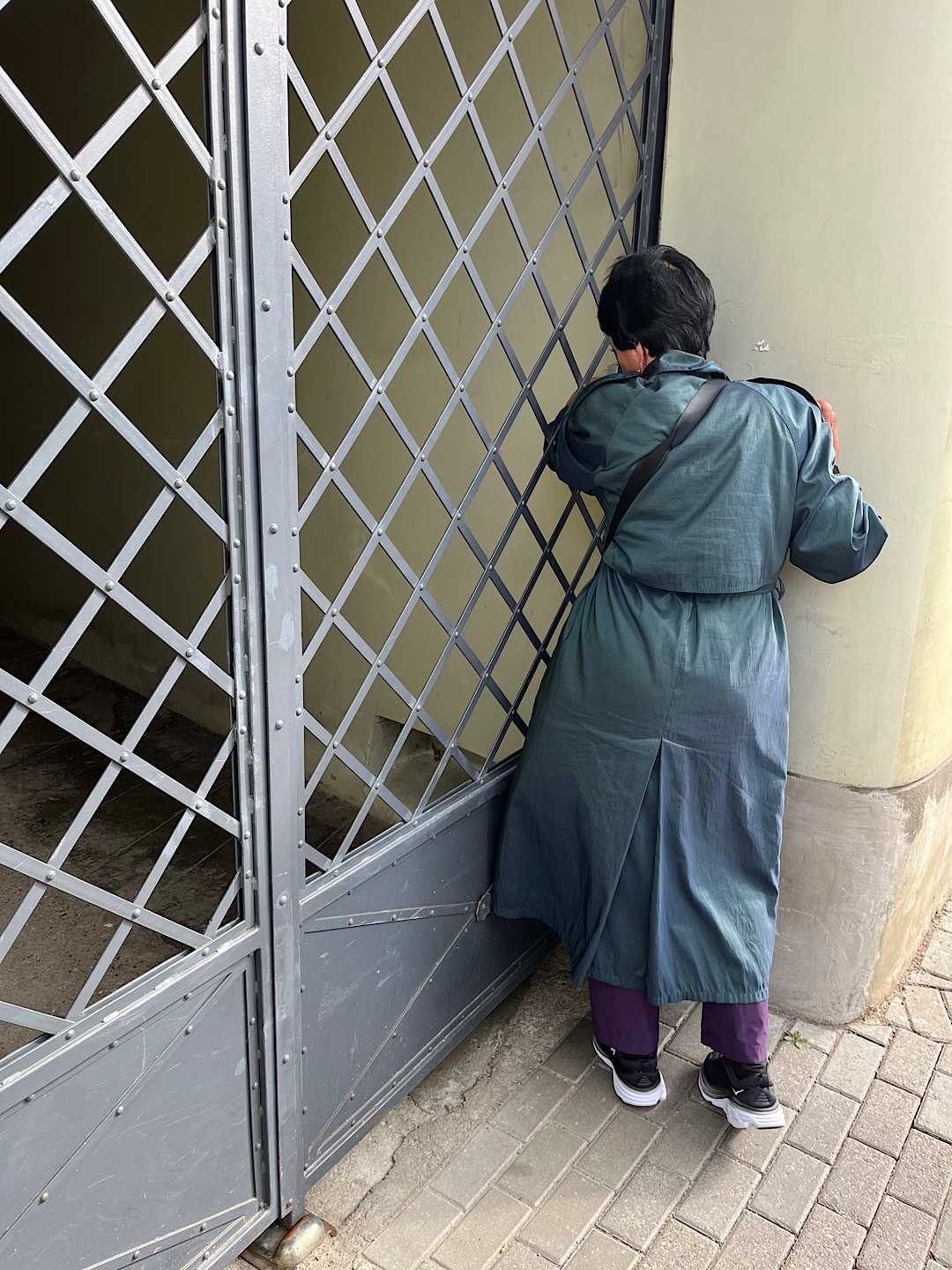 In an inner courtyard, we used the key from Daiva to get into the correct building, and up on the third floor, the key functioned perfectly to admit us.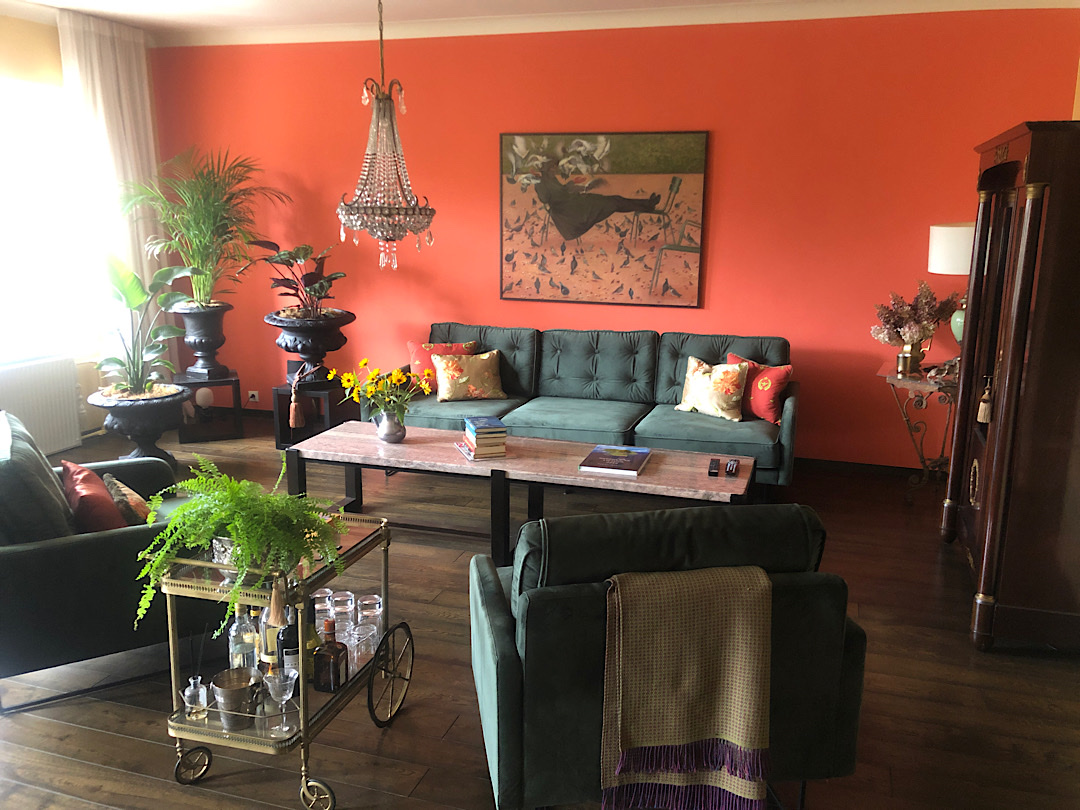

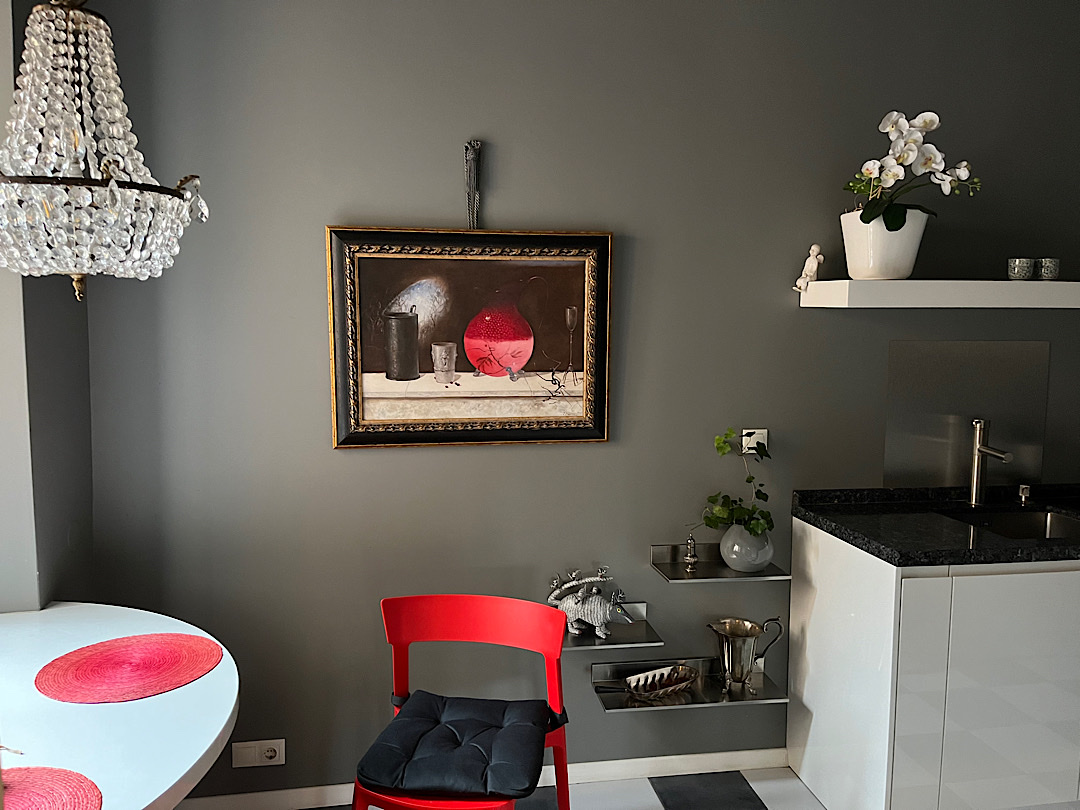
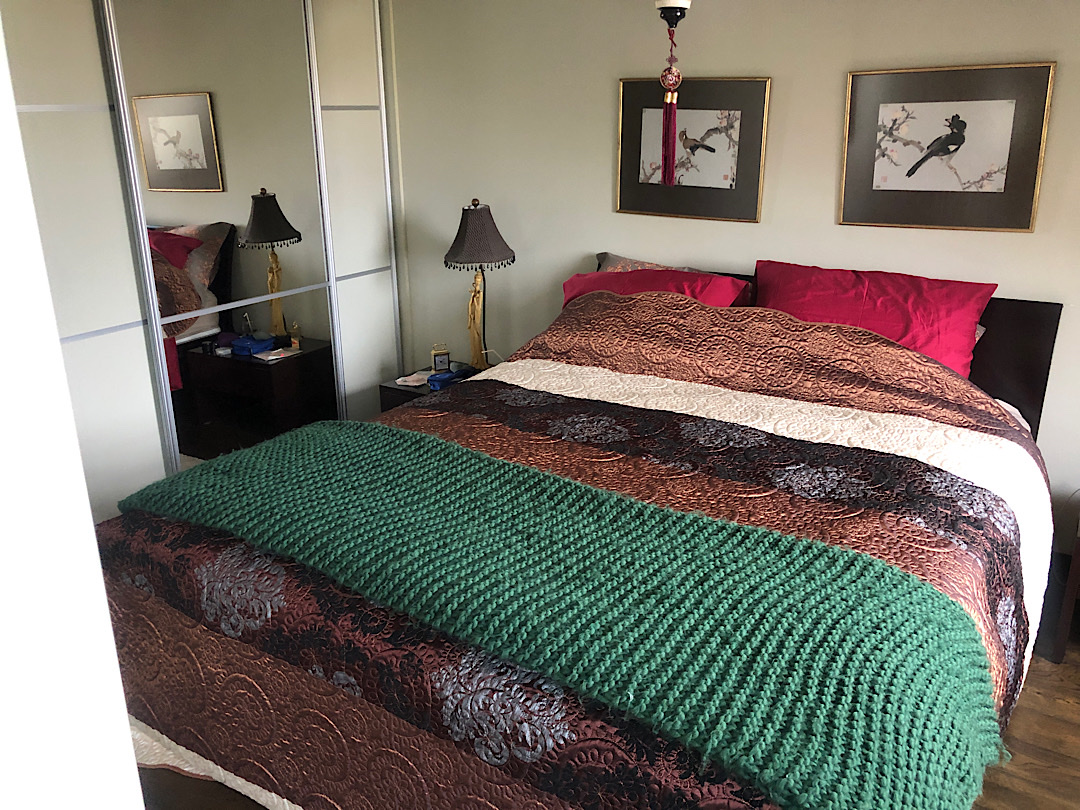
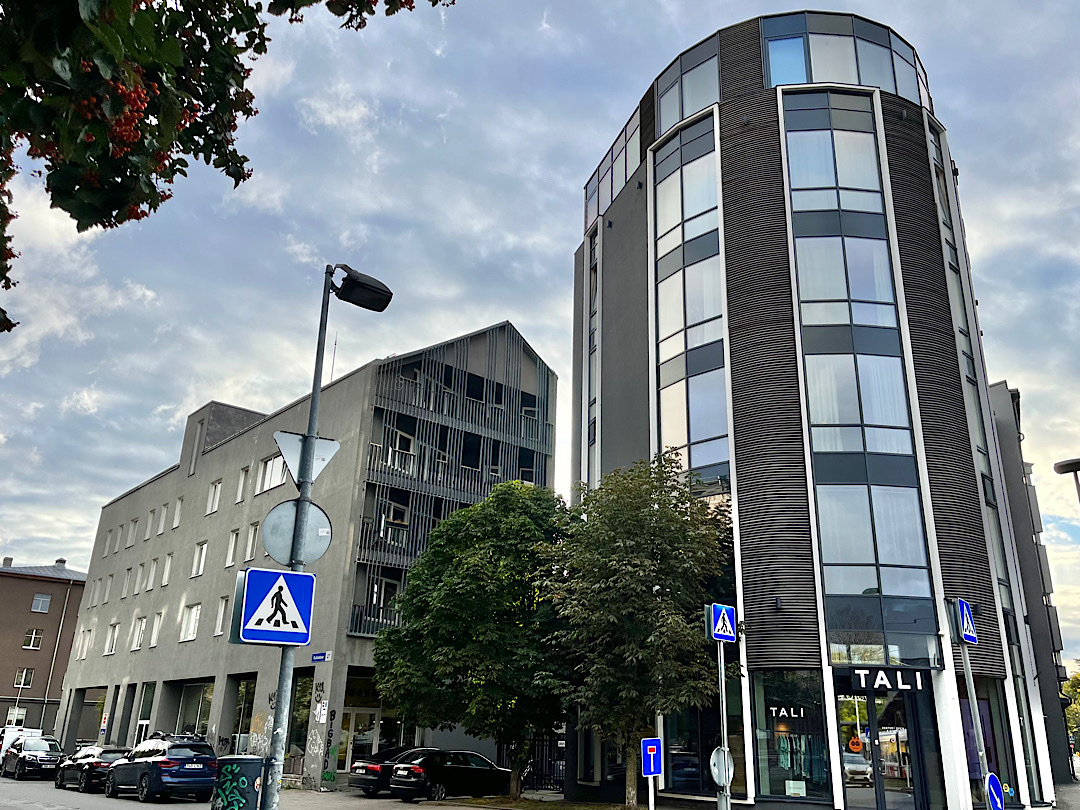
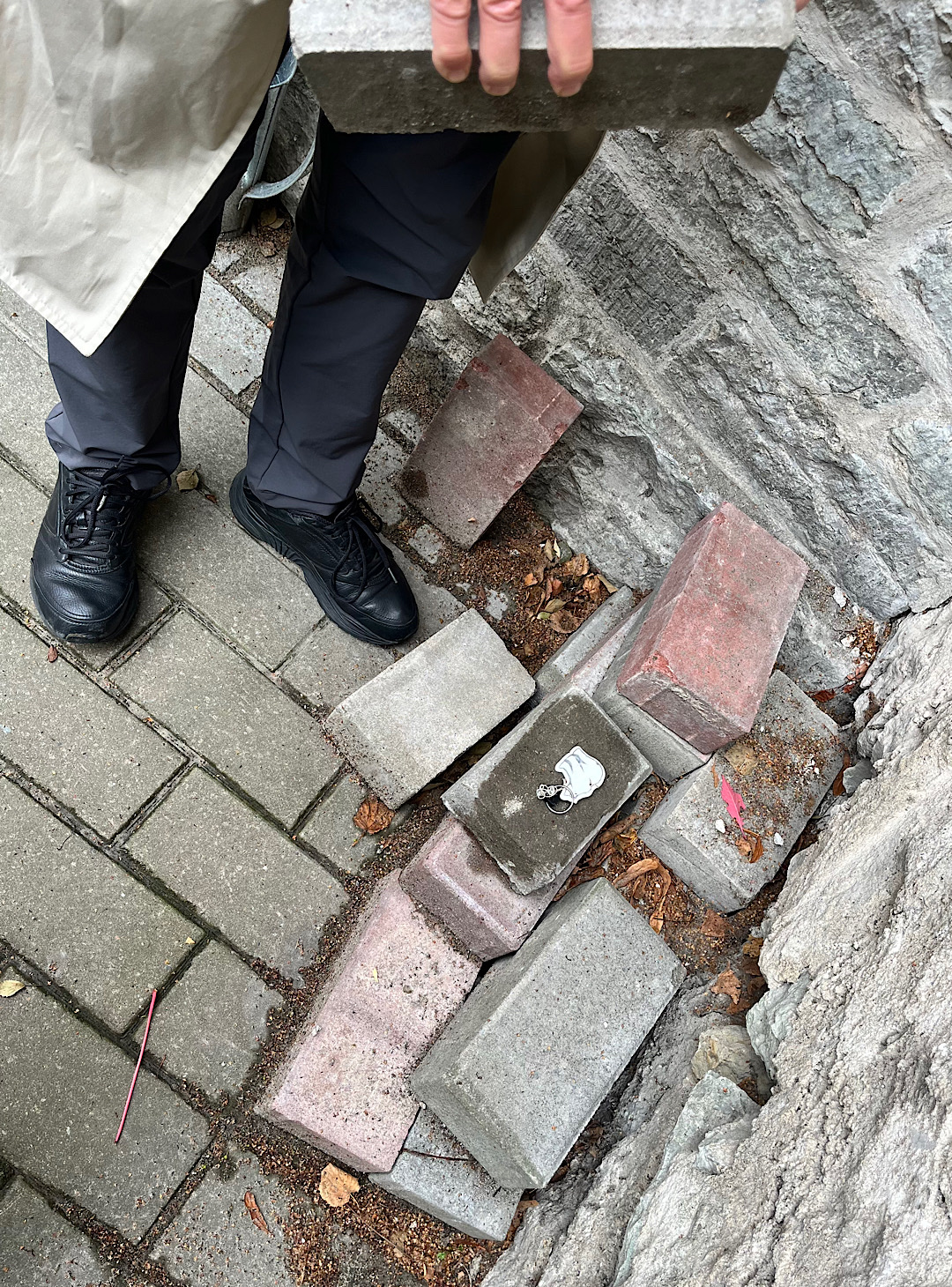
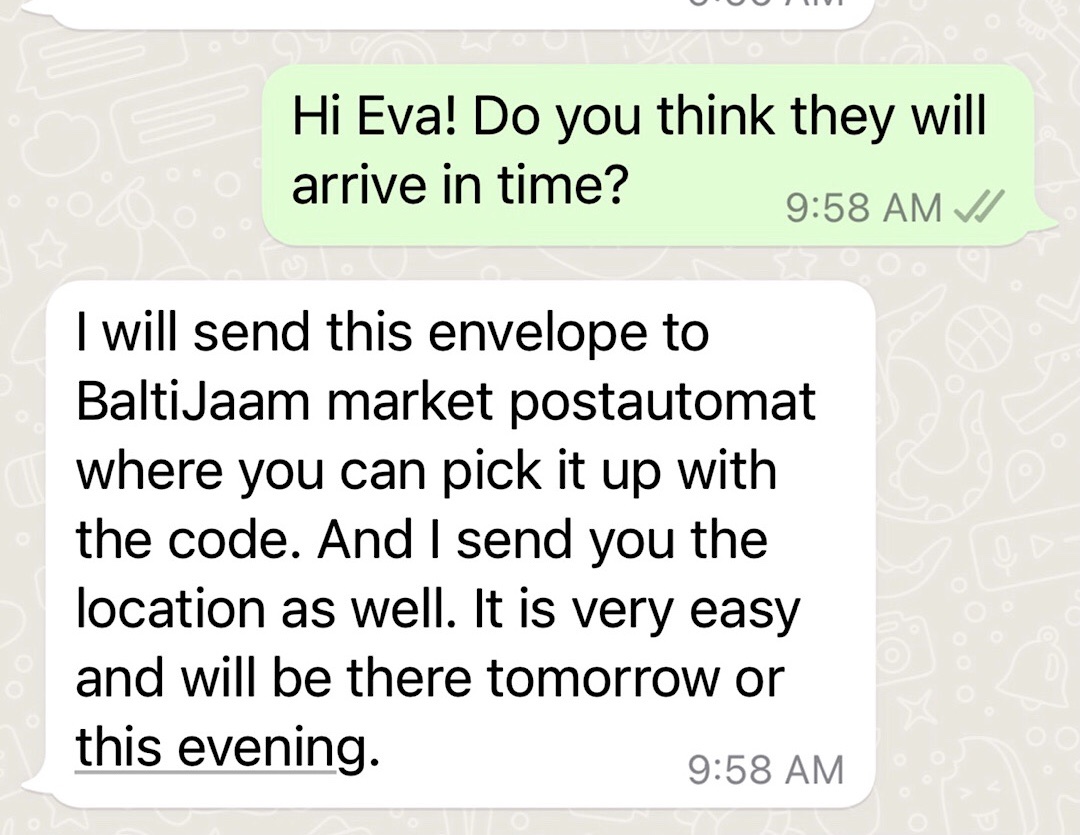
 When Lina finally texted me the six-digit code, I keyed it into the screen and one of the little doors popped open. Voila! There was the envelope containing the house key.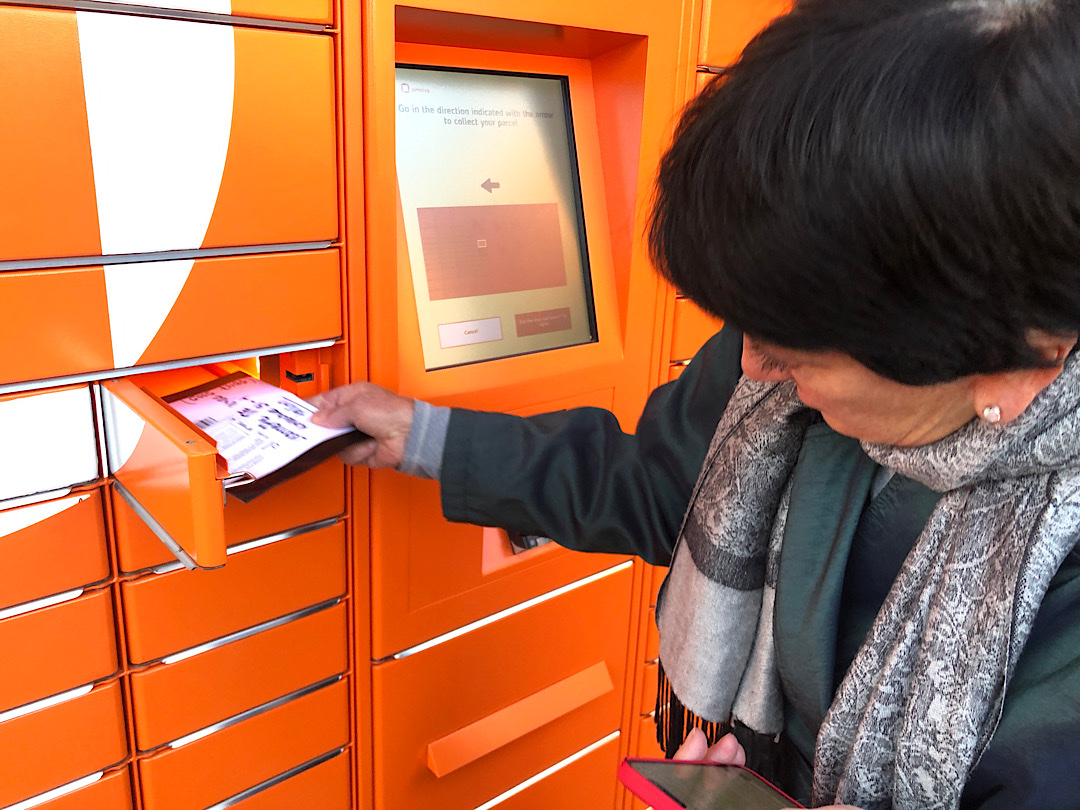
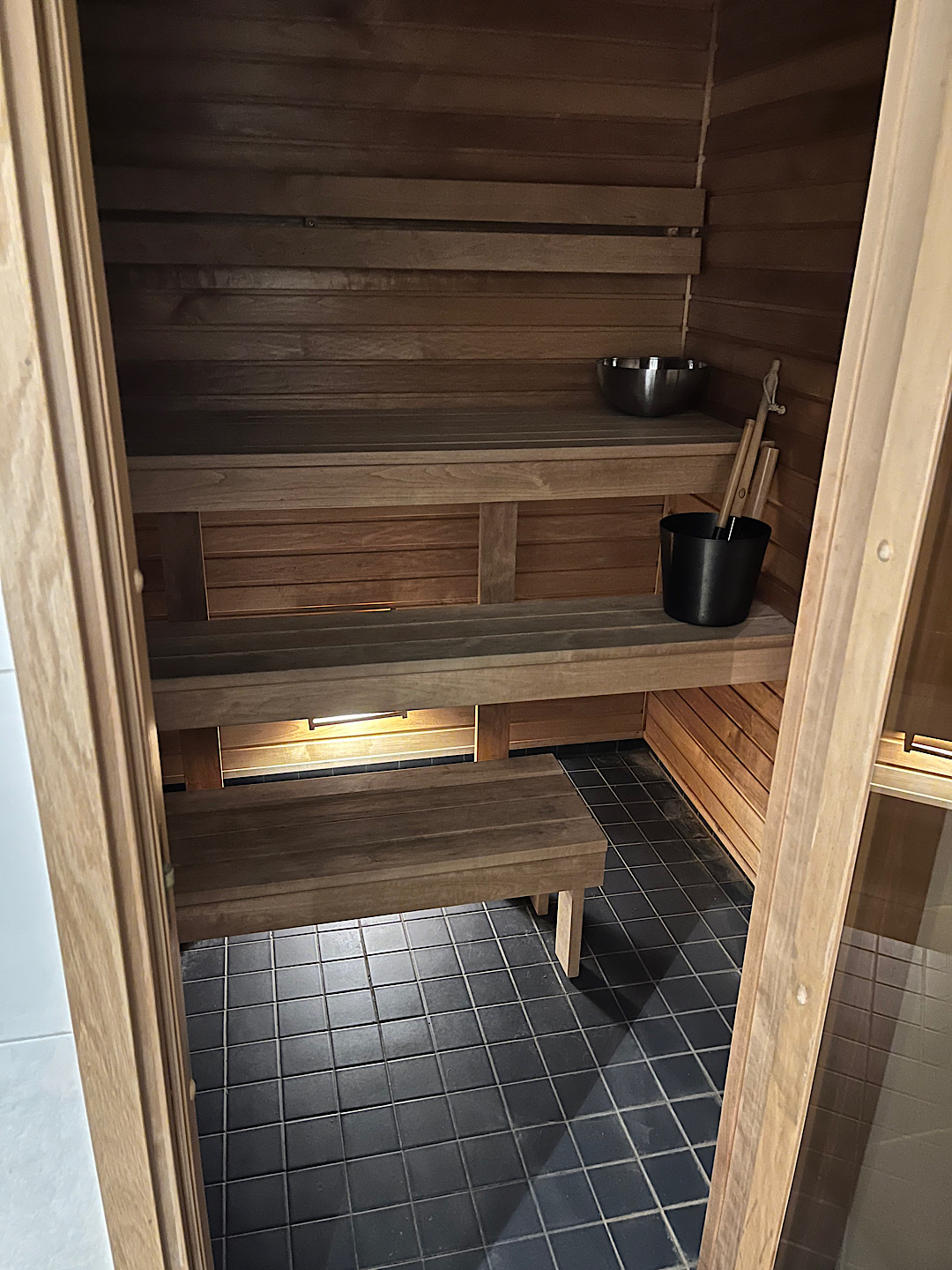 Lina’s scanty home instructions said it could be warmed up in 45 minutes. I had every intention of using it until Miina (our private guide on Tuesday) said the newspapers were reporting that heating up a home sauna just once would cost 50 euros (due to the sky-high cost of electricity.) I felt so kindly toward Lina by then that I resisted cranking up her sauna.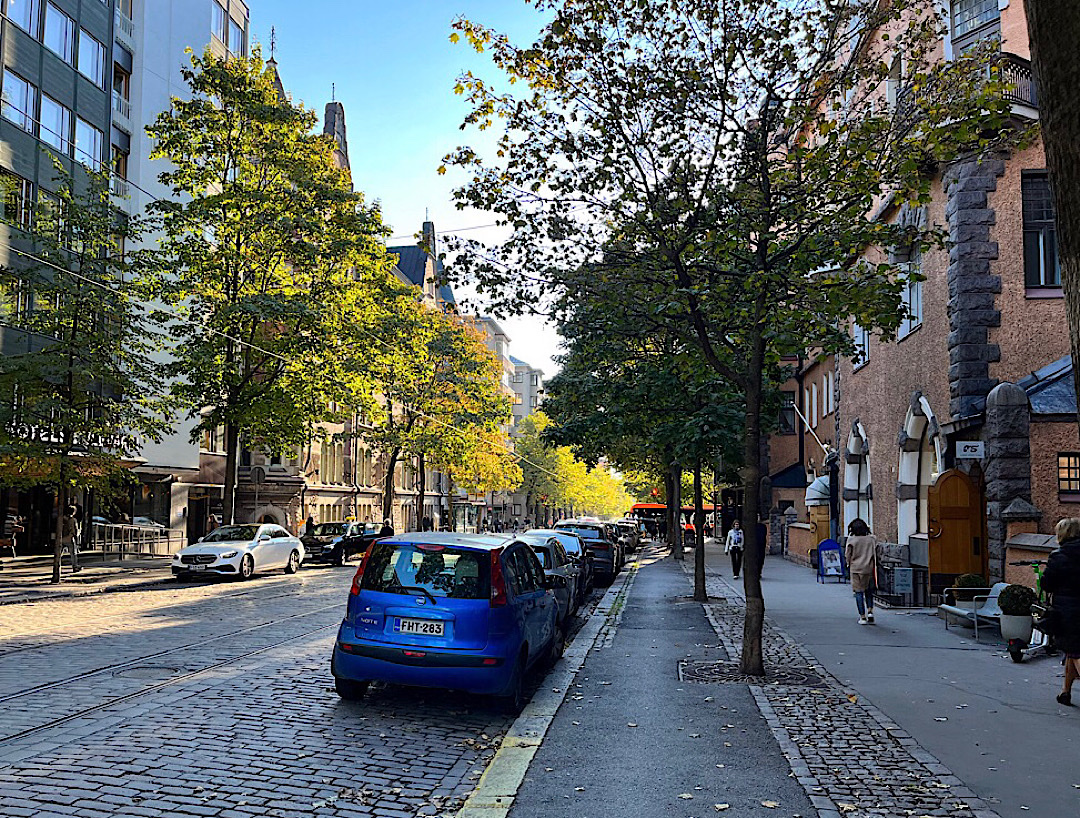

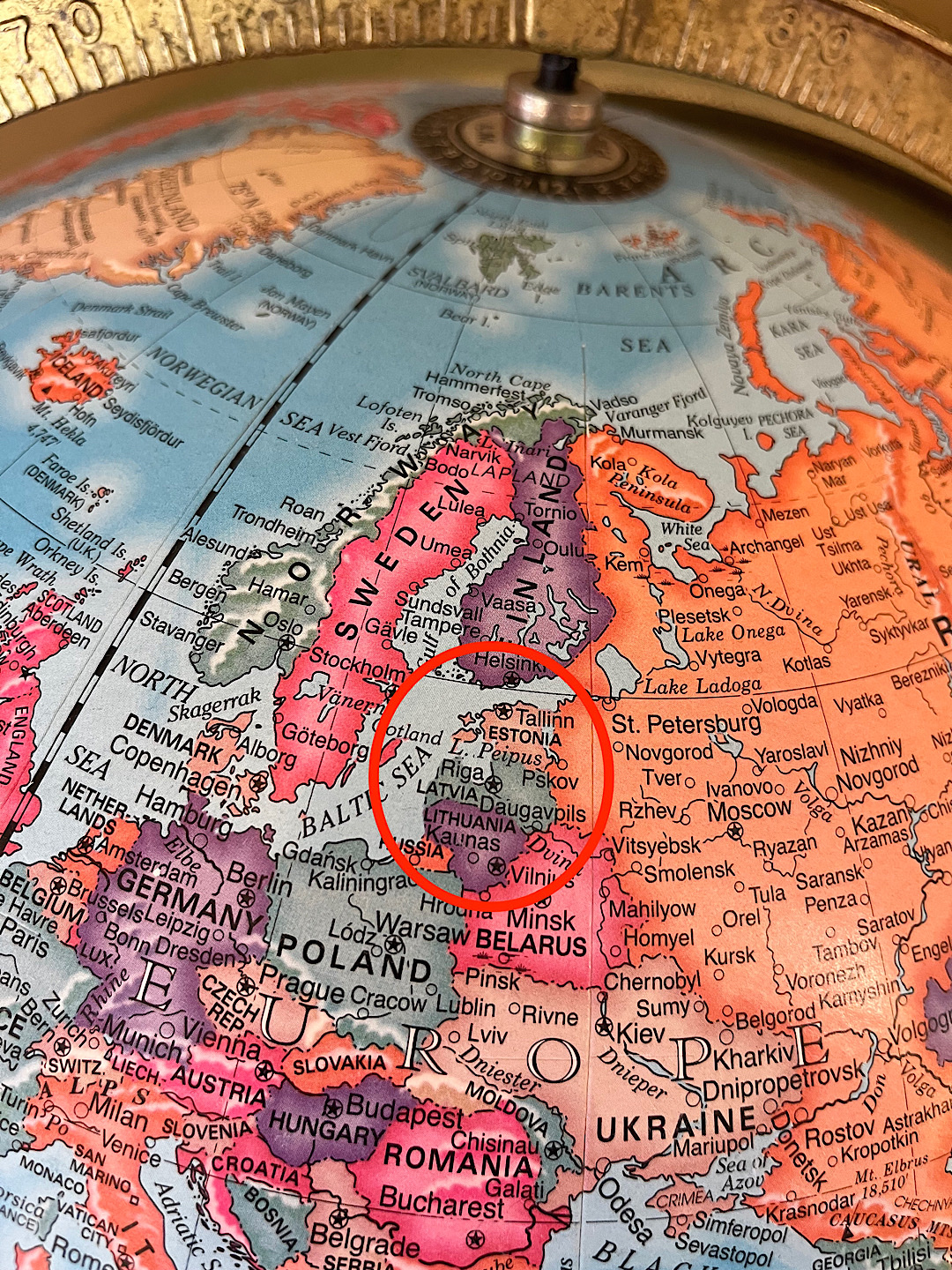
 This part of the world may be flat but it’s a metaphorical Tower of Babel, so complex I never considered trying to learn any of the local tongues. The folks in Lithuania, Latvia, Estonia, and Finland each have a different language. We were told that Lithuanian and Latvian are sufficiently related that folks speaking each at least can guess what the other is saying. The same is true for Estonian and Finnish, which belong to the “Finno-Ugric” language family. Still, here’s how you say “Thank you” in each.
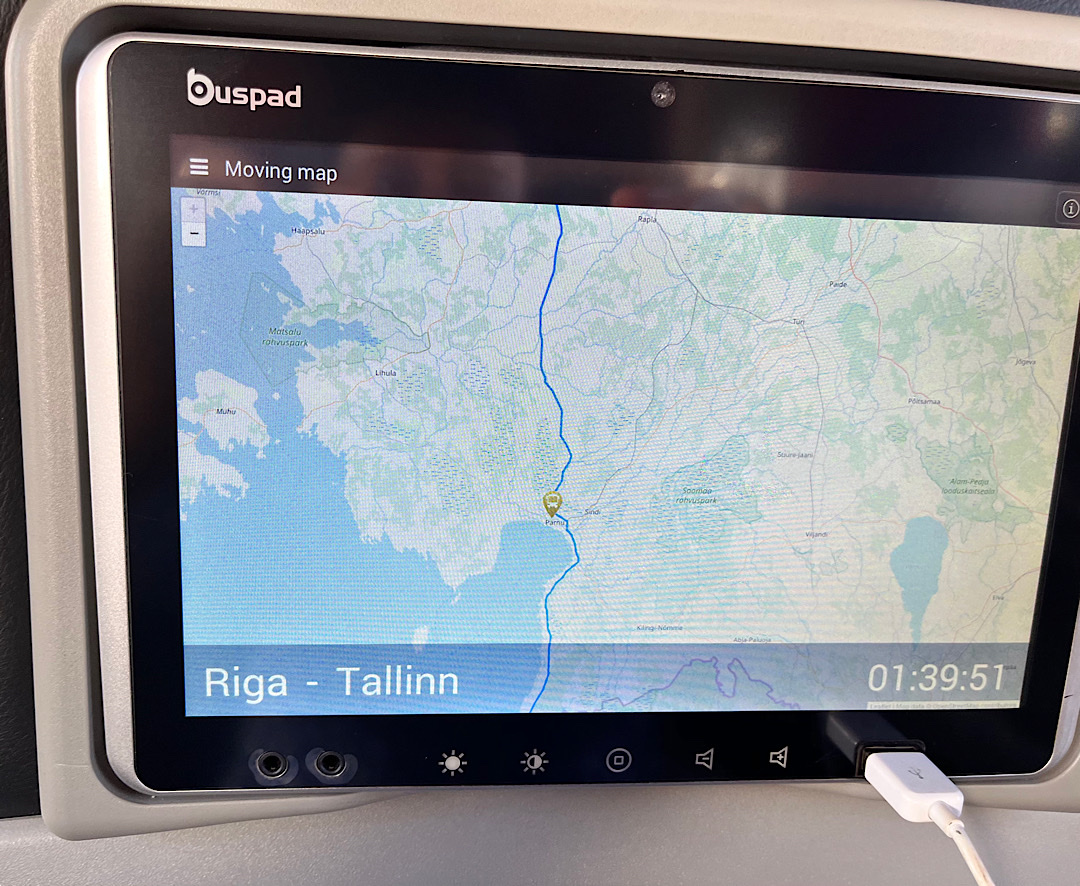
 These vehicles proved to be spotless and comfy, with amenities that included TV screens in the seat backs, a decent onboard toilet, and free hot coffee. The journeys from Vilnius to Riga and then from Riga to Tallinn each took less than 5 hours, gave us a look at the countryside, and cost only $26 a person for seats in the “premium” section of the bus. The rides were smooth enough for me to work on my blog posts.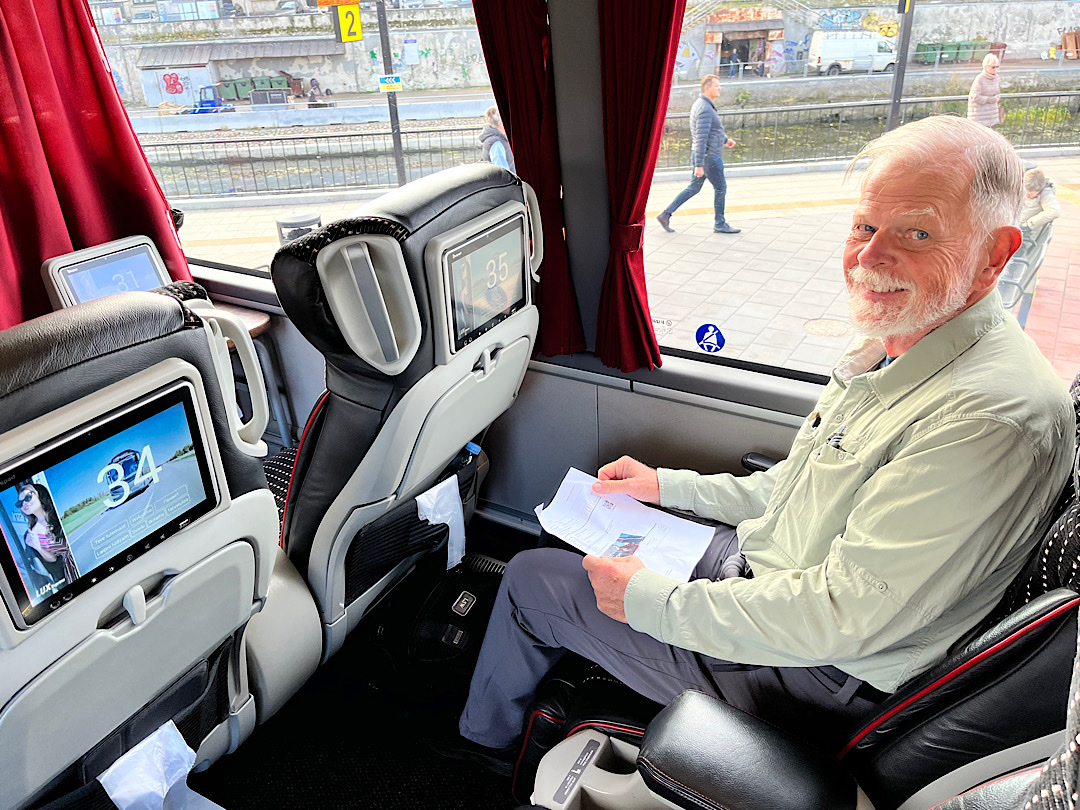

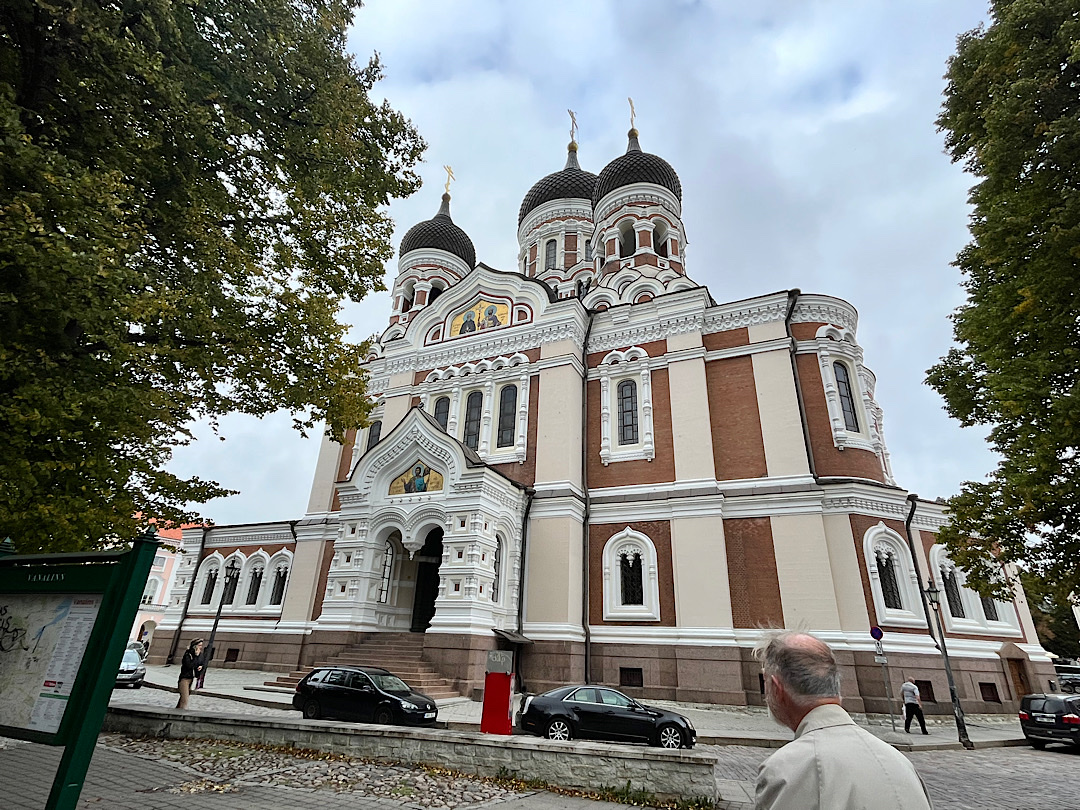
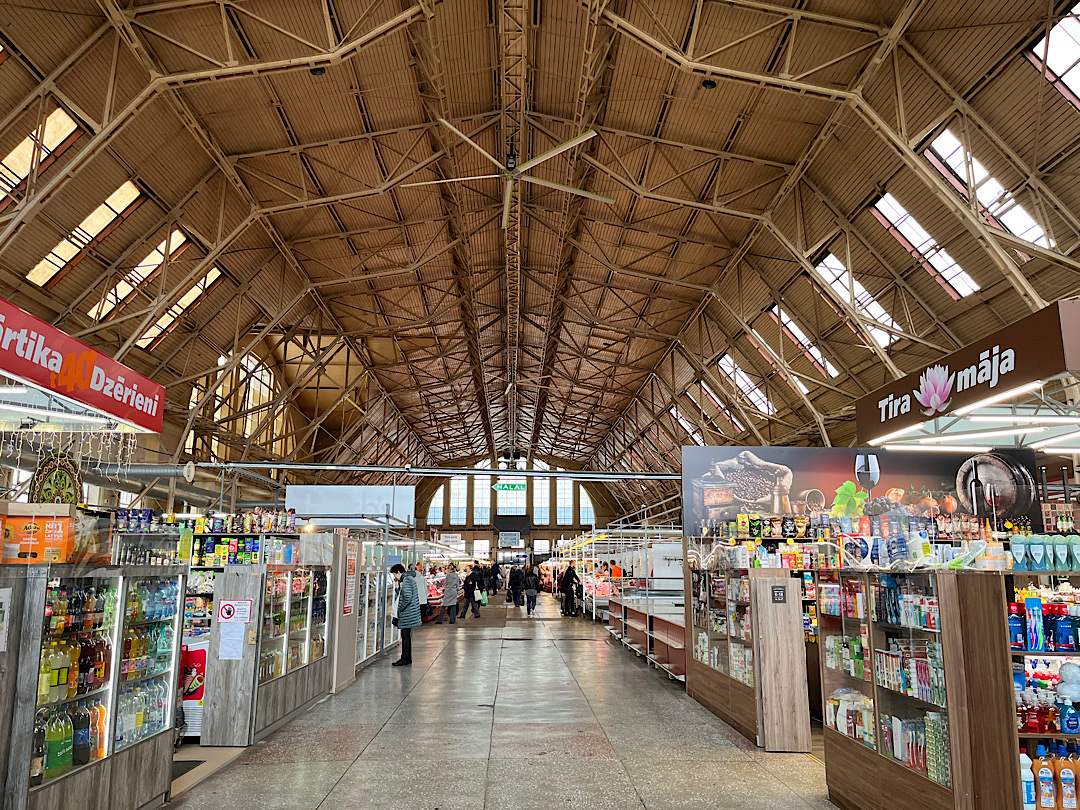
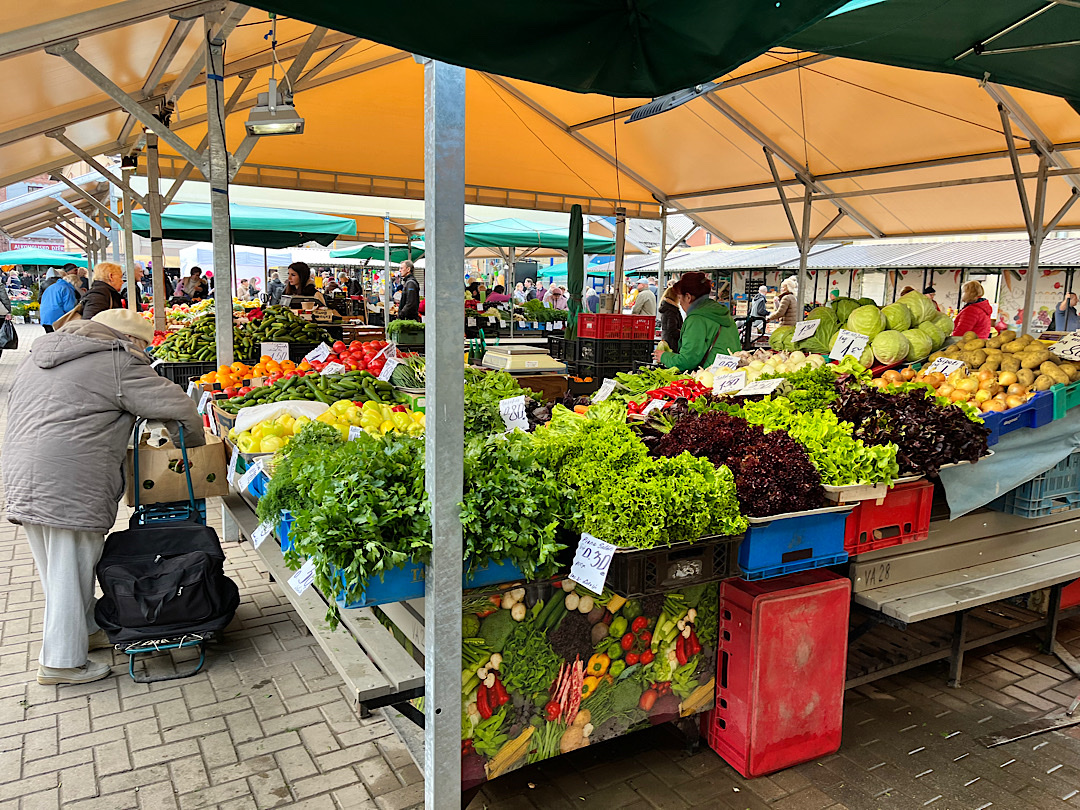
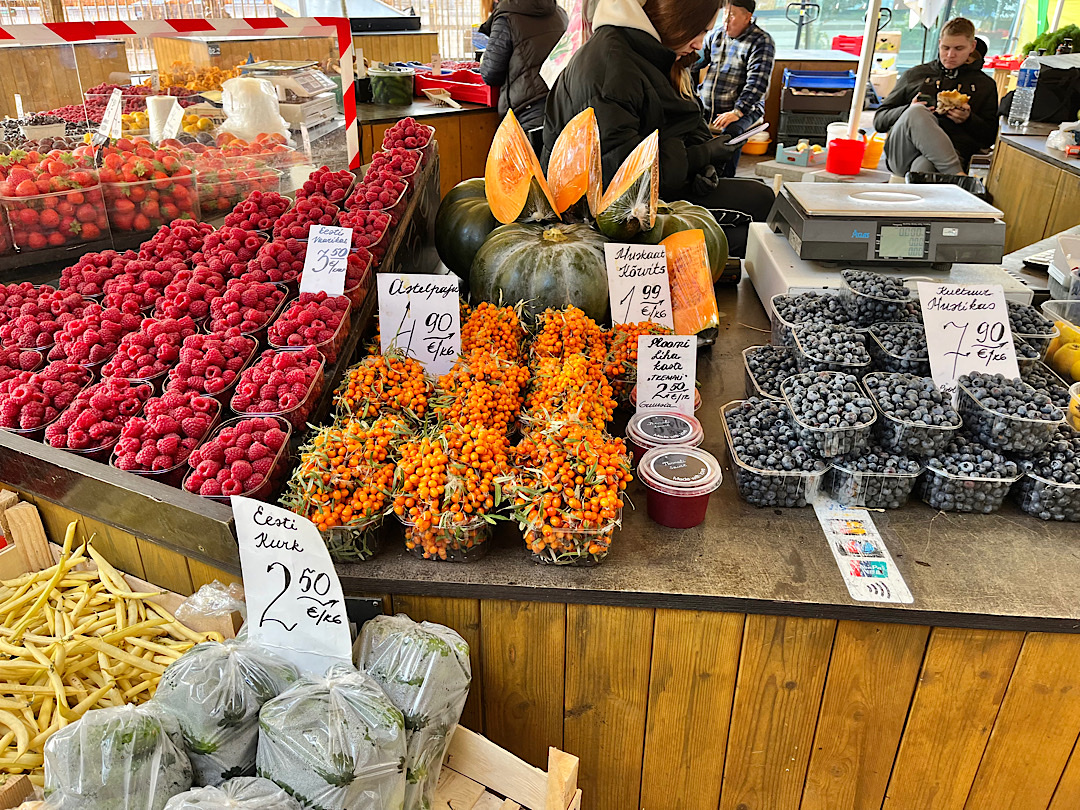 We took it in for a moment, then whizzed through the market in her wake as she showed us all manner of quirky stuff for sale: the distinctive felt hats folks wear in the sauna to keep their heads from overheating. Reflectors that everyone is legally required to affix to their clothing in winter as a safety measure.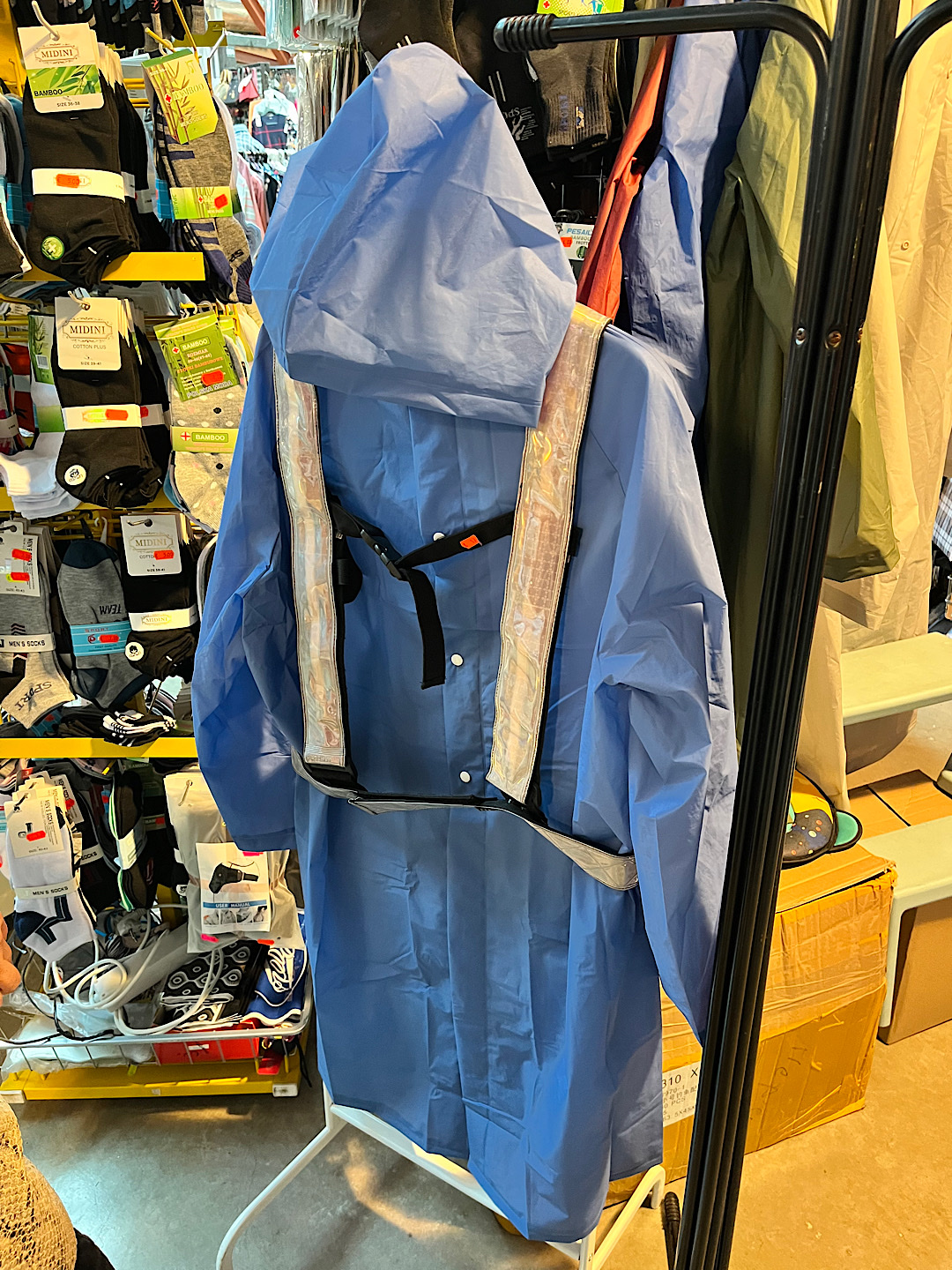
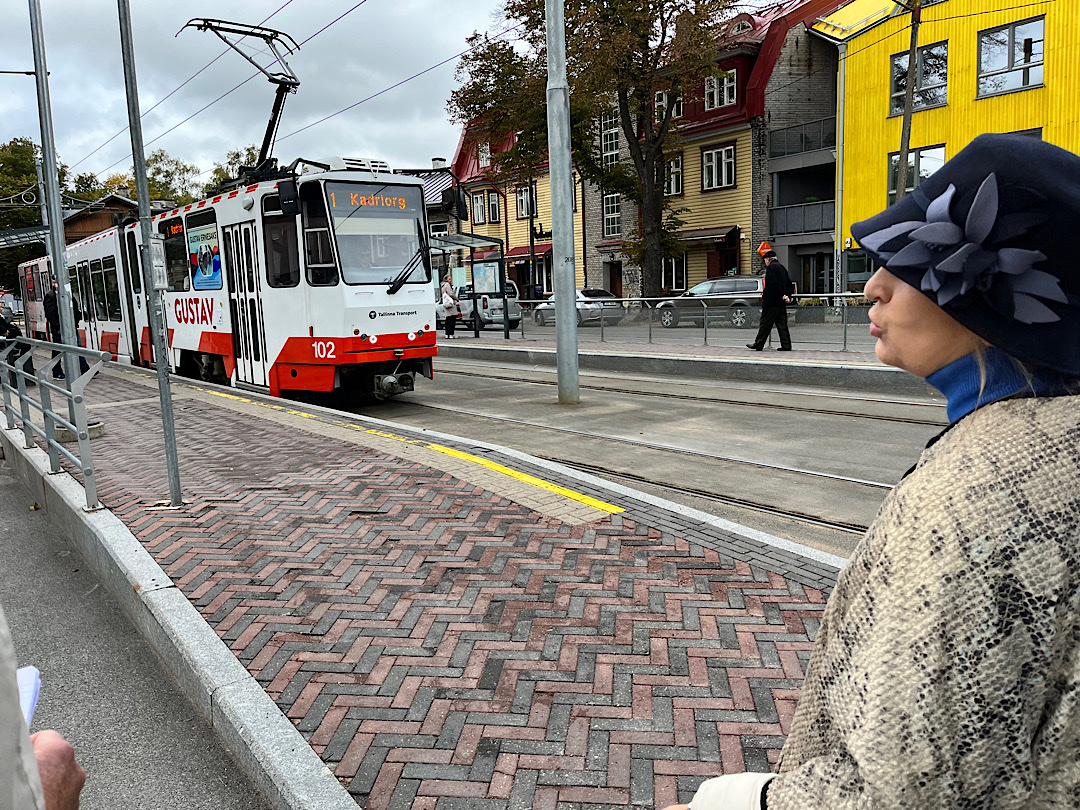
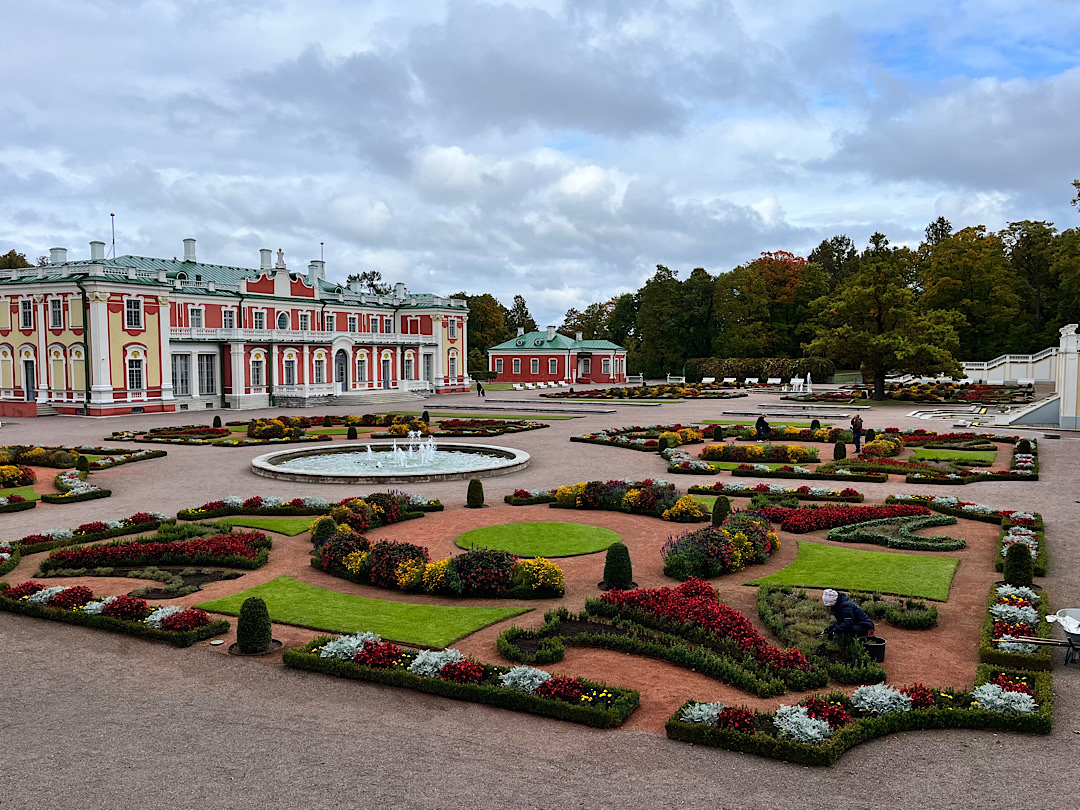
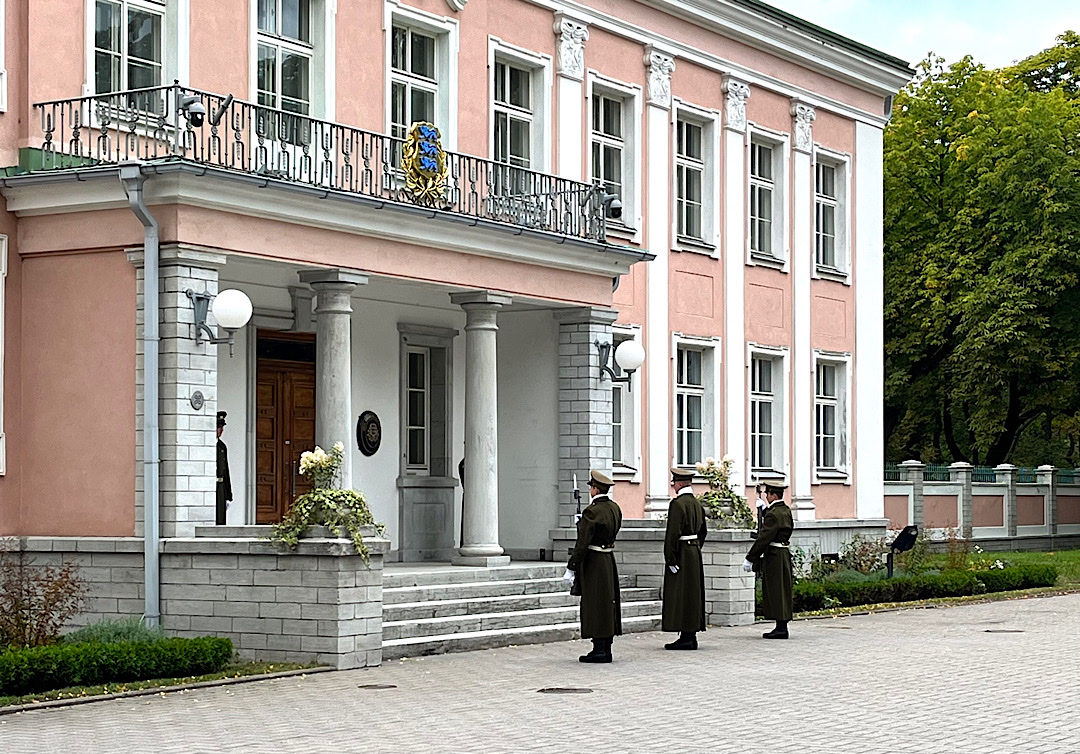
 Behind the palace is the official residence of the Estonian president. It’s Estonia’s White House (except it’s pink.)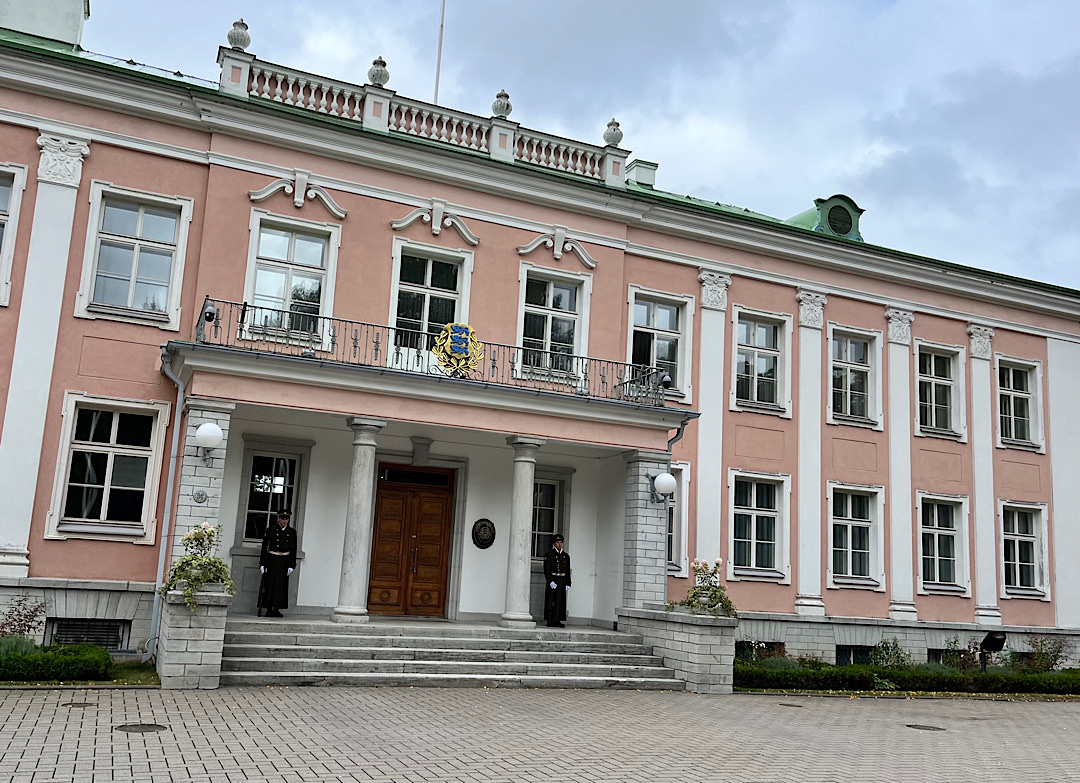
 Also charming are the white boxes on the front lawn. They’re bee hives. (Miina said the president is into apiary.)
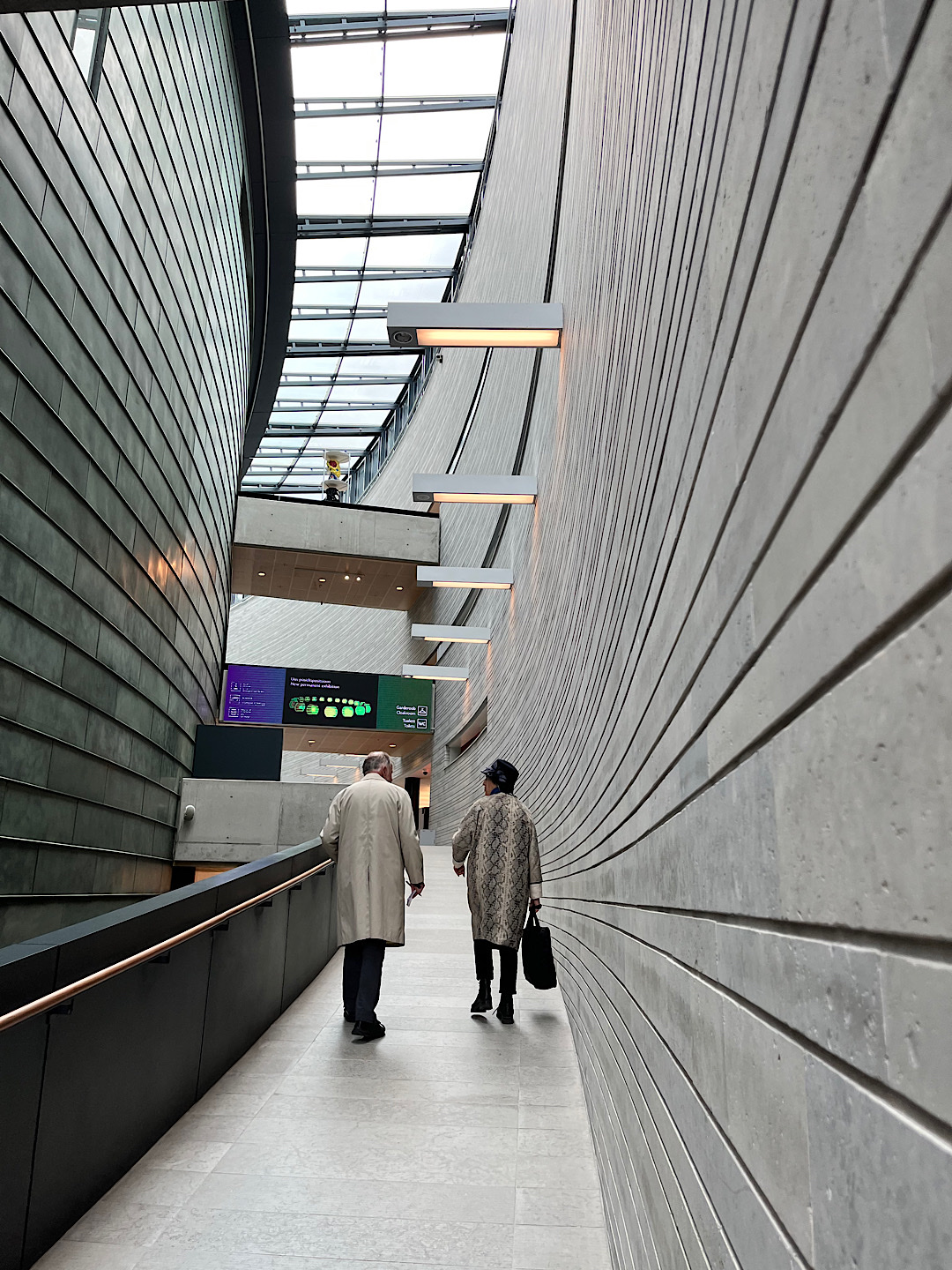
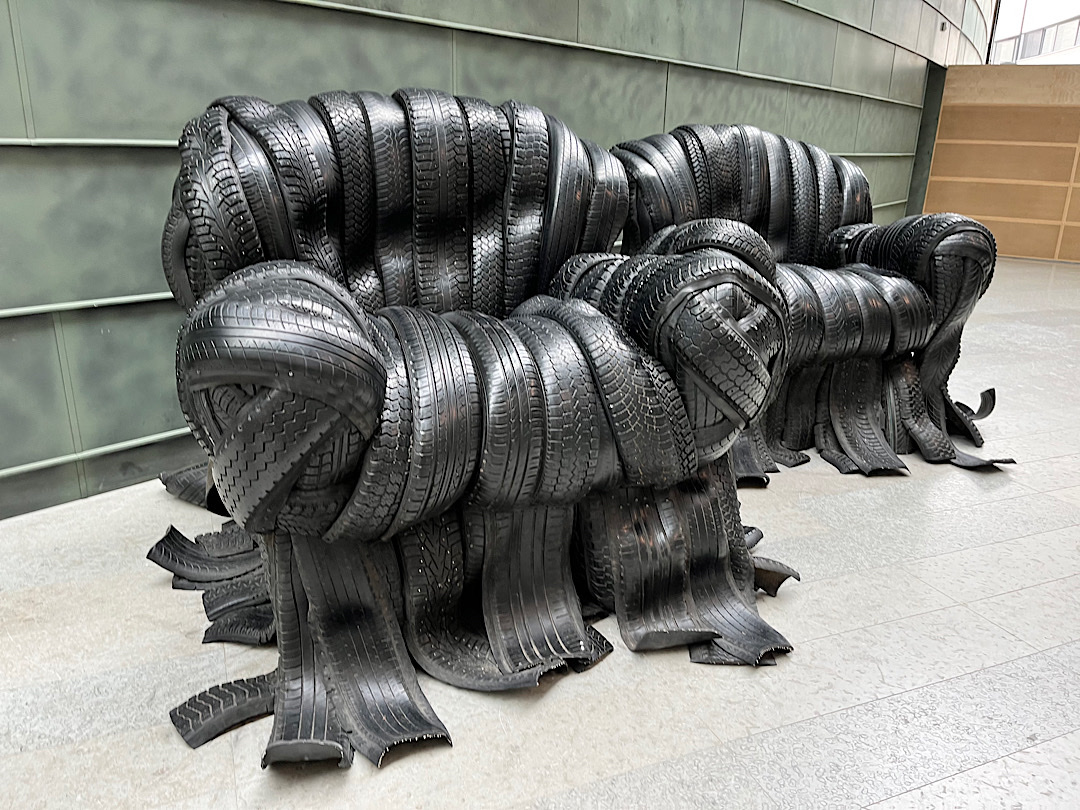
 In another part of the park, she led us to the Kumu art museum, a striking limestone, glass, and copper structure that houses the country’s biggest collection of Estonian art.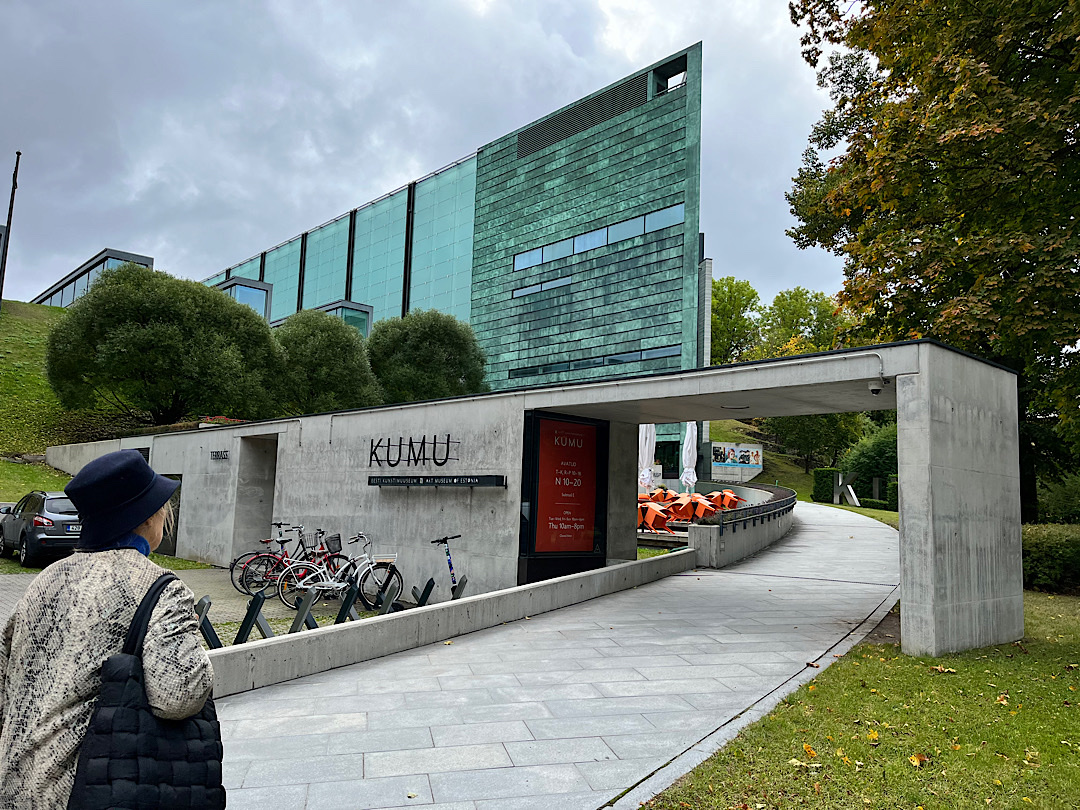
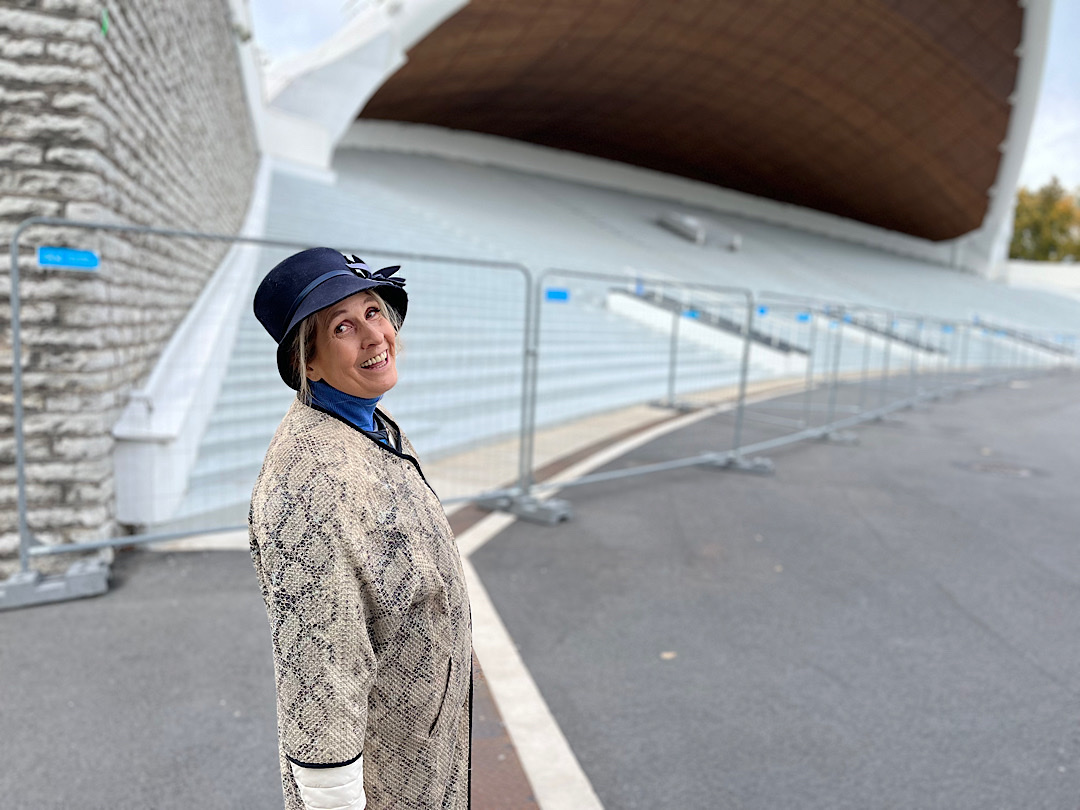 An idealistic 20-year-old at the time, Miina was in that crowd, and the emotions of the day played across her face as she told us about it. Then it was time for her to catch the train to the seaside. We said our goodbyes, not before she instructed us in what else we should do that in that afternoon.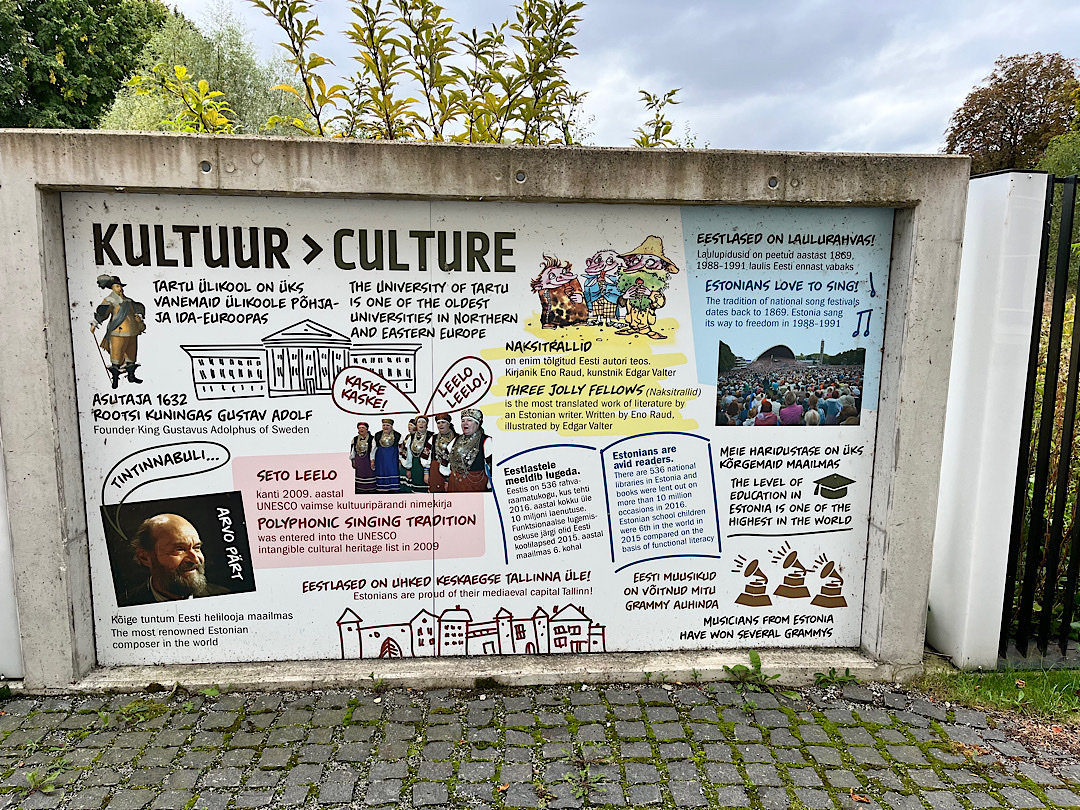
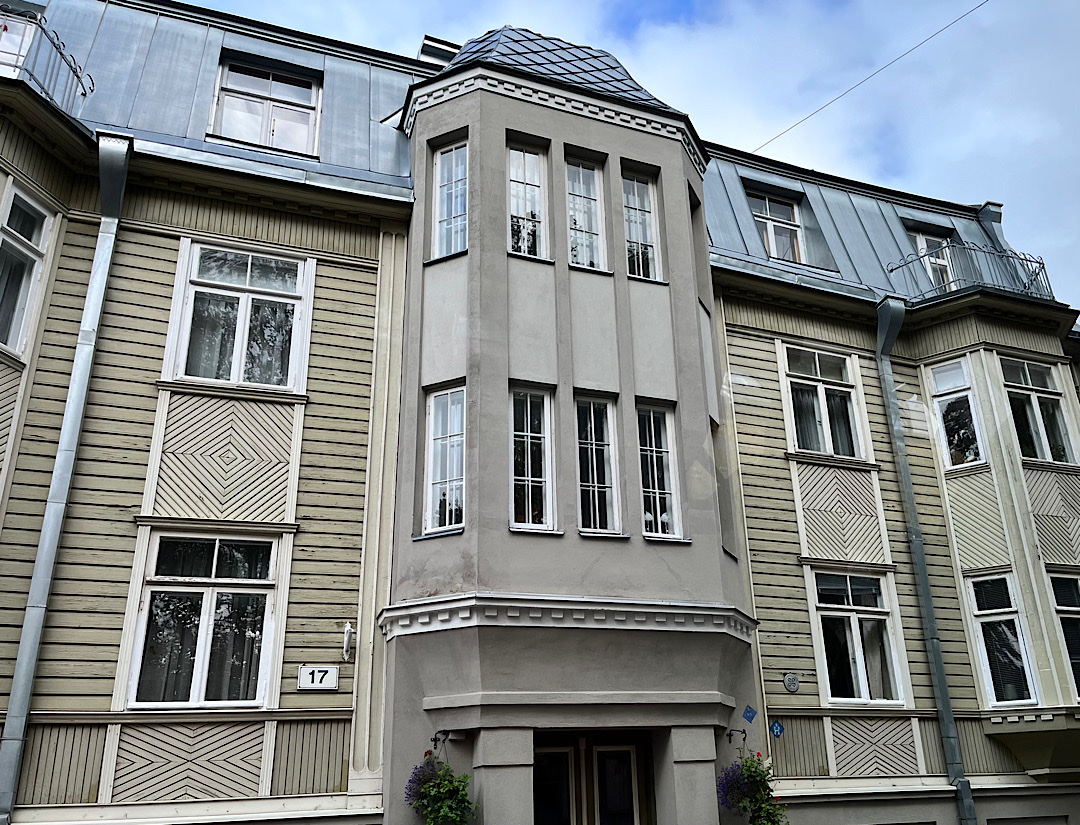


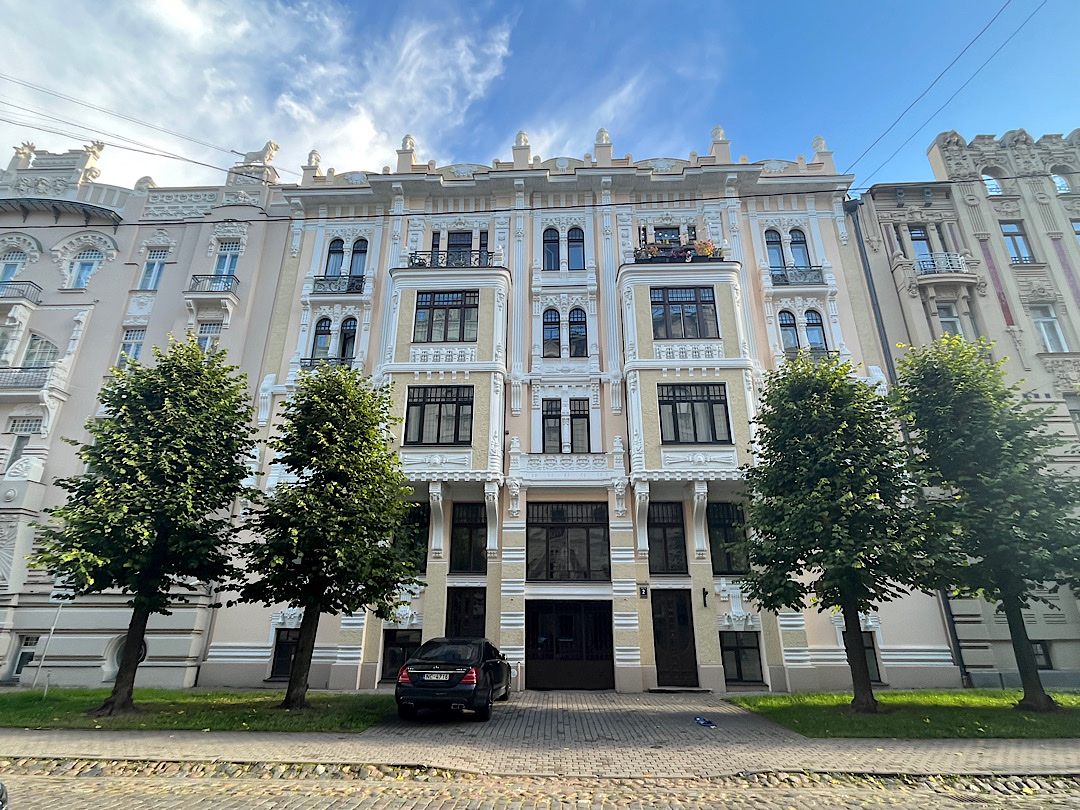

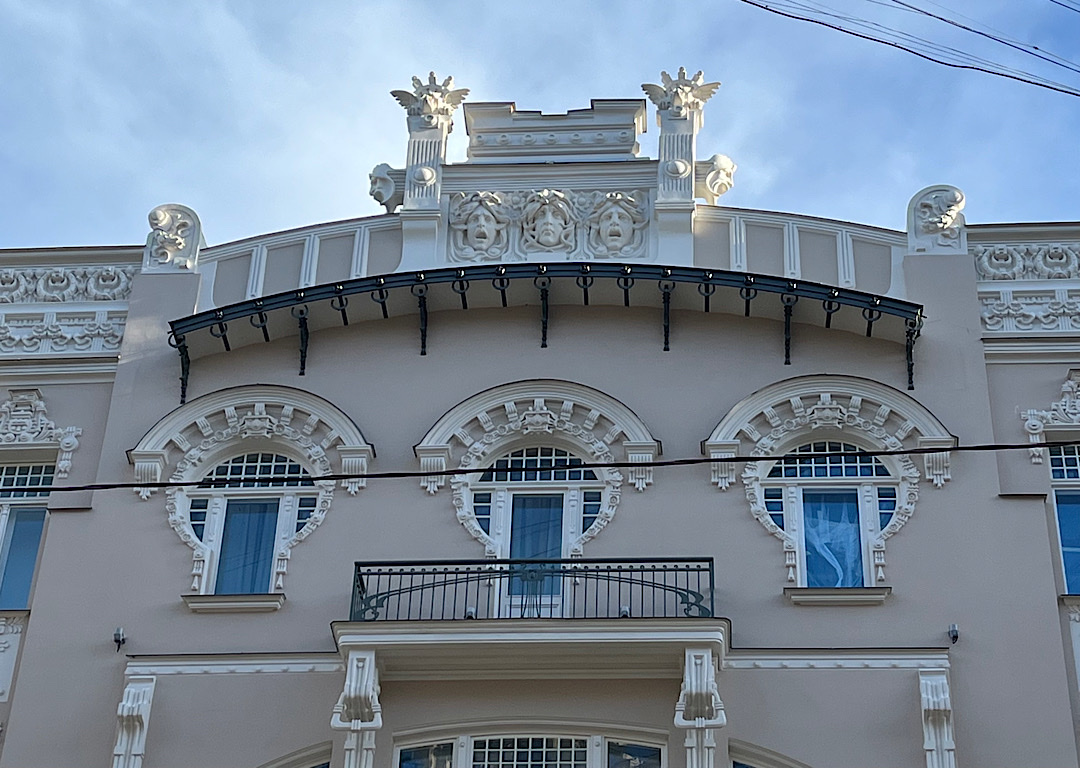

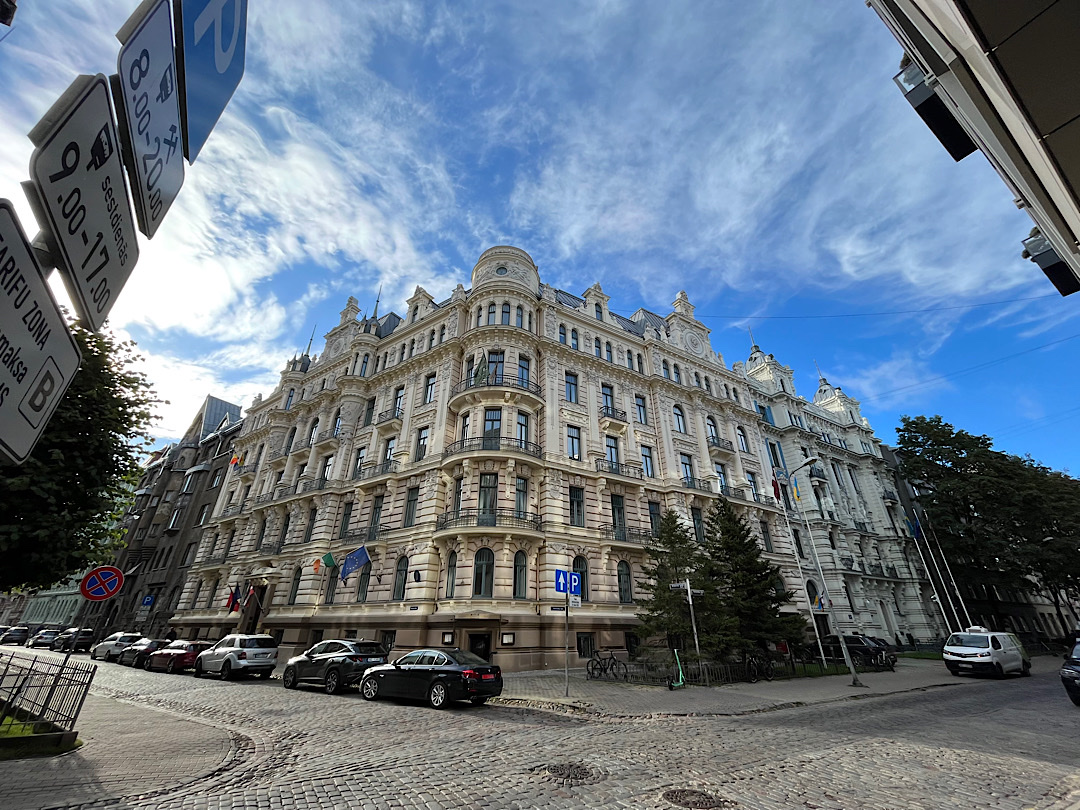
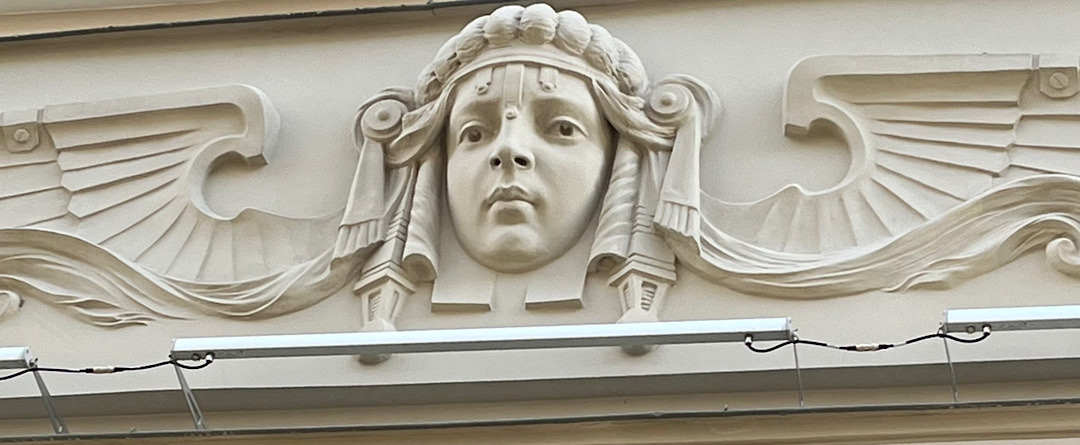

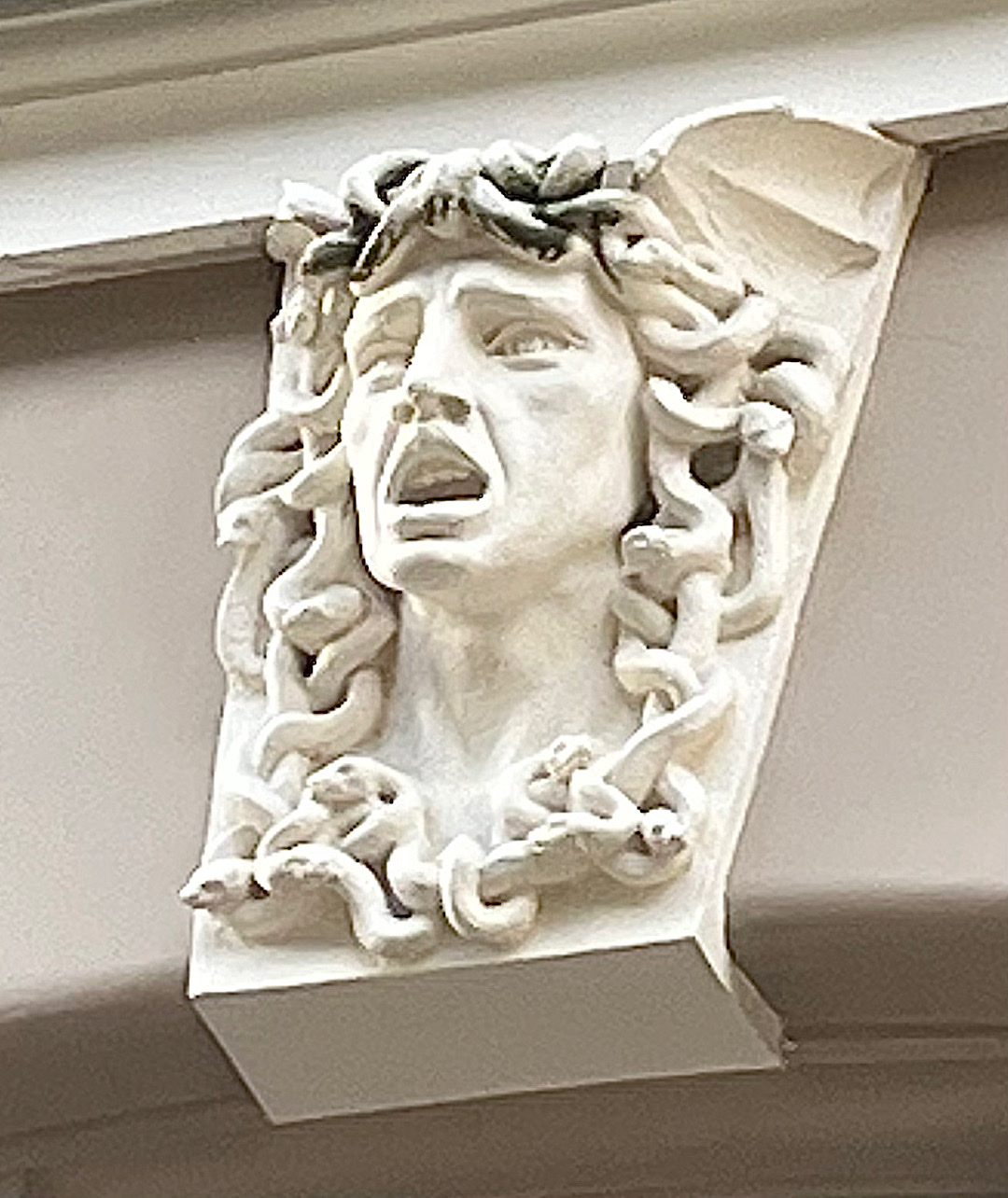
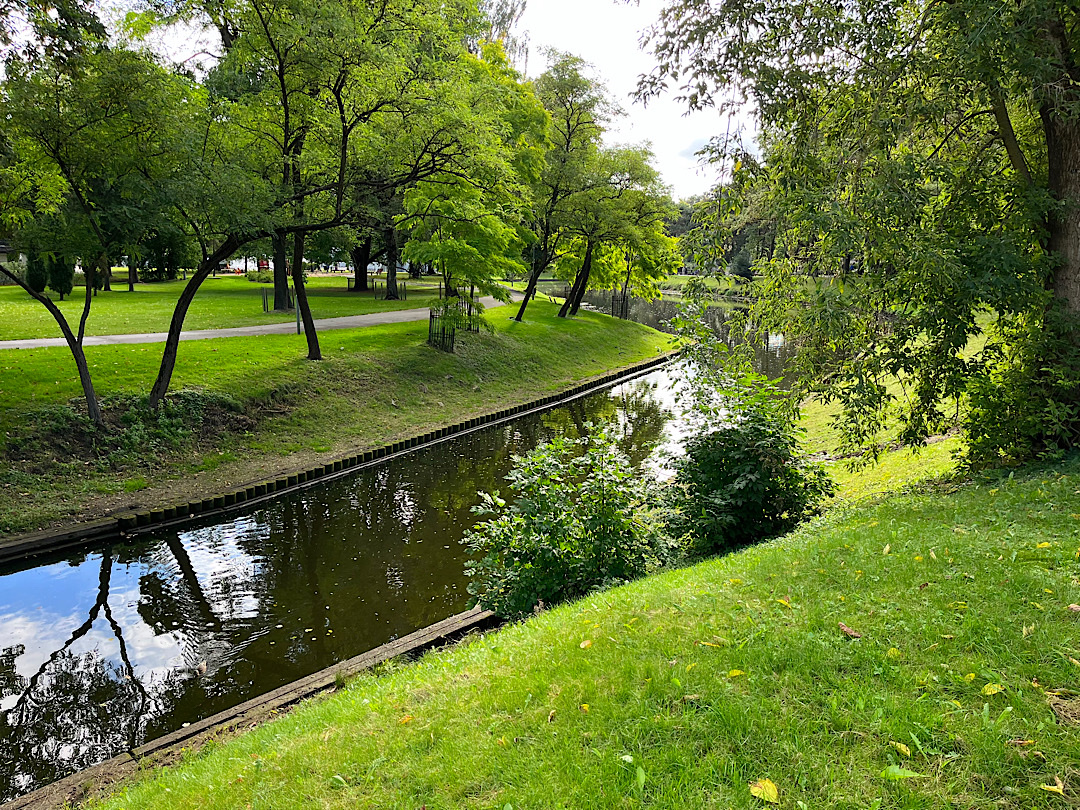 …and meandered through the twisting streets of the medieval old city…
 …a compact area crammed with ancient churches and more Art Nouveau treats and a stirring monument to Freedom that somehow survived the decades of repressive post-war Soviet rule.



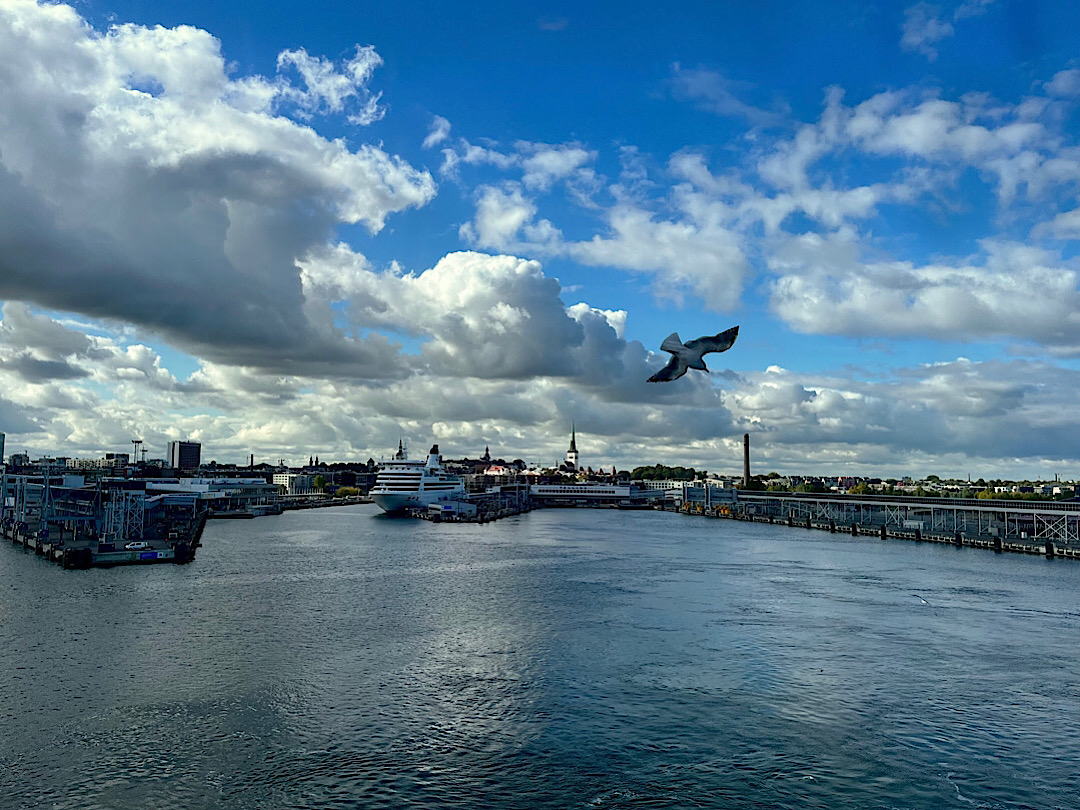
 From it we drank in excellent views of this oh-so-flat part of the world. Near the tower we could see the former World War I zeppelin hangers that have been turned into a huge central market — our next stop.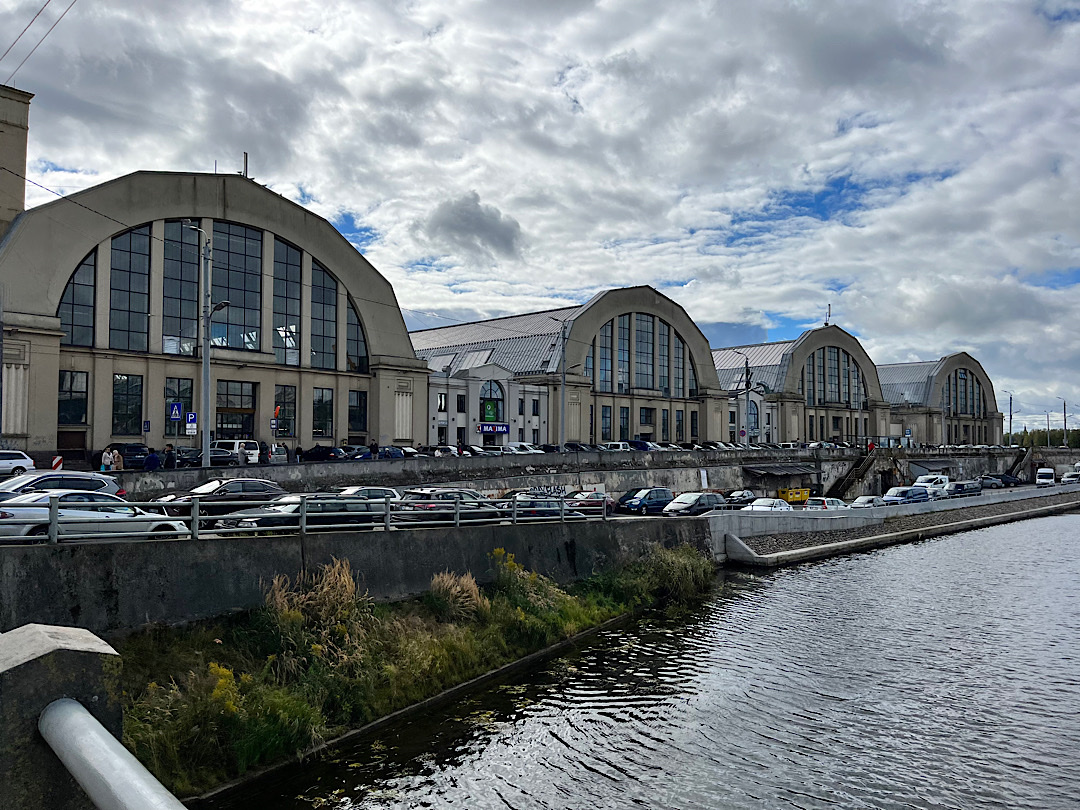
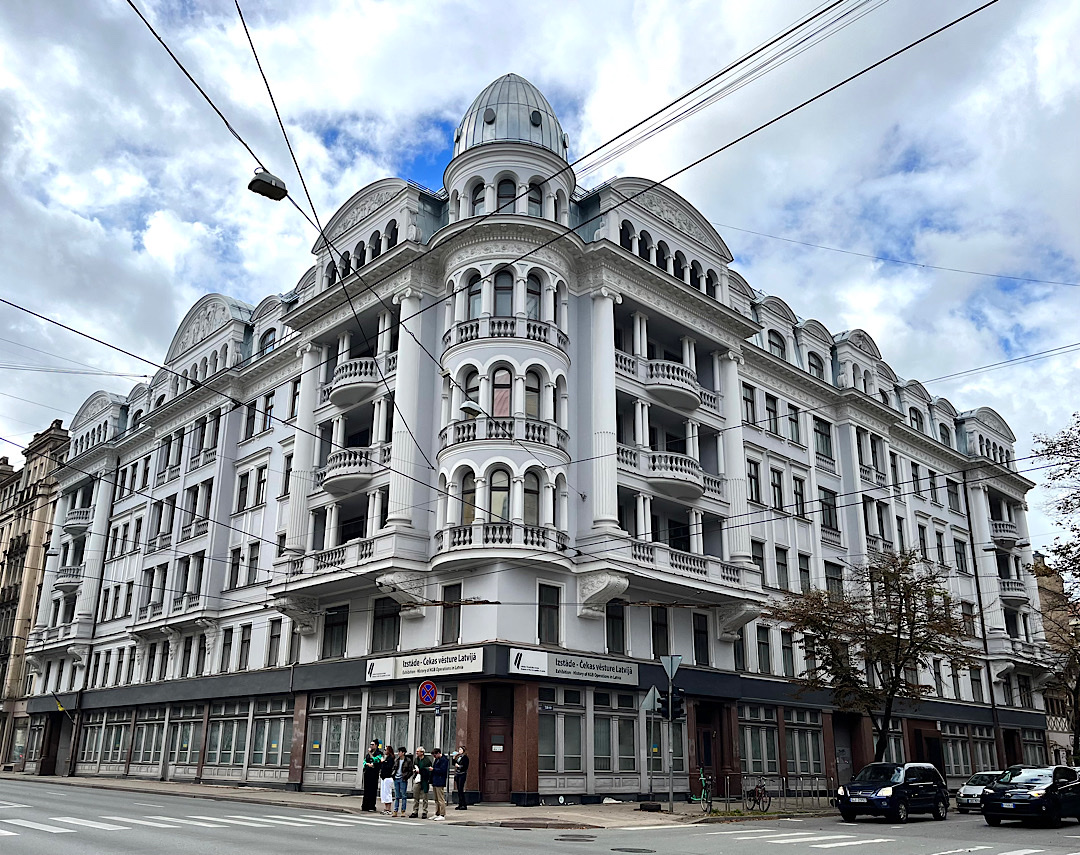

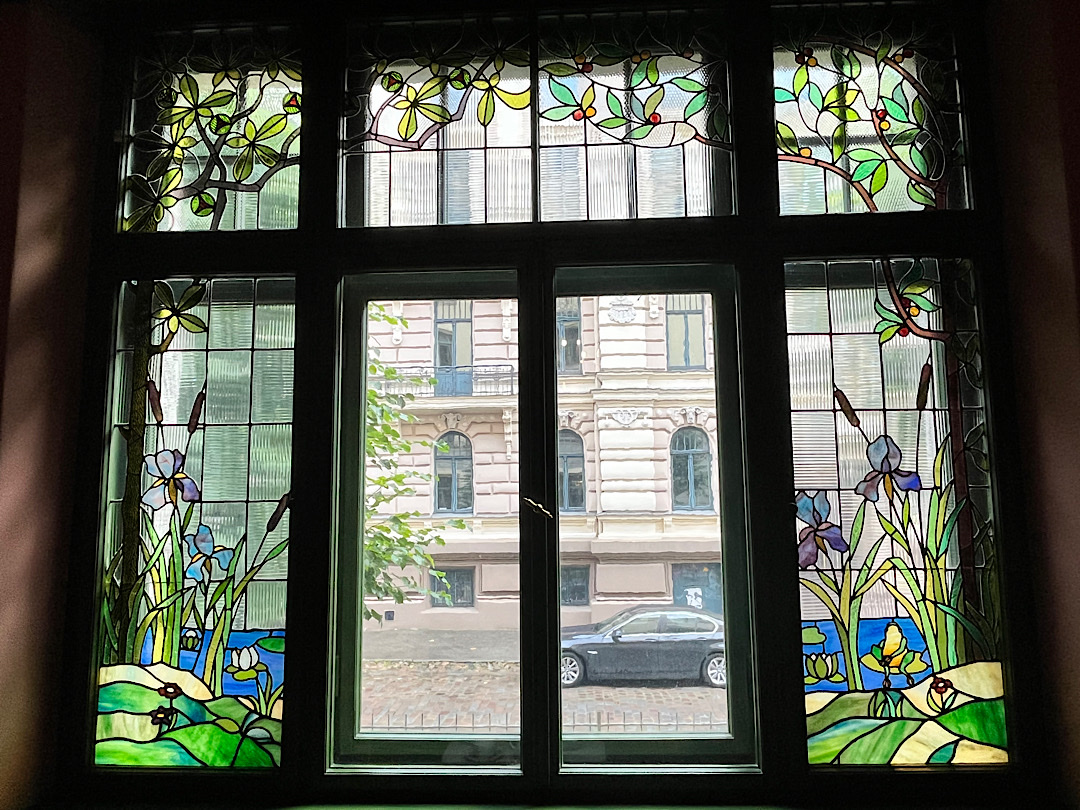
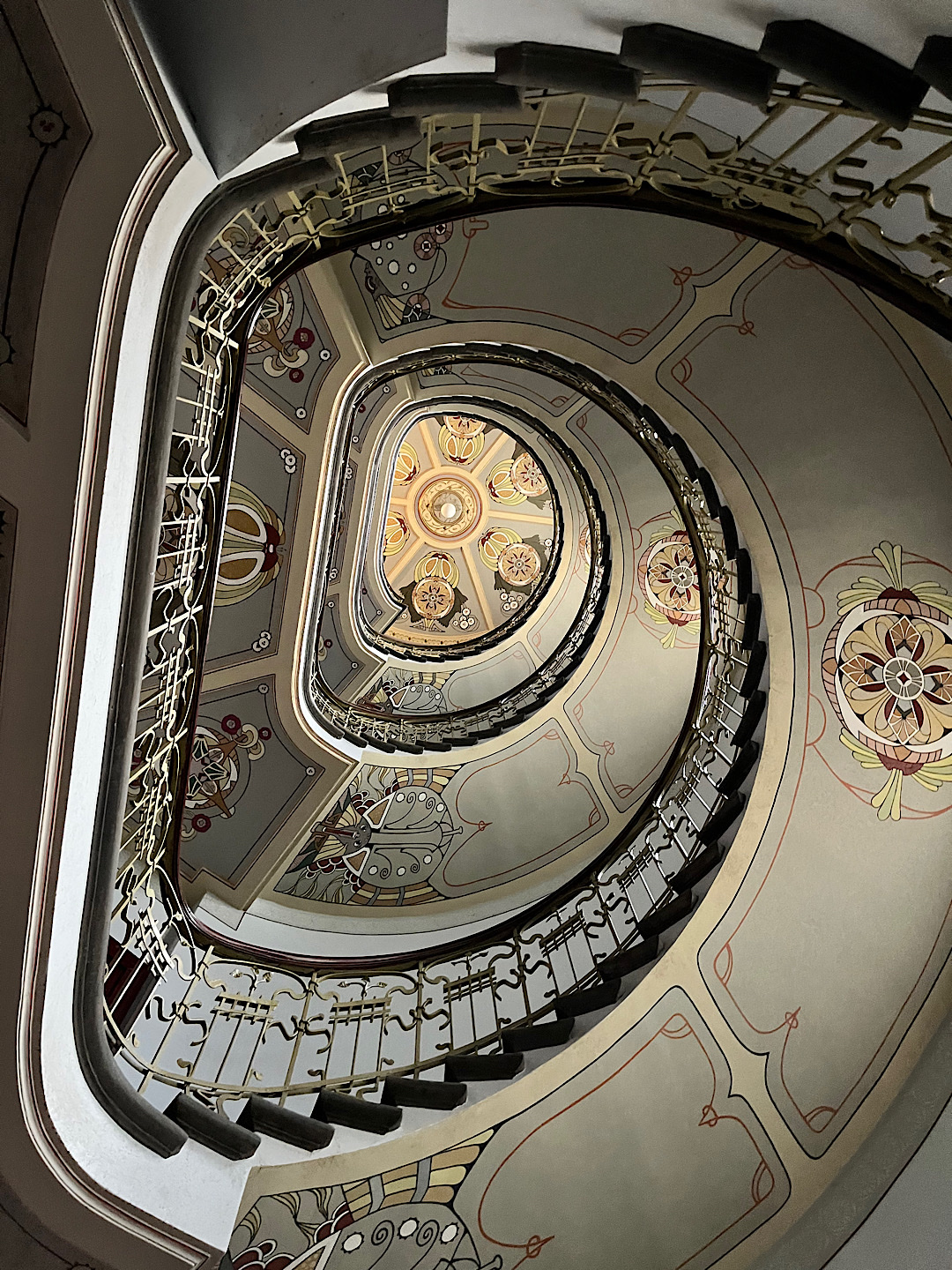
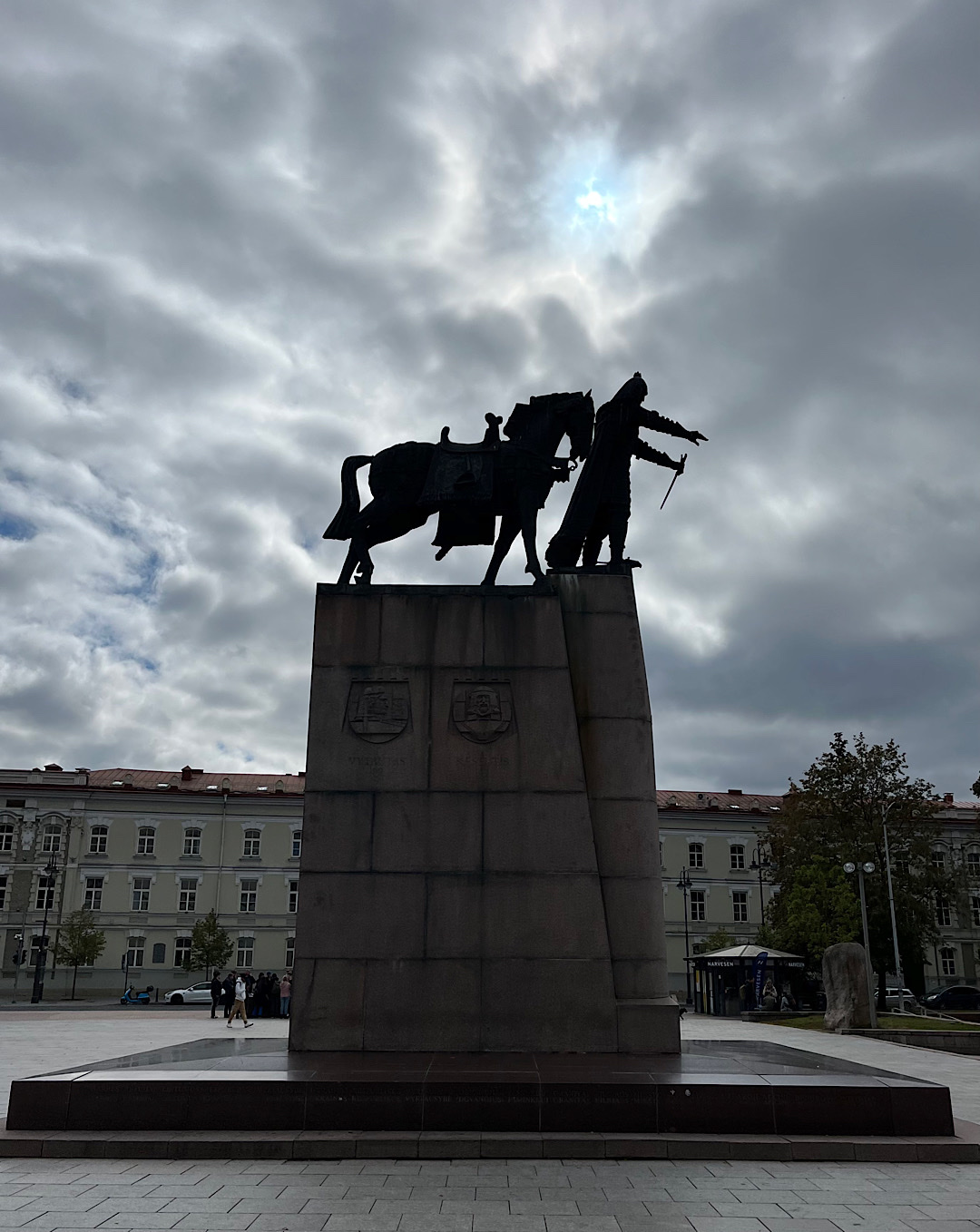
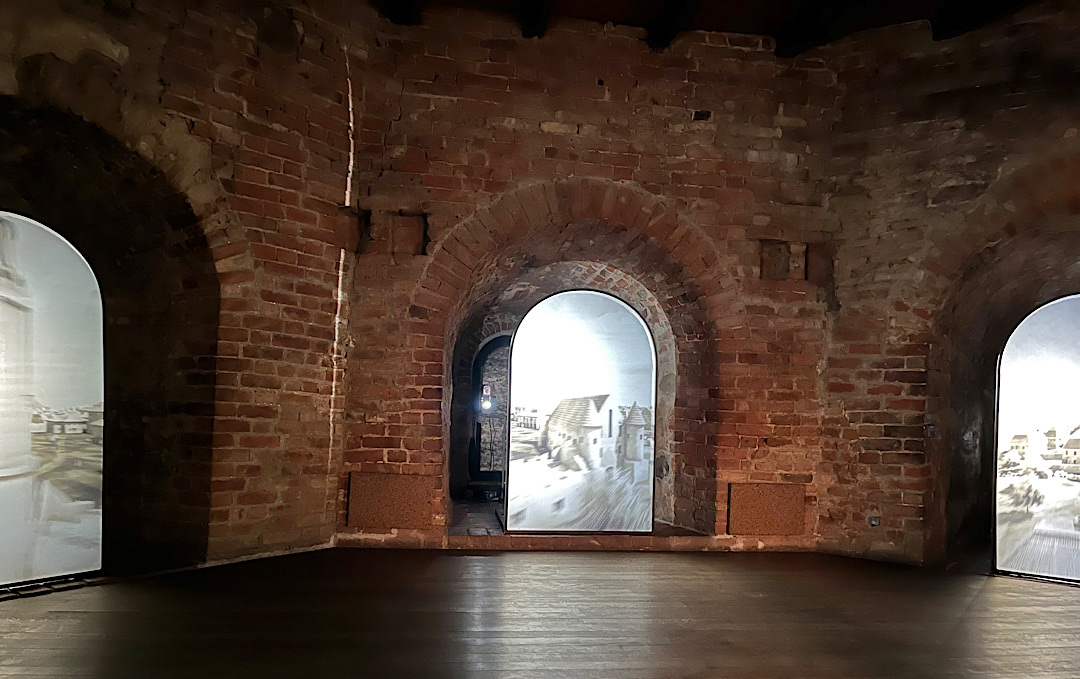
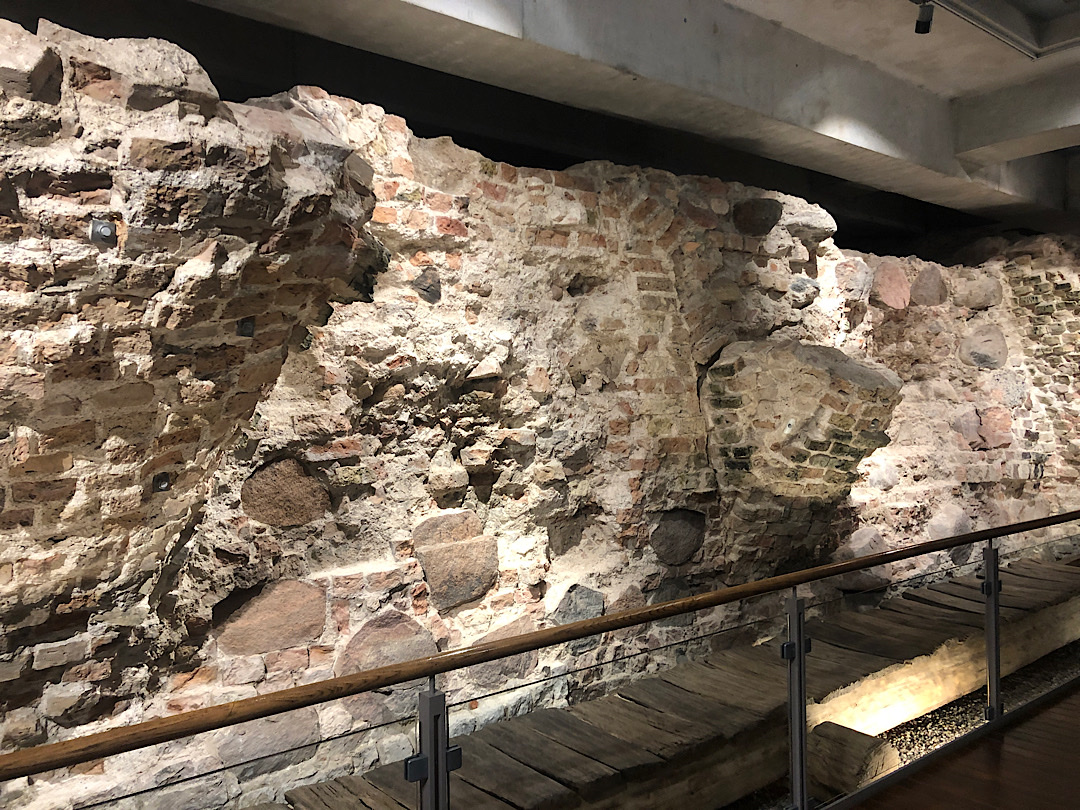 The narrator droned on and on but never mentioned any of what sounded like the really fetching parts of this history: archeological finds that go back to 9000 BC; pagans who roamed these forests and were the last hold-outs in all of Europe against Christianity; epic casts of bloodthirsty grand-dukes. We glimpsed these things from wordy posters on the walls. But they were almost indigestible.
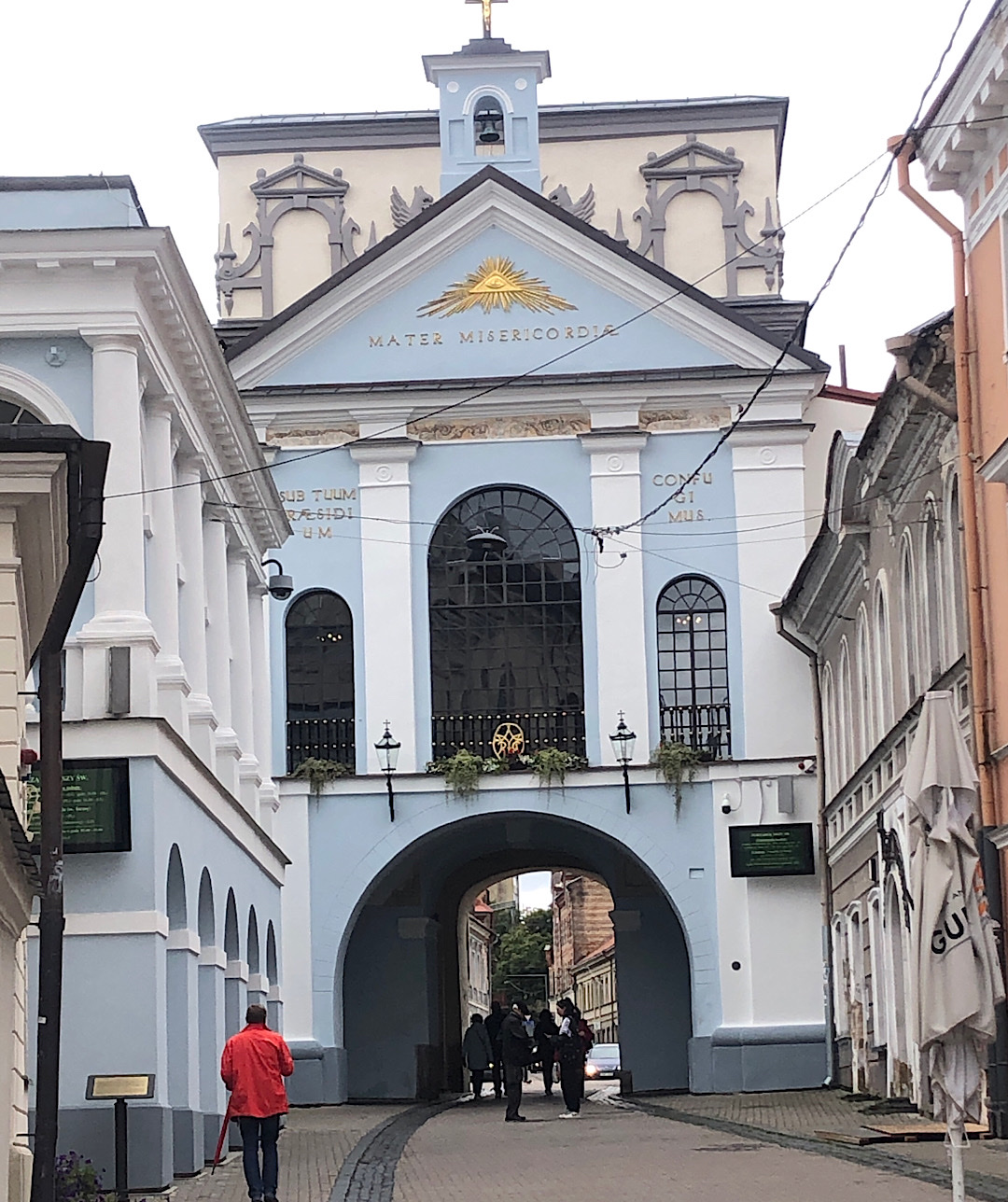
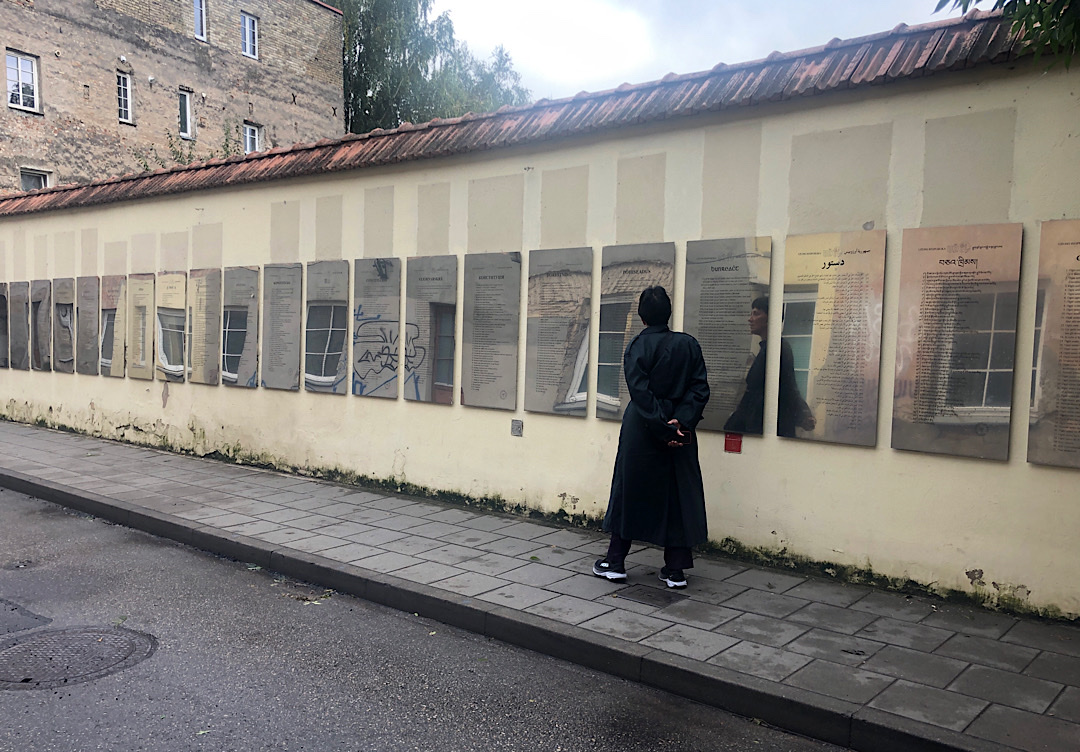

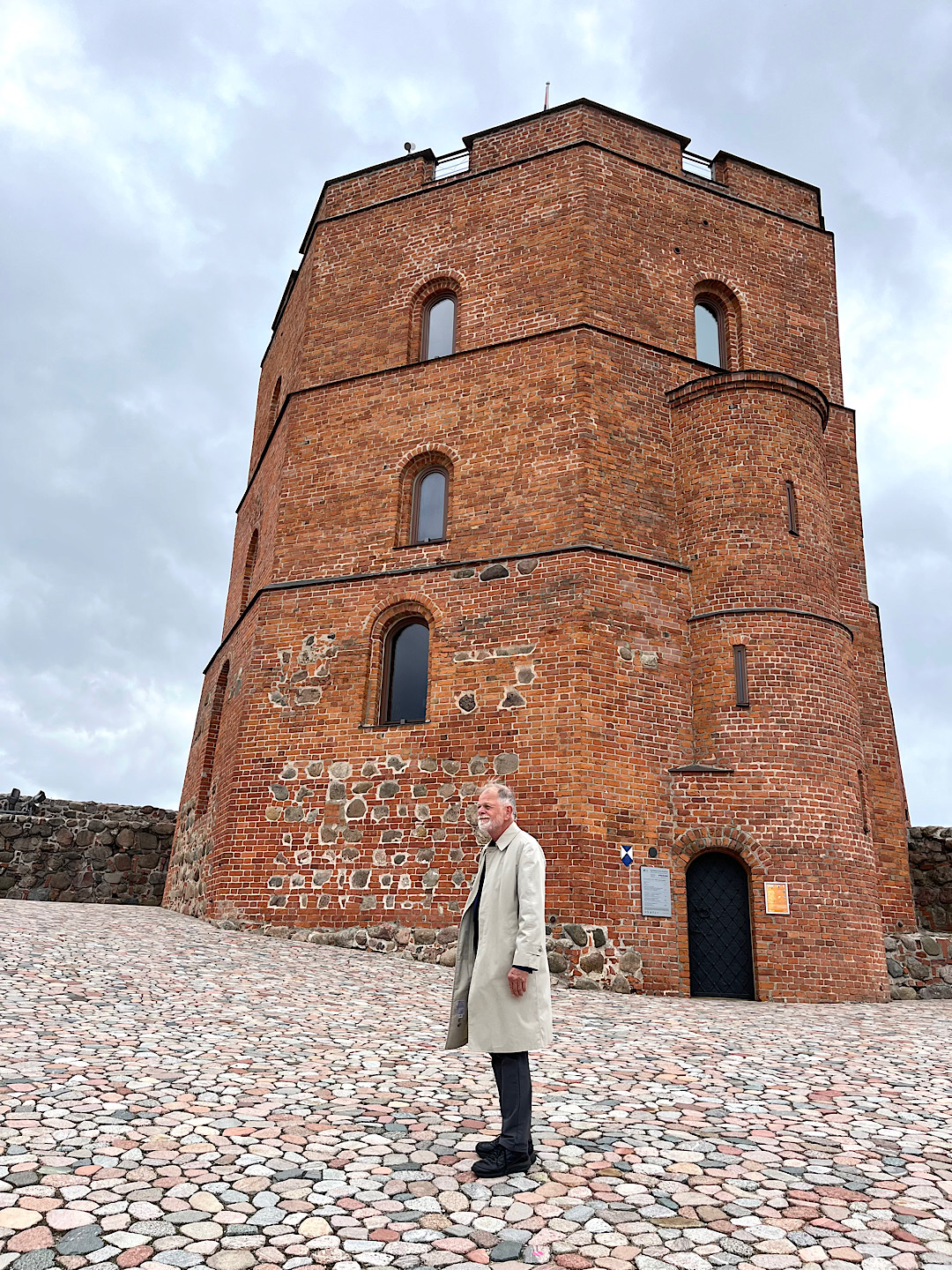 …I stumbled upon a couple of delights. A case set in the floor in one niche housed the skin of a strange creature studded with silvery needles. When I asked a guard if she spoke English, she looked embarrassed and said she didn’t know much. But she knew the creature’s name: wolf.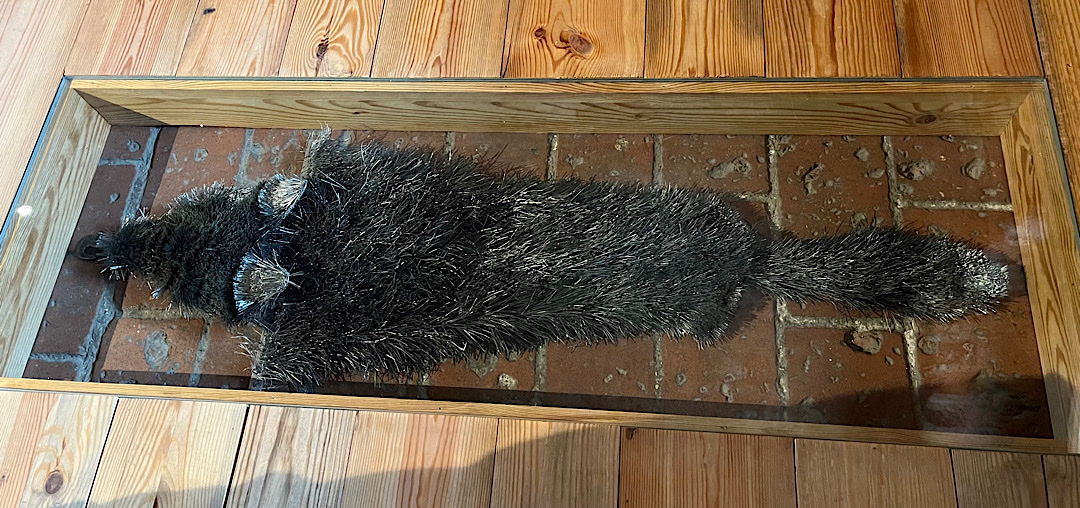
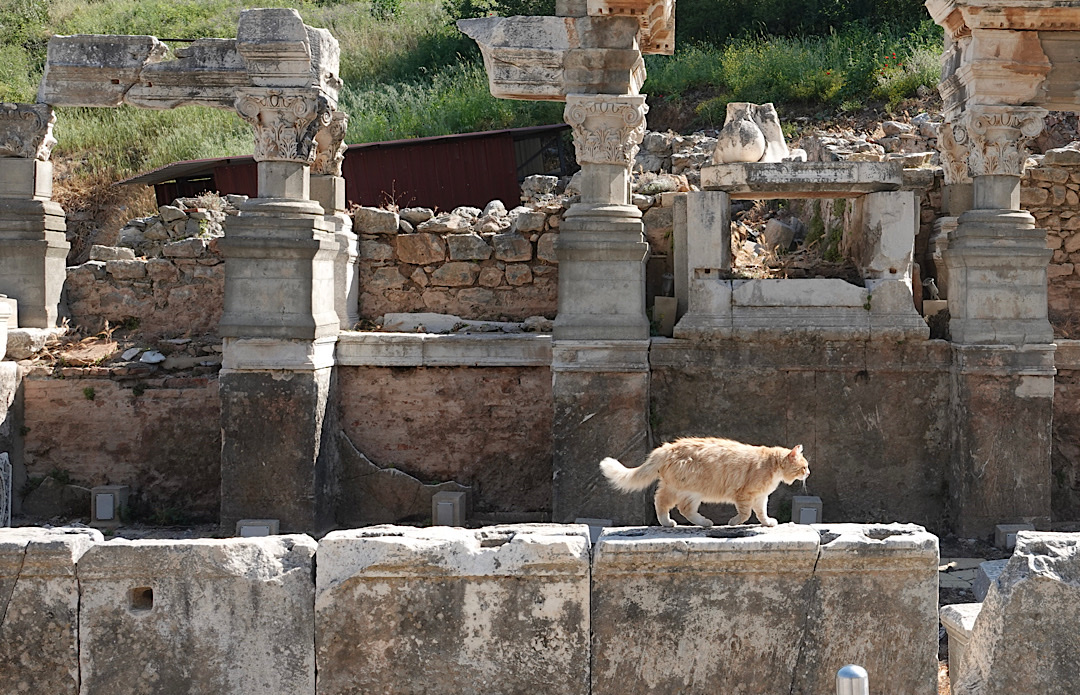
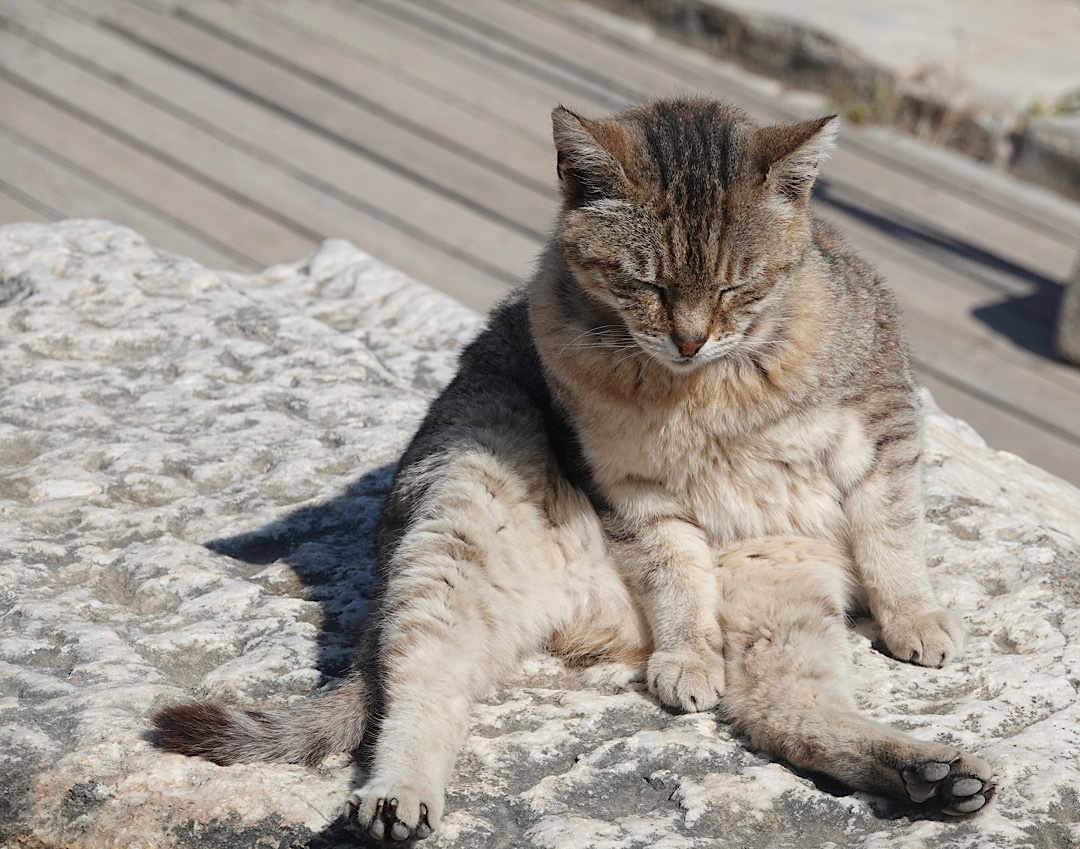 or snooze or just hang out wherever they feel like it.
or snooze or just hang out wherever they feel like it.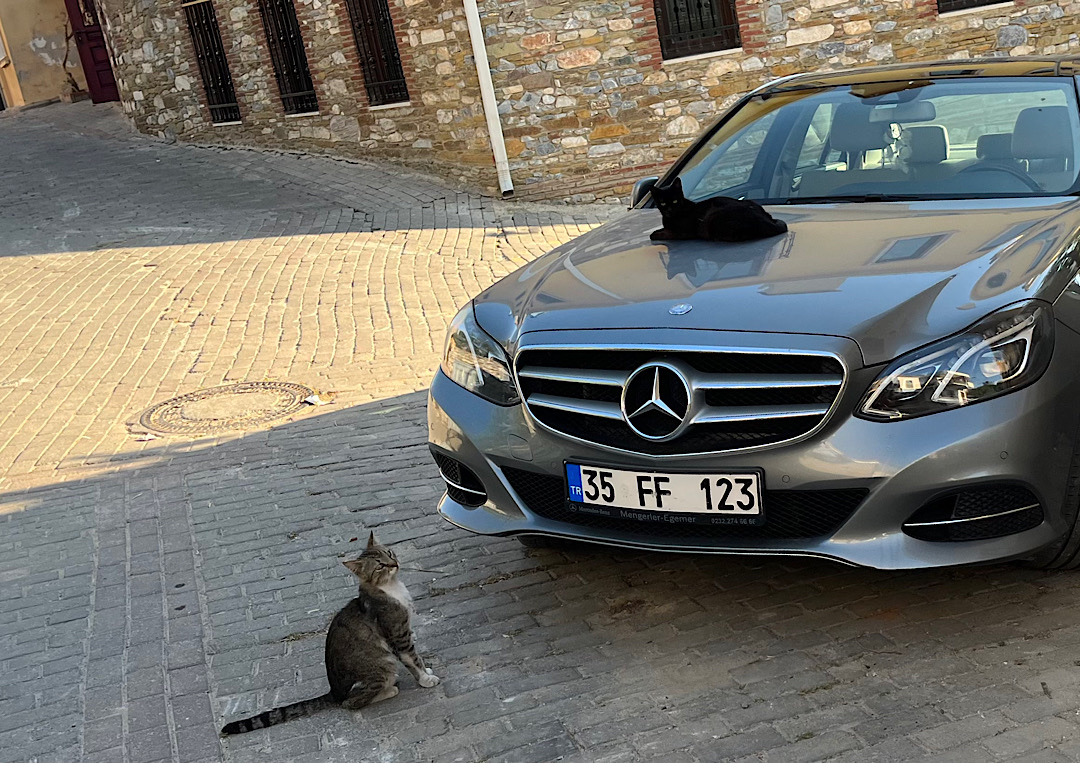 
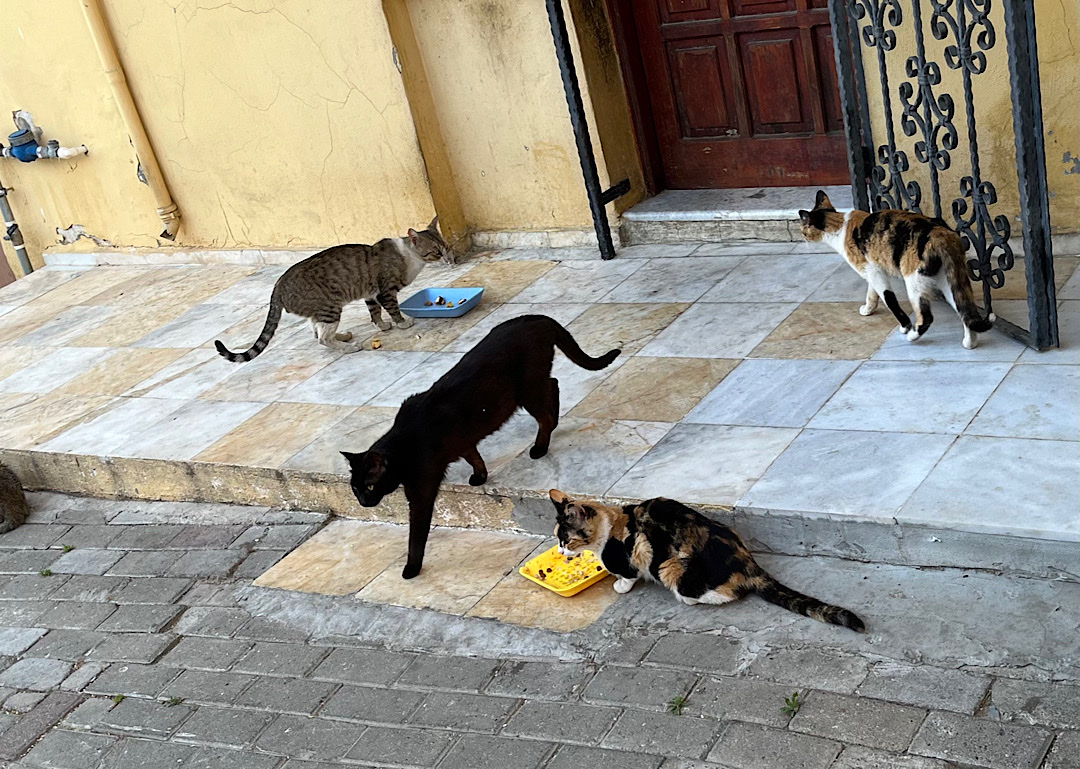
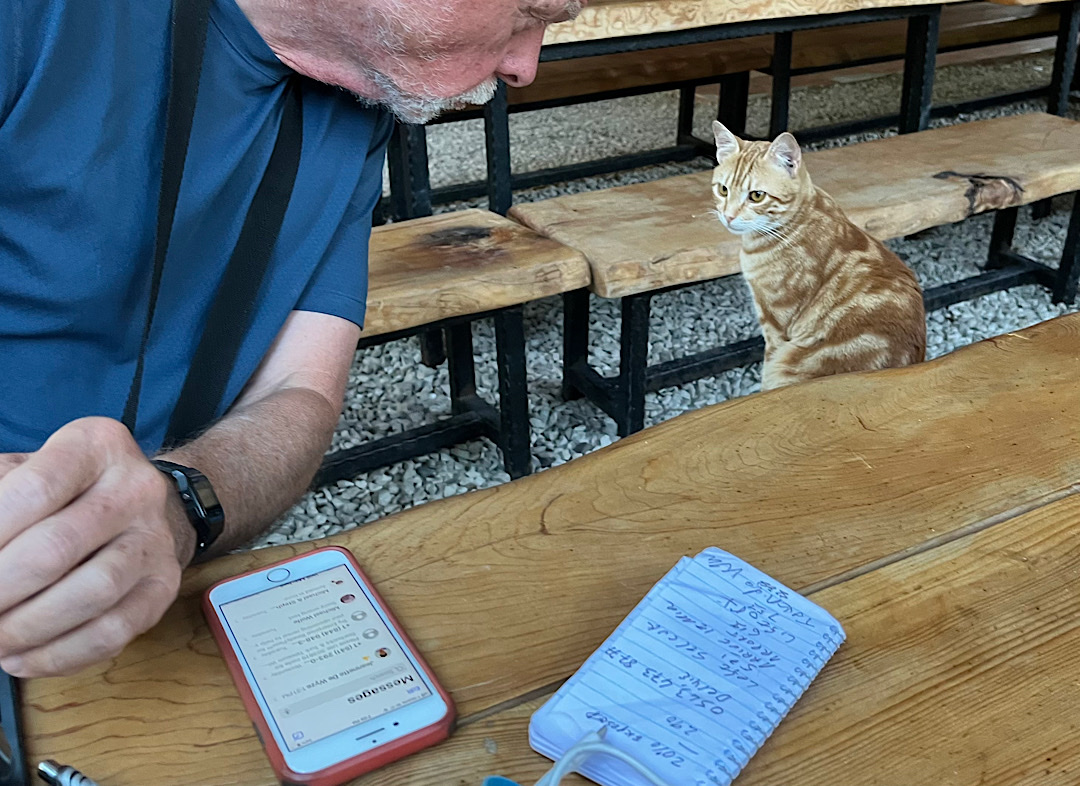
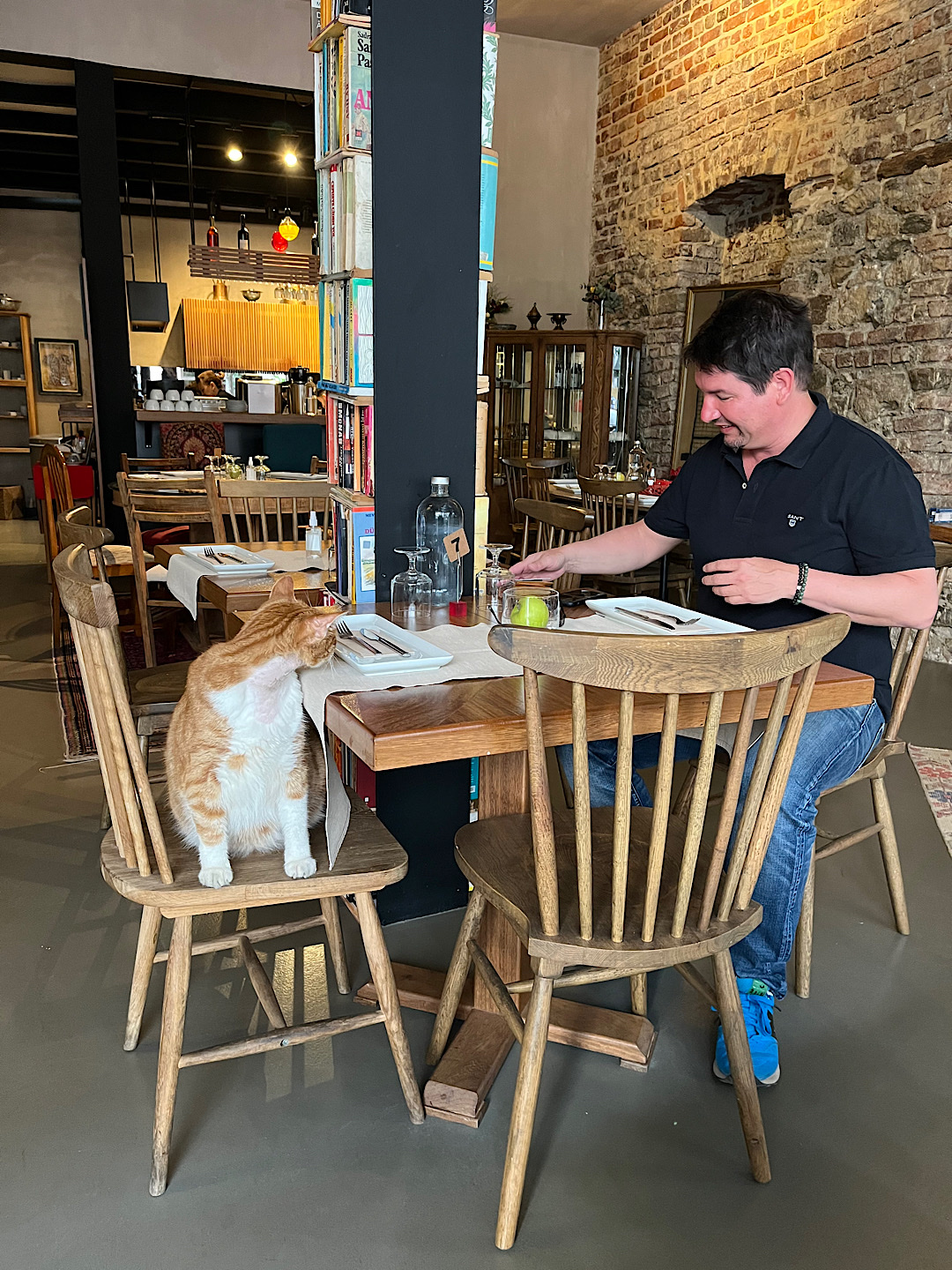 They’re clearly free spirits. Nobody owns them but people everywhere feed them – communal pets in the megalopolis.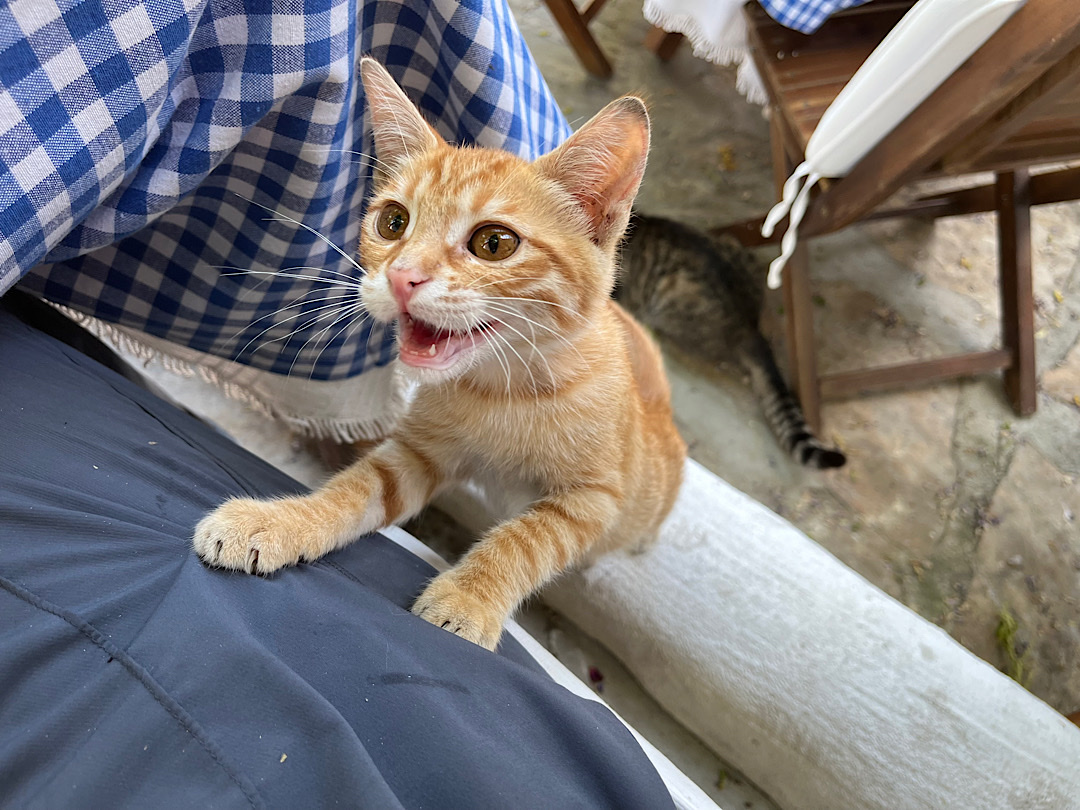
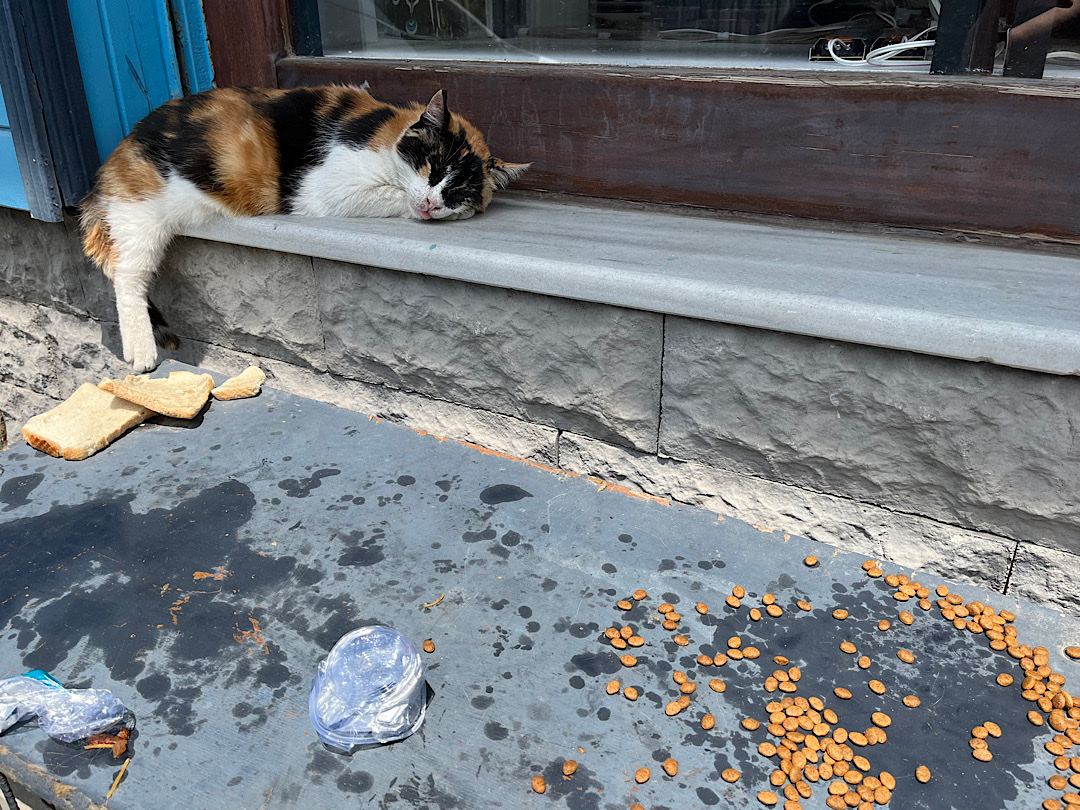
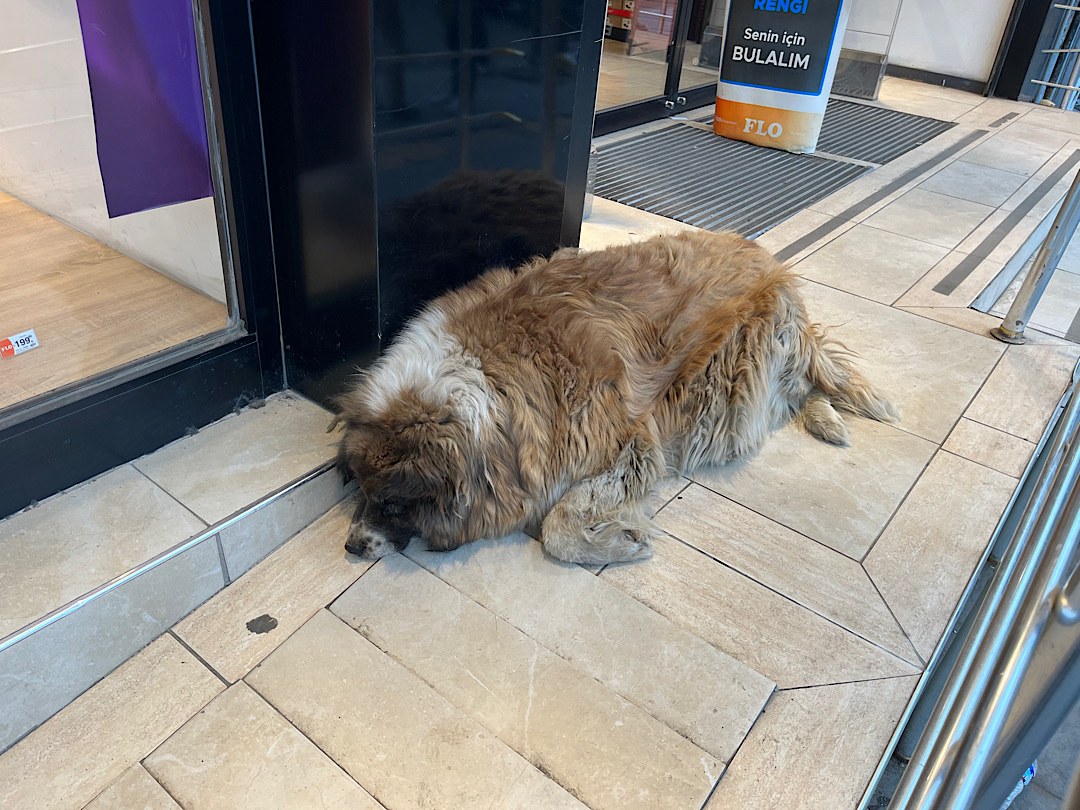
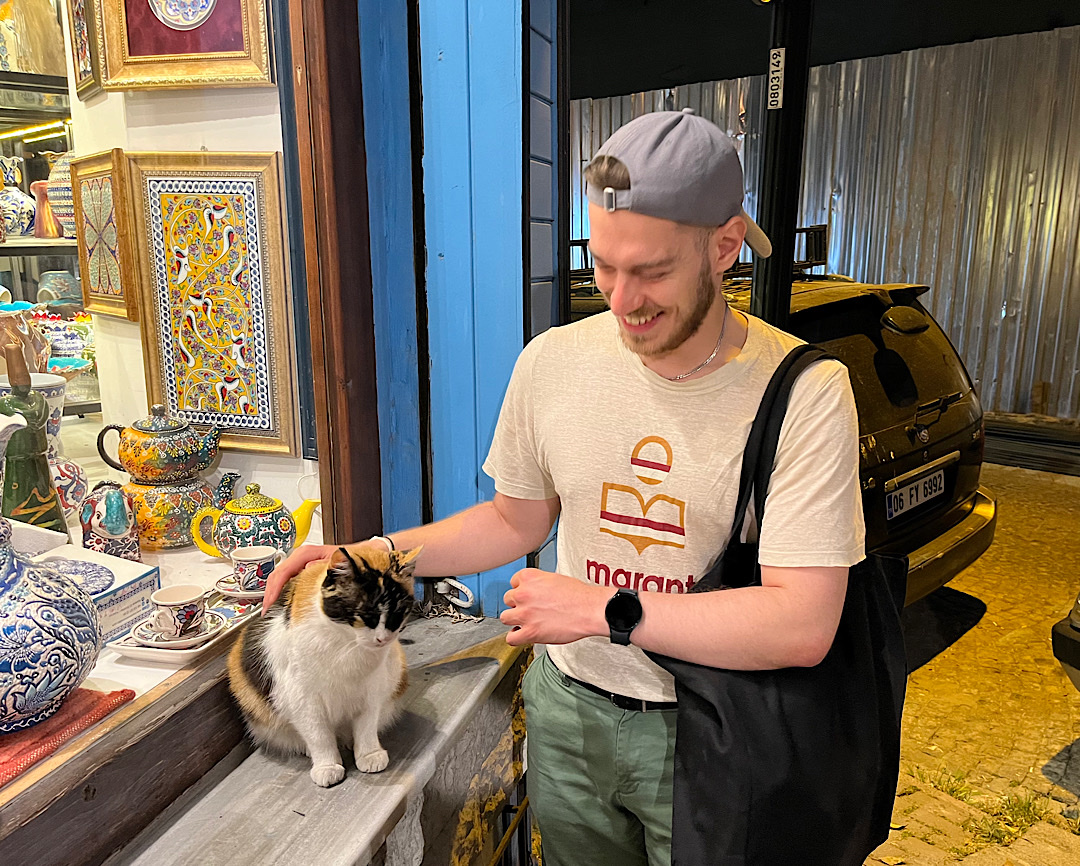
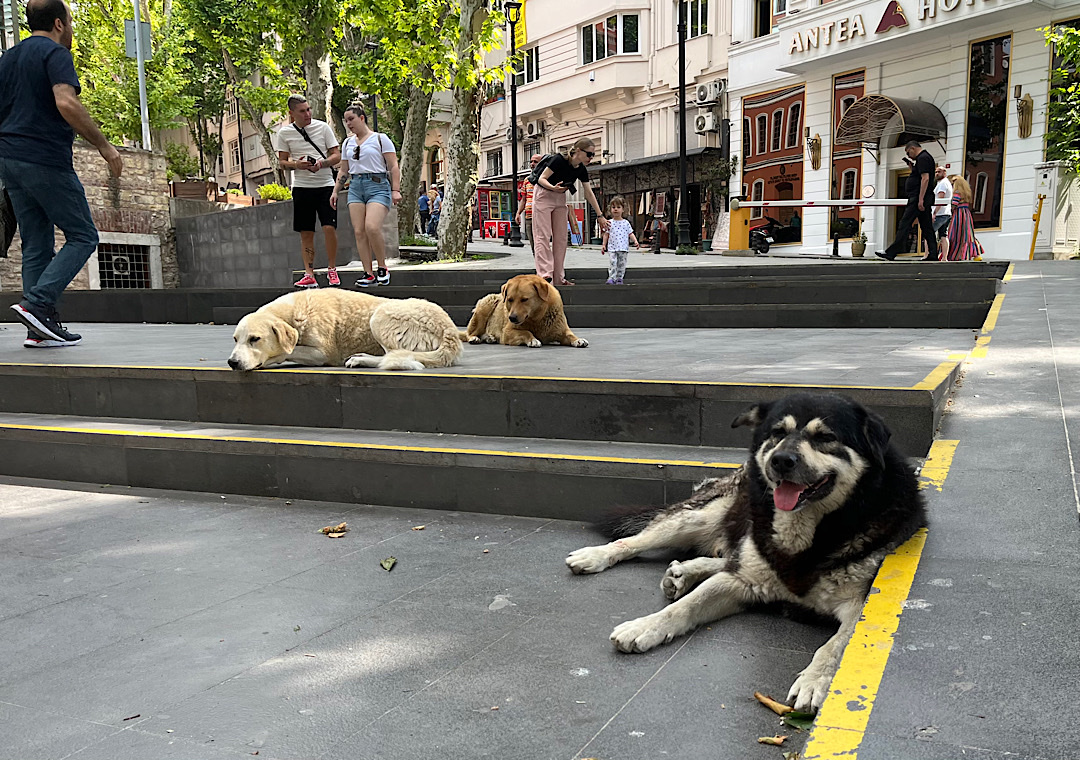 More than anything, they act like they own the place. I was jealous.
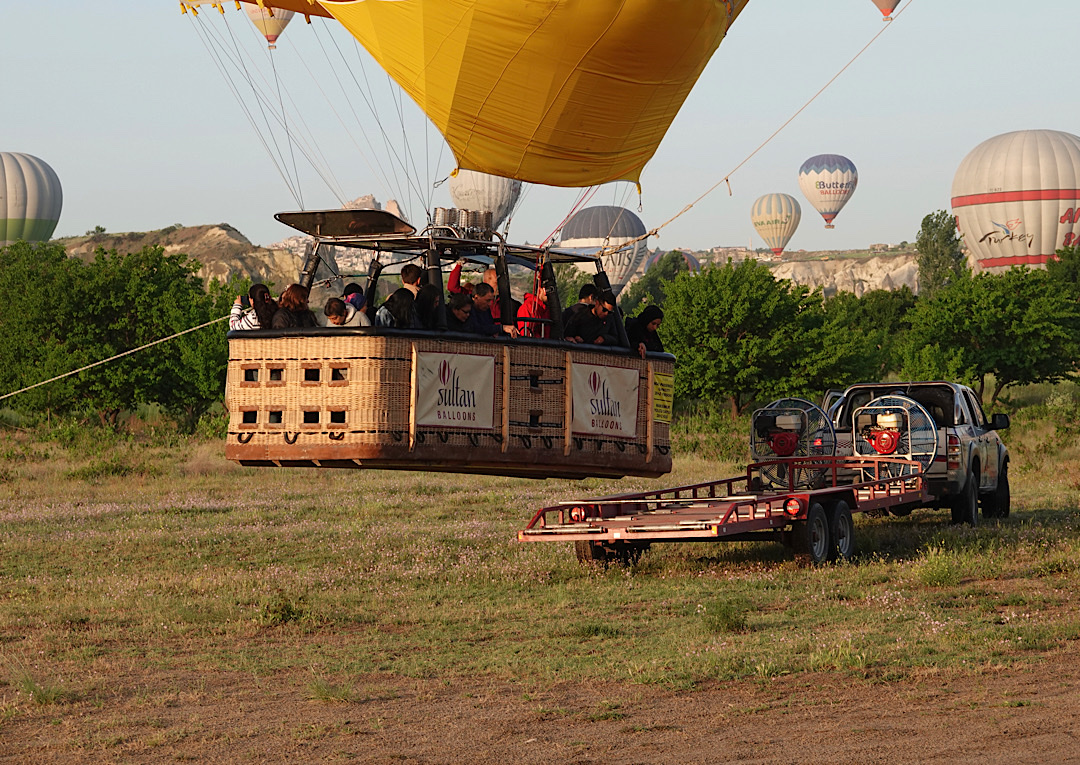
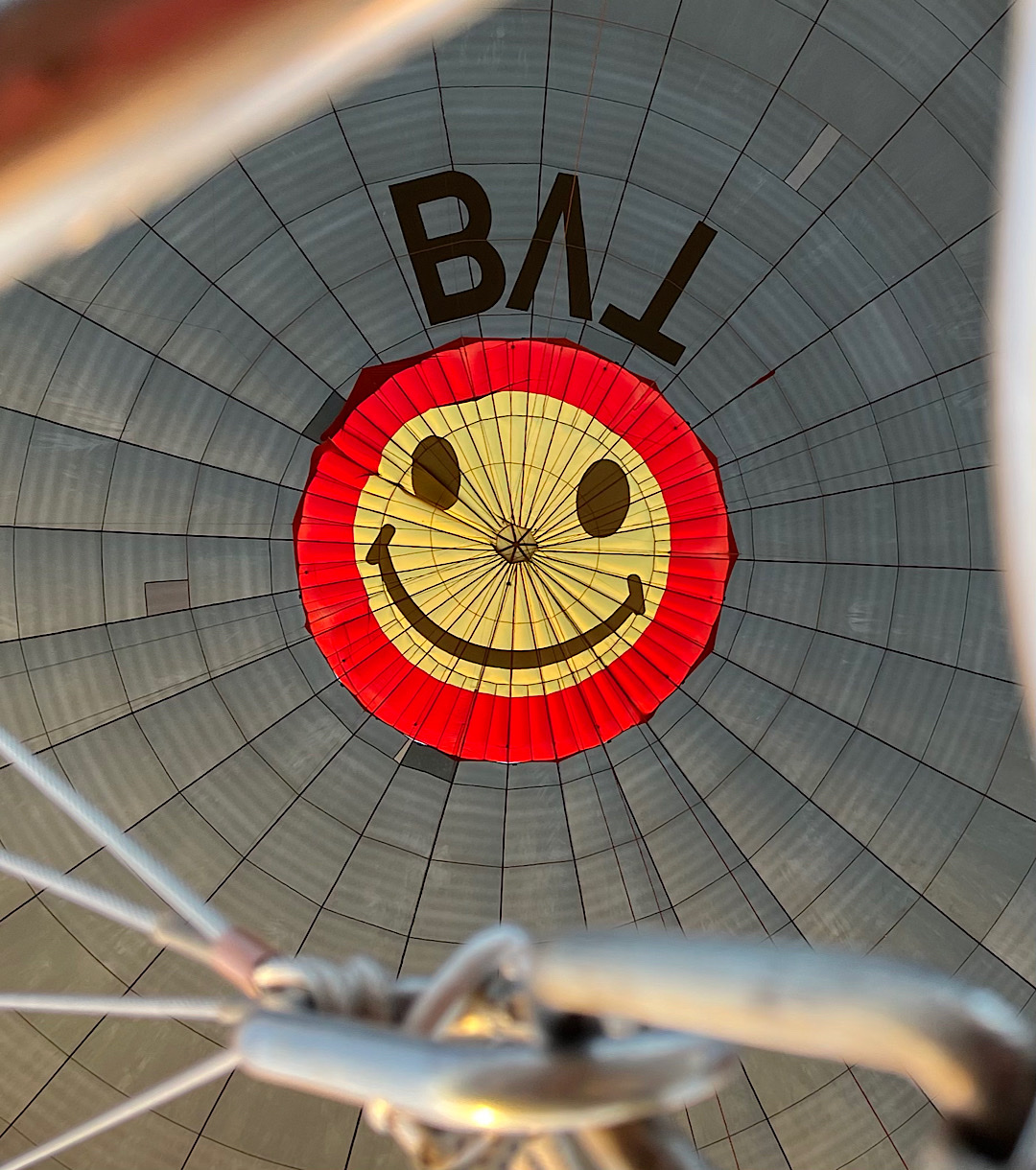
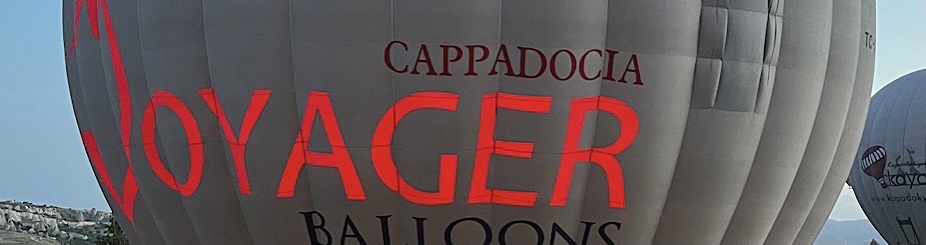 To squeeze the maximum fun into your birthday, here’s a handy tip: set your alarm for 3 in the morning! This will increase the amount of time you have to celebrate. If you happen to be in Cappadocia, as I was, you can be picked up by a van that will take you to a hot-air-balloon launch site. If the weather is cooperative, as it is for more than half the year, you can clamber into a basket holding 22 people and rise above one of the weirder landscapes on earth. After the ride, you can fill the remainder of the day with other amazing activities.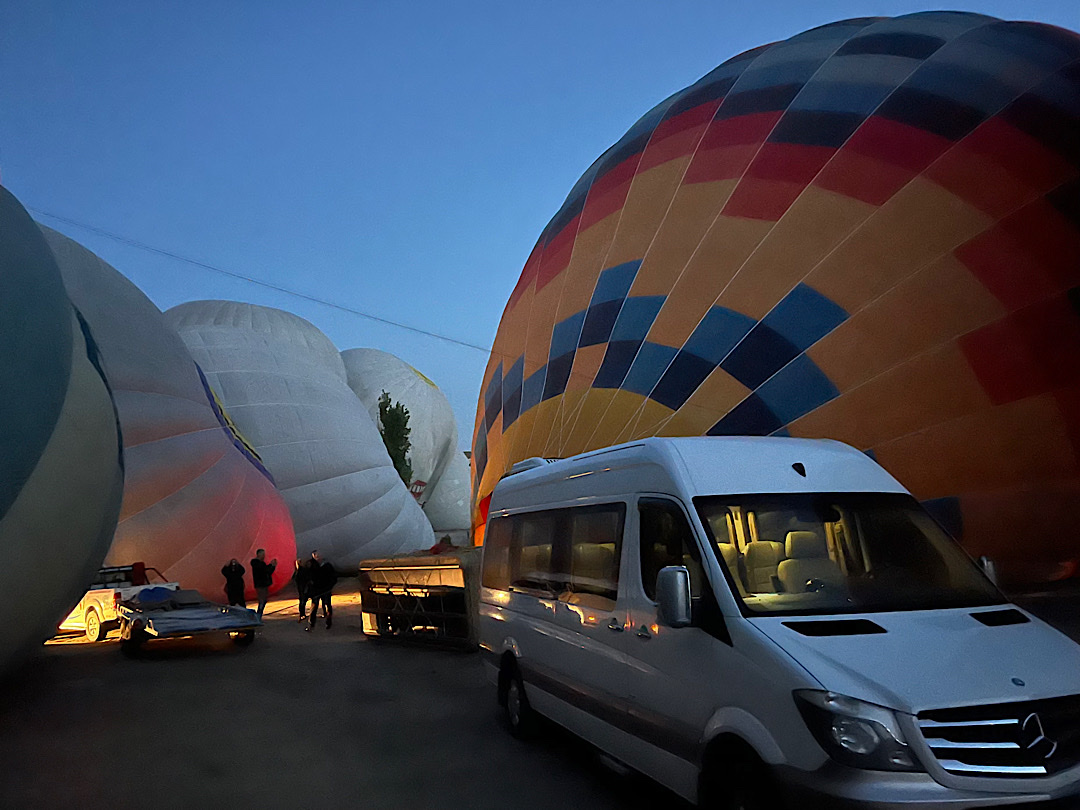
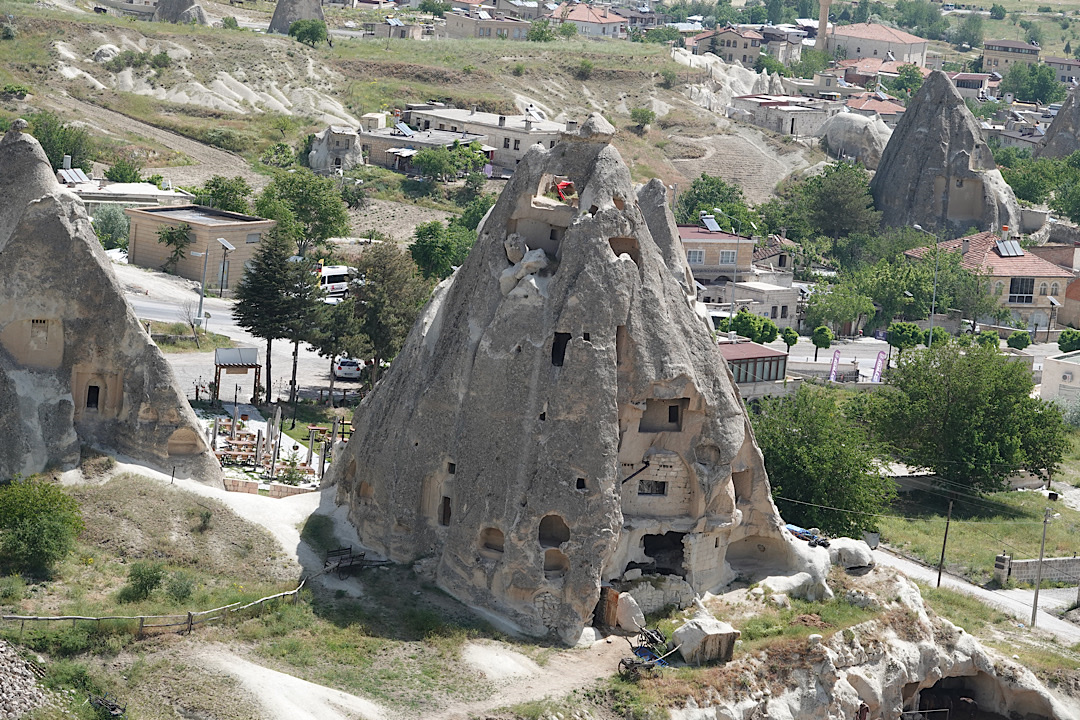
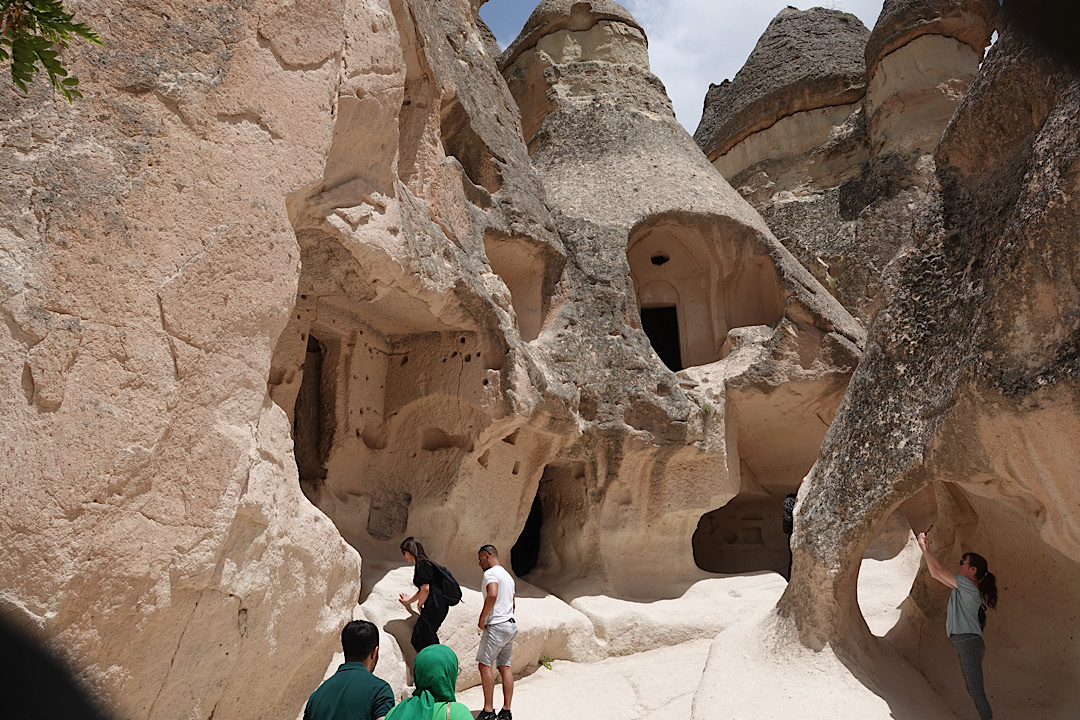
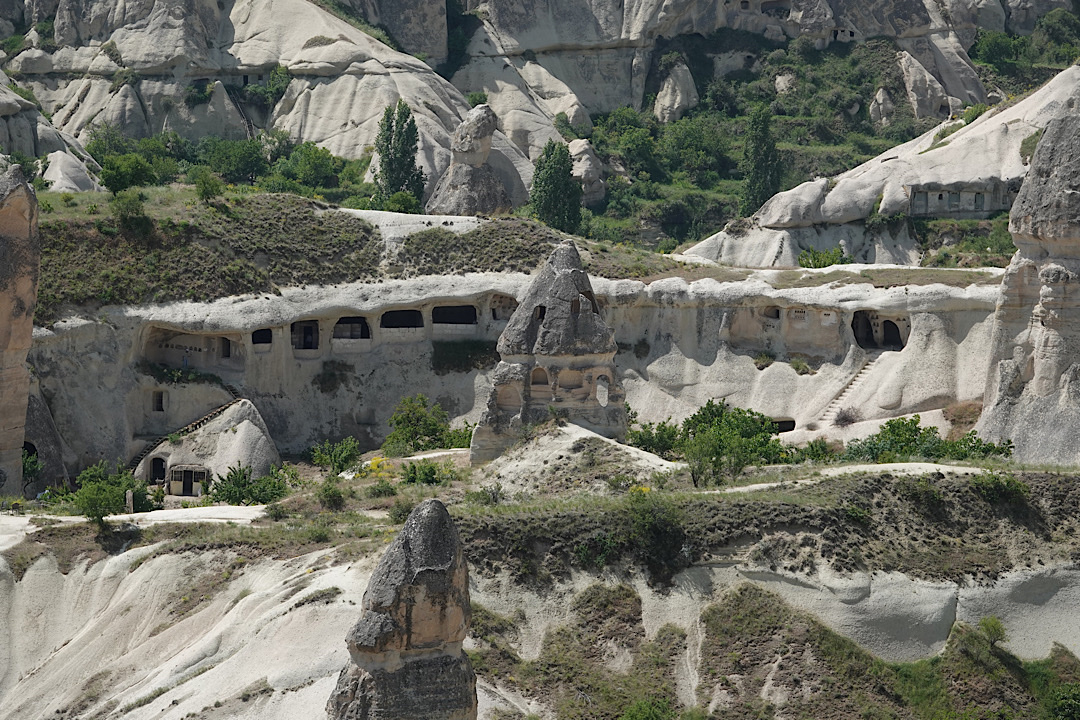
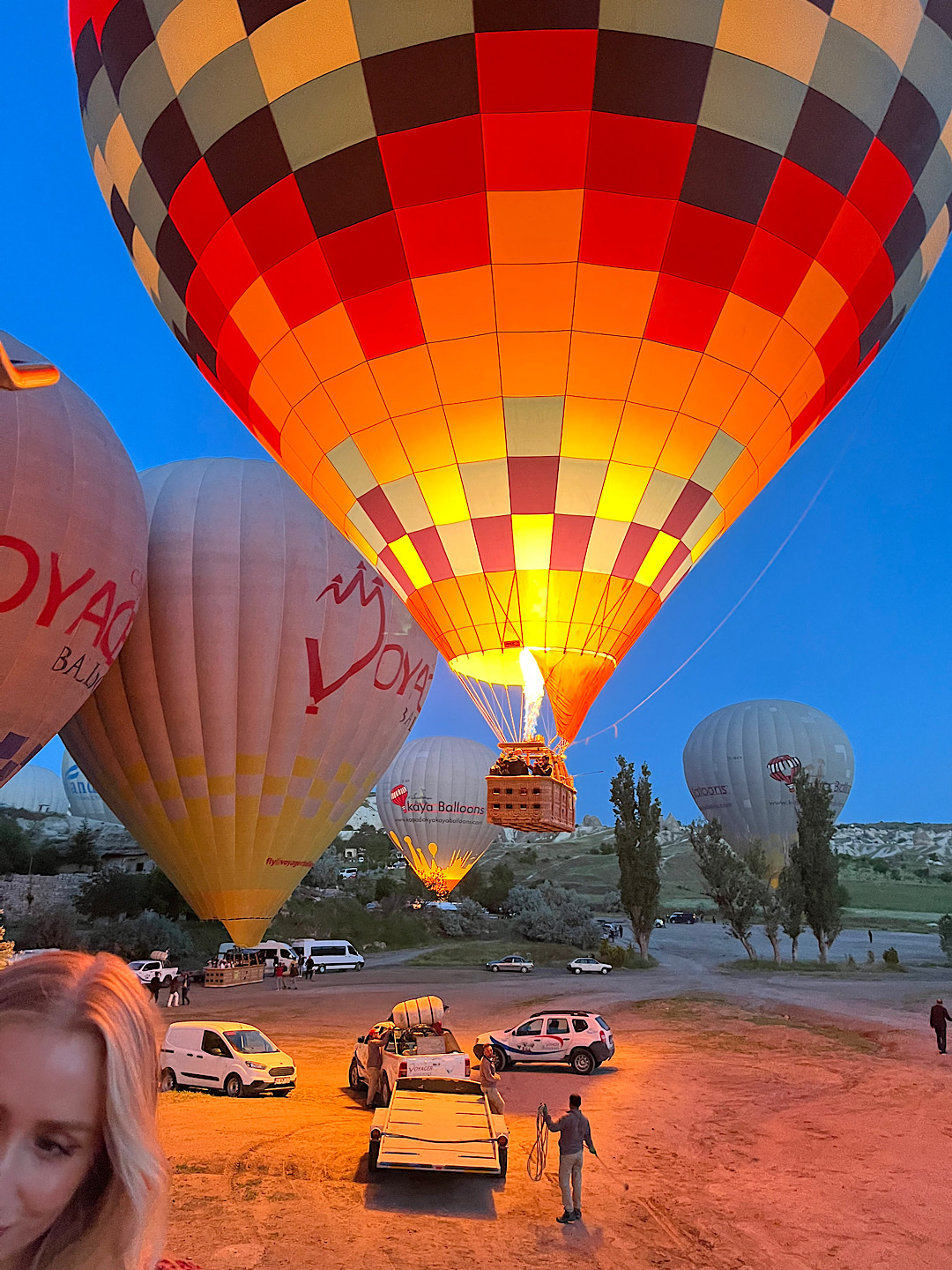 I had expected the major payoff of this experience to be the view of Cappadocia’s famous rock formations — towering stone columns formed by the action of wind and water on soft volcanic ash deposits and known locally as “fairy chimneys.” (They reminded us of the hoodoos of Bryce Canyon.) The views were extraordinary.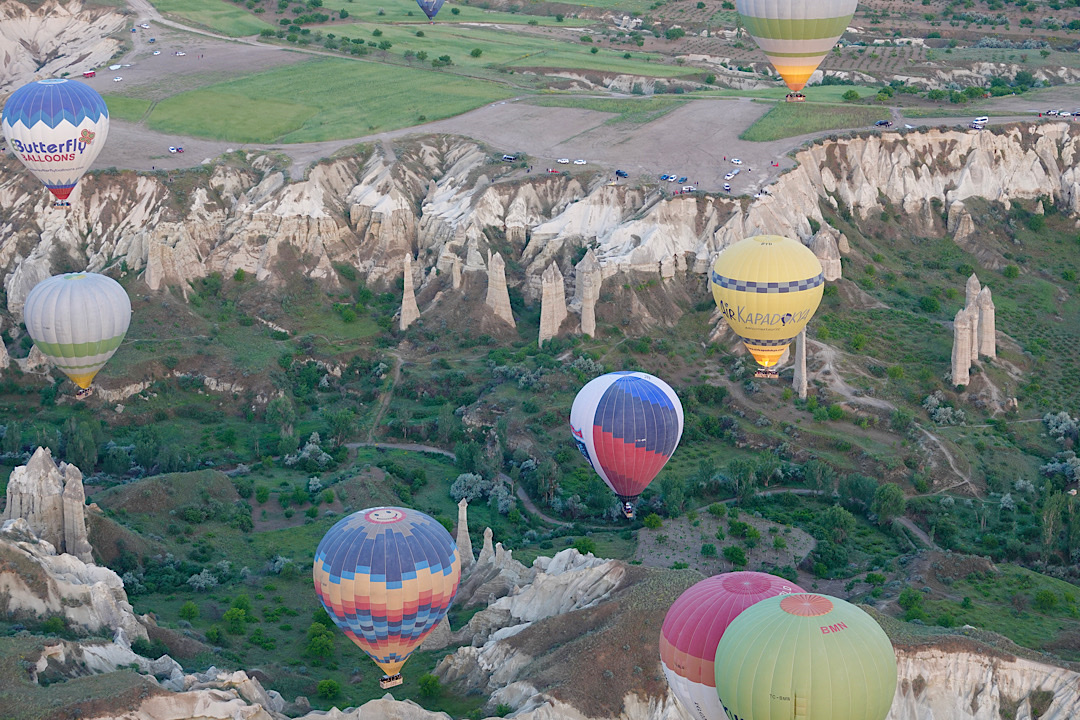
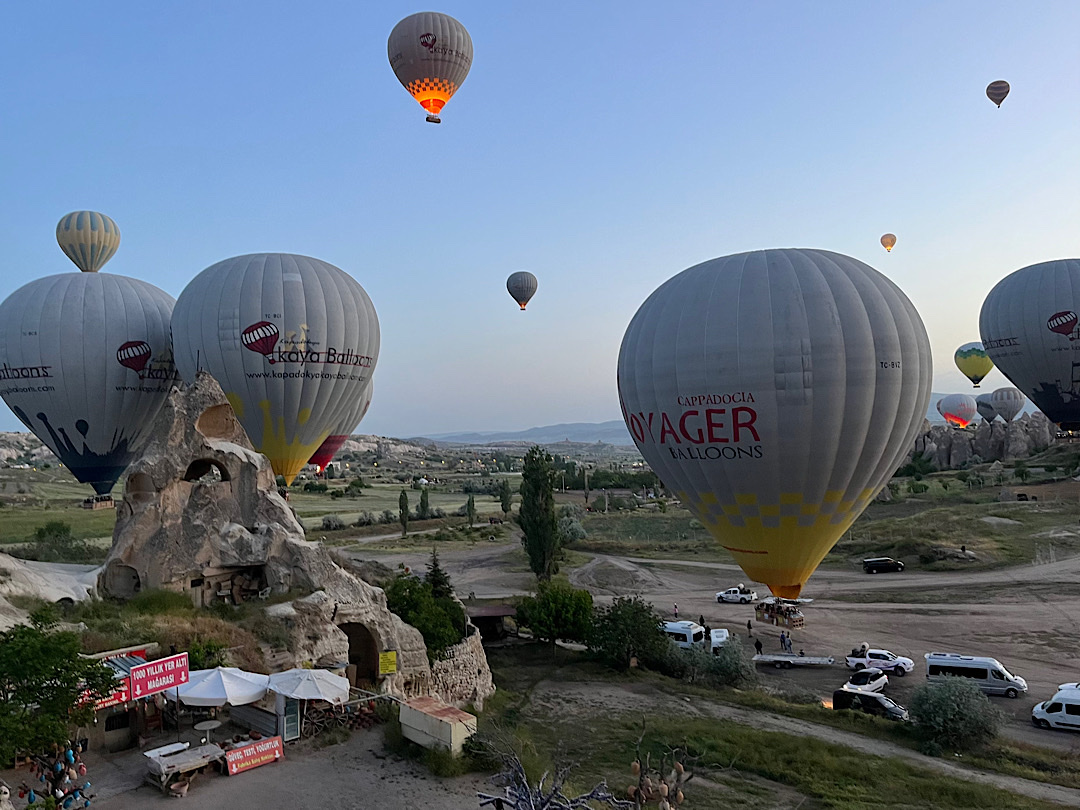
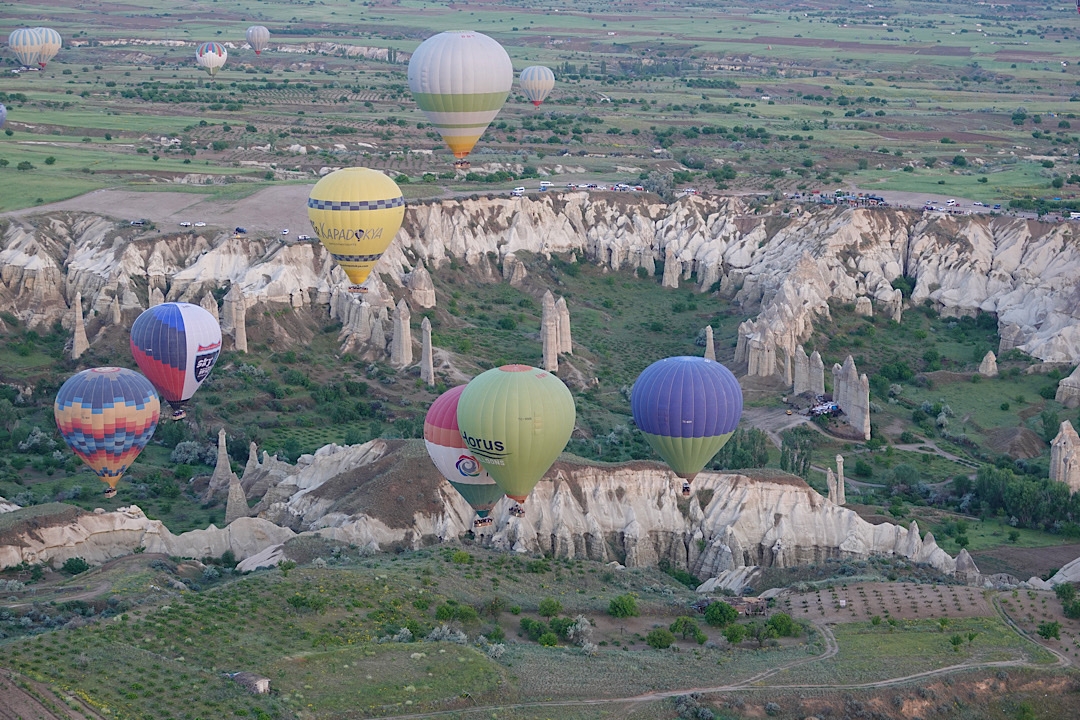 But even more wondrous was the sight of so many hot air balloons in every direction.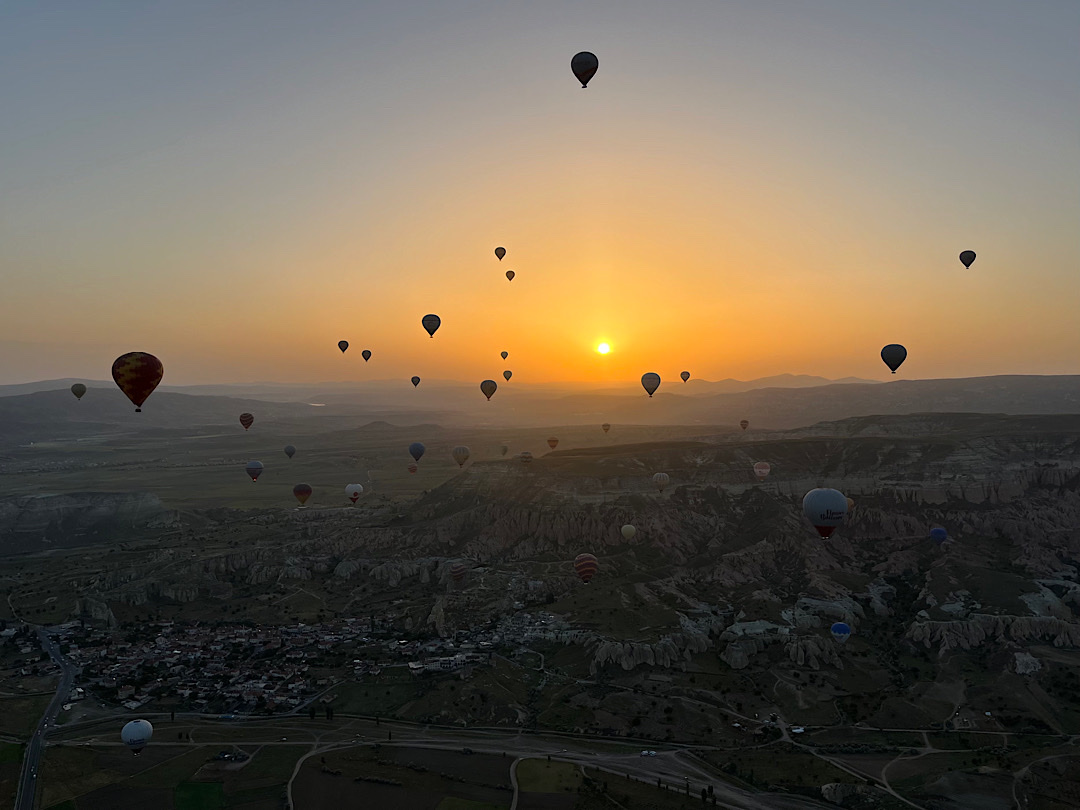
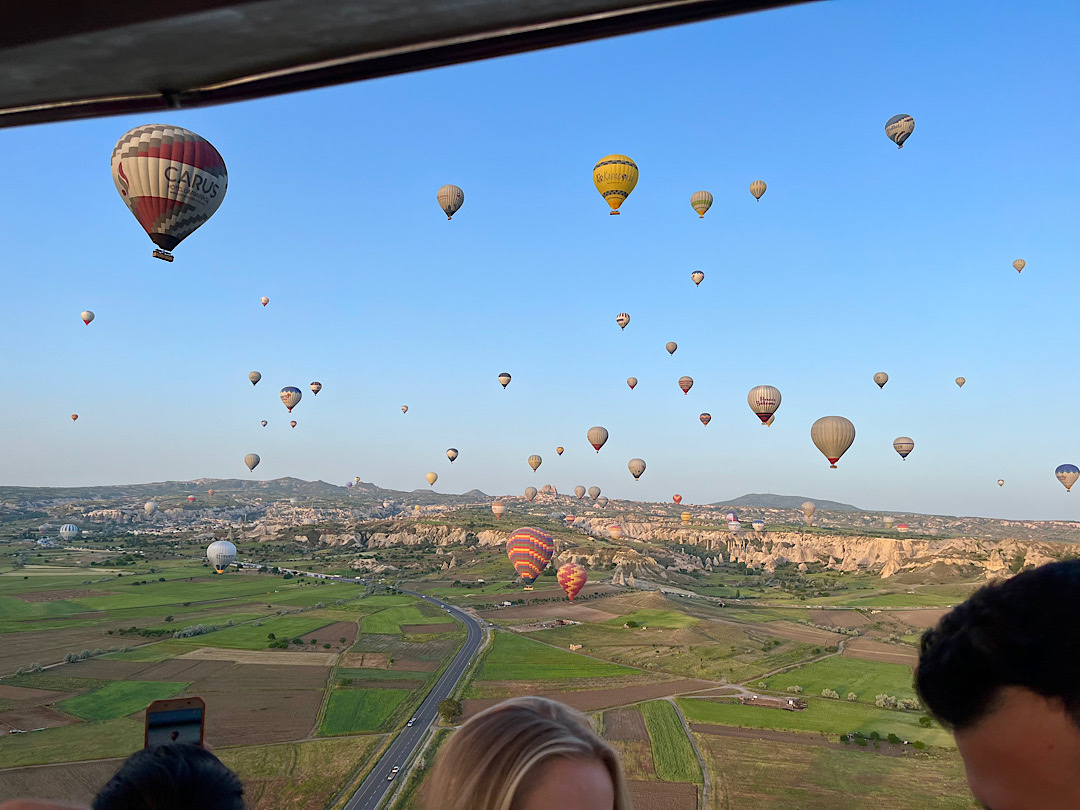 Ballooning only began here about 30 years ago, but powered by images on social media sites, it has burgeoned in the last decade or so. Our pilot Tuesday said more than 150 balloons carrying a couple thousand people now fly here more days than not.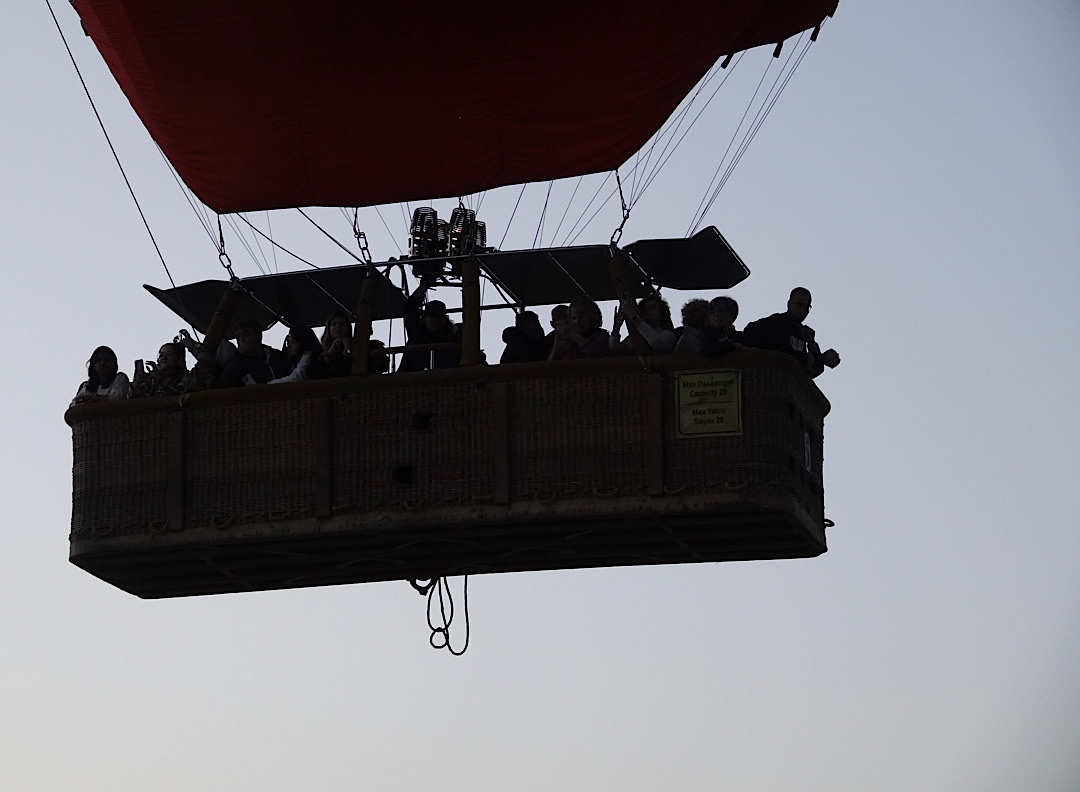
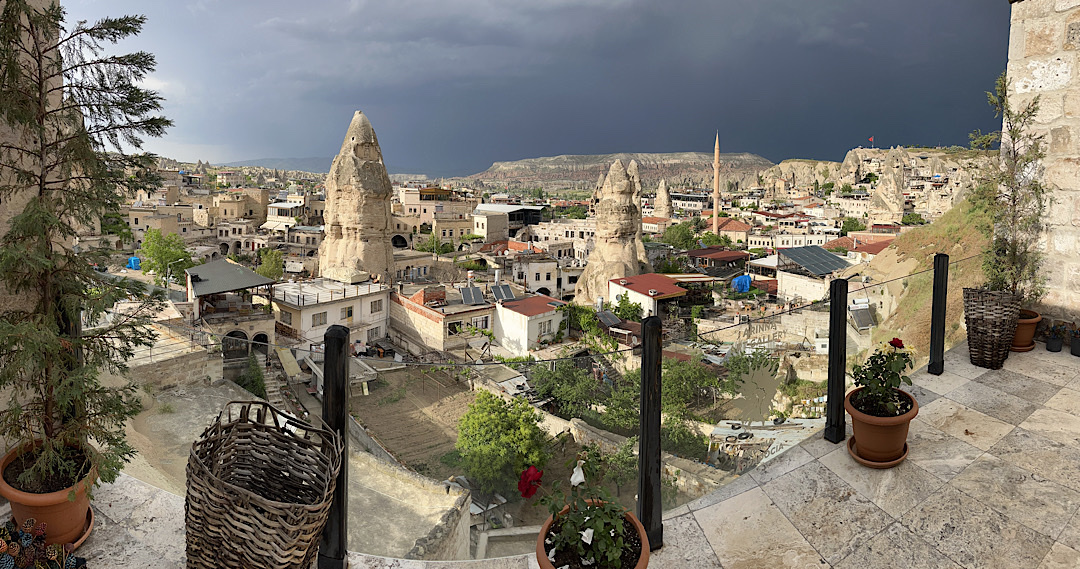 A view from the terrace outside our room.
 At home and abroad