The missing iPad and the missing blog post

I have given up on ever recovering from Arajet the iPad I left on my flight from Santo Domingo to Kingston, Jamaica. A few days ago, I bought a new iPad and electronically erased the old one. Then miraculously, when I checked the Pages app on my new device, I found most of the blog post I had drafted about our travels in the Dominican Republic!

Don’t ask me how this happened. I don’t know why I couldn’t see that draft in iCloud until after I had acquired the new Pad. I just want to put it all behind me — except for the lesson of NEVER slipping another iPad in any airplane seatback pocket ever again.

In the sake of completeness, however, here’s that post, belatedly.

**********

“Hey, Columbus thought he was sailing to Asia. Sometimes you don’t always get to where you think you’re going.” Steve reminded me of this as we stood (Sunday, June 2) in the soggy ruins of San Francisco Monastery in the old colonial heart of Santo Domingo (capital of the Dominican Republic). Months ago, when I started planning our travels in the Caribbean, I had read about the free concerts given there every Sunday night by a beloved local ensemble, Grupo Bonyé. I’d seen photos and videos of the boisterous crowds dancing to merengue and bachata; I’d absorbed the advice of one blogger who declared, “If you’re visiting Santo Domingo, schedule your trip around being there on a Sunday just to attend this free, open-air concert.” 

So I did. I set up all the dominoes to put us in this spot on a Sunday evening. Now it was raining. We saw the stage where plastic sheets covered musical gear that had been set up. But no musicians; no fans. Just some stagehands who were starting to reload it all into a truck.
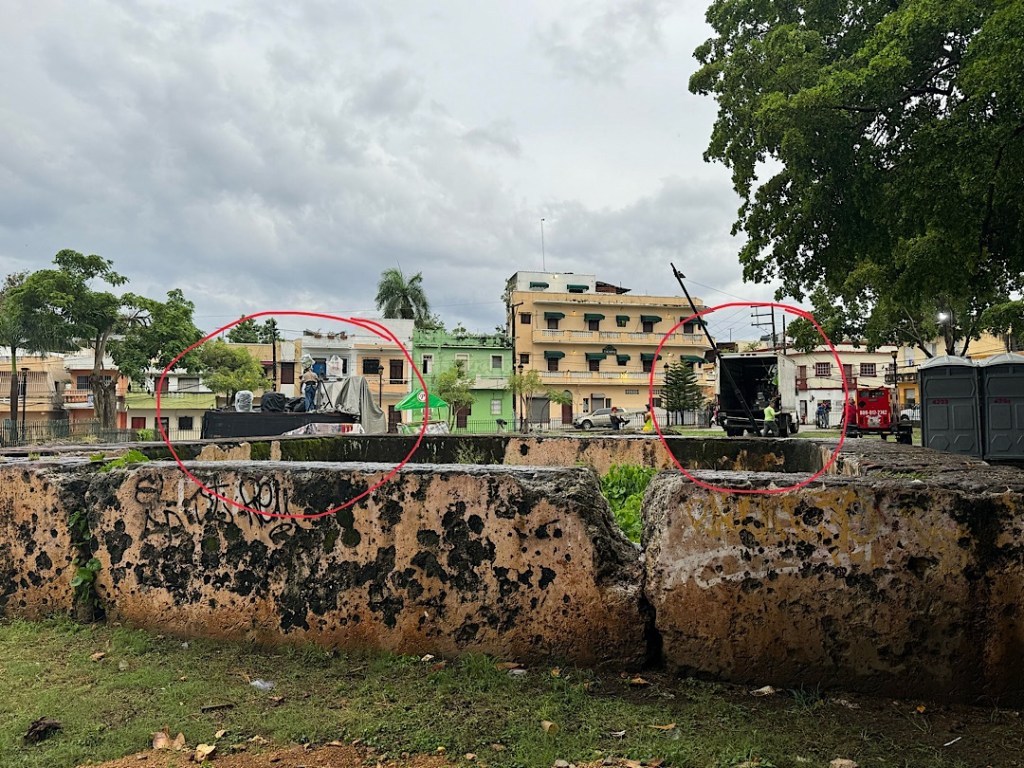
That’s the would-be stage on the left and the truck on the right.

I felt disappointed — not the only time I would feel that way during our 9-day visit to the country that shares the island of Hispaniola with Haiti. Like Columbus, I couldn’t complain, though. Unexpected pleasures compensated for the downsides.

The worst nightmare was the way people drive. Compared with the little islands where Steve and I started our Caribbean travels, the DR is not just way bigger but much more prosperous. For more than 50 years, it’s grown on average faster than any other country in Latin America. This had led me to expect better roads and drivers. Instead I learned the Dominican Republic ranks as the deadliest country in the world in terms of road deaths – almost 65 fatalities per 100,000 people in one recent survey (compared to just under 13 in the US. Or 41 in Zimbabwe, the second deadliest.) I looked up the numbers because we were so appalled by what we saw after picking up our little Suzuki Dzire — drivers routinely ignoring not just stop signs but traffic lights. Speeding and passing and zooming down the wrong side of the road to avoid potholes. No highway on-ramps. Astonishingly overloaded vehicles.
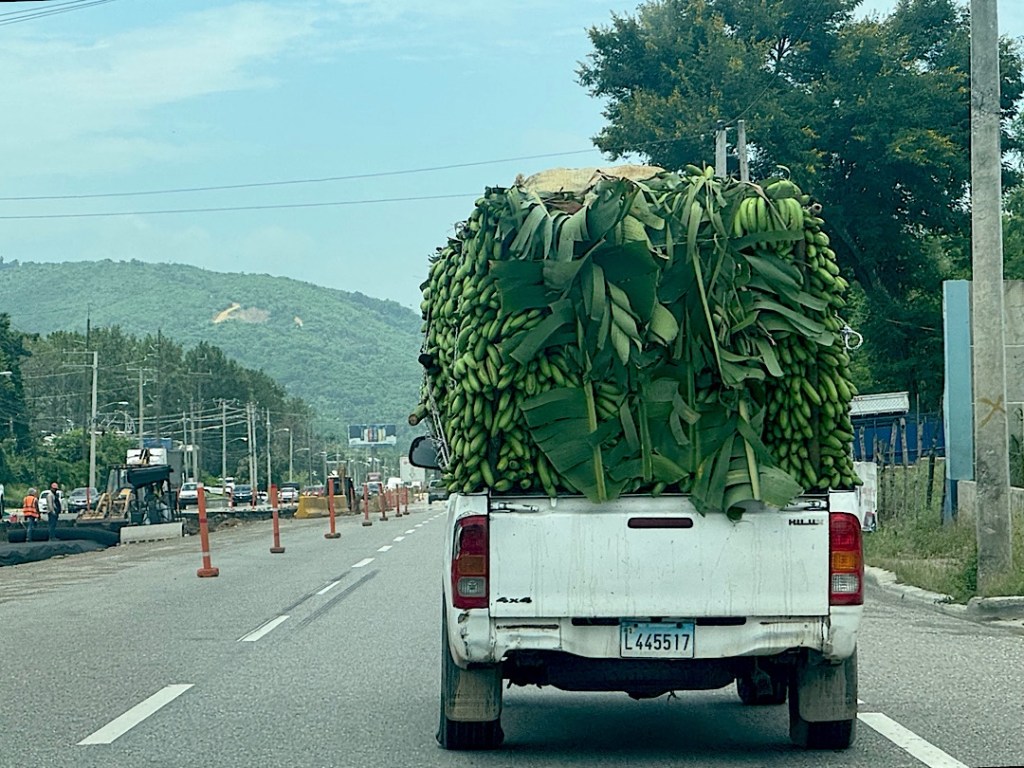
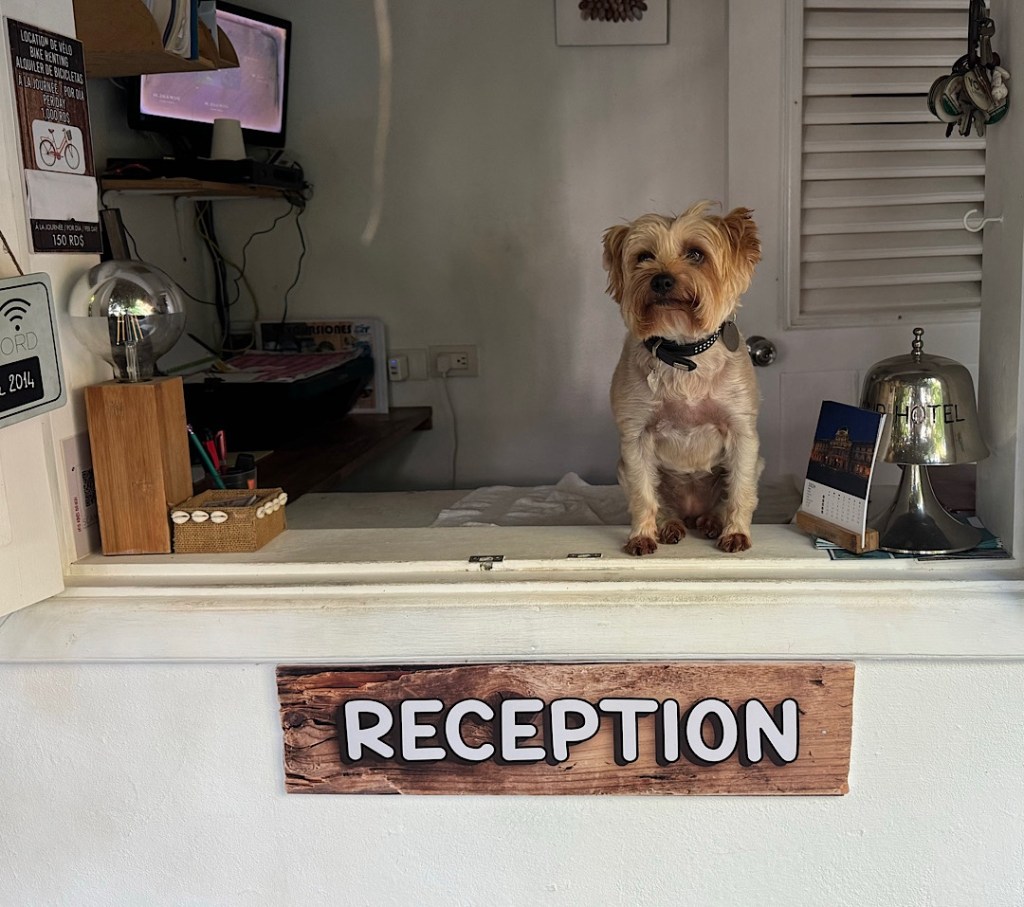
Having the car did enable us to see more of the DR’s many facets. We started by driving to the beautiful, relatively undeveloped Samaná peninsula, which forms the island’s northeast corner. There we stayed for three nights in a charming French-owned B&B.
We spent a day enjoying the beach town of Las Terrenas.
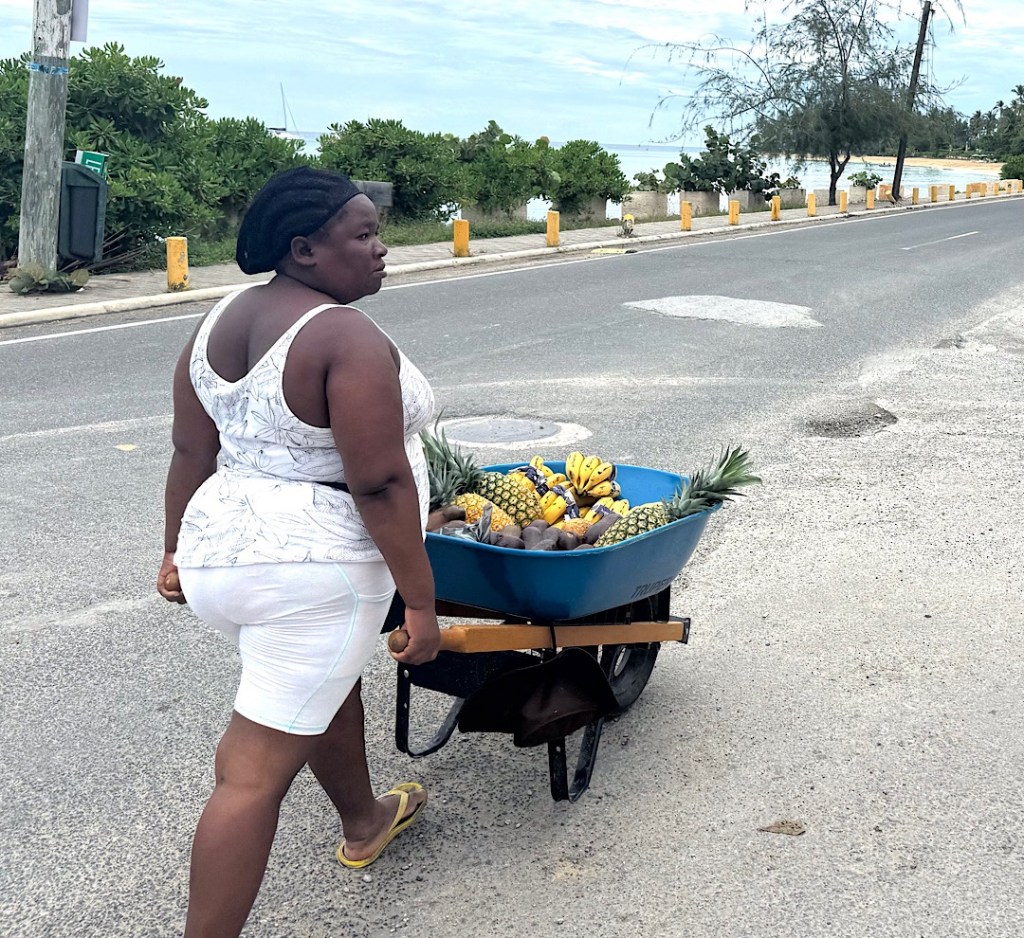
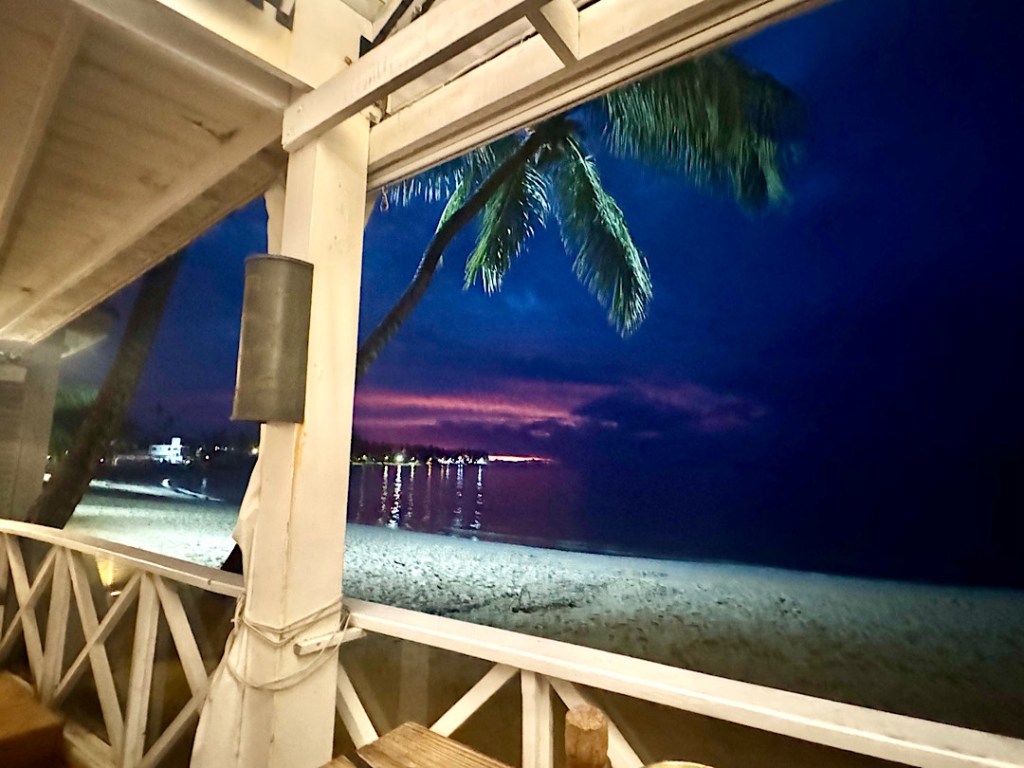
We dined at local restaurants on the sand.

Our second full day we joined a group that was bused to the regional capital and loaded on a catamaran for a day trip to Los Haitises National Park.
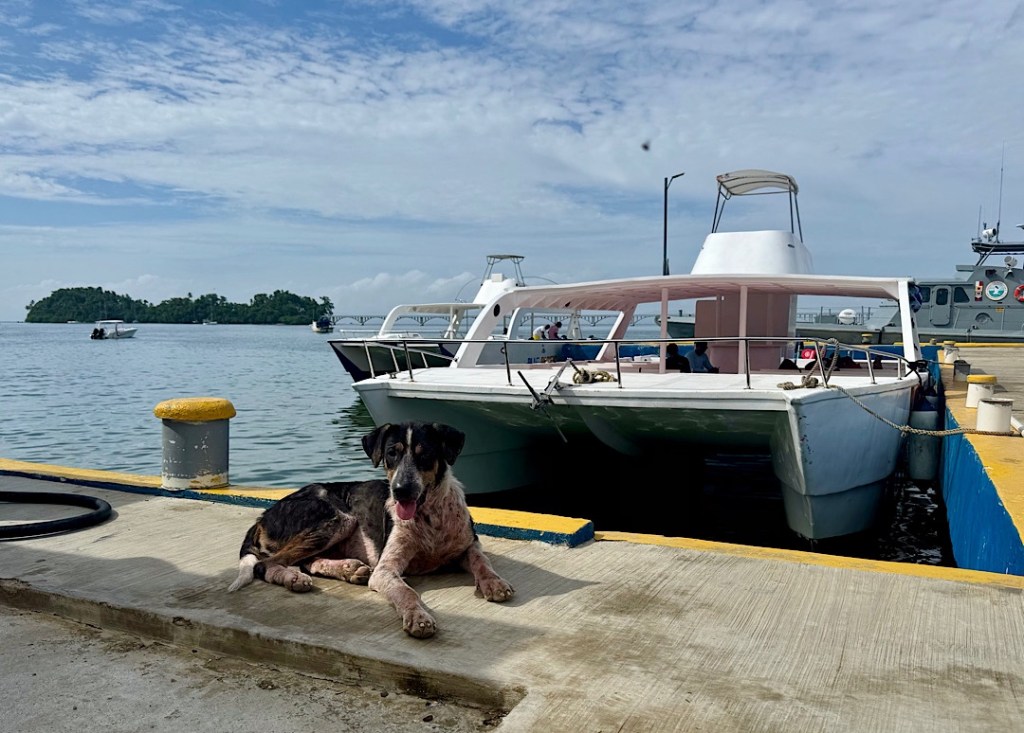
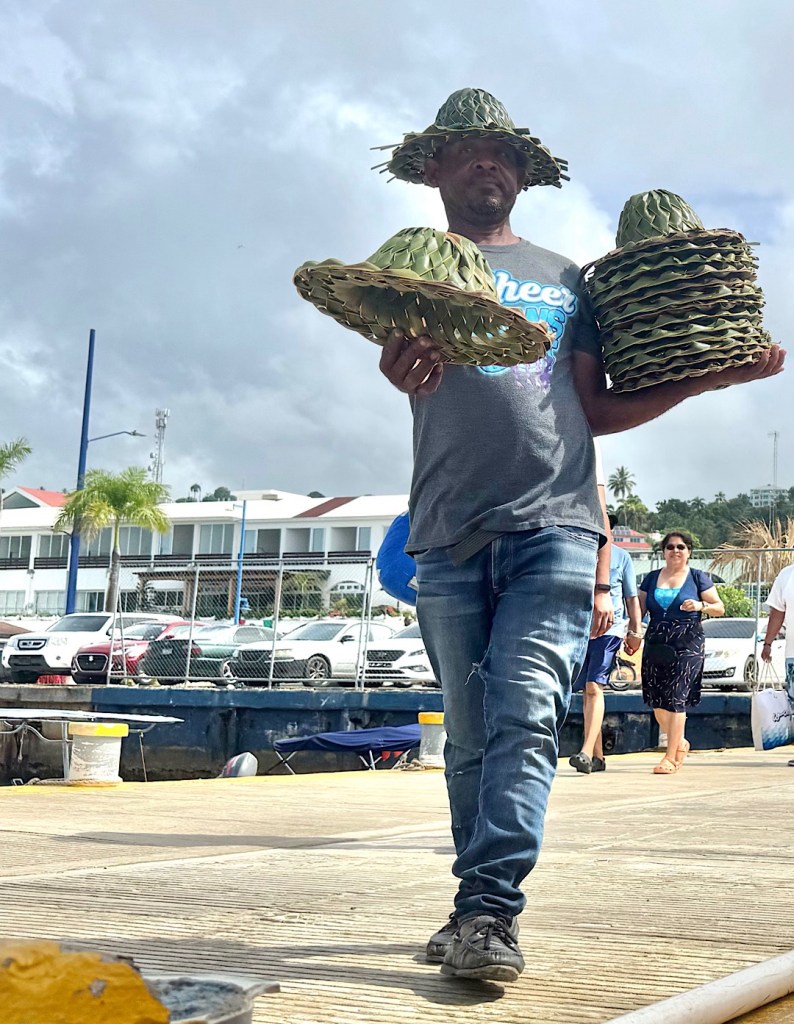
The day was so overcast, I didn’t need a straw hat. But they looked cool.
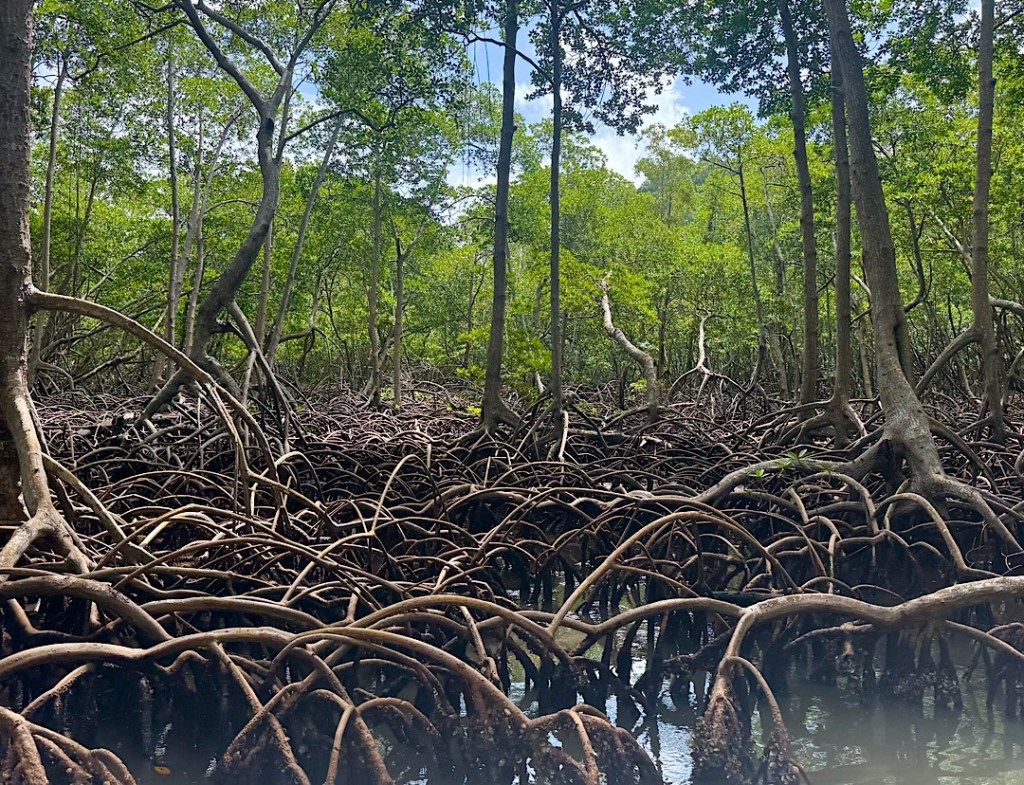
At the park we motored through tall mangrove forest.
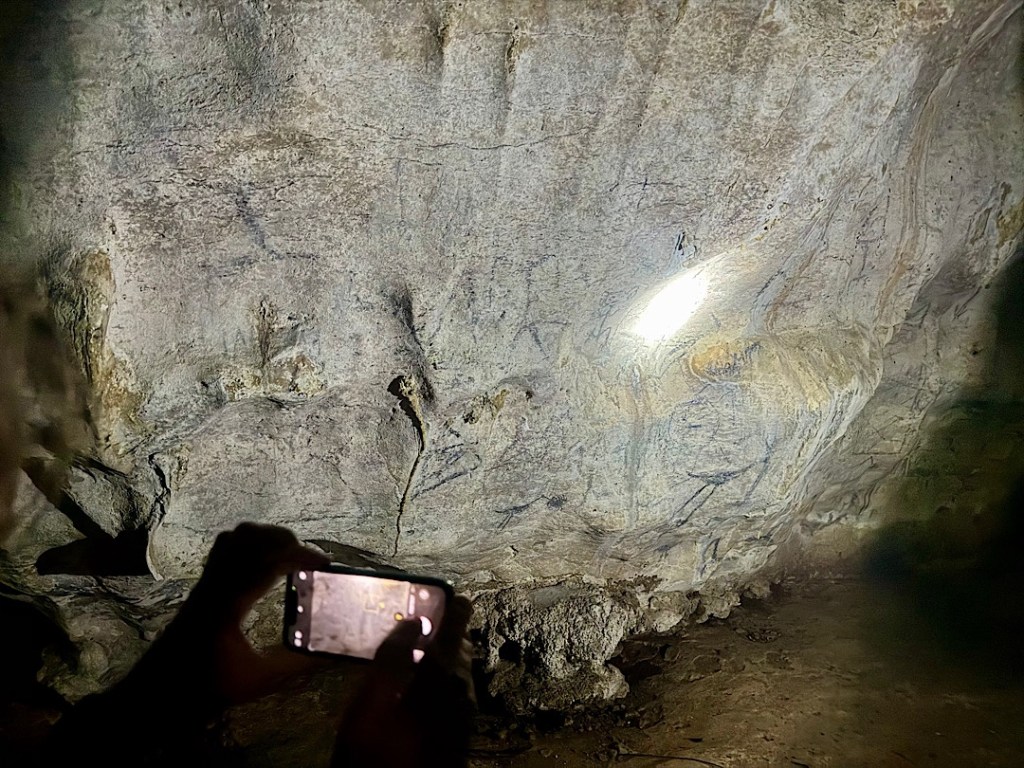
We disembarked and hiked into some of the caves.
Parts are covered with paintings that are 1,600 years old.

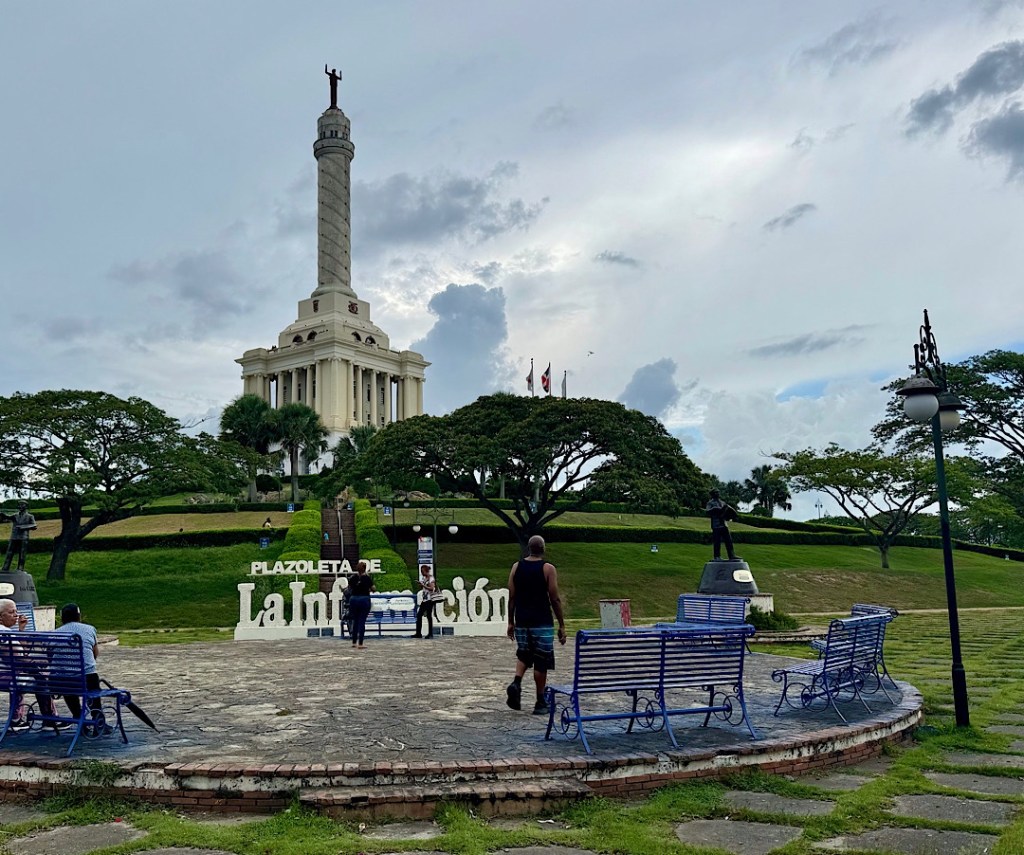
The next day we drove to the second largest city, Santiago de los Caballeros, and climbed the impressive monument that honors Dominican heroes from the country’s insanely complicated history.
The morning after that, on Friday, May 31, we headed for the mountain towns of Jarabacoa and Constanza, where the higher altitudes bring the temperatures down from “hellishly hot” to pleasant.
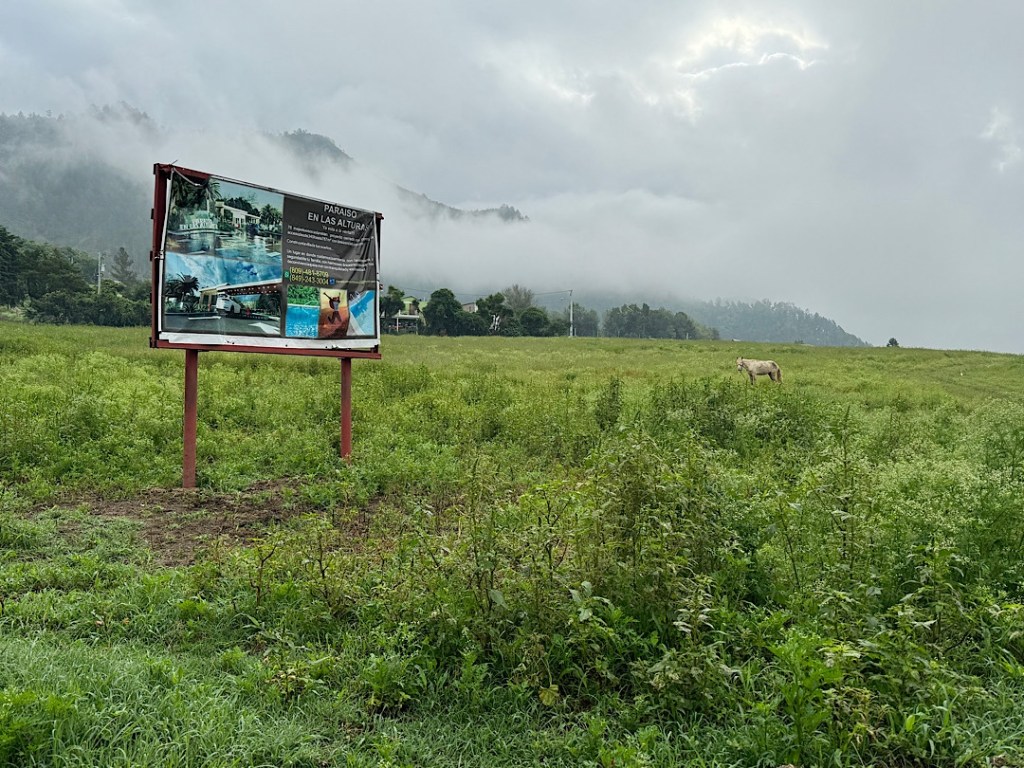
The sign says “High-altitude Paradise is still for sale!”

I’d wanted to do some hiking in the so-called Dominican Alps, so Saturday morning we told our phones we wanted to go to the Parque National Valle Nuevo, and we followed Google Maps’ directions up this road…
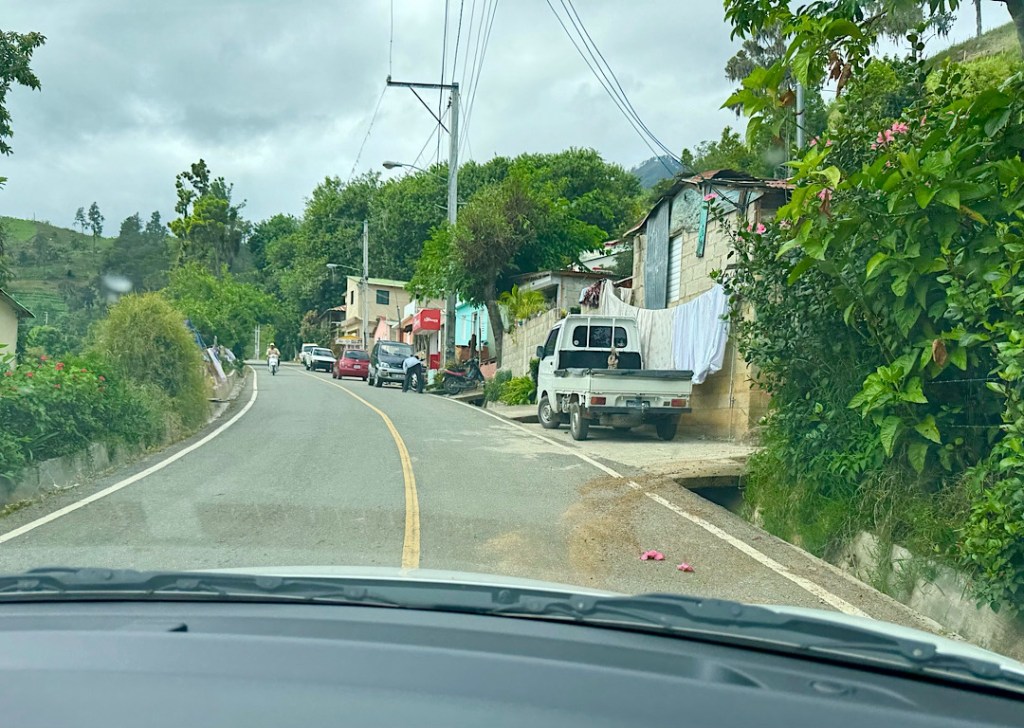
…to a dead end, where we could find no hint of any park of any sort.

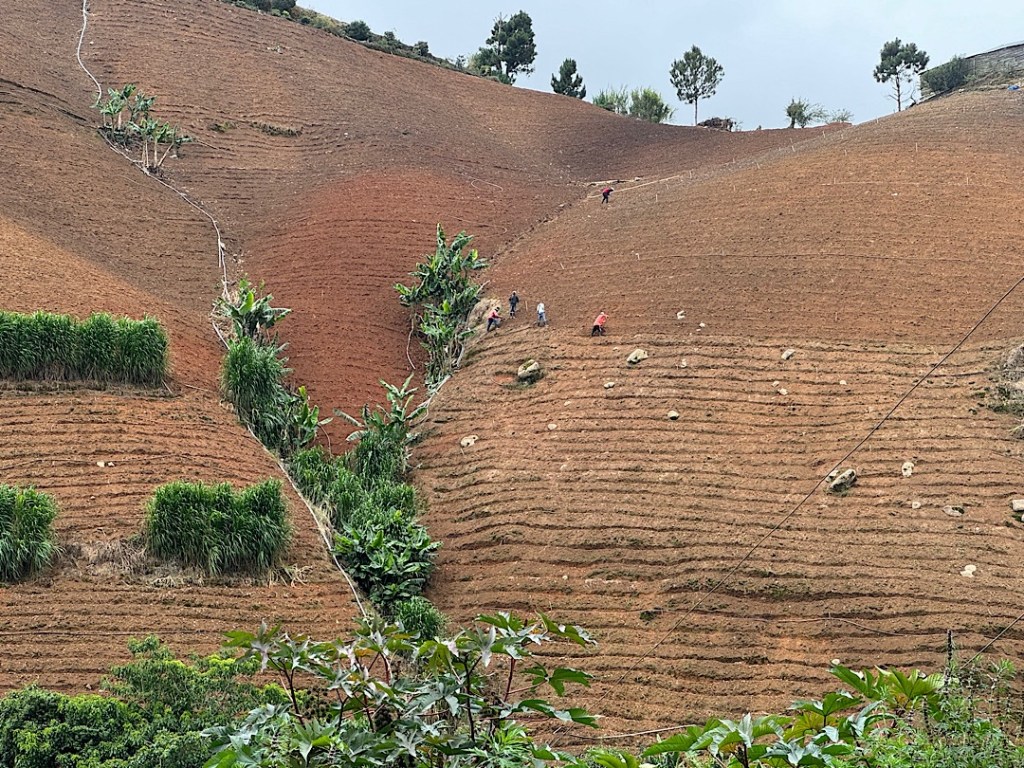
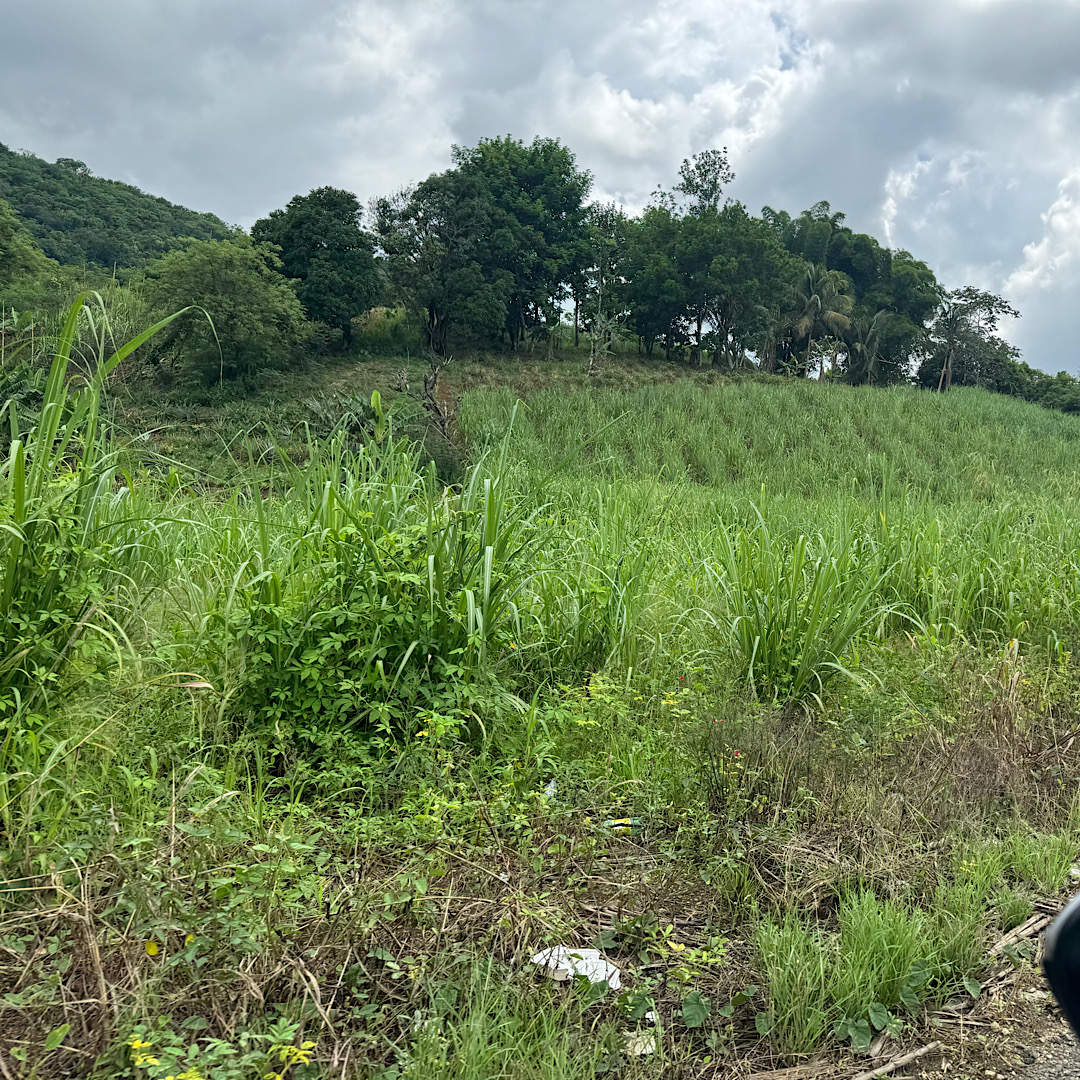
Undeterred, we plotted a new course to a well-recommended waterfall (Salto Aguas Blancas). We failed to reach it too but got close. And the road leading up to it took us through one of the most striking landscapes I’ve seen anywhere.
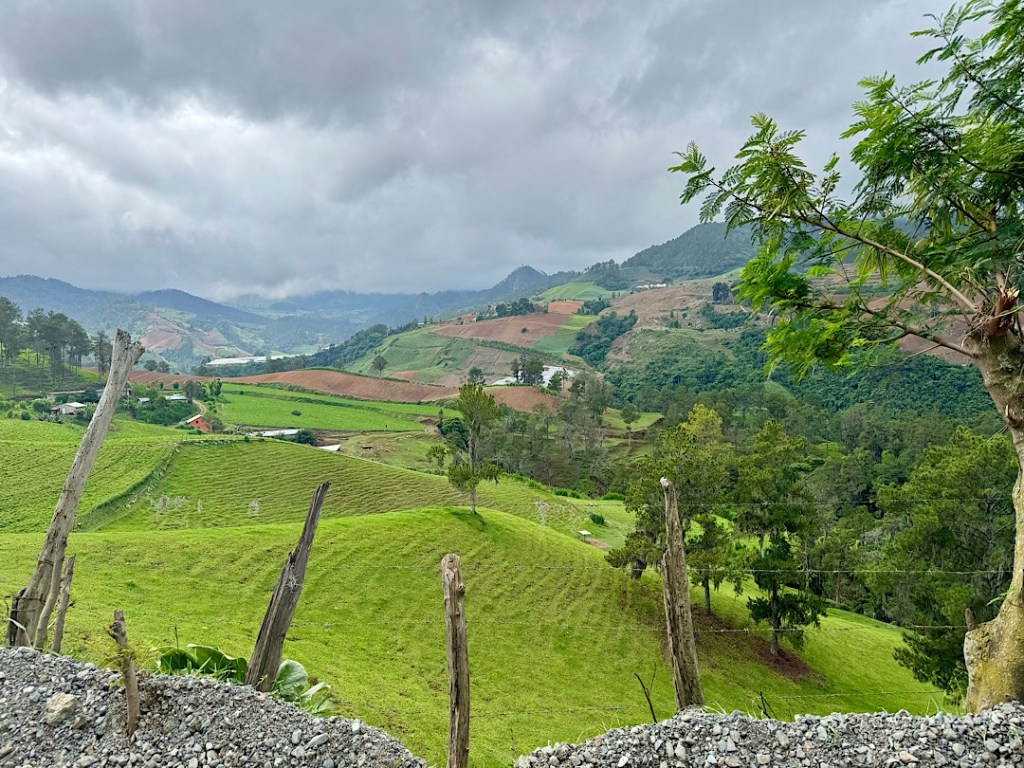
An incredible variety of crops blanketed the hills.
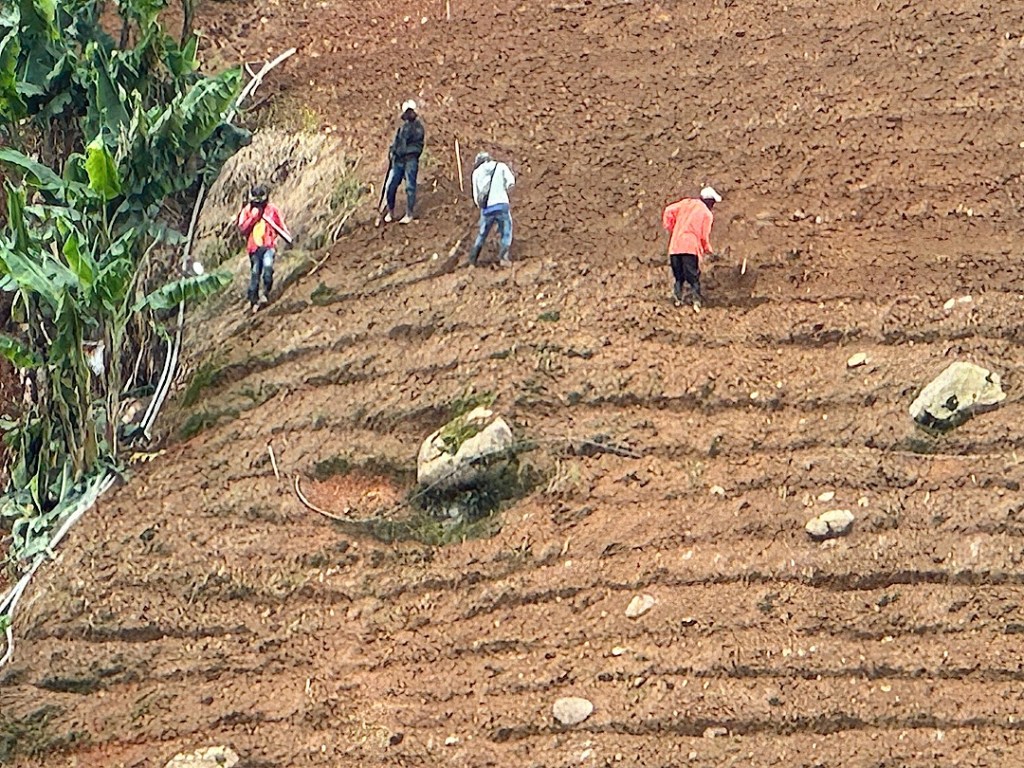
We marveled at the thought of tractors cutting such tidy furrows on the rugged hillsides.
Then we realized, the furrows weren’t being created by machines.
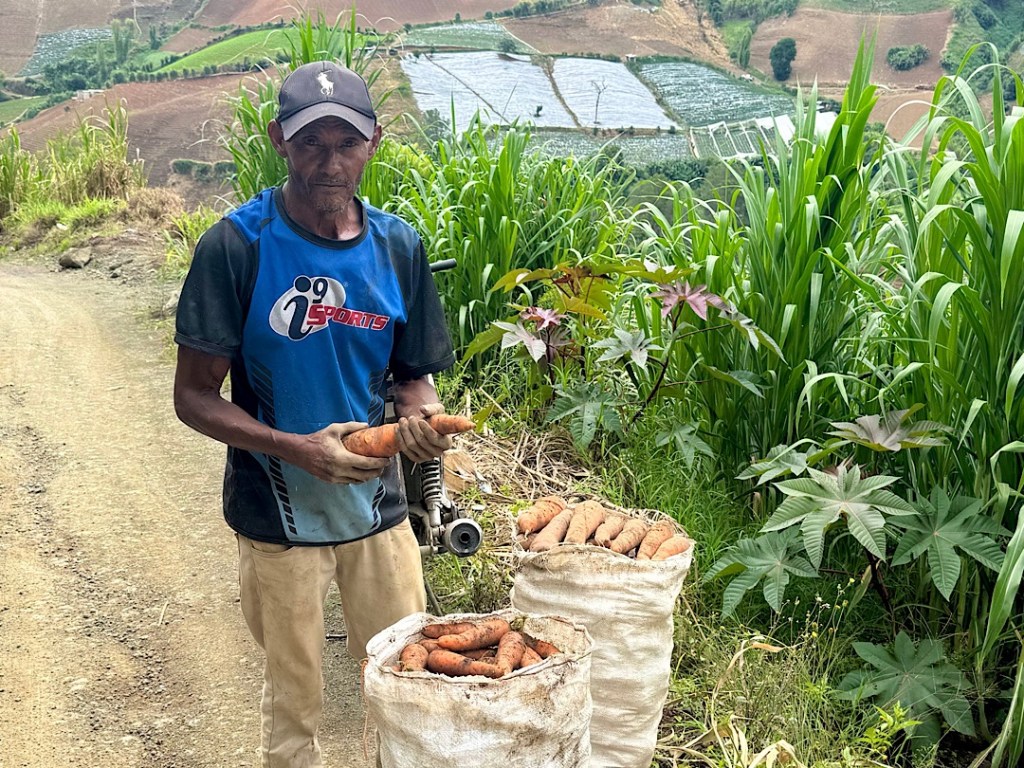
On our hike, we came upon this fellow, harvesting his carrots.

It’s hard to describe how relieved I felt when we reached the airport Saturday afternoon and returned the car without incident. From there an Uber transported us to our 4th home-exchange of the trip, a spotless two-bedroom flat owned by a Parisian couple who apparently use it to escape dreary Northern European winters.
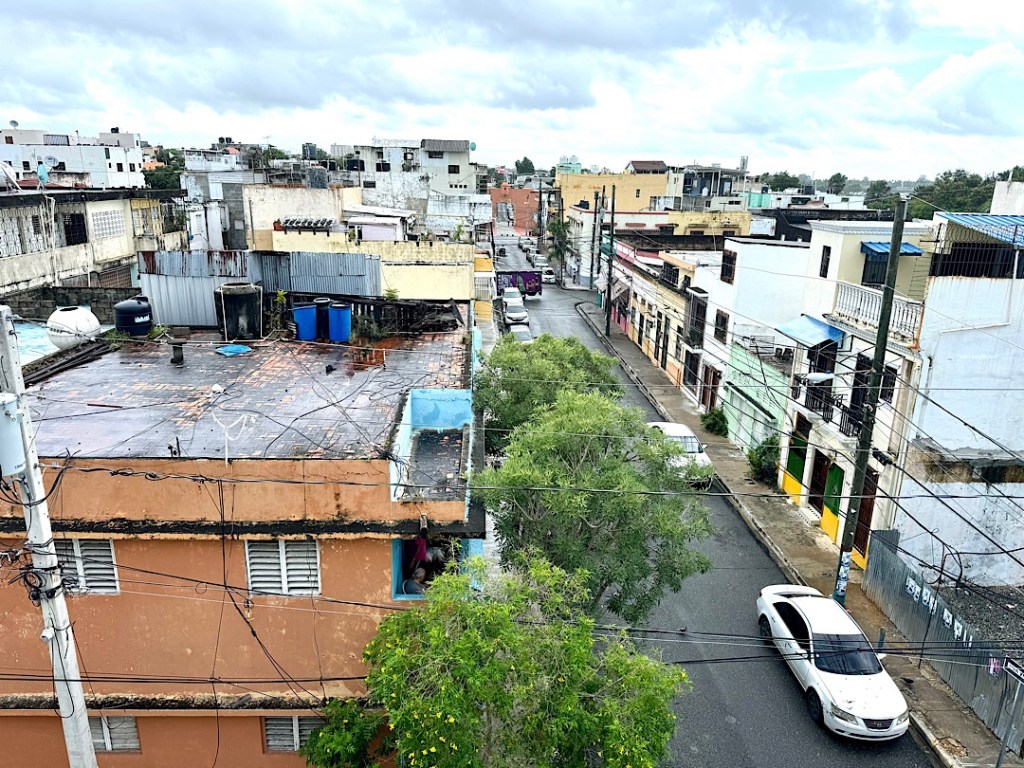
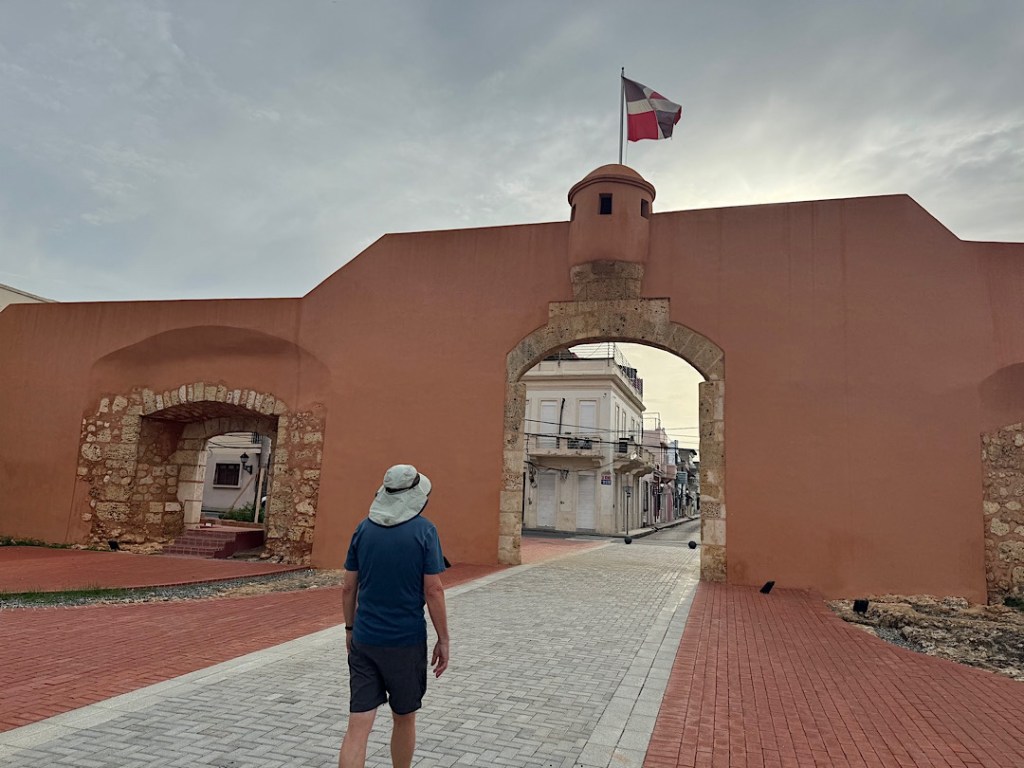
The view from the apartment to the city gate down the block.
Steve approaching the gate on foot

The flat had two spacious, air-conditioned bedrooms, but it lacked potable water. We were supposed to get that from the 5-gallon jug sitting on a plastic bench in the kitchen.
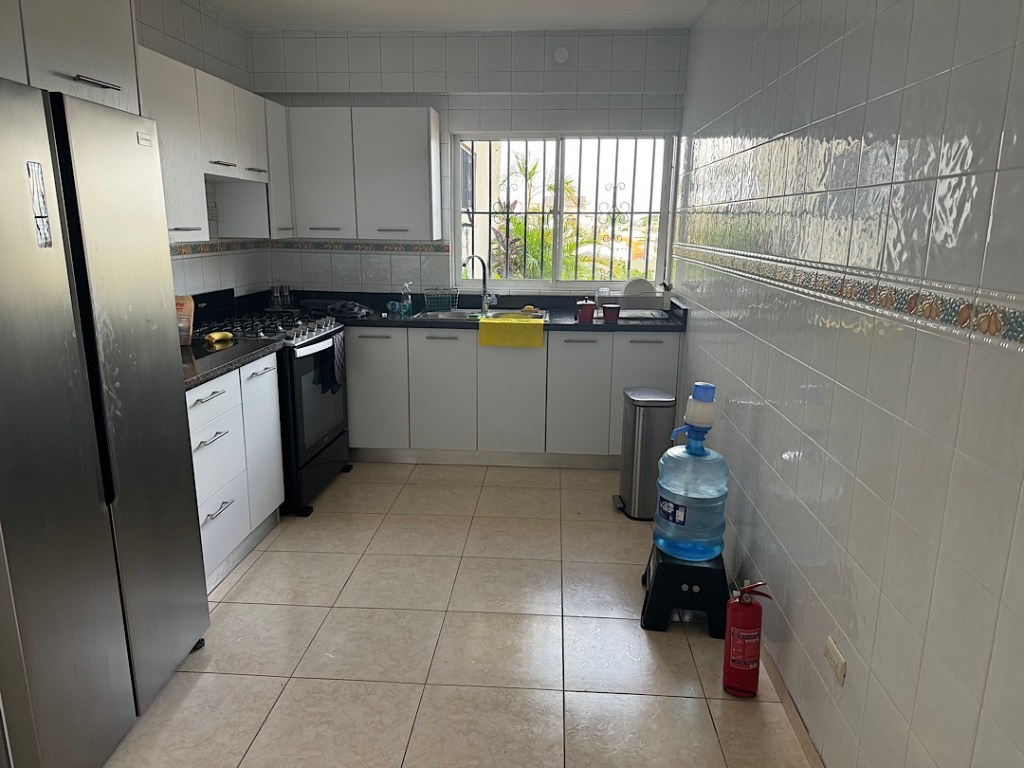
It was empty when we arrived, but Yisel, the owner, had written we could buy more water from the colmado across the street. I’ve patronized a lot of bodegas throughout Latin America, but the colmados of Santo Domingo are something else, places where you have to walk up to the counter and ask for every item you want.
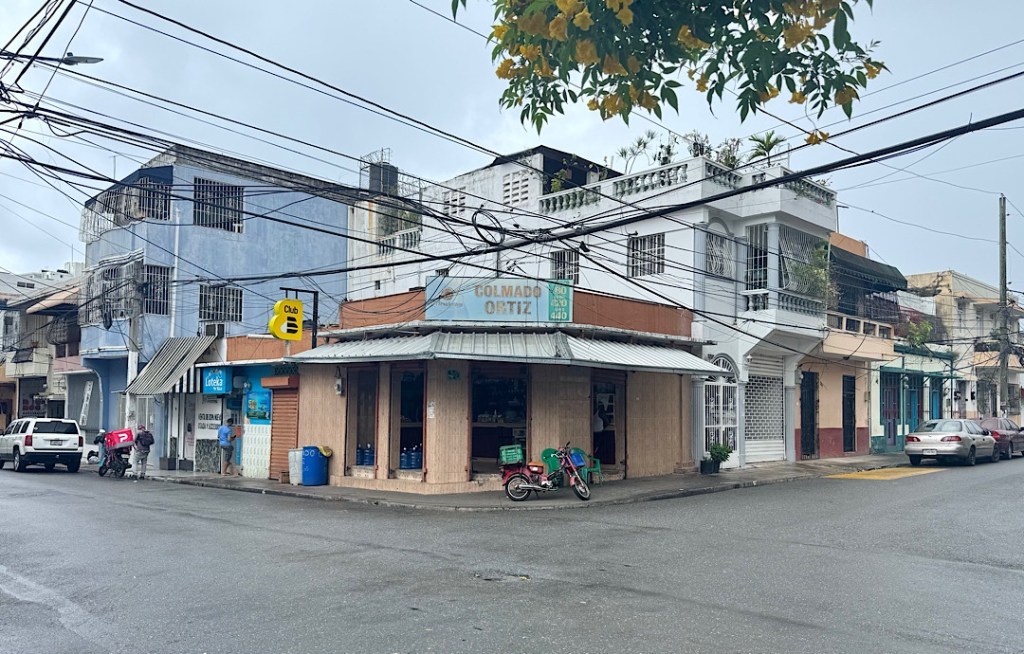
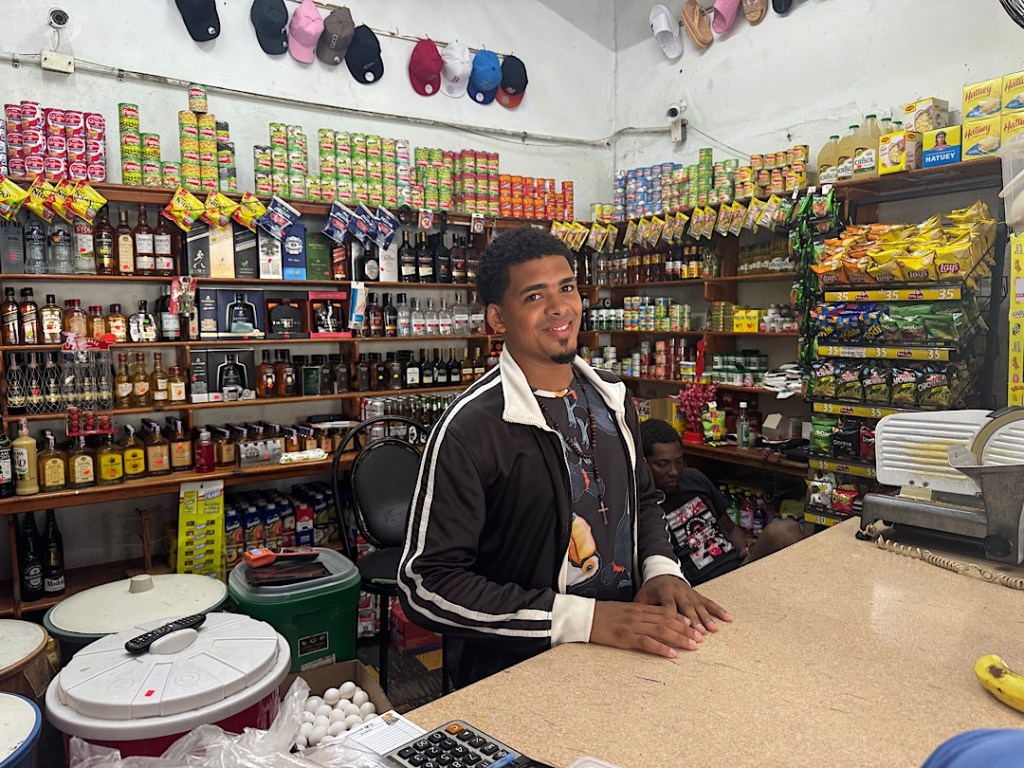
When I inquired about breakfast cereal at the one across the street from our building, for example, one of the shopkeepers pointed out the choice in two big industrial jars: heavily frosty corn flakes or something that looked like Cocoa Puffs. I picked the flakes and he scooped some into a little plastic bag and weighed them. (I forgot what they cost, but it wasn’t much.)

I do recall the price for the 5-gallon water jug: just 70 pesos (about $1.20). Mercifully, that included having it lugged across the street and up the steep sets of stairs to our flat. 

The most disconcerting thing about Yisel and Phillippe’s place was all the security: deadbolt locks and heavy iron barriers and padlocks to secure the barriers. Yisel also recommended never walking anywhere after dark. (Happily, Uber drivers were ubiquitous.) 

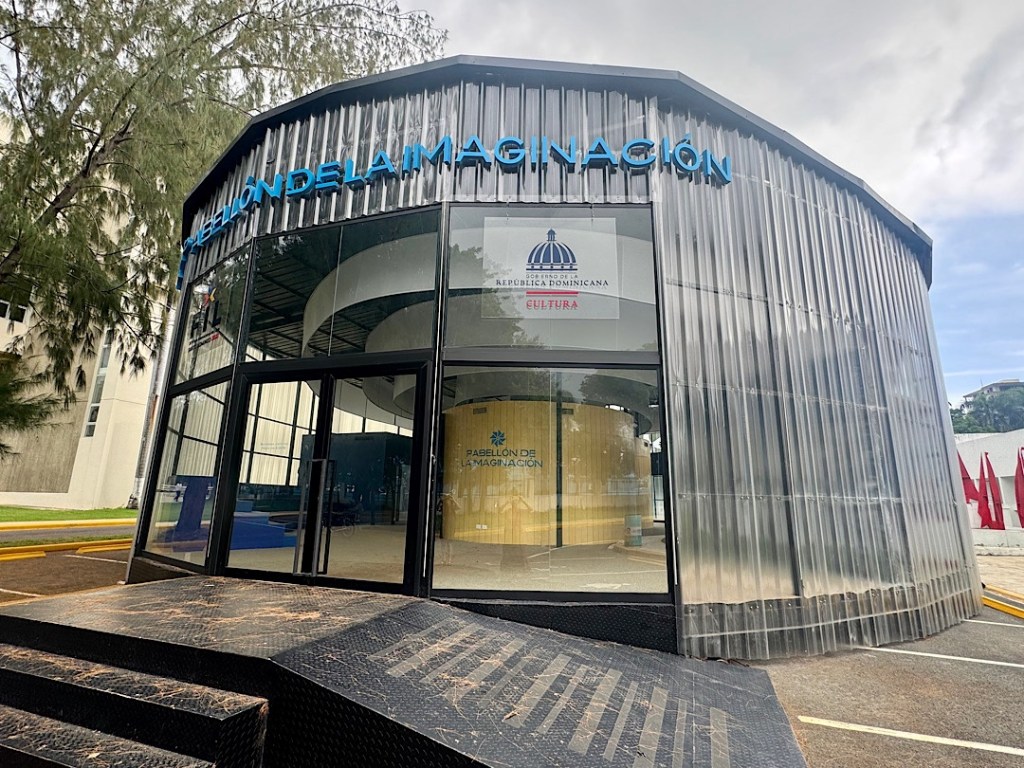
We were worried less about crime than we were about museums being closed on Sunday. Google assured us, however, that Santo Domingo’s anthropology museum was open. We called an Uber to take us to the city’s Plaza de la Cultura. The driver deposited us inside the gates of a huge complex containing the national theater, a museum of modern art, and several other imposing buildings. It all would have been impressive, were it not for the fact that almost no other visitors were in sight. When we found our target, the Museum of Man, its front doors were locked; nothing so much as hinted at when they might re-open.
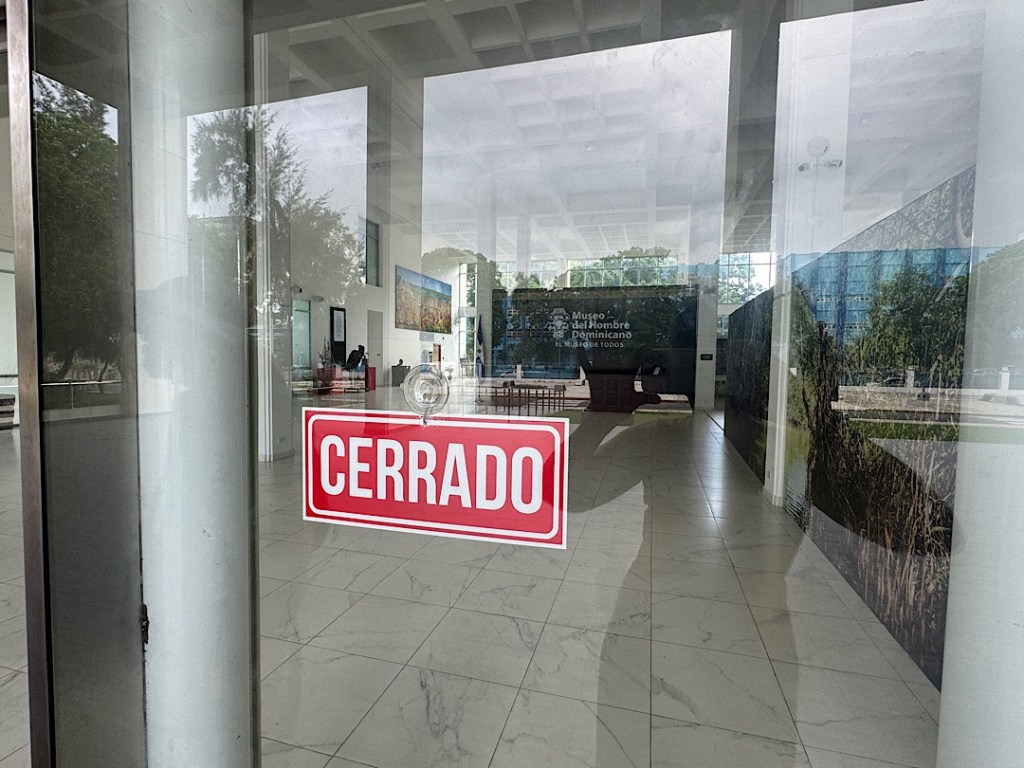
It looked like it might have been good. If it had been open.
Imagination appeared to be in short supply at the Salon of Imagination.

We took another Uber back to our flat and chilled out, hoping the rain would stop and the Sunday night concert could go on. When that didn’t happen, we ate an excellent dinner in a building that originally housed the city’s oldest restaurant and one of its earliest brothels.
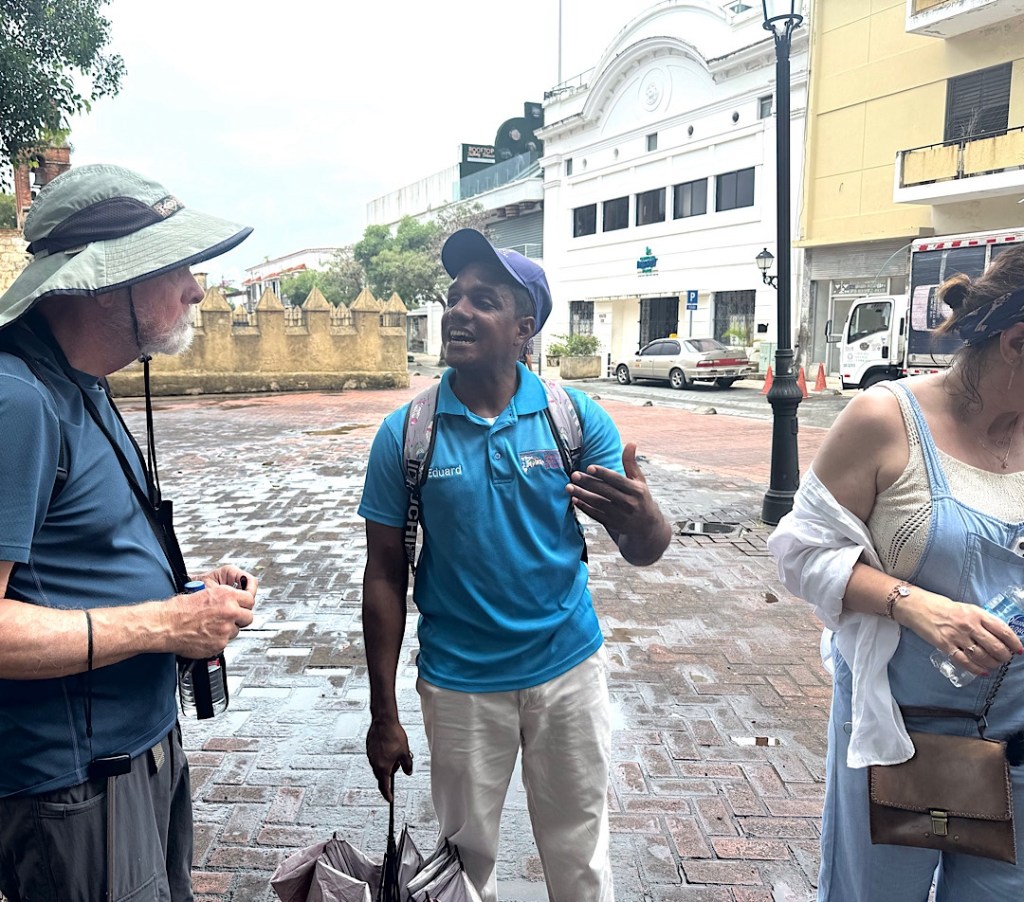
Eduardo

We heard that last tidbit from Eduardo, our guide on the walking tour we took Monday morning, another rainy day.

These poor students were gamely posing for school photos.

That two-hour ramble reinforced my impression of what an influential place Santo Domingo once was. Columbus lived here for a couple of years; his son built a palace overlooking the Ozama river.
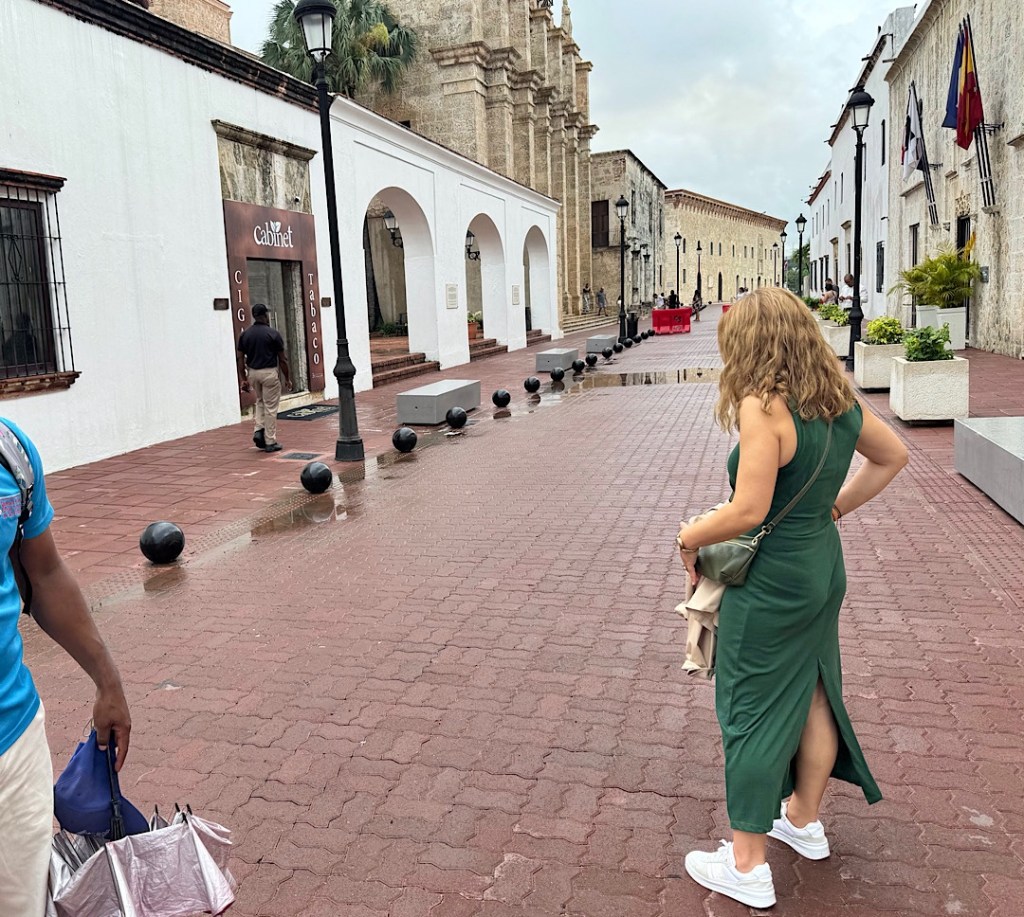
Some of the world’s most notorious conquistadors — including Hernán Cortés, Ponce de Leon, and Vasco Núñez de Balboa — lived in the Calle de las Damas, which claims to be the oldest paved street in the Americas.

Sadly, because it was Monday, most of the historic buildings were closed. The Cathedral was open, but it’s pretty run of the mill. I thought the coolest thing about it was that back in 1877 some workers in the church found a lead box filled with bones and inscribed with the declaration that they were the remains of Christopher Columbus.

Those bones are definitely not in Santo Domingo’s Cathedral today. What’s left of the Admiral hasn’t exactly disappeared. But a mystery surrounds the question of where he is.

What’s clear, as I understand it, is that he died in Valladolid, Spain in 1506, but he had asked to be buried in the New World. In 1537, the widow of his son Diego sent the bones of Diego and his legendary father from Spain to Santo Domingo’s new cathedral. They lay there for more than 250 years. But when Spain gave Hispaniola to the French in 1795, the Spanish reportedly didn’t want Columbus’s bones to fall into foreign hands, so they shipped them first to Havana and then to Seville.

Today the Sevillanos say they have the Admiral. They say they did DNA testing 20 years ago that confirmed this. But in 1992, 500 years after Columbus first set foot on an island in what’s now the Bahamas, the Dominicans inaugurated a colossal mausoleum/monument in Santo Domingo. Built in the shape of an enormous cross to celebrate the “Christianization” of the Americas, the so-called “Columbus Lighthouse” contains what’s left of the Admiral, according to the Dominicans. They say those bones show signs of advanced arthritis (from which Columbus suffered). But authorities so far have refused to allow any DNA testing.

The mausoleum was closed on Mondays, so we missed it too. I’m not a big fan of the Admiral, so I was only a little disappointed.  
Jolly in Jamaica

Steve says when we hit the road, it’s not a vacation, it’s a trip. For us, the best trips blow our minds; expand our consciousness. We don’t come back rested, as many vacationers do. But if we’ve filled in some of the blank sections of our mental maps of the world, we’re happy.

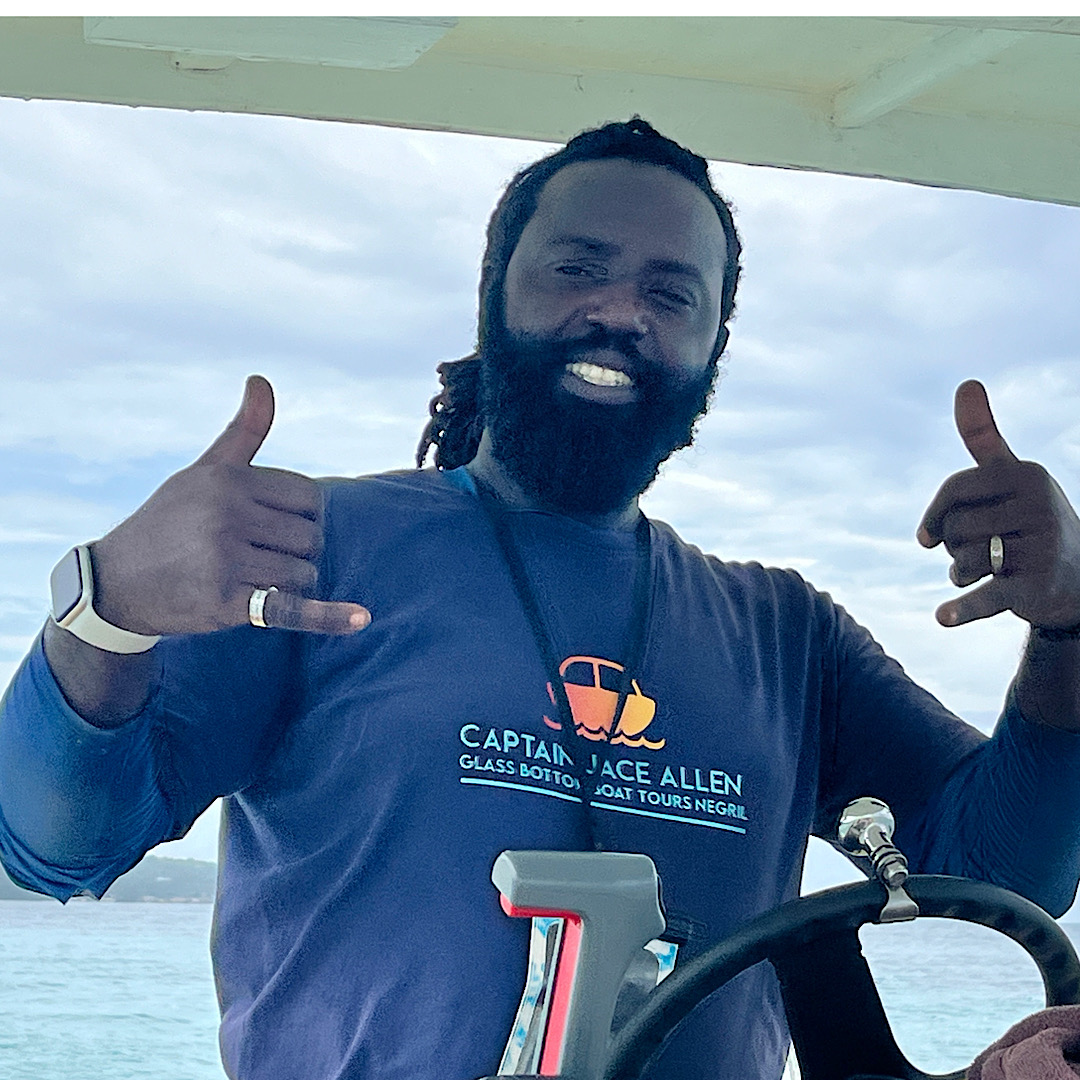
Despite our rough start in Jamaica, I was more than happy with the 6 days we spent there. The morning after we settled into our beachfront digs in Negril, Captain Jace Allen drove his glass-bottom boat right up on the sand in front of our hotel, then he motored north along the coastline, cluing us in about the various resorts we were passing. Most titillating was the notorious Hedonism II, where guests sunbathe naked and sex is a more important group activity than beach volleyball. Then we headed for the local reef, donned our fins and snorkels, and swam through the teaming aquatic life, guided by the watchful captain.

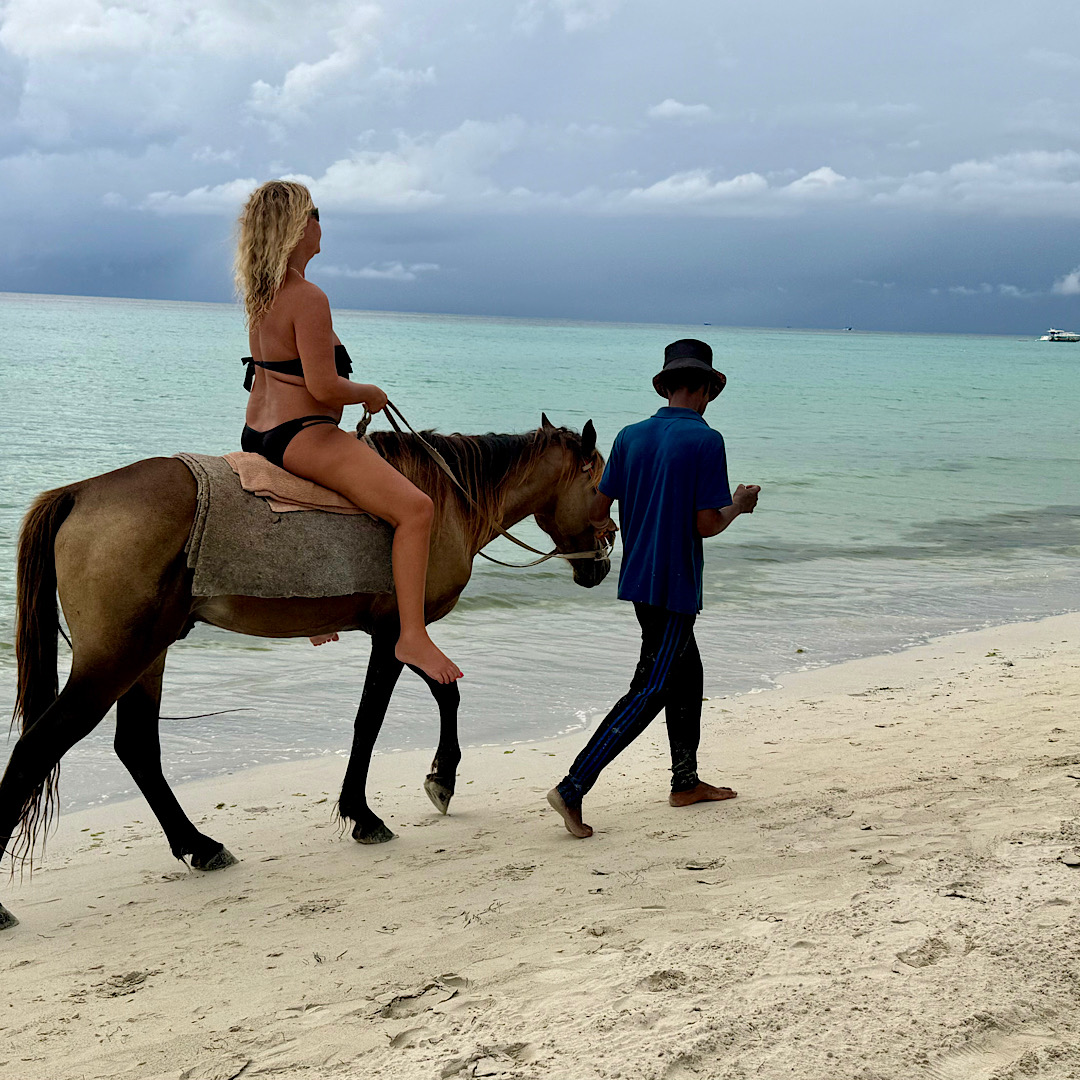
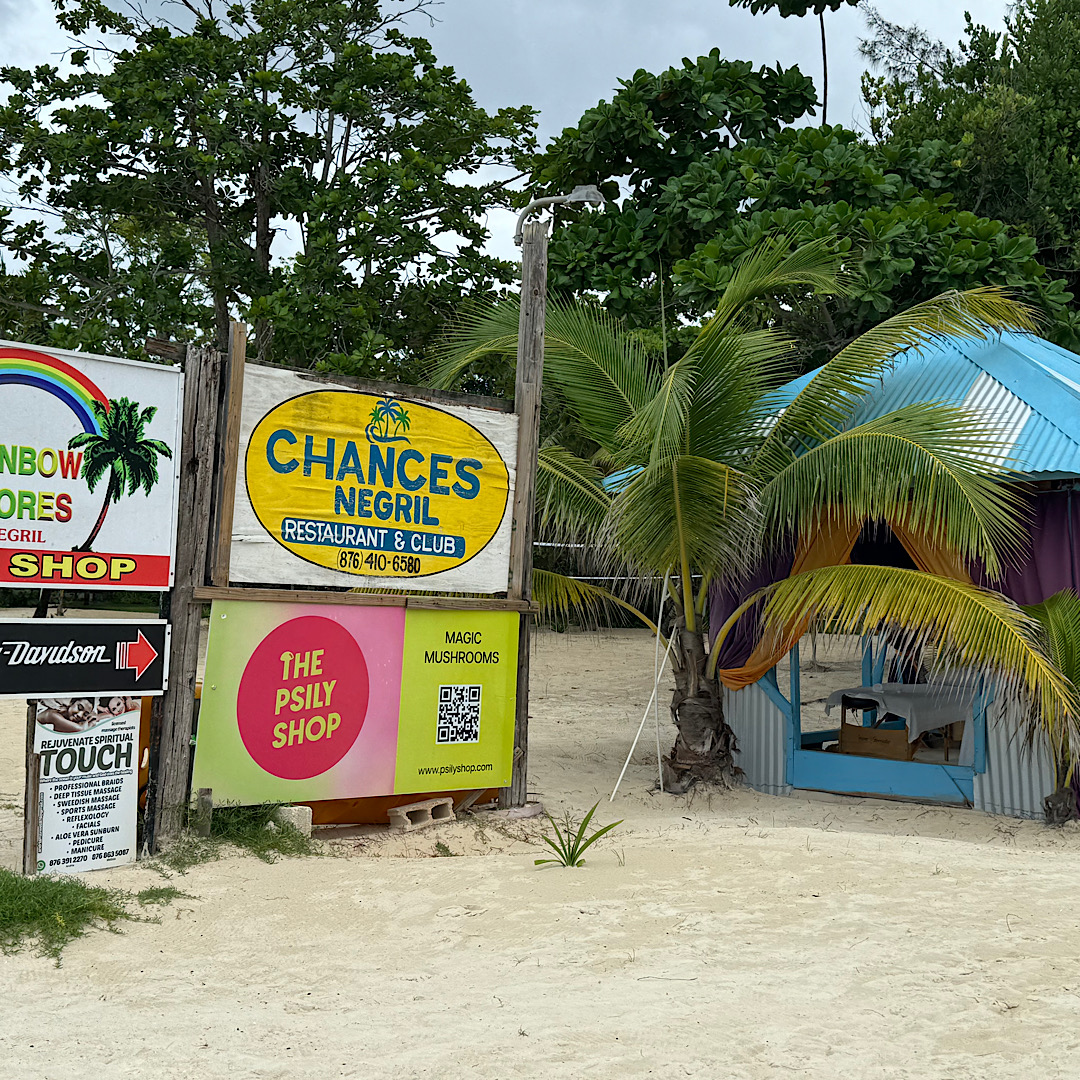
I didn’t have an underwater camera with me, and we weren’t allowed to photograph the naked hedonists, but walking along that beach later in the day, Steve and I took in many sights we don’t see on our local sands back home.

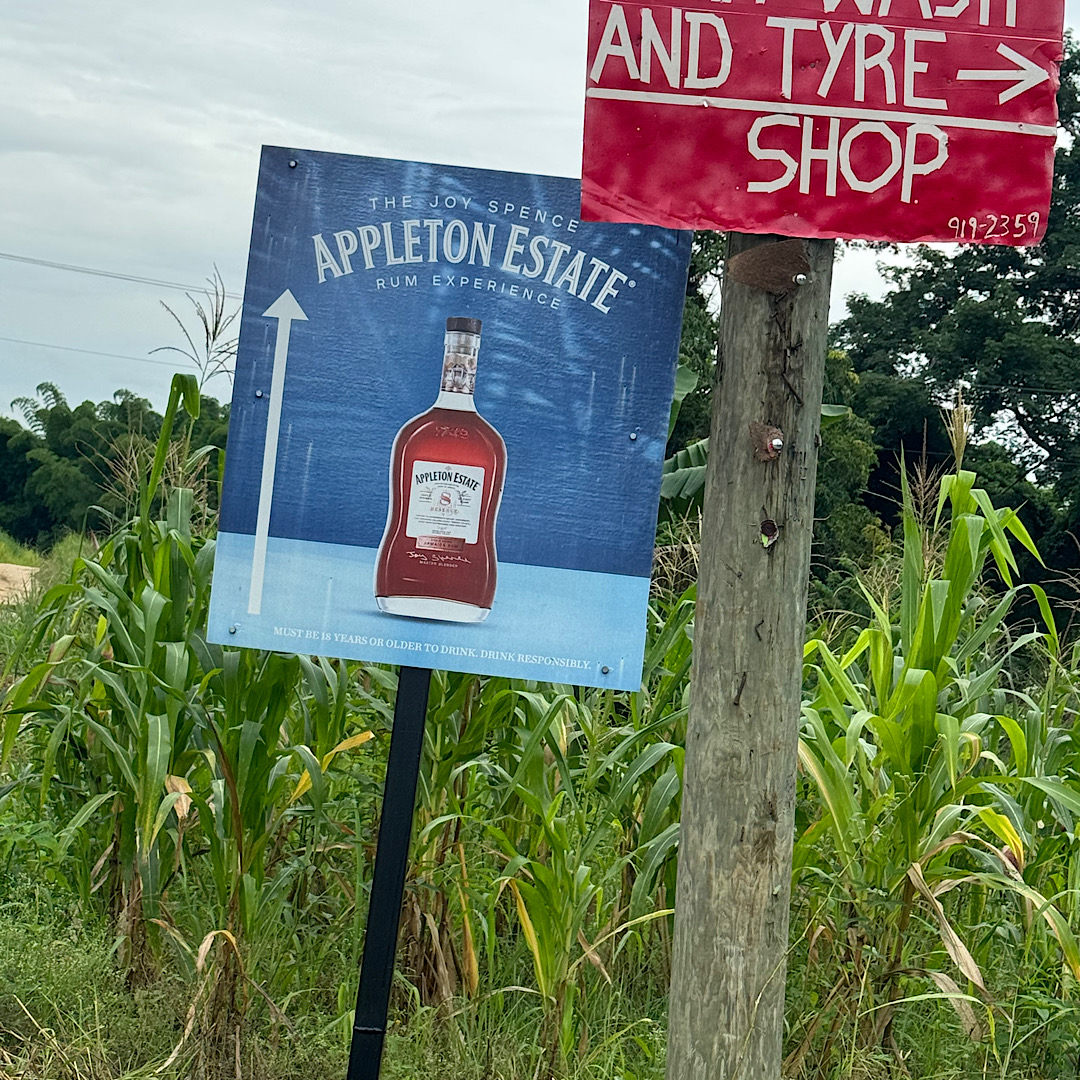
Because we’d abandoned our three nights at the Negril home-exchange, we decided on impulse to spend only two nights at the beach, then drive to Black River, a town on Jamaica’s southern coast about half the way back to Kingston. This allowed us to visit the most important rum distillery on the island, Appleton Estates (established in 1749, and still Jamaica’s toniest brand.)

After more than two hours of driving on terrible roads, I was braced to find it closed. Or no longer giving tours. But it was not only open. It proved to be a slick, commercial operation. Ironically, we pulled into the parking lot on the heels of a busload of Illinois parents on the island to see their soccer-playing kids face off against some Jamaican players. 

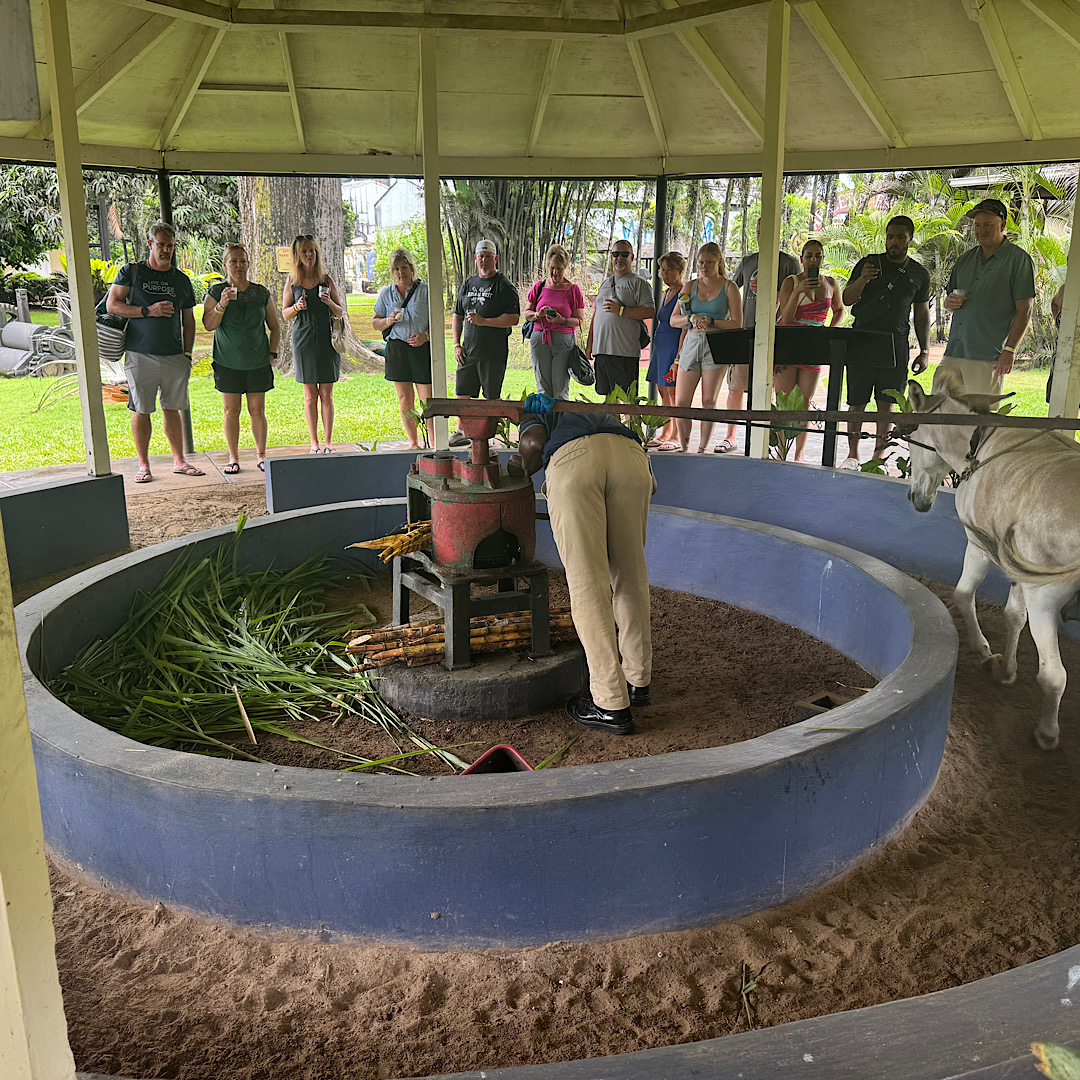
The tour was okay. We watched a donkey driving a press that squeezed juice out of the cane…

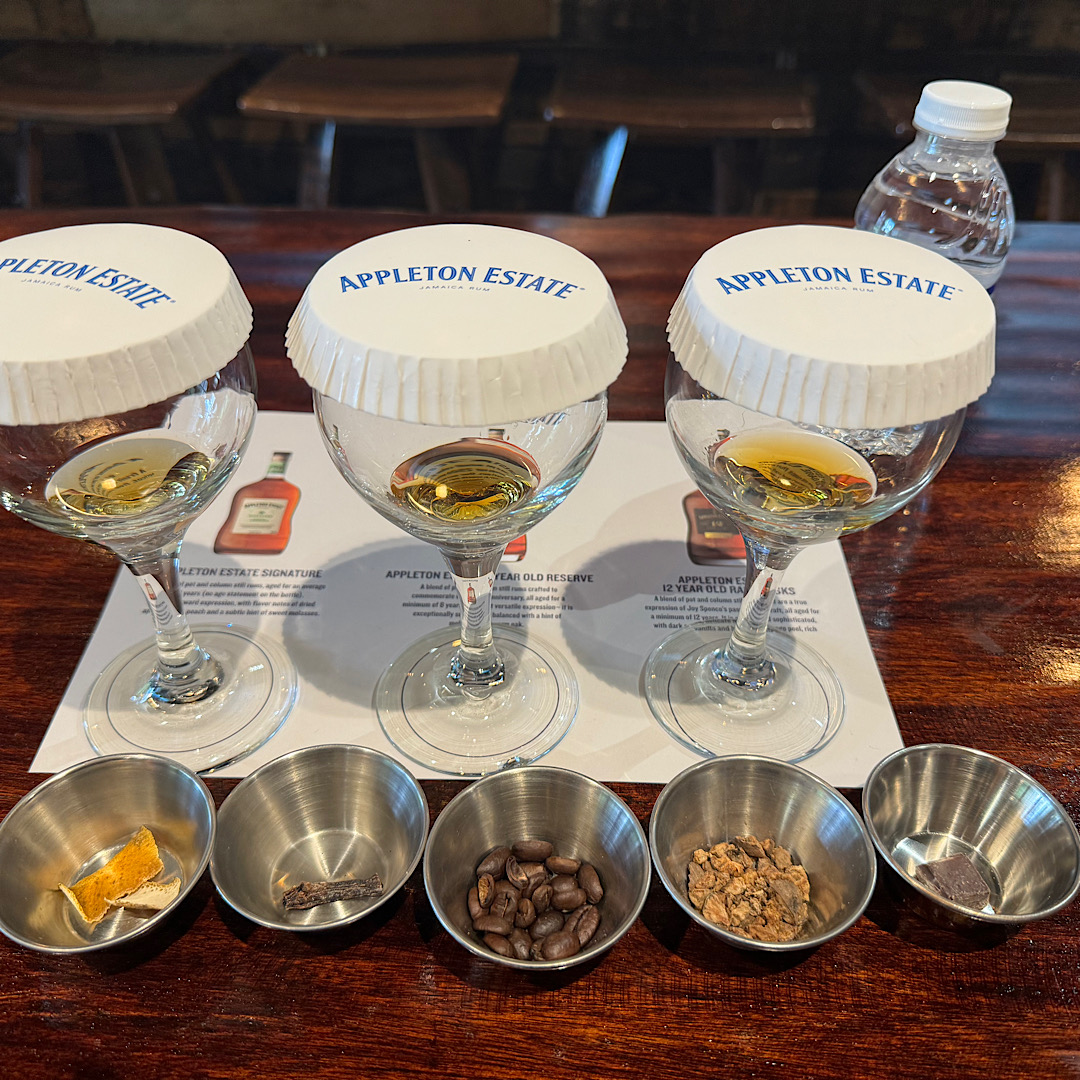
…and it was fun to taste the impact of aging on rum.

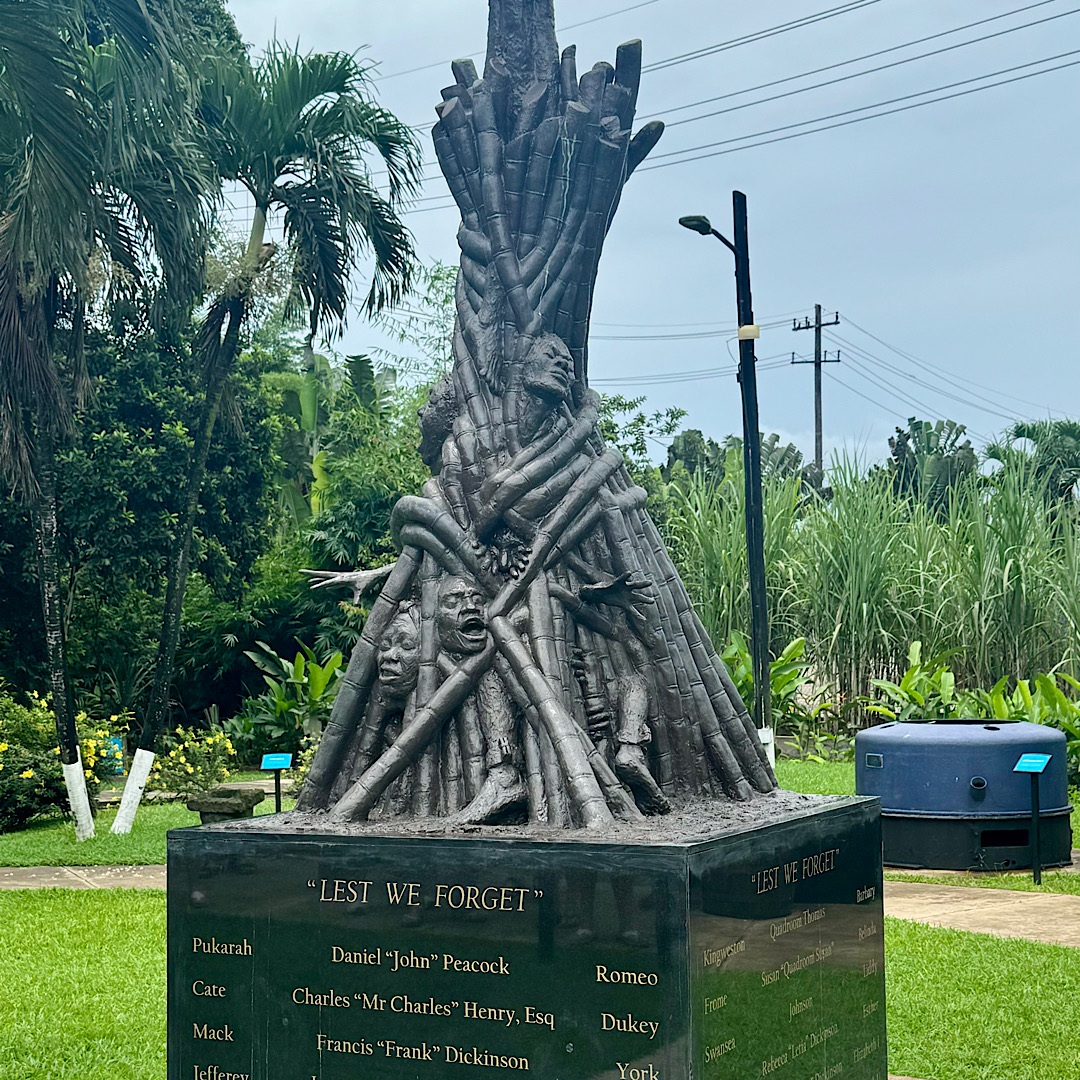
Somewhat short shrift was given to the suffering endured by all those folks who were kidnapped in Africa and brought here to cultivate cane sugar on these grounds.

This sculpture was the only reminder of the hideous things that happened in the cane fields.

I also was disappointed that we learned nothing about how sugar cane is grown and harvested today. We only glimpsed the fields.

Still the rum stop was moderately entertaining, and even better was our next stop: YS Falls, one of the world’s more impressive displays of water cascading downhill.

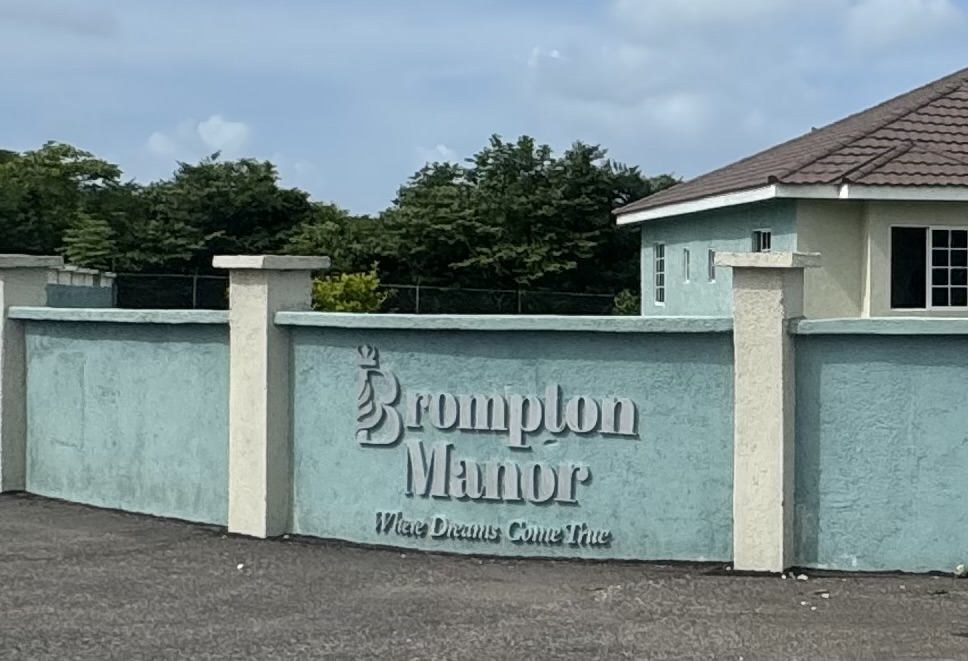
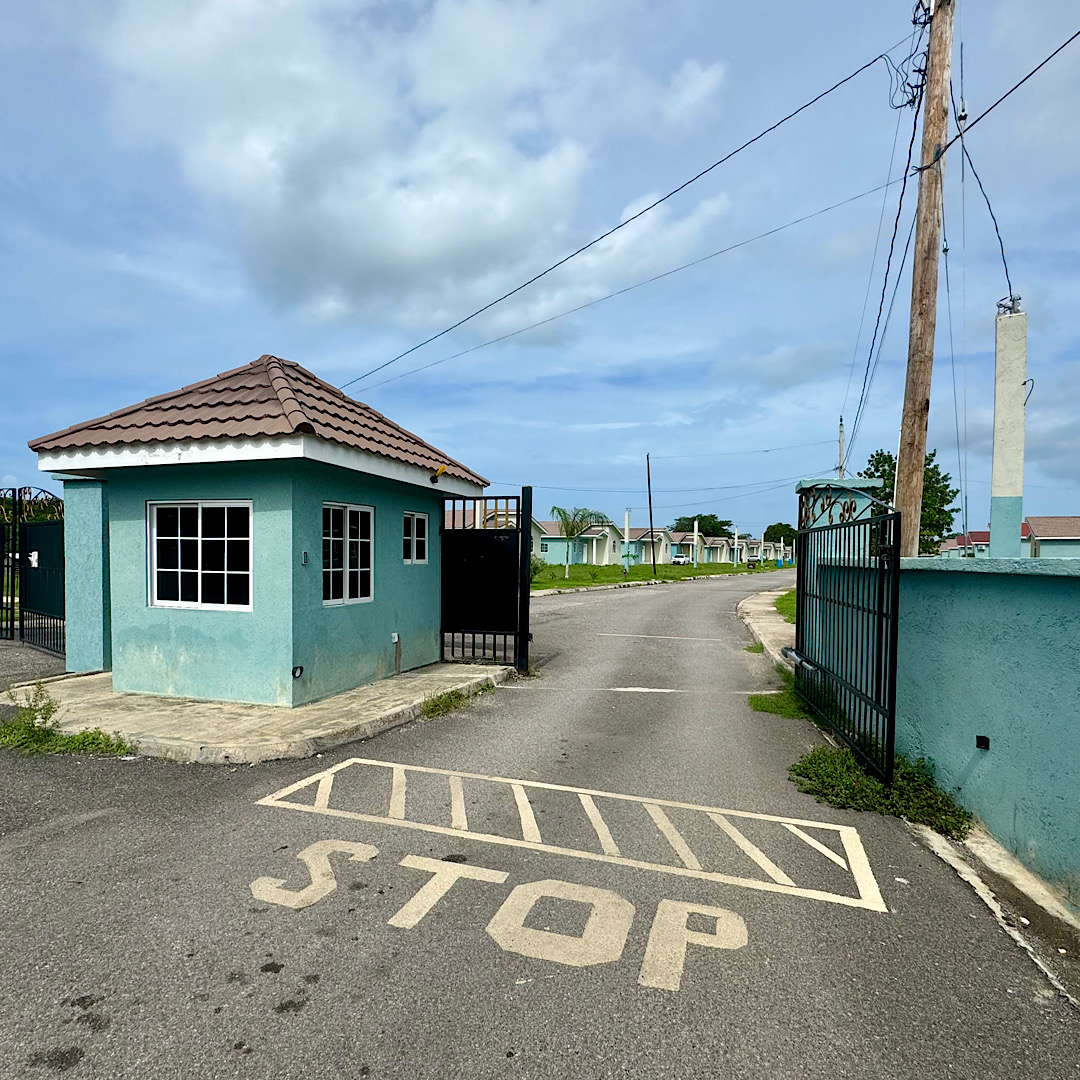
If we’d been channeling our inner Jamaicans, we would have spent several hours swimming and drinking and “liming” the hours away. But we needed to find the place we’d booked for the night: a two-bedroom house in a gated community called Brompton Manor.

When I hear the phrase “gated community,” I think of neighborhoods in La Jolla. This wasn’t like them; the entrance looked more like it was guarding a work camp.

But the house was fine, albeit a bit isolated. We’d seen nothing like a restaurant or market as we’d approached it. We finally figured out that a fishery with great scores on Tripadvisor was less than a 15-minute drive away, just beyond the town of Black River. At Cloggy’s, a friendly lady named Joann emerged from the kitchen to explain what they could offer us. She opened up her freezer and showed us our choices for the fish. We picked a snapper, to be cooked in brown sauce and accompanied by “bammy” (fried cassava bread). We took the hot bags of food back to the house where, washed down with Red Stripe lager, it was delicious. 

It felt like a victory to turn in the rental car, unscathed, at Kingston’s airport Saturday afternoon (June 8). We Ubered from there to a good hotel in “New Kingston” for our last two days, and online reserved spots on a three-hour walking tour of the city Sunday morning. 

I was relieved to learn we wouldn’t be walking for much of it. At 9 in the morning, the day was already sweltering. Instead our guide, a bright, articulate guy named Everton, took us on a sweeping odyssey through the city where he’d lived for more than 20 of his 36 years. We passed a large squatter community that reminded me of places I’d seen in India. Then we drove into one of the most dangerous neighborhoods in the city, the deceptively named Tivoli Gardens. It surprised me that all our windows were down. I asked Everton is that was that safe. He said what would be dangerous was having them up. The tough young men we saw everywhere acting as informal sentries might assume we were drive-by shooters, with unfortunately consequences possible. Instead Everton seemed to allay their wary looks with chatting with them briefly; alerting them we were just tourists.

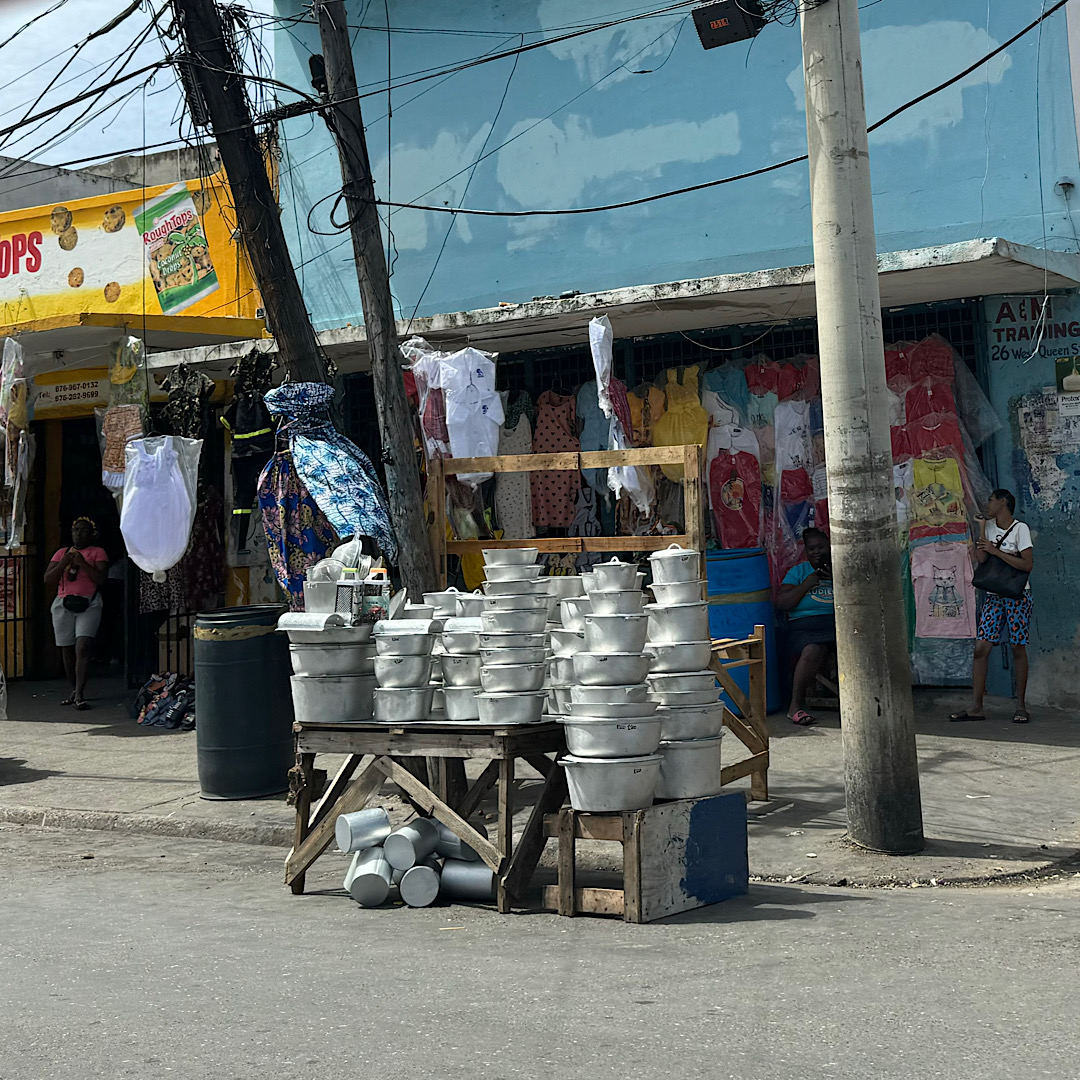
In the heart of the city, we parked and strolled through streets that normally crackle with commercial activity but were quiet because it was Sunday morning.

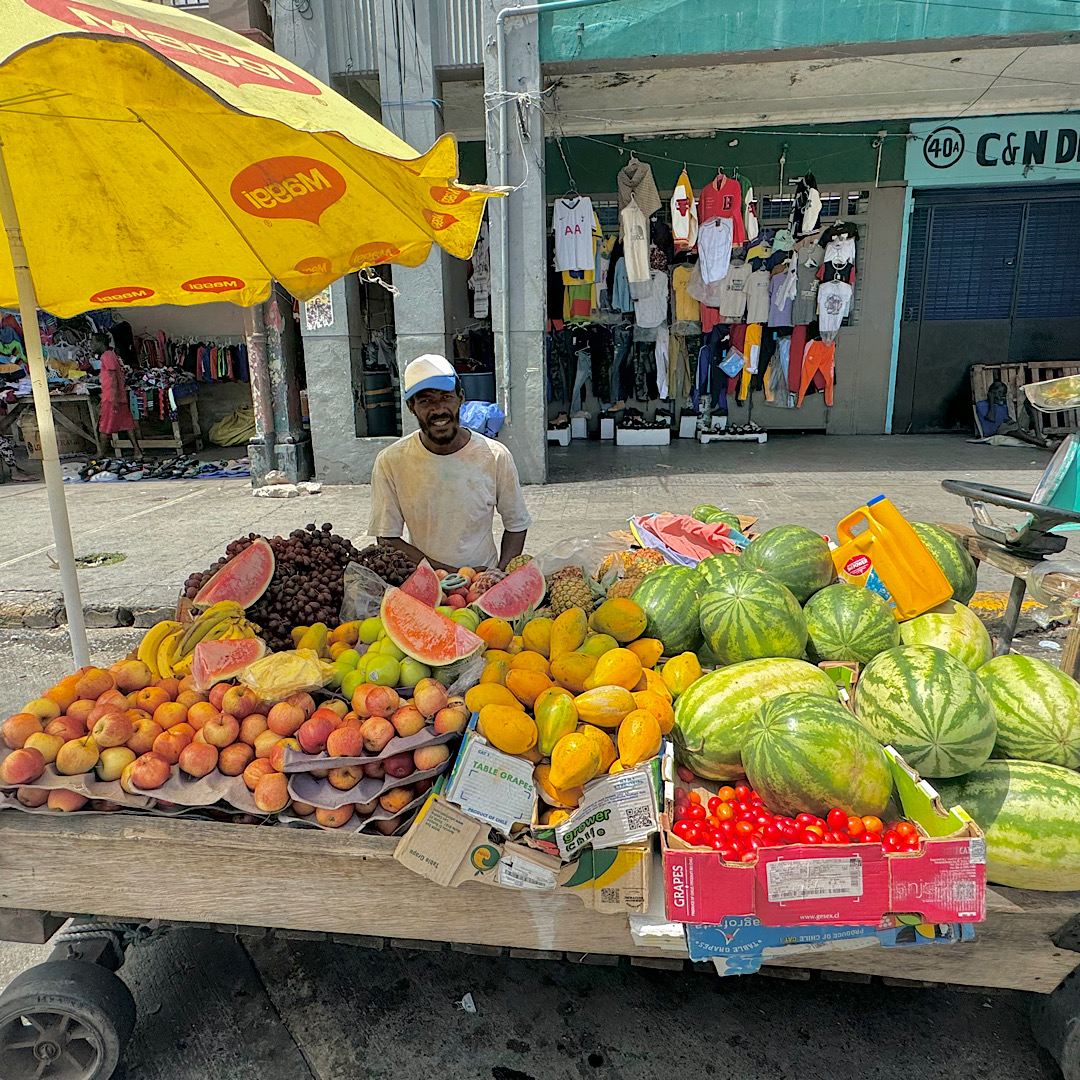
A few folks were open for business, selling essentials like cooking pots and fresh fruit.
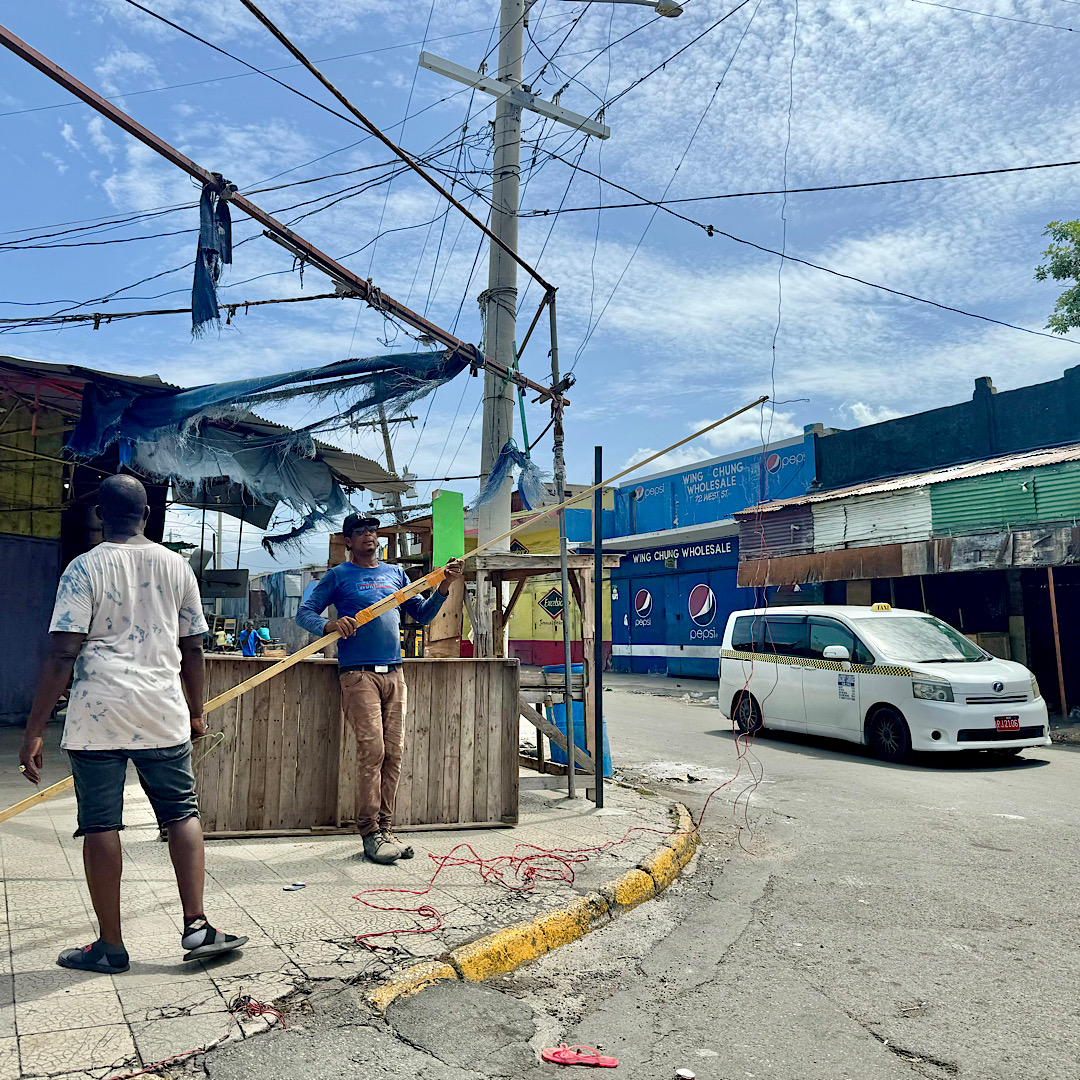
Everton said this was a quintessentially Kingston sight: someone helping himself to free electricity.

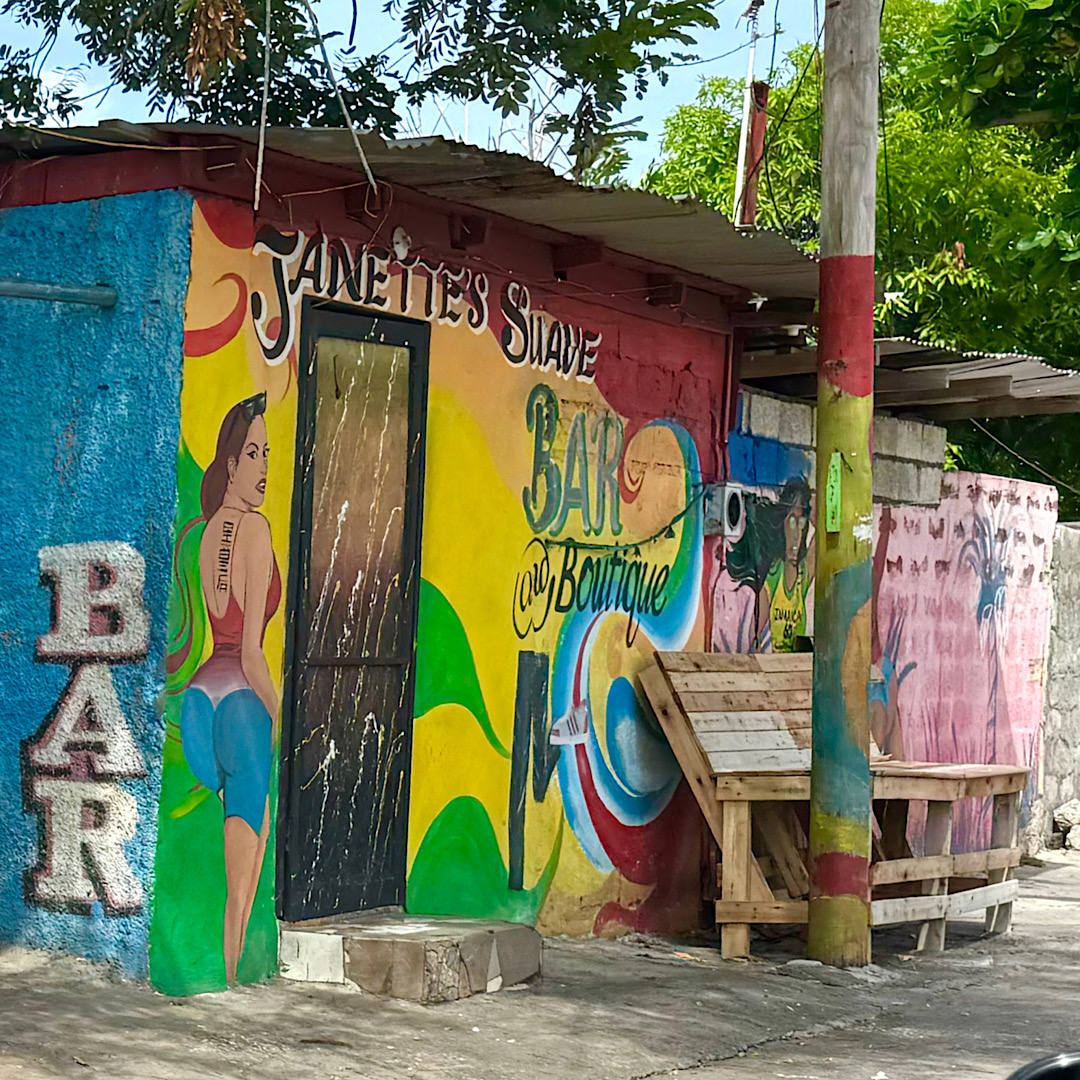
We finished by driving through Trench Town, the neighborhood once home to Bob Marley and other reggae legends. By then I’d decided to move to Kingston and open a combination bar and boutique, where I could get my portrait painted on the facade to draw in customers.

Just joking.

The truth is I doubt I’ll ever go back to any of the six islands we visited. Aside from losing my iPad, however, this trip could hardly have gone better. Now I feel like I could use a vacation, but I won’t get one of those for a while. Steve and I will head to Carlsbad Airport tomorrow (Wednesday, June 12) to pick up Vanessa, the 12th Canine Companions puppy we’ll be raising. That’s a different kind of trip altogether.

Bad luck, ya mon

After losing my iPad, our luck did not improve. In short order, we got caught in a flash flood, fell victim to a wily Jamaican scammer, and discovered we had booked ourselves into the first truly unacceptable lodging of our long home-exchanging lives.

Ironically, if I had not forgotten my iPad in the Arajet seat pocket, we would not have gotten caught in the flood. The sun was still peeking through clouds when we started inspecting our Yaris out in the parking lot. But then I spent at least an hour trying to retrieve the iPad (unsuccessfully) in the terminal, and when we finally got rolling, the sky had turned an evil shade of black. The downpour started almost immediately after I programmed our destination into Google Maps: Ocho Rios, on the northern side of the island.

A good thing about the rain is that it partially distracted me from the mean streets our course took us through. Jamaica is the only country on this trip that the US State Department warns against visiting, and that’s because of the high crime — principally in Kingston. The narrow streets of Spanish Town have been decaying for what looks like centuries. The folks on the street who eyed our shiny touristic faces did not look friendly.

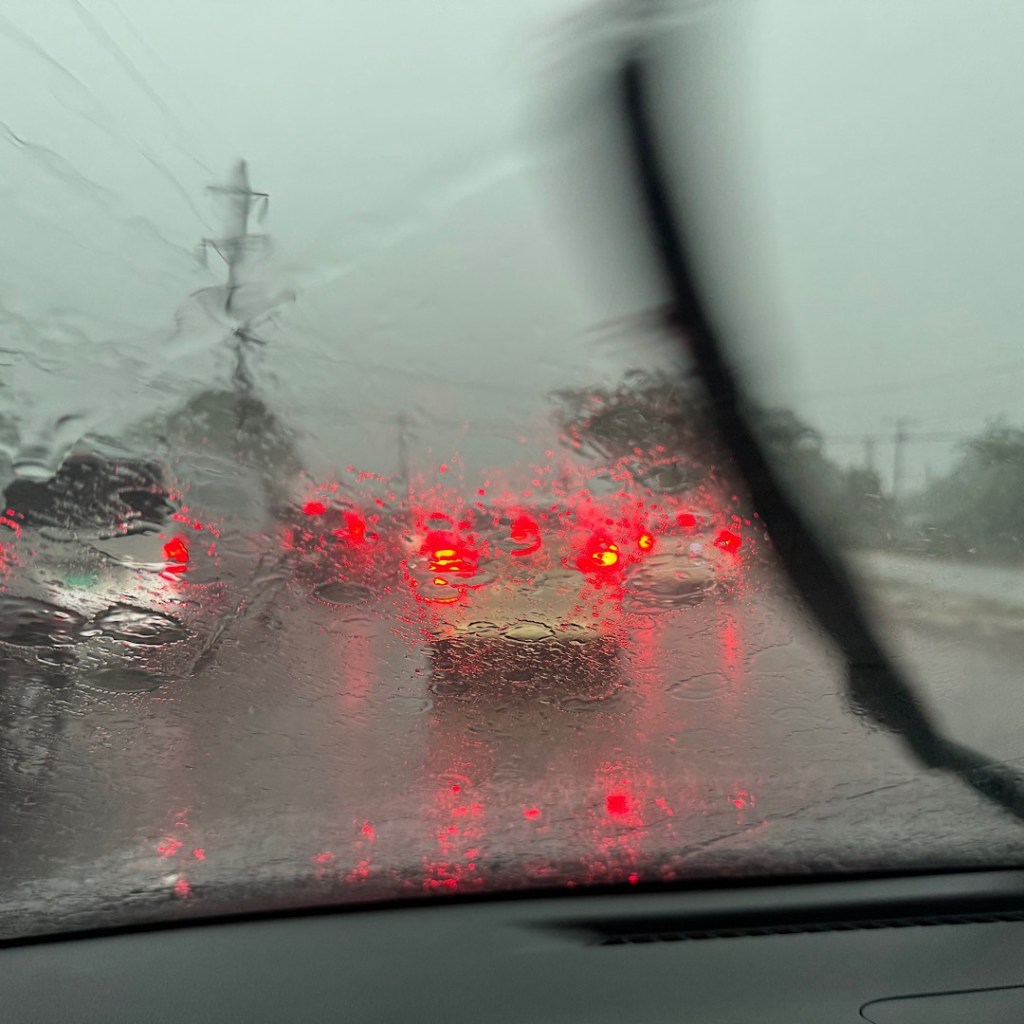
But I wasn’t paying much attention to them. The intensifying rain commanded everyone’s focus. Traffic slowed to a crawl; Google Maps announced a 20-minute slowdown. We assumed someone up ahead had crashed, but later we concluded it was just because the low, ancient byways were filling up with swirling brown water.

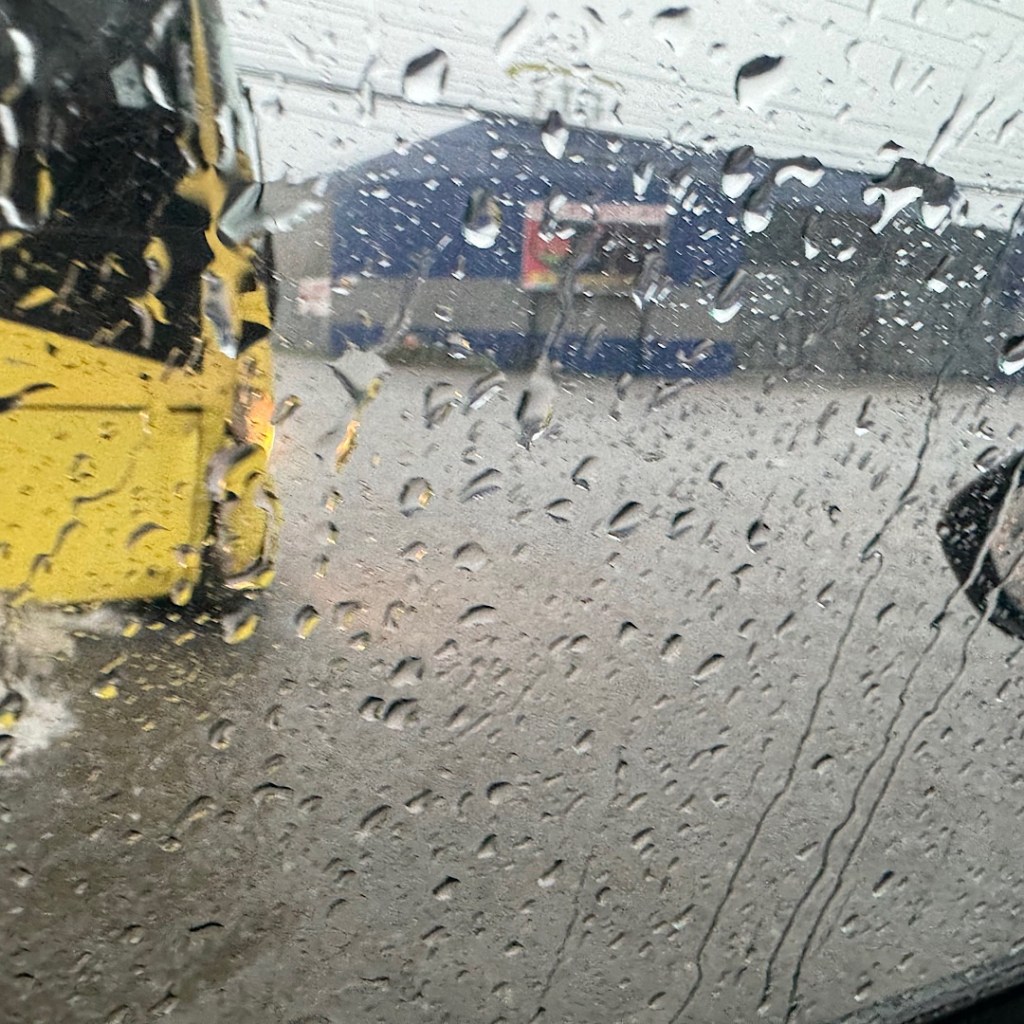
That’s a bus next to us, fording the impromptu river.

The thought occurred to me that another panicky driver could simply plow into us. We’d been instructed that if we got involved in any crash, we had to wait for the police to arrive and take a report, otherwise none of our insurance would cover anything. But waiting for a police report here and now was unimaginable.

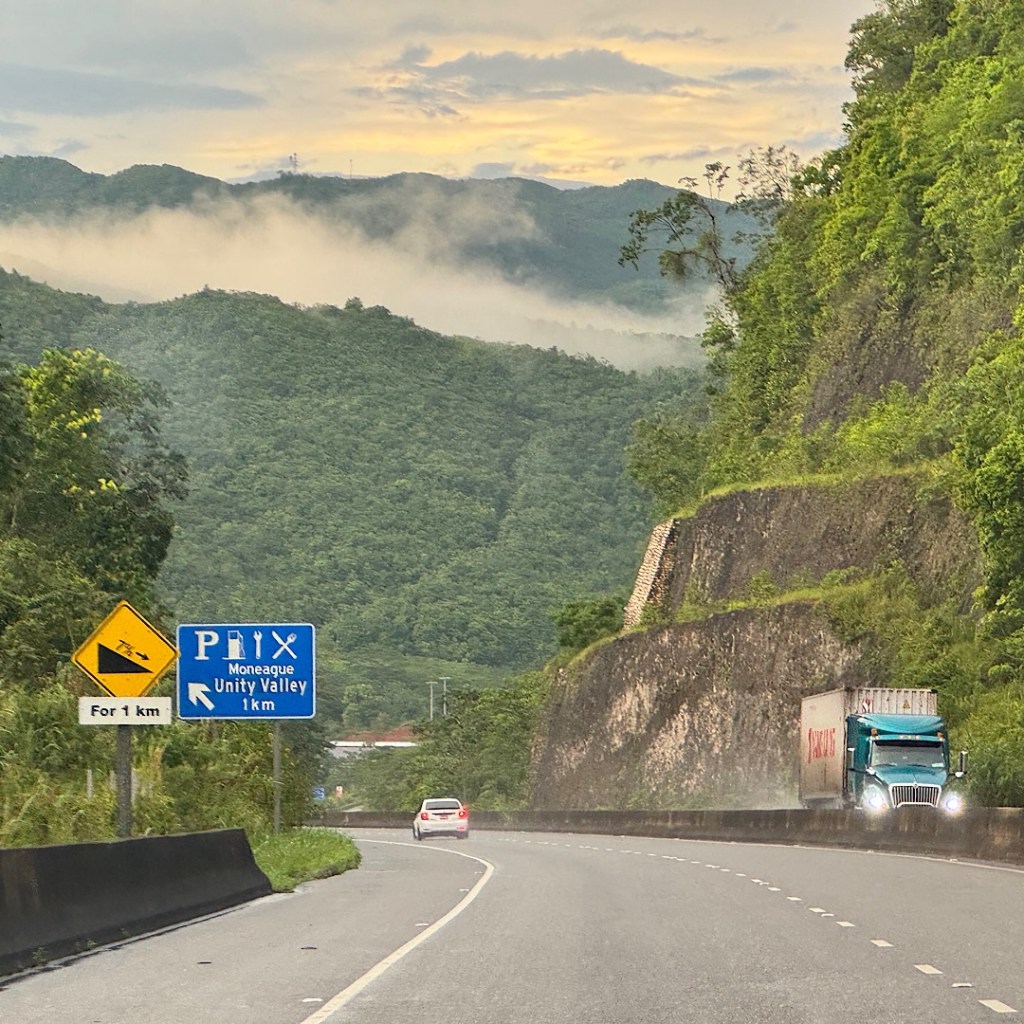
I pushed that thought away, as the water covered the road. Lightning slashed the near skies, and bone-rocking thunder came a few seconds later. Steve was grimly intent on maintaining control of our vehicle, and long minutes crawled by before we finally made it to the tollway — a wide, well-engineered road leading through beautiful country.

The scammer

We met him the next day when we were driving from Ocho Rios to Negril, site of the home-exchange house we’d arranged to stay in for three nights. Our route took us through Montego Bay, and we wanted to get at least a glimpse of it. We set course for a pork restaurant with great reviews, but when we pulled into its parking lot, the diner looked closed.

A guy in another car in the lot rolled down his window and told us it wouldn’t open until noon. Then he exclaimed, “I know you guys! I saw you in the car-rental lot at the airport!” Steve recognized him in turn. It seemed an almost comically cool coincidence to bump into him on the other side of the island. He suggested another lunch spot with good food and prices, not far away, and when he offered to lead us there we couldn’t refuse.

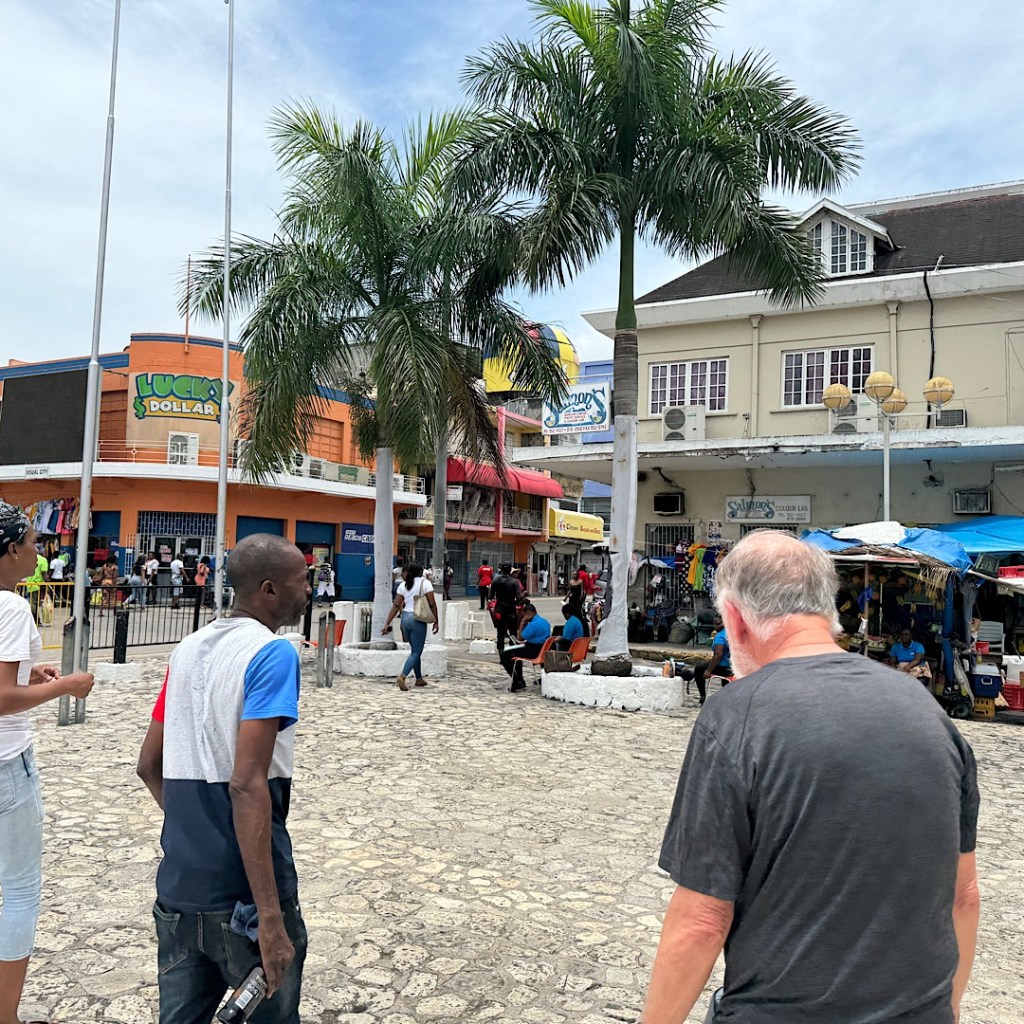
I’ll condense. “Steve Smith” (as he called himself) drove ahead of us to a mini souvenir mall and then took us to the restaurant deep within it. Then he plopped down at a table beside us and ordered himself a bottle of Guinness. As we ate (decent but hardly inexpensive lunch plates), he regaled us with stories about Jamaica and Montego Bay, then insisted we follow him on foot on a brief walk through the city center.

Scammer Steve and Good Steve

To be honest, both my Steve and I were delighted to have someone lead us on a lightning tour of the heart of the town. But the stroll went on and on, and I finally made it clear we needed to get back on the road. “Steve” didn’t resist, but back at our car, he was adamant about wanting to send us off in the right direction on the main road. He jumped in the back seat, directed us for a block or two, then said we should pay him 18,000 Jamaican dollars for all his help — about $115 US.

This was so clearly ridiculous, we laughed at him. My Steve pulled out a 2000 Jamaican-dollar bill ($12.85). I’m embarrassed to admit I eventually gave Scammer Steve 12,000 (about $77). What galled me most is that this was essentially the very same scam we fell for in Bombay back in 2018!!! (That guy claimed to be a worker at our hotel out on his day off.) I now think $20 and the Guinness would have felt right for Scammer Steve’s “services”. As we drove on, we consoled ourselves that at least were were saving money on our lodging for the next three nights.

The home exchange

Negril is a big resort town on Jamaica’s far western end. Hotels line its famed Seven-Mile Beach, starting at the north end with all-inclusive resorts charging up to $2K US per day then giving way to more middle-income hotels whose clientele become darker-skinned as you approach the center of town.

Our home-exchange place was located beyond that, where the beach disappears and turns into cliffs. I knew it wasn’t on the cliff and that it would be a bit rustic. But its British owner assured me it had great access to a welcoming Jamaican community.

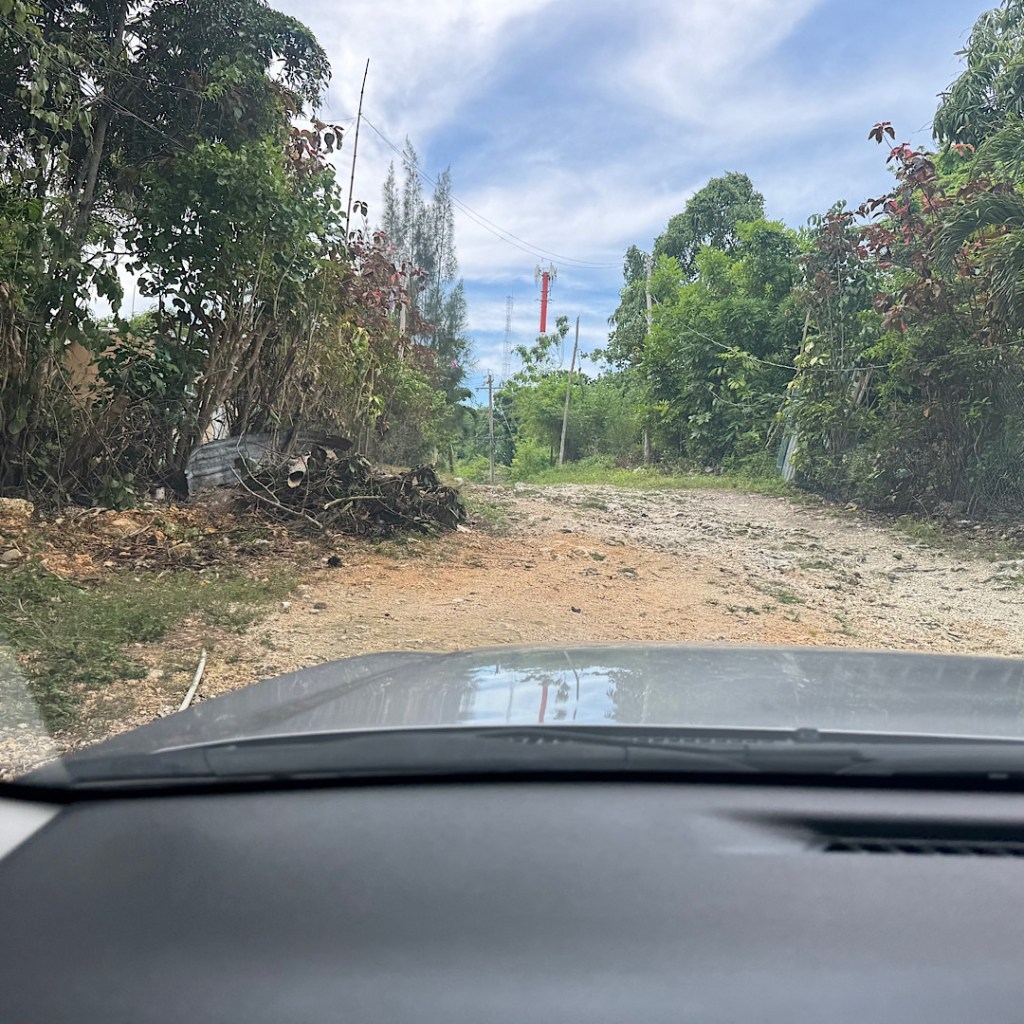
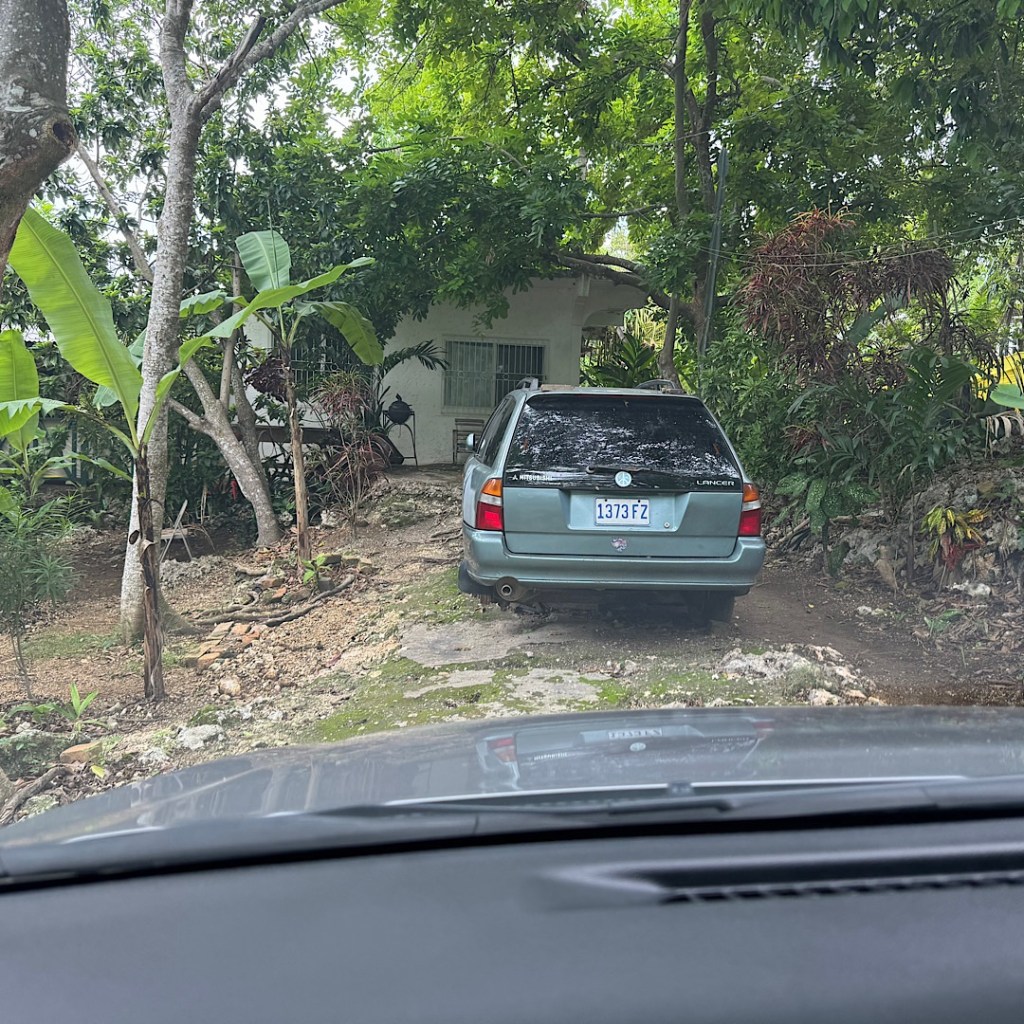
My heart sank when Valerie’s directions took us off the crummy paved main road and onto a jumble of dirt and rocks. Maybe a mile uphill from the “highway,” we turned into “our” even rougher driveway.

That’s Valerie’s place behind the dead car.

On hand to greet us was Valerie’s caretaker, John. Handsome and quiet, John showed us around the spacious two-bedroom house. He went off to buy a 5-gallon jug of drinking water for us, and as soon as he went out the door, Steve and I agreed: we didn’t want to stay there.

I look at that photo and think, gosh, it doesn’t look bad. And seen up close, it WAS immaculate. The AC seemed to work. But it was spartan, furnished minimally and lighted with only a dim fluorescent bulb per room. Hanging out in it would have been grim. More than anything, we couldn’t face the thought of jolting down that hill in search of dinners and returning in the dark, maybe through driving rain.

So when John got back we broke the news that the place was just too rustic for us. Valerie could keep all the Guest Points I had given her, but we wouldn’t be paying the $100 cleaning fee she had asked for. John looked crestfallen. He tried to assure us we would be completely safe, and I told him in complete sincerity that I believed him.

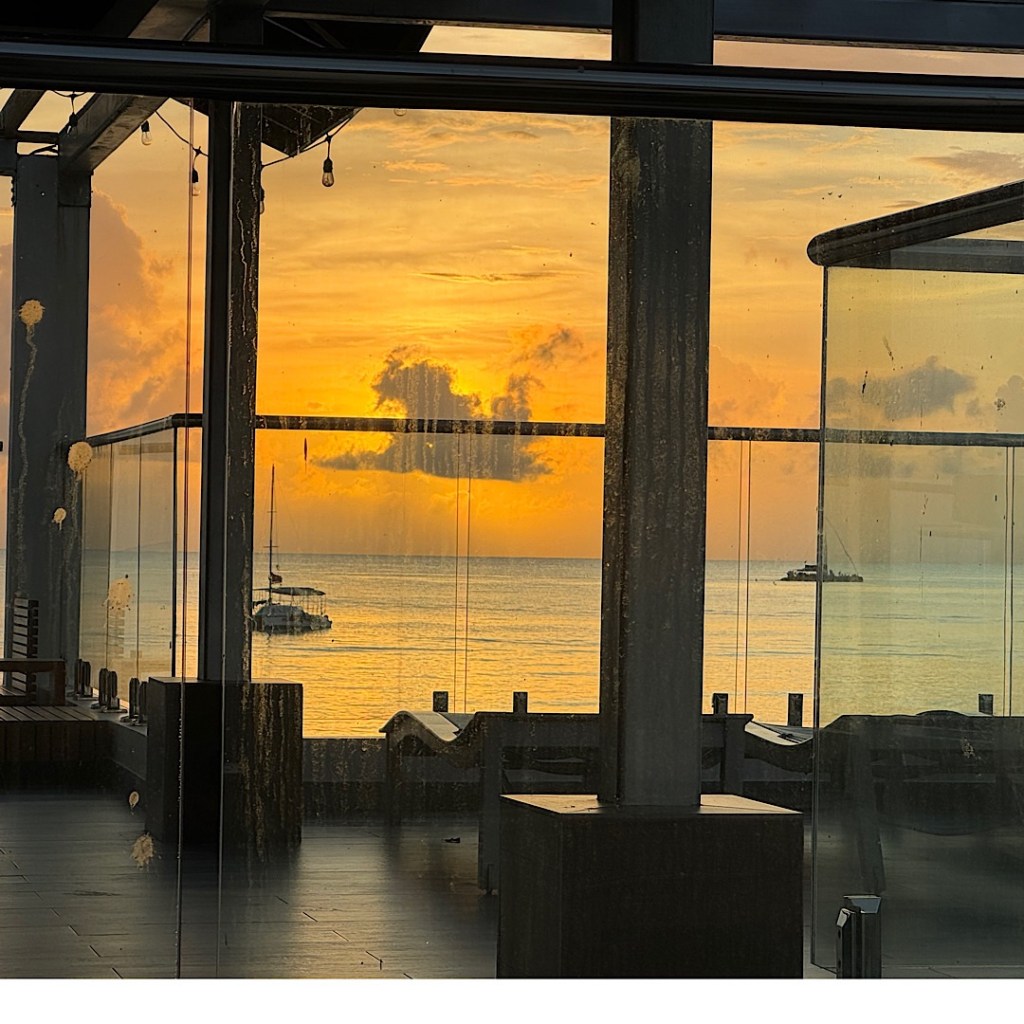
We drove off and within an hour or two we’d found a pleasant room right on the border of Seven-Mile Beach’s racial divide.

Sunset from one of our windows there.

I felt bad about John. I didn’t reflect on this on the spot, but we later speculated that $100 cleaning fee might have fed him and his family for some time. Bad luck for him too, mon.

Woe is me

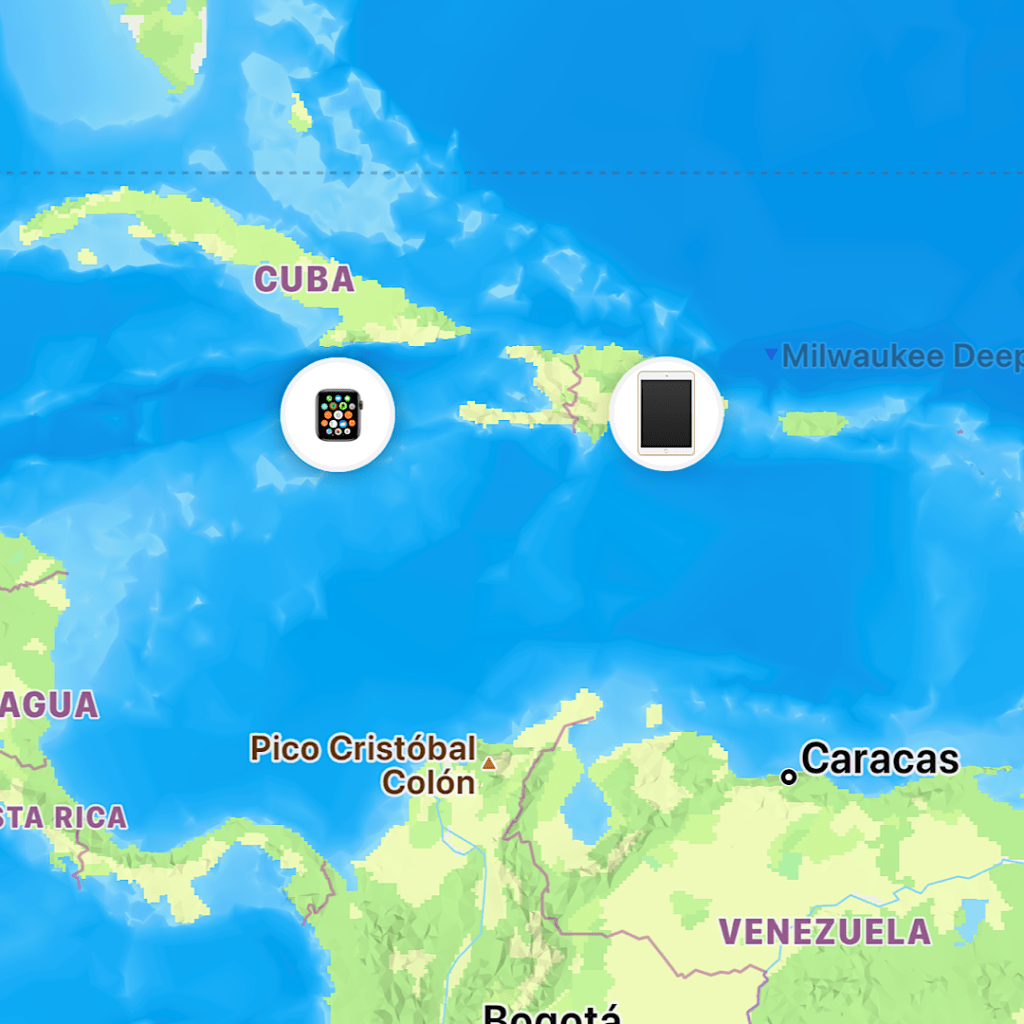
Steve and I are still alive; still in the Caribbean, but one reason I haven’t posted to the blog is that… I lost my iPad on the Arajet flight Tuesday from Santo Domingo to Kingston! At least as agonizing as not having my iPad is the fact that I had spent several hours writing a detailed report about our 8 days in the Dominican Republic. On the plane, I had copied that into WordPress (my blogging software) and inserted at least 30 photos into it. I hit “Save as a Draft” and WordPress informed me it would do that as soon as I was connected to the Internet again. But because my ipad is STILL sitting in the pocket of seat #30D of that particular 787 Max, it’s still not connected to the Internet.

Worse still, it looks like it never will be! I first got a message from Apple that my iPad was no longer with me when Steve and I were at the Island Car Rentals desk, getting our last set of wheels for the trip. I glanced at the message and silently chuckled. Oh, the dear little phone doesn’t realize the iPad is in its pocket in my backpack, just a few feet away. Then I returned my attention to the car-rental process.

I got another message when we were out in the parking lot, checking out the Yaris. Only then did it occur to me to look in my backpack, at which point full-on panic set in. I left Steve and raced into the terminal, desperately searching for any Arajet employee. I finally found a single harassed young woman, who was disappearing into the bowels of the terminal. To condense a long and tedious sequence of events, she eventually checked and reported that no one had removed the iPad from the plane, and the plane was on its way back to the Dominican Republic.

Arajet has a laggy, slow website that contains no phone number that works to reach an actual human. I tried. By the next morning, I was able to have an extended online chat with a “customer service” representative, who reprimanded me for not taking better care of my “personal belongings.” IF anyone ever removes that iPad from the pocket and turns it in to Arajet, I might be able to recover it by coming in to the airport and showing proper identification. (If I can’t do that: tough luck.)

Most maddening is the fact that my Find My app continues showing me updated images of my iPad at the airport in Santo Domingo!!! It’s there, containing all the work I put into that post. But I probably will never be able to get it back.

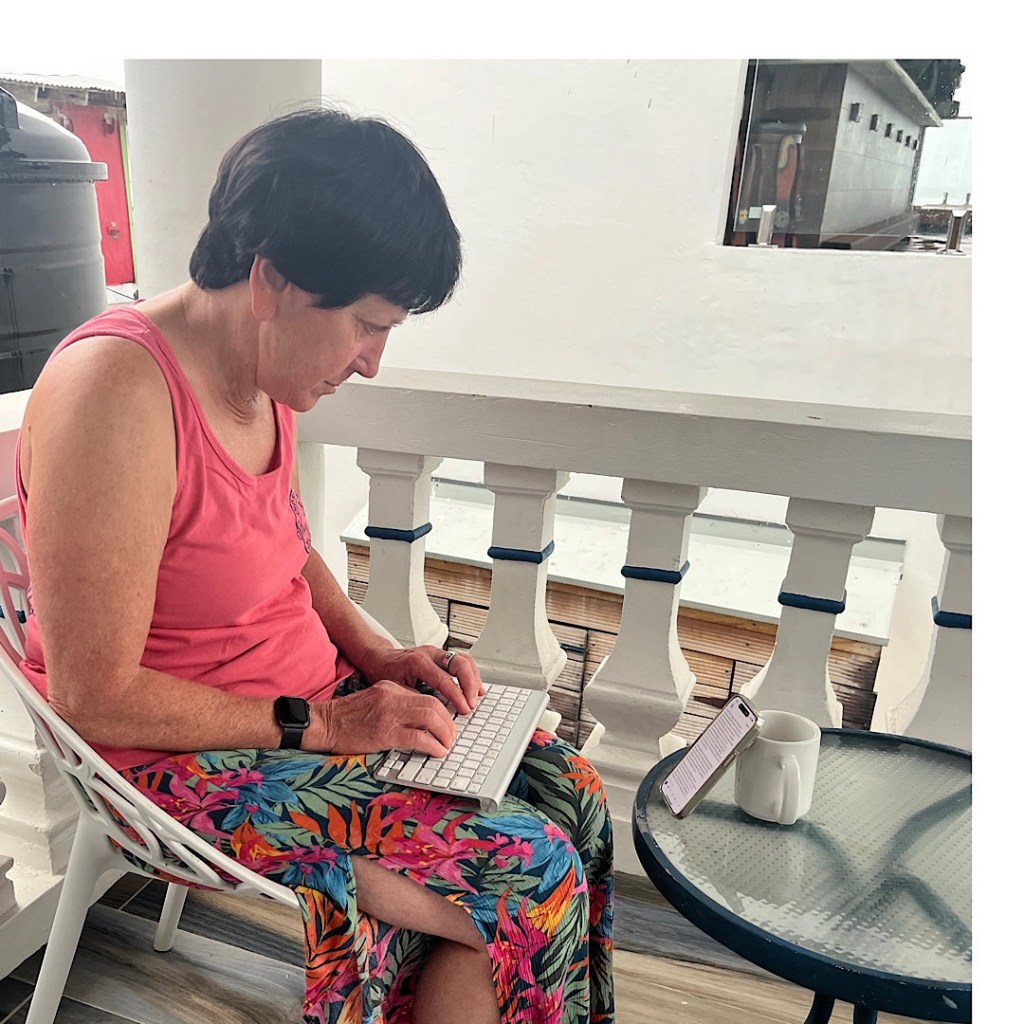
Meanwhile, I’m writing this using a portable keyboard connected to my phone. NOT the easiest way to compose. With this rig, I’ll try to report on some of our adventures in Jamaica. They’ve kept the adrenaline flowing, and I’m not talking zip lines.