Ankara is somewhat off the Turkish tourist trail. Steve and I saw only a handful of non-Turks during our 44-hour-long visit, and folks seemed surprised to see us. Still, we wanted to shoehorn in a quick visit for a couple of reasons. This city has been Turkey’s capital for the last 99 years. Also, it boasts a couple of attractions worth seeing.
So after winding up our cruise Tuesday afternoon, we flew from the nearby airport in Dalaman to Istanbul and spent the night there. An impressive high-speed train delivered us to Ankara’s main train station around 3 pm Wednesday.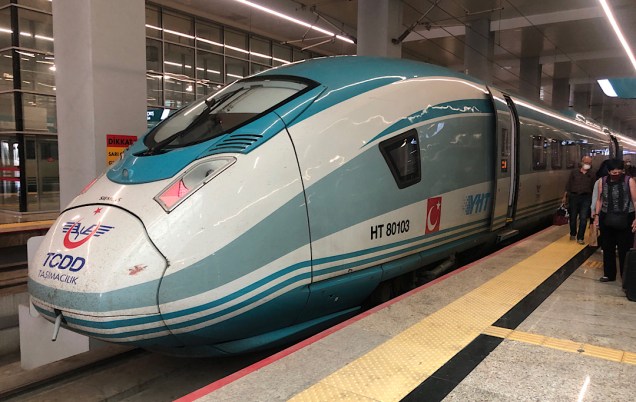
Thursday morning (5/26), we taxied to the first Major Attraction, Ataturk’s Mausoleum. Mustafa Kemal Ataturk, as anyone here will tell you, was the father of modern Turkey. Bold, intelligent, and charismatic, he led the resistance movement against the Ottoman sultanate and later, the Greek invaders, and in 1923 became the first president of the new Turkish republic. He spent the rest of his (relatively short) life working to transform the place from a medieval theocracy into the modern, secular, industrial powerhouse it eventually became. It was he who moved the capital from Istanbul to Ankara. Over the years, I have visited some of the most impressive tombs on the planet — Mao’s on Tienanmen Square, the Taj Mahal, Lenin’s final resting place in Moscow, Ho Chi Minh’s in Hanoi — and the complex containing Ataturk’s body ranks among them.
We approached it via the grandiose “Lion’s Path” leading up to the huge Ceremonial Grounds.
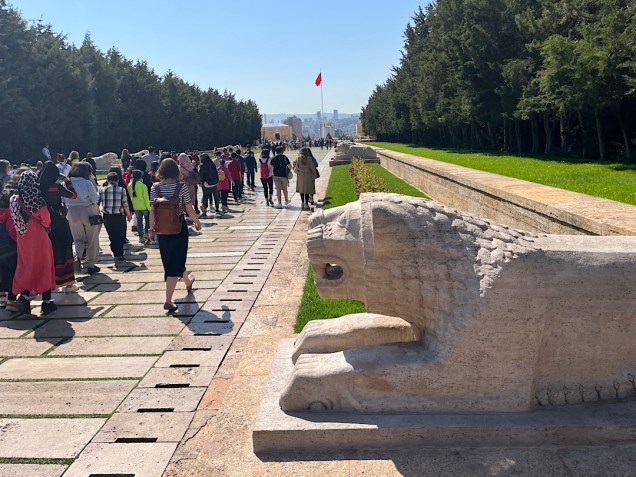 The view from the bottom…
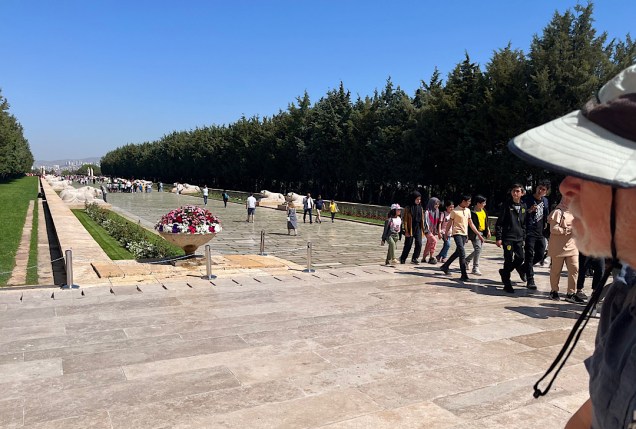
As luck would have it, our visit coincided with some sort of holiday involving children, and the plaza was was jammed with kids of all ages.
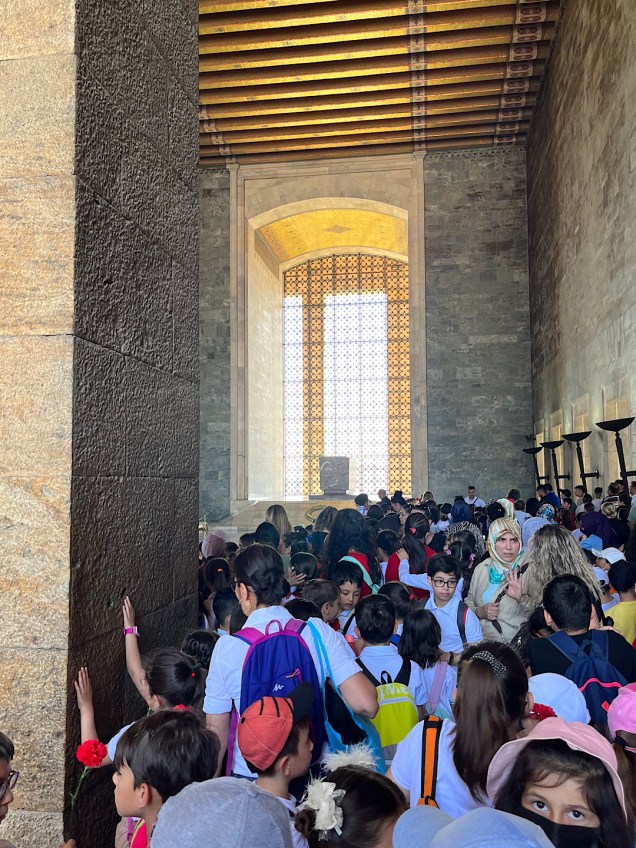
That’s Ataturk’s actual tomb up in front.
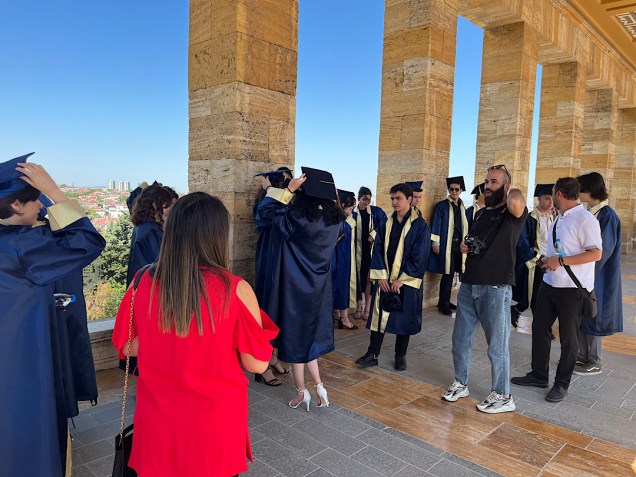
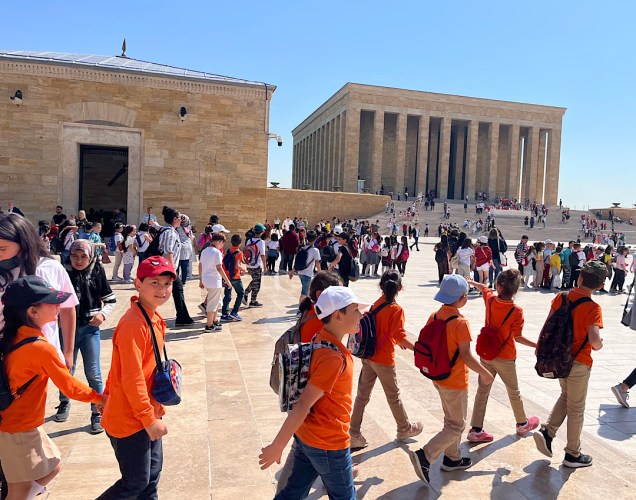
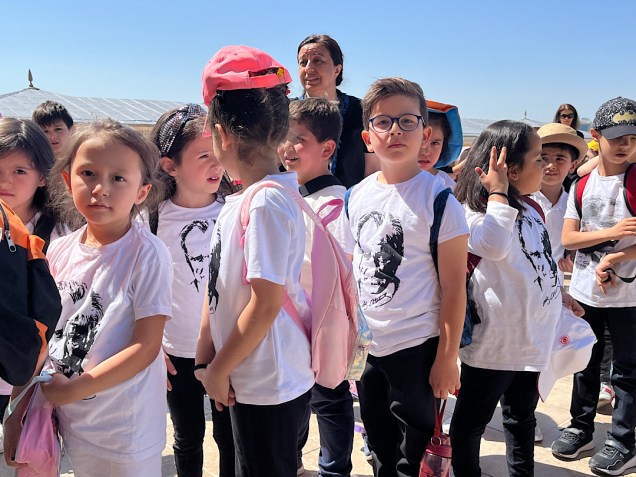
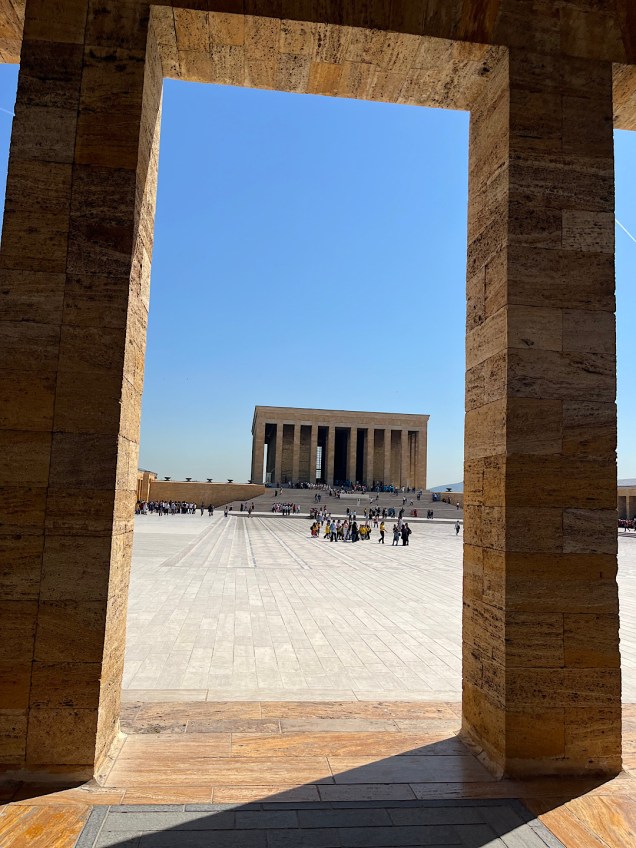
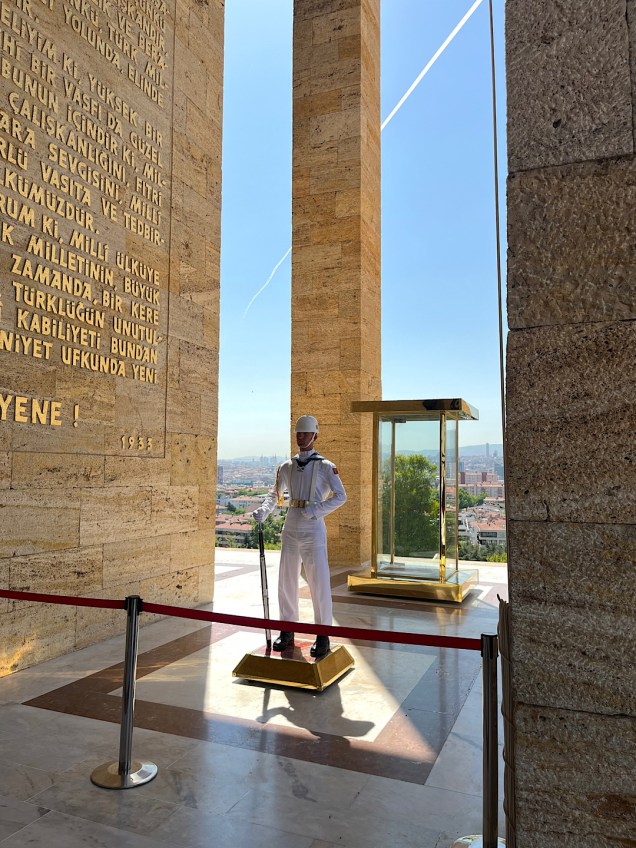
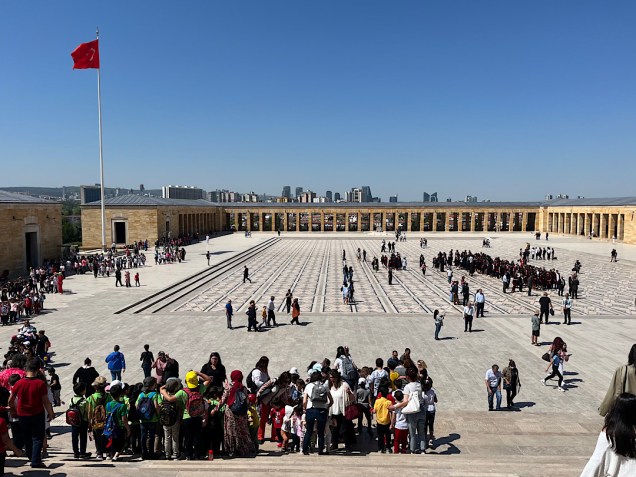 We took in the scene for about an hour, then caught another taxi to the Museum of Anatolian Civilizations. (Taxis everywhere in Turkey have been easy to hail and are stunningly cheap. Many rides around town cost only a dollar or two.) I had read that this particular museum (another project of Ataturk’s) ranked among the best in the world for antiquities.
It probably wouldn’t appeal to everyone. But Steve and I both recently read The Dawn of Everything: A New History of Humanity, a mind-boggling look at recent archeological discoveries that have upended experts’ understanding of how human civilization developed all over the planet. Among the most important findings have been digs in Turkey revealing communities and cities thousands of years older than the ones previously thought to be the earliest. This particularly museum holds many artifacts from those excavations.
I found it riveting, and it was pleasant to have as much time as we wanted to wander around the well-annotated exhibits. I lingered before the original 9000-year-old statue of the mother goddess whose photo I had seen in Selcuk…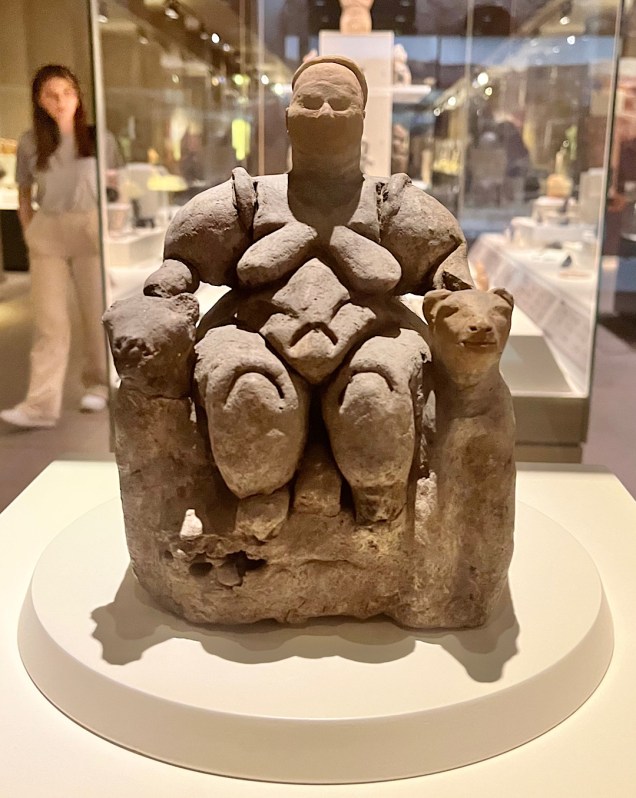 …and there were any number of other charming goddesses…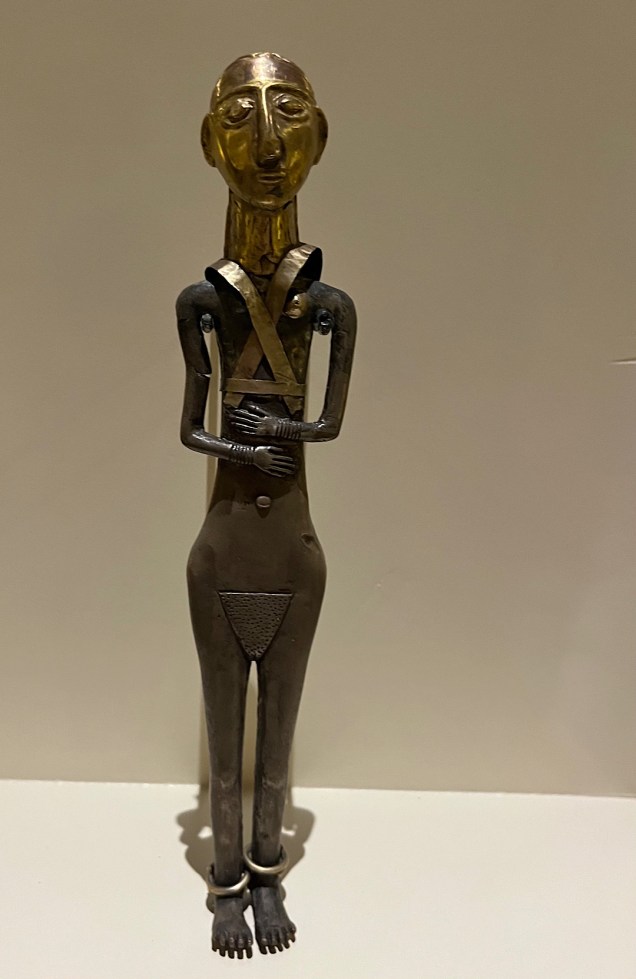
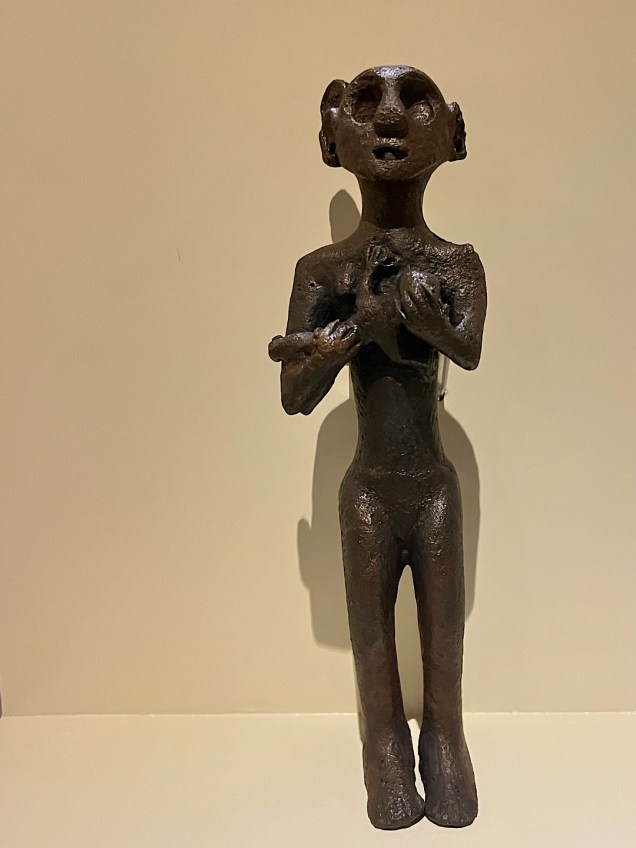
We eagerly eyed the re-creation of a typical home in Catalhoyuk, the settlement of up to 8000 people that apparently thrived in central Turkey for about 1,200 years, starting around 7,400 BC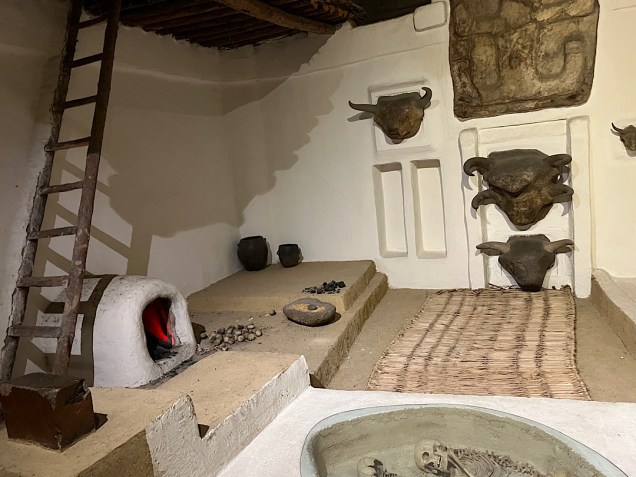
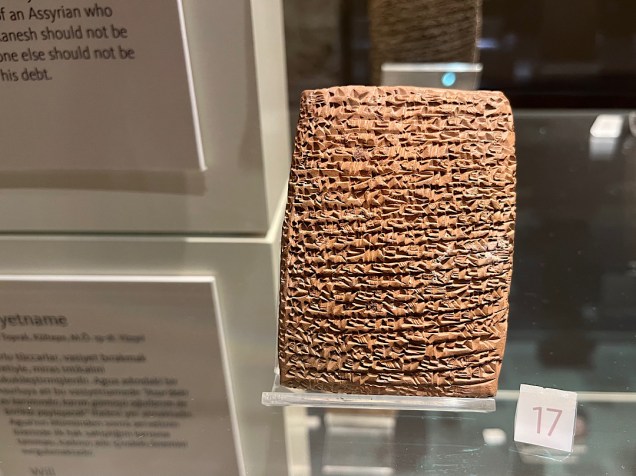
We also saw amazing examples of cuneiform, ancient writing on clay tablets that apparently stored tons of information in a very small space — and have survived for millennia.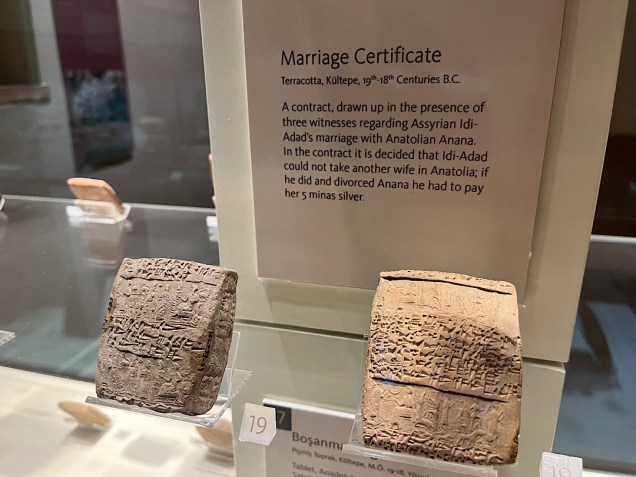
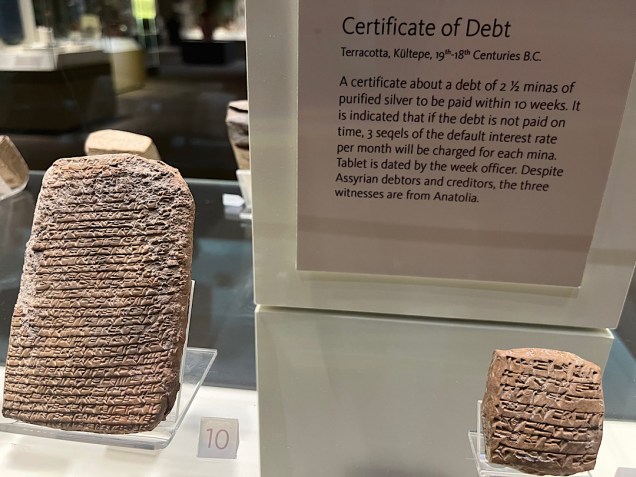
We wandered through the museum for almost four hours before heading back to our hotel, the Bugday, pronounced BOO-DIE. As in the name of Turkey’s current president (Erdogan), the ‘g’s in both names when written in Turkish have two dots over them, indicating they are silent.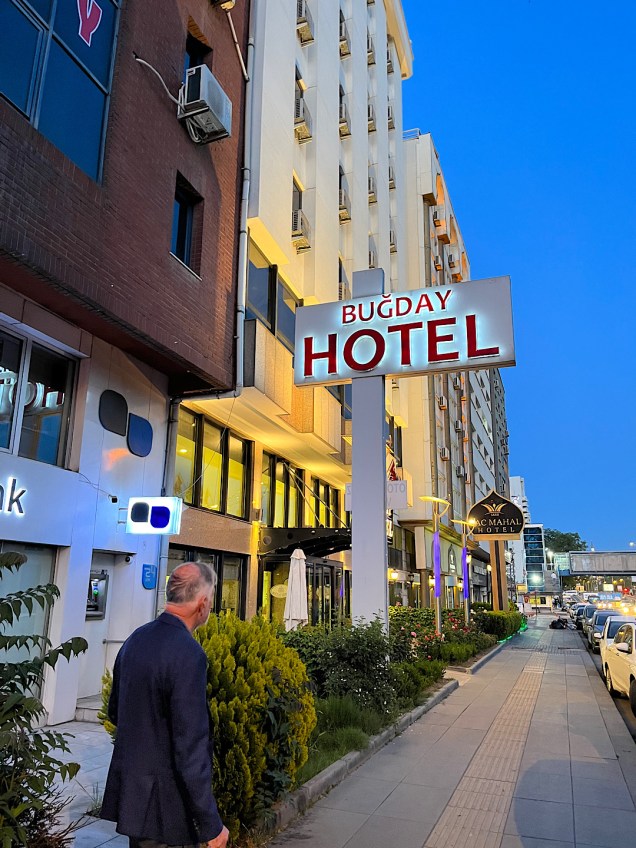
The Bugday is a well-rated business hotel located only a short taxi ride from the train station. It cost $42 a night for our comfortable, immaculate room and lavish breakfast each morning. What I didn’t realize, though, when I reserved a room is that the neighborhood around it is a home-remodeling Mecca, filled with block after block of shops selling plumbing fixtures, wallpaper, paint, brushes, bathtubs, urinals, ceramic tile — like some vast Home Depot broken up into individual vendors.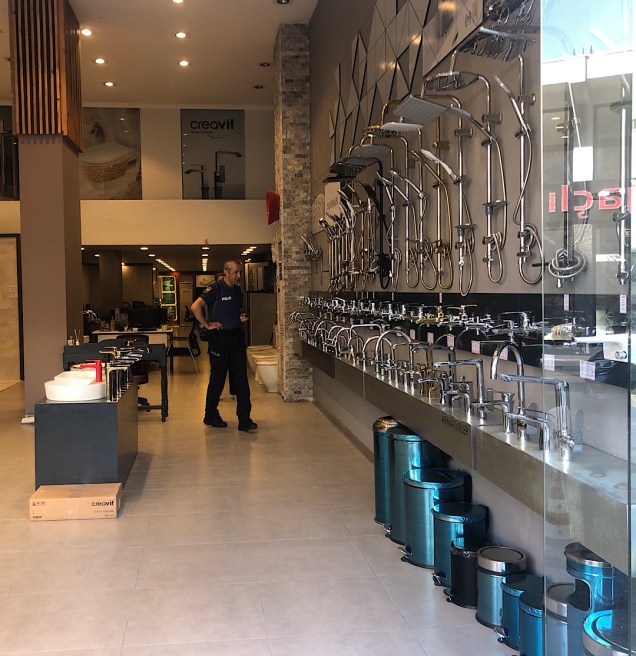
It didn’t offer much in the way of restaurants, however. Our first night, we asked the guy at the Bugday’s front desk if he could point us to any. He told us about a small joint down the block, but although open, it didn’t seem to be serving a single customer. We spotted a Radisson Blu in the distance and, confident that it would at least have a cafe, we walked there. But the dining options looked so dubious we got up from our table and left.
Next to the local bus station, we eyed a guy grilling meat on a cart. Because we were getting desperate, we decided to chance it. But… how to figure out what our choices were?
A young man materialized, offering help. This has now happened at least a half dozen times since we arrived here. We’ll stop somewhere, befuddled, and almost instantly, a helpful English-speaking Turk will approach and bail us out. With aid from the young guy, we ordered a meatball sandwich and beef strips wrapped in pita bread. While they were grilling, we took a seat at one of the tables inside.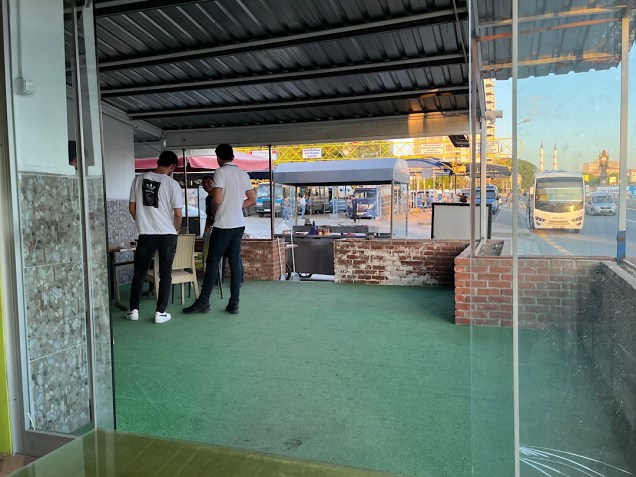
Soon our translator and three of the companions with whom he’d been drinking tea came up to our table and asked if they could practice some English with us. They all were students preparing to enter the local technical university. We of course were as happy to chat with them as they appeared to be, encountering us.
The next half hour or so was great fun. The kids ranged from 17 to 22 and were studying various things: history, business, sociology. We talked about where we all were from, how they were dealing with the terrible inflation, why we had come to Ankara. Then one of them blurted out, “What do you think of Ataturk?”
I felt a bit flummoxed. It would be a little like me striking up a conversation with a Japanese tourist and asking, “What do you think of George Washington?” But Ataturk here is more than a historical figure. He’s a symbol of progress and secularism, one that stands in contrast to the authoritarian and Islamist Erdogan, the current president who has increasing looked to the past. The students made it clear they despise Erdogan and all he represents. When they learned about my past work as a journalist, they asked if journalists could be punished for writing critically about the US government. They looked a bit nervous even talking about these things, while at the same time relishing the conversation.
Our second (final) night in Ankara, Steve and I took a taxi to Tilye, widely acclaimed to be the best seafood restaurant in the capital. For a little under $100 (way more than we’ve paid for any other meal), we consumed several marvelous fish dishes, a bottle of excellent Turkish sauvignon blanc, tasty bread, and two delicious desserts. It was superb, and I wouldn’t have missed it. But I also wouldn’t have traded a second night’s dinner there for our conversation with those curious Turkish kids.
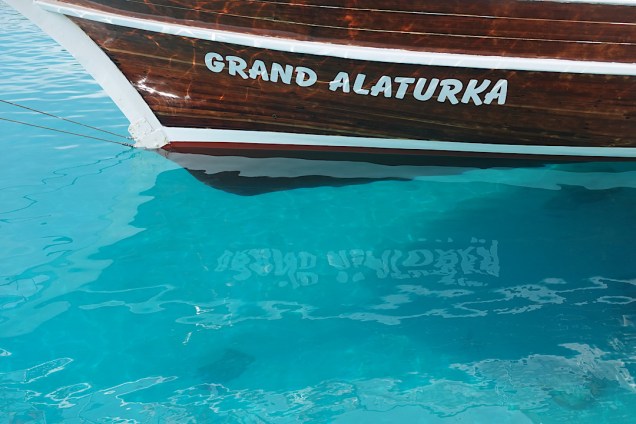
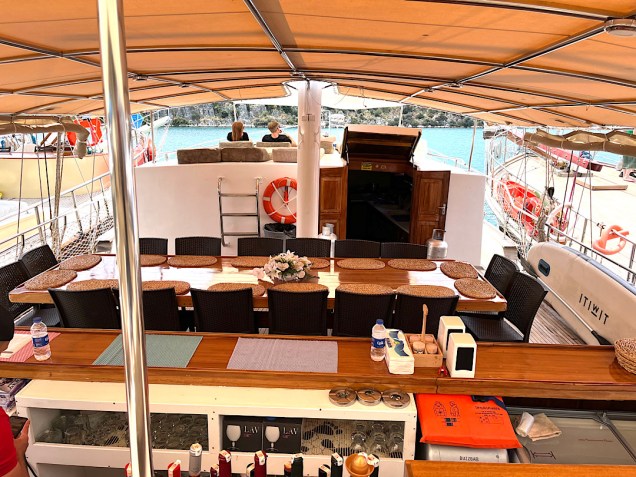
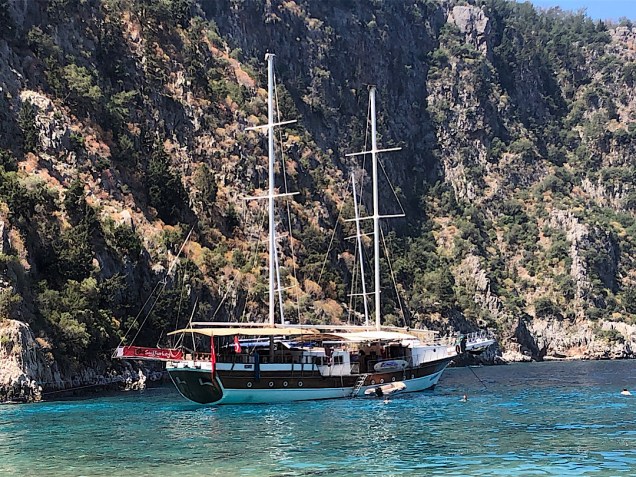
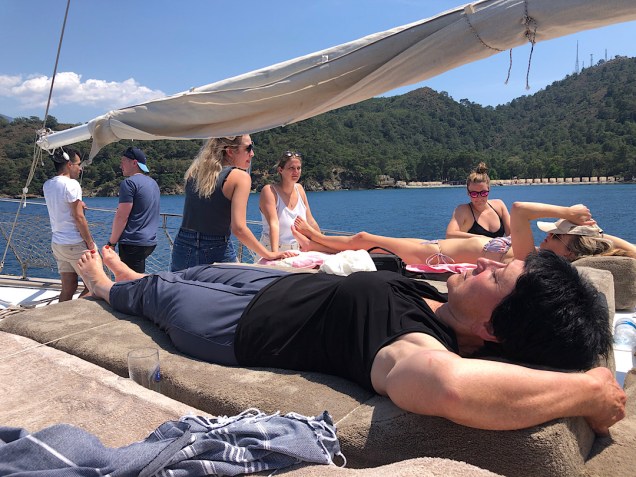
 Less than 24 hours have passed since we were cruising the Mediterranean on a 90-foot-long wooden sailing ship. Yet somehow I can’t quite remember what I did between the time I woke up yesterday and our disembarkation 7 or 8 hours later. I know we ate breakfast. Later came a light lunch. I know I spent time laying on the velour-covered foam mattresses laid out on the rooftops over the main salon and the fo’c’sle. Rocked gently by the boat’s forward motion through the swells, I didn’t sleep. It felt more like a dream, an existence untethered from time.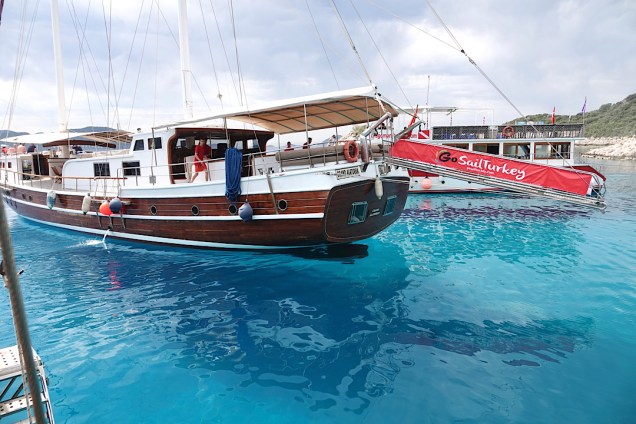
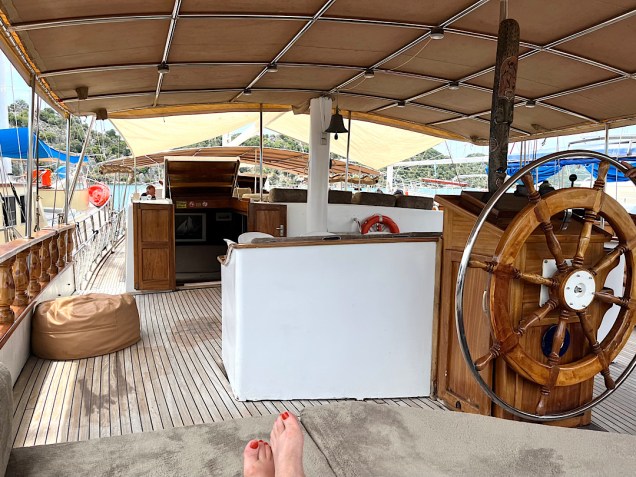
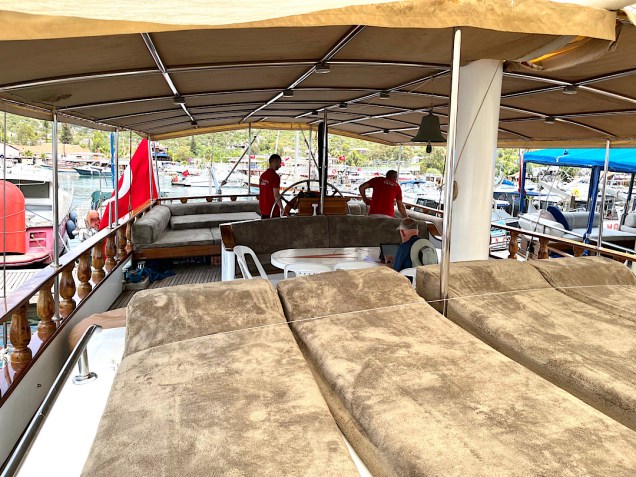
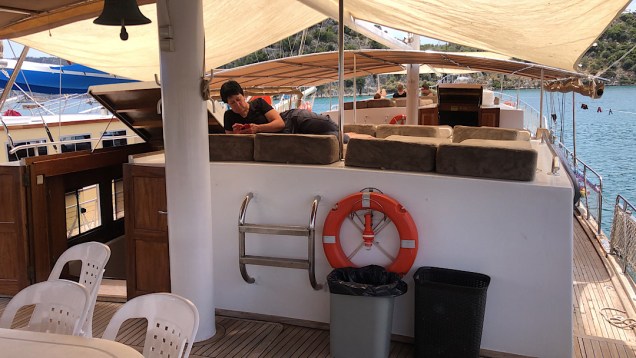
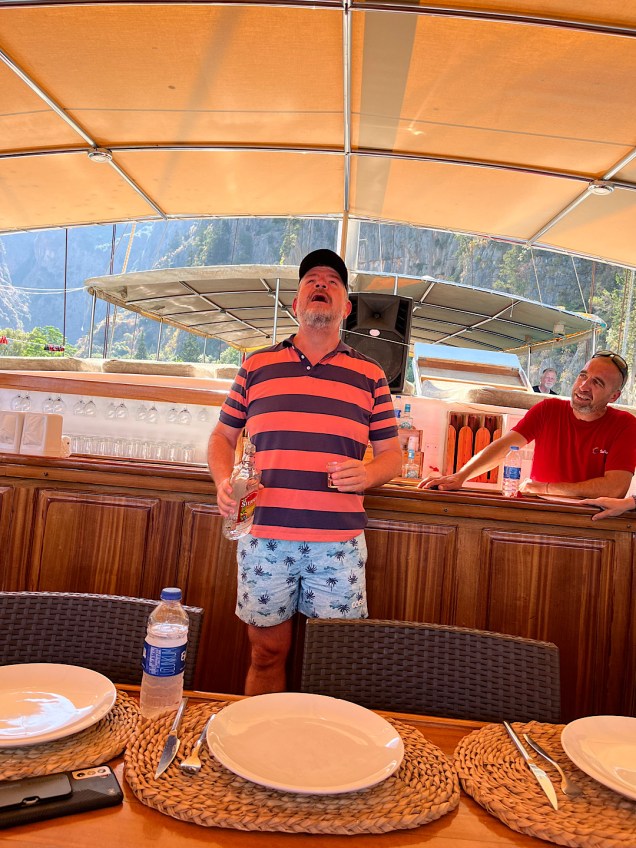
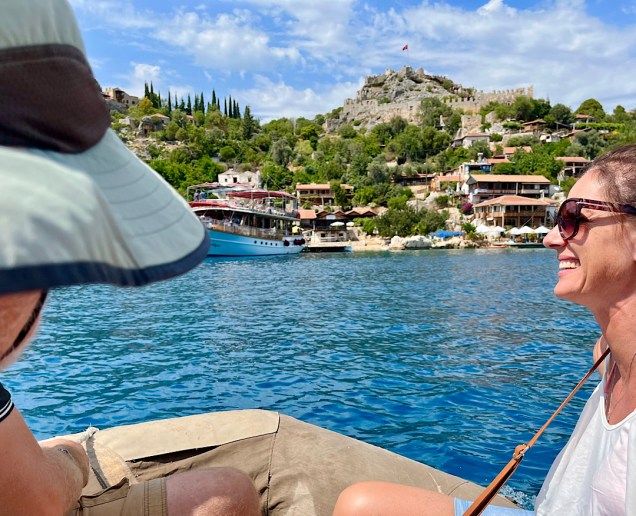
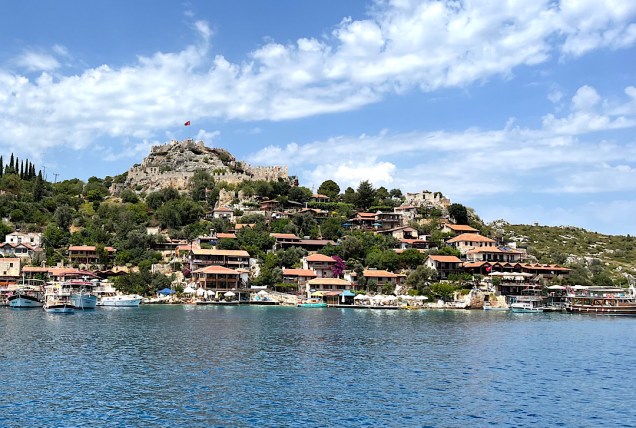
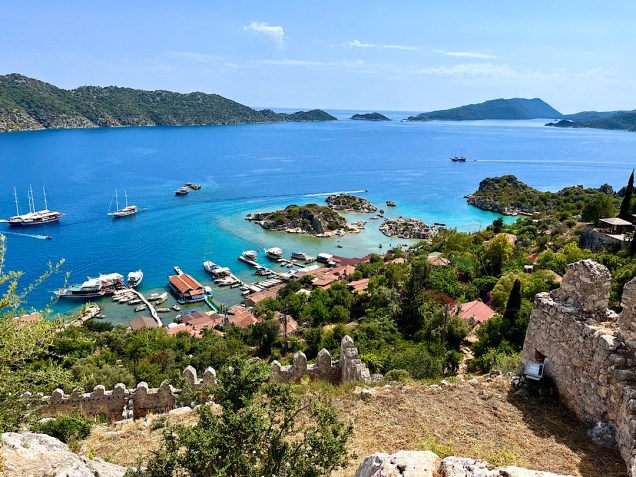
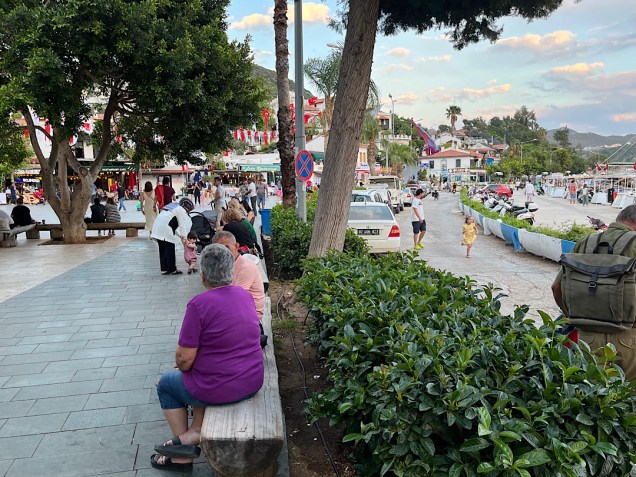
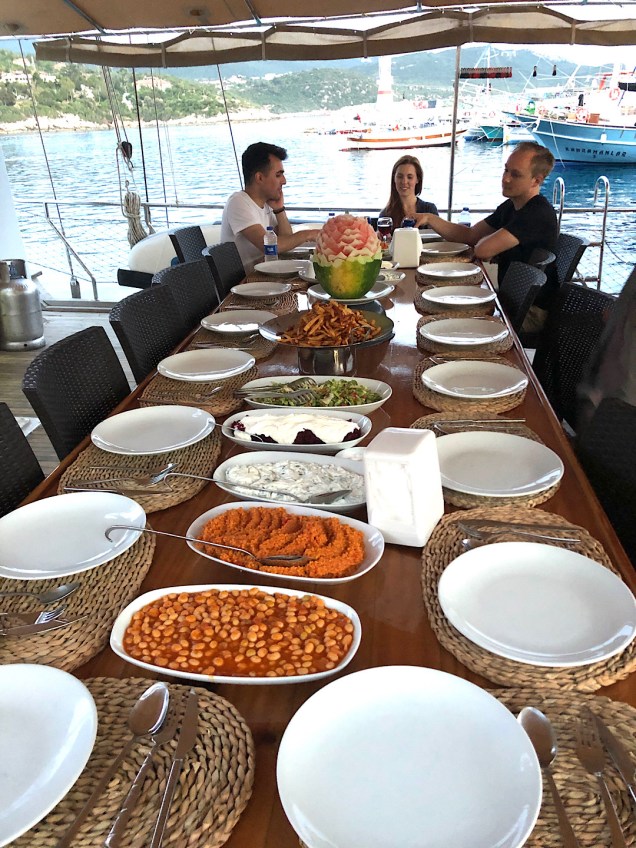
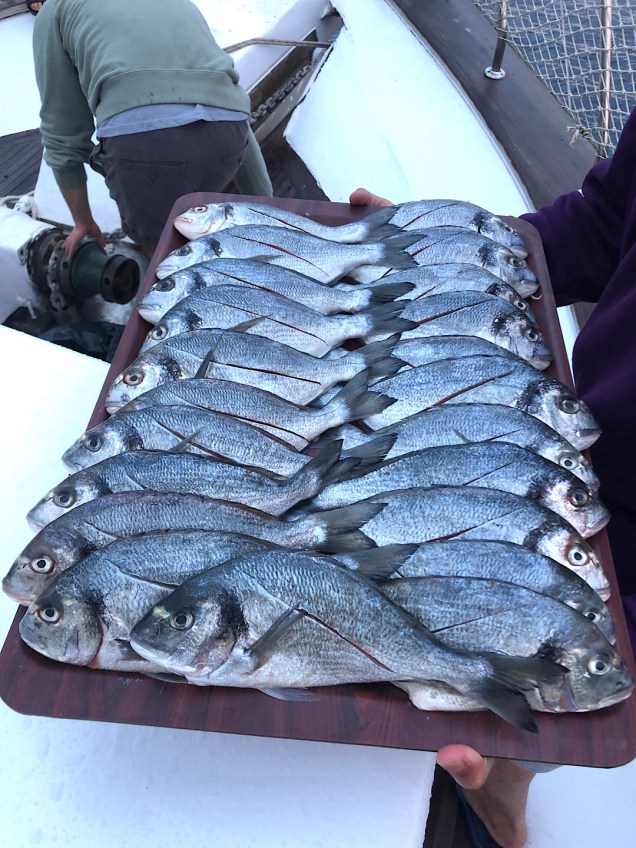
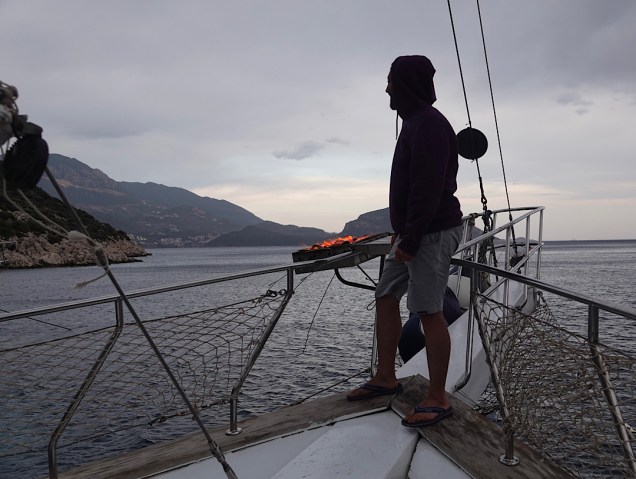
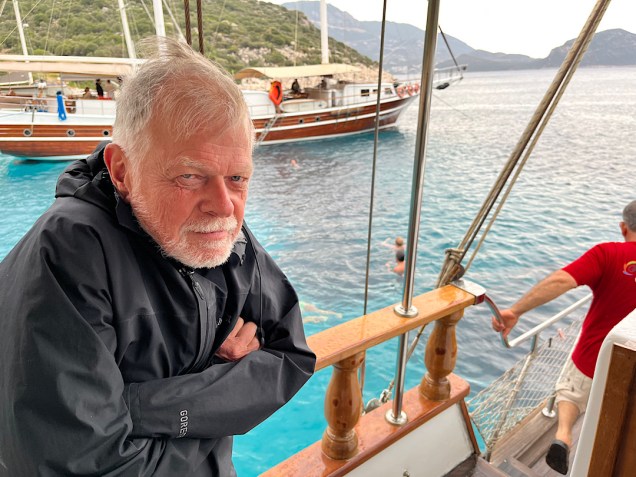
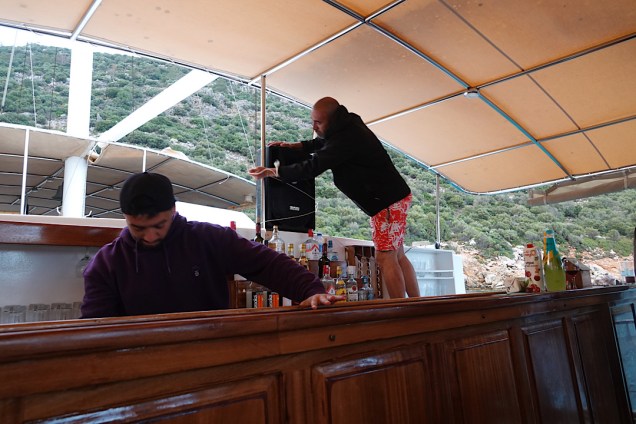
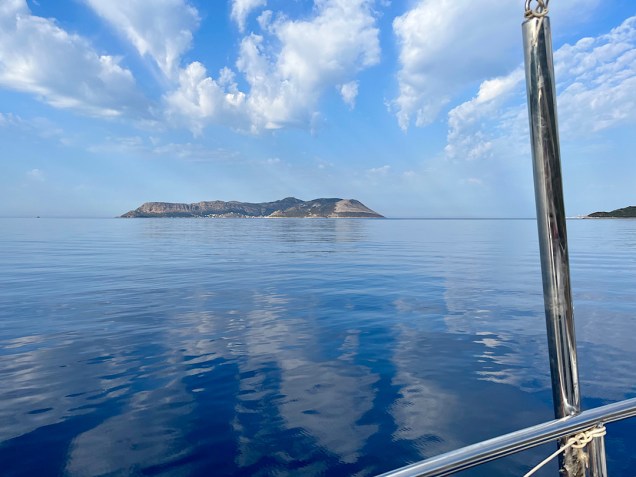

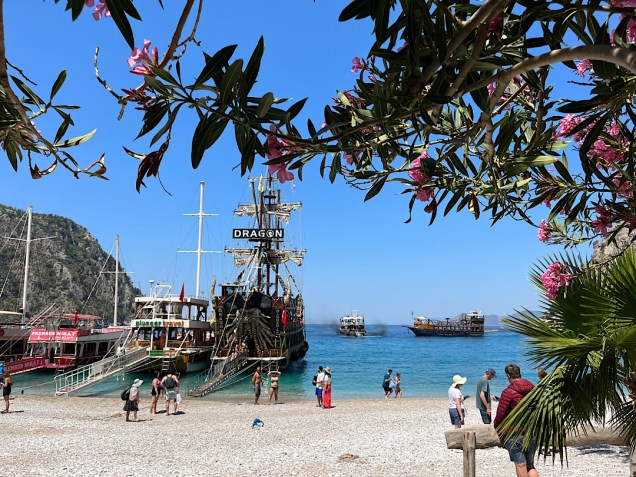
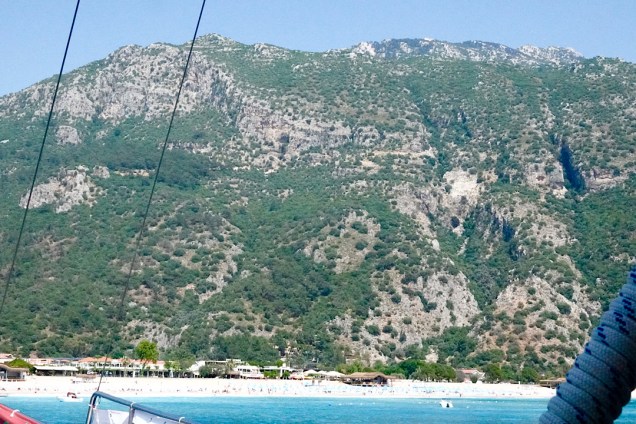
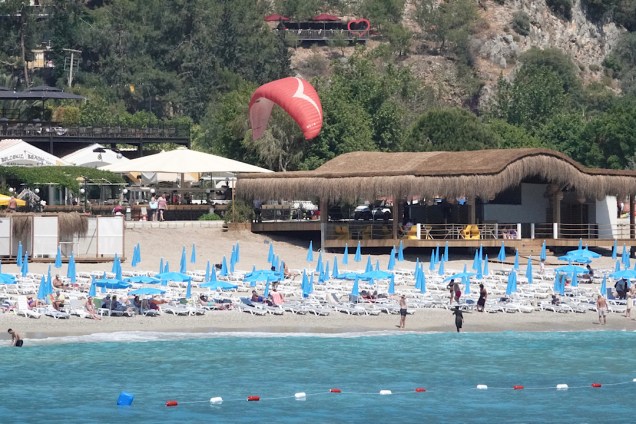
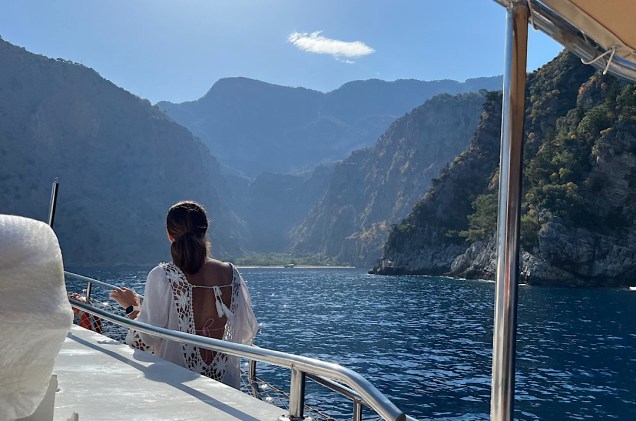 We once again motored to a deserted beach and were ferried onshore to Butterfly Valley.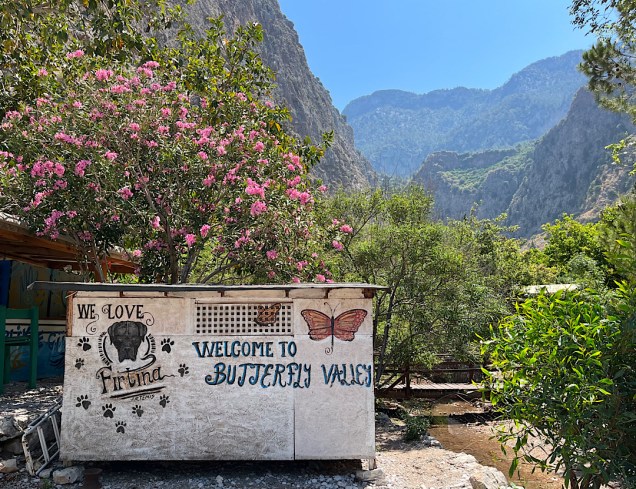


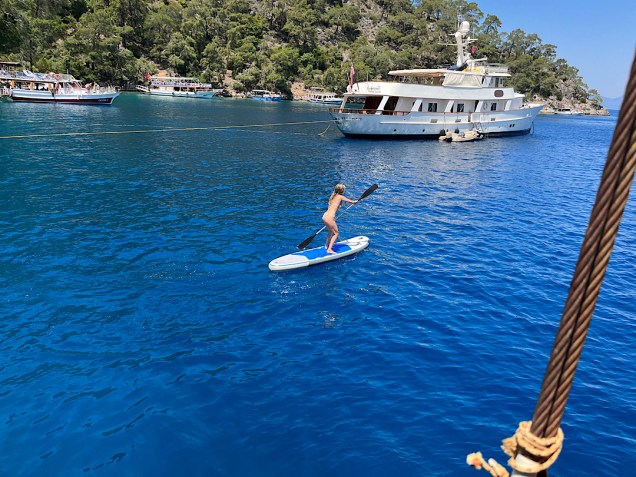
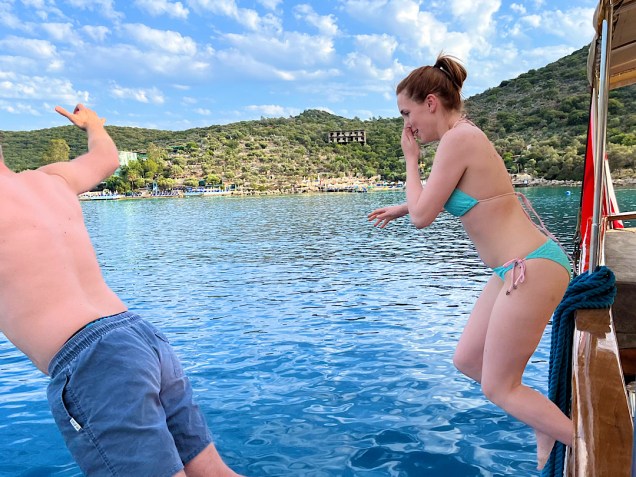
 Steve and I did join in on the final excursion of our trip. Late Monday afternoon we anchored off St. Nicholas island…
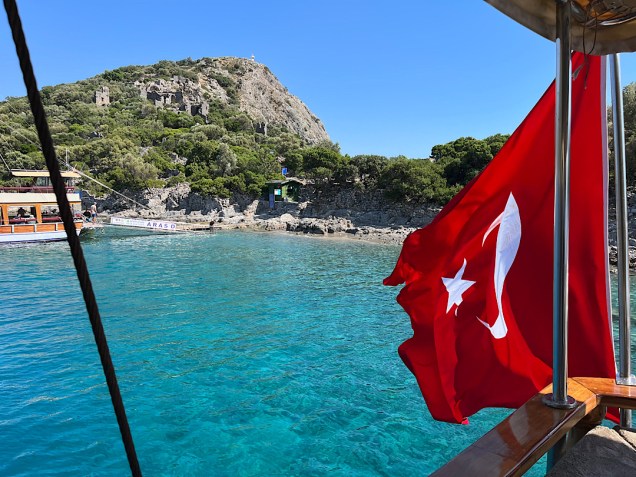 …where a short dinghy ride took us to a trailhead leading to some Byzantine ruins built in the 7th century.
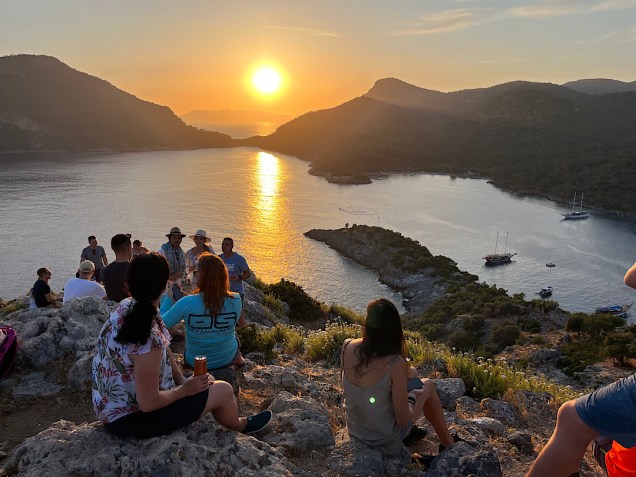 The landscape alone was pretty intoxicating, though, and we took some pleasure in being sober as we scrambled down over the rocks and scree in the deepening gloom.
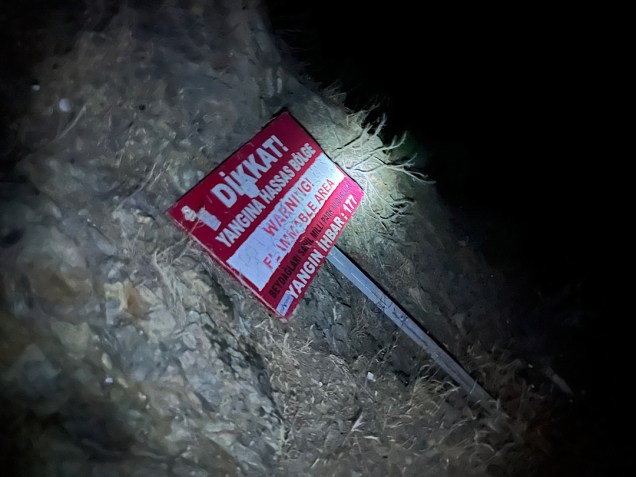 If YOU heard about a place where a Greek god had battled with and slain a female monster and, commemorating this victory, the mountain spouted flames — and they had continued burning for more than 2000 years… would you be able to resist going to see it? I couldn’t. The burning mountain is Mt. Chimaera; it’s near the towns people stay in before embarking on an sailing trip along Turkey’s Turquoise Coast.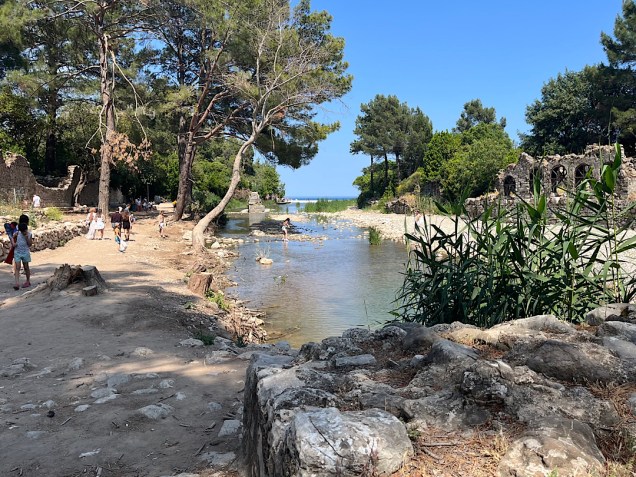
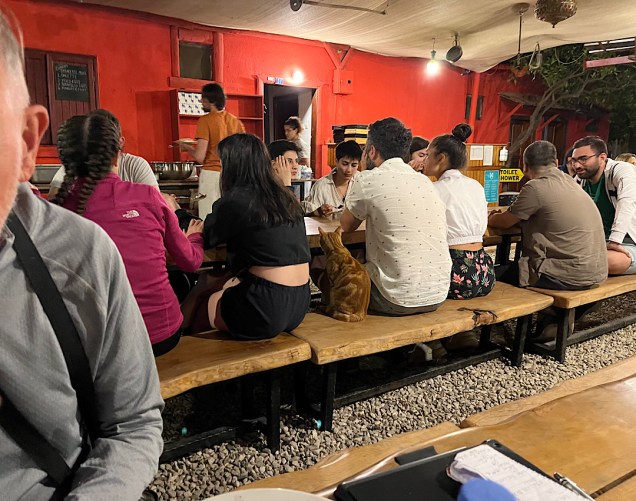 I’d given up, but Steve wanted to double check. He was all but panting when he came back with the news that a van would be leaving in just 15 minutes, promptly at 9 pm. We threw our walking sticks and sweaters and flashlights into the daypack, then piled on the vehicle, happy to find another couple already aboard. We picked up two more couples at a nearby hotel, then barreled into the darkness.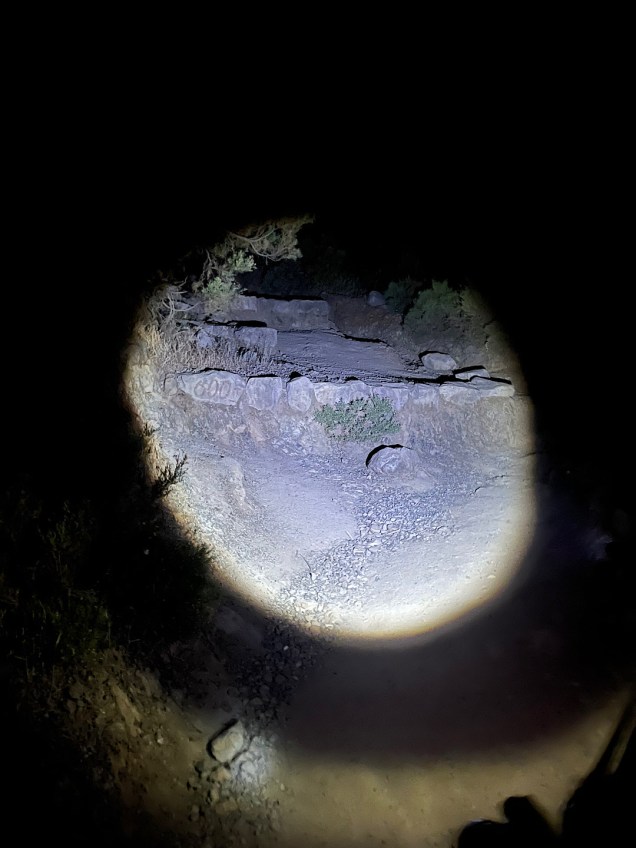

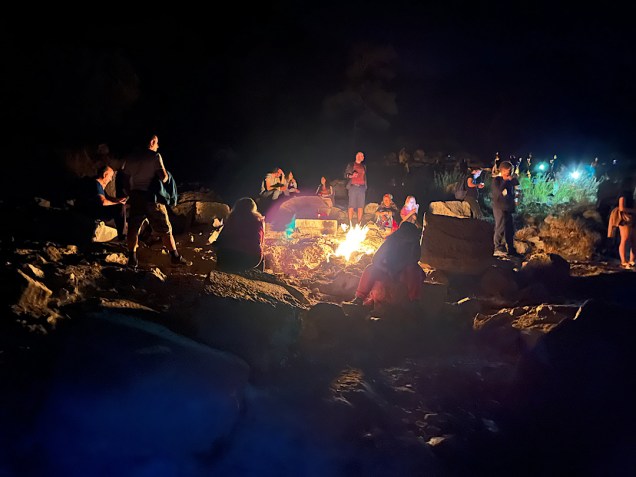
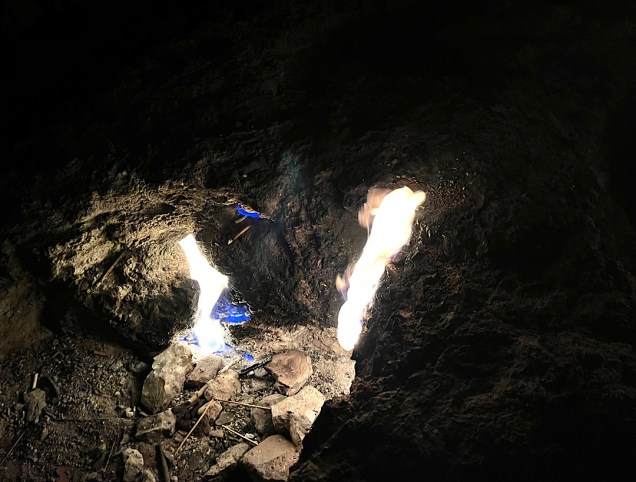
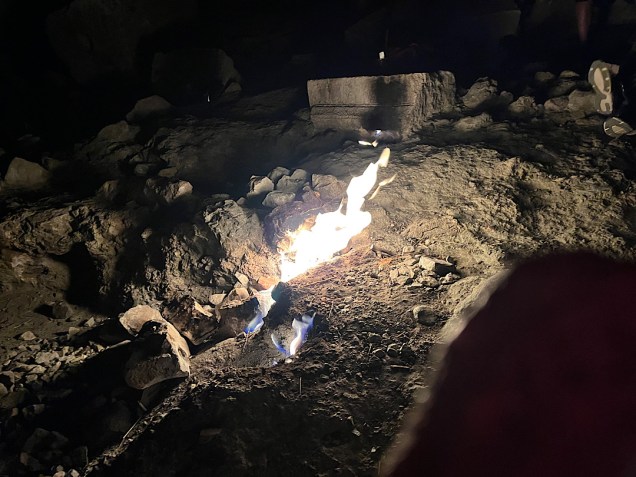 The guidebooks say they can be extinguished by covering them, but they will pop up again nearby. Steve judged it to be a natural gas seep, mostly methane. The Greek myth is a lot more romantic, however. According to it, the lady monster had the head of a lion, the body of a goat, and the tail of a dragon. Mounted on the winged horse Pegasus, the hero Bellerophon killed the Chimaera by pouring molten lead into her mouth.
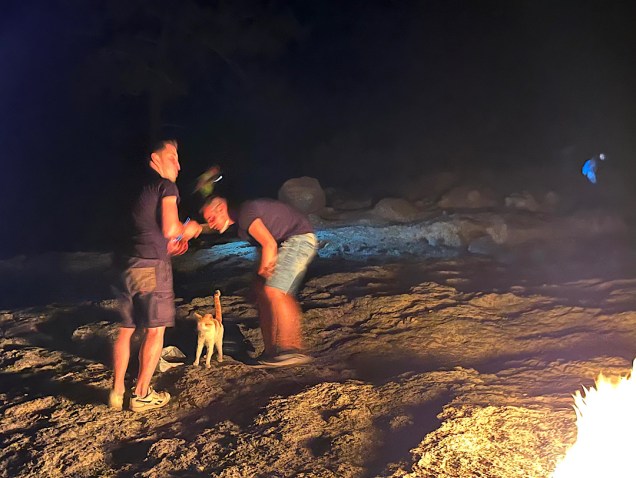 I particularly admired the forethought of the guys who’d brought sticks and marshmallows, for toasting.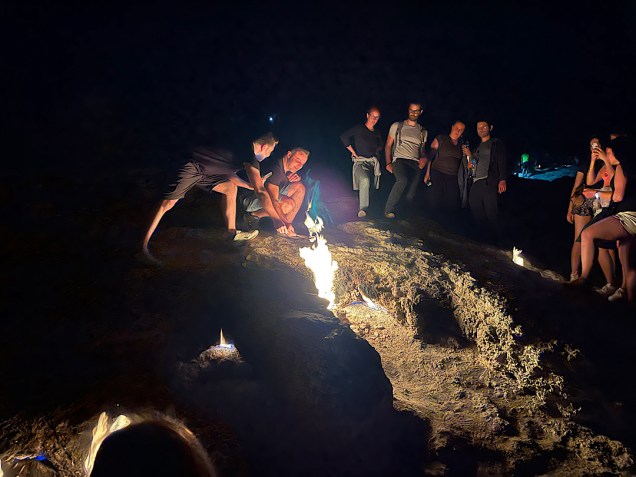
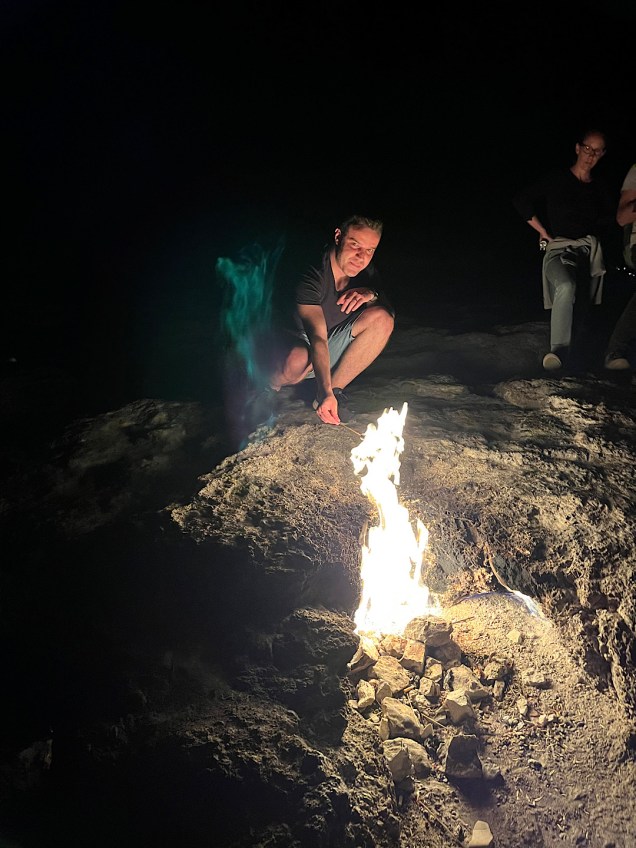 Fires seemed to stretch up the mountain into the distance. We sat down for a moment to drink in the scene. Cats have an uncanny ability to detect my cat allergies; sure enough, the ginger made a beeline for me and climbed into my lap.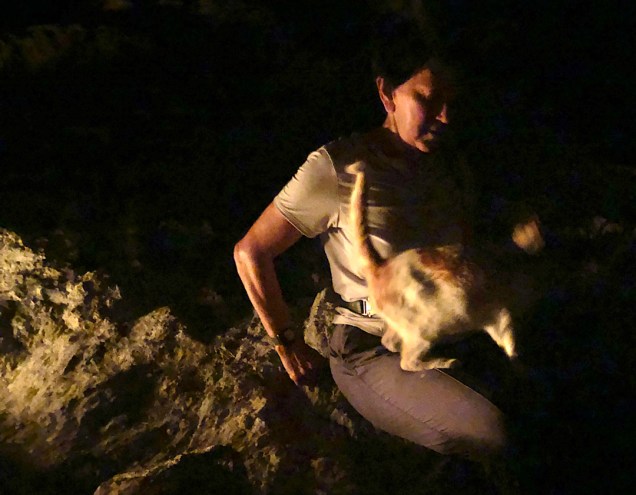

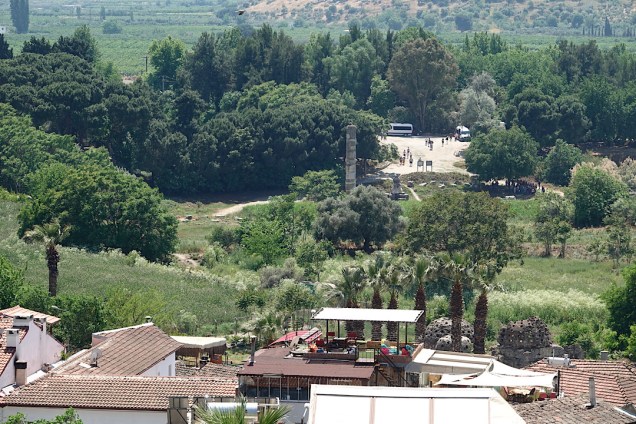
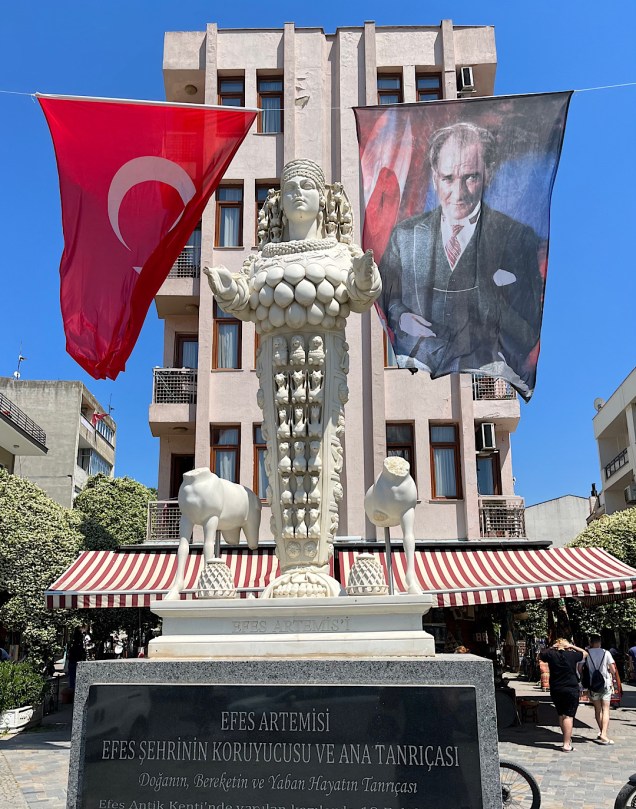 Tuesday afternoon, Steve and I flew to Izmir (once known as Smyrna). It’s the third largest city in Turkey, but we didn’t pause to tour it. Instead we caught a taxi at the airport and rode south for about an hour to the town of Selcuk, the ancient site of a once great city known as Ephesus. We spent all of Wednesday in and around it. Following the example of St. Paul, I have a few observations to offer the locals: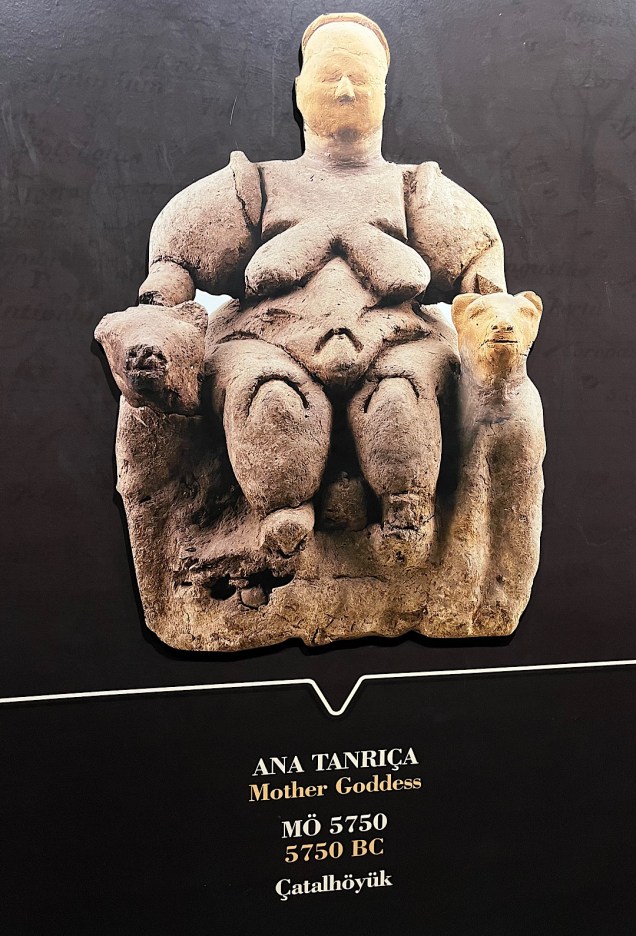
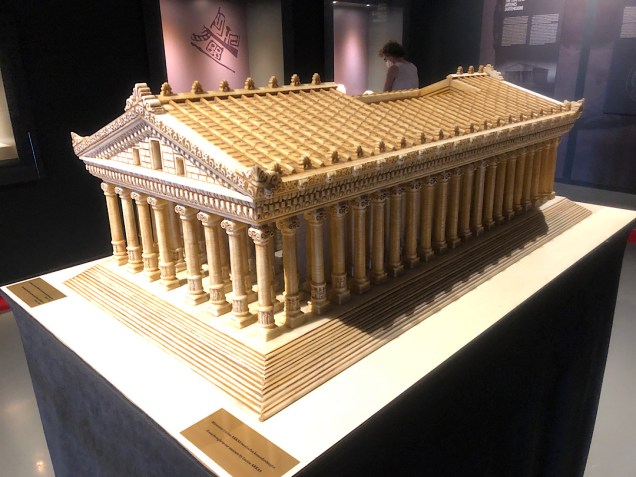
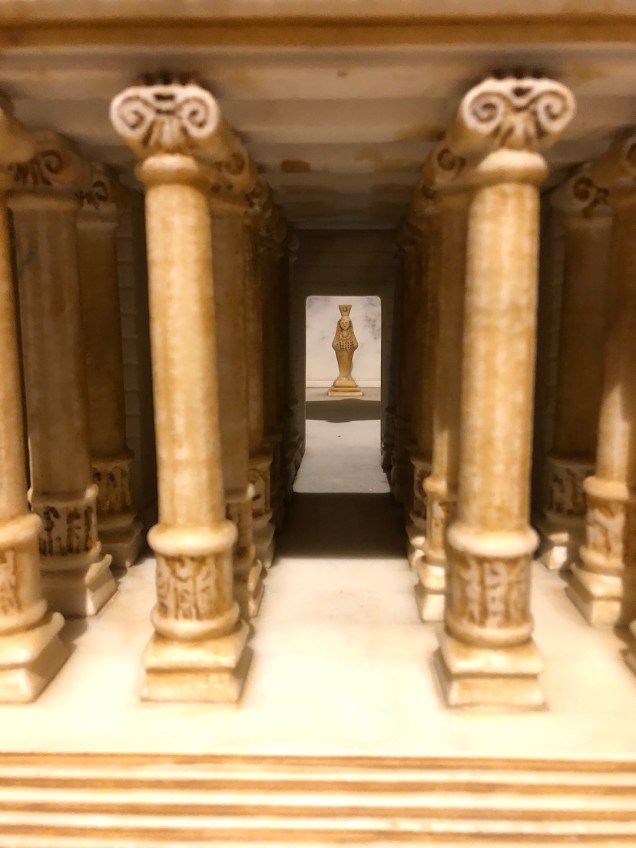

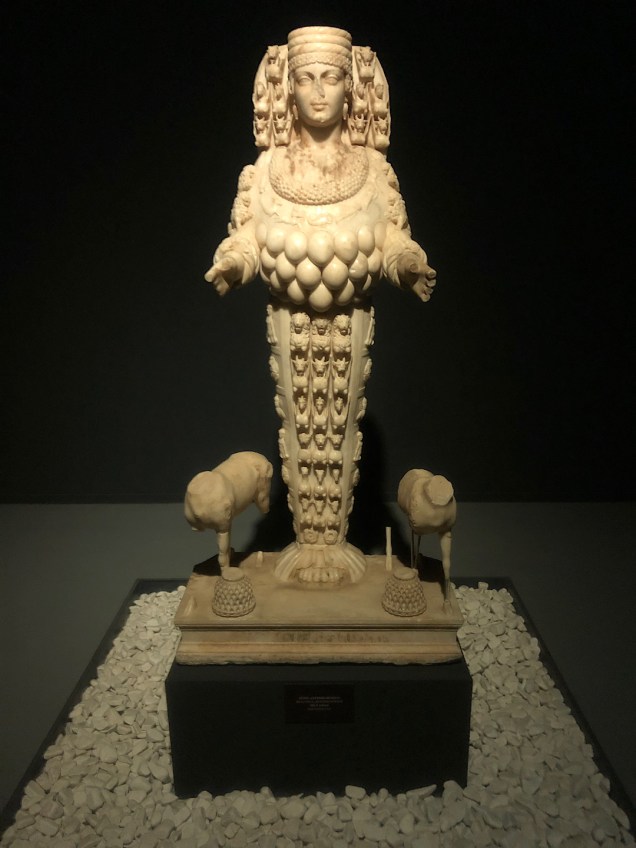
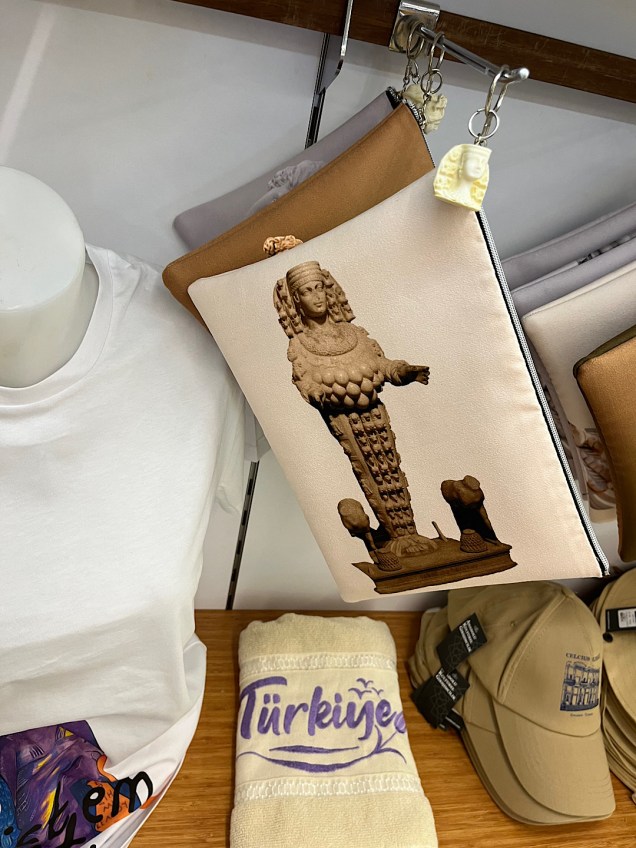 I would have jumped on a nice t-shirt bearing that image, but this is all there was: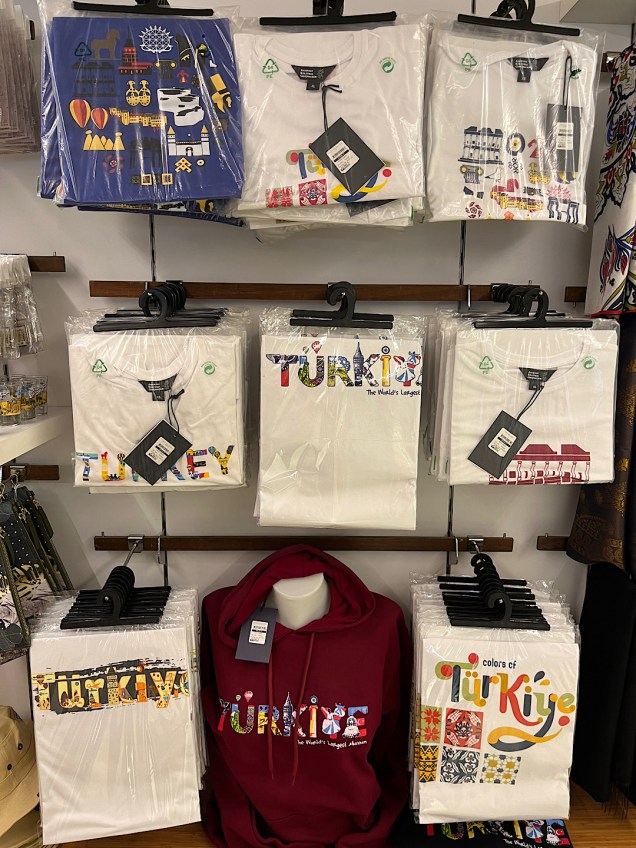
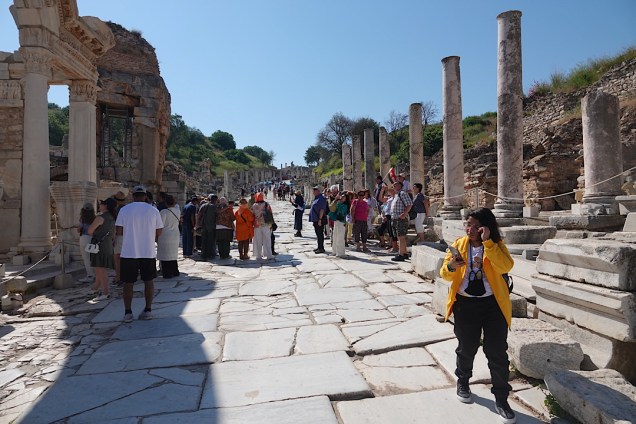
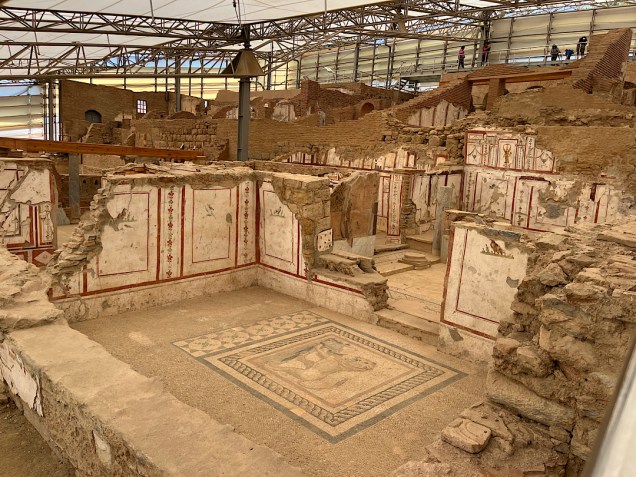
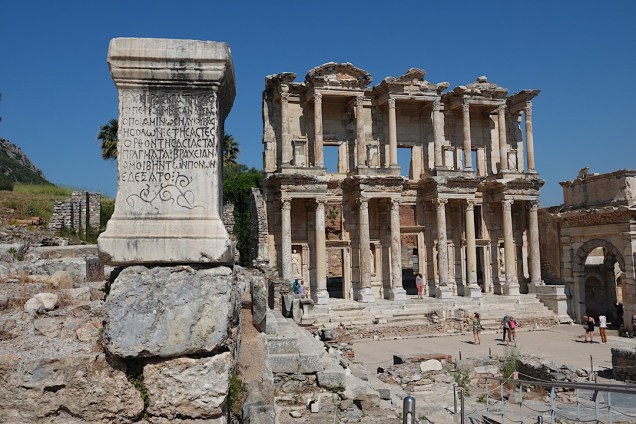
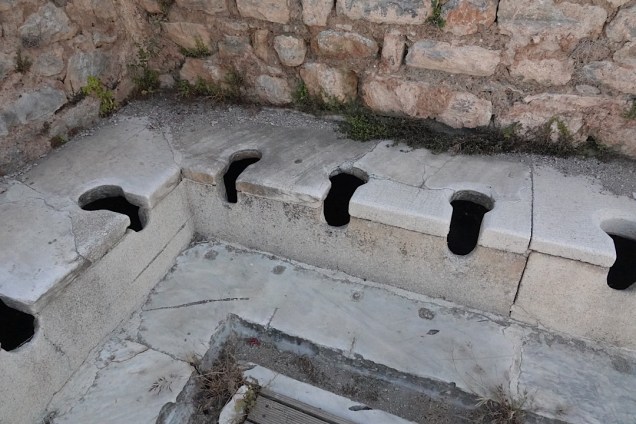

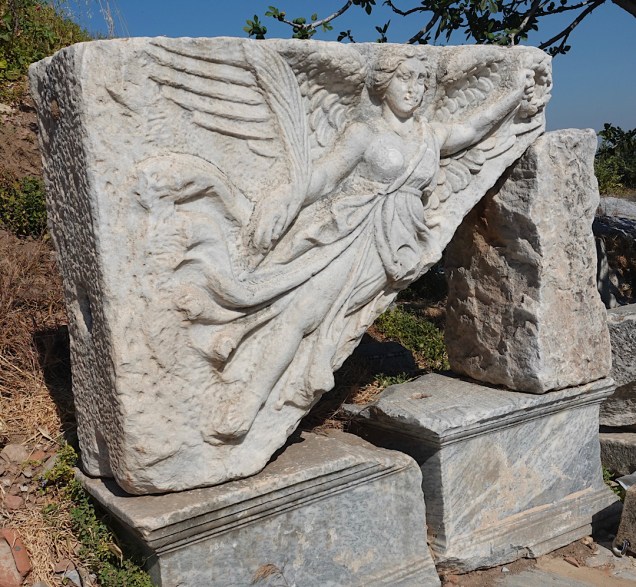
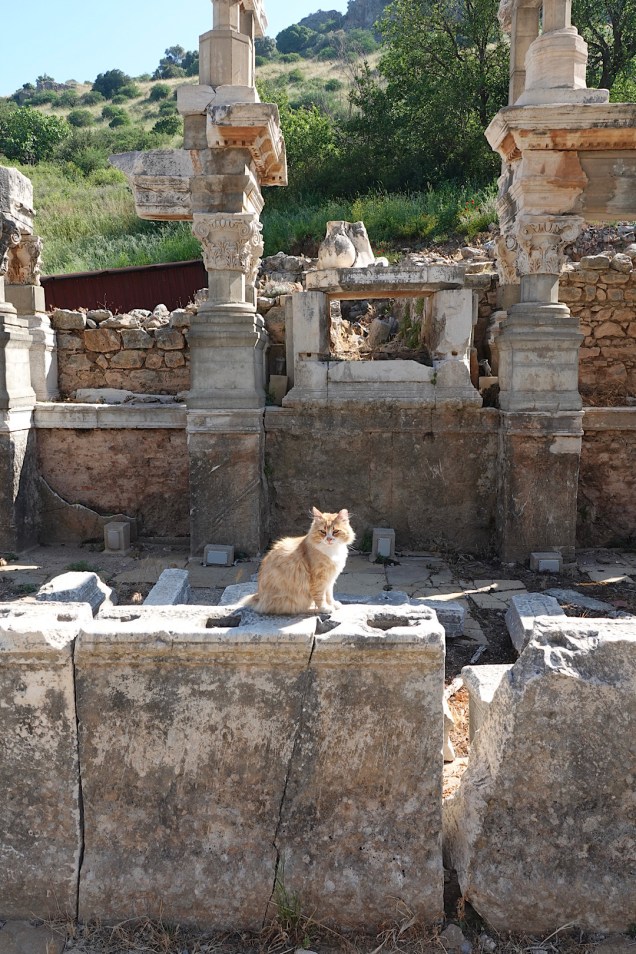
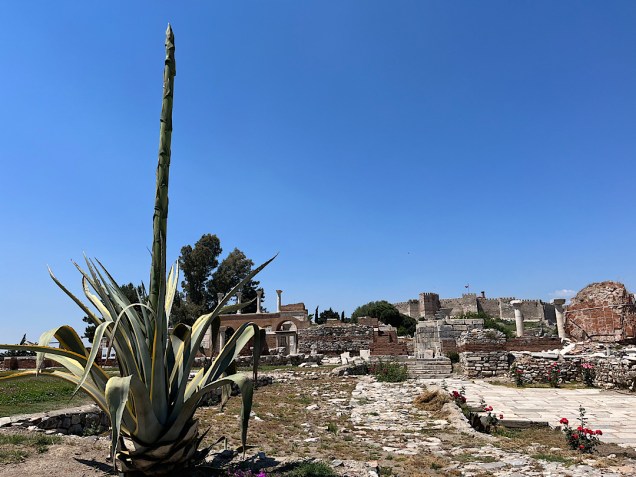
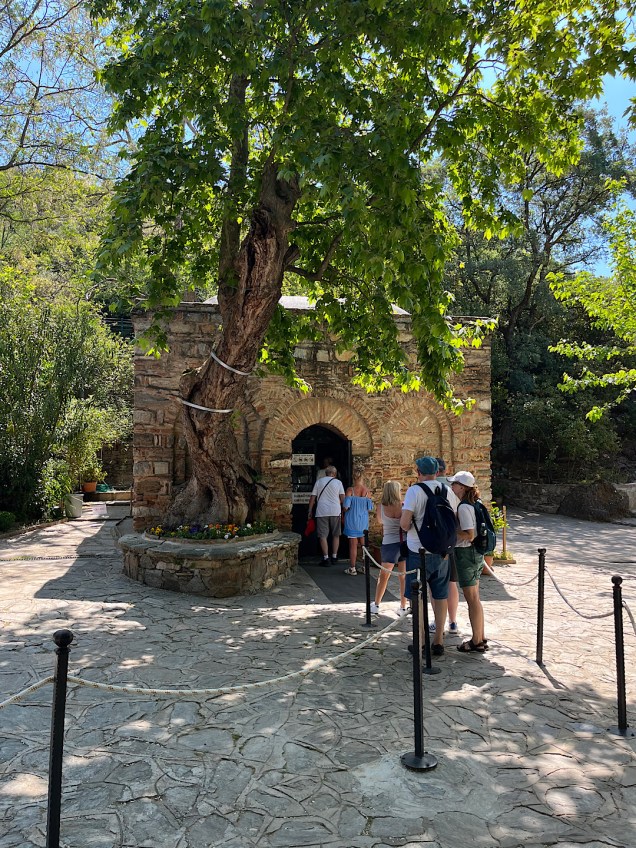 The Catholic Church says it was somewhere near the house that the body of the elderly Virgin was lifted off the ground and physically assumed into heaven. Catholics all over the world celebrate this event every August 15. But we found not a single plaque on the site mentioning it.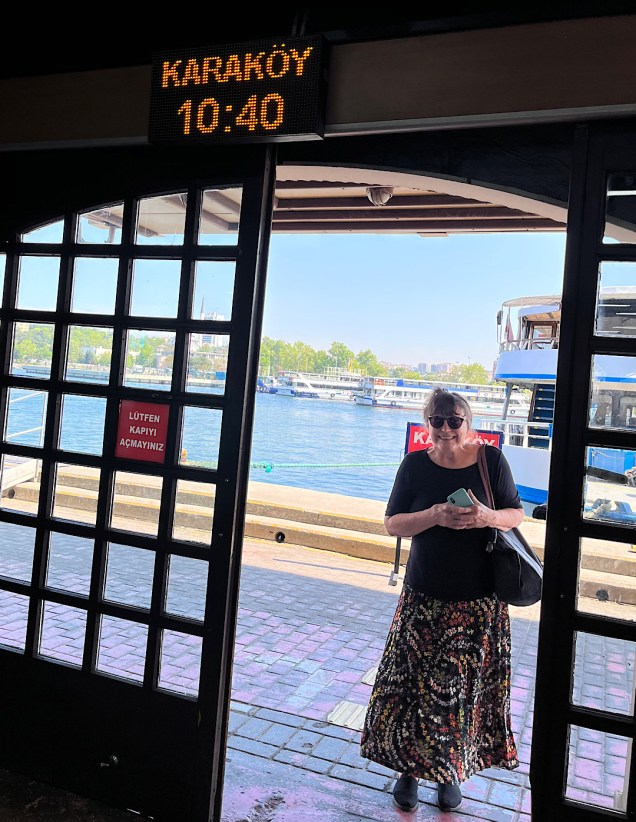
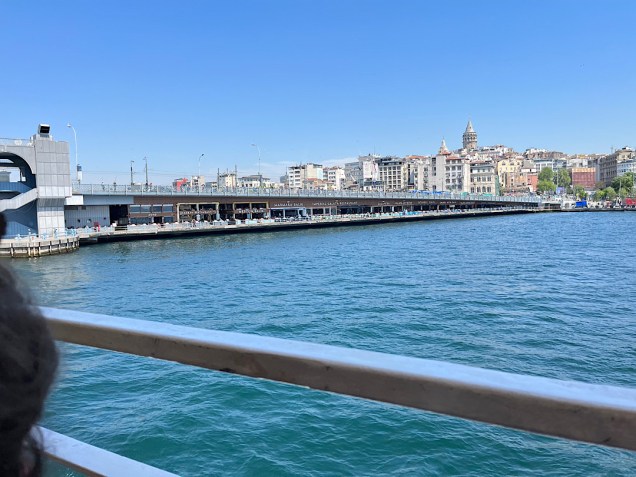
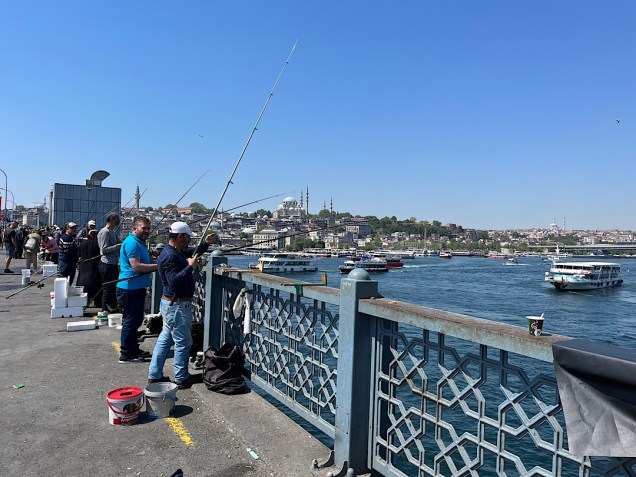
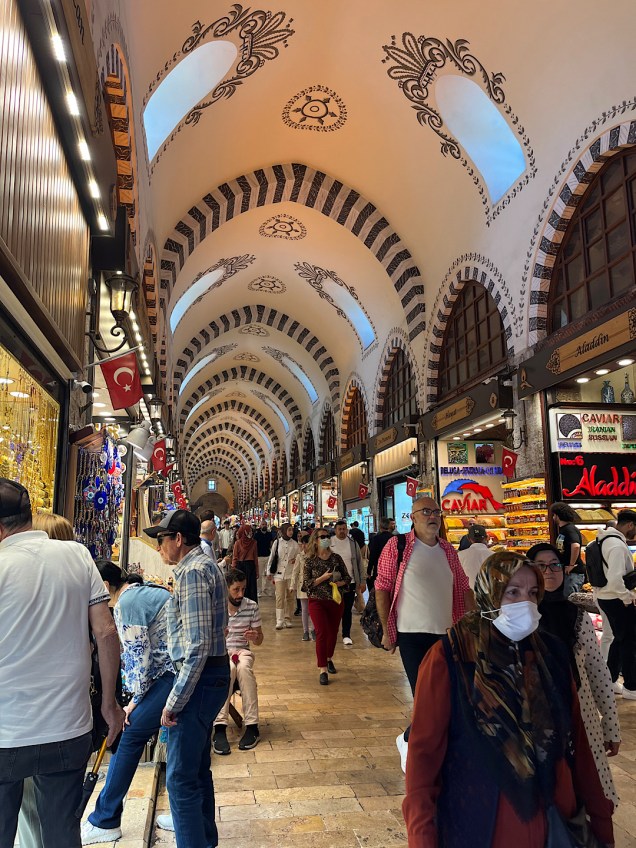 But we pressed on and eventually reached Sultanahmet Square, the beautiful plaza that once was the site of the Roman emperors’ palace and today is flanked by two of the world’s most spectacular religious structures (Hagia Sophia and the Blue Mosque.) We grabbed a casual lunch, then Virginia and I checked in for our cleaning extravaganza.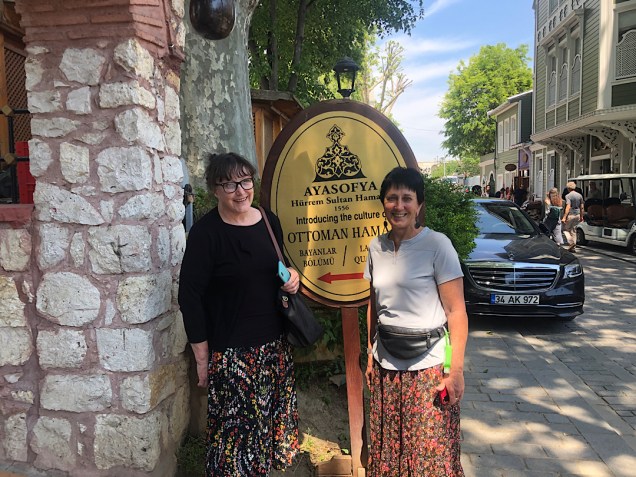
 We had signed up for The Works, and the process started with our being led to beautiful wood-paneled dressing roomswhere we shed all our clothes and donned tiny string thongs, shower slippers, and bathrobes.
 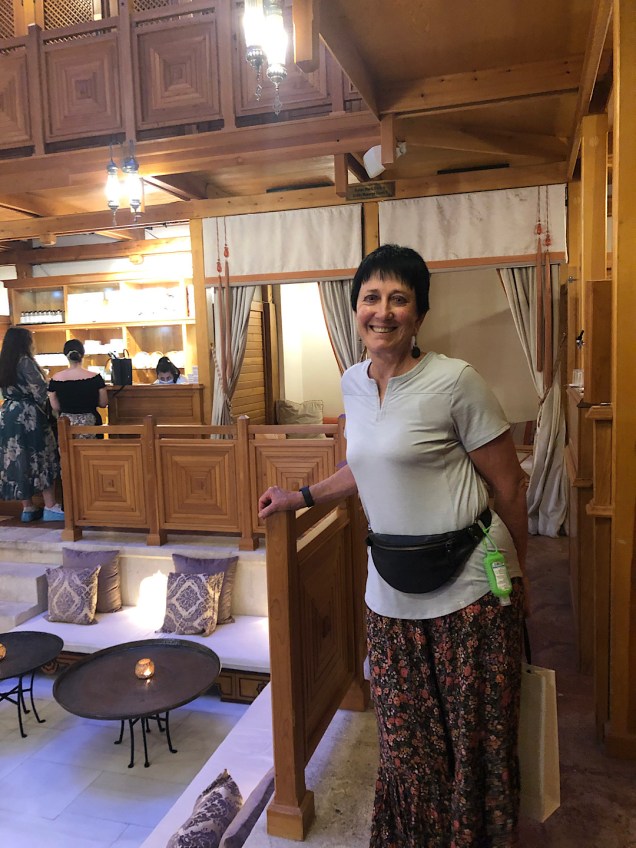 We each had our own personal attendant who led us to an inner sanctum under a graceful, light-filled dome. Directly under it was a six- or eight-sided marble platform. I can’t be specific in part because I couldn’t take a camera or notebook into that hot, steamy enclave filled with naked women of all ages, sizes, shapes, and colors. Even the attendants wear nothing but towels wrapped around them and tucked in over their breasts and at their upper thighs.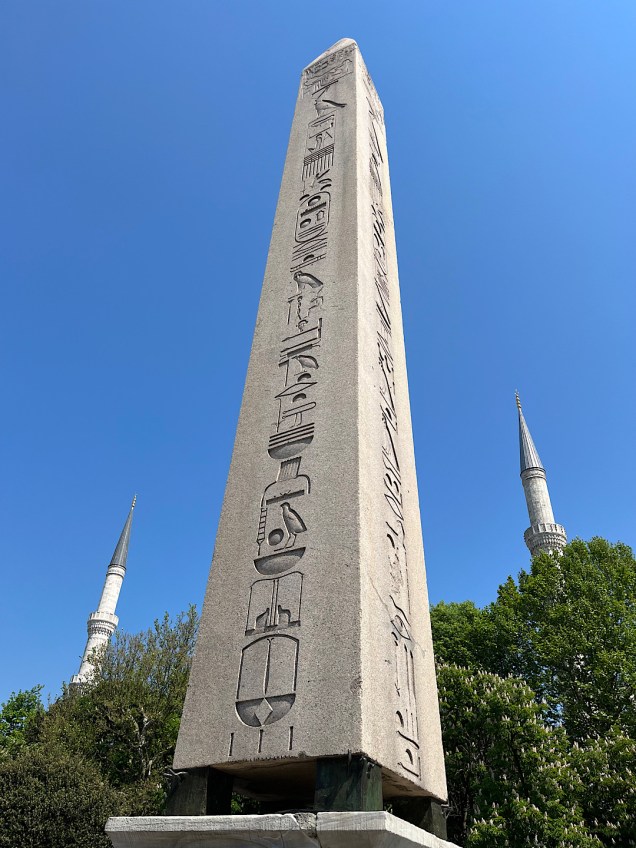
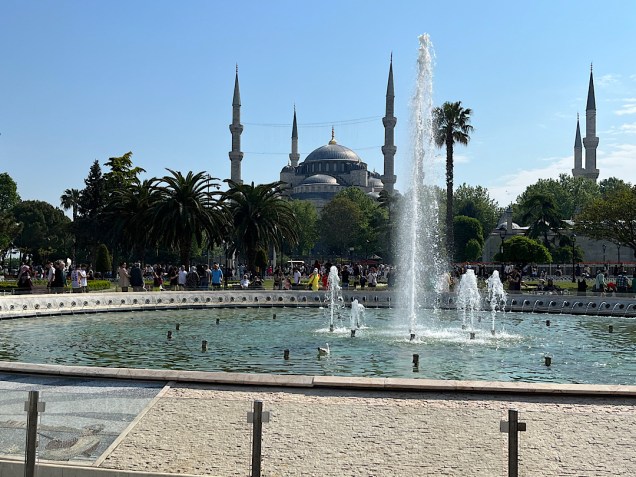
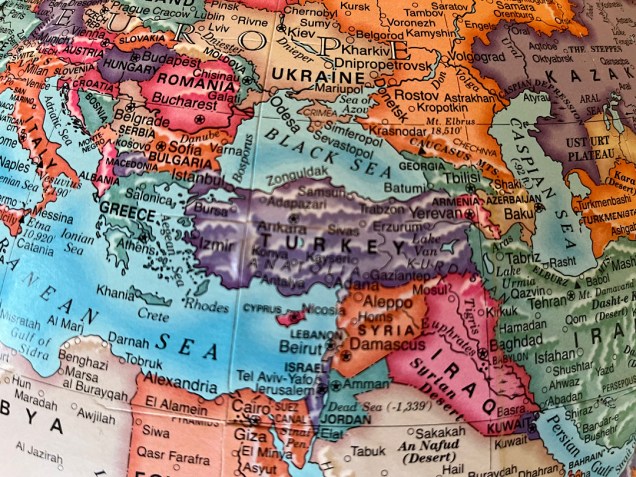 Tomorrow we take off for Istanbul. It’s about as centrally located as any place on our globe, and if it isn’t the actual center of the world (what is?) was the most important city of the most politically dominant land mass (Eurasia) for longer than any other city I can think of (like… 2000 years?) I’ve never been outside the airport there, so for me this visit will make Turkey the 76th entry on my list of Countries Visited. Steve spent some time there once before, though, when on a round-the-world odyssey with his parents. He celebrated his 9th birthday in a hotel overlooking the Bosporus. Though young, he was deeply impressed by the city and always said he wanted to go back. For the life of me, I don’t know why I also didn’t long ago yearn to get there.
 At home and abroad