Steve and I ate countless delicious meals over the course of this trip, but I have to say: few things tasted more satisfying than the glue on the stamp I bought in Monaco, the last of the seven Europeans microstates we had set out to visit.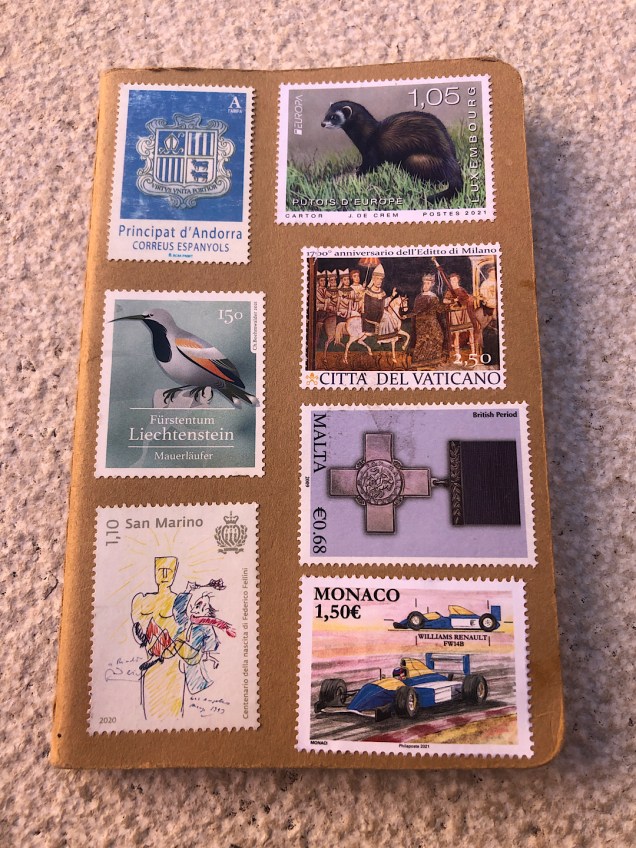
I started planning the first iteration of our Microstate Tour early in 2020 and had booked virtually every aspect of it when governments at home and abroad prohibited international traveling. I then planned and arranged a second version in the spring of 2021 — that one structured around the two French weddings we were invited to (in Bordeaux and Provence). But uncertainty over lingering Covid regulations forced the respective couples to postpone their nuptials to the fall. So I planned and booked the trip a third time. Heading to the airport at the end of August, I only half-believed Steve and I would complete the itinerary.
But it all came off, almost flawlessly. The worst glitch was Alitalia’s cancellation of our three flights (one from Rome to Malta and the one from Sicily to Nice, via Rome). I found alternative carriers, however, and I even nurse some hope we’ll get our money back from the canceled legs.
At the second wedding last weekend, several people asked what my favorite tiny country was. What I could tell them was that the one both Steve and I longed to spend more time in was Malta.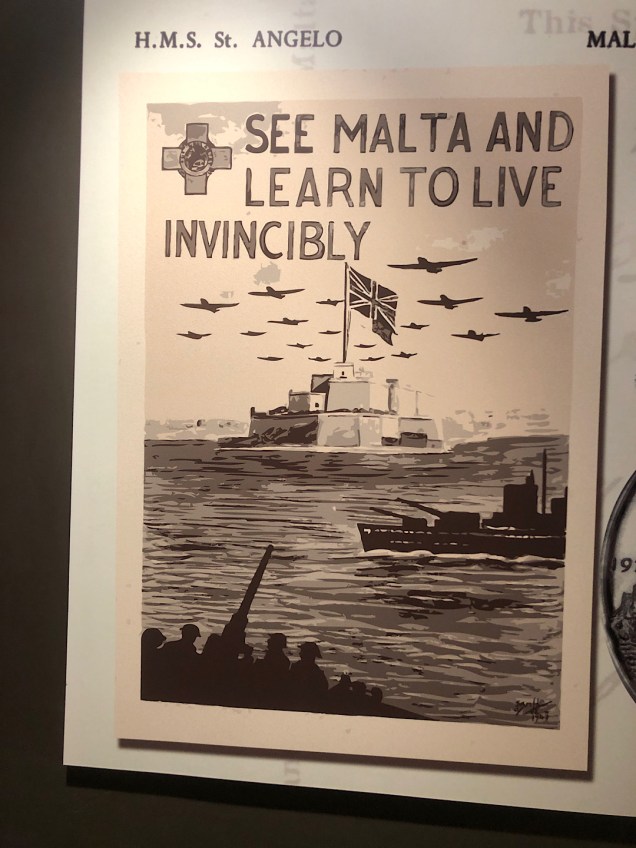 Ironically, Malta is the one microstate I didn’t blog about. We had barely 72 hours there and then went on to Sicily, where we met our friend Michael and blasted around the Italian island like Amazing Race contestants. On Sicily I barely had a moment to sit down, let alone write. And then we raced on to Monaco.
Before going to Malta I had predicted to Steve that San Marino would wind up winning the biggest piece of my heart. I loved the feisty Sammarinese independence and the beauty-drenched vistas you meet around every corner. The vibe is very different in Malta. Roughly four times bigger than San Marino, it’s a monochromatic world, at least around its magnificent harbor (the only area we got to).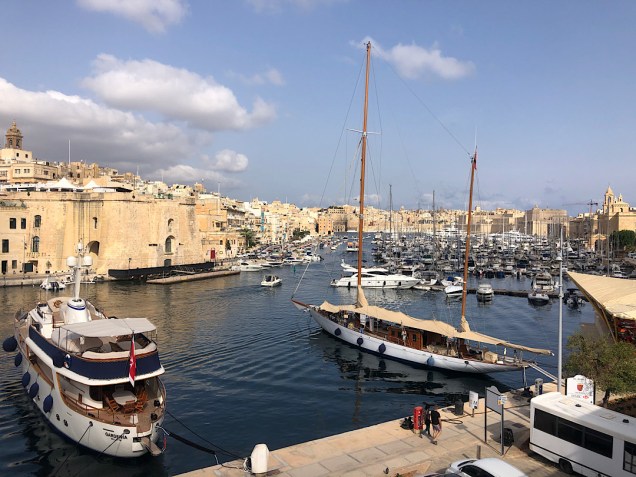
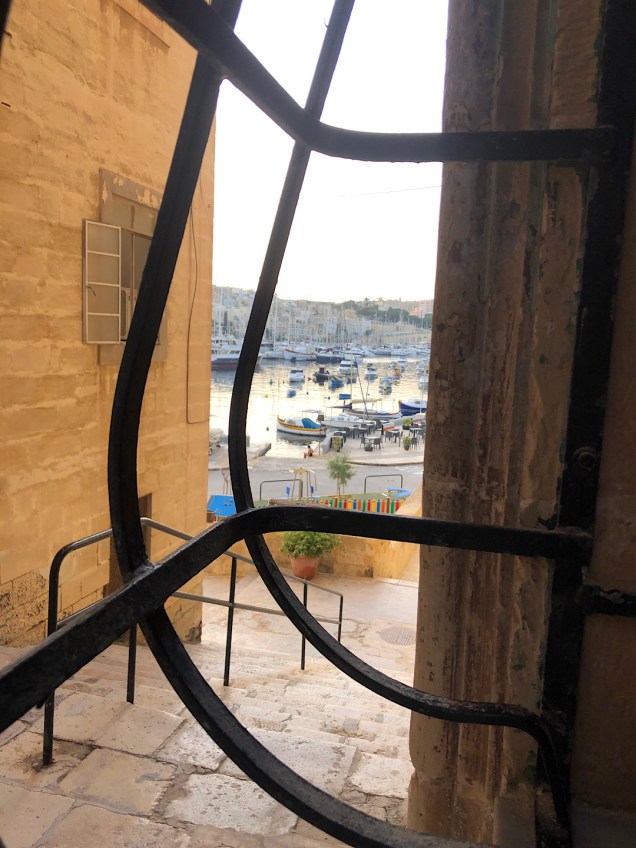
Almost everything is built out of pinkish tan sandstone, which makes it look a bit like a movie set. Dozens of productions have been filmed here in recent years.
Malta the country consists of five islands. We only got to the biggest, most populated one (also called Malta). We stayed in a 400-plus-year-old building on Senglea, a finger of land sticking into the harbor.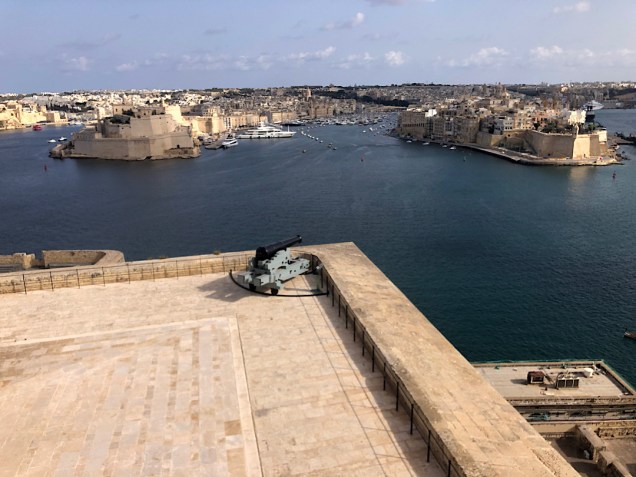
This side of the harbor was the one-time bastion of the famous Knights of Malta, wealthy Christian noblemen who hailed from all over Europe and hated Islam. In the early 12th century, they fought as Crusaders and over time evolved into something like anti-Islamic pirates. In 1530, the Holy Roman Emperor Charles V gave them Malta as a permanent home, and they reached perhaps their greatest moment of glory in 1565 when about 500 knights and a couple thousand foot soldiers held out against a vastly larger fleet of Turkish warriors. After their success in resisting the Turkish siege, Muslim expansion into Europe ended; a pretty good case can be made that because of what happened in Malta 450 years ago, Western Europe today is dotted with cathedrals rather than mosques.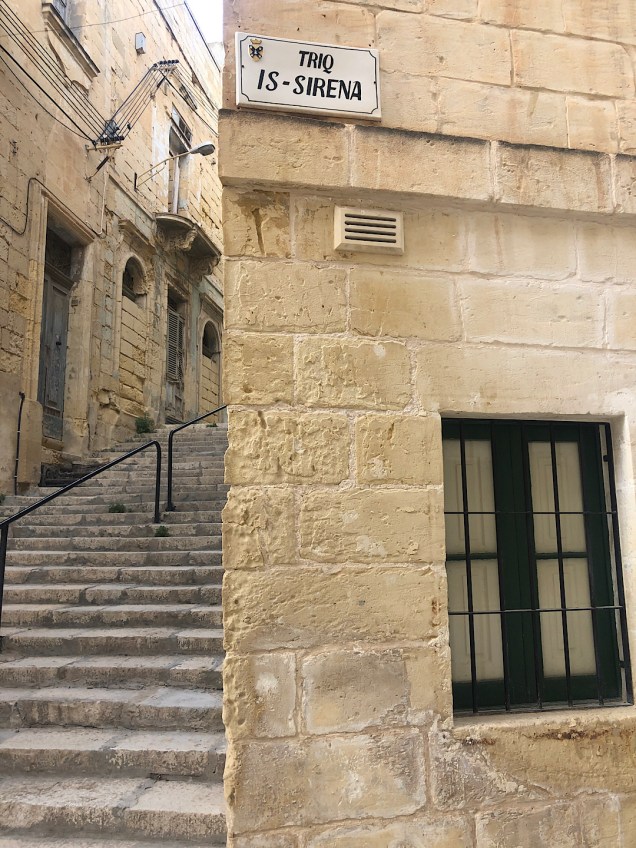
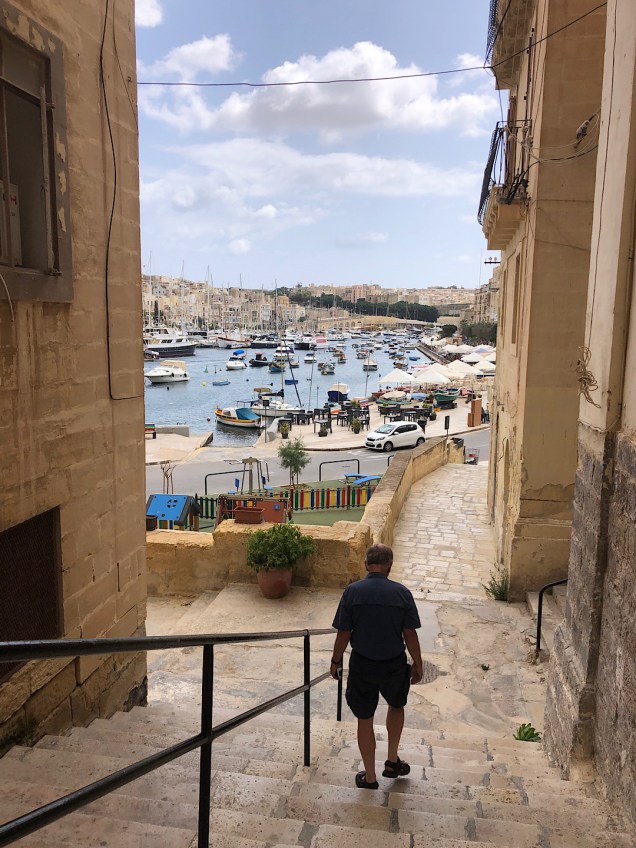
The larger than life character who led the Maltese resistance was a Knight named Jean La Valette. He oversaw the building of a new capital across the harbor from Senglea and its two sister cities. The new enclave became Valletta, which claims the honor of being the first planned city in all of Europe. La Valette designed an orderly grid in which tall stone buildings lined streets made intentionally narrow so that folks walking down them would be shaded from Malta’s blazing sun. Valleta is just a ten-minute ferry ride from Senglea. Steve and I made the trip a couple of times in order to sample Valleta’s crackling night life, visit a few of its sumptuous churches, and take in some of it scenic viewpoints.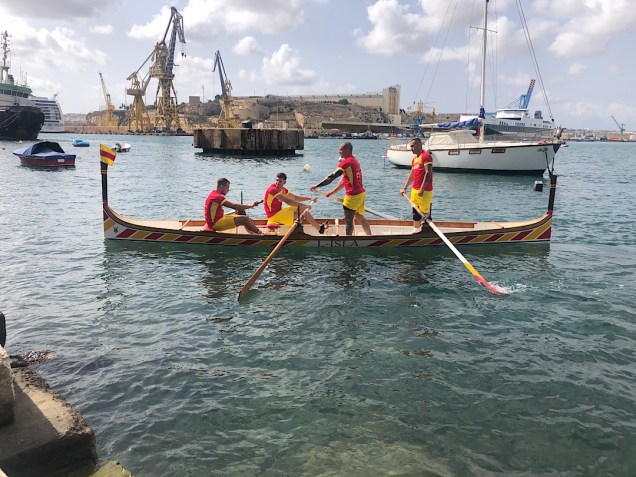
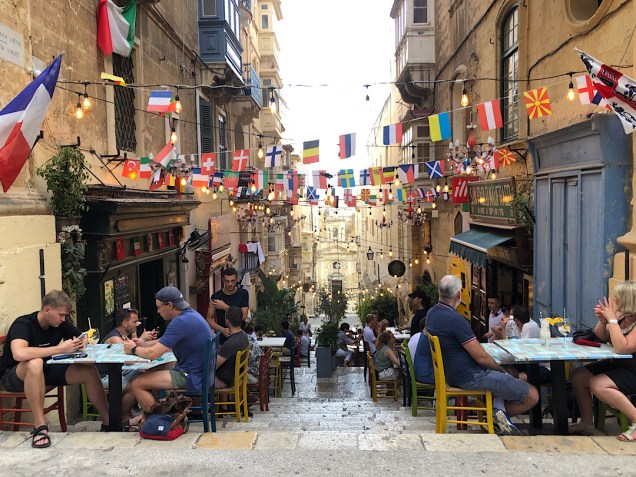
But we were keenly aware of all we couldn’t cram in — exploring important archeological sites both on Malta and Gozo (the second biggest island), swimming and snorkeling in the turquoise local waters, visiting other museums and forts, and more.
But you can never see it all, eh? On our Microstate Tour, Steve and I were away from home for 42 nights. We passed through 11 different countries, slept in 22 different lodgings, and on several occasions I felt as tired as I can imagine ever feeling. Yet over and over the sights and people and new insights recharged us. If we didn’t see it all, we never regretted trying.
As one final note, I have to credit an excellent book, Secrets of the Seven Smallest States of Europe, by Thomas Eccardt that I stumbled upon after I was well into planning Steve’s and my trip. Published in 2005, it’s too dated to be a practical travel manual today, but Eccardt’s lucid writing about the mind-numbingly complex history of all these places was a great help. To anyone else who’s tempted to see Andorra, Liechtenstein, Luxembourg, San Marino, Vatican City, Malta, and Monaco — or any combination of them — I recommend it. And wish you bon voyage!

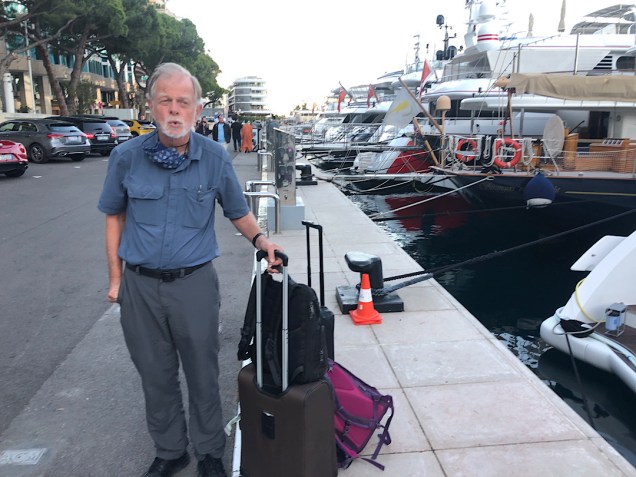
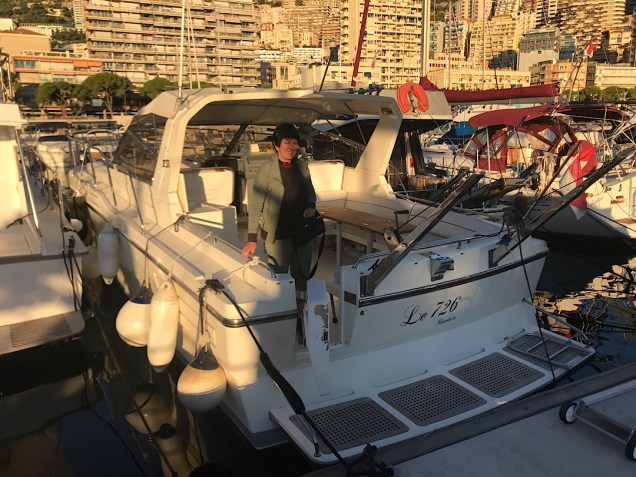
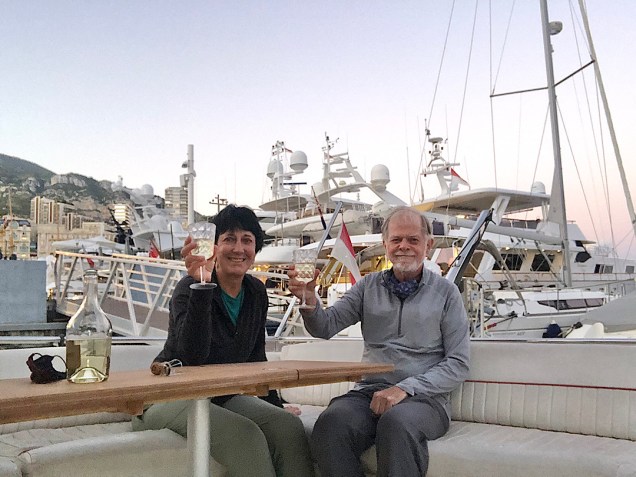 After Olivier left, Steve and I enjoyed a glass of the Prosecco which Olivier had kindly left for us and reminded each other that we never, ever want to live on a boat — unless it was one of the megayachts like the kind that re crammed cheek by jowl into the docks of the Monaco port.
 Those whoppers costs hundreds of millions of dollars, however, so a future residency on one is highly unlikely.
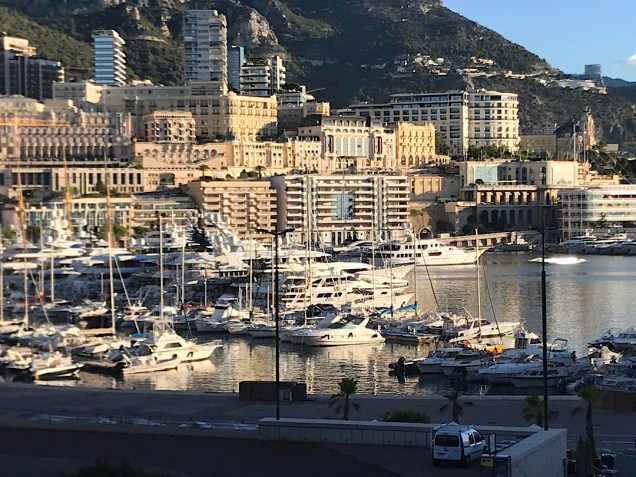 In another, we could see the royal palace.
 The flag was flying so we knew that the current prince (Albert II, only son of the late Prince Rainier and Princess Grace) was home with his family.
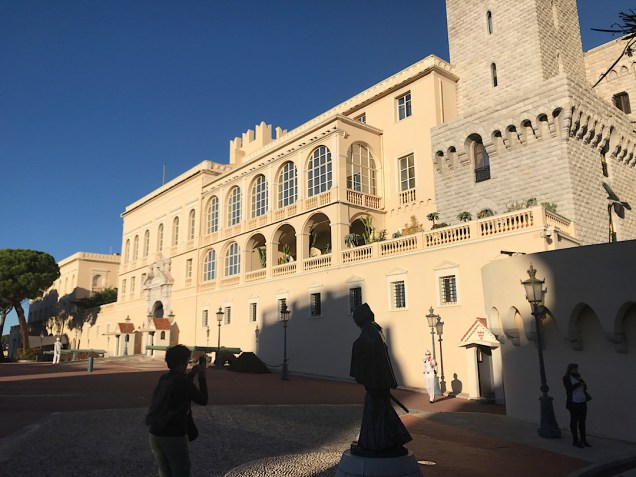 It has a cozy air (as palaces go). Then we ambled through the narrow streets, as charming as any in Europe. Beyond the center of the old city, a cliffside park and plaza reminded me of the best viewpoints in La Jolla, except for the public restrooms. Steve reported the Monegasque ones to be the cleanest and nicest he’s ever seen anywhere. A bit later, we wandered into the austere but elegant cathedral where the one-time movie star, Grace Kelly, married the prince.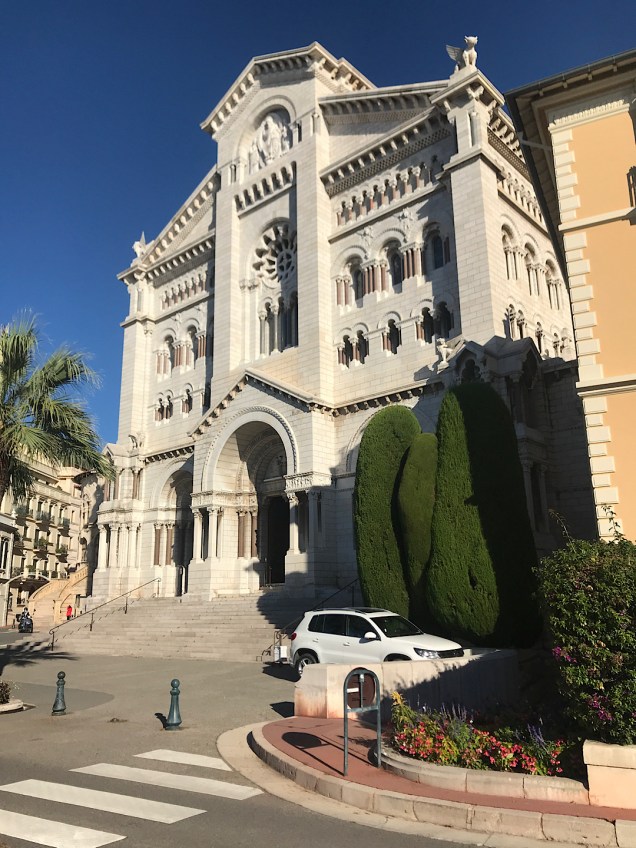
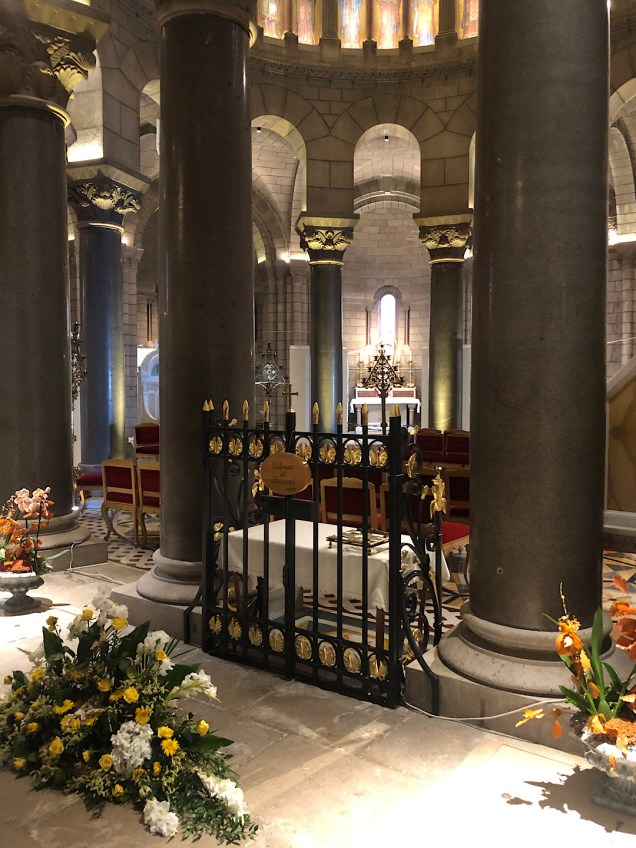
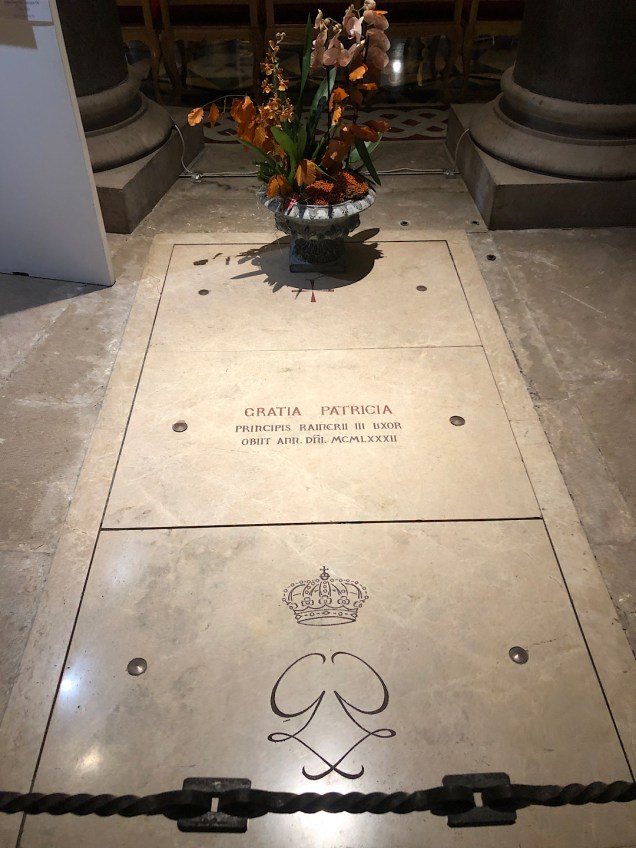 To one side of the alter we found the site she was buried after dying in a 1982 car accident. Her husband lived for 23 more years, but now he reposes next to her.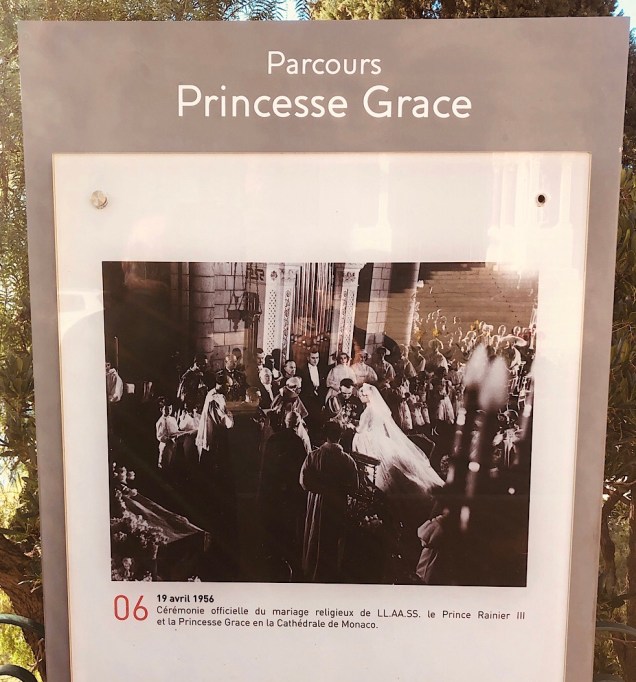
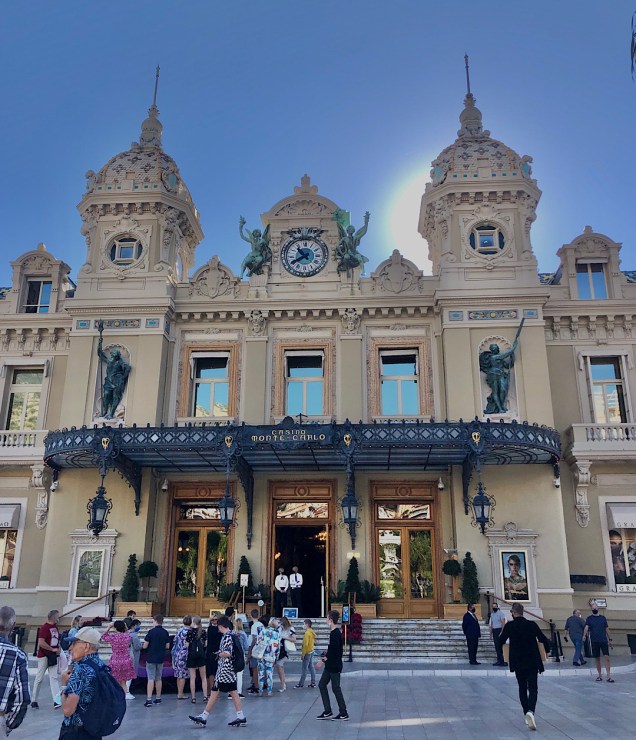
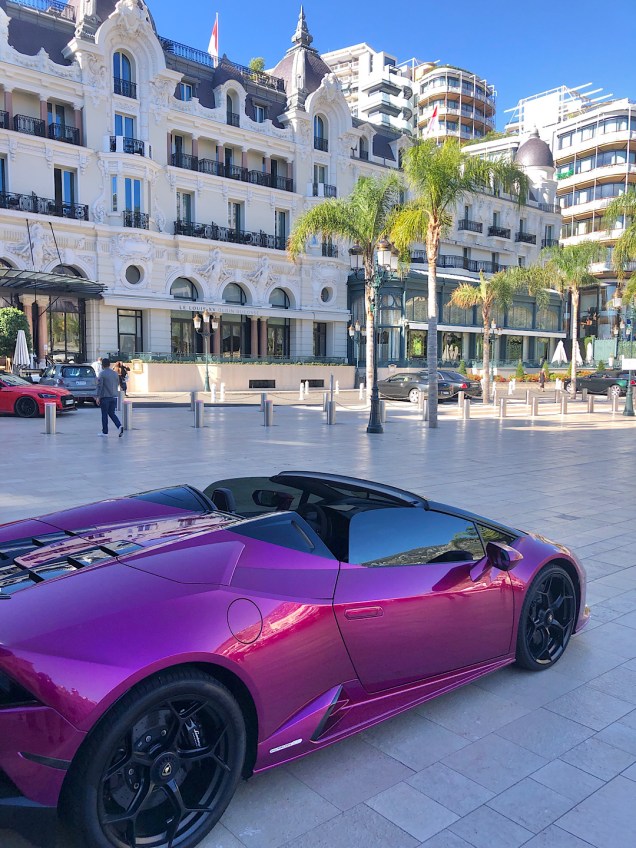 But the streets around the place are filled with shops and businesses and markets, some mundane…
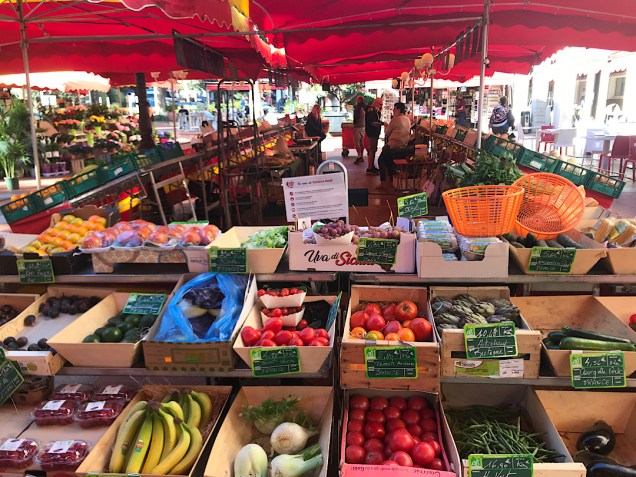 some not.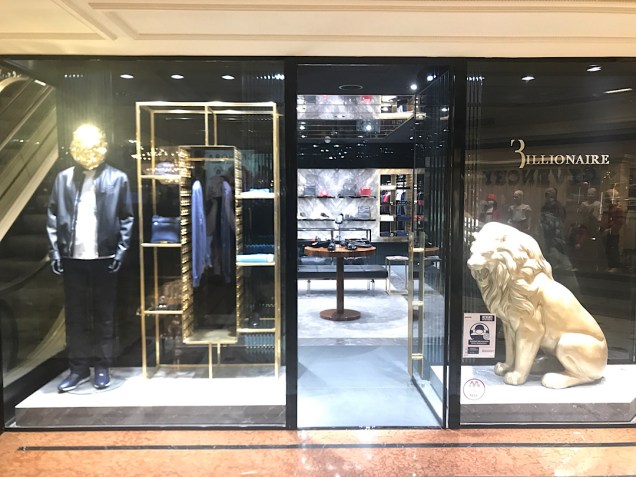
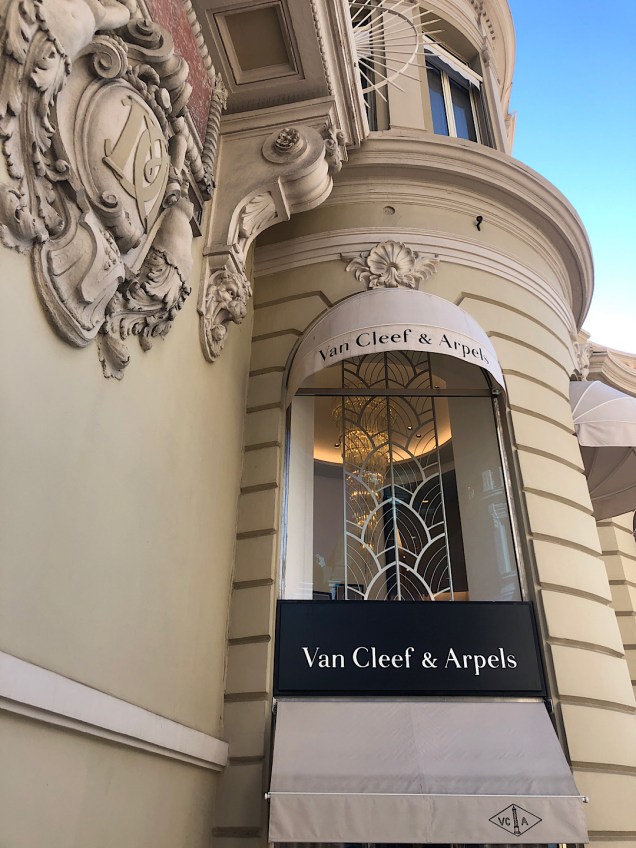
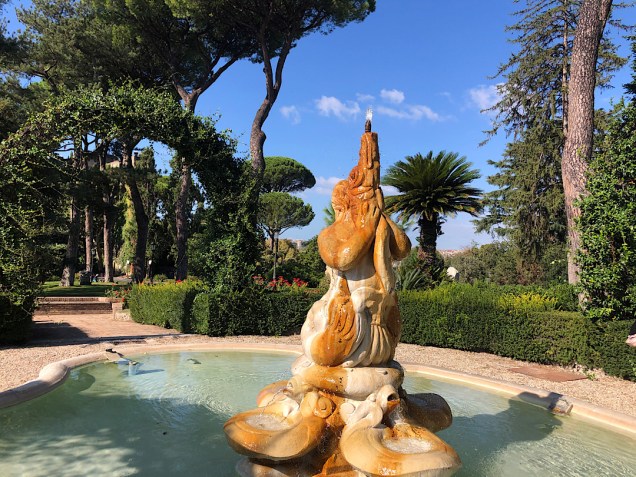
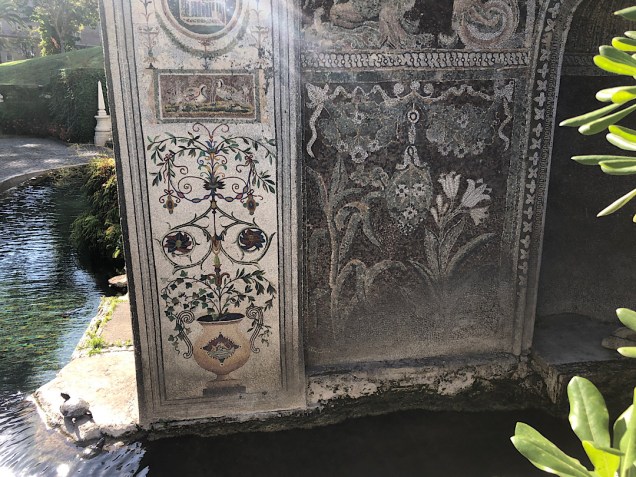
 Some formal, most less so. We ambled by some flowers, but more of the ornamentation was watery or sculptural or redolent of the distant past.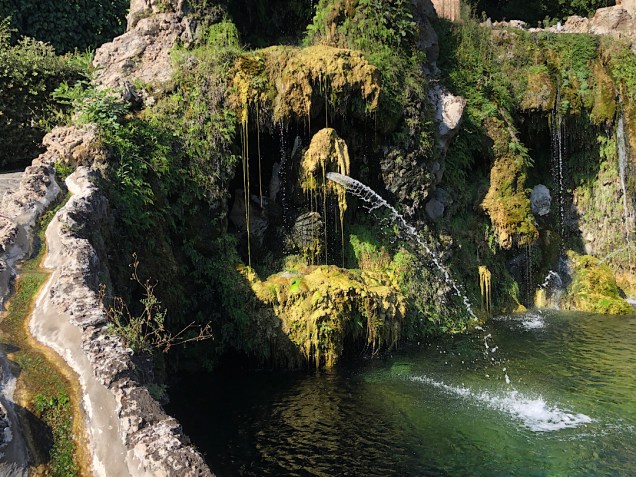
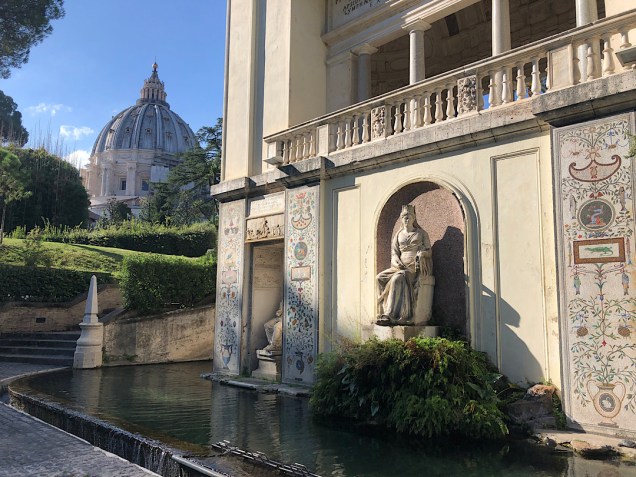 …the stark simplicity of the outside of the Sistine Chapel…
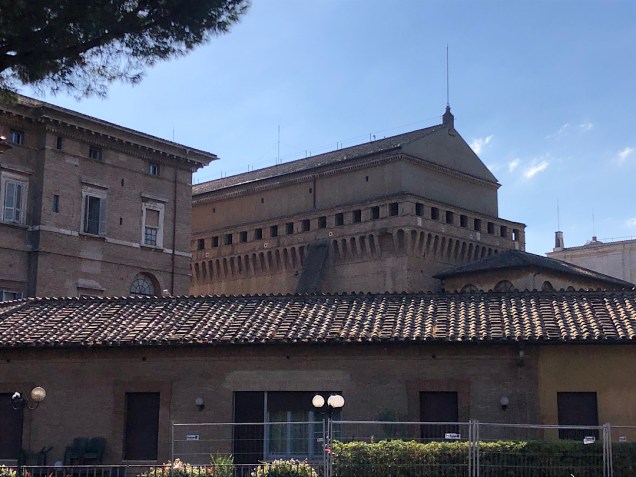 …or the homely building where the former Cardinal Ratzinger (aka Benedict, the recent pontiff who retired) is living out his final years.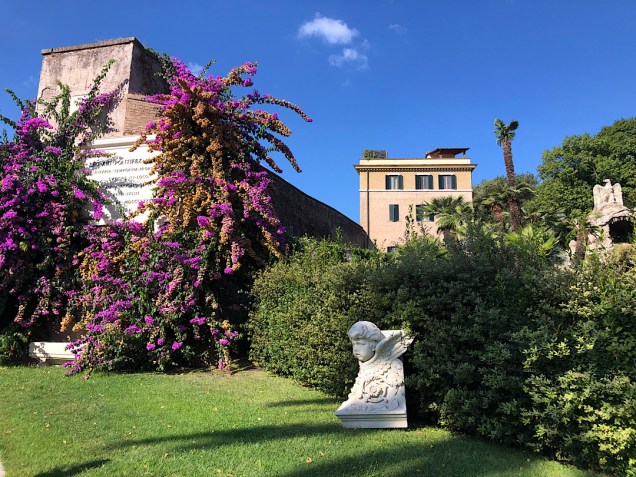
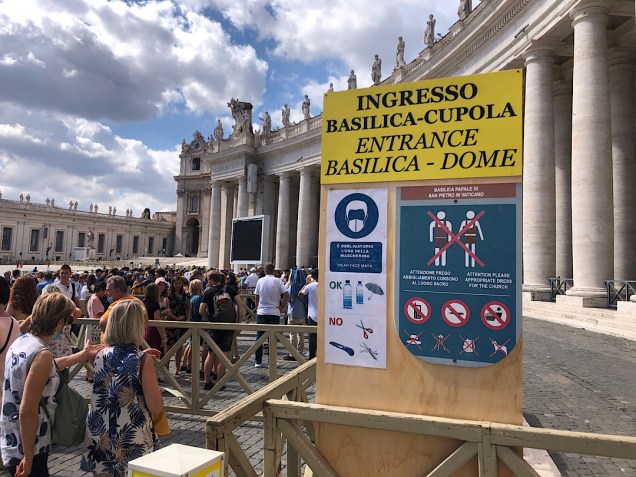 We had to check out of our Airbnb flat and move on, so we settled for just a photo in front of the grand edifice.
 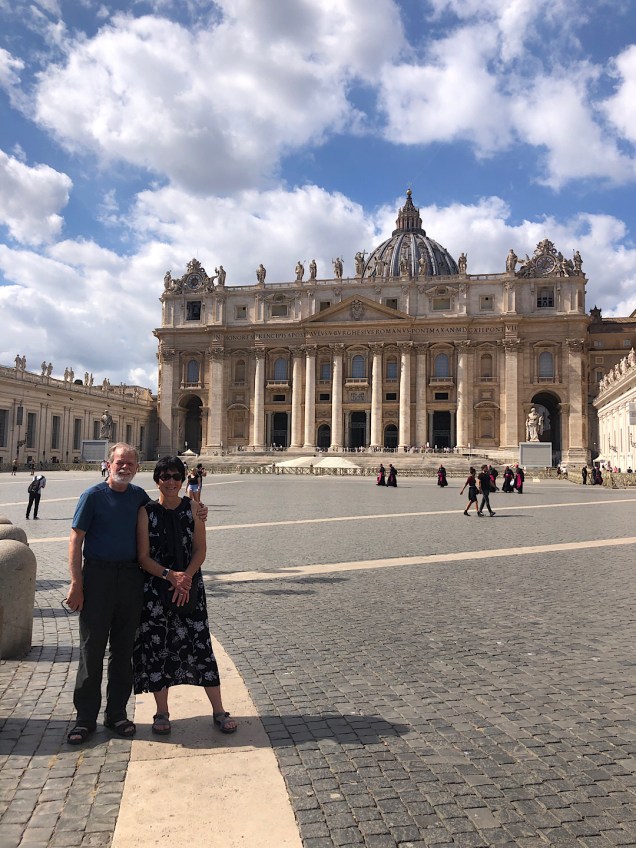 That was good enough. The gardens had shown us a place where at least a handful of humans (the Pope and a few hundred others) actually live. It felt a bit more like a real country.
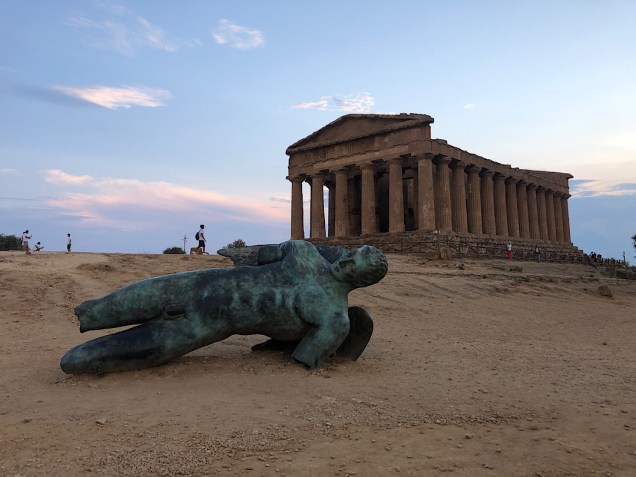
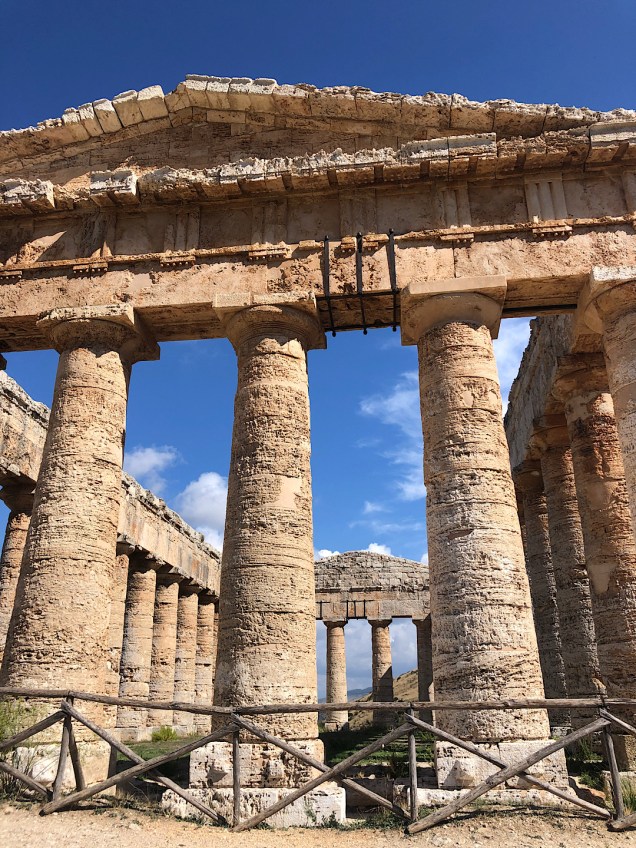
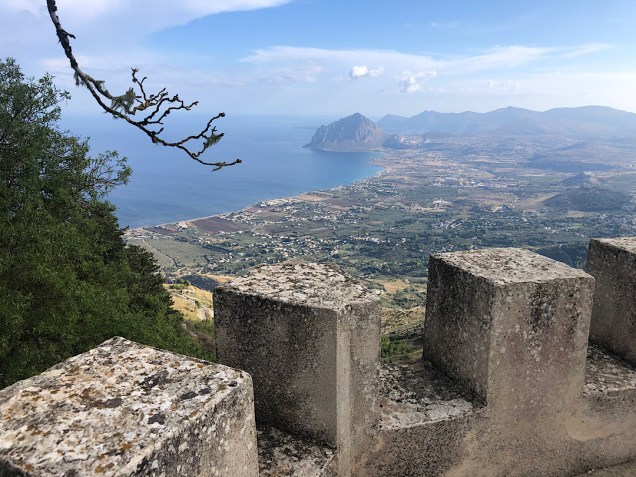
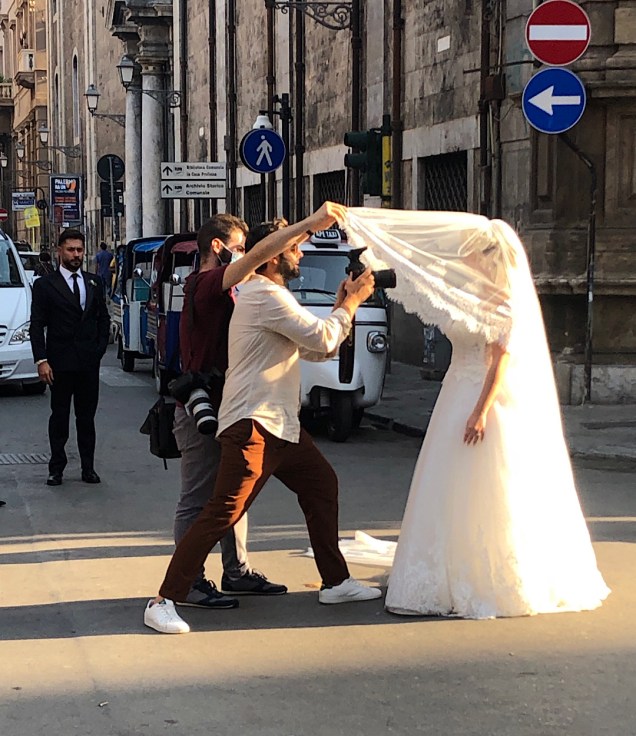 Two weeks ago, Steve and I took the train from San Marino to Rome, where we met our old friend Megan and visited our fifth microstate (the Holy See). From there we flew to Microstate #6: Malta, stayed for three nights, then took a Ryanair flight to Catania in Sicily, the large island off the toe of the Italian boot. We’ve been here for the last 8 days, a significant side track from the theme of this trip; Sicily is not an independent country, though it sure resembles one. It’s been a part of Italy for only 161 years, before that hosting a dizzying succession of cultures and conquerors: Stone Age settlers 5000 to 6000 years ago, North African invaders, Elymians and Carthaginians, Greeks, then Romans, Barbarians, Byzantines, Arabs, Normans, a Holy Roman emperor or two, Austrians, Spaniards, Brits, and finally Garibaldi (hero of Italian unification.) I’m sure I’ve forgotten some. All have left their mark, and for a brief spell after World War II some Sicilians agitated for independence. Had they succeeded, Sicily would have been more a ministate than a micro-one. It’s ten times bigger in area than Luxembourg (which in turn could contain all the 6 smaller European midgets.)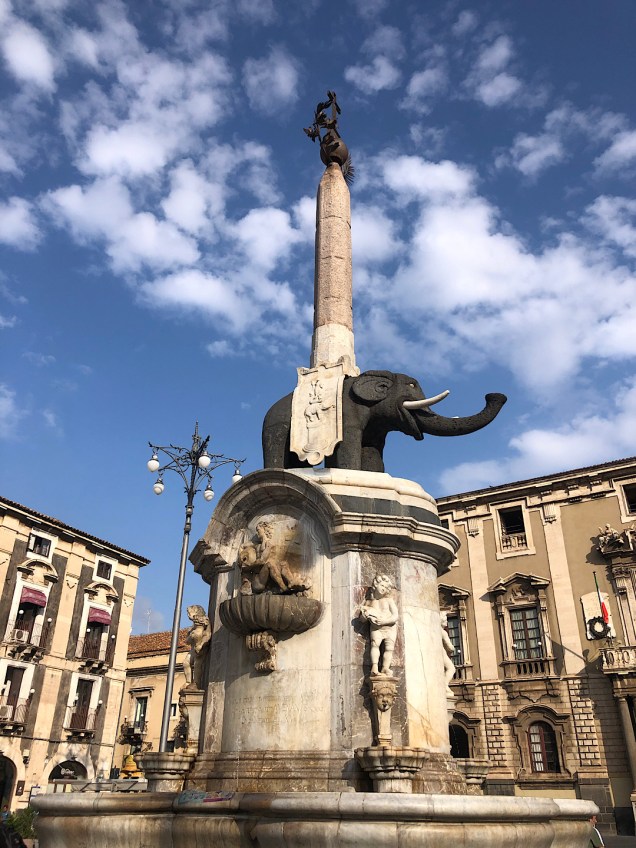
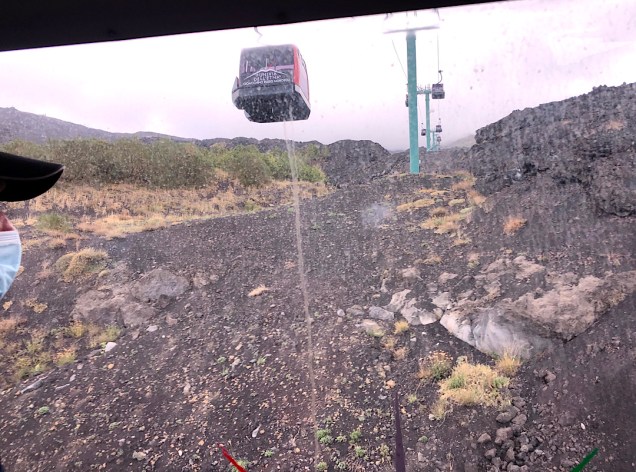 …which wasn’t erupting but instead was blanketed in fog (thwarting an ascent all the way to the crater). Later that day, we paid a lightning visit to the ancient Greek theater in the lovely resort town of Taormina.
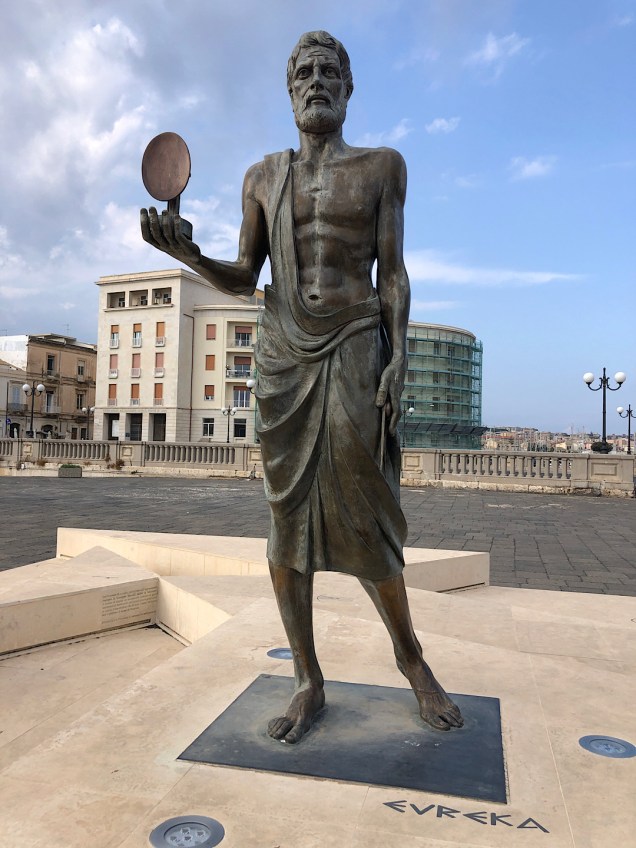

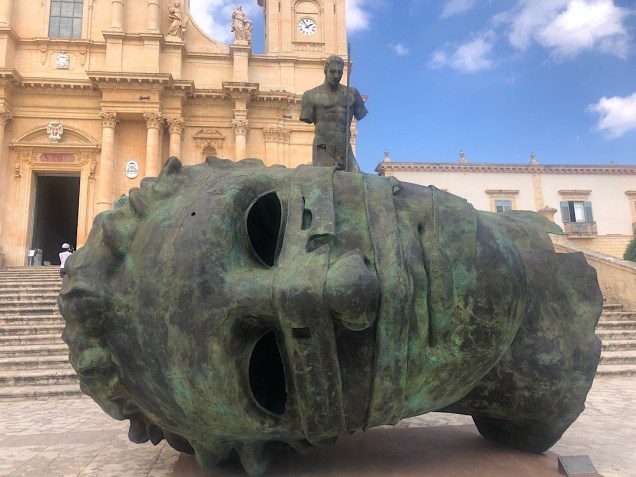 and Ragusa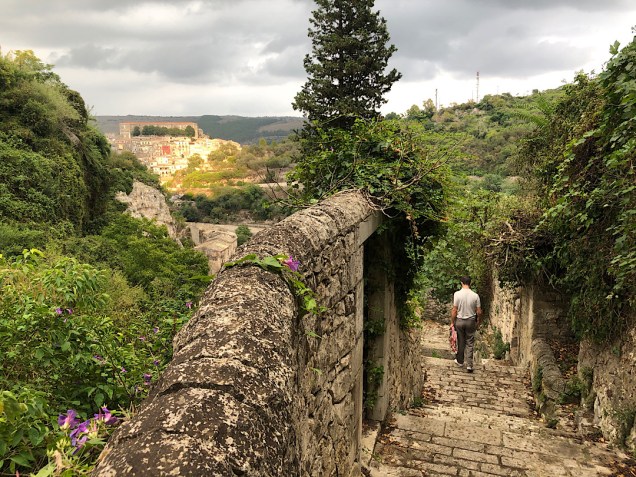
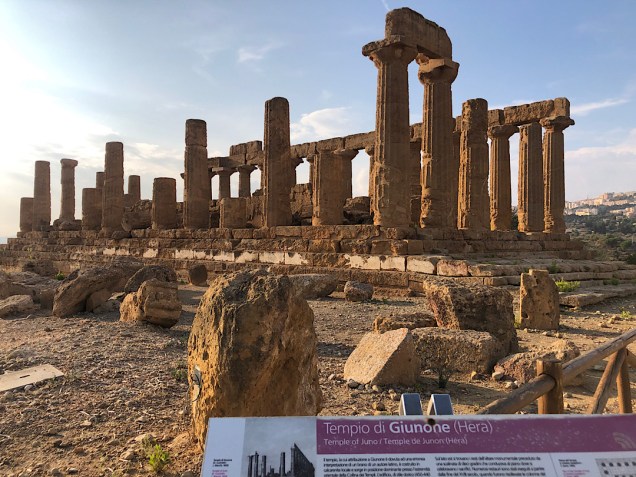

 At home and abroad